Clothing
Clothing
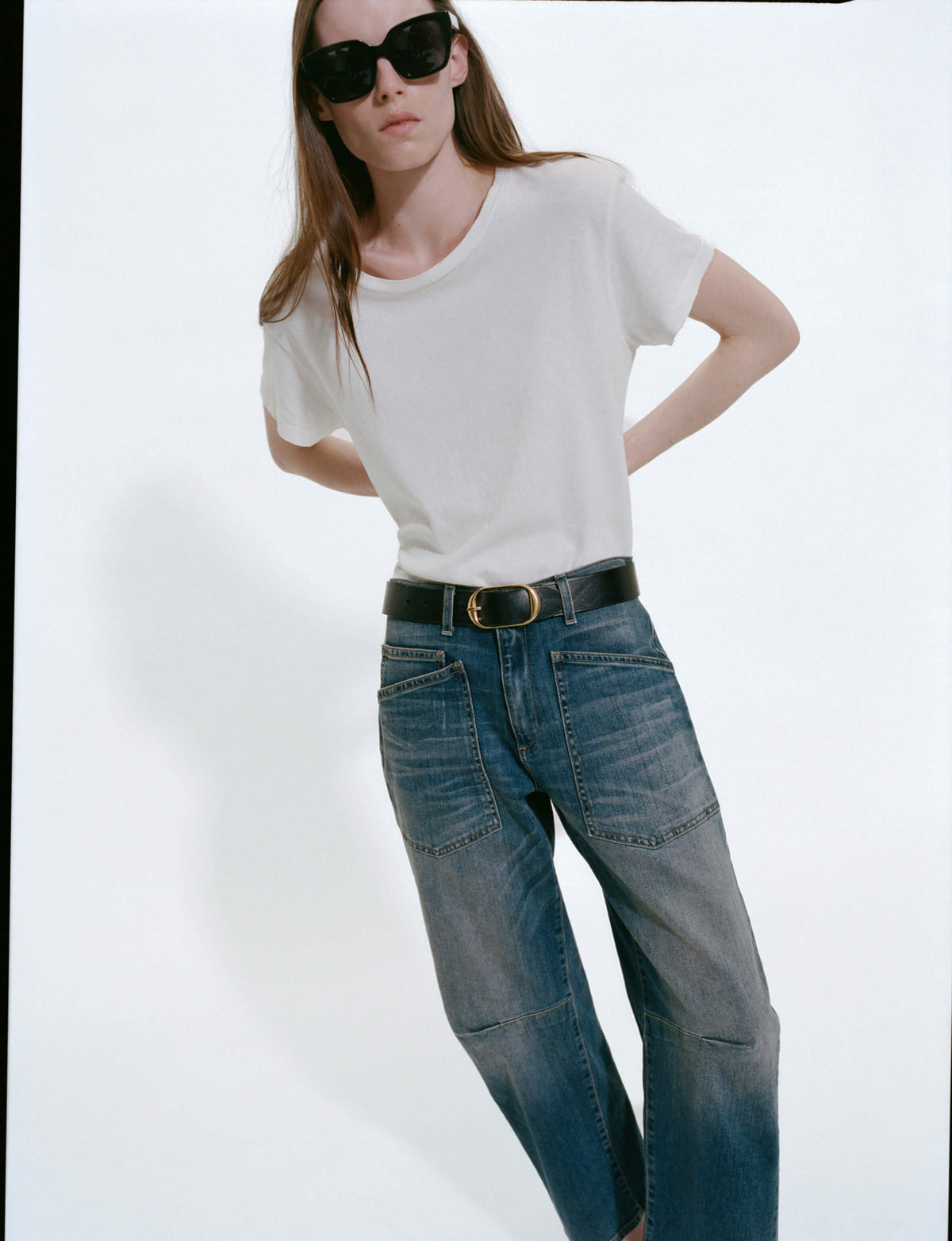
NILI LOTAN
Nili Lotan grew up in the Israeli beach town of Netanya, served two years in the Israeli Air Force, studied at Shenkar College of Engineering and Design in Tel Aviv, then moved to New York in 1980 and spent roughly two decades as a senior designer for Ralph Lauren, Liz Claiborne and Nautica before launching her own label in 2003. Her first collection was six pieces cut from a single Italian mill's fabric, including a Cropped Military Pant modeled on her own air force uniform that remains one of the label's signatures.
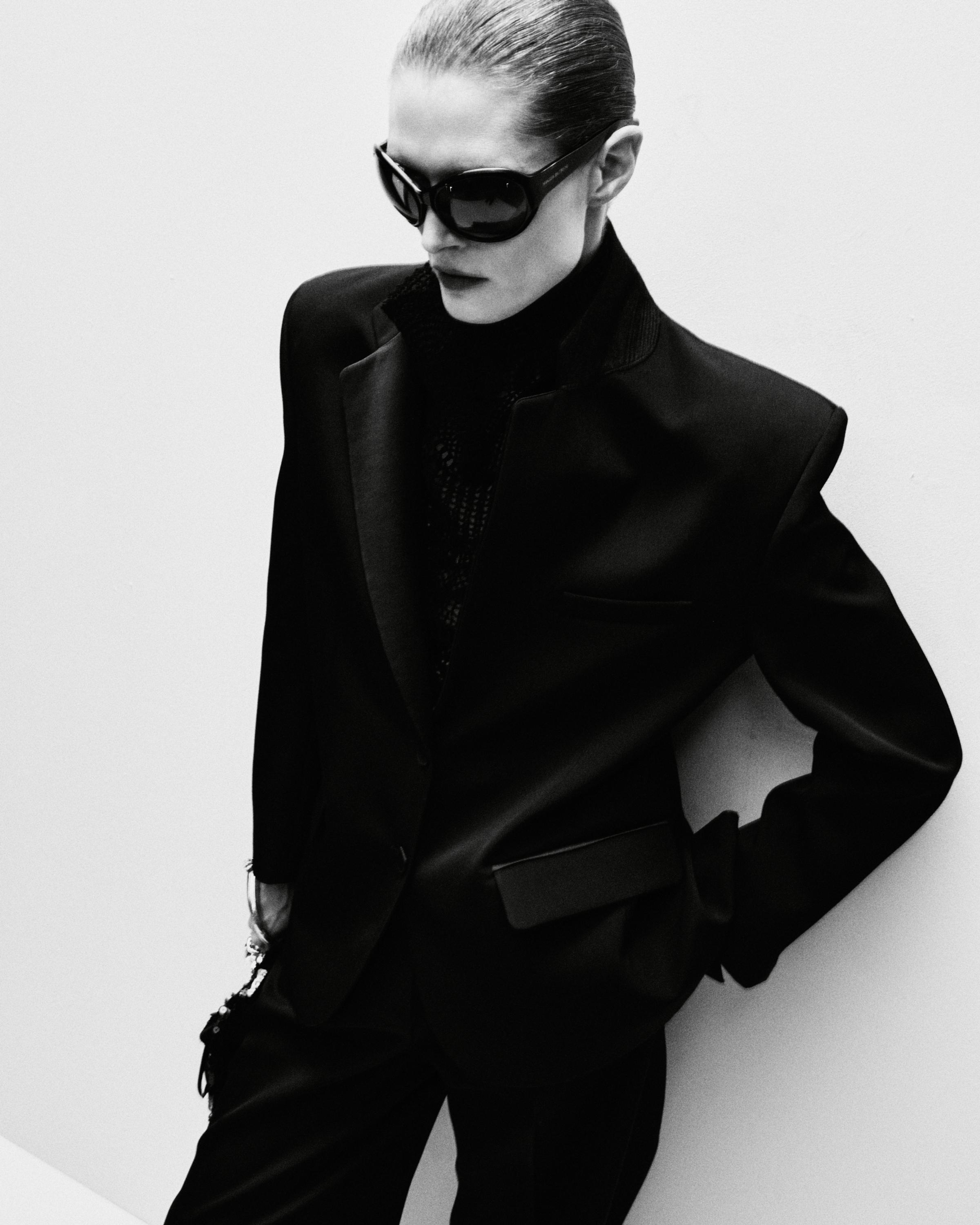
Magda Butrym
Magda Butrym, born in Zabrze, Poland, worked for years as a stylist and ran a short-lived earlier label, Portofino, before launching her eponymous house in Warsaw in 2014. The label built its identity by working directly with Polish artisans, turning regional hand-knitted lace and hand-plaited leatherwork into signatures rather than trims.
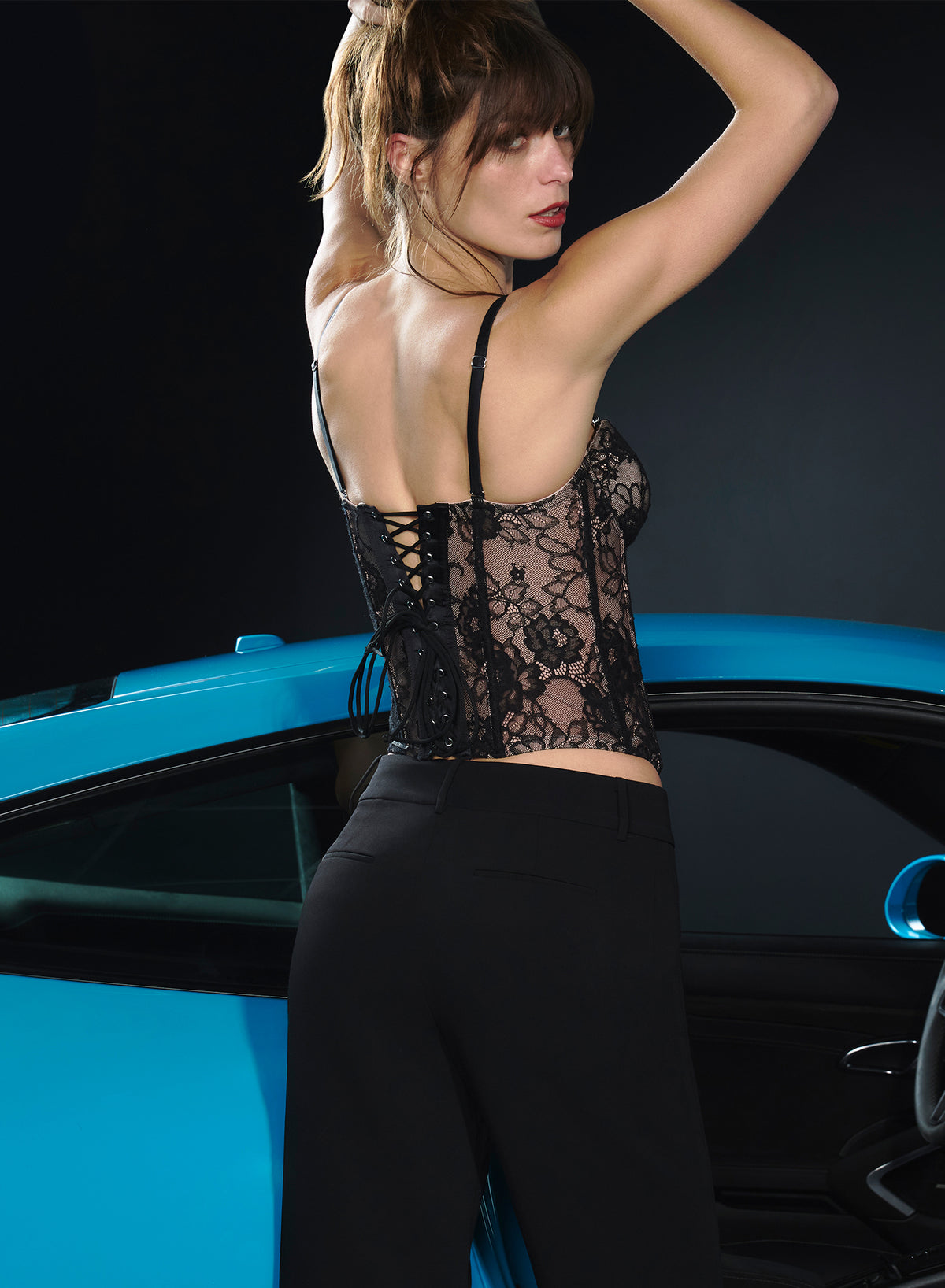
Fleur du Mal
Jennifer Zuccarini launched Fleur du Mal in New York in 2012 after stints co-founding Kiki de Montparnasse and designing intimates at Victoria's Secret, taking the brand's name from Baudelaire's collection of poems. Her pitch was lingerie meant to be worn on an ordinary day rather than saved for an occasion, which is why the label expanded into ready-to-wear and swim without ever losing its underpinnings logic.
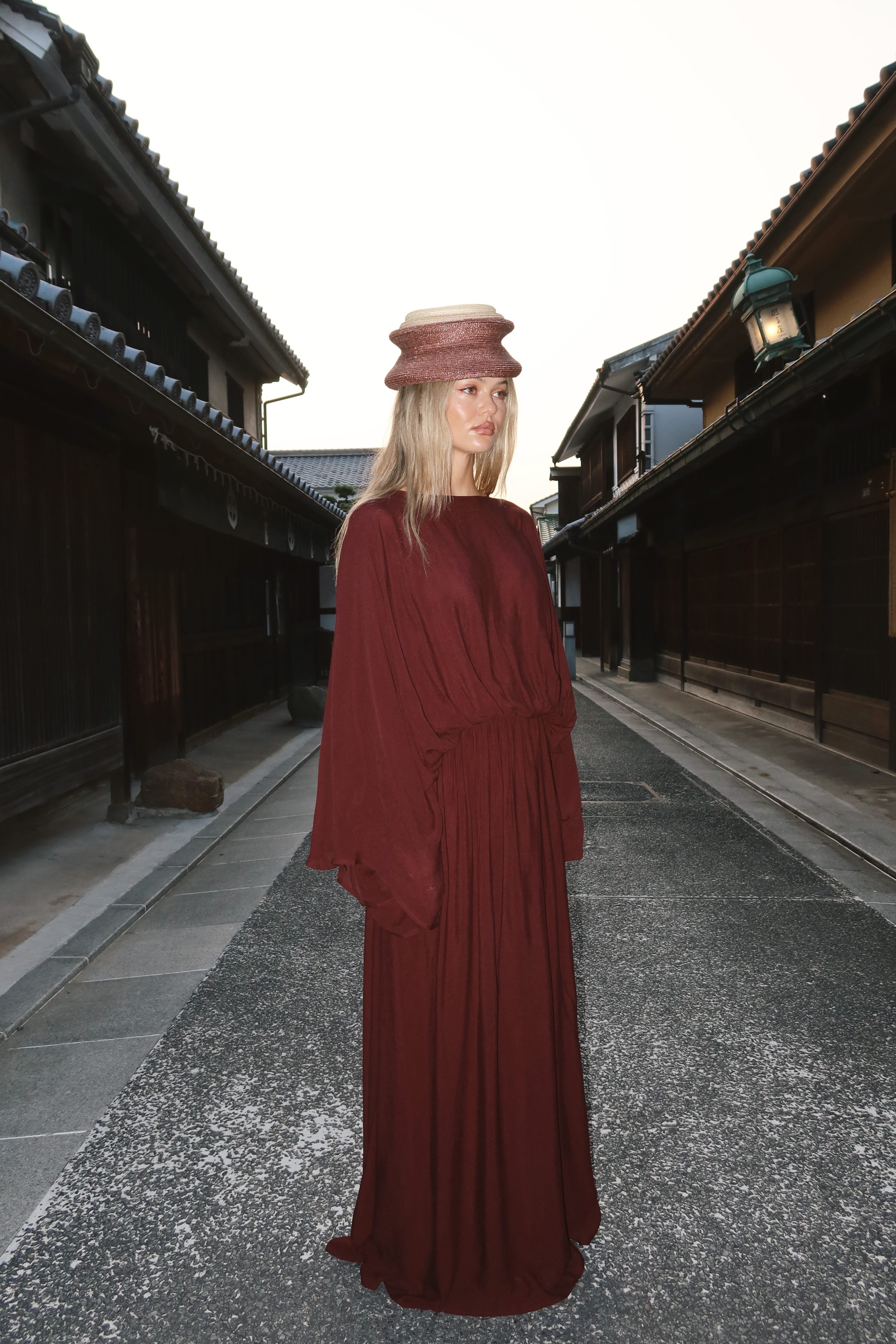
Third Form
Merryn Kelly, a graduate of Sydney TAFE's fashion design program, founded Third Form in 2014 after working in design roles at Zimmermann, Shakuhachi and Lee Jeans. The label built its name on a contemporary, slightly edgy take on Australian womenswear, enough to earn a Vogue Australia nod for its cult following and a spot on Forbes' list of new Australian fashion names.
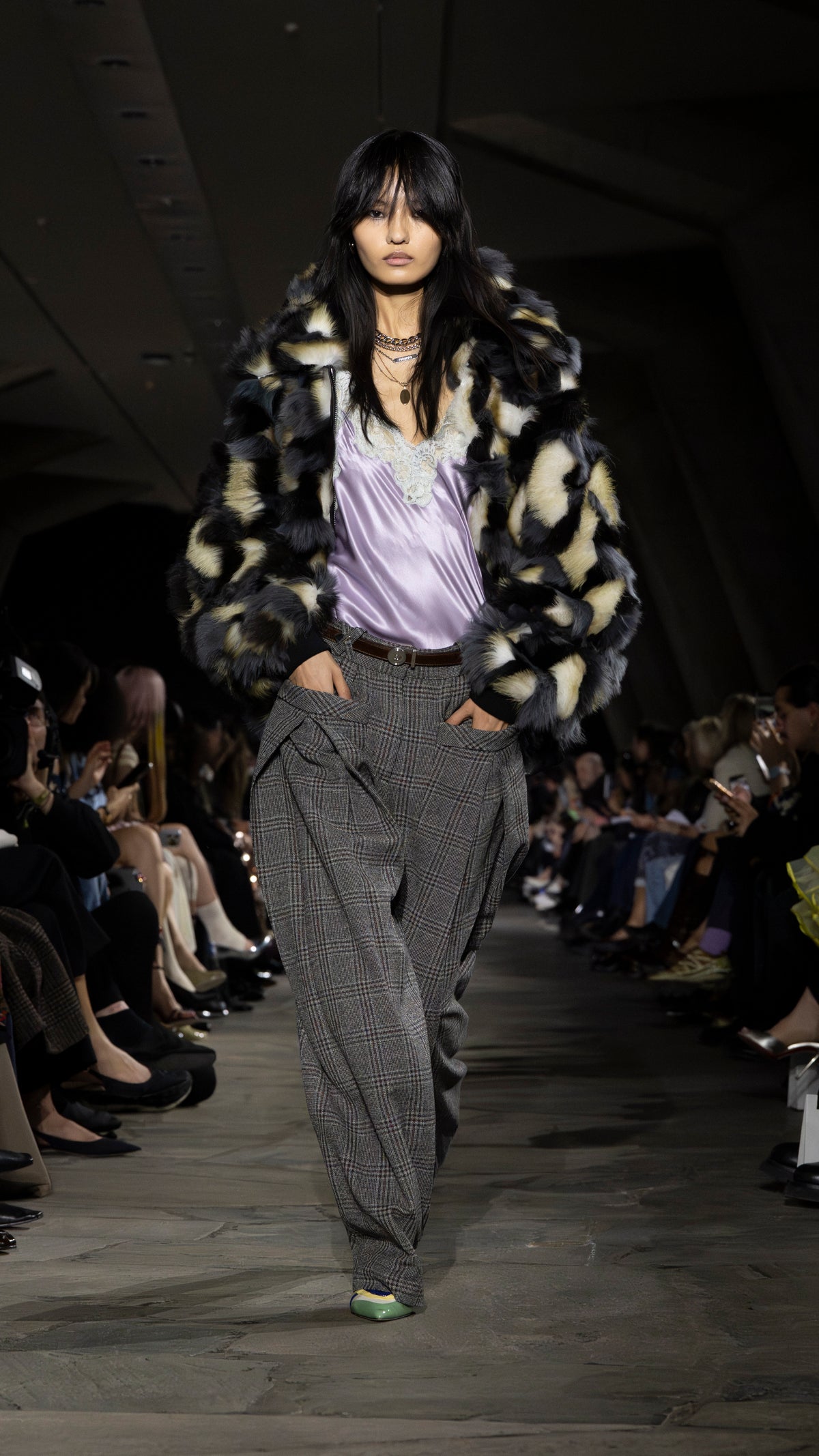
Rabanne
Paco Rabanne, born Francisco Rabaneda Cuervo and trained as an architect, founded his house in Paris in 1966 with a debut collection of dresses built from metal and plastic plates linked like chainmail, a look Coco Chanel reportedly dismissed by calling him a metal worker rather than a couturier. The house's futurist, industrial materials went on to dress Jane Fonda in Barbarella, and after Julien Dossena was named creative director in 2013 the label sharpened that archive into contemporary ready-to-wear before dropping Paco from its name in 2023.
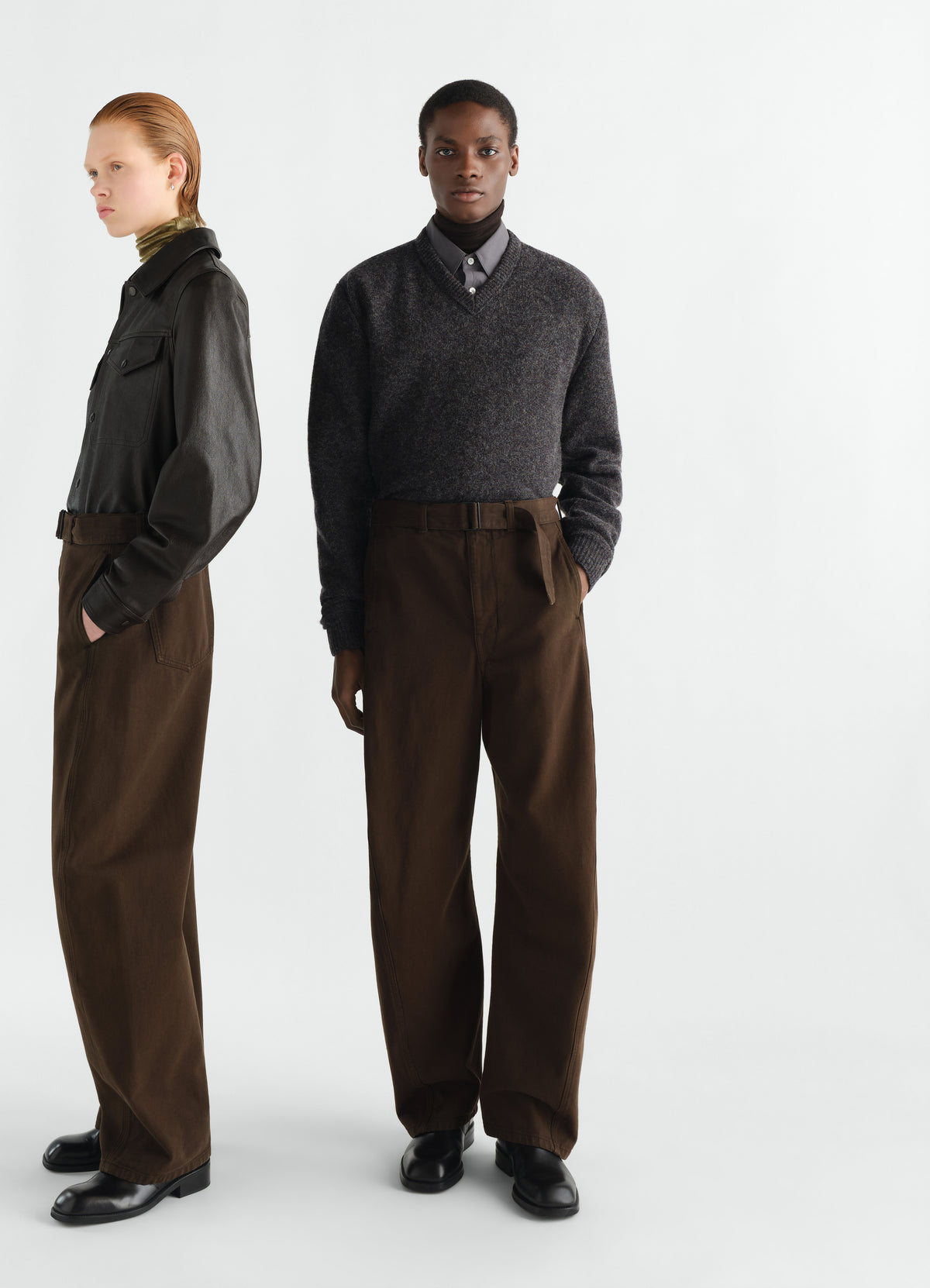
Lemaire
Christophe Lemaire founded his label in Paris in 1991, put it on pause for a stint at Lacoste, then relaunched it in 2007 before Sarah-Linh Tran joined as co-artistic director in 2010 and the two rebranded it simply as Lemaire. After years spent refining wearable, unfussy silhouettes rather than headline grabbing ones, the house is now known for a crescent shaped bag and a design language people describe as quiet luxury.
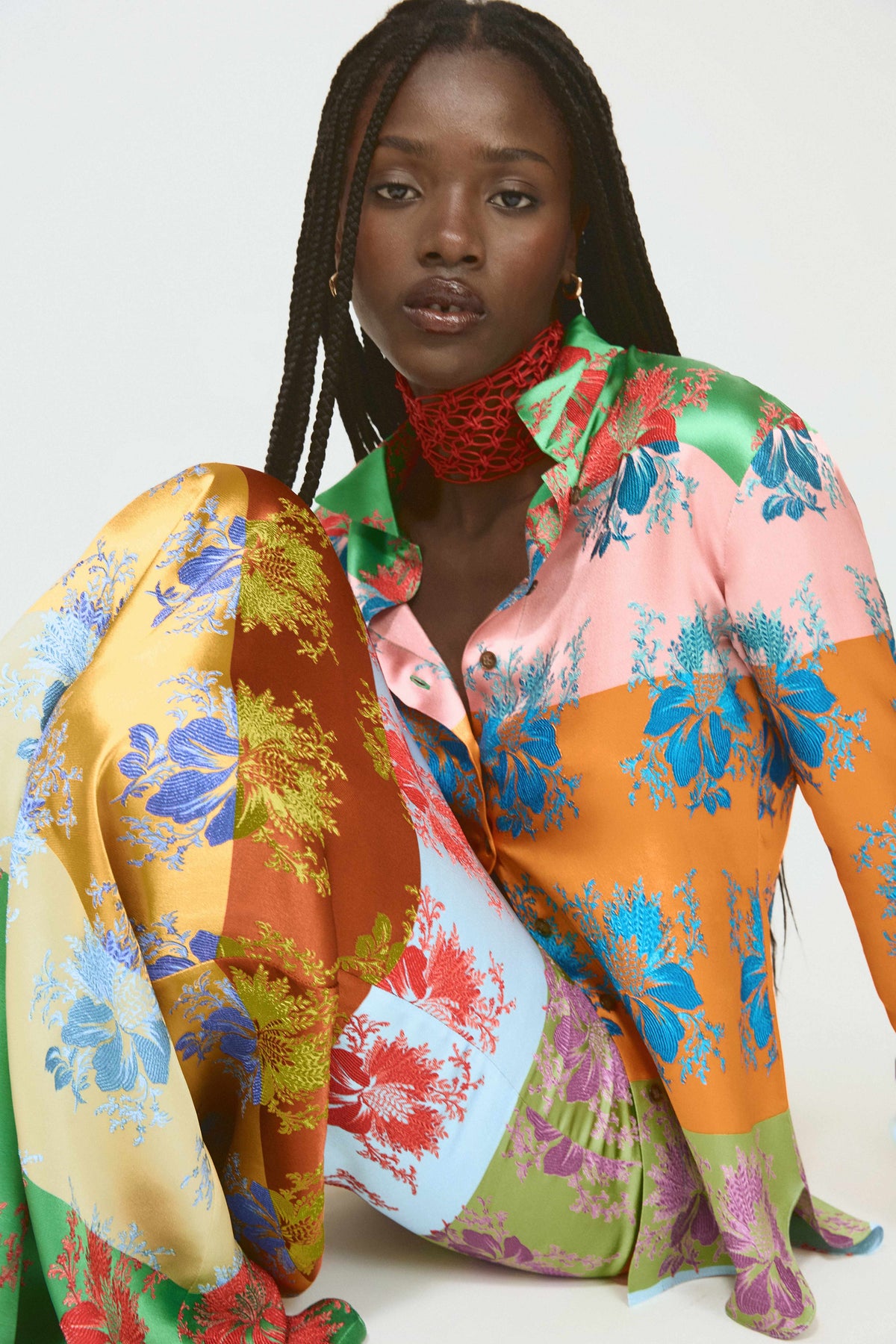
Rosie Assoulin
Rosie Assoulin, who grew up in Brooklyn training under jewelry designer Roxanne Assoulin before interning at Oscar de la Renta and Lanvin, launched her eponymous label with a debut collection for Resort 2014. She won the CFDA's Swarovski Award for Emerging Womenswear Designer in 2015 for a signature mix of sculptural volume and bold color that reads as both theatrical and wearable.
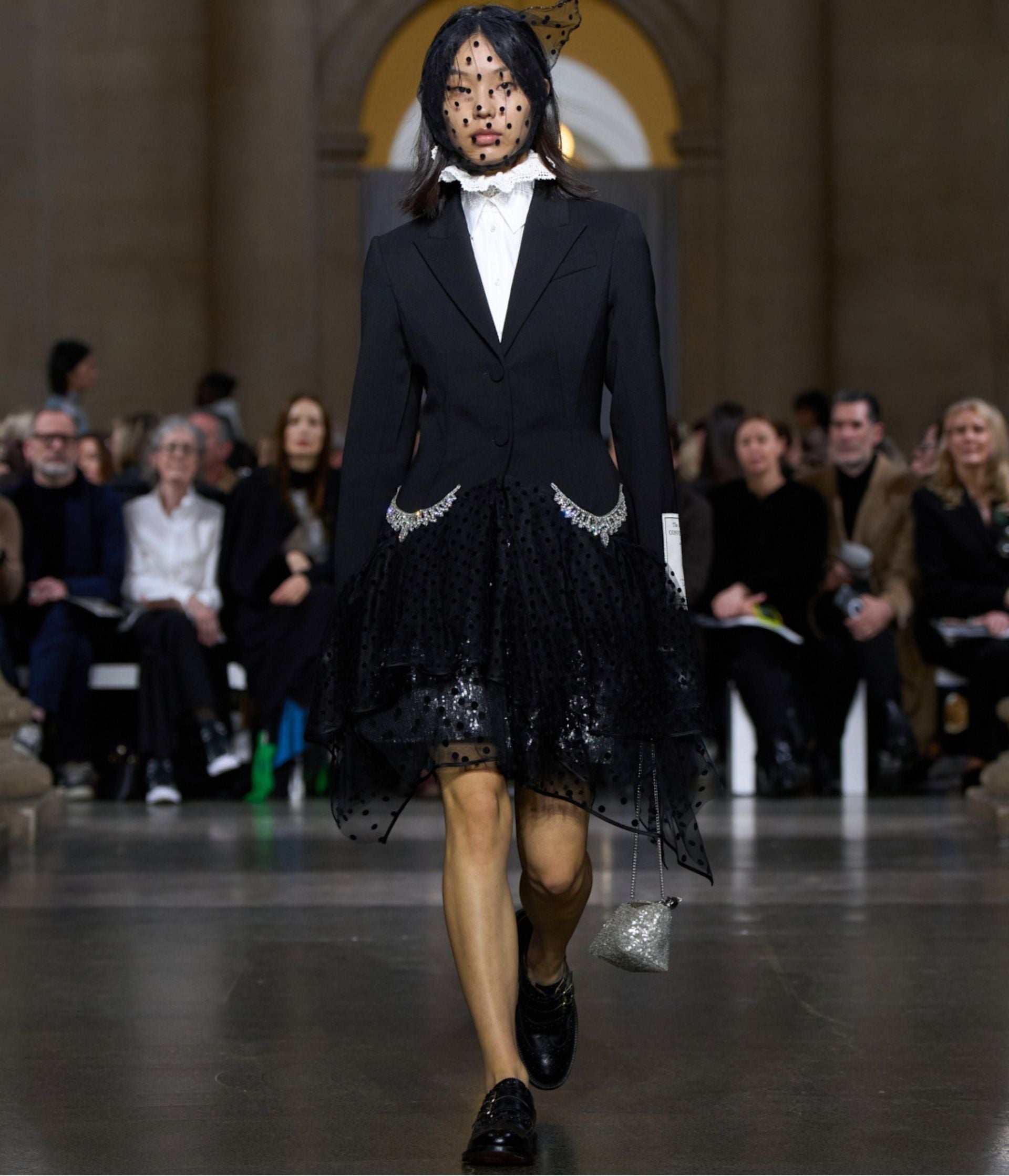
Erdem
Erdem Moralioglu, a Royal College of Art graduate raised in Montreal, founded his eponymous London label in 2005 after a debut at Fashion Fringe won him prize money and a Harrods order. The house has spent two decades refining a very specific idea of femininity: sweeping, floral, historically literate, never literal about it.
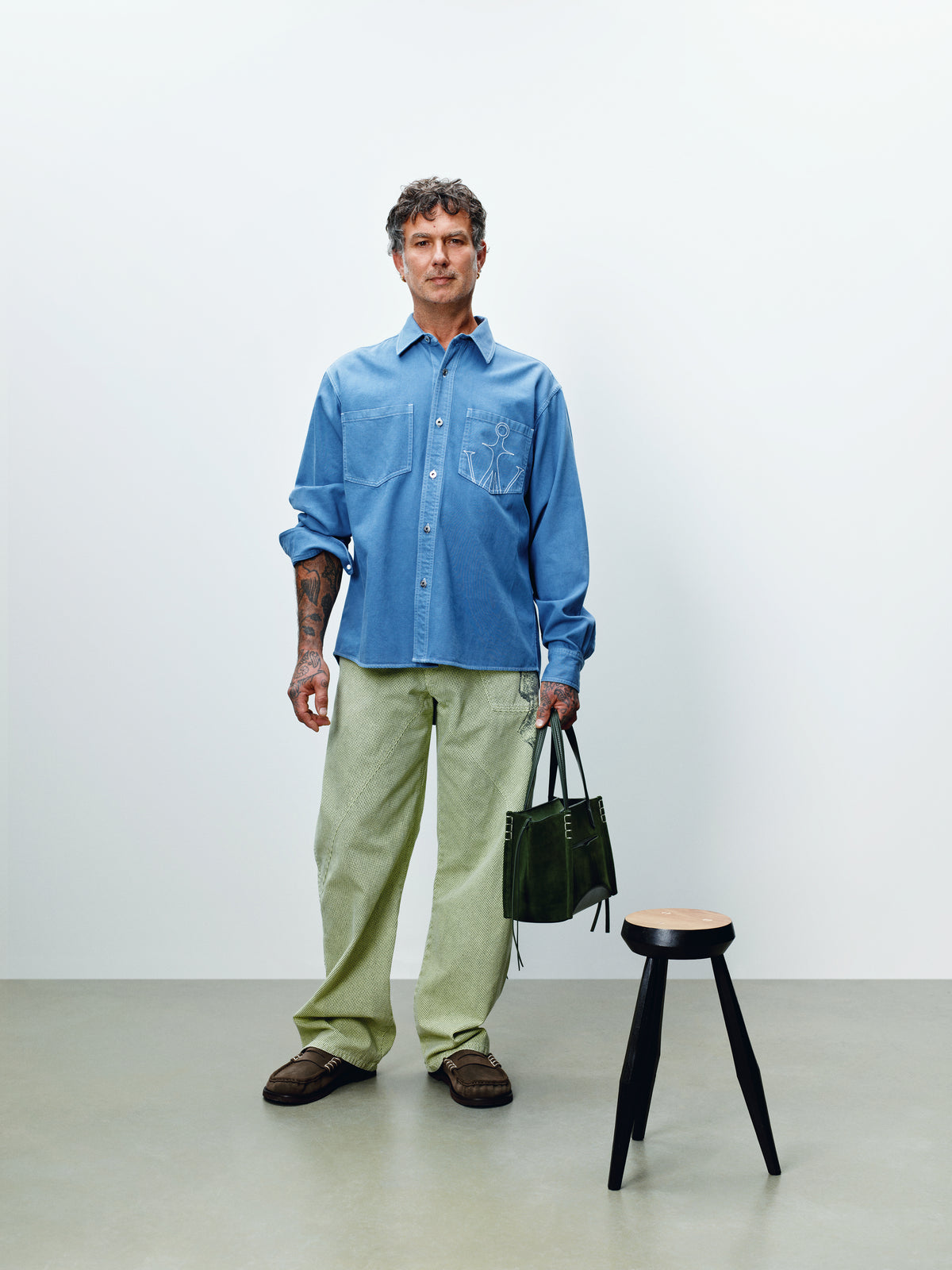
JW Anderson
Jonathan Anderson, a Northern Irish designer who trained at London College of Fashion and worked as a visual merchandiser at Prada, founded JW Anderson in London in 2008. The label made its name on a deliberate blur between menswear and womenswear silhouettes, an idea Anderson later called a shared wardrobe, and it built a cult following well before he was named creative director of Loewe in 2013.
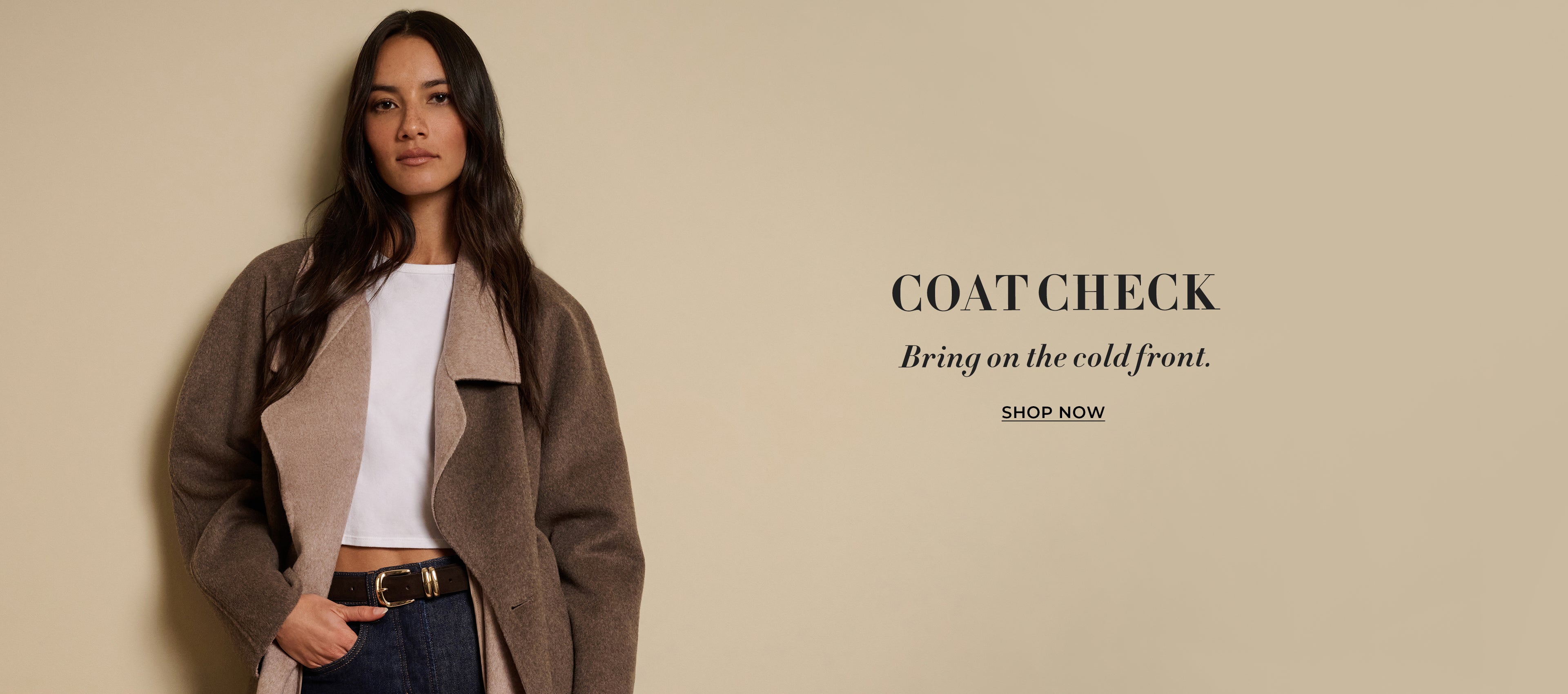
Favorite Daughter
Favorite Daughter launched in Los Angeles in December 2020, built by sisters Erin and Sara Foster in partnership with Centric Brands, the company behind Joe's Jeans and Hudson. The name started life as a joke, a sweatshirt slogan from an old Instagram collaboration that sold out faster than anything else in the capsule, and the sisters built an entire line around designing the pieces they felt were missing from their own closets.
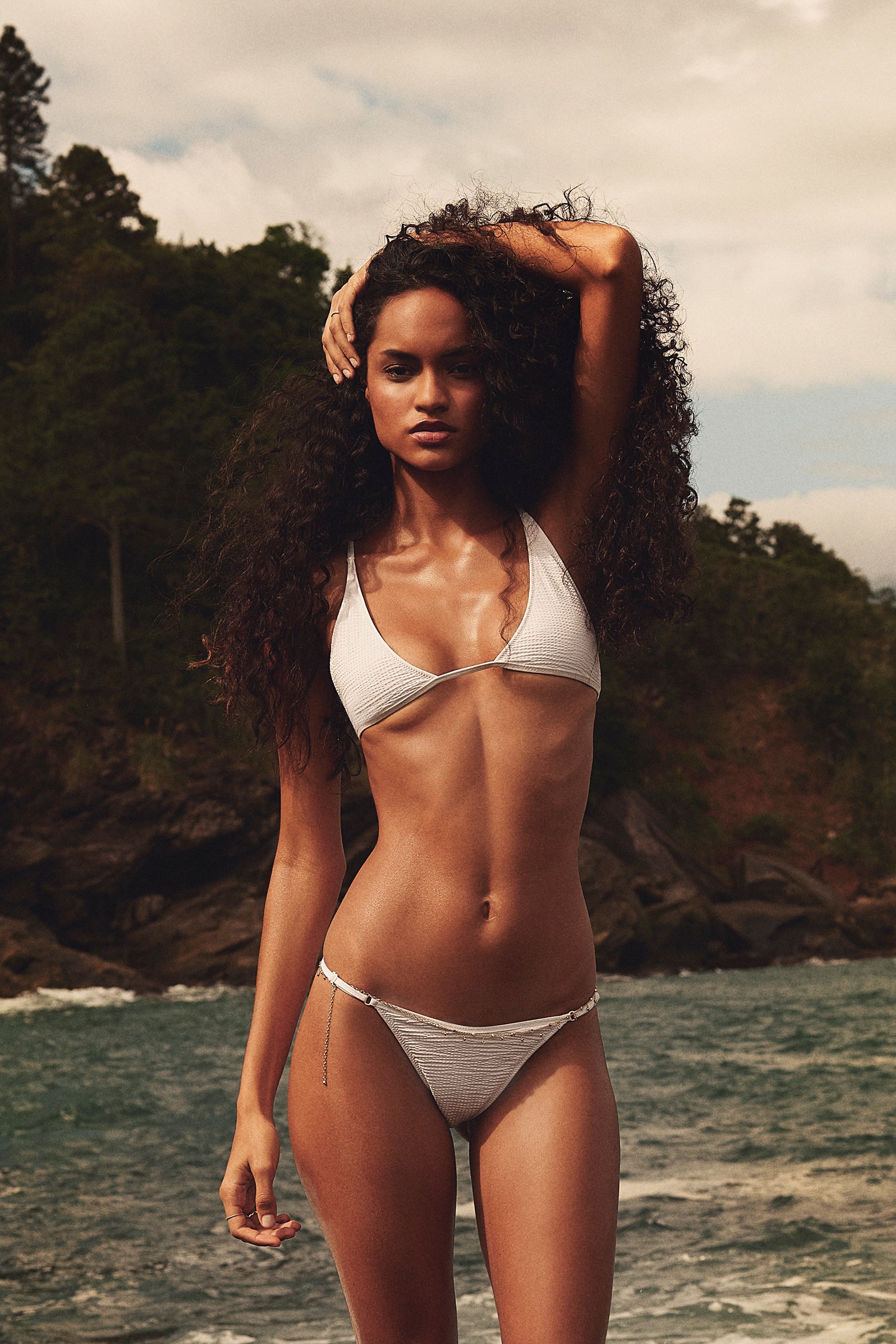
Tropic of C
Candice Swanepoel, a longtime Victoria's Secret Angel, launched Tropic of C in February 2018 with co-founder Daniela Manfredi, a former Victoria's Secret creative director, while on a break from modeling during her first pregnancy. The label built its name on the signature one-piece known as The C, cut from recycled and regenerated nylon and positioned as a sustainability-minded swim brand from its first collection onward.
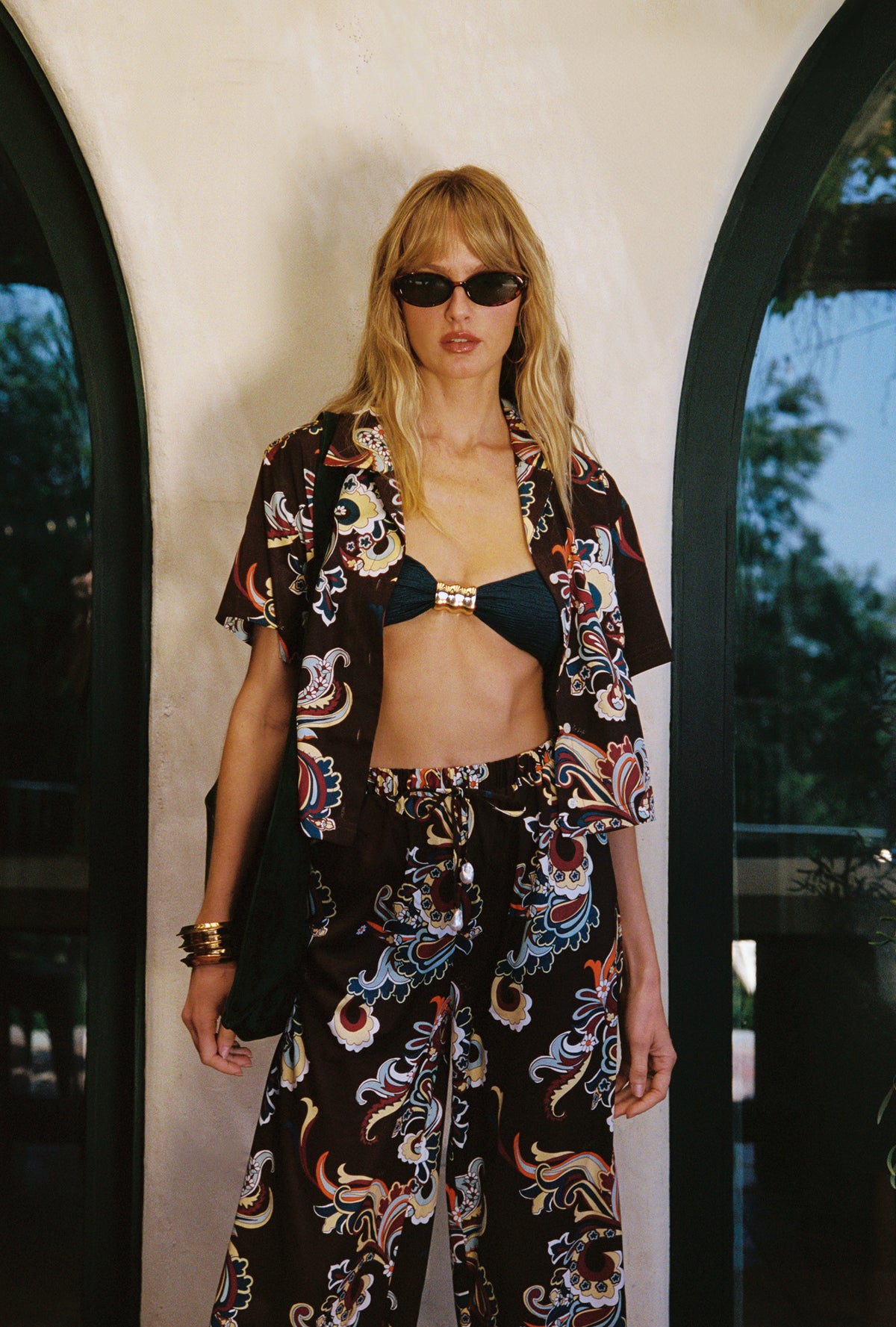
La Porte
Johanna Davenport Calica started La Porte out of Chicago in the late 2010s, naming it for the French word for door as a nod to opening up who gets to define resort dressing. The label reworks swimwear as fluid, ready-to-wear-style pieces rather than treating it as a separate, lesser category, and it took her four rejected applications before her collection finally showed at Miami's Cabana trade show in 2023.
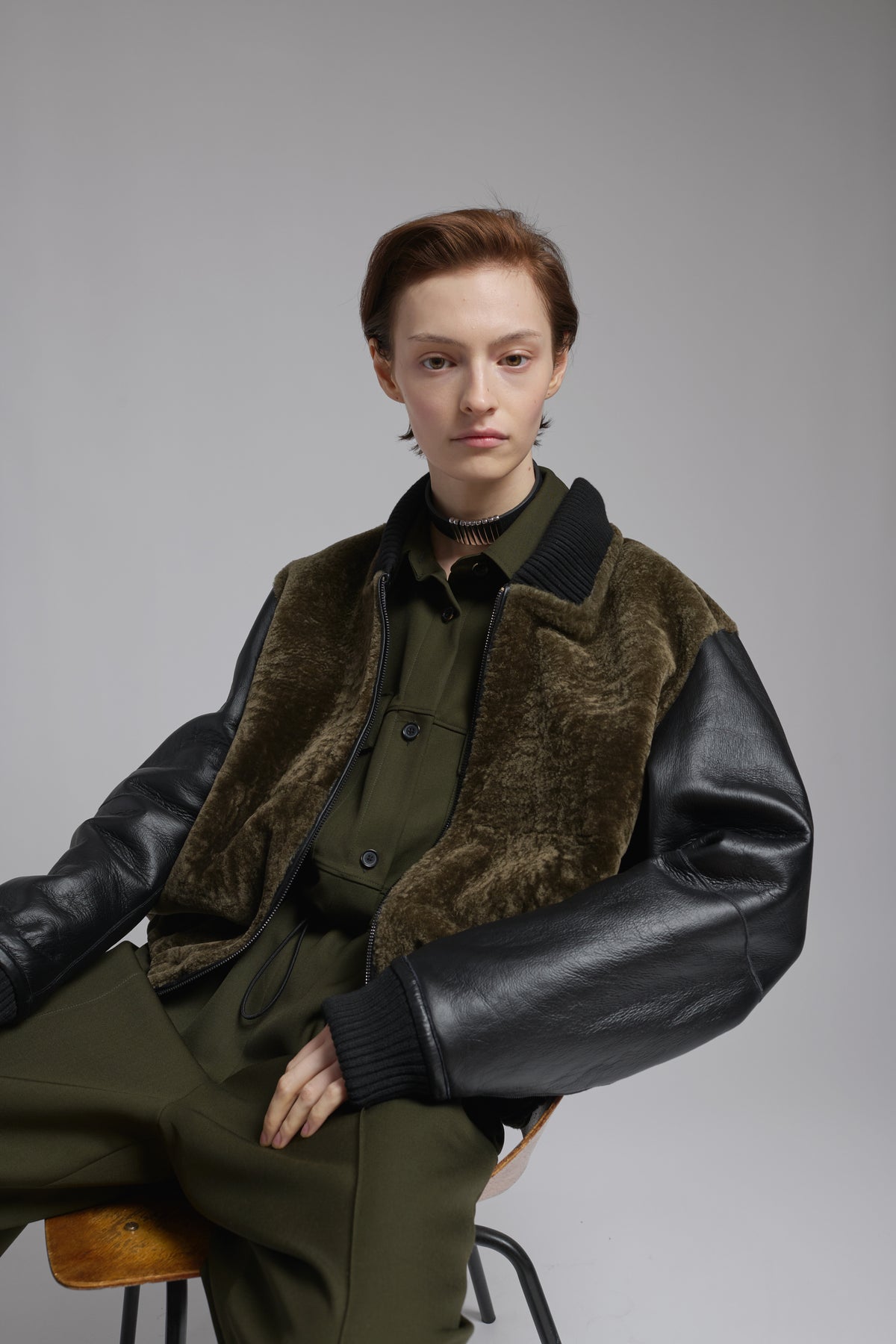
Rachel Comey
Rachel Comey, a University of Vermont sculpture major who moved to New York in the late 1990s, launched her label with a menswear show staged on a Tribeca street in September 2001, days before hand-painting shirts for David Bowie got her noticed and got her fired from her day job at Theory. She expanded into womenswear in 2004, and the brand has kept its downtown-arts-scene, hand-crafted, slightly off-kilter identity while staying fully independent for over two decades.
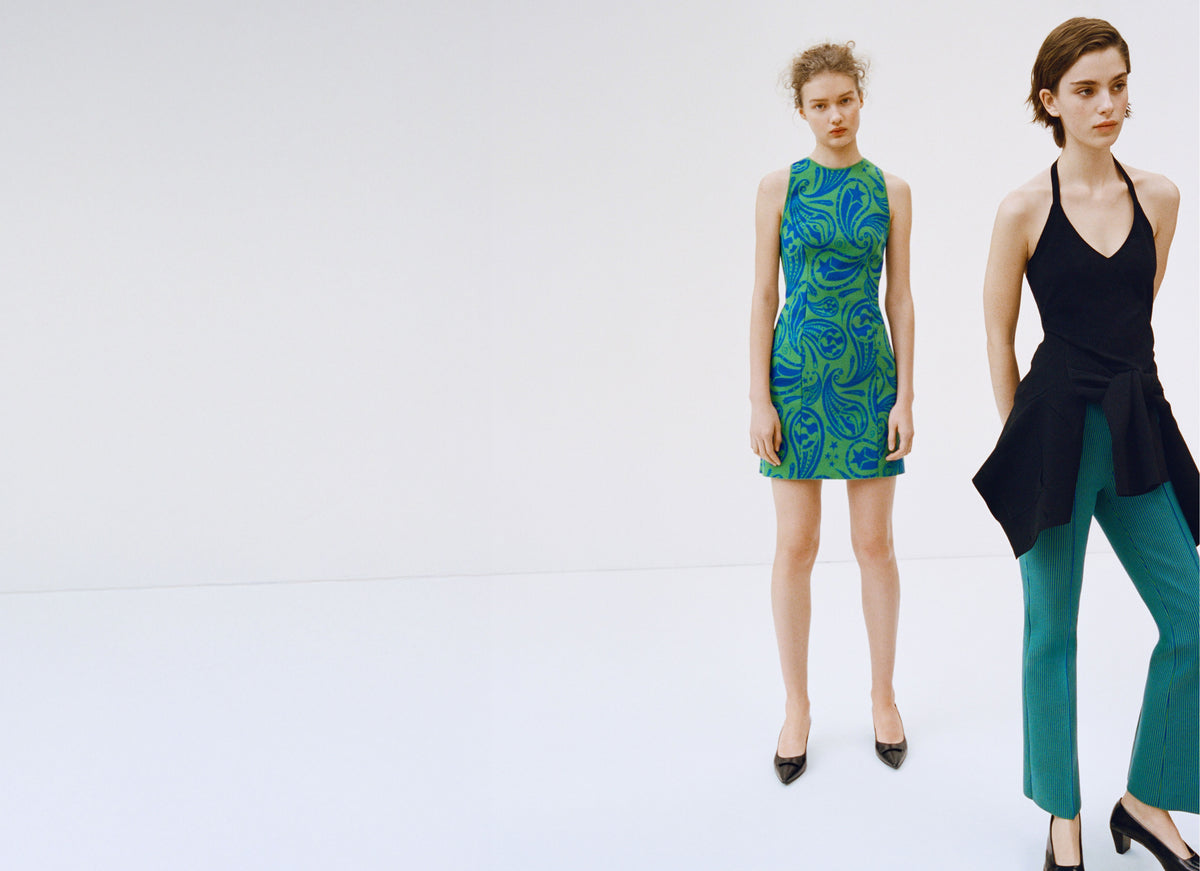
High Sport
Alissa Zachary launched High Sport in the early 2020s in New York and Los Angeles after years of merchandising at The Row and consulting for Khaite, and the label opened with a single item, a cropped, pull-on kick-flare trouser made to look tailored while wearing like a legging. That one silhouette became an unlikely editor obsession and the brand has since built out a small range of Italian-made knitwear around the same logic.
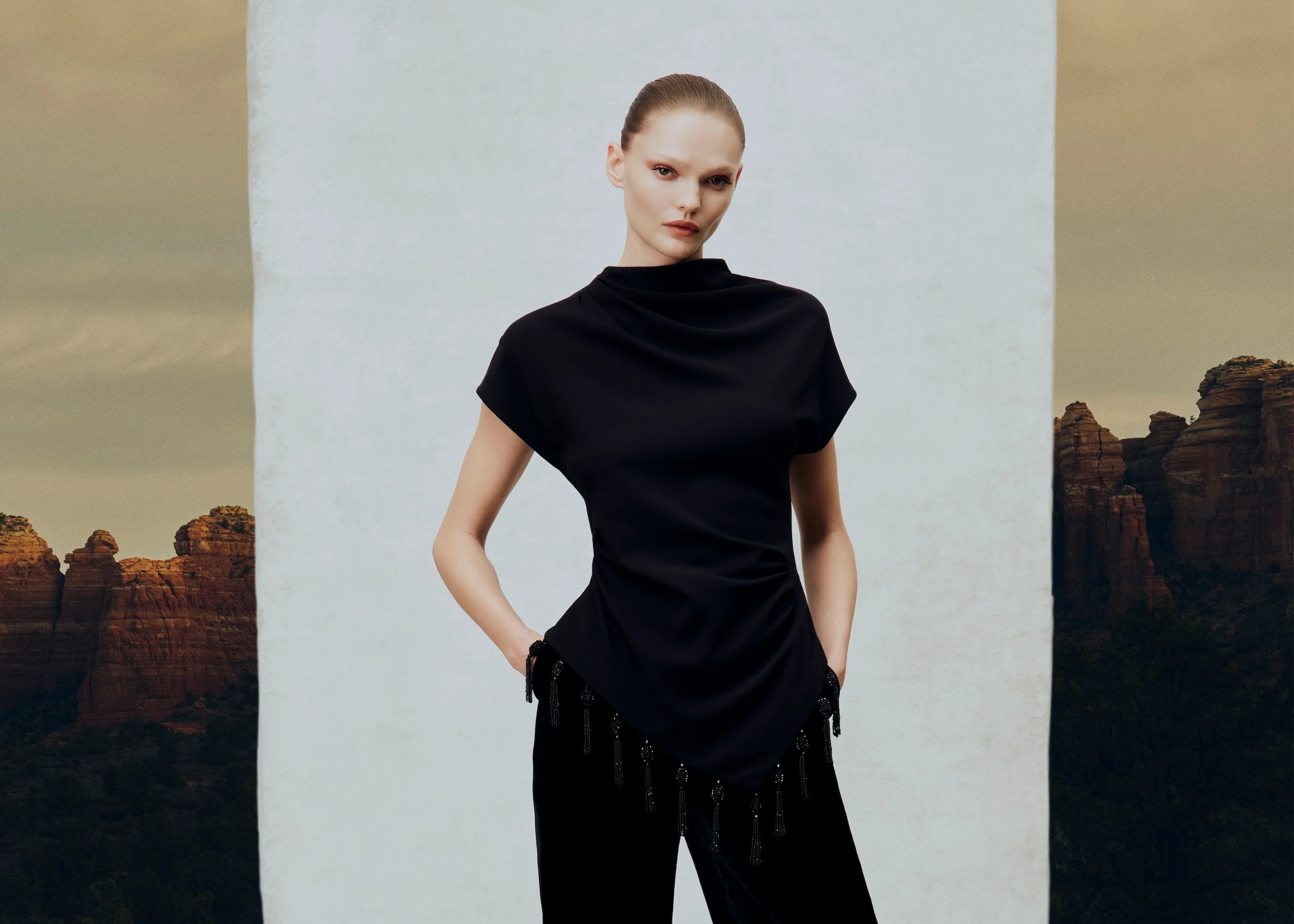
Lela Rose
Lela Rose trained at Parsons, worked for Richard Tyler and Christian Francis Roth, then launched her own label out of her New York apartment in the late 1990s. The collection built its name on feminine, embellished ready-to-wear and became known well beyond fashion circles when the Bush daughters wore it to their father's first inauguration.
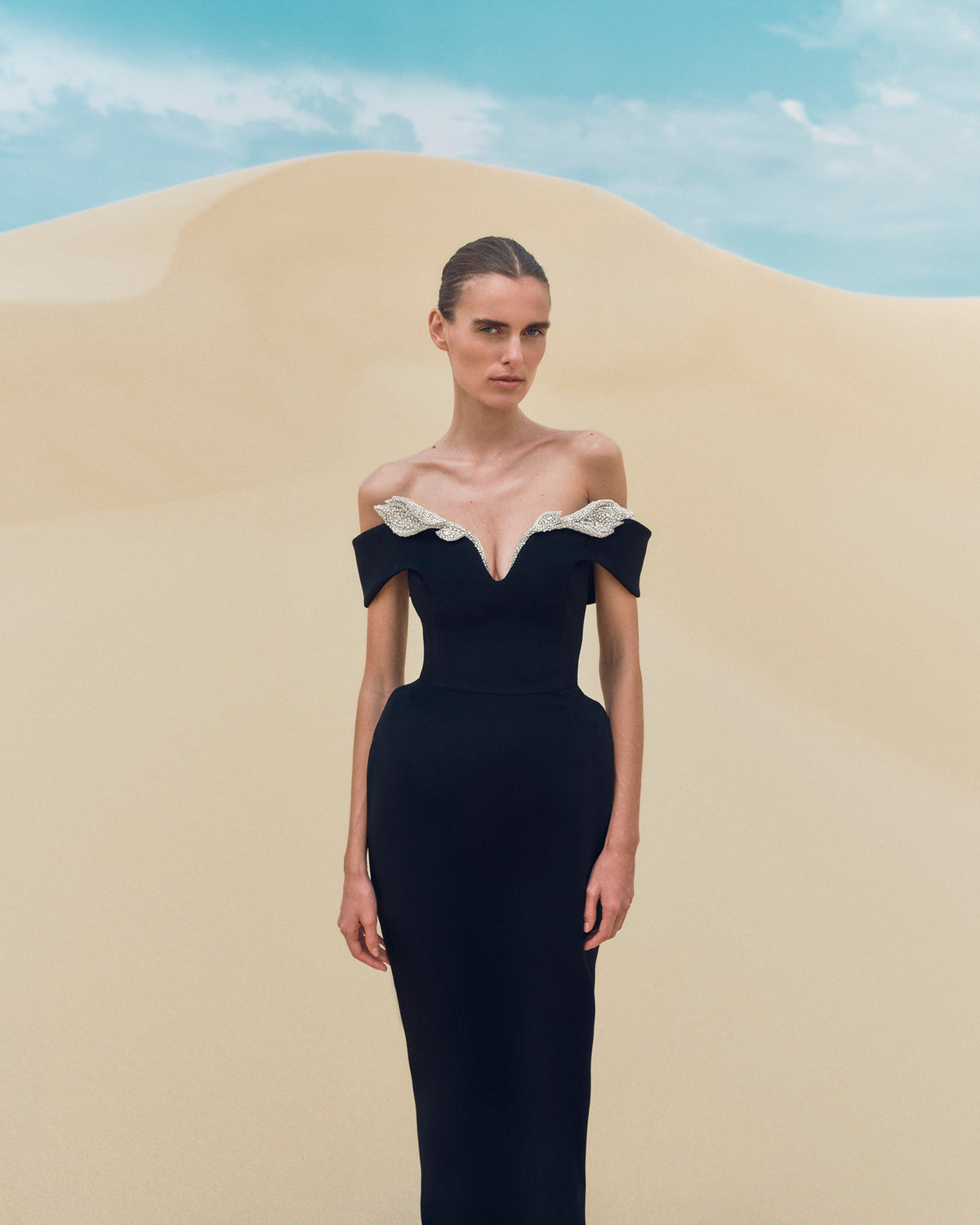
Rachel Gilbert
Rachel Gilbert launched her namesake label in Sydney in 2007 at 24, after training at the Whitehouse Institute of Design and working as a designer for Nicky Hilton's label Chick in New York and for Morrissey back in Australia. She built the brand on hand embellishment at a moment when Australia's occasion-wear market barely had any
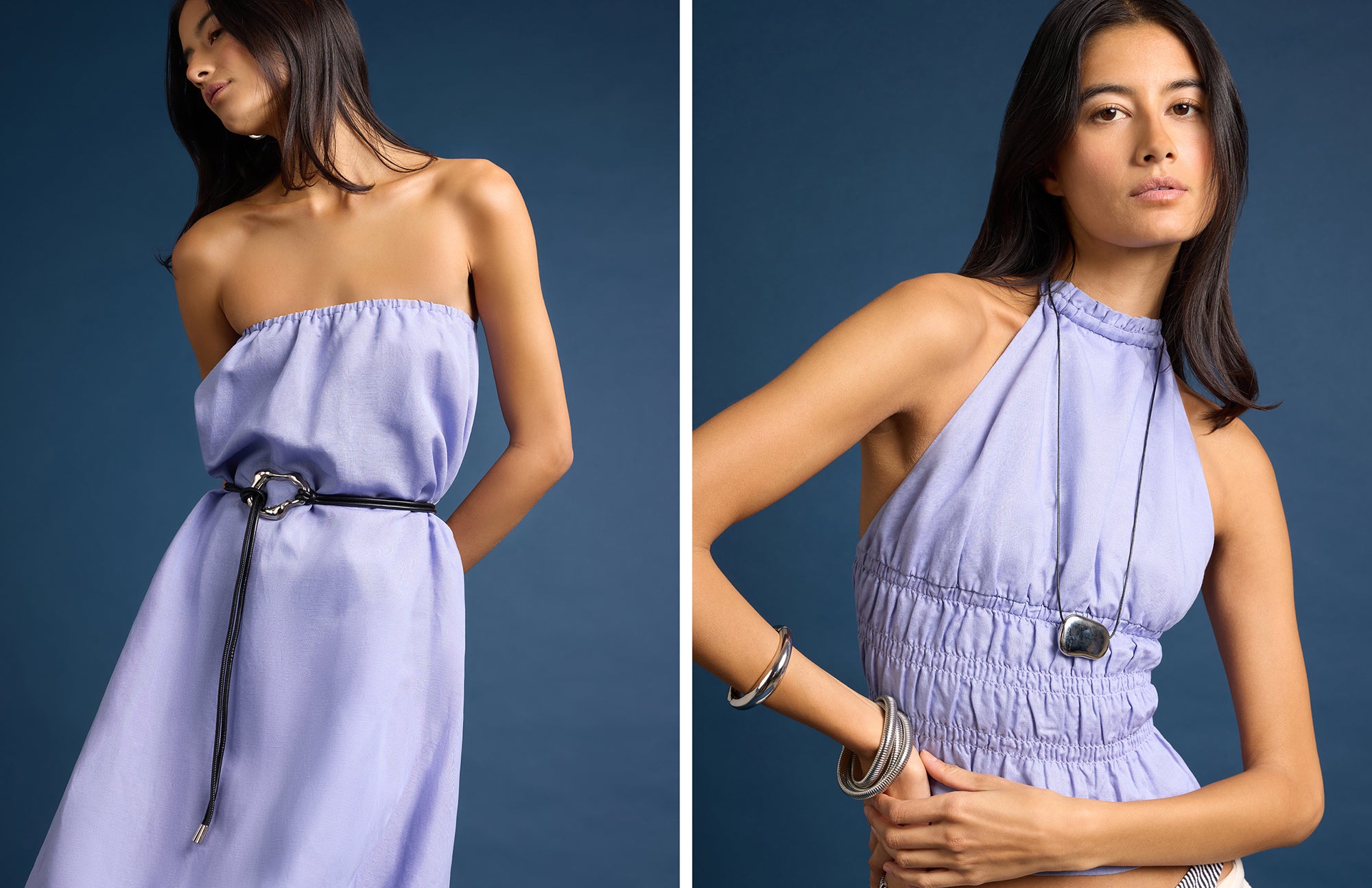
Onia
Carl Cunow and Nathan Romano, two native New Yorkers who met in high school, launched Onia in 2009 with just two styles of men's swim shorts made in New York. Barneys discovered the brand early, and Onia grew from a two-man swim operation into men's and women's resort wear built around fit and fabrication rather than the loudest print in the room
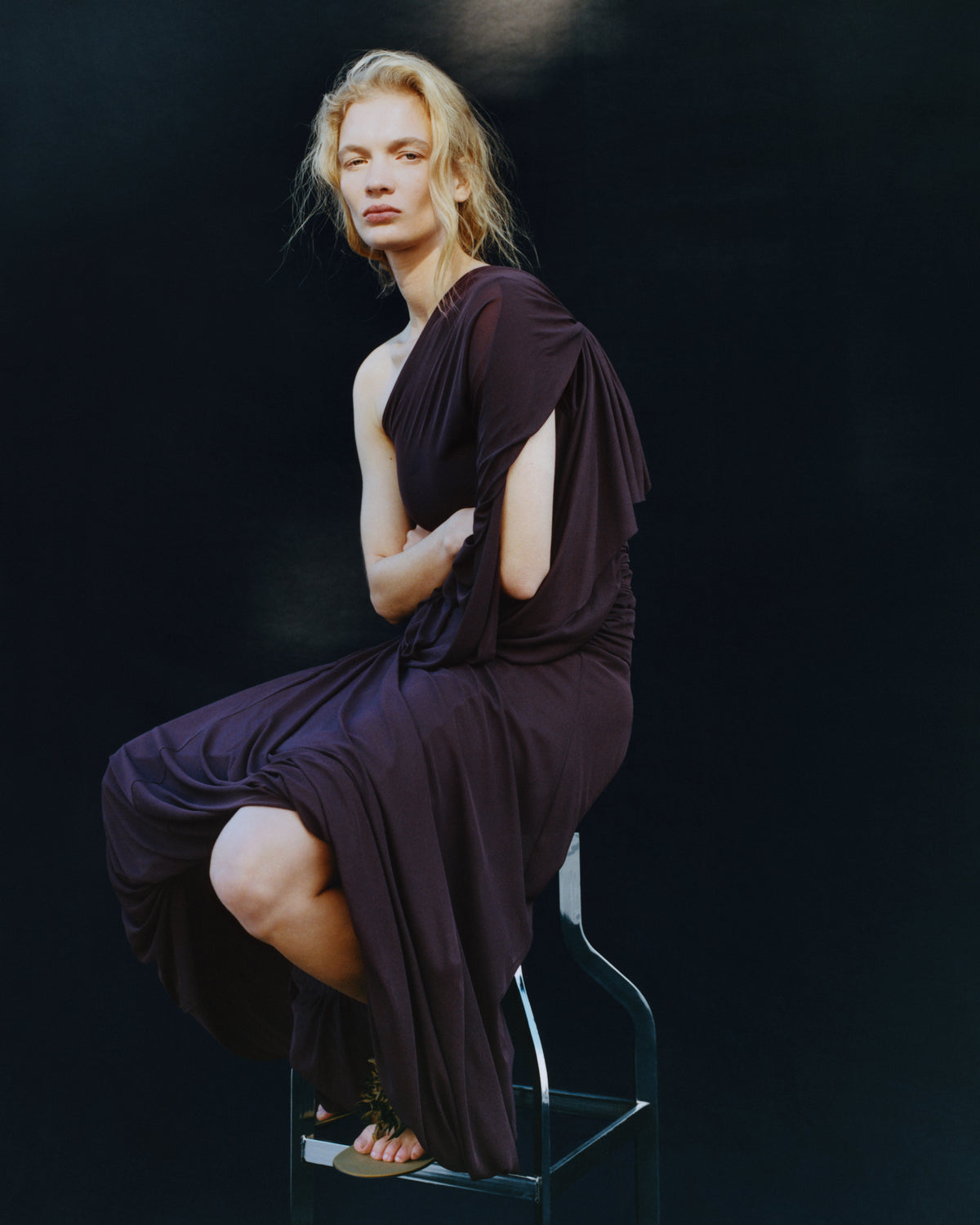
Proenza Schouler
Jack McCollough and Lazaro Hernandez met at Parsons in New York and founded Proenza Schouler, named for their mothers' maiden names, when Barneys bought their senior thesis collection outright in 2002. The label built its reputation on the PS1 satchel, introduced in 2008, and on a run of CFDA awards including the first-ever CFDA and Vogue Fashion Fund prize in 2004.
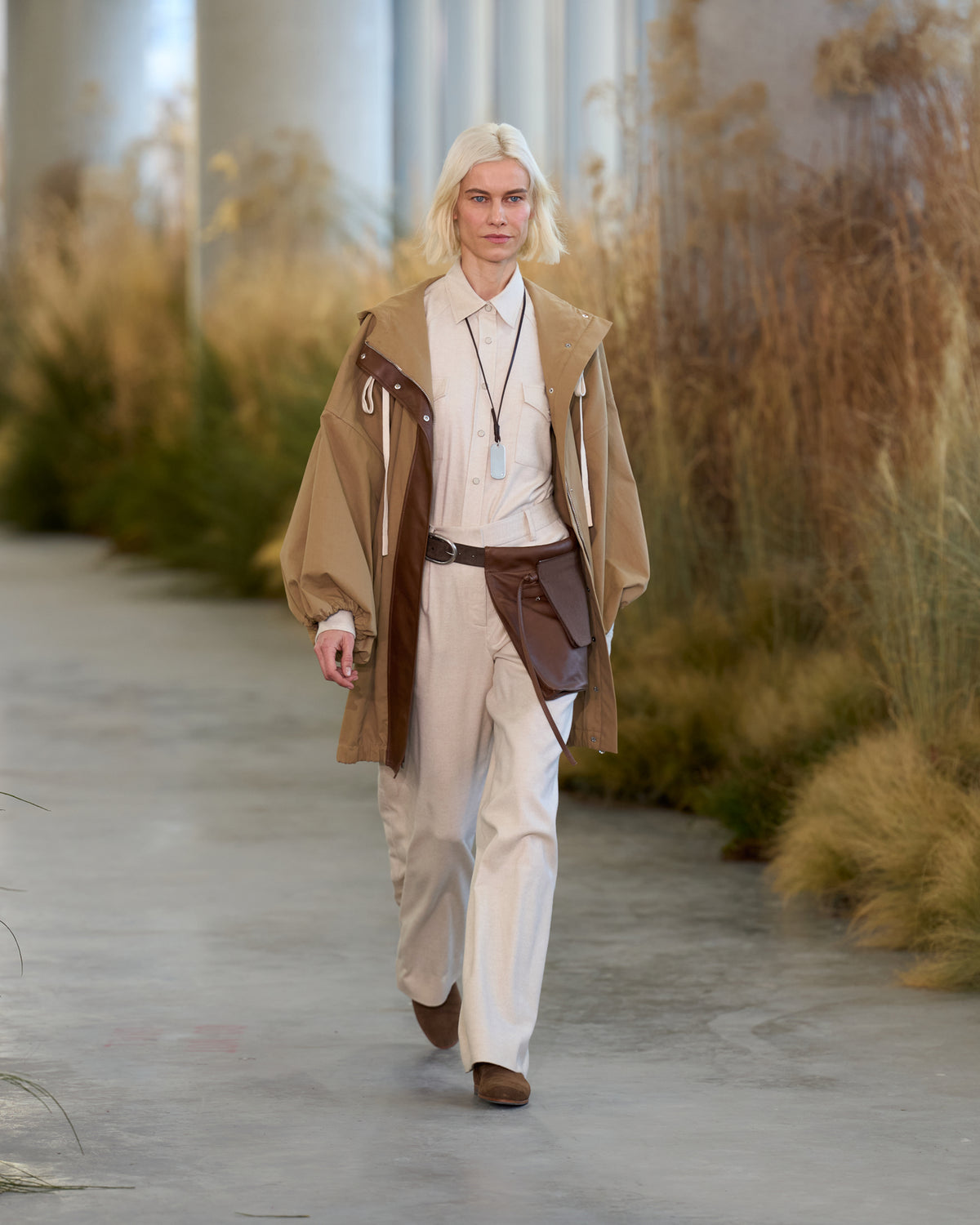
TWP
Trish Wescoat Pound, raised in Oklahoma and seasoned by earlier stints at Theory and Michael Kors and by building her first label, Haute Hippie, into a business she later sold in 2015, founded TWP in 2021 after selling hand-tailored shirts to friends at trunk shows caught the attention of former boss and Theory co-founder Andrew Rosen, who became her investor. The label reimagines men's shirting for women, down to cuff construction and button placement, and has since expanded into denim, tailoring and accessories, all made within a few blocks of its SoHo base.
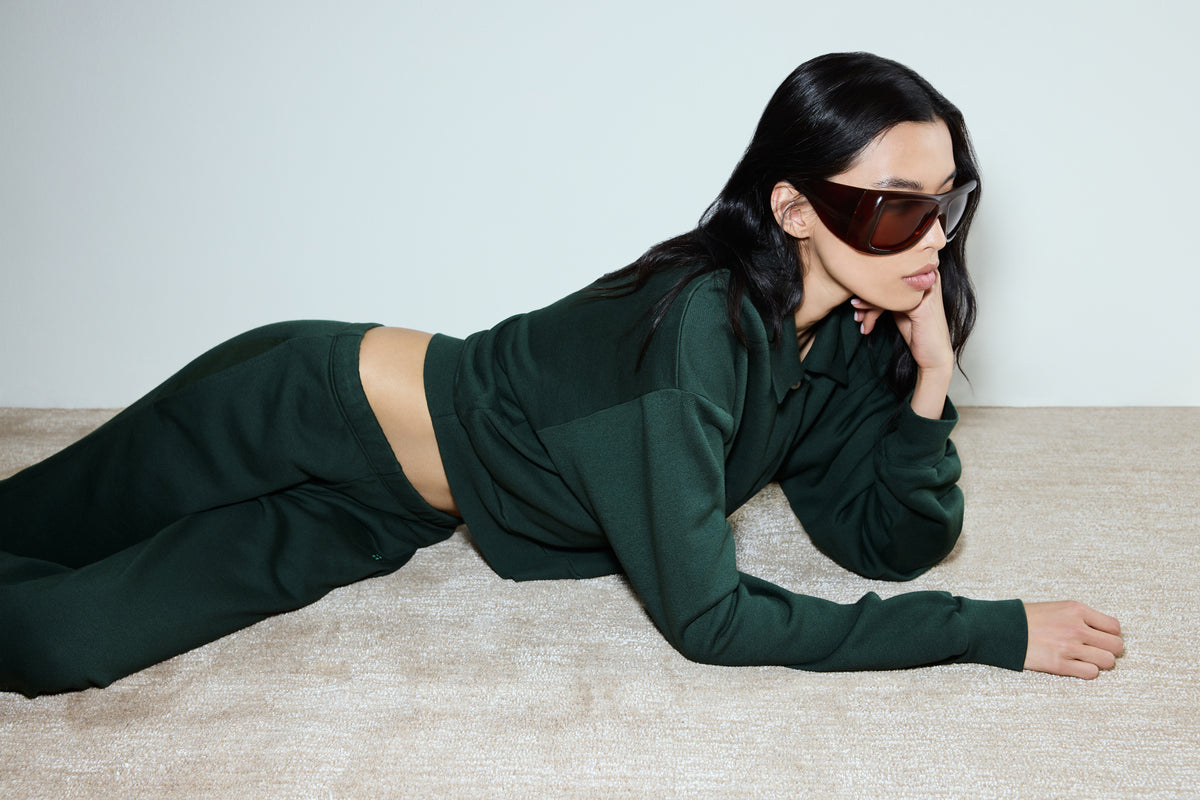
Éterne
Chloé Bartoli, a celebrity stylist who started as a boutique buyer at eighteen, founded Éterne with her partner Adam Bernhard in Los Angeles, launching the label in August 2020. The name, suggested by Bartoli's mother, means eternal, and the brand has stuck to that brief since, seasonless basics, ribbed tanks and baby tees built from proprietary fabrics the founders developed themselves.
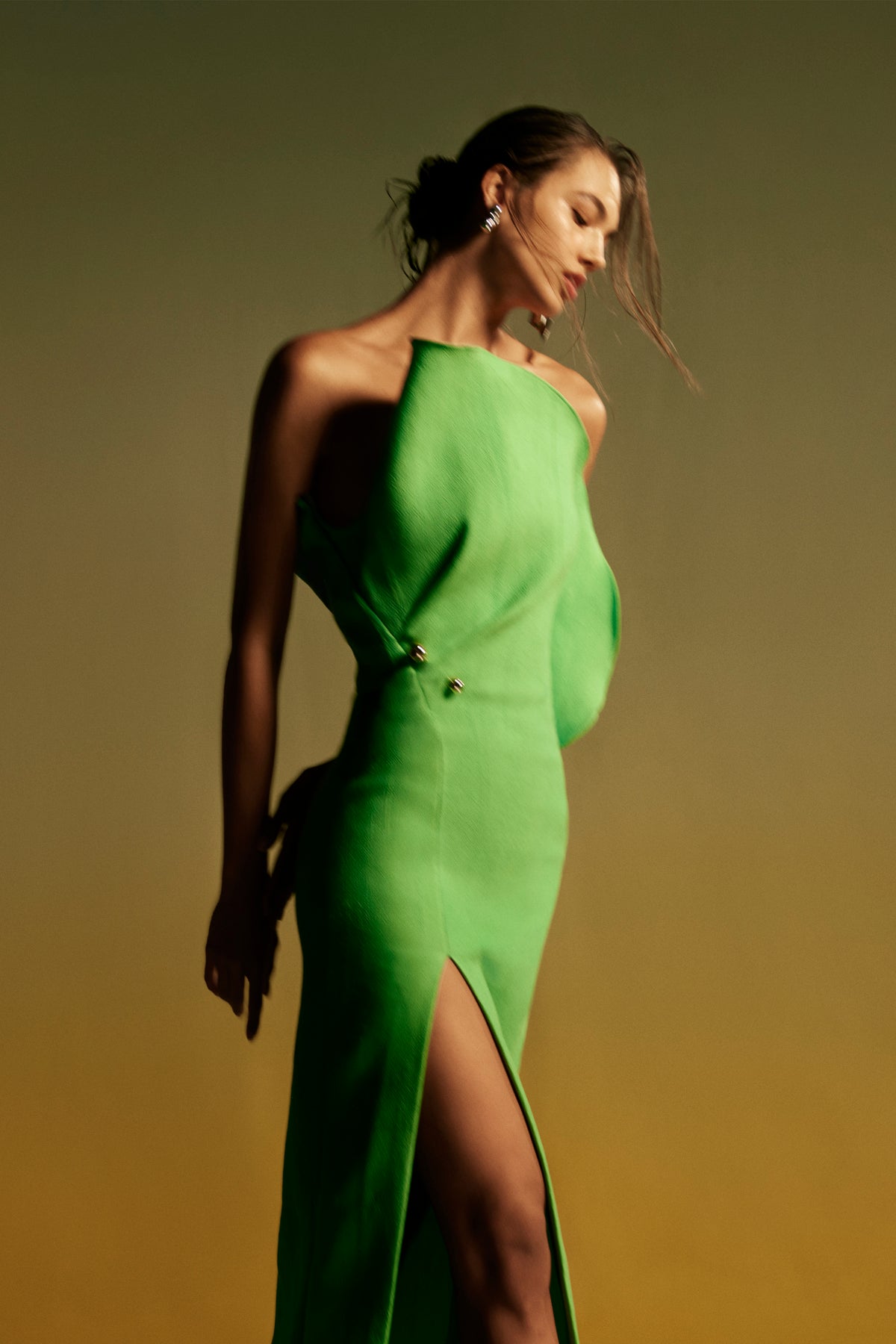
Monique Lhuillier
Monique Lhuillier launched her eponymous label in Los Angeles in 1996 after struggling to find a wedding gown she liked for her own wedding and deciding to design it herself, with her husband Tom Bugbee joining. What started as five bridal dresses at a single trade show grew into an iconic brand all built around a soft, romantic femininity.

Leo Lin
Leo Lin launched his namesake label, originally styled Leo + Lin, in 2017, after moving from Dalian, China to Melbourne, Australia at sixteen and studying Japanese rather than fashion design. The brand is now based in Sydney with production still rooted in his hometown atelier in Dalian, and it is defined by saturated color, hand embellishment and placement prints on unapologetically feminine silhouettes.
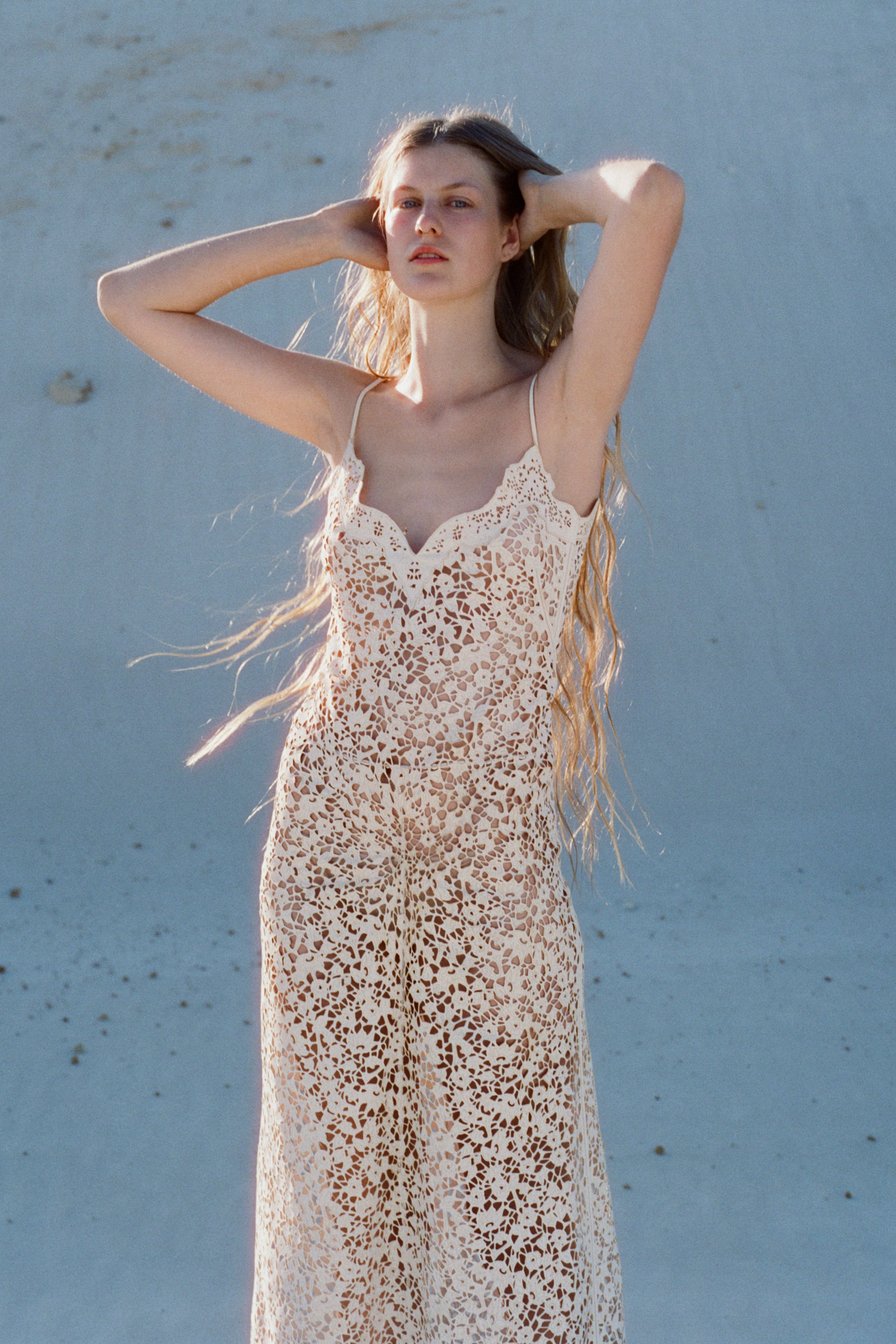
Gabriela Hearst
Gabriela Hearst grew up on her family's ranch in Paysandu, Uruguay, and after more than a decade working in New York design, launched her eponymous label for fall 2015 built explicitly around sustainability and a long-term view of clothing. The house has stayed close to that premise, from a partnership with the Uruguayan knitting cooperative Manos del Uruguay to a 2017 runway show run on roughly 30 percent deadstock fabric, while Hearst herself went on to lead Chloe from 2020 to 2023 as its first Latin American creative director.
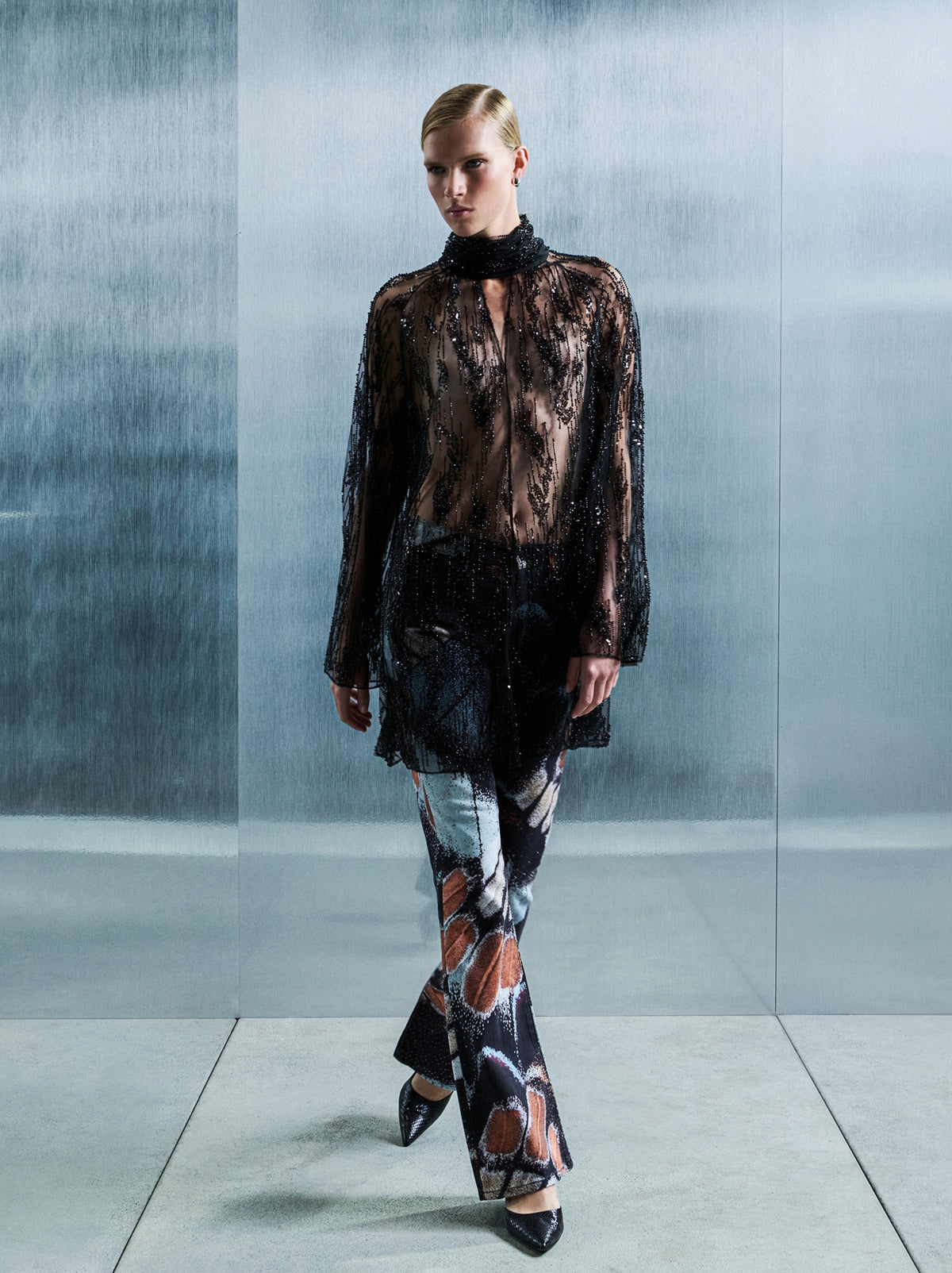
STAUD
Sarah Staudinger, previously the fashion director at Reformation, launched Staud in Los Angeles in 2015 with business partner George Augusto, naming it after her own childhood nickname. The brand started as a made-to-order customization concept before pivoting to ready-to-wear once customers made clear they wanted the bags and dresses as designed, a shift that produced breakout accessories like the Bissett and Moreau bucket bags.