Clothing
Clothing
Negative
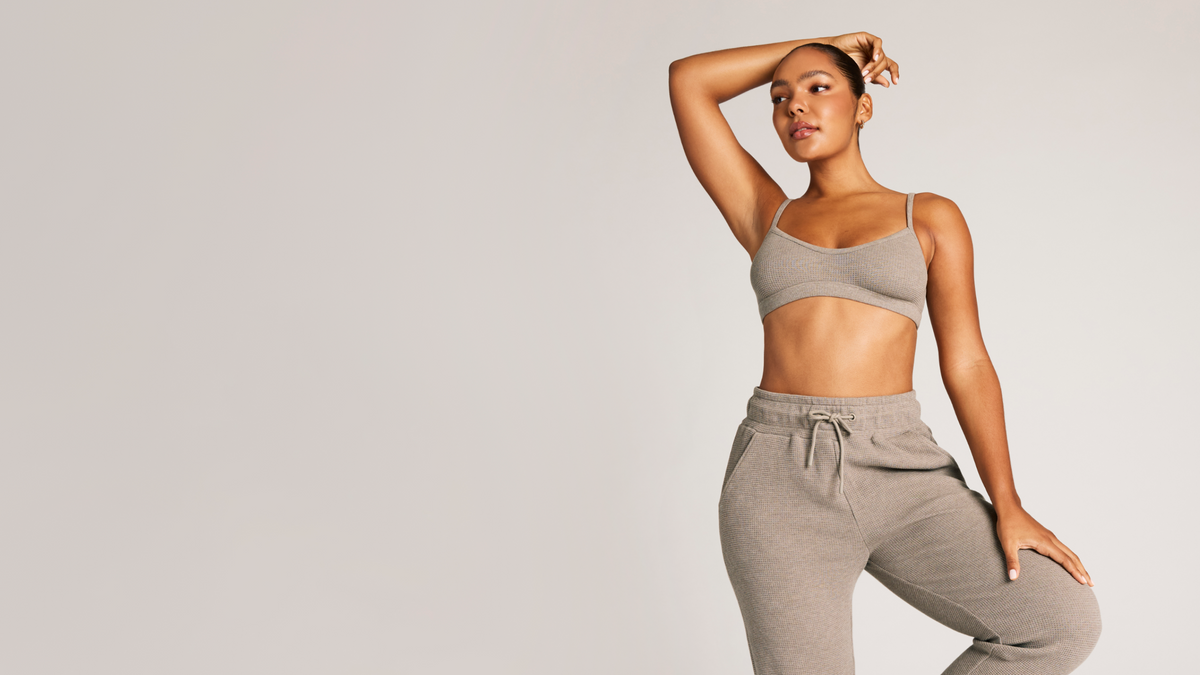
Lauren Schwab and Marissa Vosper met as freshmen at the University of Pennsylvania with zero fashion or manufacturing background, then spent roughly four years researching the intimates industry, including classes at FIT, before self-funding Negative Underwear's 2014 launch. The founding idea was blunt: strip lingerie of the lace and embellishment that dominated the category and sell it as clean, minimal basics instead, a thesis that has since stretched into sleepwear, loungewear and now ready-to-wear.

Maticevski
Toni Maticevski, a Melbourne designer who trained at RMIT and worked briefly for Donna Karan and Cerruti, launched his namesake label in Melbourne in 1998. He built a reputation on draping and sculptural, demi-couture silhouettes, an approach that earned him the 2016 Australian Fashion Laureate and a retrospective at Bendigo Art Gallery.

SIMKHAI
Jonathan Simkhai launched his namesake label in New York in 2010, coming out of his family's apparel manufacturing business and training at Parsons and the Fashion Institute of Technology. The brand built its name on draped eveningwear and body-conscious tailoring, won the CFDA/Vogue Fashion Fund in 2015, moved its studio to Los Angeles in 2018, and dropped Jonathan's first name from the label in 2023 to put the focus on the wider team.
Flore Flore
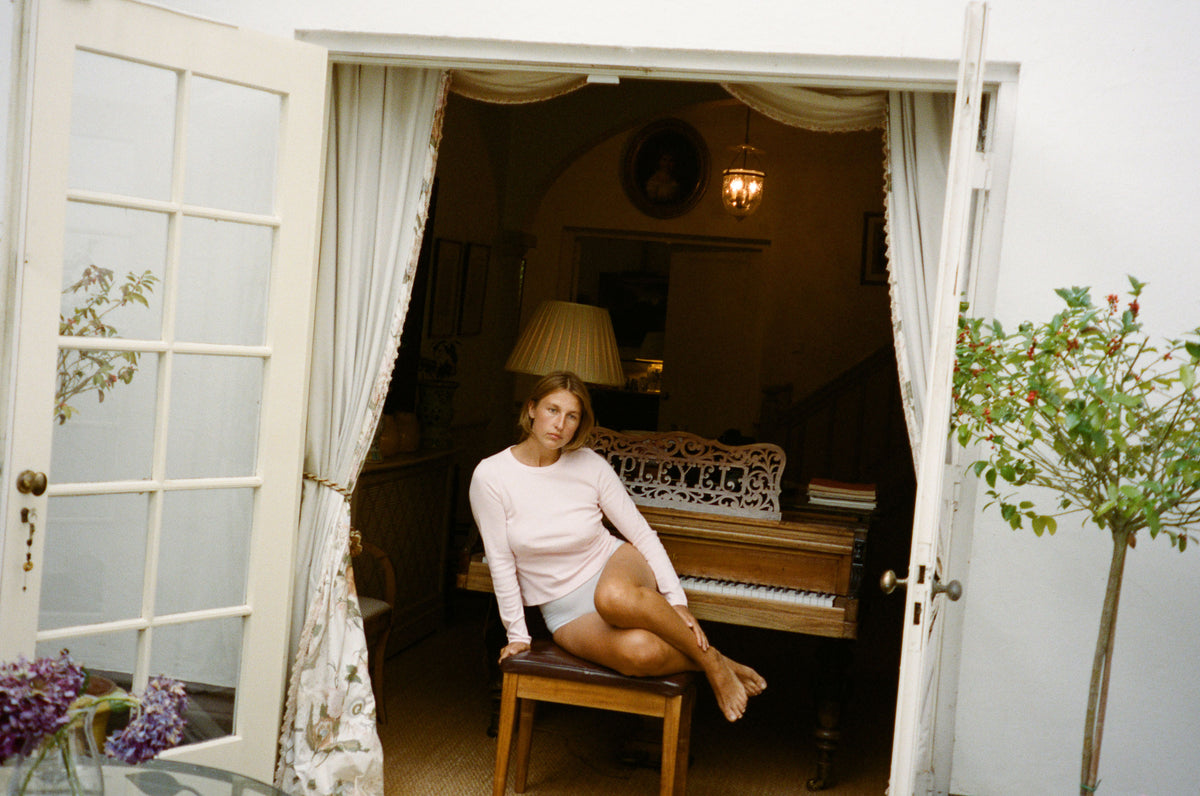
Flòrian van Zuilen launched Flore Flore out of Amsterdam in the summer of 2021, after years working in fashion roles that took her from New York to Copenhagen. The label exists to solve one specific problem, the cotton basic that actually fits, and its team reportedly ran more than eighty fittings over about eight months just to finalize the proportions of its original T-shirt styles.
ROAME
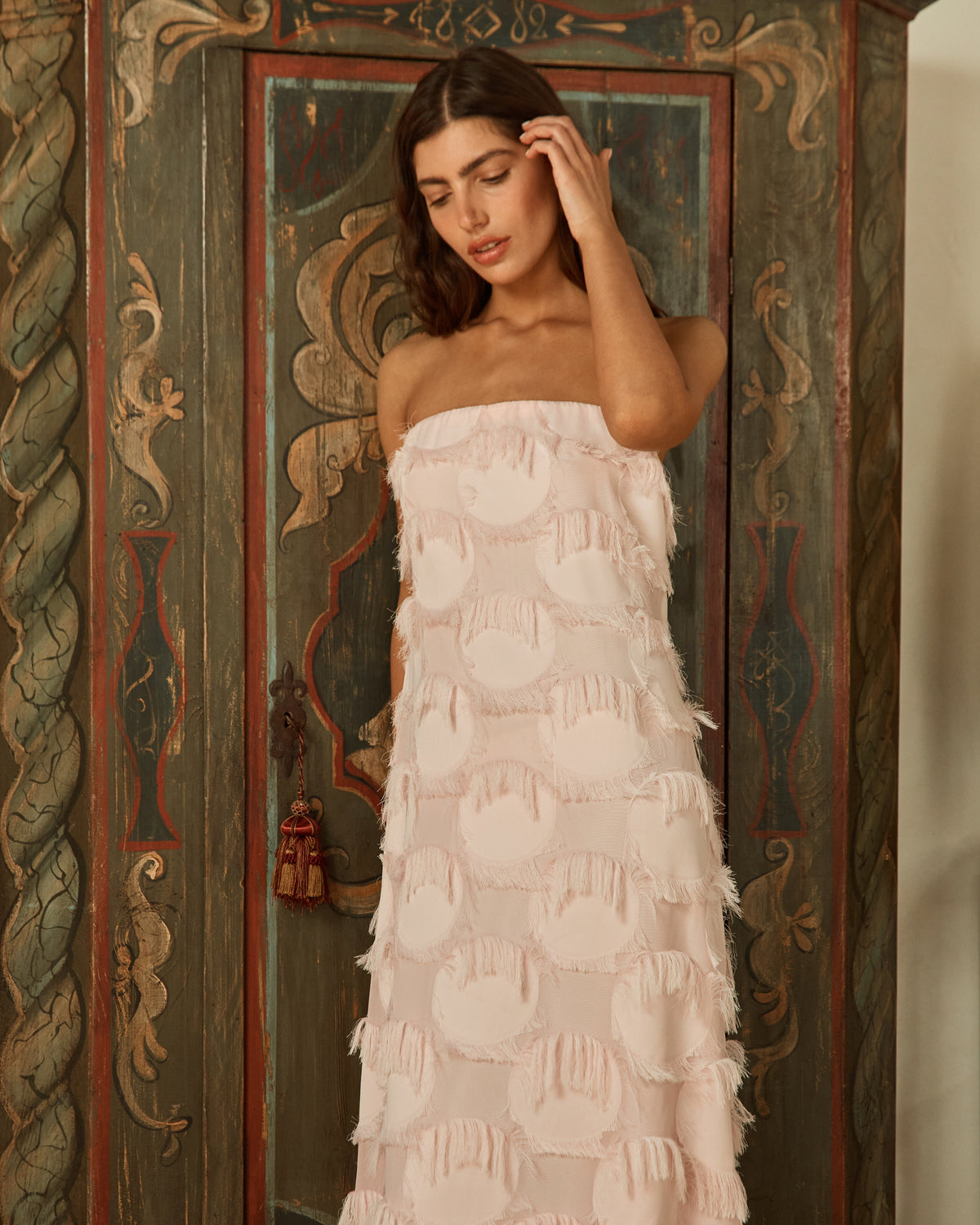
Roame ounded by Hollie Sweet out of Melbourne, built around what its own brand copy calls a shared passion for travel and exploration.
Heirlome
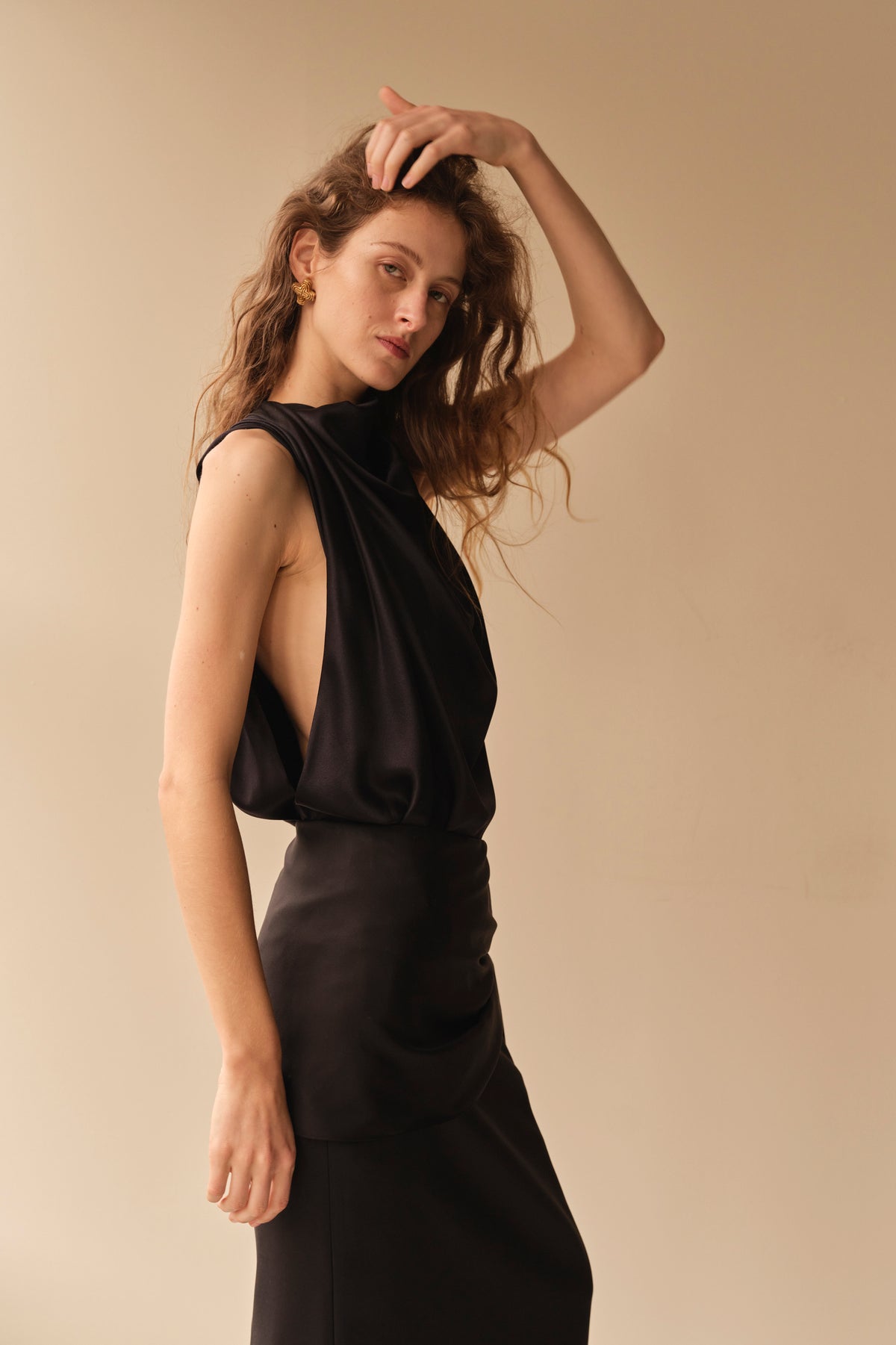
Heirlome was founded in 2022 by Stephanie Suberville and her husband Jeffrey Axford on the idea that a skill can be an heirloom. Suberville left Monterrey for Parsons in 2004, spent two decades in New York fashion, and built the label out of what she describes as a constant state of nostalgia for Mexico. Every collection begins with an artisan rather than a trend.
Kallmeyer
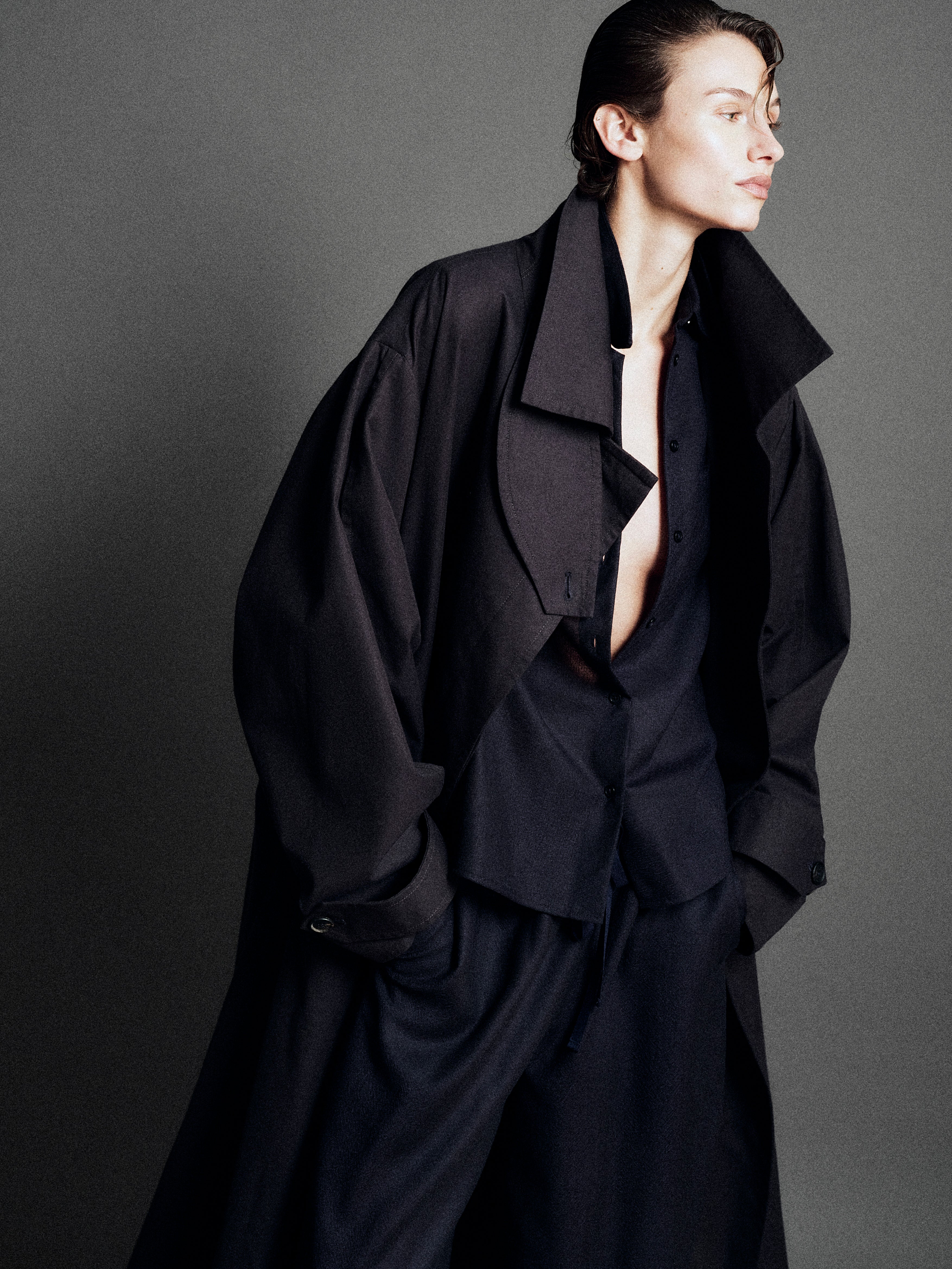
Kallmeyer has been a downtown New York institution for over a decade and only recently became an industry one. Daniella Kallmeyer, born in South Africa and trained at London College of Fashion, worked at Alexander McQueen and Proenza Schouler before launching her label in 2012 at twenty five with about seven thousand dollars. Today it is a top brand across Phia and the industry
Róhe
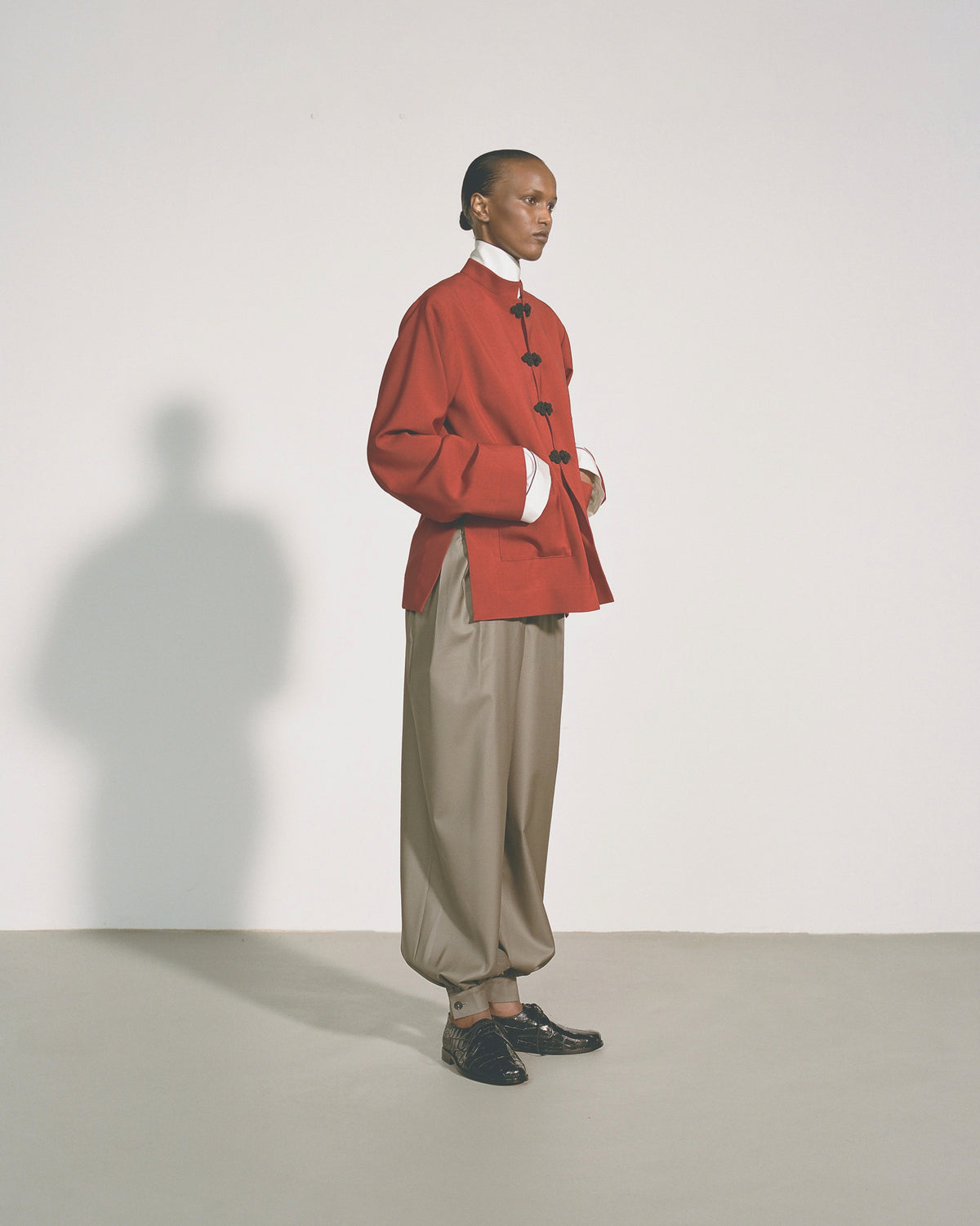
Róhe is named after the Norwegian word for calm and operates out of a seventeenth century canal palace on Amsterdam's Golden Bend. Marieke Meulendijks and Maickel Weyers, a couple who met in a bar in a southern Dutch village in 2000, founded it in 2021 after she had spent years carrying the idea around. It has since become the label people reach for when they have exhausted the obvious quiet luxury options.

Elie Saab
Elie Saab opened his first atelier in Beirut in 1982, at eighteen, after a brief stint studying in Paris and against the backdrop of Lebanon's civil war. His signature was set early and never really wavered: Western silhouettes layered with Middle Eastern embroidery, beading and crystal work, the kind of dressmaking that turned him into the go-to name for red carpets and, in 1999, Queen Rania of Jordan's coronation gown.
Markarian
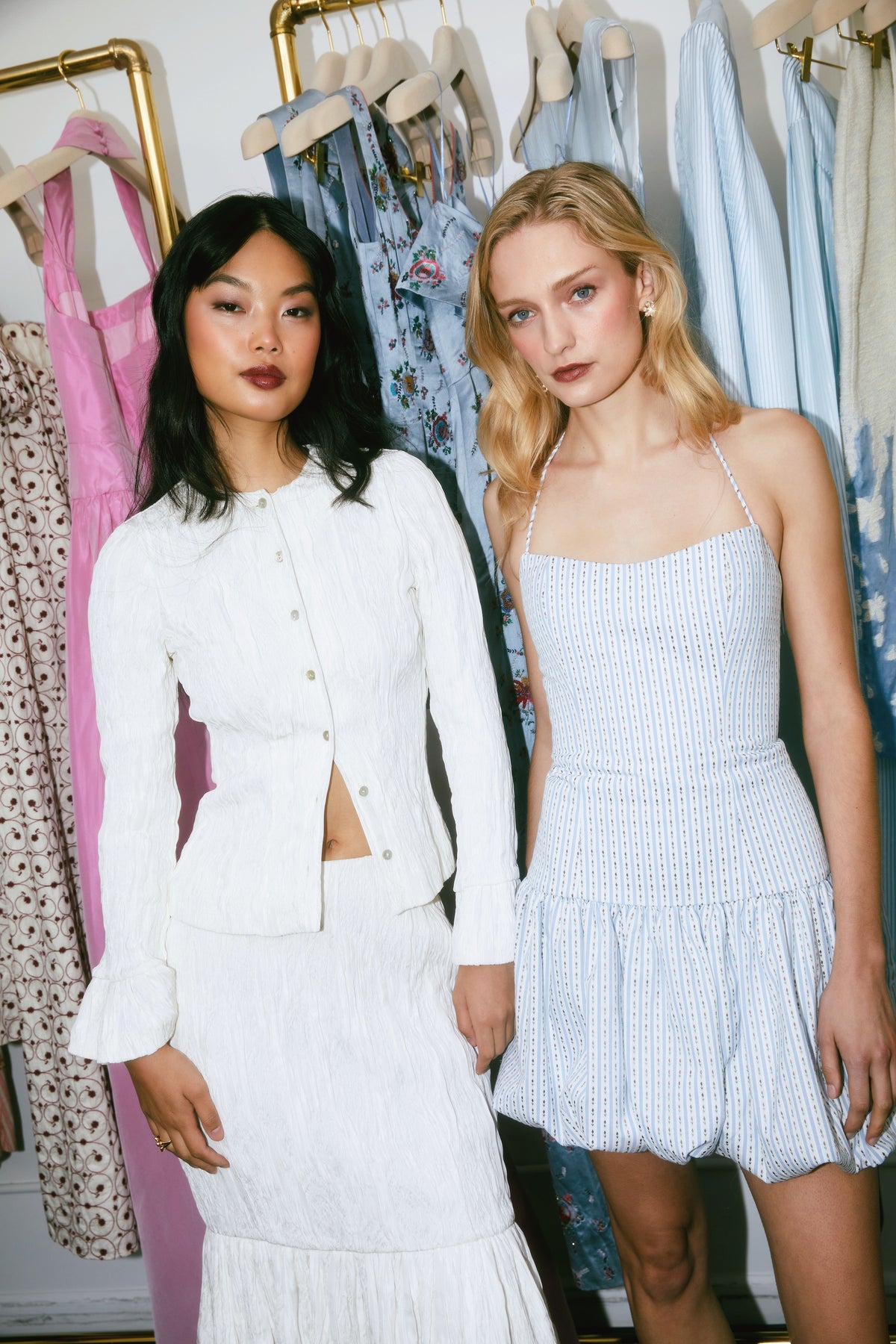
Alexandra O'Neill founded Markarian in New York in 2017 after closing an earlier sportswear line she had run with her sister, naming the new label after the Markarian Chain, a grouping of distant galaxies. Every piece is made to order in Manhattan's Garment District, with clients able to pick silhouette and fabric, an approach O'Neill has said is common for menswear but rarely offered to women.
La Veste
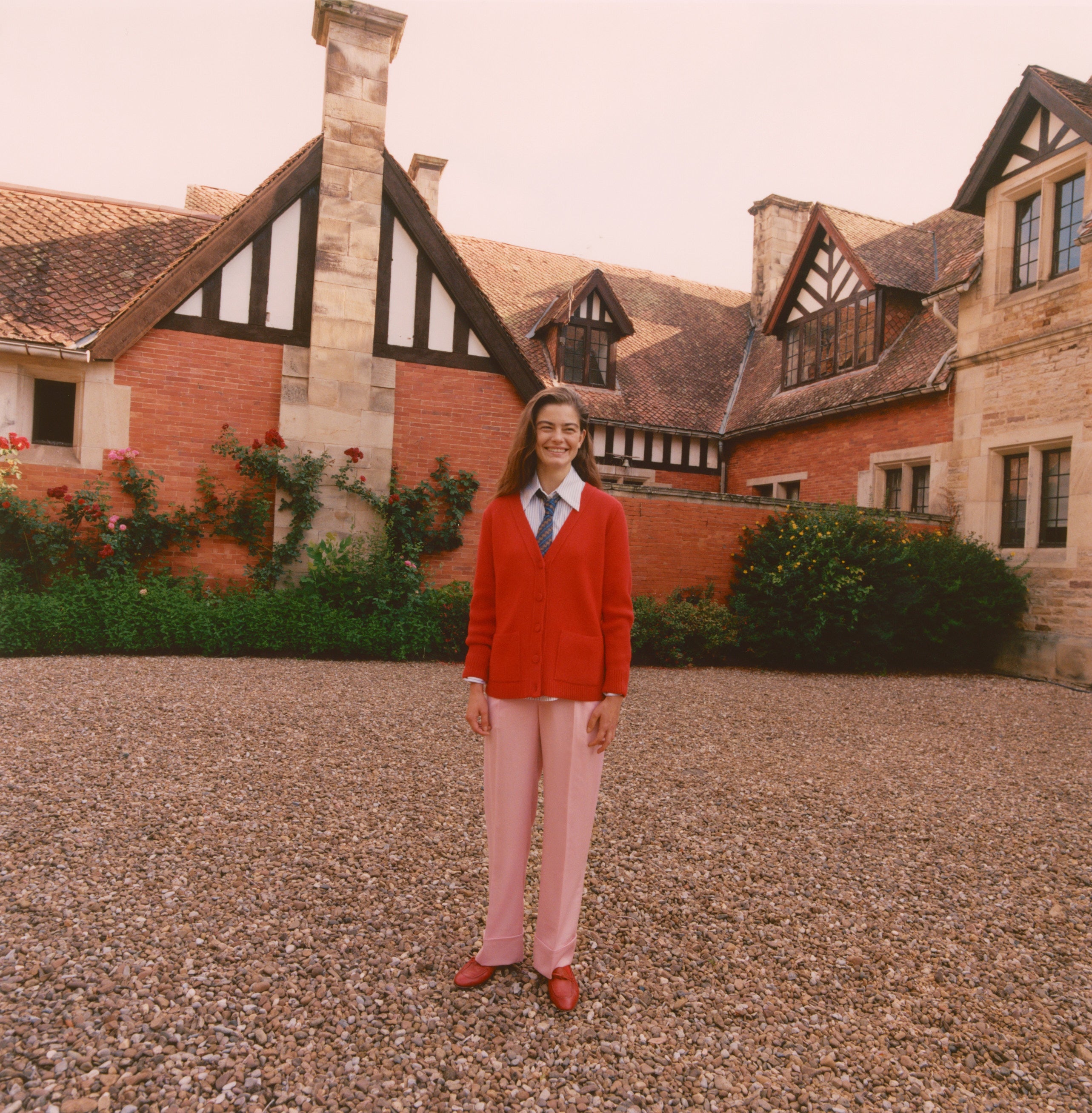
The brand began with two friends walking to a show during Paris Fashion Week deciding, more or less on the spot, to start a brand. Stylist Blanca Miro and designer Maria de la Orden founded it in 2018 and named it after the French word for blazer, because at first that was all they intended to make. It is now the most recognisable of the new Spanish labels and still runs on the same instinct.
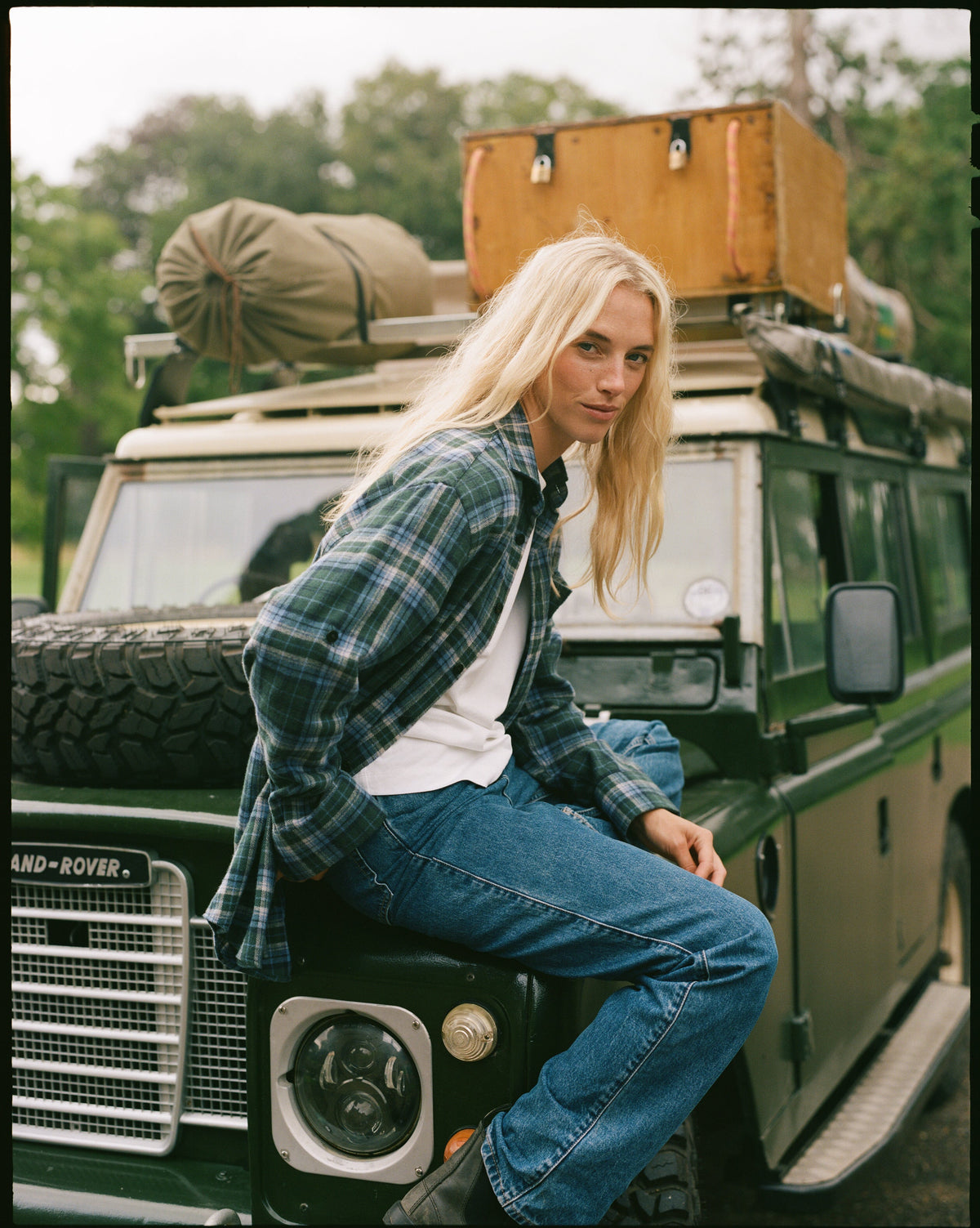
With Nothing Underneath
Pip Durell, a former Vogue stylist and Tatler editor, launched With Nothing Underneath in London in 2017 after years of wearing men's cotton shirts to work because she couldn't find a well-made equivalent cut for women. The label started with a single shirt style in three colorways, sourced through a manufacturing agent in Porto, before growing into a wider wardrobe of tailoring built on that same menswear-inspired logic.
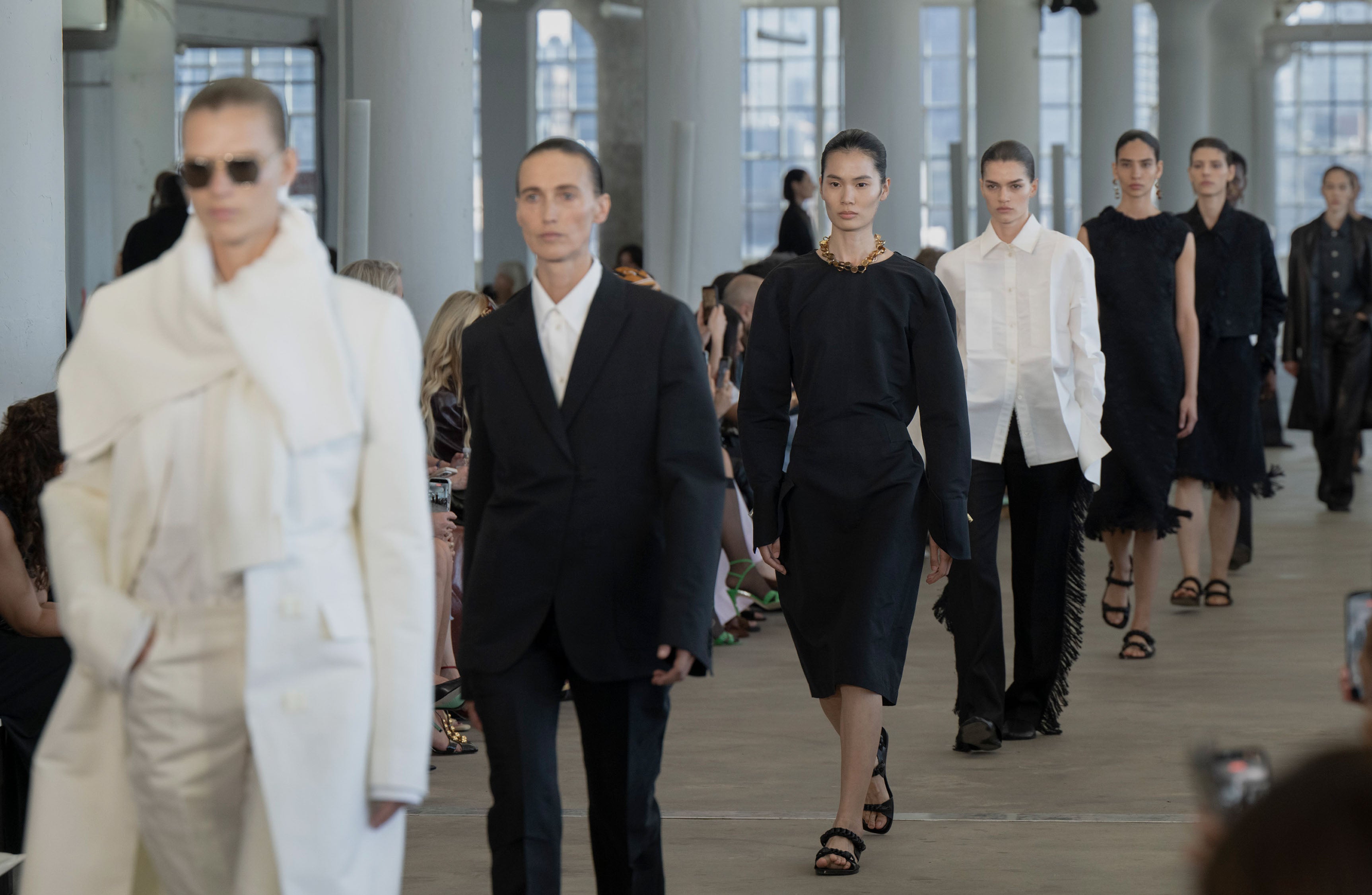
FFORME
FFORME was founded in 2021 by two businesswomen rather than a designer, which is still unusual enough to be worth saying out loud. Nina Khosla and Laura Vazquez hired Paul Helbers, a menswear veteran of Margiela, Louis Vuitton and The Row, and he built the first collection on a sewing machine in Brittany during lockdown. The double F stands for fundamental and foundational, and the brand has never really strayed from that.
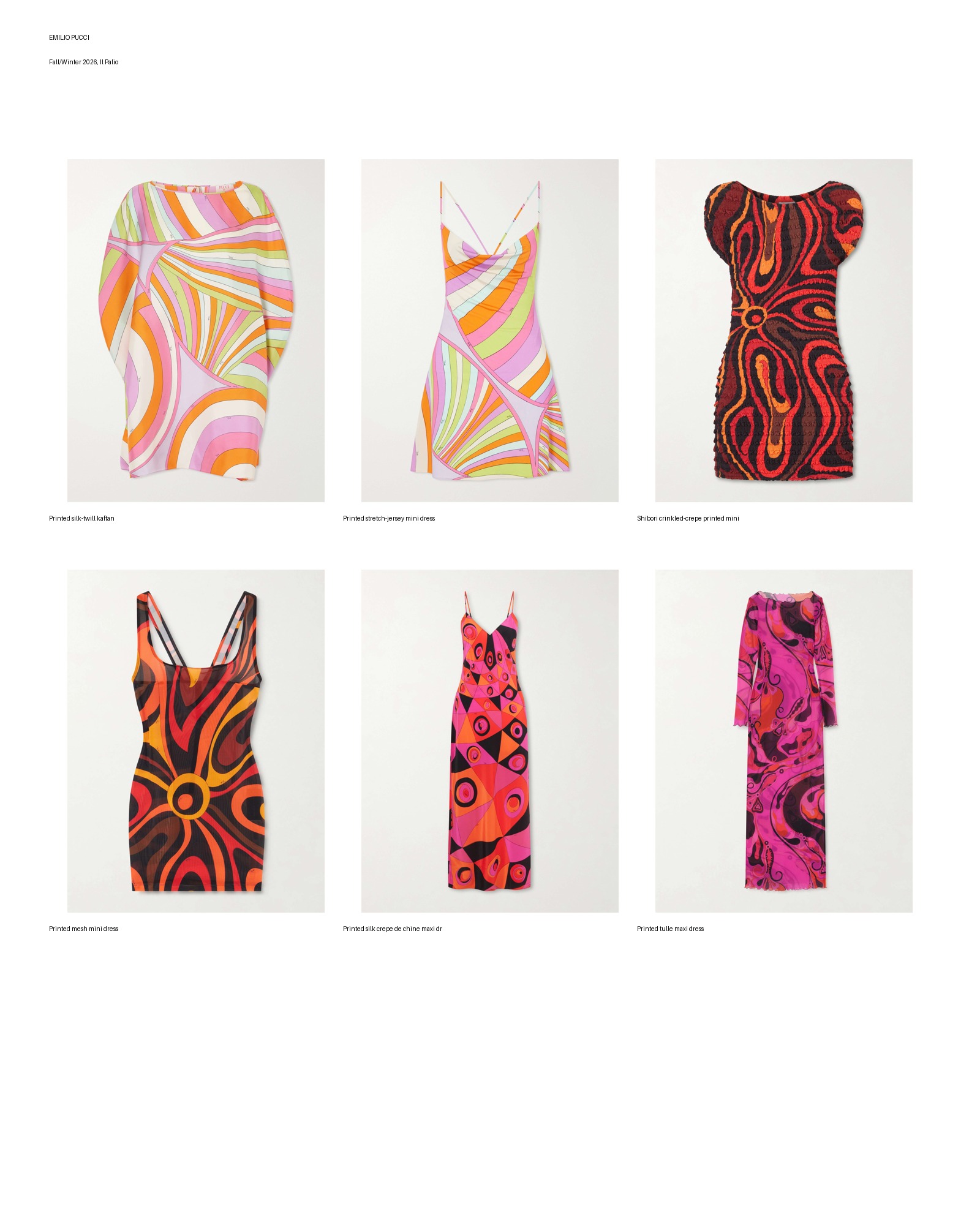
Emilio Pucci: Fall/Winter 2026, Il Palio
Emilio Pucci's Fall/Winter 2026 collection, Il Palio, sees Camille Miceli translate Siena's heraldic history into an after-dark wardrobe with graphic precision.

Les Tien
Courtney Michelle Ogilvie launched Les Tien, whose name translates from French as "yours," in Los Angeles in 2018, after previously founding the fashion developer Fit and Supply and the California manufacturing operation L.A. Makers, which produced for labels like Yeezy and Fear of God. The label's whole identity is process: fabric is treated and garment-dyed in-house before it is cut and sewn, which is what gives the sweatpants their lived-in, worn-soft hand feel.
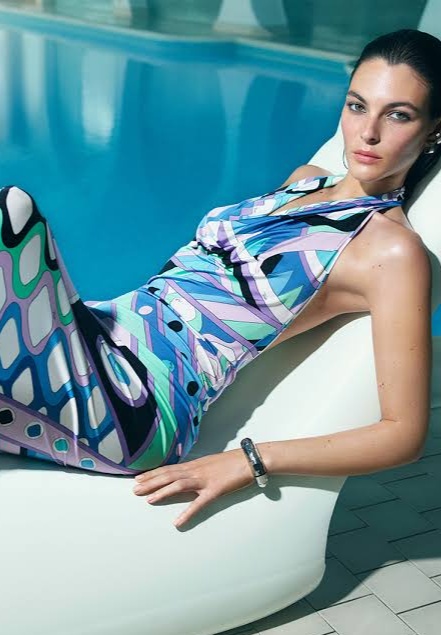
Pucci
Emilio Pucci, a Florentine aristocrat, founded his namesake house in 1947 after a photograph of his own streamlined ski outfit reached Harper's Bazaar and got him commissioned to design for the magazine. He opened his first boutique on Capri around 1949 and built the label on lightweight silk jersey and swirling geometric prints that made him a fixture of 1960s jet-set style.
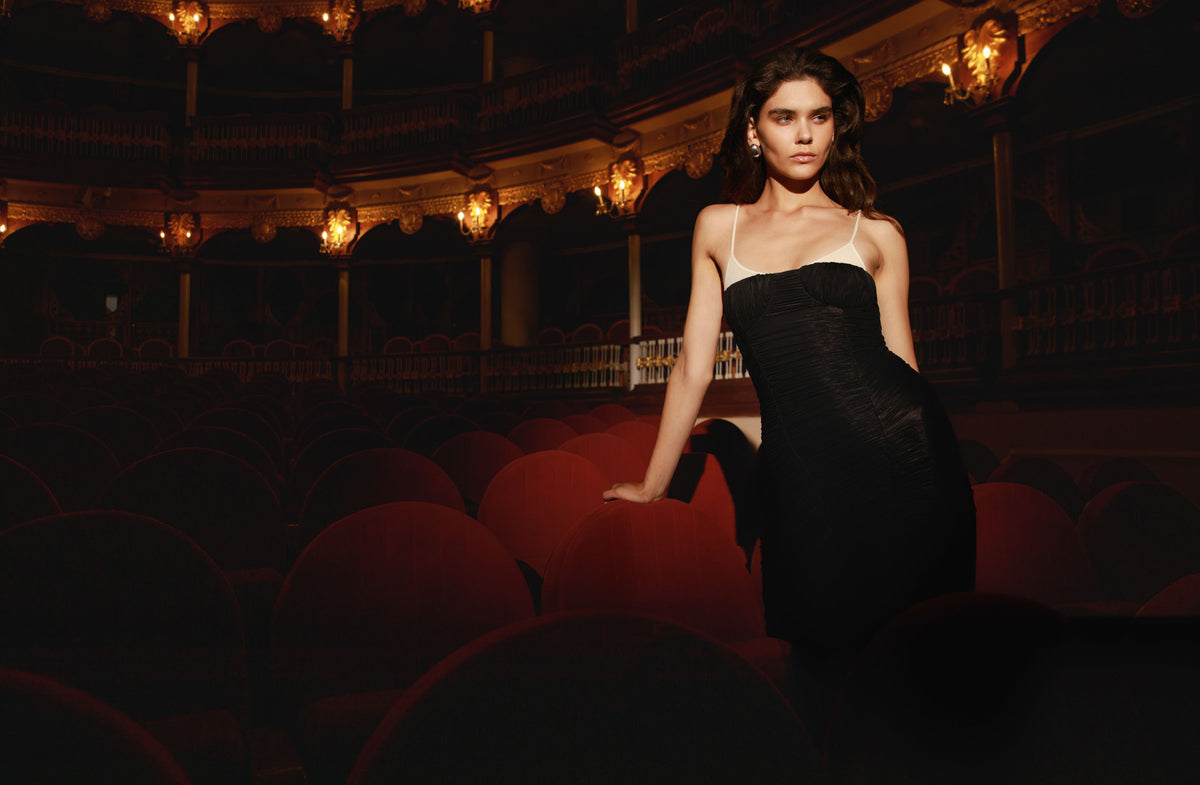
Maygel Coronel
Maygel Coronel is the Colombian designer who founded her namesake label in Cartagena de Indias in 2017, after training in patternmaking in Bogota and Cartagena and studying fashion design at the Accademia della Moda in Naples. She built the brand on second-skin construction, sleek bodysuits and swimwear designed to fit a range of bodies, an idea she developed herself after being told a fitted swimsuit line would only work for one body type.
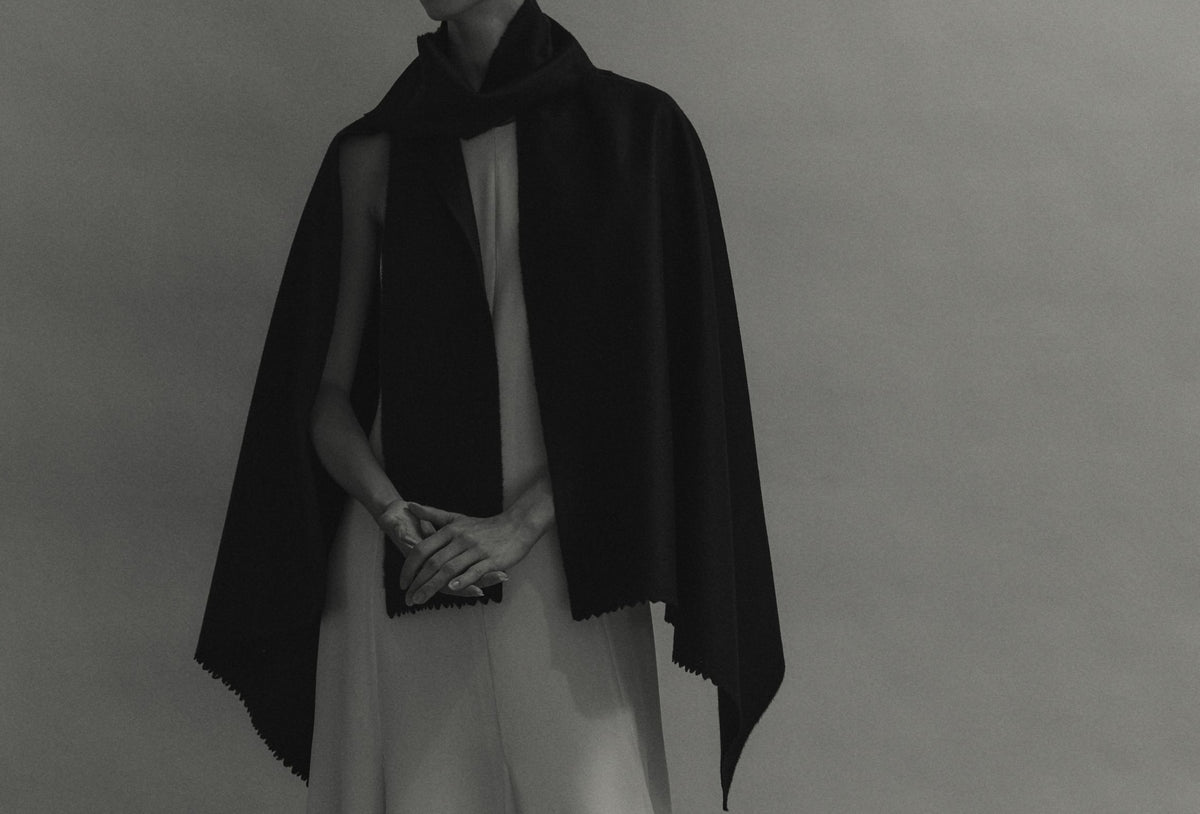
Kamperett
Anna Chiu and Valerie Santillo launched Kamperett in 2015, naming it by combining their mothers' maiden names, Pferdekamper and Garrett, after meeting while both worked at Restoration Hardware. Chiu had trained pre-med before moving through denim label Ksubi and a children's clothing line, while Santillo studied fashion design and had worked with Cynthia Rowley, and together they built a label around vintage-leaning, romantic silhouettes made locally in San Francisco.
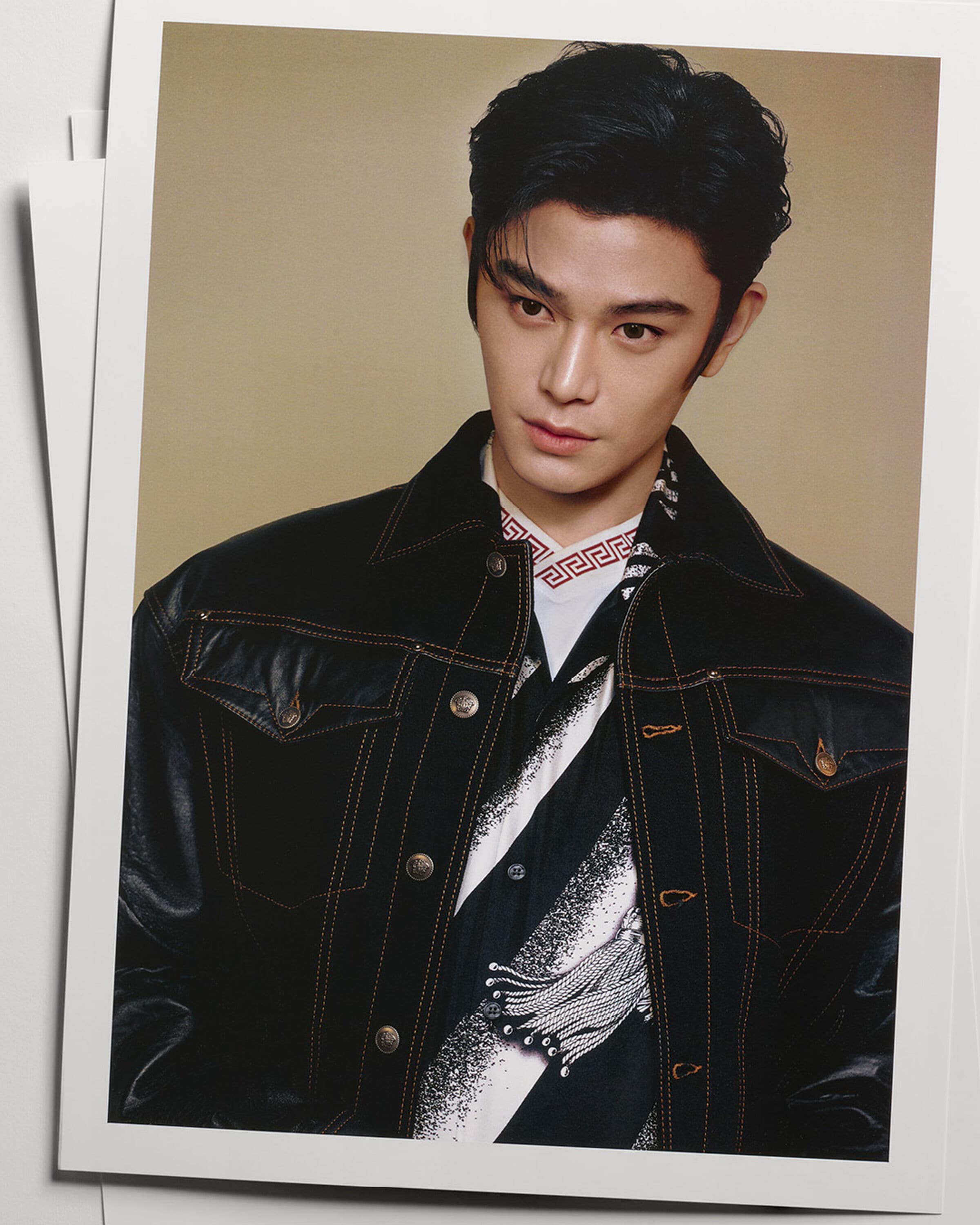
Versace
Gianni Versace founded his namesake house in Milan in 1978, showing his first womenswear collection at the Palazzo della Permanente and opening a boutique on Via della Spiga the same year, after six years designing for other Italian labels including Genny and Callaghan. His siblings ran the business alongside him, brother Santo on the financial side and sister Donatella eventually as creative director, a role she held after Gianni's death in 1997 and that shaped the house for decades.
Leset
Lili Chemla launched Leset in New York in 2019, pitching it at department stores who reportedly struggled to categorize it: not quite loungewear, not quite traditional ready-to-wear. The label built its identity around matching sets and refined basics rather than seasonal statement pieces, launching exclusively on Net-a-Porter that same year.
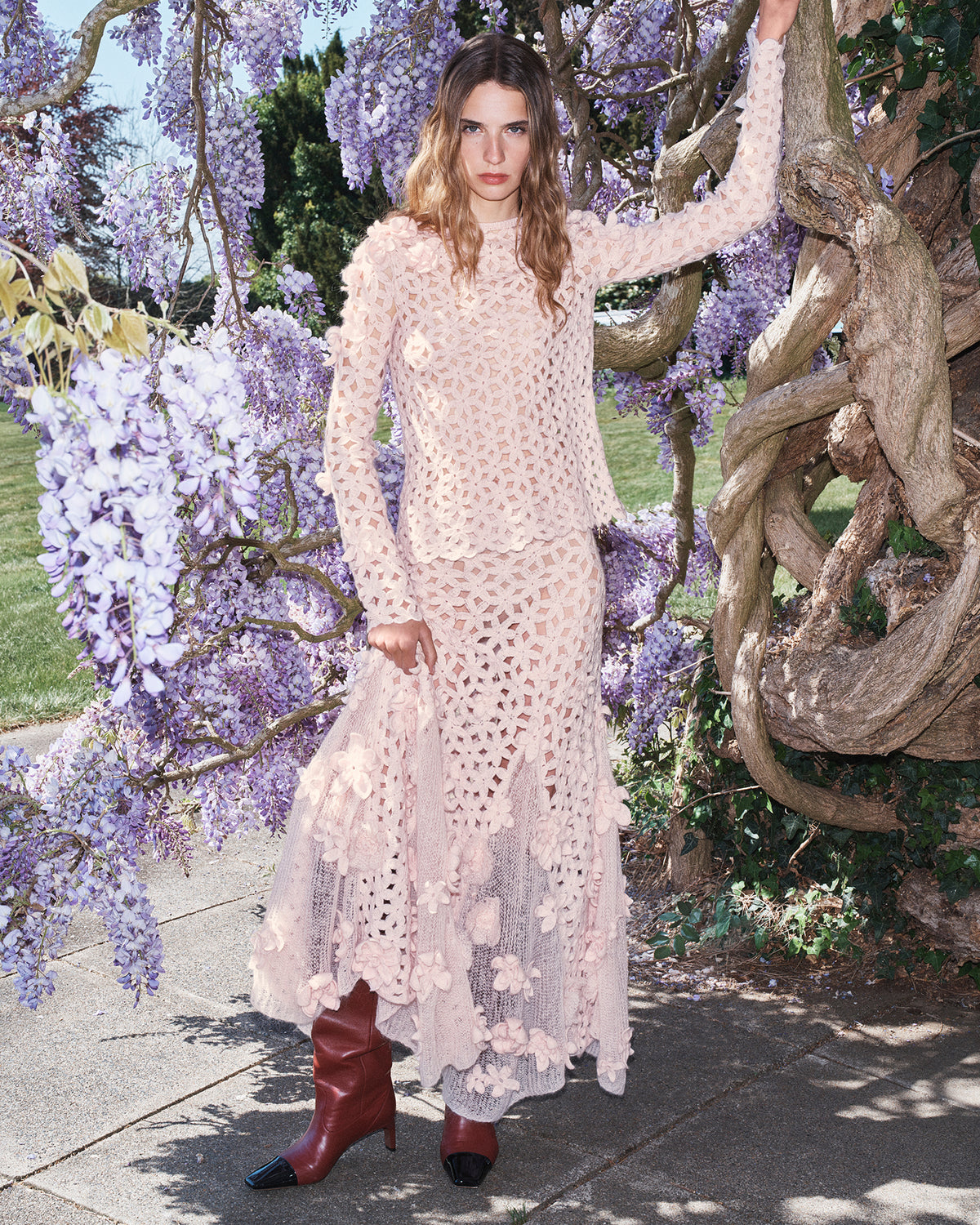
Ulla Johnson
Ulla Johnson grew up in Manhattan as the daughter of two archaeologists and launched her eponymous label in New York at the end of the 1990s, right after studying psychology and women's studies rather than fashion at the University of Michigan. Barneys New York bought her collection in 2000, and the label has since built its identity on natural fibers and craft techniques developed with artisan communities in countries including Peru, India and Kenya.

Still Here
Sonia and Maurice Mosseri, high school sweethearts from Brooklyn, started Still Here in 2018 after Sonia began hand-painting vintage denim inspired by her father's patched-up childhood Levi's. They funded the first production run with their wedding gift money and built the label into an eight-figure business without outside investors, all on the idea that a well-worn pair of jeans is basically an heirloom.
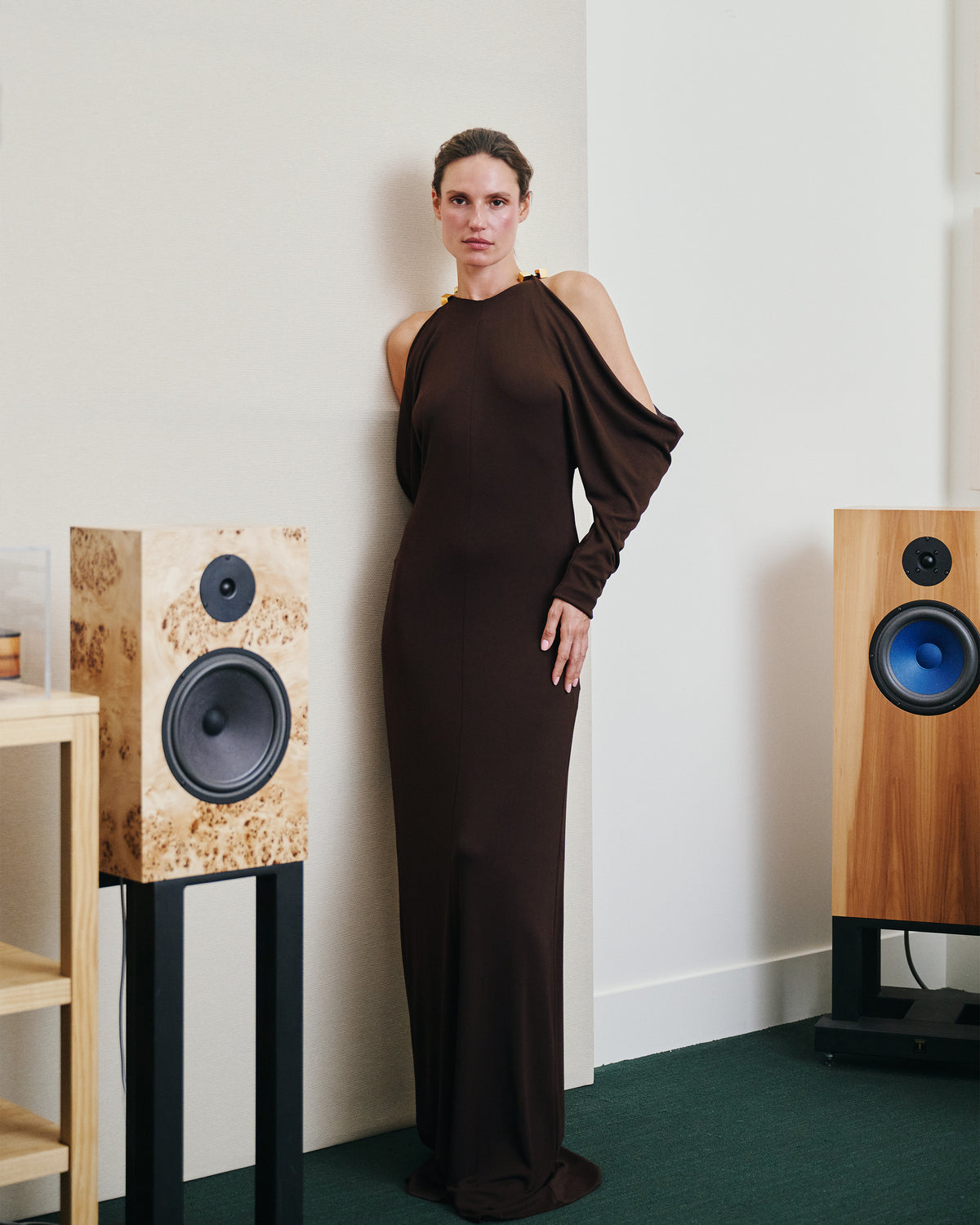
Silvia Tcherassi
Silvia Tcherassi trained as an interior designer in her native Barranquilla, Colombia before a leather-appliqued T-shirt she made for herself caught a shopkeeper's eye on a trip to Aruba, and the orders that followed pushed her into fashion. She founded her company in 1990, opened her first boutique in Barranquilla in 1992, and later became the first Latin American designer to show during official Paris Fashion Week programming.
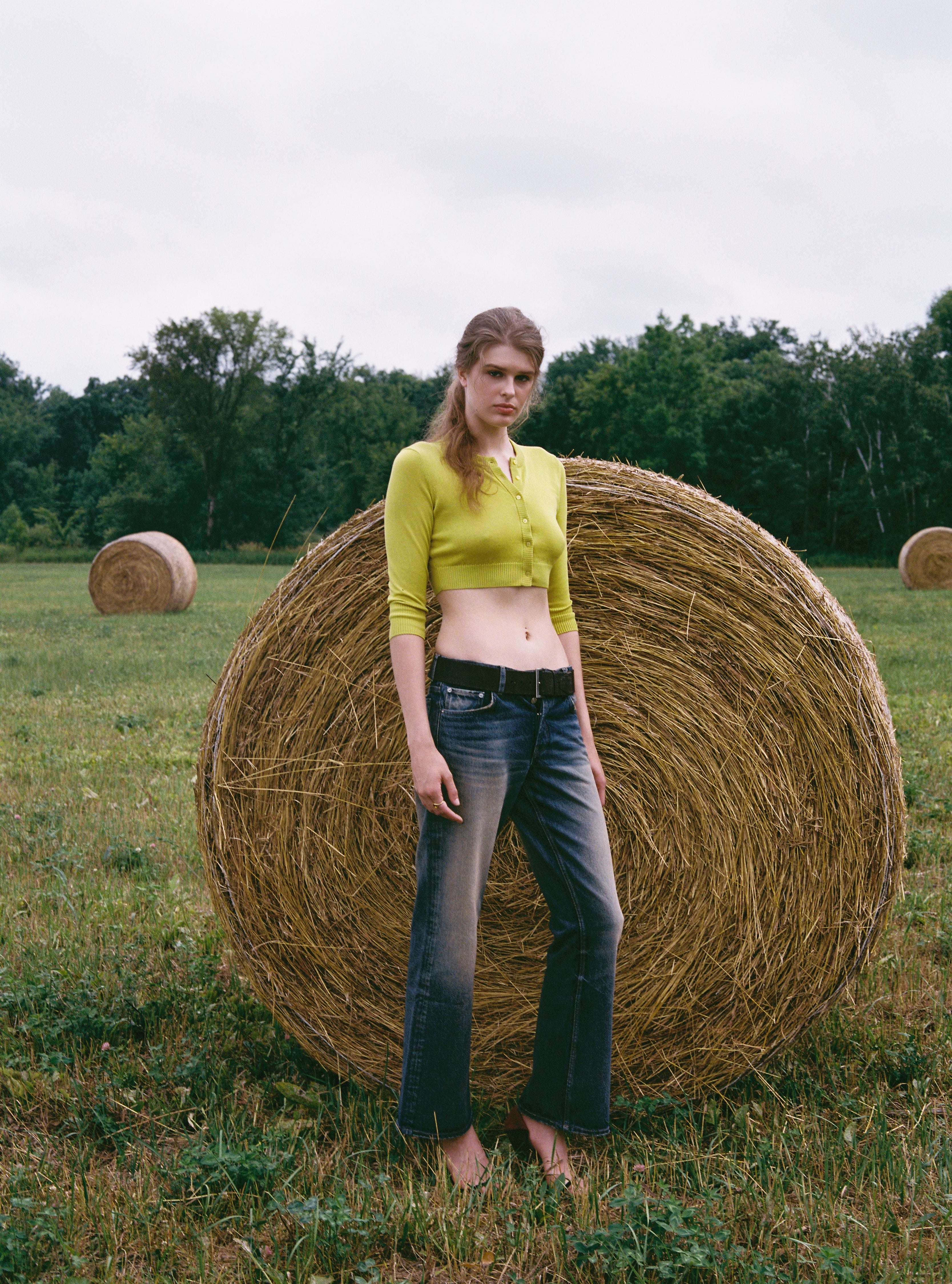
EB Denim
Elena Bonvicini started EB Denim around 2015 while still in high school in Newport Beach, California, cutting up vintage Levi's 501s into shorts and selling them out of her school locker room. The brand grew through a sorority trunk show at USC and a pandemic-era pivot into its own designs, still made in Los Angeles and still rooted in that reworked-vintage-denim logic.