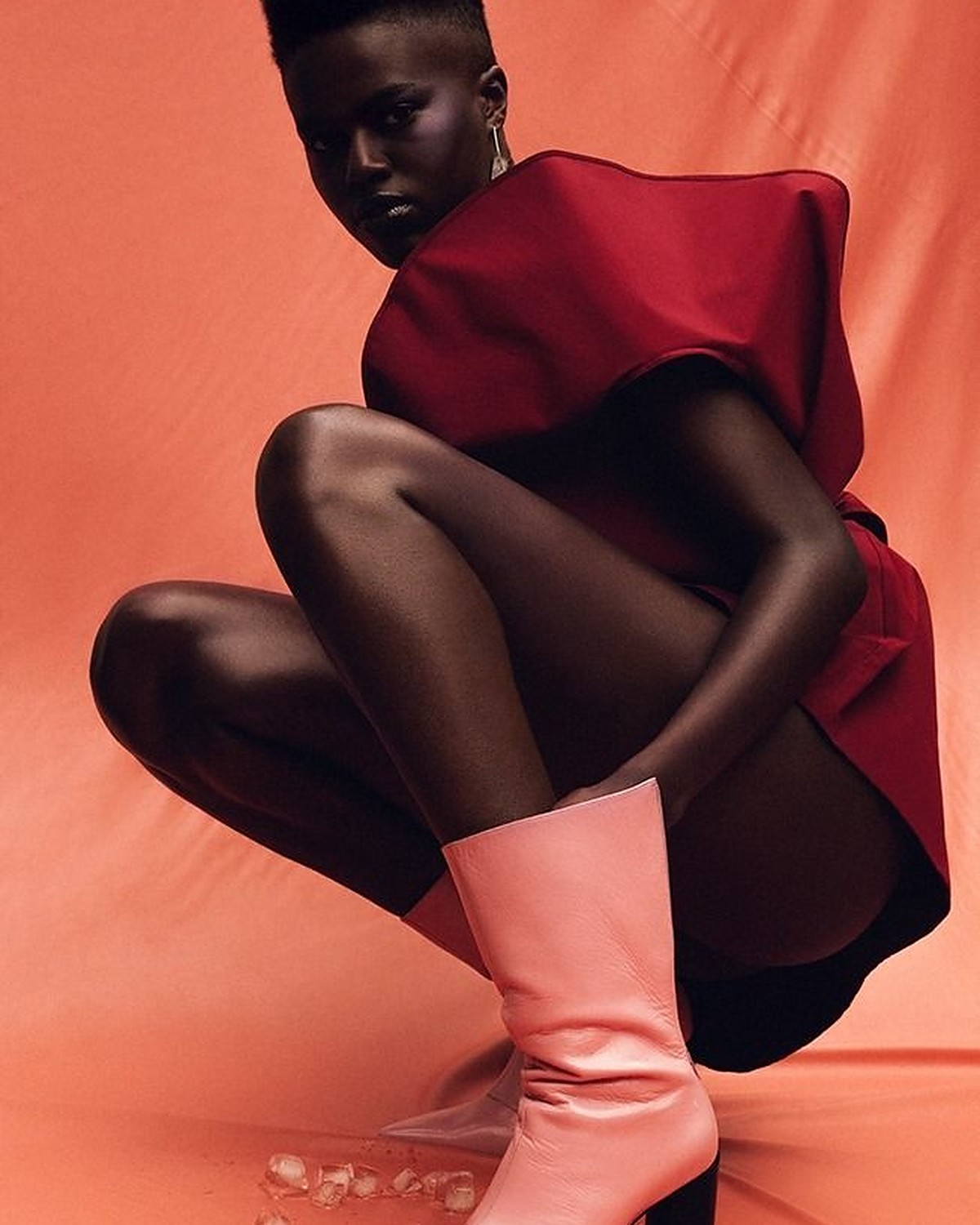
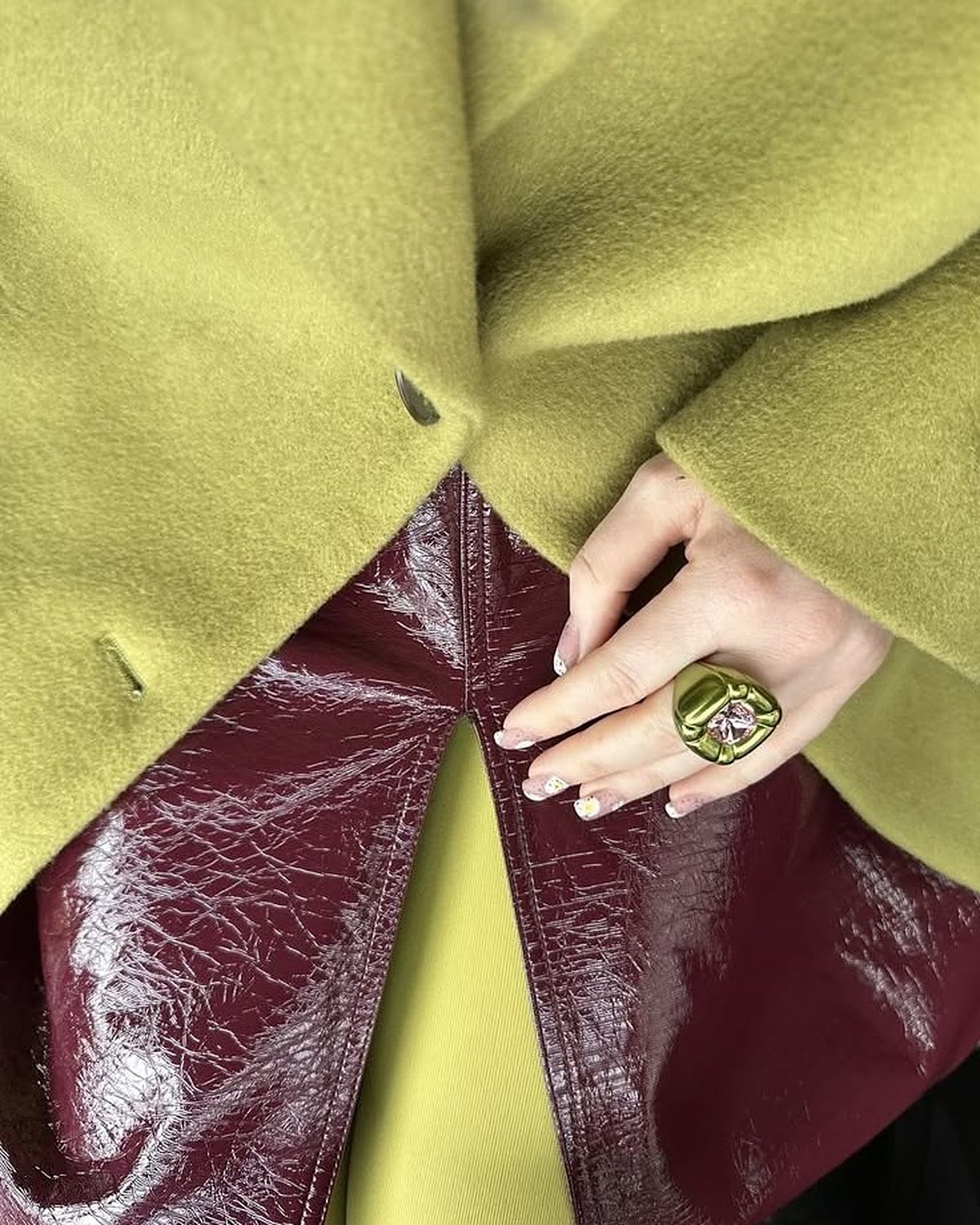
Elie Saab opened his first atelier in Beirut in 1982, at eighteen, after a brief stint studying in Paris and against the backdrop of Lebanon's civil war. His signature was set early and never really wavered: Western silhouettes layered with Middle Eastern embroidery, beading and crystal work, the kind of dressmaking that turned him into the go-to name for red carpets and, in 1999, Queen Rania of Jordan's coronation gown.
Elie Saab

Dresses
Dresses are the whole reason the house exists, built on the bridal and eveningwear commissions Saab was sewing in Beirut before he was twenty. The embellishment is heavier and the silhouettes more sculpted than most ready-to-wear, a direct line back to that original atelier's couture instincts.

Bow-Detailed Lace Silk Maxi Dress
Elie Saab
$4,825

Knit Maxi Dress
Elie Saab
$2,210

Ruched Vinyl Leather Midi Dress
Elie Saab
$3,820

Printed Organza Maxi Dress
Elie Saab
$4,555

Lace-Detailed Satin Maxi Dress
Elie Saab
$5,350

Printed Cotton Gown
Elie Saab
$3,350

Embroidered Cotton Midi Dress
Elie Saab
$3,600

Halter-Neck Silk Gown
Elie Saab
$7,500
More from the collection
The remaining pieces show how far the eveningwear logic extends once it leaves the gown format, still carrying the embroidery and crystal detail that made Saab's name decades before he ever showed in Paris. It is refinement applied to more casual categories, not a separate design language.

Long-Sleeve Cady-Lace Gown
Elie Saab
$5,250

Embellished Lace Halter Top
Elie Saab
$2,200

Embroidered Eyelet Crop Top
Elie Saab
$1,350

Ombré Chiffon Shirt
Elie Saab
$2,350

Embellished Lace Maxi Skirt
Elie Saab
$4,300

Embroidered Cotton Maxi Skirt
Elie Saab
$2,400

Mid-Rise Leather Knee-Length Skirt
Elie Saab
$3,150

Pleated Wool-Blend Straight-Leg Pants
Elie Saab
$1,550
Our honest take
Saab built an entire house on maximalist eveningwear during wartime Beirut, and the label has mostly resisted diluting that identity even as it expanded into ready-to-wear. The result is a brand that still reads as occasion dressing first, everyday second, which is either exactly what you want or not what you're shopping for.