A good Dior foundation starts with knowing which of its two personalities you want, the polished Forever line or the runway-born Backstage line. This edit covers both, plus the sponges and brushes that make either one look like skin.
Choosing a Dior Foundation: Forever Skin, Backstage and the Tools to Apply Them
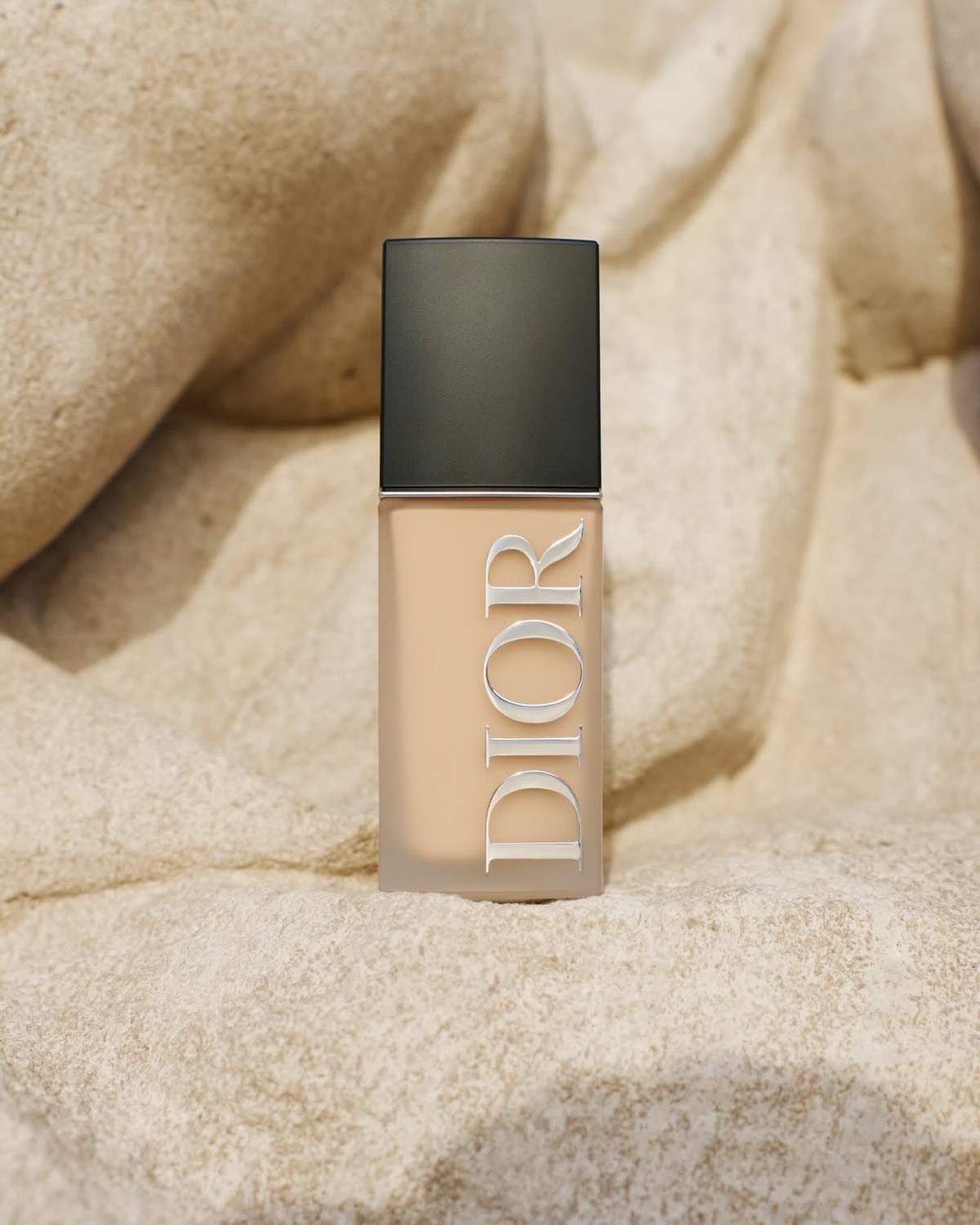
Peter Philips is the Creative and Image Director for Dior Makeup and guides its makeup collections. He was appointed to that role in March 2014, after leaving his previous post in 2013. When I shop a Dior foundation, I find it helps to split the products into a polished camp and a looser, runway-minded one.
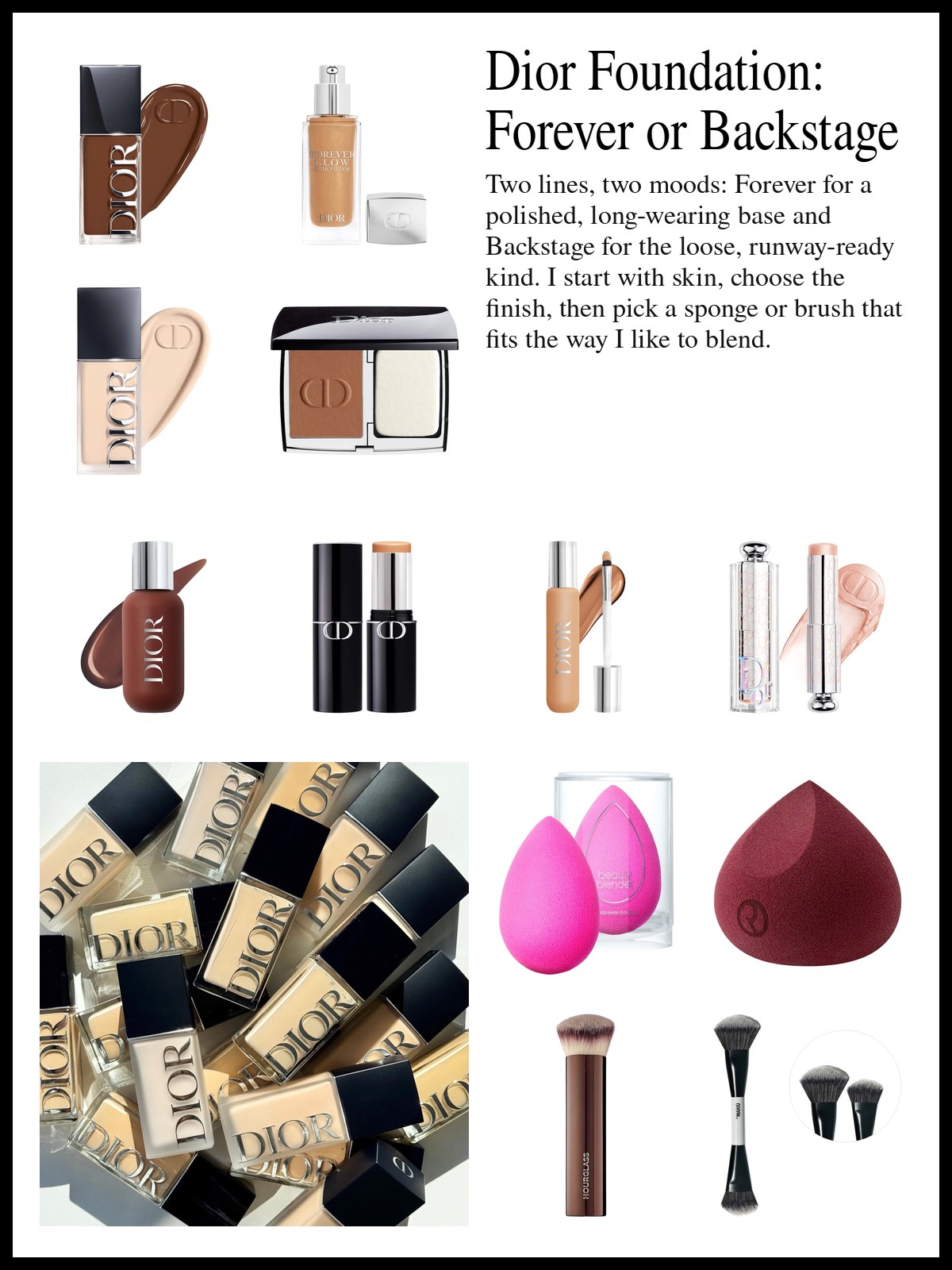
The polished camp is the Forever line. Forever Skin Glow is a glow foundation marketed with 24h wear and 48h hydration, and it comes in 42 shades on the US site. It is the one for anyone who wants their face to look lit from inside. Forever Skin Wear is the opposite in mood: a blurring natural matte foundation with 24h wear, positioned as no-transfer, which is the one I would pick for a wedding or a long shift in a mask.
Then two extras. Forever Natural Velvet is a matte compact foundation, and I like it because a compact travels and touches up in one step. Forever Glow Star Filter is a multi-use complexion booster, and I use it where I want a glow. I dab it on the tops of the cheekbones and leave the rest of the face alone.
Whichever you choose, start with a small amount and add more only where you need it. Foundation looks better when you can still see a bit of skin. I test a new base on a bare day first, with only moisturizer underneath, so I know what it does before I pile primer, concealer and powder on top of it.
Dior Forever complexion

Forever Skin Glow Liquid Foundation 24HR Wear
Dior
$60

Forever Glow Star Filter Multi-Use Complexion Enhancing Booster
Dior
$57

Forever Skin Wear Blurring Natural Matte Foundation - 24HR Ultra Wear
Dior
$60

Forever Natural Velvet Matte Compact Foundation
Dior
$64

Forever Glow Maximizer Longwear Liquid Highlighter in Pink
Dior
$47

Forever Skin Contour Stick in 01 Light
Dior
$52

Forever Blush Soft Filter in Bloom
Dior
$49

Forever Skin Veil Makeup Primer
Dior
$54
The Backstage side of the counter
Backstage is the other half of the story. It is the collection inspired by the backstage energy of Dior runway shows, which fits how practical the products read.
The Backstage Face and Body Foundation is the one that gets the most attention, and I like the idea of a base that goes from face to shoulders to hands in the same shade. The Backstage Concealer sits in the same family, and it is the one I use under the eyes and around the nose. The Forever Skin Perfect Foundation Stick is a multi-use stick, and it is what I pack when I want fewer things in my bag.
Then the glow. The Backstage Glassy Glow Stick is a multi-use highlighter balm that I swipe on cheekbones, brow bones and the bridge of the nose, and it works on bare skin too. The Backstage Glow-Up Skin Tint is a hydrating tinted moisturizer with SPF 20, which means it is the daytime option, light and easy, for the days when even a foundation feels like too much.
If you like sheer bases, start with the skin tint. If you like coverage, start with the face and body foundation. A stick, in my experience, is the easiest way for a beginner to get a good result, since you can see exactly where the product is going.
Dior Backstage and complexion extras

Backstage Face & Body Foundation
Dior
$45

Forever Skin Perfect 24H Multi-Use Foundation Stick
Dior
$58

Backstage Concealer
Dior
$33

Backstage Glassy Glow Stick Multi-Use Stick Highlighter Balm
Dior
$44

Backstage Glow-Up Skin Tint Hydrating Tinted Moisturizer SPF 20
Dior
$55

Backstage Glow Maximizer Face Palette
Dior
$55

Backstage Airflash Mist Makeup Setting Spray
Dior
$39

Rosy Glow Powder Blush
Dior
$42
Tools for Applying Dior Foundation: Sponges and Brushes
A foundation is only as good as its application, and I think tools matter more than most people admit. The same product can look flat or wonderful depending on what you blend it in with.
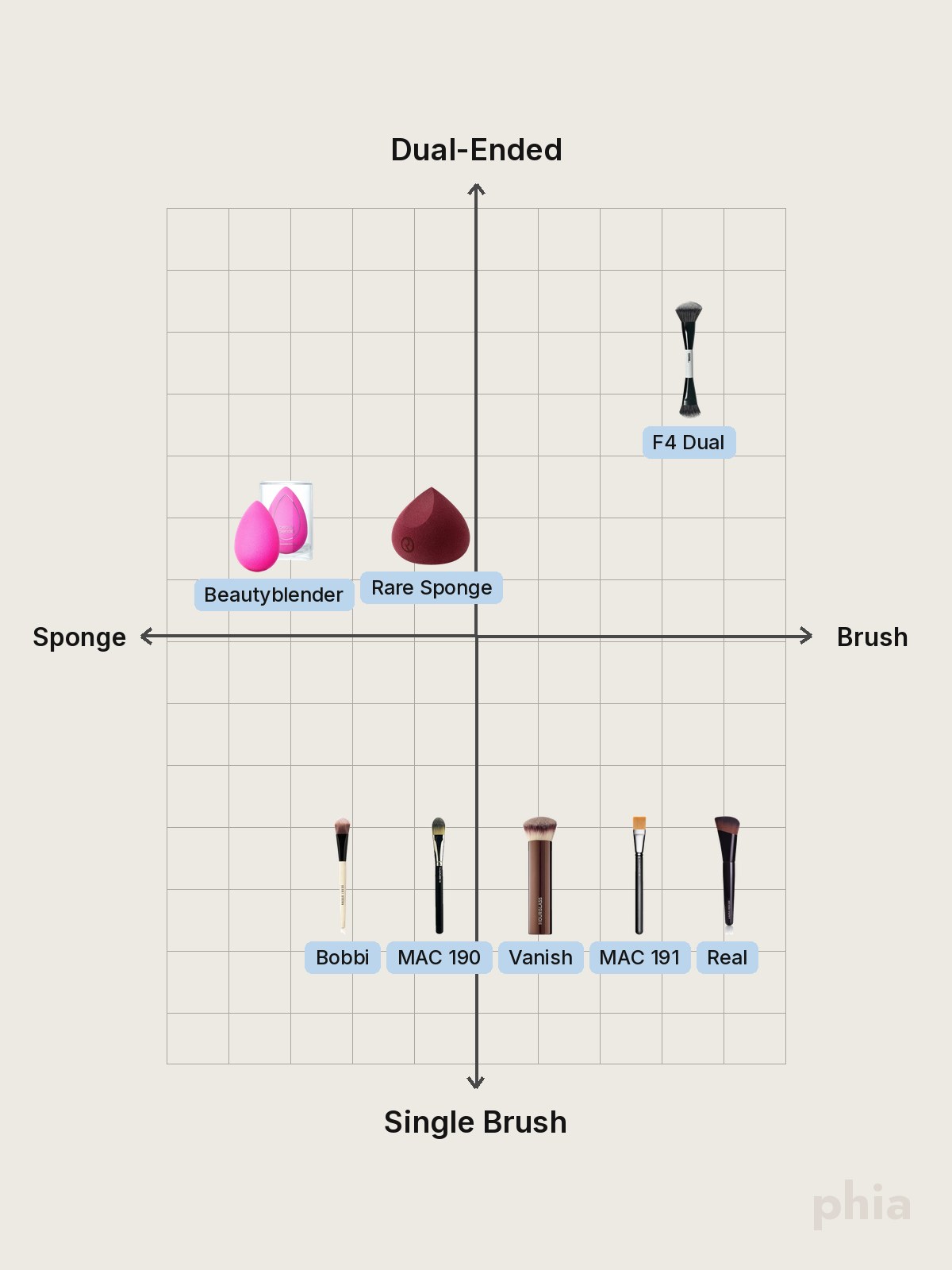
Beautyblender's Original sponge is the classic, and the rule is to dampen it first, squeeze out the extra water, and press rather than drag. Damp sponges leave a soft, skin-like finish, which is what a glow foundation wants. Rare Beauty's Soft Touch Makeup Blending Sponge is another sponge, a simple place to begin if you have never used one.
Brushes give a different result. Hourglass's Vanish Foundation Brush is a foundation brush, the one I use with a matte foundation when I want a smooth look. Makeup by Mario's F4 is dual-ended, a foundation brush on one side and a face brush on the other, which makes it good for travel. Use small circles on the cheeks and short strokes around the nose. Whichever tool you pick, start in the center of the face and work outward, because that is where you usually need the most product and the edges need almost none.
What I would skip: applying a matte foundation with a soaking wet sponge, and never washing your tools. A dirty sponge pushes old product around and can leave streaks. Rinse it after every use with a little mild soap, squeeze it clean, and let it dry in the open air.
Foundation brushes and sponges

ORIGINAL Beautyblender Makeup Sponge
Beautyblender
$20

Soft Touch Makeup Blending Sponge
Rare Beauty
$15

Vanish Foundation Brush
Hourglass
$52

F4 Dual-Ended Foundation and Face Brush
Makeup by Mario
$36

190 Foundation Brush
MAC
$42

191 Square Foundation Brush
MAC
$42

Real Flawless Foundation Brush
Laura Mercier
$48

Professional Foundation Brush
Bobbi Brown
$63
How to choose your finish
How to choose, then. Look at your skin on the day. If it is dry or tired, go for Forever Skin Glow or the skin tint. If you are oily or have a long day, choose Forever Skin Wear or the velvet compact. If you would like one product for everything, take the stick.
Shade matching is easier in daylight, at your jaw. Try two shades next to each other and wear them for an hour before you decide. Blend down your neck, and be gentle around your eyes. Match the tool to the finish, and clean it often. A base should look like skin that had a good night, and not a mask, so keep the layers thin, and stop before you think you are finished. If your skin becomes sore or reacts to a product, stop using it and ask a doctor or pharmacist. If you want to keep browsing, I also put together Dior Forever Skin Correct Concealer and the Best Dior Makeup Around It and Twelve Lipsticks in 1994, Now a Complexion Cabinet.






