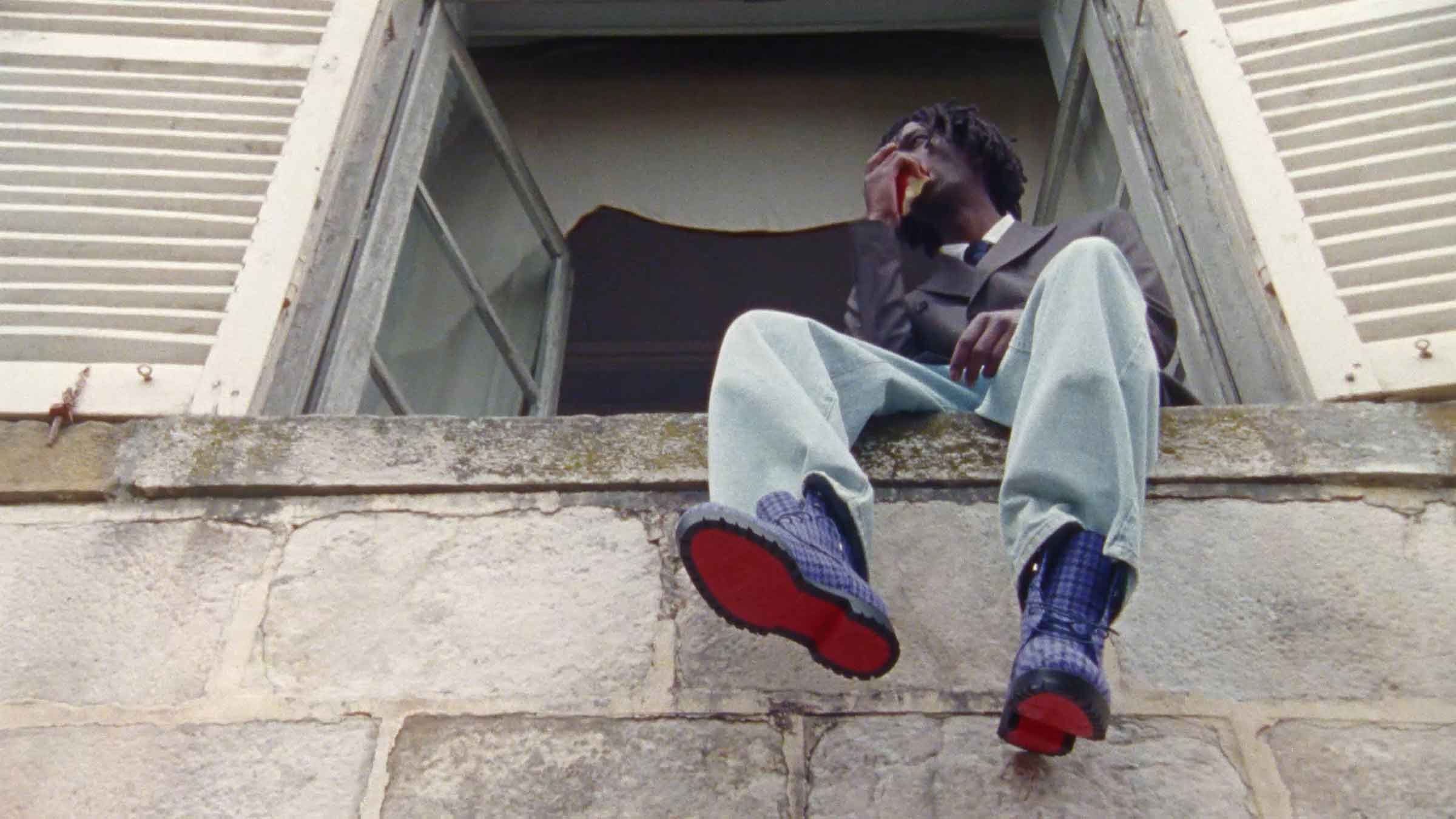
Christian Louboutin opened his first Paris boutique in November 1991, in a small arcade near the Louvre, after years spent designing shoes for Chanel and Yves Saint Laurent and a detour into landscape gardening. The whole enterprise turns on one stubborn idea, a lacquered red sole that turns the underside of a shoe into the signature, so a heel is recognizable from across a room before anyone sees the front of it.
Christian Louboutin
Shoes
This is the category the house was actually built on, and it shows in how confident the construction still is: sharp points, exaggerated heel heights, that red sole doing the talking before you clock the rest of the shoe. Louboutin trained under Roger Vivier at Charles Jourdan before going out on his own, and the lineage of a serious shoe person, not a brand extension, is still legible here.

Miss Z 80mm Leather Sandals
Christian Louboutin
$1,045

Fannylove 85mm Leather Pumps
Christian Louboutin
$995

Miss Z 100mm Slingback Sandals
Christian Louboutin
$1,195

Zependris 100mm Leather Boots
Christian Louboutin
$2,395

La Pigalle 100m Leather Pumps
Christian Louboutin
$2,245

Jennna 150mm Calfskin Boots
Christian Louboutin
$1,995

Sweetie Jane Velvet Leather Flats
Christian Louboutin
$845

Cassiasticina Patent Leather Ballet Flats
Christian Louboutin
$945

Milena 60mm Leather Mules
Christian Louboutin
$1,045

Miss Z 80mm Velour Leather Pumps
Christian Louboutin
$1,045

The Plato Leather Loafers
Christian Louboutin
$1,195

Cassiadrilla 100mm Linen Espadrille Pumps
Christian Louboutin
$995

O Marylin 85mm Leather Sandals
Christian Louboutin
$945

Exclusive La Isla Vaporetta 100mm Satin Sandals
Christian Louboutin
$1,745

Exclusive Miss Z 100mm Velvet-Effect Leather Pumps
Christian Louboutin
$995

Cordelia 70 Jacquard Florea Slingback Sandals
Christian Louboutin
$1,695

Cora 100 Jacquard Florea Sandals
Christian Louboutin
$1,295

Exclusive Riviera Jane Disco Crystal-Embellished Printed Satin Platform Sandals
Christian Louboutin
$2,995

Loubi Queen Alta 150mm Metallic-Leather Platform Sandals
Christian Louboutin
$1,295

Cordelina Flat Jacquard Florea Slingback Sandals
Christian Louboutin
$1,495

Exclusive Riviera Sweet Disco Jane Printed Satin Sandals
Christian Louboutin
$895

Sandaloo 130mm Leather Platform Sandals
Christian Louboutin
$1,245

Rosa Fruit 100mm Satin Sandals
Christian Louboutin
$1,995

Dolly Alta 160mm Leather Platform Pumps
Christian Louboutin
$1,195
More Shoes
A second wall of the same obsession, because one grid was never going to cover it. Flats, mules, the occasional lower heel sit alongside the towering stuff, proof that the house treats a walkable shoe with the same finishing as an event heel, down to the sole that gives it away at a glance.

Cassia 55mm Crepe Satin Pumps
Christian Louboutin
$1,195

Emilie 100mm Embellished Suede Sandals
Christian Louboutin
$1,495

New Macademia 100mm Leather Ankle Boots
Christian Louboutin
$1,995

Amali 130mm Patent Leather Mules
Christian Louboutin
$1,095

Cassia Nodo 100mm Crepe-Satin Pumps
Christian Louboutin
$1,195

Cassia Lace-Up Satin Ballet Flats
Christian Louboutin
$995

Sandaloo 130mm Metallic-Leather Platform Sandals
Christian Louboutin
$1,295

Kate 85mm Veau Velours Pumps
Christian Louboutin
$845

Miss Z 80mm Veau Velours Knee Boots
Christian Louboutin
$1,995

Cassia 100mm Metallic Leather Mules
Christian Louboutin
$1,195

Calakala 85mm Velvet-Trimmed Heeled Sandals
Christian Louboutin
$945

Alta 160mm Veau Velours Platform Sandals
Christian Louboutin
$1,595

Miss Jane 85mm Leather Sandals
Christian Louboutin
$995

Miss Jane 85mm Leather Sandals
Christian Louboutin
$995

Giddylina 100mm Buckle-Detailed Leather Pumps
Christian Louboutin
$1,495

So Kate 85mm Croc-Effect Patent Leather Ankle Boots
Christian Louboutin
$1,295

Calakala 85mm Metallic Leather Platform Sandals
Christian Louboutin
$995

Miss Z 80mm Printed Toile Mules
Christian Louboutin
$1,045

Sweet Jane Leather Sandals
Christian Louboutin
$845

Calakala 85mm Leather Platform Mules
Christian Louboutin
$945

Calakala 85mm Leather Platform Mules
Christian Louboutin
$945

Loo 130mm Veau Velours Ankle Boots
Christian Louboutin
$1,495

Iriza 85mm Veau Velours Pumps
Christian Louboutin
$945

Arch Queen 100mm Embellished Suede Sandals
Christian Louboutin
$1,595
Still more Shoes
By this point in the edit the pattern is obvious: variations on point, strap and heel height rather than reinvention season to season. That consistency is deliberate. Louboutin has spent over three decades refining the same handful of shoe ideas instead of chasing a new silhouette every year, and the payoff is a foot that reads as his from ten feet away.

Miss Jane 85mm Leather Sandals
Christian Louboutin
$945

Astrilarge Botta 100mm Studded Suede Boots
Christian Louboutin
$3,995

Miss Z 120mm Leather Sandals
Christian Louboutin
$1,095

Miss Z 80mm Metallic Leather Mules
Christian Louboutin
$1,095

Miss Z Embellished Mesh Flat Pumps
Christian Louboutin
$1,495

Chambelimule Leather Sandals
Christian Louboutin
$745

Just Nothing 85mm Patent PVC Sandals
Christian Louboutin
$795

Just Nothing 85mm Patent PVC Sandals
Christian Louboutin
$795

Exclusive Maria 160mm Satin Pumps
Christian Louboutin
$1,795

Mariza Du Desert 70mm Sash-Tie Woven Platform Sandals
Christian Louboutin
$945

Bootytiag 100mm Metallic Leather Western Boots
Christian Louboutin
$2,395

Miss Z 100mm Leopard Pony Hair Ankle Boots
Christian Louboutin
$1,595

Just Loubi 85mm PVC, Patent Leather Sandals
Christian Louboutin
$745

Athinita Hardware-Detailed Leather Sandals
Christian Louboutin
$895

Chambeliboat Sheaarling Boat Shoes
Christian Louboutin
$1,195

Sandaloo 130mm Leather Platform Sandals
Christian Louboutin
$1,295

Kate Max 100mm Veau Velours Pumps
Christian Louboutin
$895

Calakala 85mm Suede Sandals
Christian Louboutin
$945

Zeezeenella 100mm Patent Leather Sandals
Christian Louboutin
$1,245

MJ Thong 25mm Croc-Embossed Leather Sandals
Christian Louboutin
$895

Meryl 80mm Crystal Crepe-Satin Sandals
Christian Louboutin
$1,695

Miss Jane 85mm Printed Satin Sandals
Christian Louboutin
$995

Janetonga 55mm Leather Sandals
Christian Louboutin
$995

Zeppa Chick 85mm Patent Leather Wedges
Christian Louboutin
$845
Even more Shoes
More proof that the archive runs deep. Some of these read closer to the going-out shoes that got Princess Caroline of Monaco into the original Paris salon as its first customer, the encounter that a passing journalist wrote up and effectively launched the brand's reputation. Decades on, the impulse behind that first pair hasn't really changed.

Janetonga 55mm Leather Thong Sandals
Christian Louboutin
$845

Mamadrague Spiked Leather Ballet Flats
Christian Louboutin
$945

Just Nothing 55mm Patent PVC Sandals
Christian Louboutin
$795

Jane 85mm Leather Sandals
Christian Louboutin
$945

Chanme Donna Nubuck Loafer Mules
Christian Louboutin
$845

Promessina 35mm Croc-Effect Ballet Flats
Christian Louboutin
$1,095

Astrilarge 100mm Two-Tone Leather Ankle Boots
Christian Louboutin
$1,595

Sweet Jane Metallic-Leather Flats
Christian Louboutin
$895

Hot Chick Patent Leather Slingback Flats
Christian Louboutin
$775

Mamadrague Leather Ballet Flats
Christian Louboutin
$745

Condora 85mm Patent Leather Slingback Pumps
Christian Louboutin
$895

Miss Z 60mm Patent Leather Pumps
Christian Louboutin
$995

So Apostropha 80mm Leather Ankle Boots
Christian Louboutin
$1,295

Pyra Du Desert 30mm Crepe-Satin Sandals
Christian Louboutin
$895

Ariella 130mm Leather Wedge Sandals
Christian Louboutin
$845

Loubi Girl 85mm Leather Sandals
Christian Louboutin
$945

Fanny 120mm Leather Sandals
Christian Louboutin
$1,195

Promidavol 35mm Croc-Effect Leather Chelsea Boots
Christian Louboutin
$1,295

Kate 100mm Patent Leather Pumps
Christian Louboutin
$845

Toleda 85mm Crocheted Espadrille Wedge Sandals
Christian Louboutin
$895

Calakala 85mm Metallic Leather Sandals
Christian Louboutin
$995

Sweetie Jane Mesh-Cotton Ballet Flats
Christian Louboutin
$745

Charja Studded Leather Sandals
Christian Louboutin
$945

Just Arch 100mm Patent Leather and PVC Sandals
Christian Louboutin
$795
Yet more Shoes
Another pass through the same wardrobe of ideas, skewing toward the going-out end: strappy sandals, embellishment, shoes built for being seen in rather than commuted in. It is a narrow specialty pursued at length, which is a different thing from a brand that has simply run out of new categories.

Mulazee 60mm Taffeta Mules
Christian Louboutin
$1,095

Mulazee Cross 80mm Metallic Leather Sandals
Christian Louboutin
$995

Miss Z 100mm Metallic Leather Pumps
Christian Louboutin
$995

Me Dolly 85mm Patent Leather Wedge Pumps
Christian Louboutin
$795

Me Dolly 85mm Patent Leather Wedge Pumps
Christian Louboutin
$795

Cora 100mm Leather Sandals
Christian Louboutin
$1,245

Condoroline 55mm Patent Leather Slingback Pumps
Christian Louboutin
$1,045

Miss Sabina 55mm Leather Sandals
Christian Louboutin
$845

Toledissima 130mm Crocheted Platform Sandals
Christian Louboutin
$995

Miss Z 120mm Peony Crepe Sandals
Christian Louboutin
$1,145

Calakala 85mm Platform Leather Sandals
Christian Louboutin
$945

Viva Condora 55mm Leather Thong Sandals
Christian Louboutin
$1,195

Cassia Annmac 100mm Satin Pumps
Christian Louboutin
$1,795

Affabula 100mm Taffeta Mules
Christian Louboutin
$1,195

Sweet Janetonga Leather Thong Sandals
Christian Louboutin
$795

Cassiasticina Leather Ballet Flats
Christian Louboutin
$945

Fanny Demie 100mm Snake-Effect Leather Pumps
Christian Louboutin
$1,895

Me Dolly 100mm Leather Sandals
Christian Louboutin
$945

Fannylove Alta 120mm Leather Pumps
Christian Louboutin
$1,295

Pavlova 100mm Crepe-Satin Ankle Boots
Christian Louboutin
$1,995

Miss Z 100mm Leather Sandals
Christian Louboutin
$1,095

Miss Z Flora 100mm Leather Sandals
Christian Louboutin
$1,445

Fannylove 85mm Leather Pumps
Christian Louboutin
$995

Erozee 100mm Patent Leather Pumps
Christian Louboutin
$1,145
The last of the Shoes
The tail end of the shoe assortment, where the house lets a few quieter, more office-appropriate styles in among the statement pieces. Even the restrained ones keep the red sole visible with every step, which is really the entire business model in one detail.

Fannylove 120mm Leather Boots
Christian Louboutin
$1,545

Tutti Rui Metallic Leather Sneakers
Christian Louboutin
$945

100mm Miss Z Satin Ankle-Wrap Sandals
Christian Louboutin
$1,195

Mattia Spikes Donna Leather Loafers
Christian Louboutin
$945

100mm Fannylove Patent Leather Pumps
Christian Louboutin
$995

100mm Miss Z Leather Pointed-Toe Pumps
Christian Louboutin
$1,045

70mm Marchacroche Leather Chelsea Booties
Christian Louboutin
$1,195

100mm Me Dolly Patent Sandals
Christian Louboutin
$945

Miss Z Strap Patent Red Sole Pumps
Christian Louboutin
$1,095

Cassia Lace Up 100 Pump
Christian Louboutin
$1,195

Rosa Z 100 Sandal
Christian Louboutin
$1,045

Mulazee Cross 100 Sandal
Christian Louboutin
$1,595

Miss Z Infradita 80 Sandal
Christian Louboutin
$1,045

Miss Z Mule 100 Sandal
Christian Louboutin
$1,995

Me Dolly 100 Sandal
Christian Louboutin
$945

Cassiadrilla 100 Pump
Christian Louboutin
$995

Zeezeenella 100 Wedge Sandal
Christian Louboutin
$1,245

Miss Z Sling Back 100 Pump
Christian Louboutin
$1,045

Just Nothing Alta 150 Platform Sandal
Christian Louboutin
$1,145

Fannylove 85 suede knee boots
Christian Louboutin
$2,195

La Pigalle 100 patent leather pumps
Christian Louboutin
$1,095

La Pigalle 100 patent-leather pumps
Christian Louboutin
$1,095

The Plato leather penny loafers
Christian Louboutin
$1,195

La Pigalle 100 crystal-embellished leather pumps
Christian Louboutin
$3,145
The last of the Shoes
One more round before the bags: a mix of heights and finishes that underlines how much of this brand's identity lives in repetition and refinement rather than novelty. If you have seen one Louboutin shoe you have not seen them all, but you have seen the family resemblance.


Bags
Handbags came later than the shoes, part of the expansion that eventually added fragrance and makeup to the label as well. They borrow the same instinct for a hard, finished silhouette and a bit of hardware as a signature, structured pieces that read as an extension of the footwear logic rather than a separate design language.

Flo Pouch Goatskin Handbag
Christian Louboutin
$1,690

Bettina Satin Lace Clutch
Christian Louboutin
$2,290

Bettina Satin Lace Clutch
Christian Louboutin
$2,290

Venus Large Raffia Basket Tote
Christian Louboutin
$1,550

Bettina Raffia Crossbody Bag
Christian Louboutin
$2,490

Cabata Large Raffia Basket Bag
Christian Louboutin
$990

Bettina Crepe Satin Clutch
Christian Louboutin
$1,850

Bettina Large Tie-Dyed Canvas Tote Bag
Christian Louboutin
$2,050

Cabata Mini Leopard Leather Pouch
Christian Louboutin
$850

Fetish Crystal-Embellished Clutch
Christian Louboutin
$9,990

Bettina Metallic Leather Clutch
Christian Louboutin
$1,790

Bettina Tulle-Embellished Satin Clutch
Christian Louboutin
$2,390

Eloise Medium Leather Cutout Bag
Christian Louboutin
$4,190

Paloma Studded Satin Clutch
Christian Louboutin
$2,390

Eloise Studded Leather Baguette Bag
Christian Louboutin
$4,250

Cabata Printed Canvas Tote Bag
Christian Louboutin
$1,450

Djanis Suede Top Handle Bag
Christian Louboutin
$1,790

Bettina Clutch
Christian Louboutin
$2,990

Mini Crossbody Bag
Christian Louboutin
$2,690

Bettina lace-trimmed satin clutch
Christian Louboutin
$2,290
Our honest take
The red sole is either the smartest piece of branding in modern shoe design or a decades-long bit, and honestly it can be both. What keeps this house interesting is that it never pretended the trick was more than a trick: it just kept making the trick very, very well, boutique after boutique, since 1991.