Classic Vans follows the Old Skool, Authentic, Era, Slip-On, and Sk8-Hi through the details that give each its own outline. I would choose by how much shoe I want around my ankle, then let the color do the talking.
Classic Vans: A Deck Shoe That Kept Changing Shape
Anaheim and the everyday shoe
In 1966 in Anaheim, brothers Paul and James Van Doren and their partners opened The Van Doren Rubber Company. They made 16 shoe styles themselves, manufacturing one day and selling the next. One was Style 44, a simple deck shoe that would become the Authentic. Classic Vans still makes the most sense to me when I remember that plain, practical beginning.
The brand's best detail began as a repair. Early outsoles had a diamond tread, but Paul Van Doren noticed they cracked at the ball of the foot. Extra lines in the waffle pattern fixed the problem. I like a design story with an actual problem in it, not just a logo that got famous.
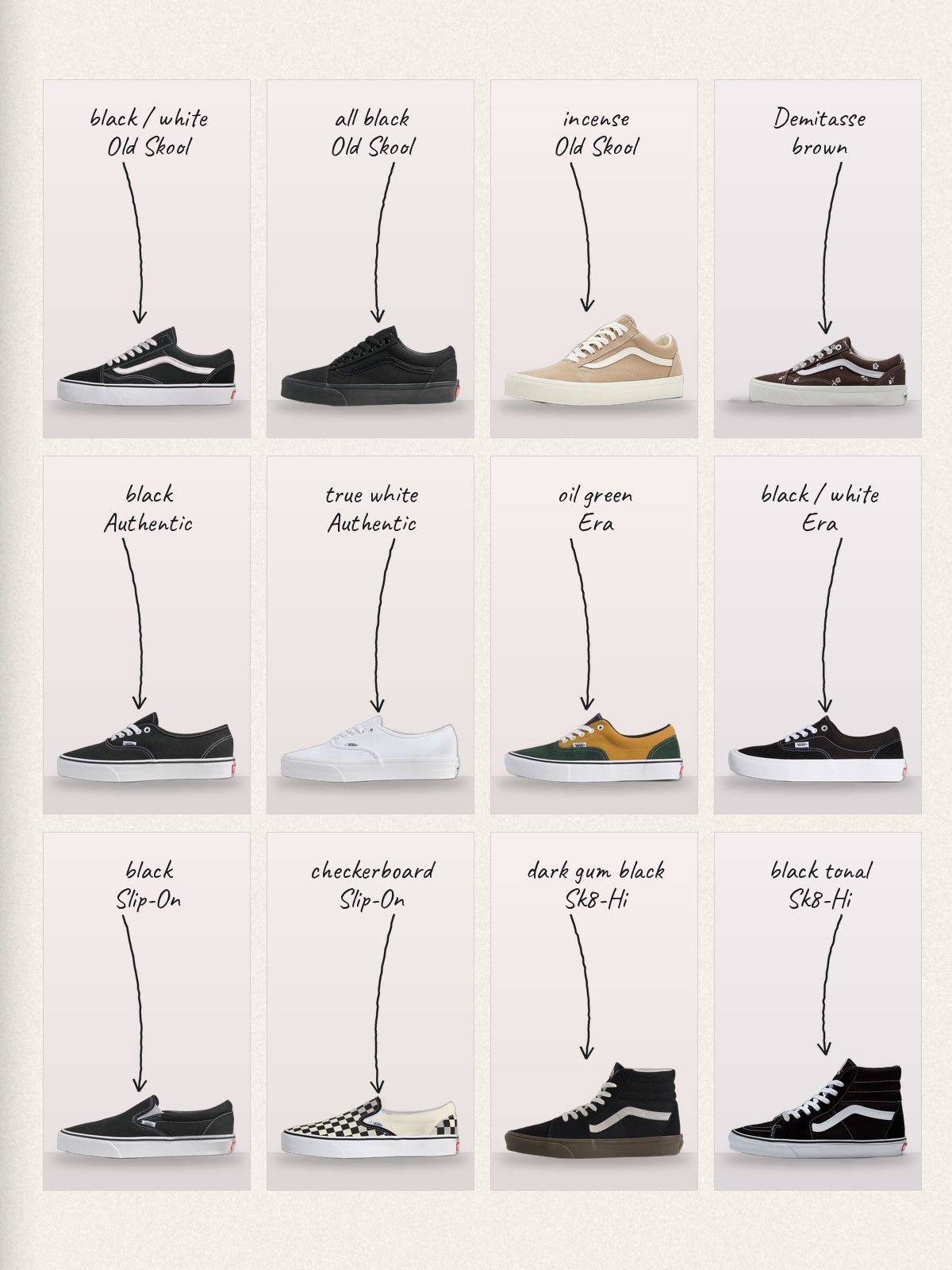
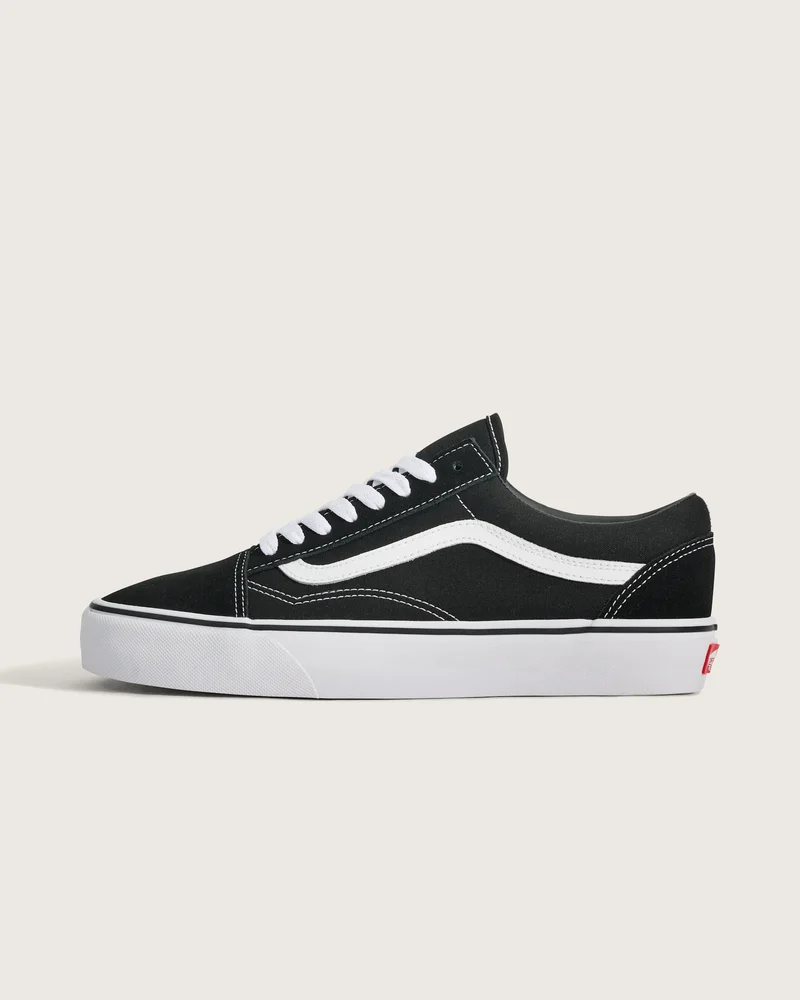
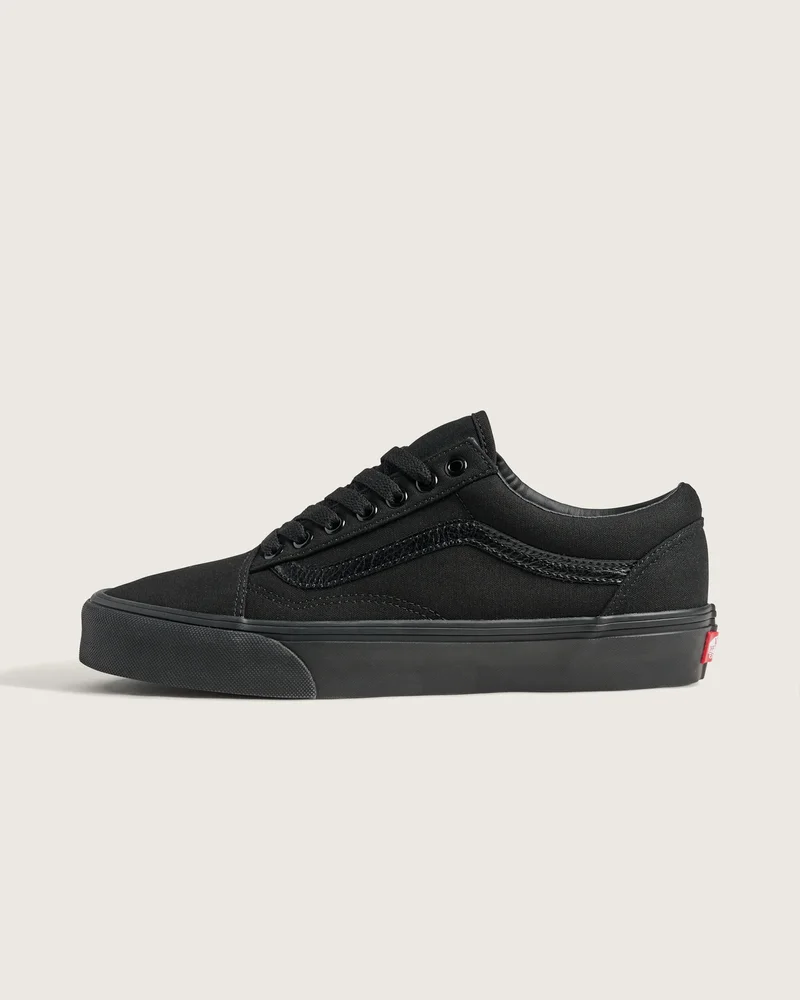
The Old Skool Shoe in Black / White puts a bright stripe against black suede and canvas, a crisp choice with straight denim or a dark trouser hem. The black-and-black Old Skool keeps its panels and laces quiet, which I would pair with a soft wool coat when I want the shoe to ground a winter outfit.
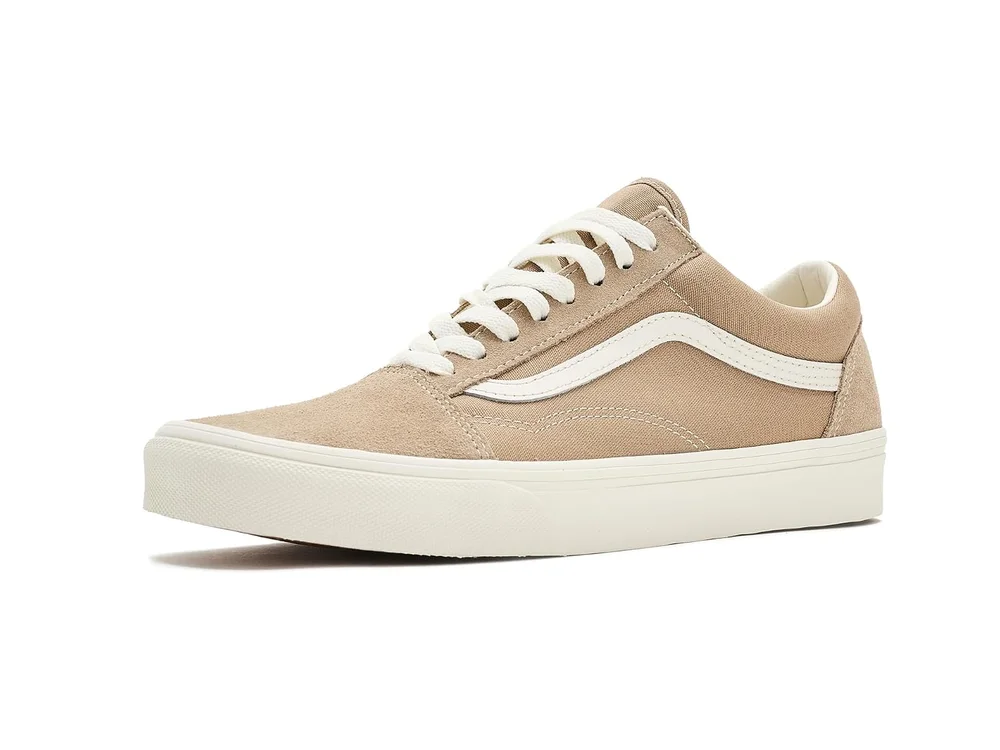
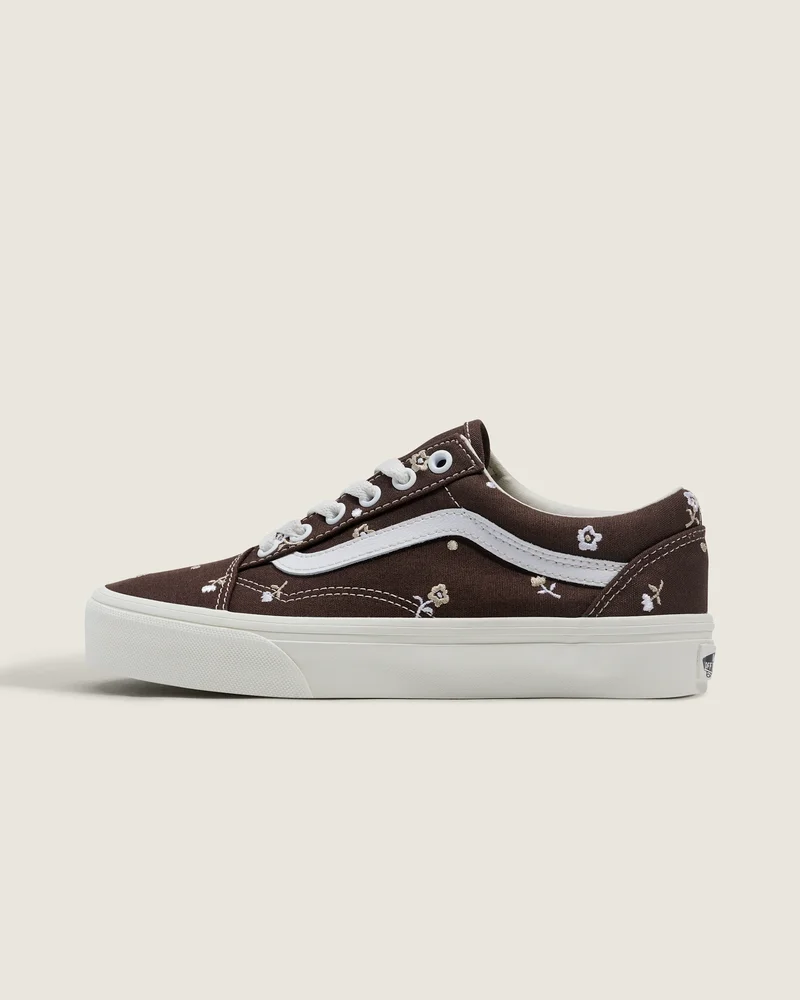
Color Theory Incense brings beige suede and canvas, a cream stripe, and a pale sole; Demitasse Brown adds a warmer contrast with its dark panels and white sole. I would check the suede beside the canvas in daylight, then see whether the stripe is the contrast I want. It is a small decision, but it saves a surprisingly long morning debate.
Old Skool in classic colorways
Canvas low-tops with two histories
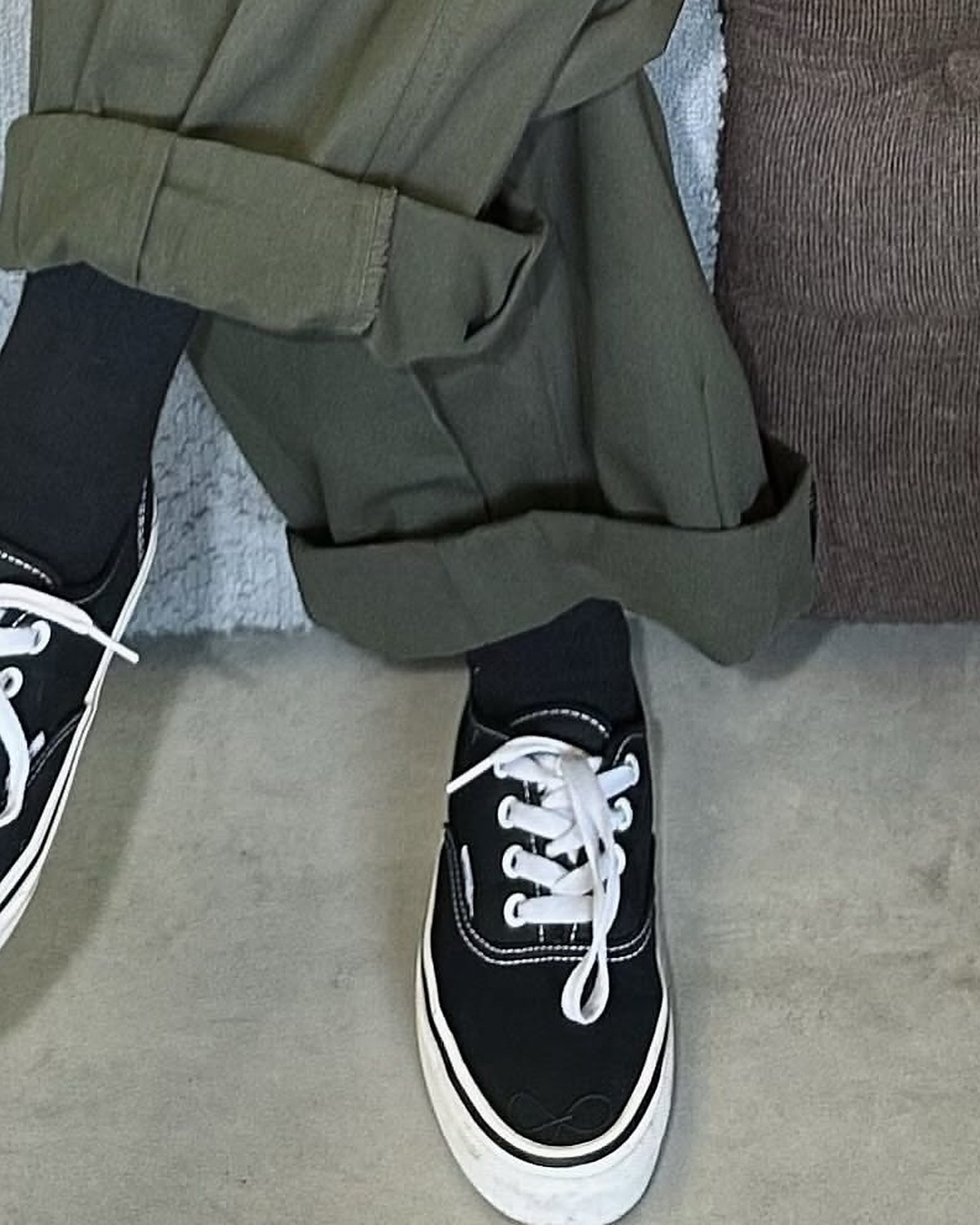
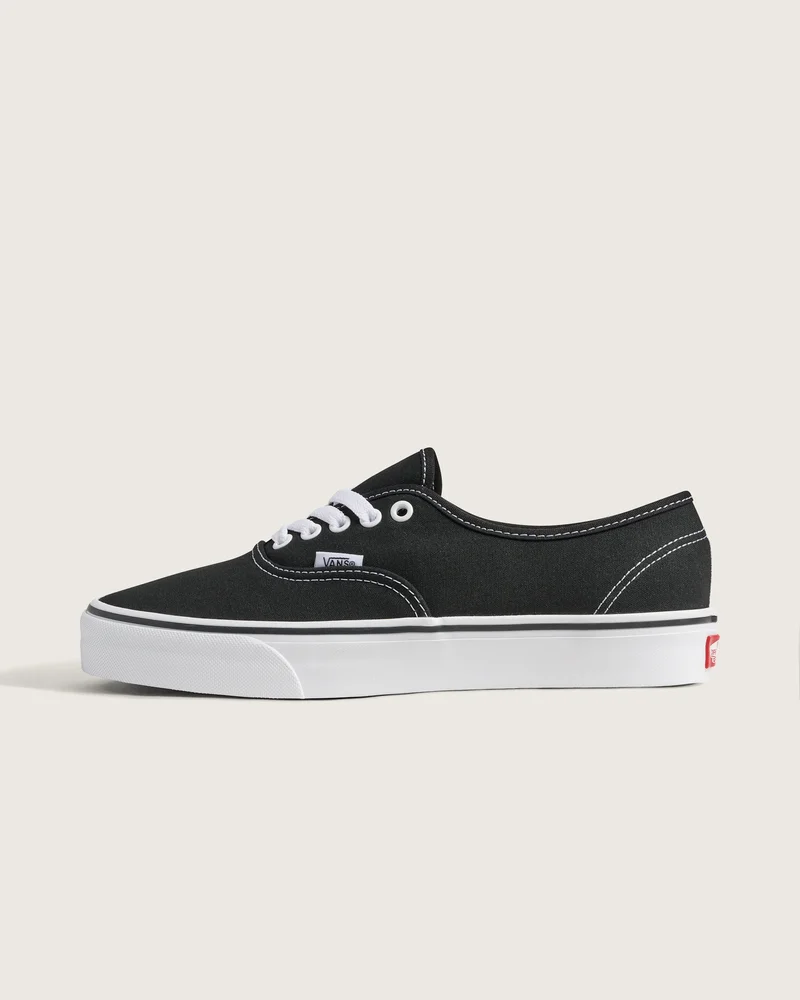
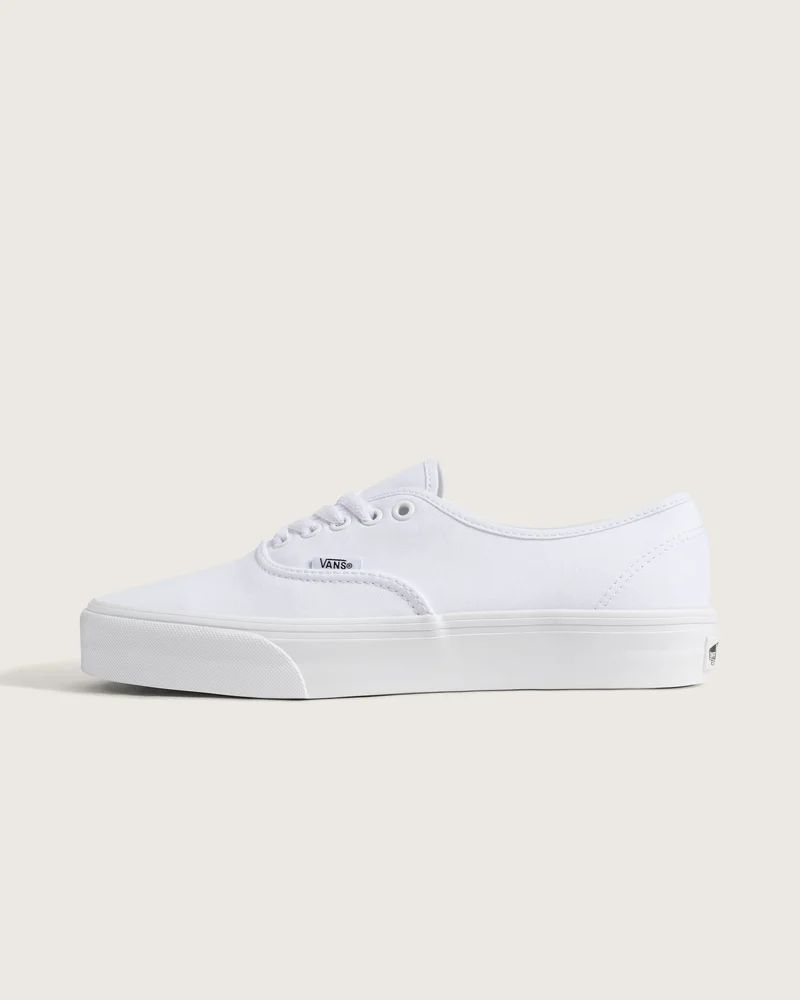
Low profiles can look almost too simple until a trouser hem lands just right. The black Authentic is the plainspoken side of Classic Vans, its original silhouette first introduced in 1966; its metal eyelets and waffle sole keep the canvas lace-up spare. True White has the same low profile with a matching white rubber sole. I would wear either under wide-leg jeans or a long skirt, where the shoe reads as a neat baseline.
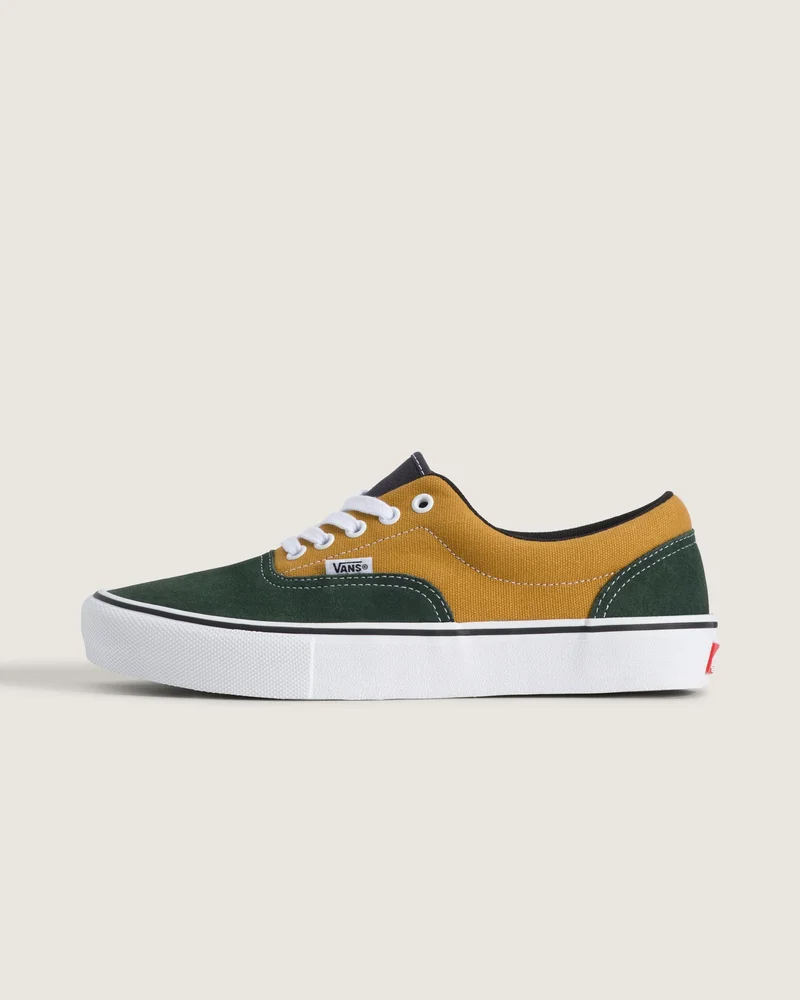
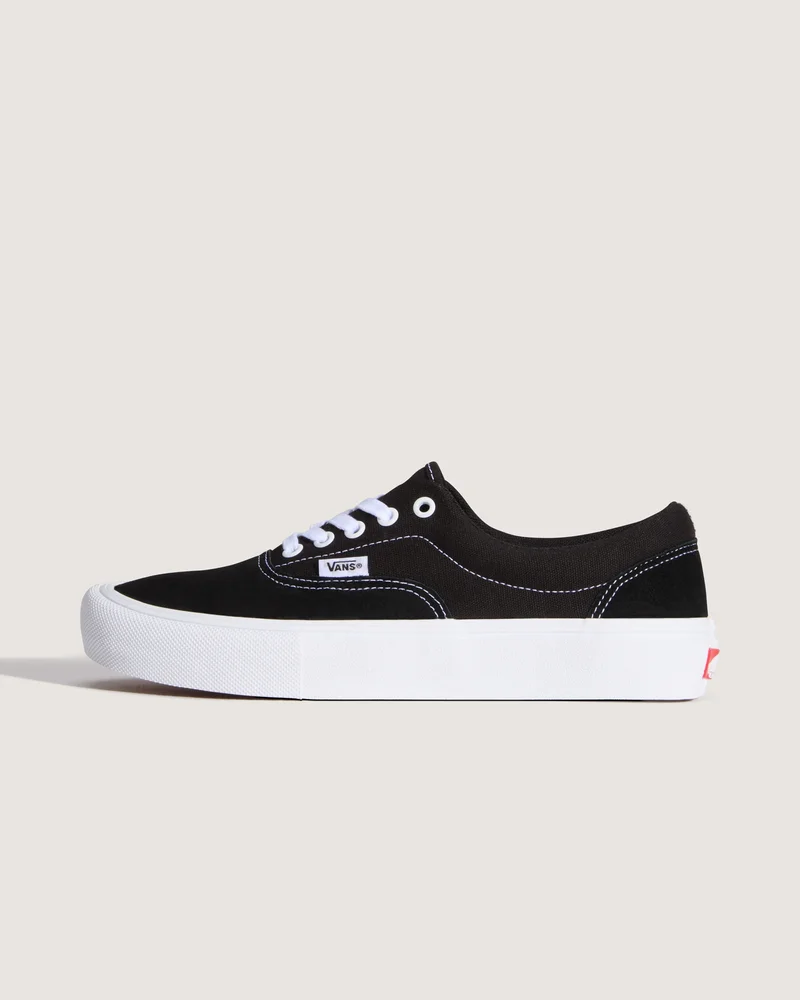
Oil Green Skate Era has yellow panels, white laces, and a padded collar. Black / White is the more restrained version, with contrast stitching and the same padded collar. The Era began as Style 95 in 1976, designed with skate legends Tony Alva and Stacy Peralta. It was Vans' first shoe designed specifically for skateboarding, which is a good reason its collar feels like more than decoration.
For colder days, I would pair Oil Green with ecru cords and dark socks; black-and-white canvas is easier with a skirt and tights. What I would skip: a near-match to my trousers if the slight mismatch will bother me, because the white sole still draws a line. Before choosing, I would check where the padded collar sits against my ankle and whether the laces balance the hem.
Slip-ons and high-tops
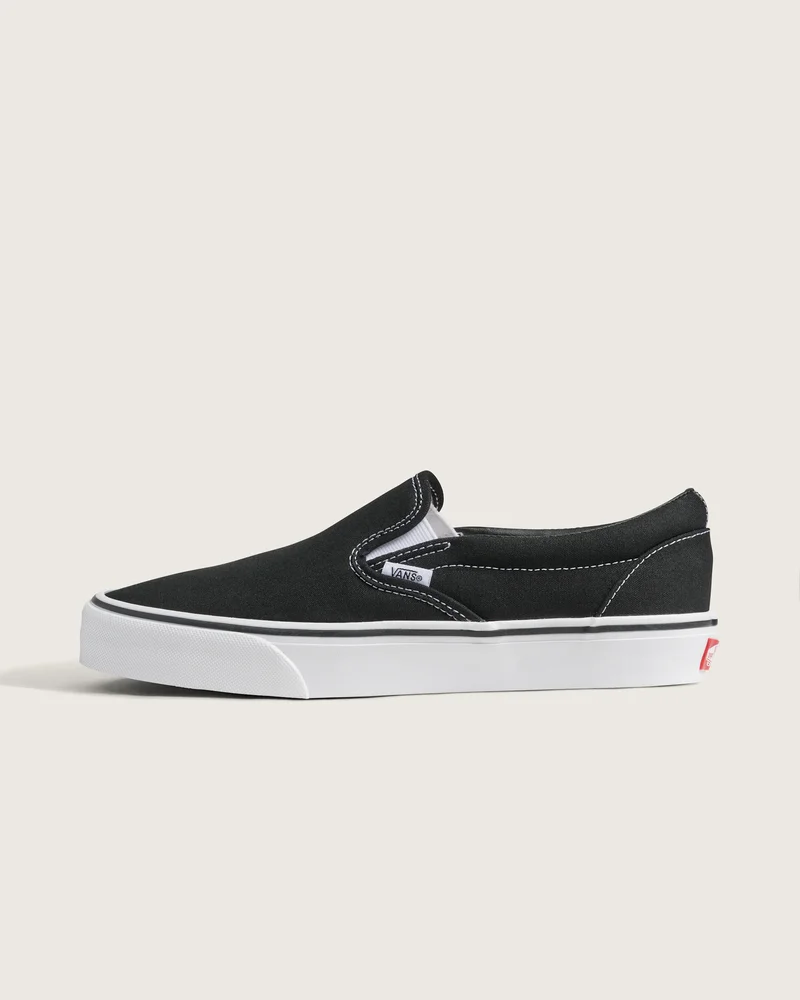
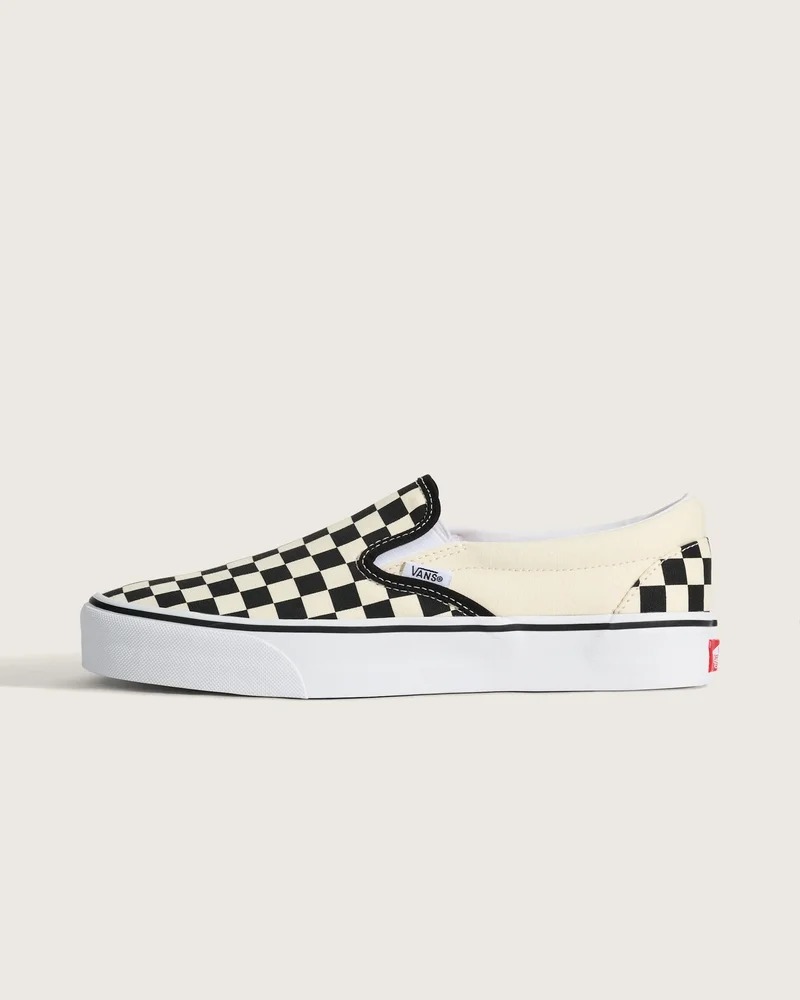
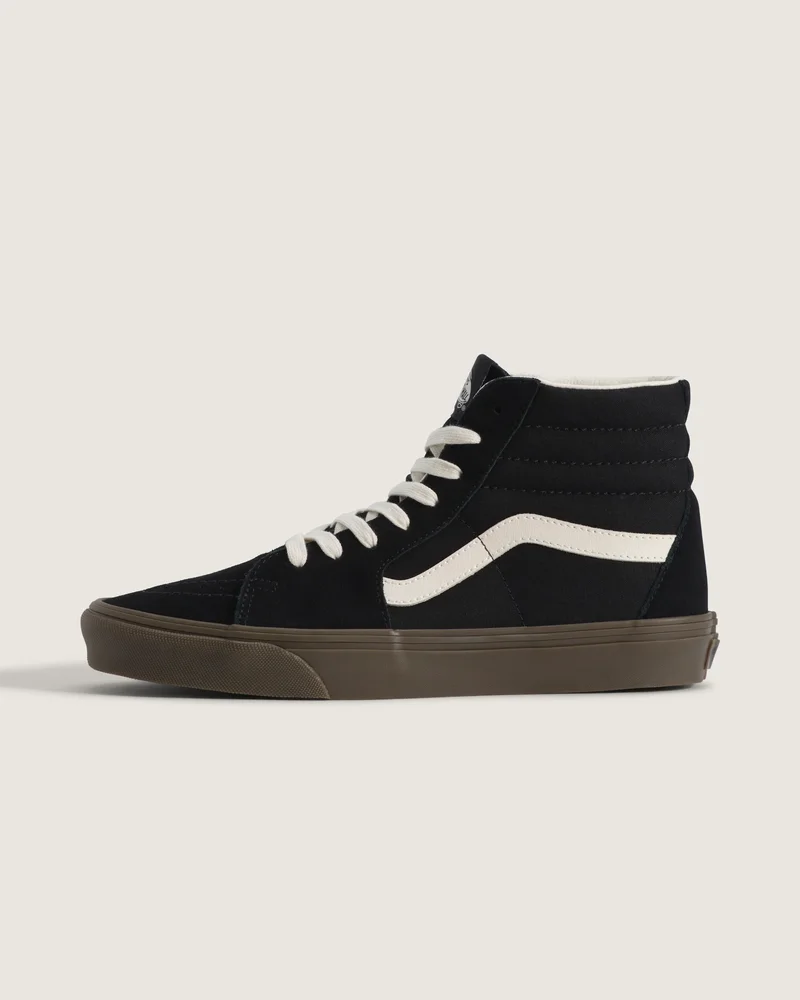
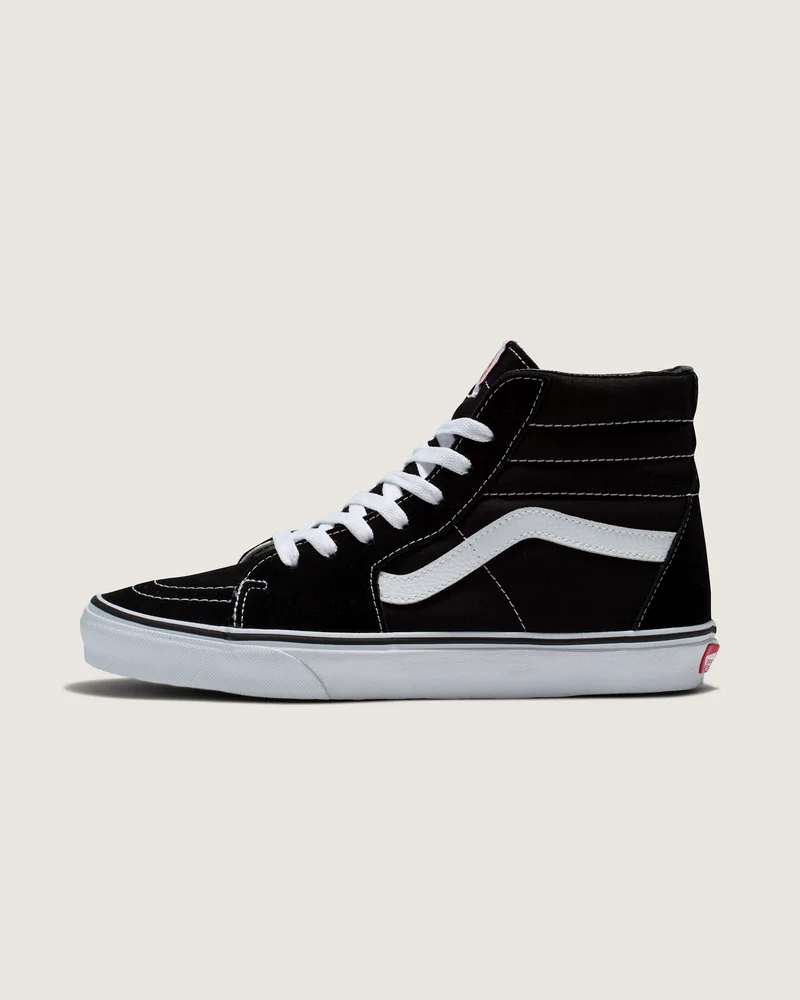
On rushed mornings, the black Classic Slip-On has elastic side panels that make it easy to pull on, while the checkerboard version turns that same shape into a graphic note. Classic Vans has a taller counterpoint in the Sk8-Hi, Vans' first high-top skate shoe. I would check the padded ankle collar with the socks I plan to wear.
How I would choose a pair
By the time I choose, I would start with silhouette: a low shoe for cropped trousers, a high one for cold-weather denim, or a slip-on when I want the whole outfit to loosen up. Classic Vans gives me three different answers without making the decision about logos.
I would check heel fit and the sidewall in natural light, then keep the pair that looks most at home by the door. The company's first shoes were made one day and sold the next; I would keep that practical spirit and not overthink the walk out.