Our coat wool edit compares tailored shapes, blended fabrics, and details that change how a coat sits over the day. Use it to weigh cropped, single-breasted, double-breasted, belted, and checked silhouettes before deciding which proportion feels right.
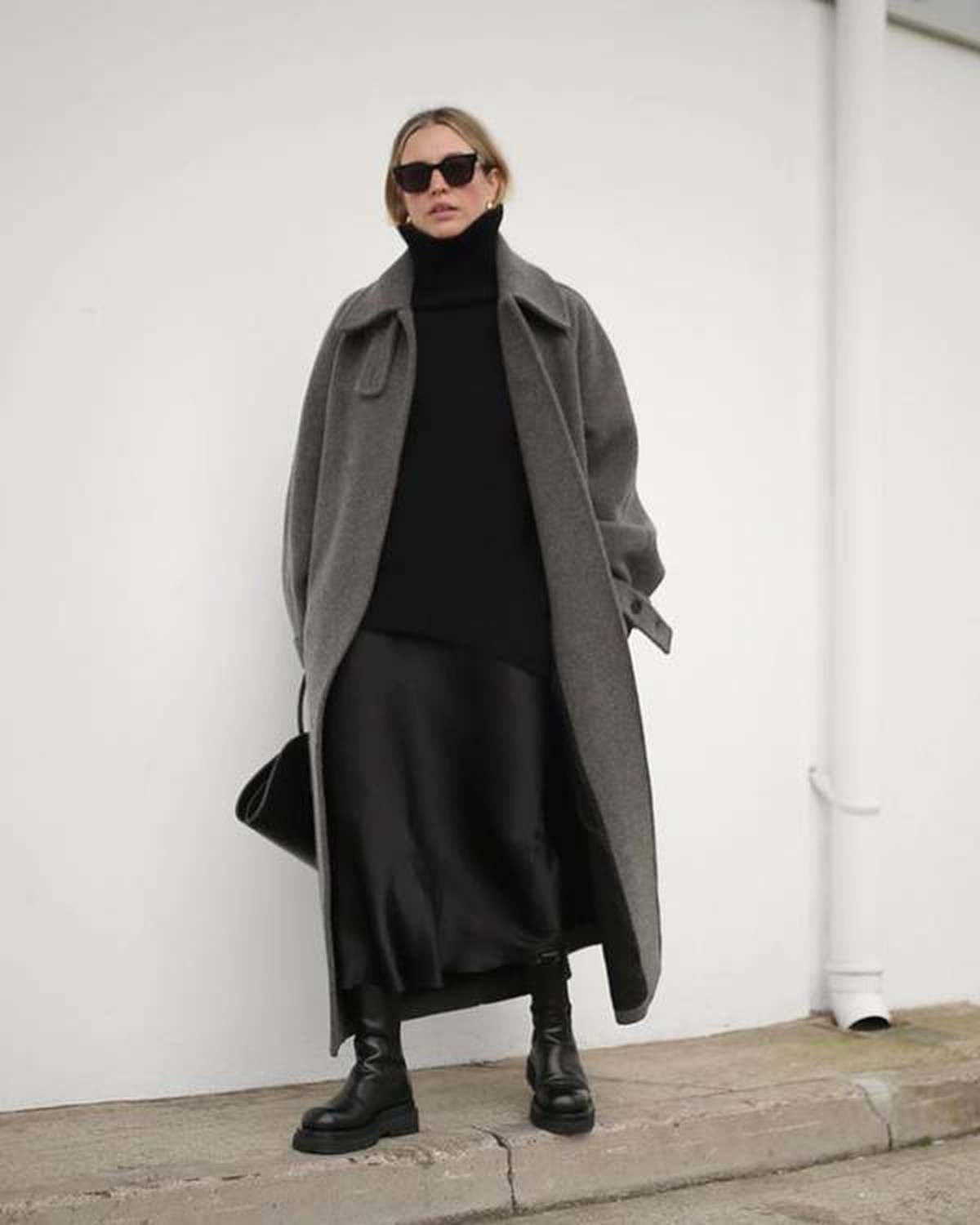
Coat wool: The tailored layer with a softer point of view
Our coat wool edit compares tailored shapes, blended fabrics, and details that change how a coat sits over the day.
The Coat With History
The Victoria and Albert Museum dates the Chesterfield overcoat's rise to about 1840 and traces its name to the 6th Earl of Chesterfield, a fashion leader in the 1830s. Its familiar details included a slightly shaped waist, a short back vent, flapped pockets, and often a velvet collar. That history makes coat wool feel less like a uniform and more like a question of proportion, whether you prefer a cropped line, a quiet single front, or a broader double-breasted frame.
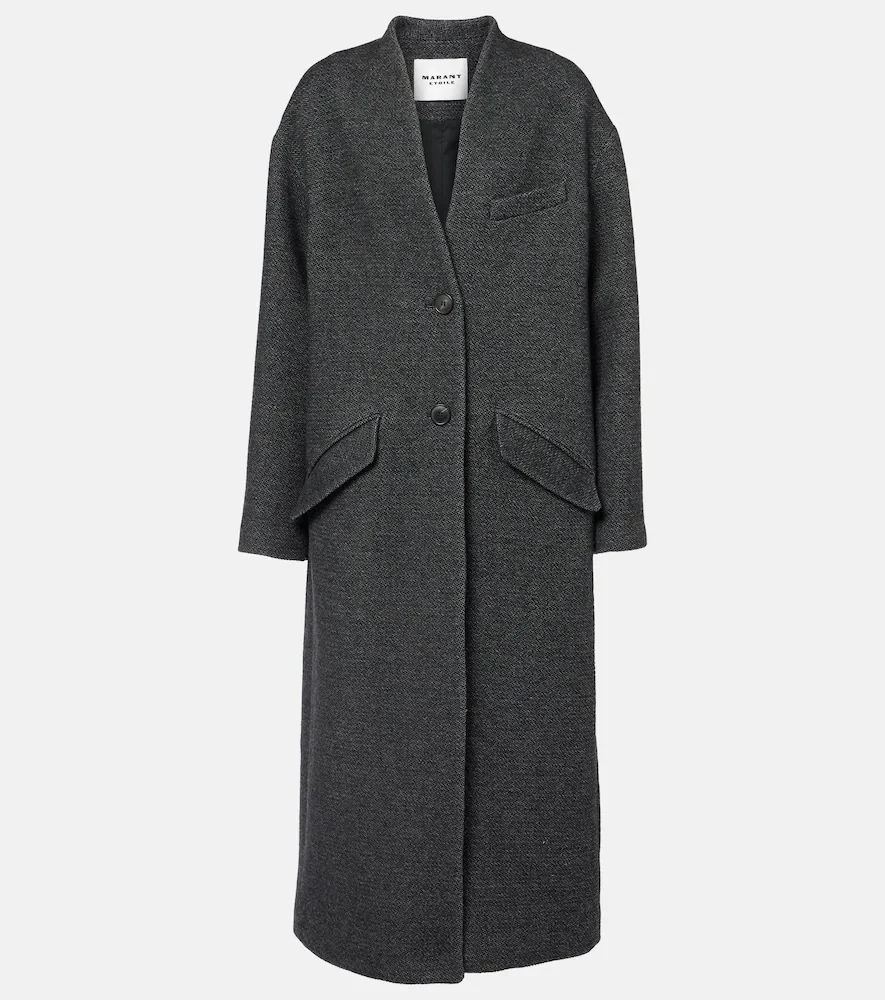
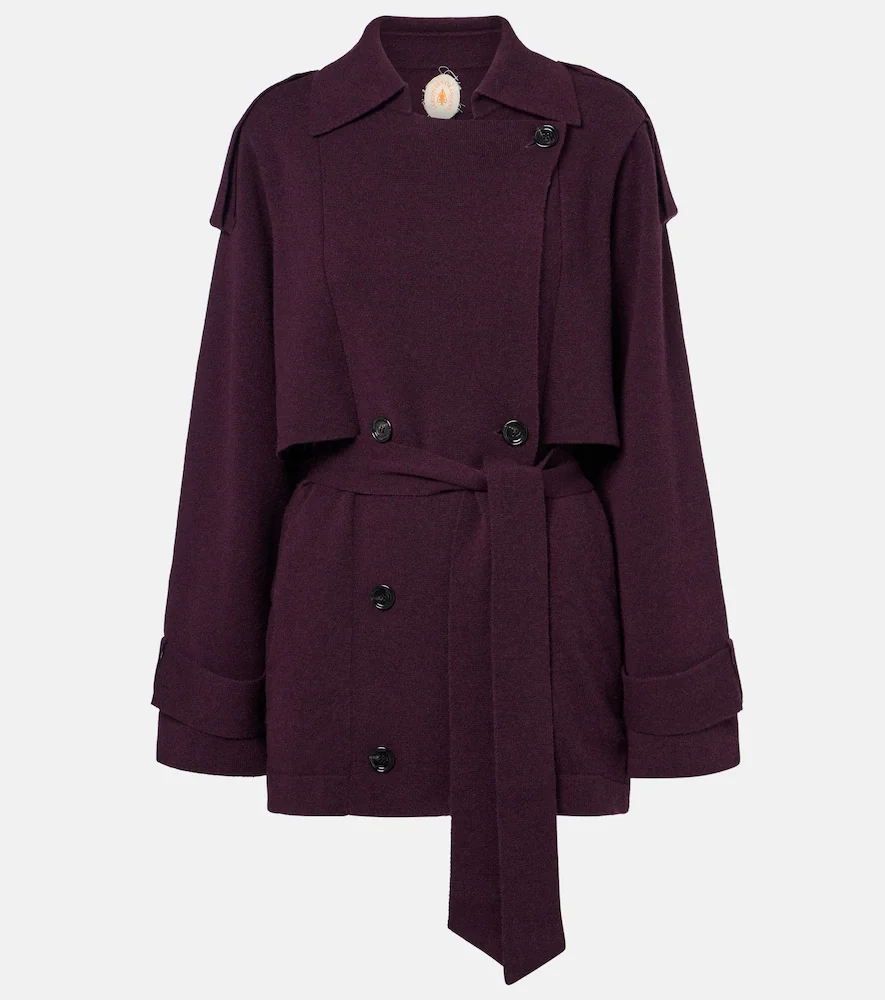
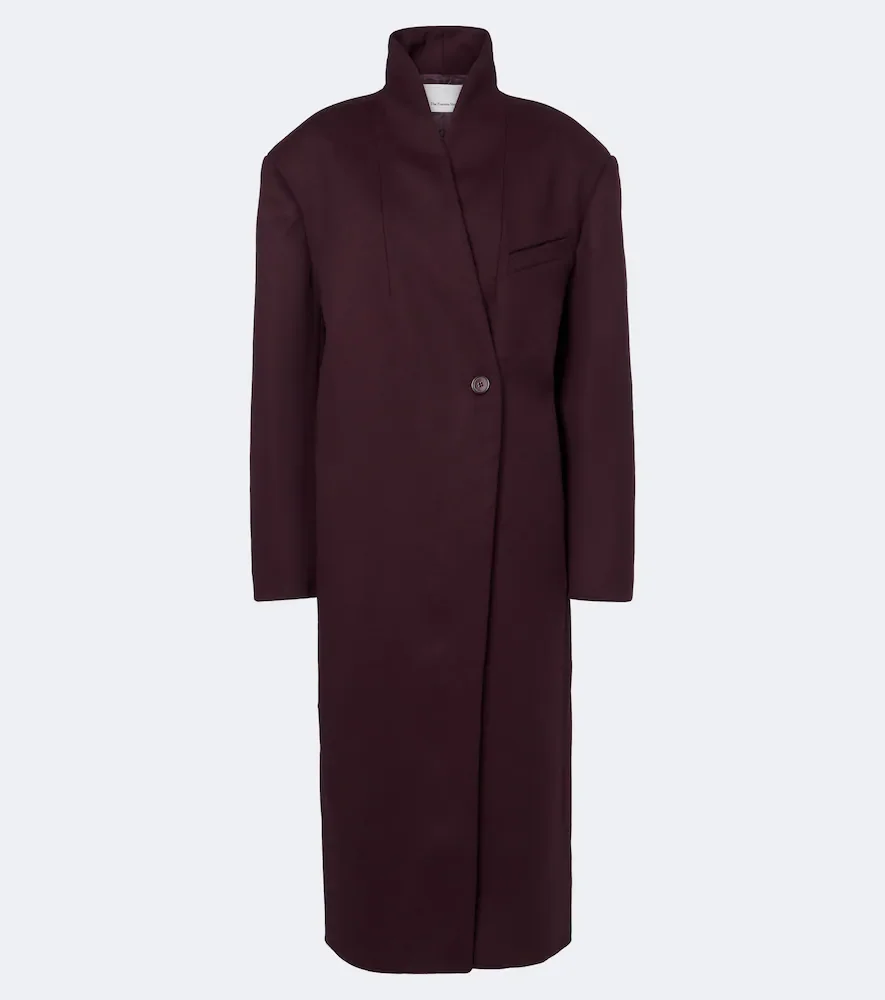
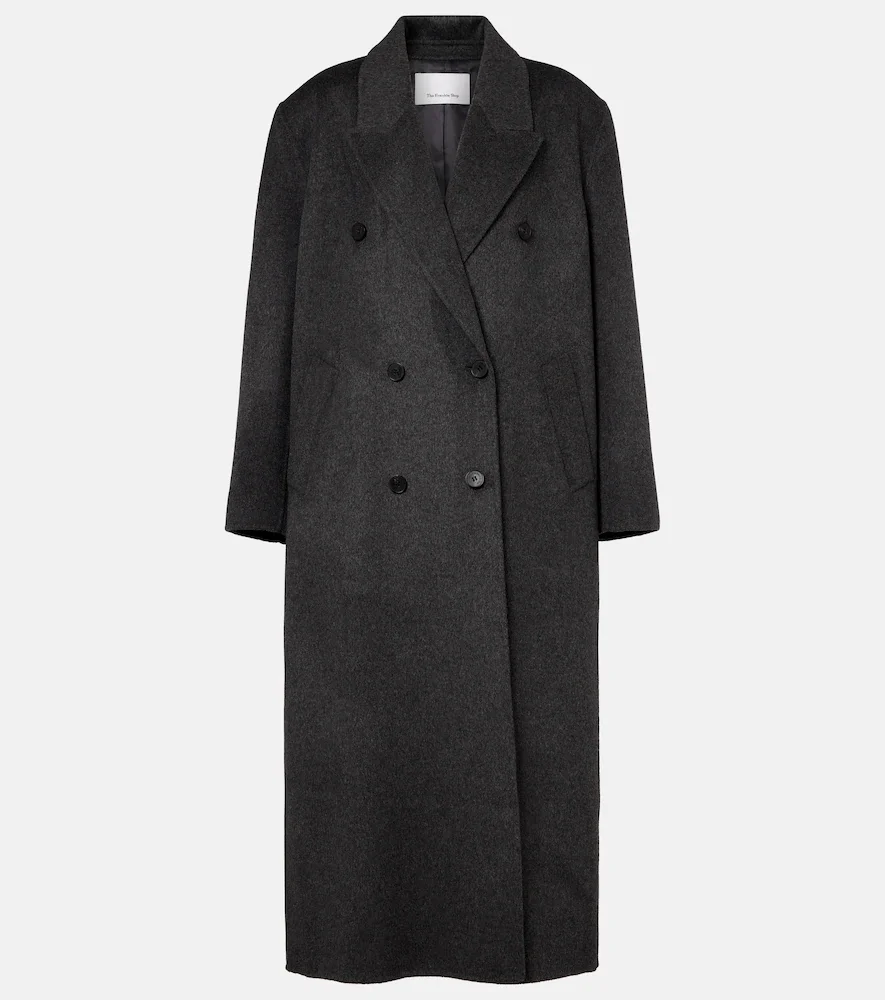
Marant Etoile's Eris wool-blend coat gives this group a classic starting point, while Jardin des Orangers' cropped wool and cashmere trench coat is the shorter counterpoint. The Frankie Shop Brea single-breasted wool-blend coat offers a straightforward front, and its Gaia double-breasted wool-blend coat has a more emphatic button arrangement. Those distinctions are already useful before considering anything else: a cropped hem changes the balance around a skirt or wide-leg trouser, while a longer coat gives more coverage.
For coat wool, I would picture each choice over both a fine knit and a substantial sweater, then ask whether the shoulders and sleeves leave room for the layers you actually wear. I would skip choosing only by a familiar label; first decide whether your week calls for a shorter trench proportion or the enveloping feeling of a proper outer layer.
Choose Your Proportion
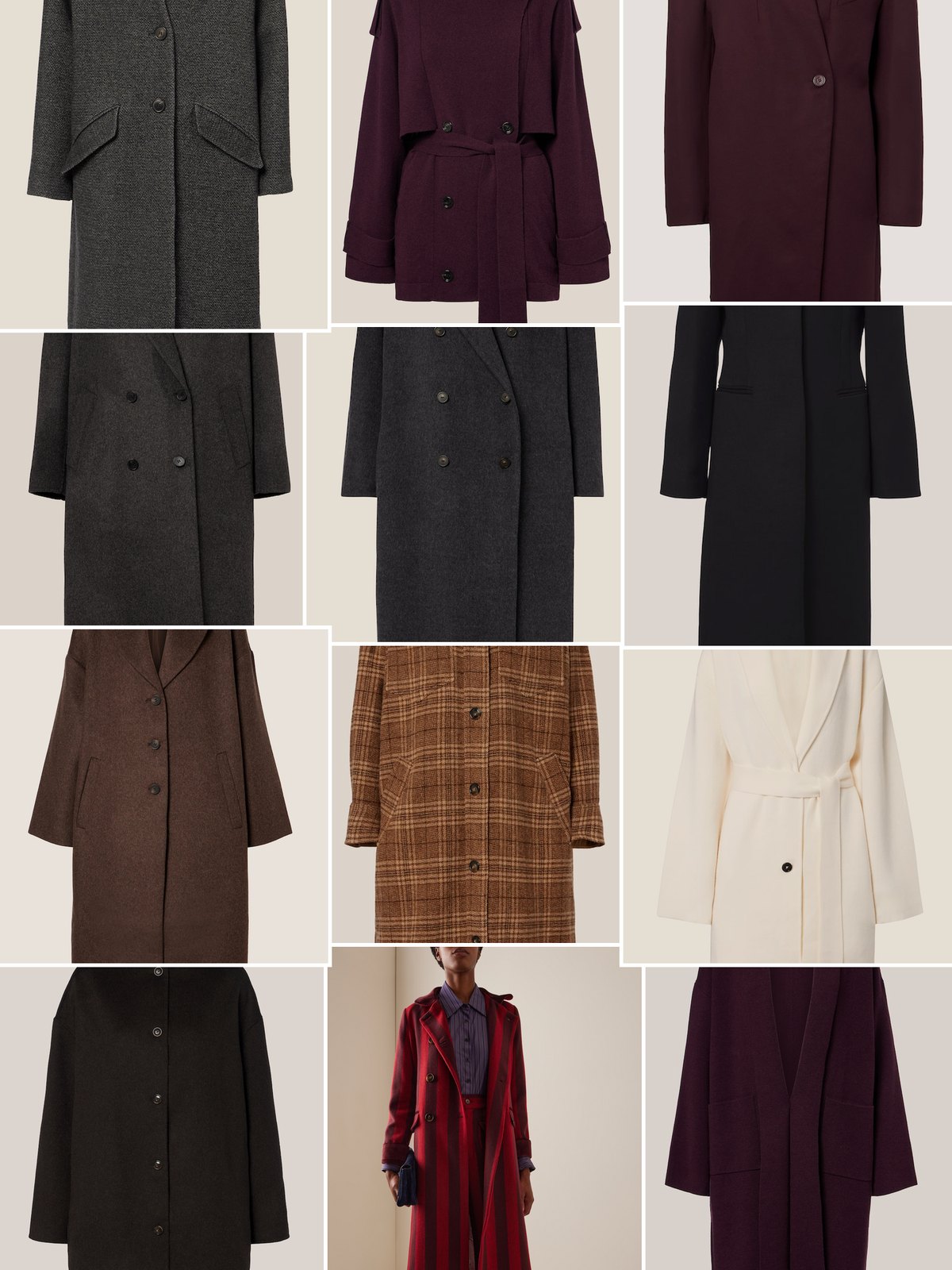
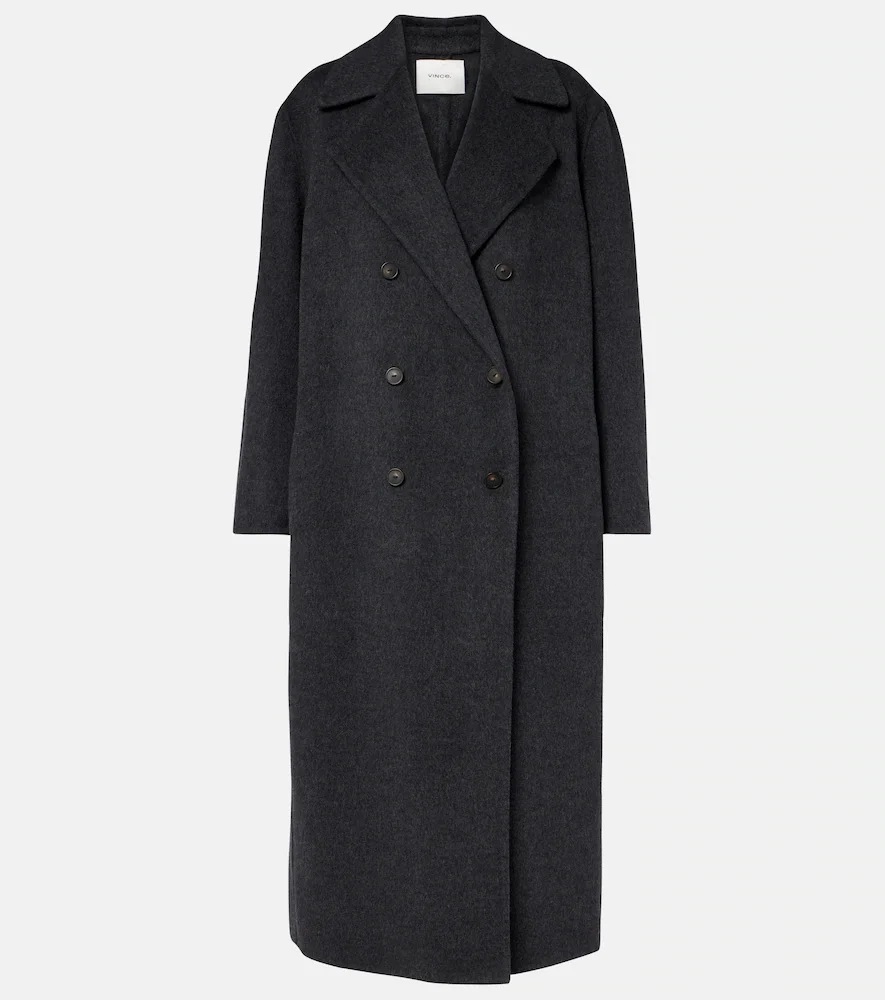
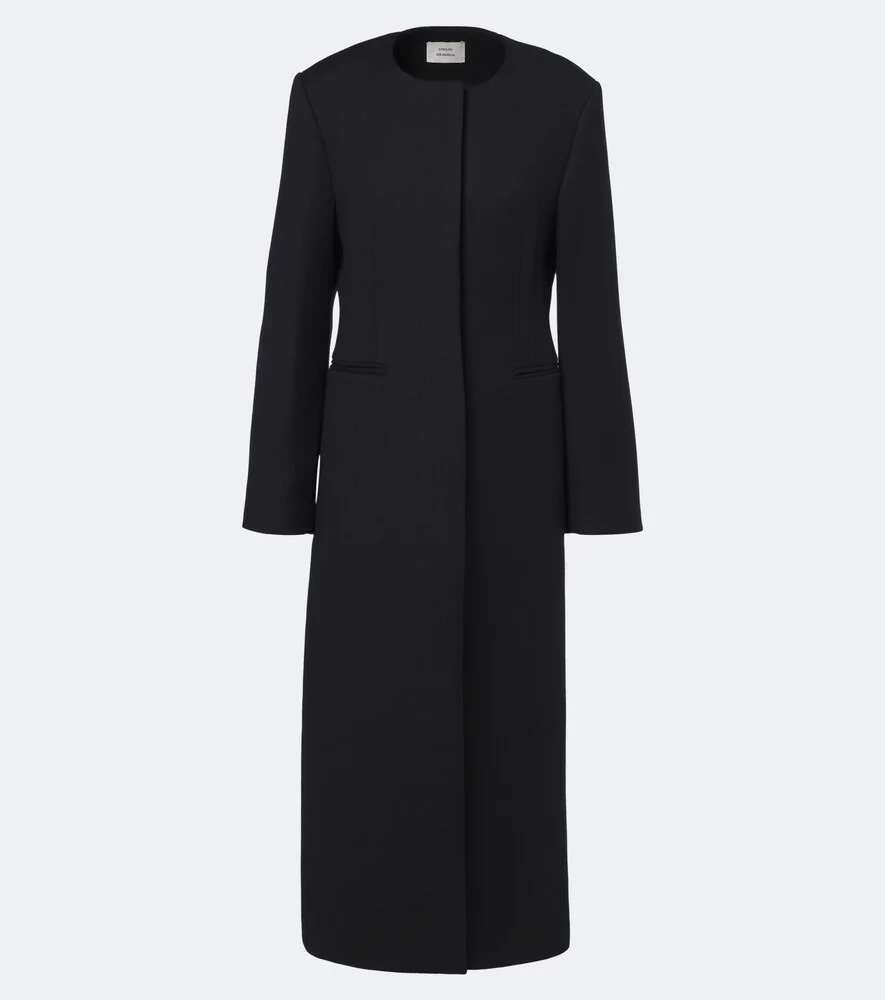
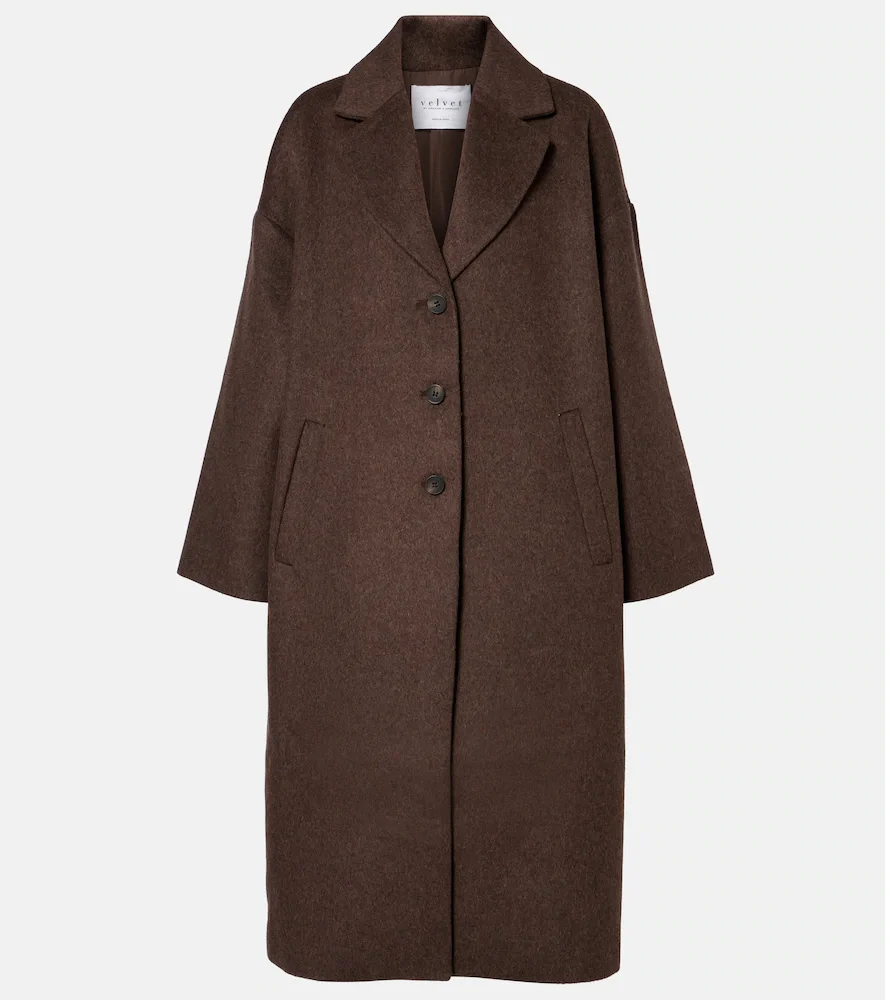
The second group shifts the question from length to surface and shape. Vince's double-breasted wool-blend coat reads as the clearest structured option in the lineup, while Loulou de Saison's Arita wool twill coat brings a named fabric and a more textural idea into the same conversation. Velvet's Lafayette wool-blend coat is another wool-blend choice, so compare its pictured outline with the sharper double front rather than assuming the material name tells you the whole story.
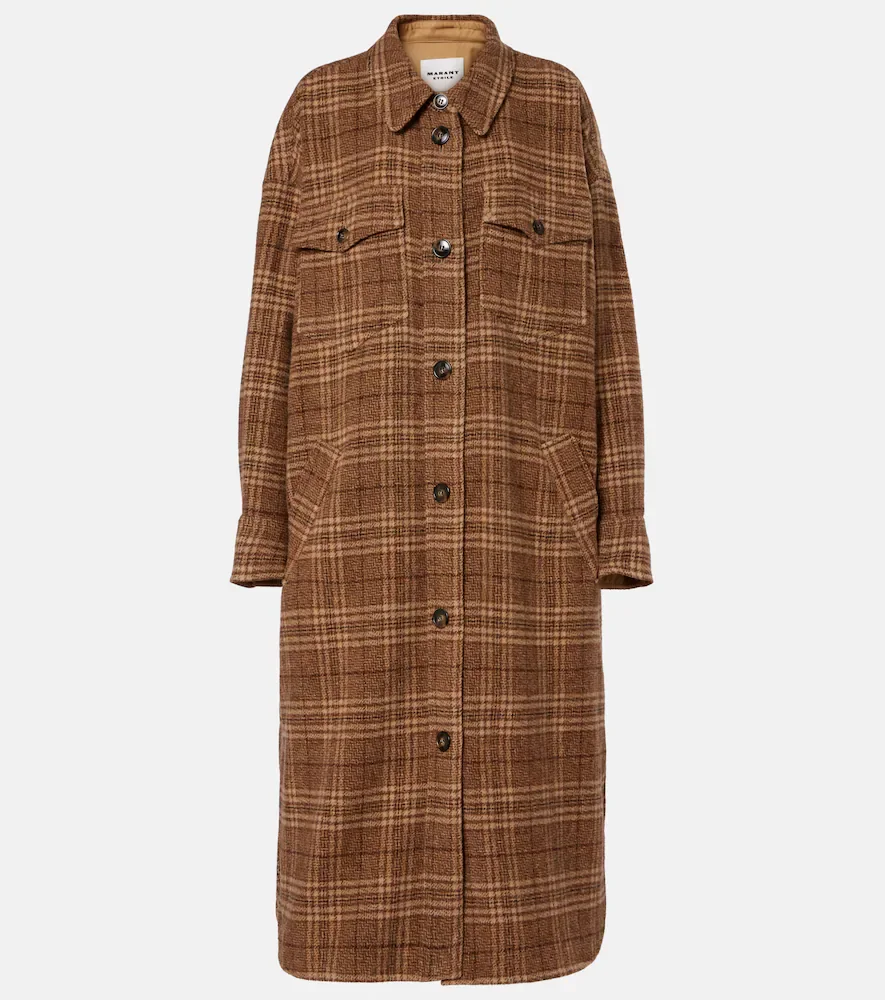
Marant Etoile's Gislene checked virgin wool coat adds a pattern to this set, which can make it the focal point even when the rest of an outfit is simple. In coat wool, the useful comparison is how the check, twill, and smoother-looking wool blends sit alongside what you already own. A plain scarf and uncomplicated shoes can let a checked coat carry the outfit; with a patterned scarf, the whole look can become busy quickly.
My practical test is to imagine the coat open over a jacket and closed over a sweater, because a button arrangement that feels elegant in a product name still needs to work over real layers. What I would skip is stacking several competing textures around the checked option. Let one surface lead, then keep the rest of the outfit calm.
Texture Makes The Difference
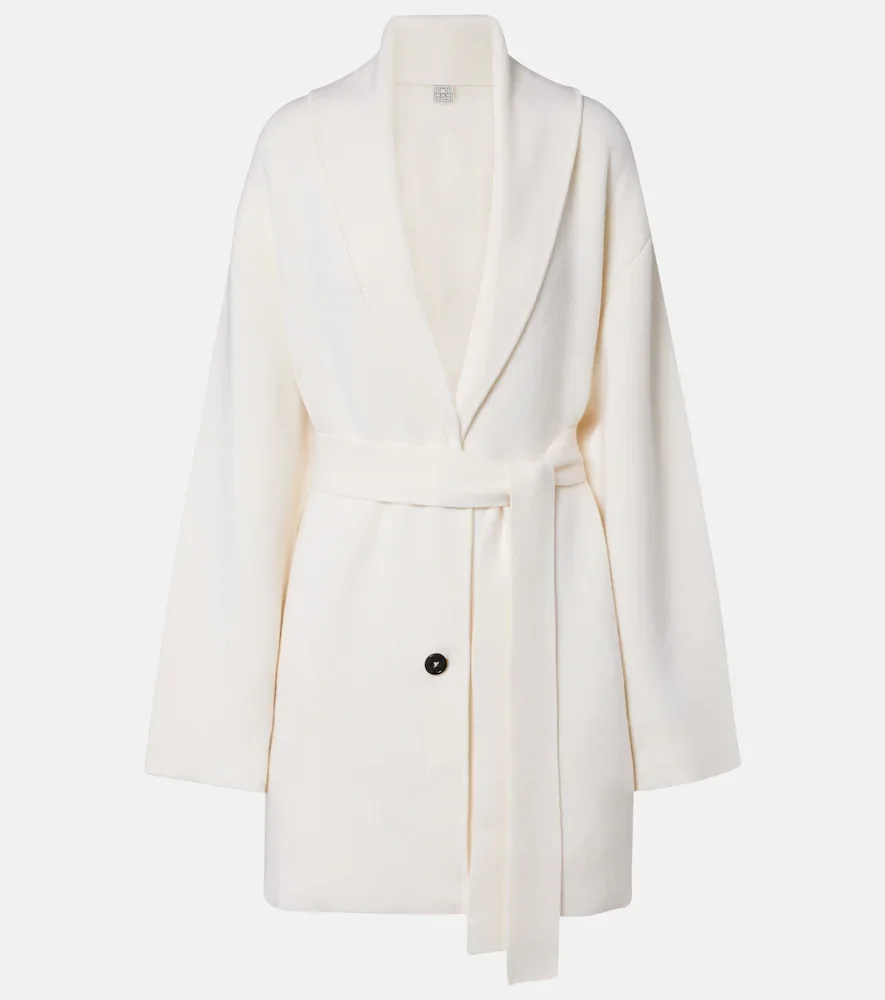
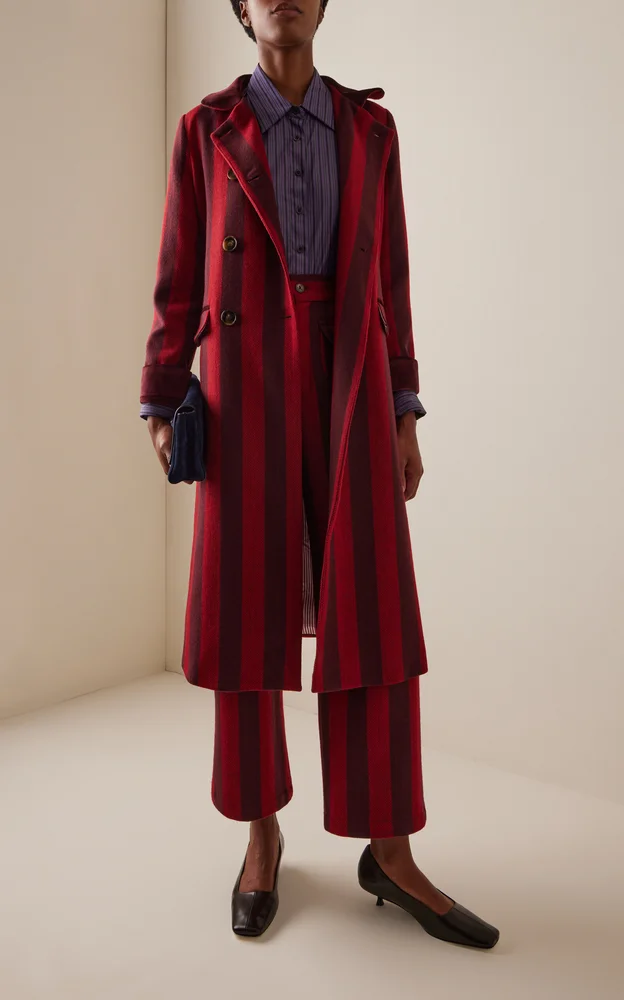
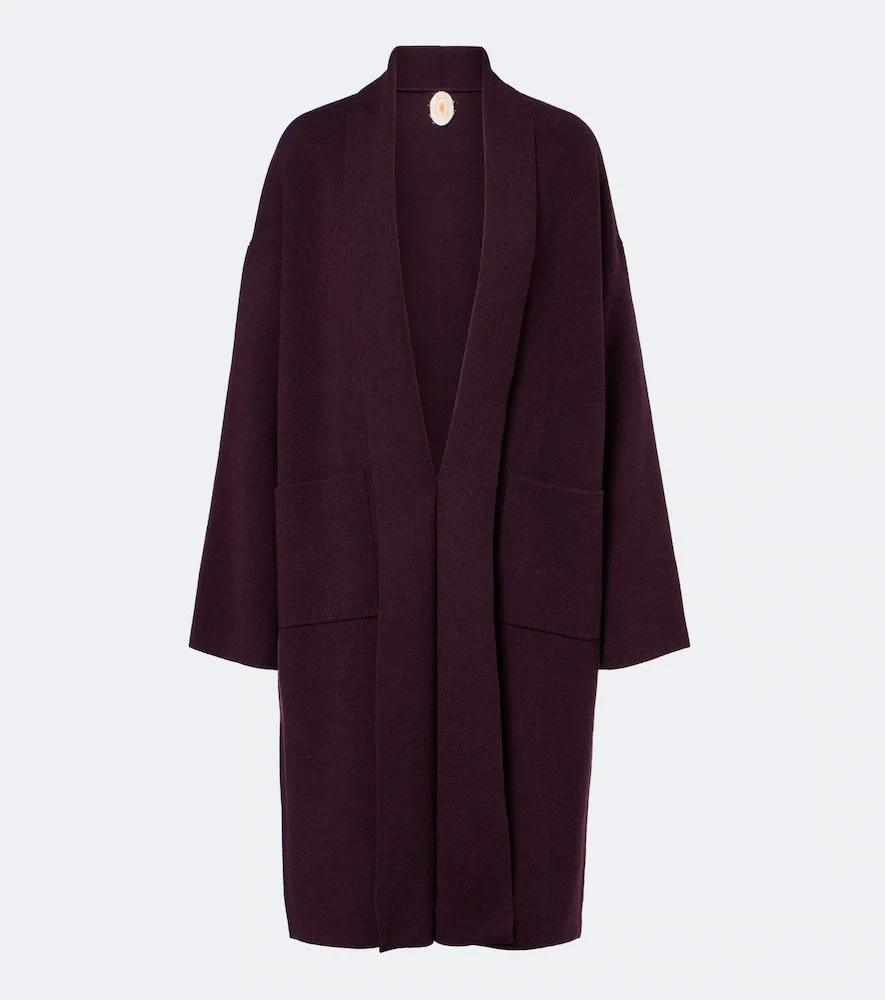
The final group has the most varied styling cues. Toteme's belted wool coat makes the waist part of the silhouette, while Loulou de Saison's Dunne wool and cashmere coat puts the fiber blend back at the center of the decision. Miranda Striped Wool Coat from LA VESTE brings a stripe into the mix, and Jardin des Orangers' wool and cashmere coat offers another blended-fiber alternative without the same named detail.
For coat wool, I would compare the belted shape with the striped one on the clothes you plan to wear underneath. A belt can give a long layer more definition, while a stripe already provides direction, so they solve different styling moods. The two wool-and-cashmere names are a reminder to read the actual product details closely instead of treating every blend as interchangeable. A simple base layer lets you notice the shape first; a scarf can come later if it adds something rather than covering the coat's best feature.
What I would skip is buying a belted coat and then always wearing it loose without checking how its proportions look that way. Choose the detail you will enjoy using, whether that is a defined waist, a stripe, or the quieter appeal of a clean wool surface.
A Shape To Keep
The best coat wool choice is the one that earns its place in the routine you already have. A shorter trench can sit neatly with high-waisted trousers, while a longer tailored shape gives a dress or knit set a stronger outer frame.
Before settling on a coat, compare its length with your usual hems and decide whether you prefer the clean line of a single front, the presence of a double front, or the definition of a belt. If the answer is clear, the rest of the outfit can stay simple. The point is not to own every version, but to find one well-considered layer that makes getting dressed feel more resolved.