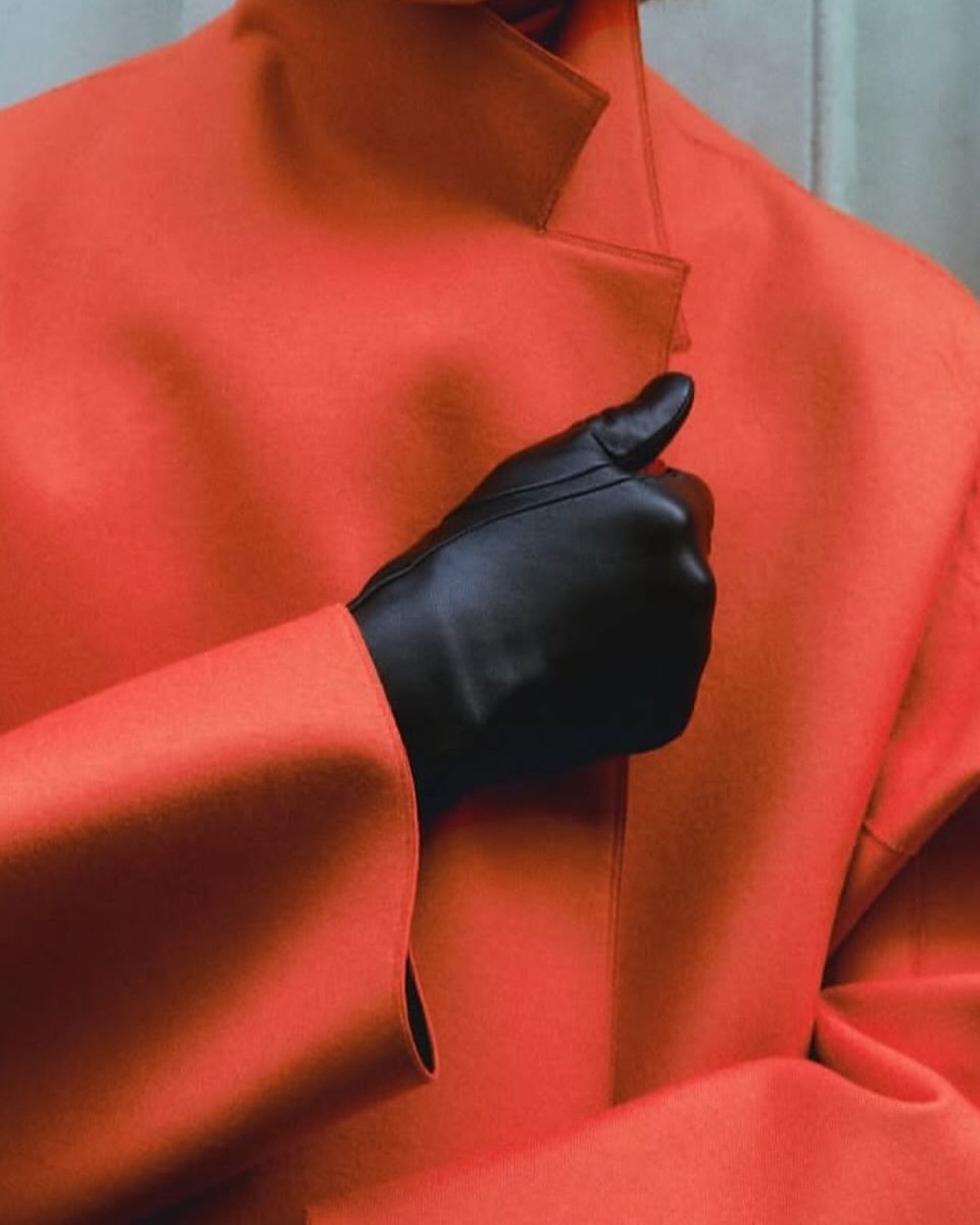
This cotton jackets guide compares cropped cuts, corduroy trims, tweed, and cotton blends to help you find the right layer for your wardrobe. Use the outfit notes to decide which texture and length will work hardest with the pieces you already wear.
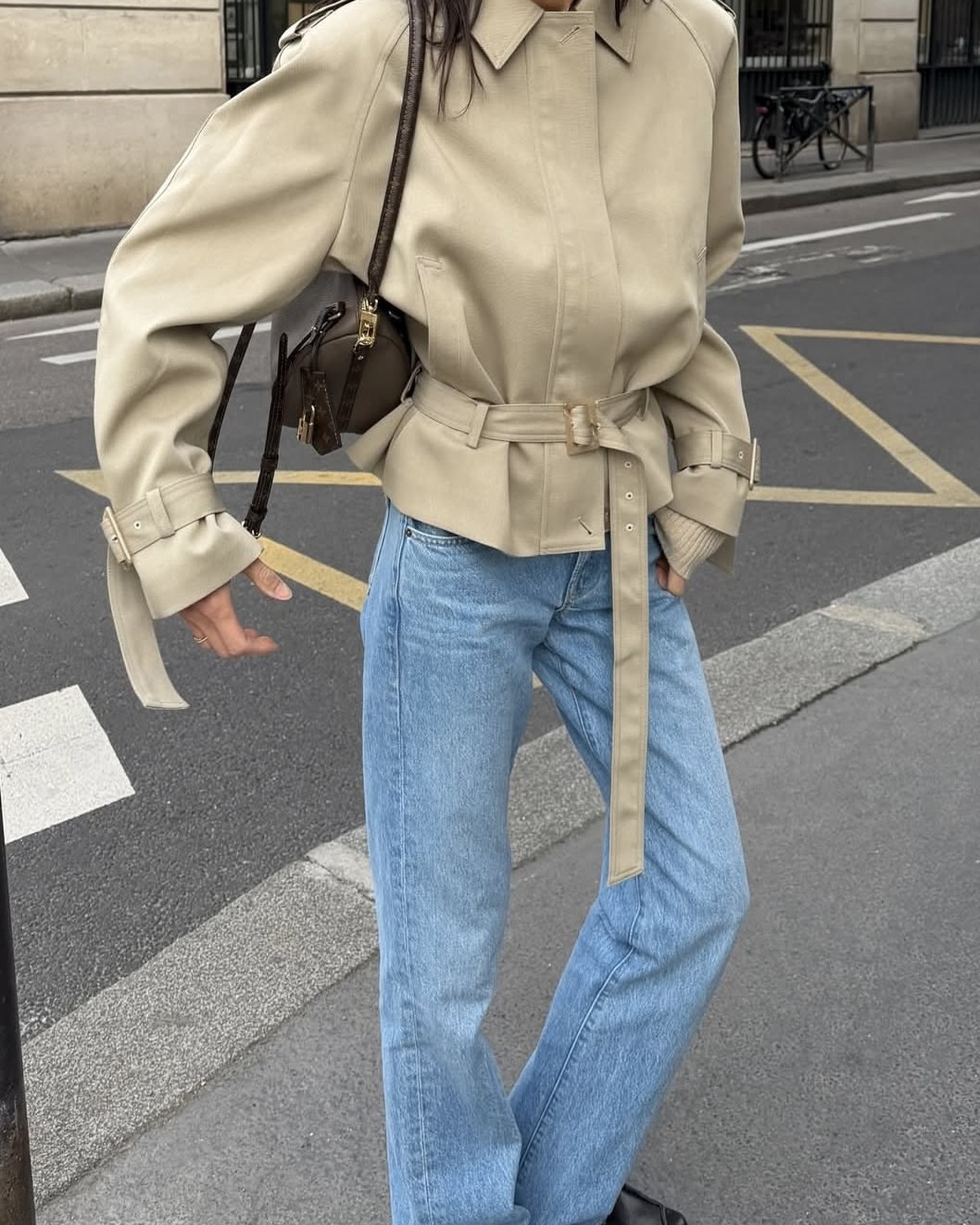
Cotton jackets: Four textures, from crisp to corded
This cotton jackets guide compares cropped cuts, corduroy trims, tweed, and cotton blends to help you find the right layer for your wardrobe.
A practical fabric, reimagined
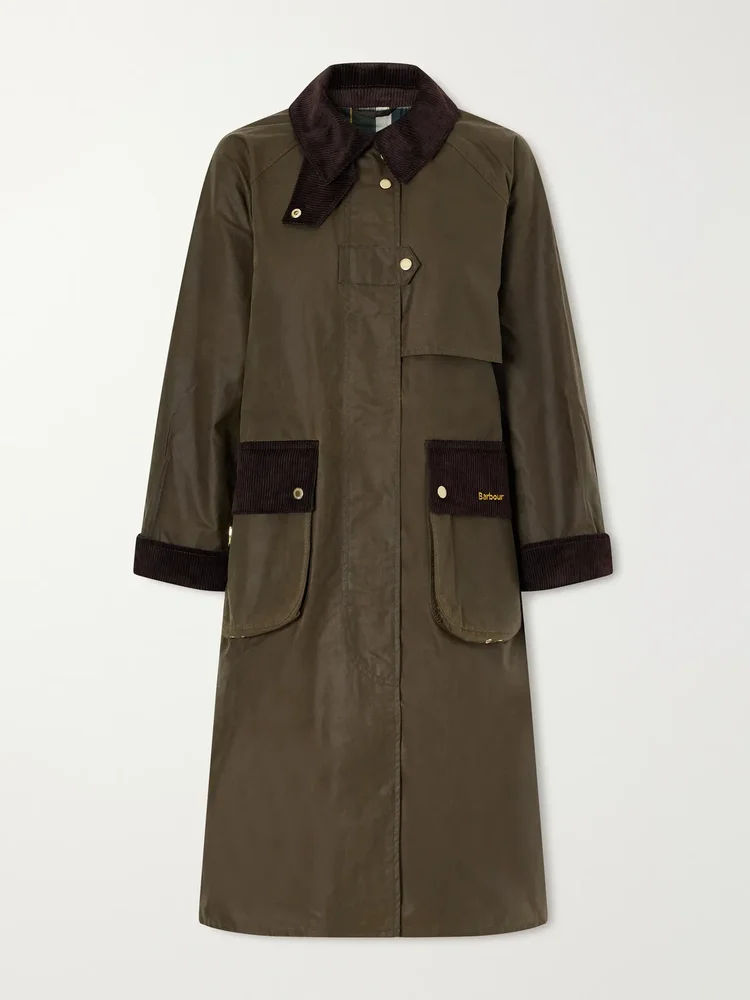
Barbour dates its long relationship with waxed cotton to 1894, when founder John Barbour opened a shop in South Shields selling oilskins made for North Sea weather. That practical beginning is a useful lens for cotton jackets now: the material can be shaped into a crisp cropped layer, a textured tweed, or a weather-minded waxed style. I like a jacket that feels useful first and still gives an outfit a clear point of view.
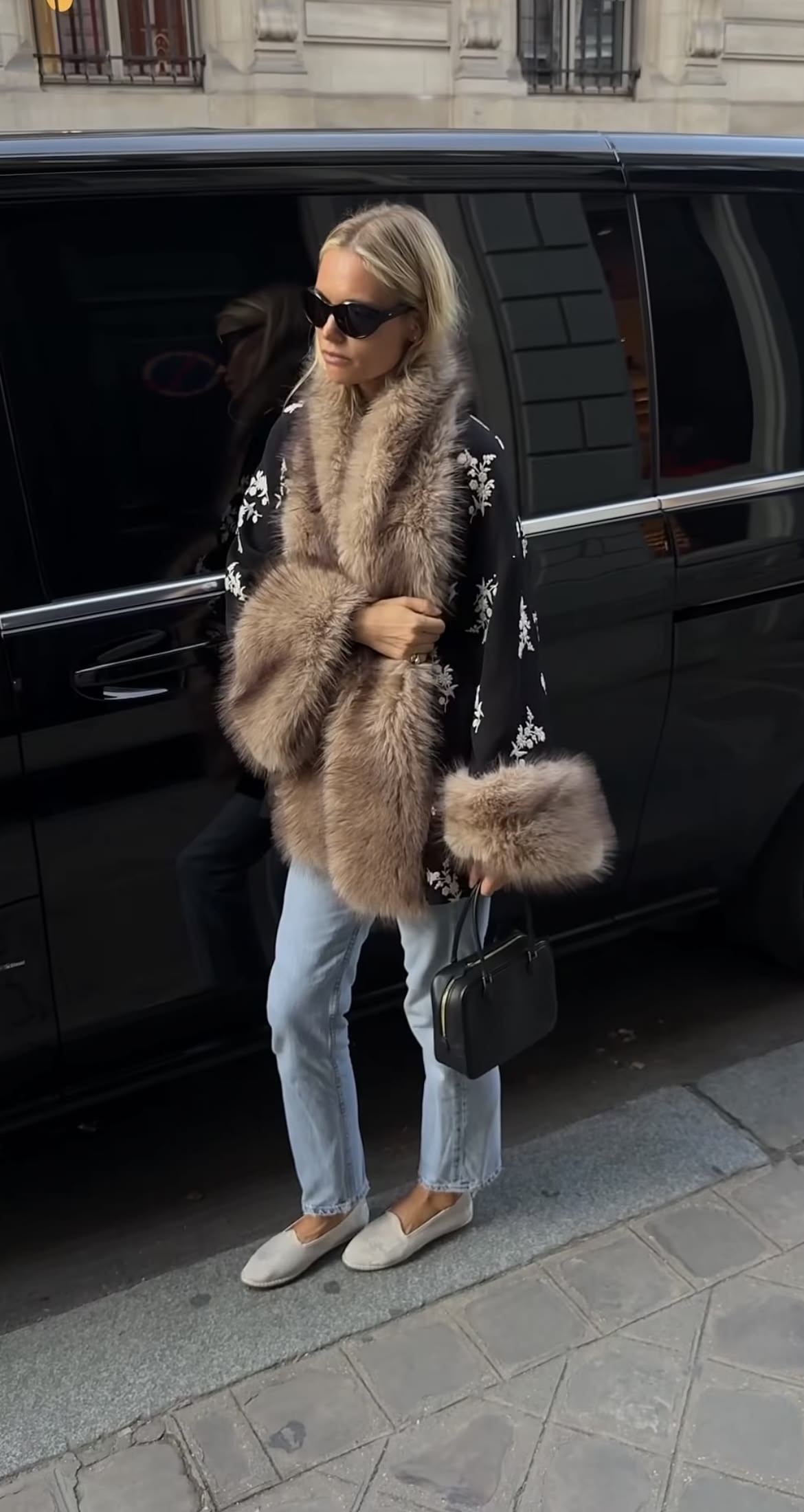
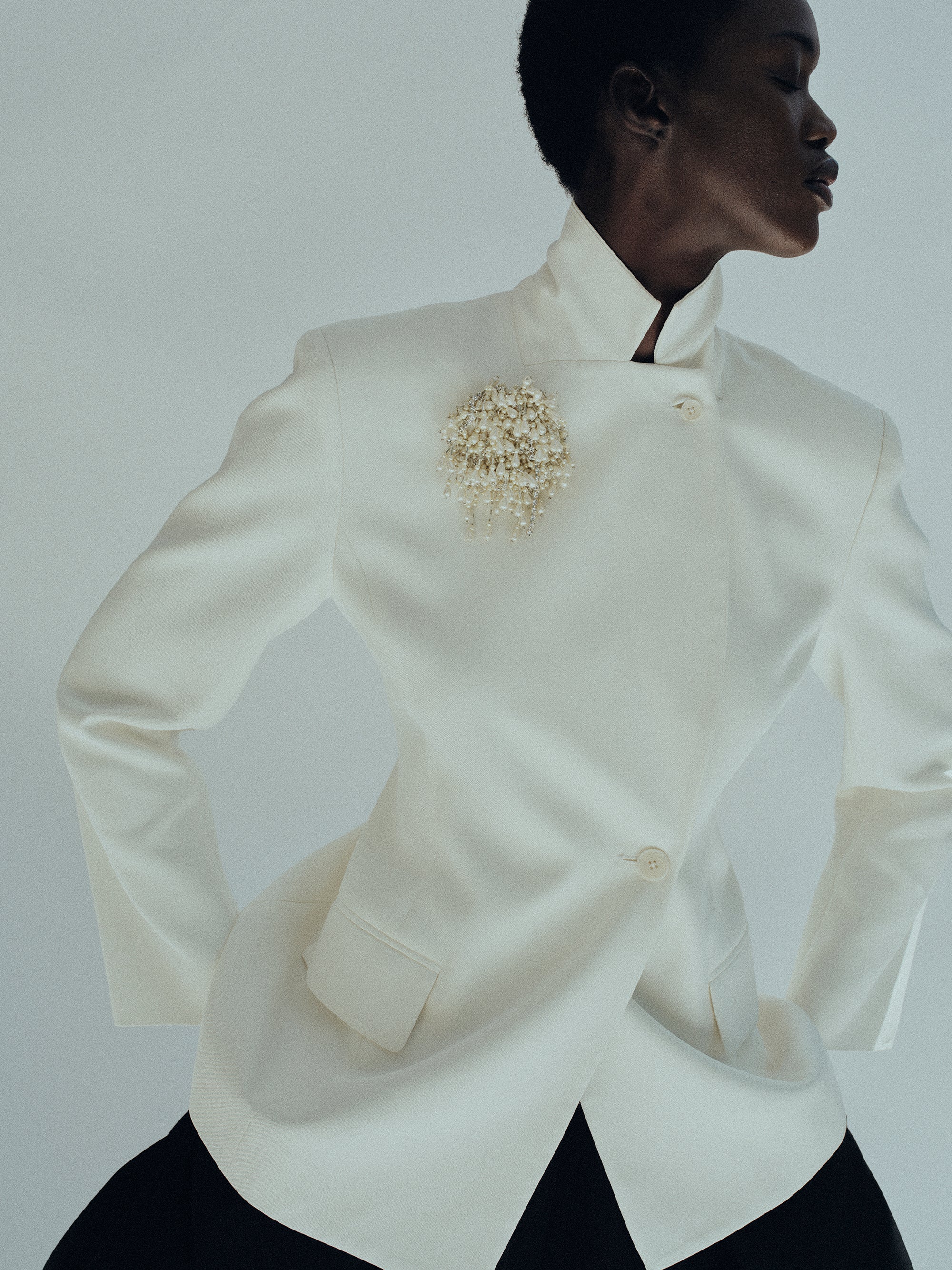
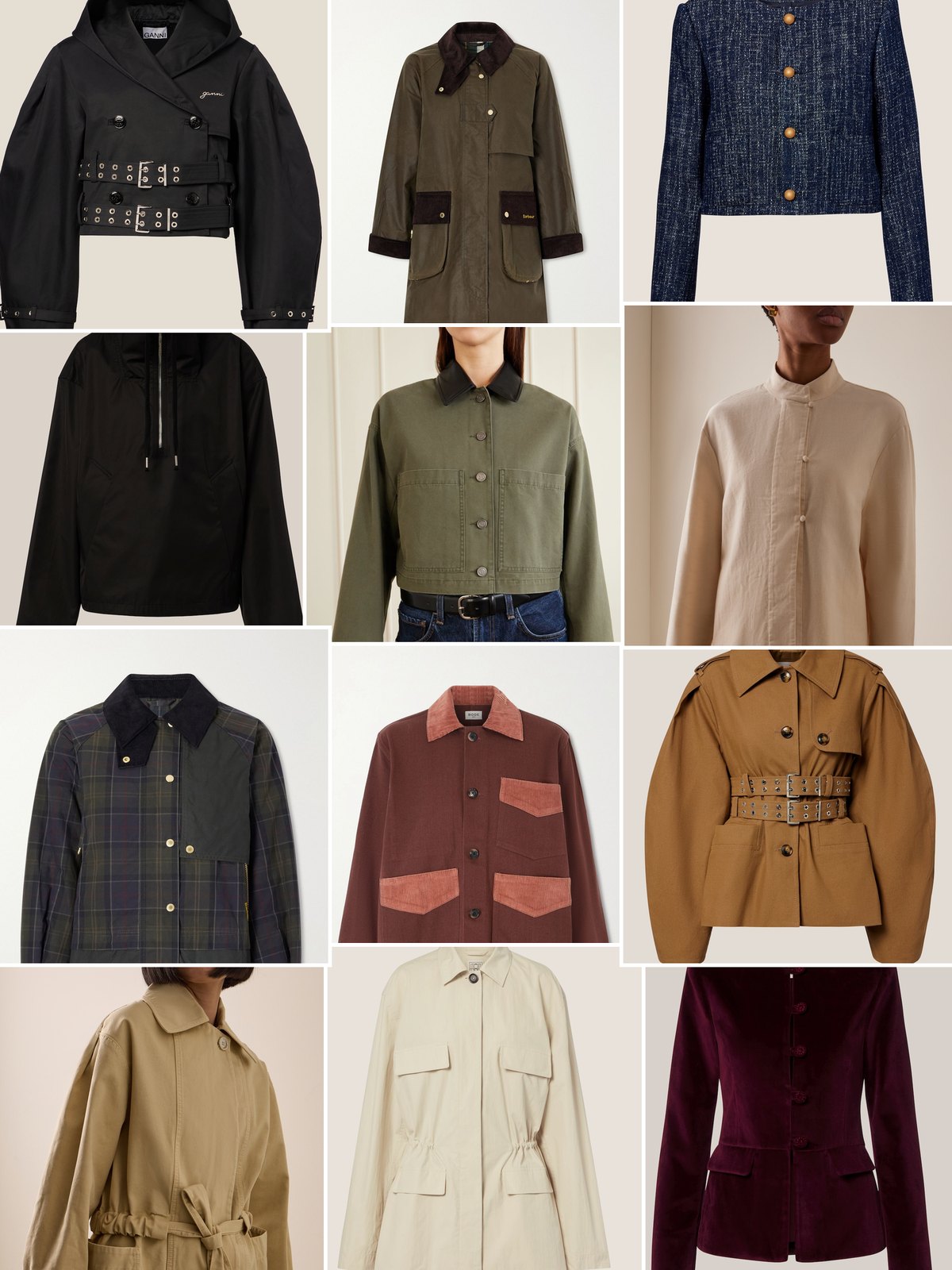
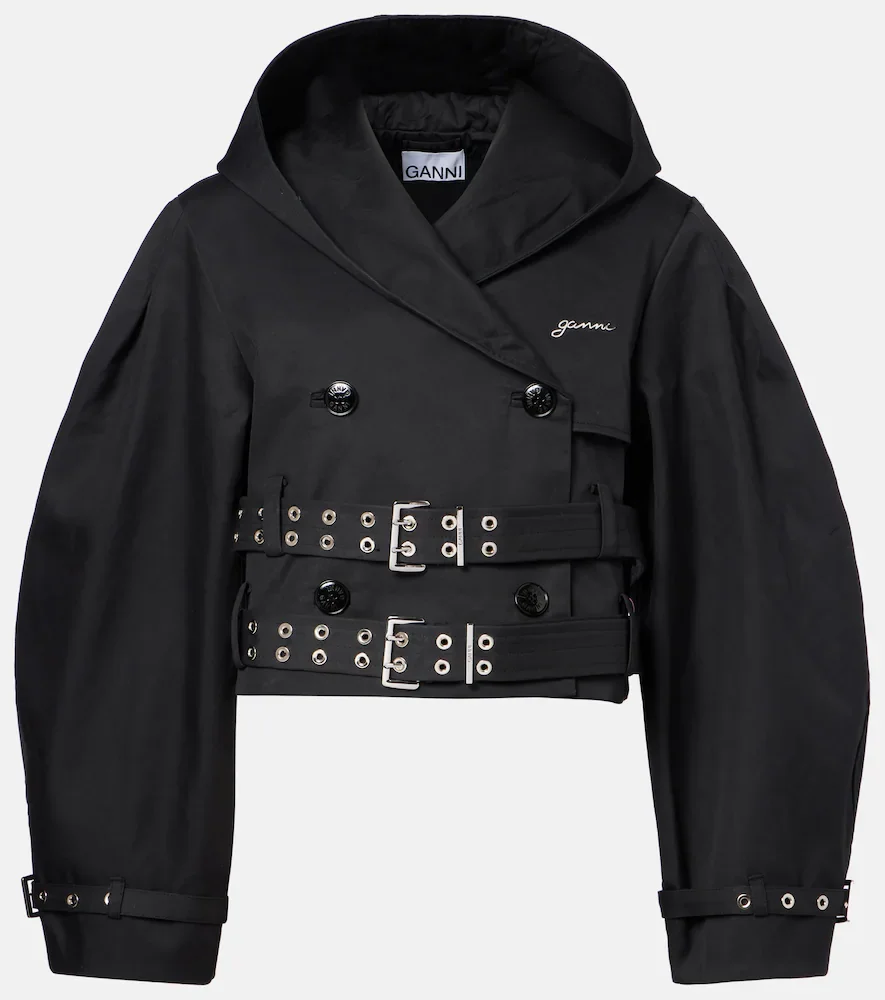
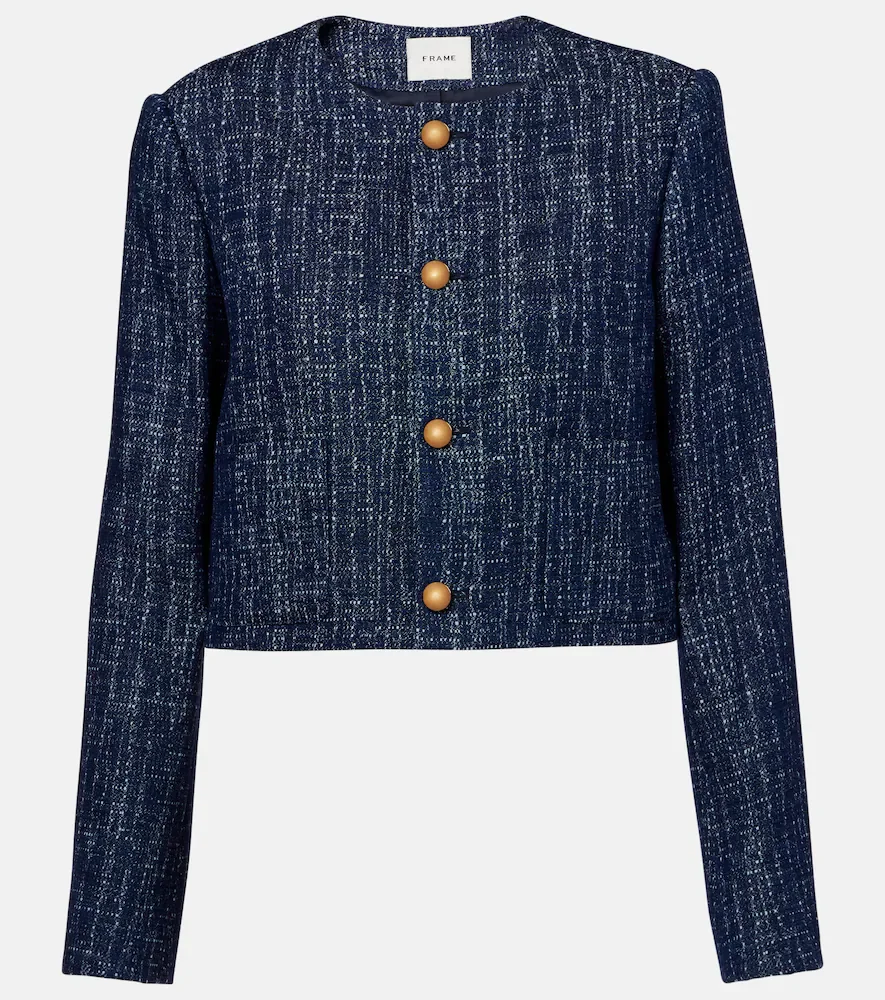
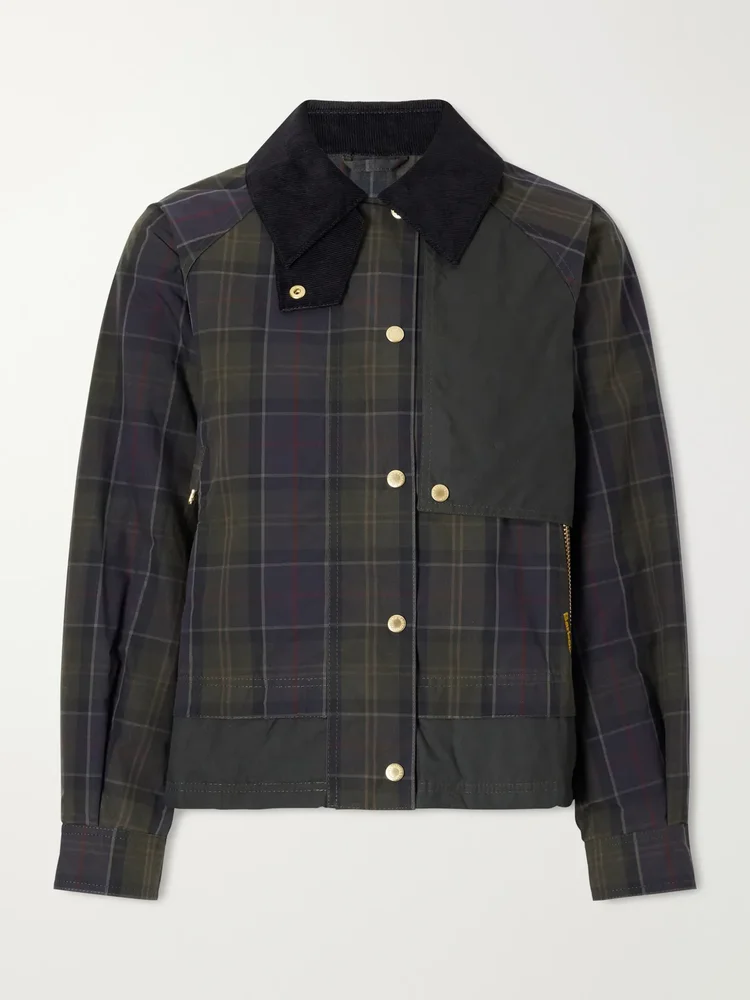
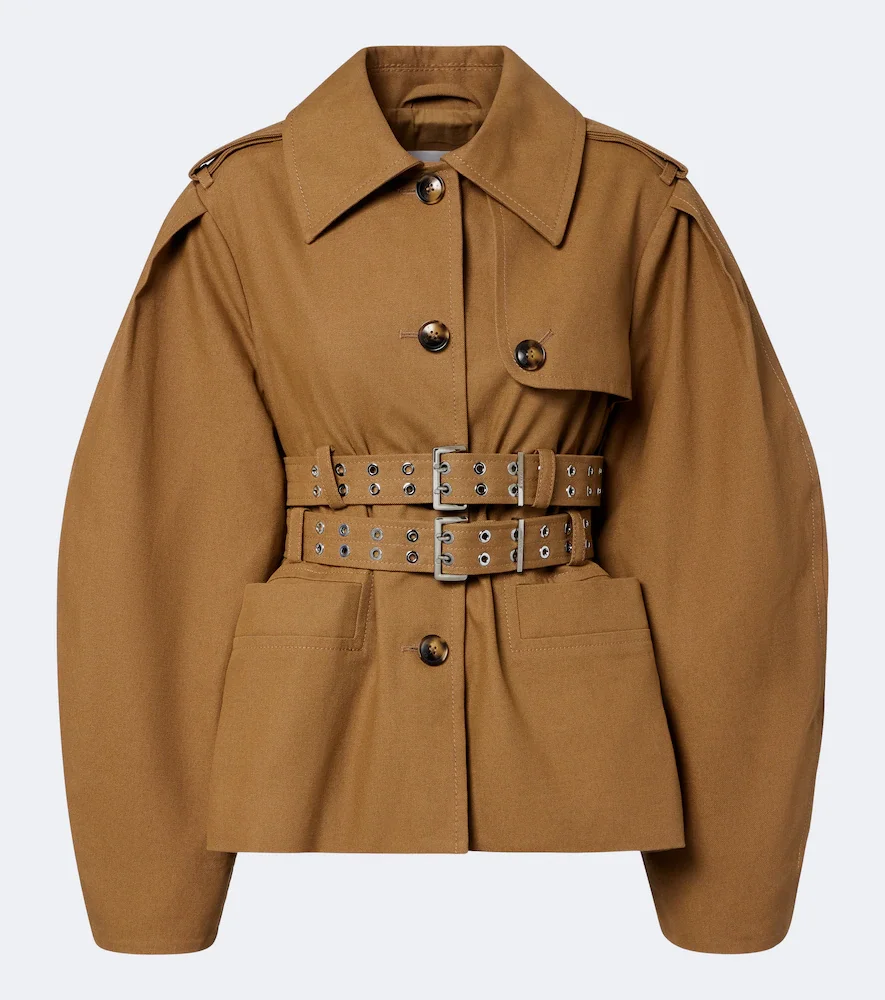
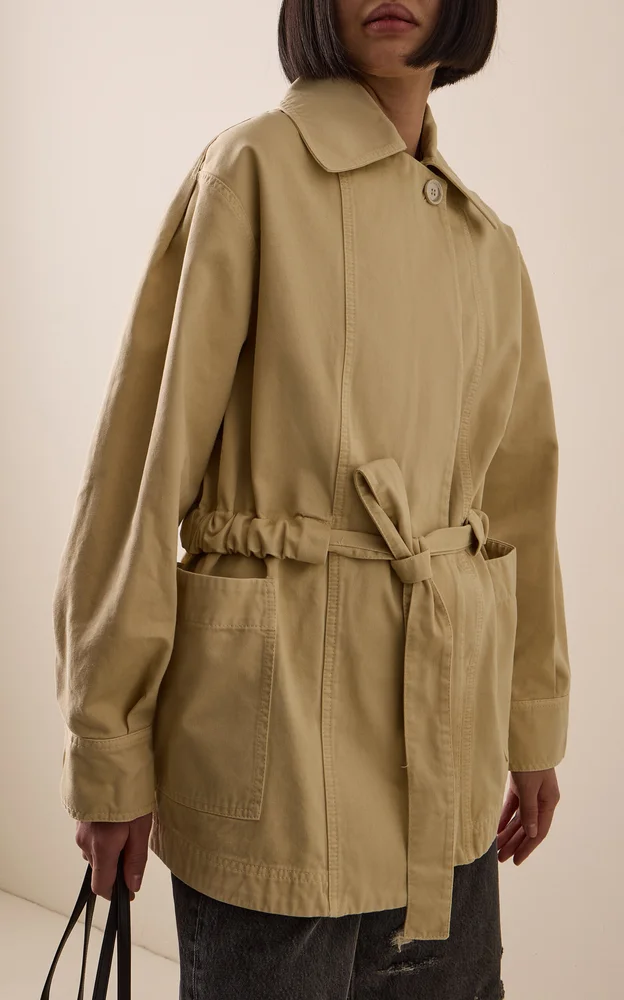
The opening grid makes that range easy to see. Ganni's belted cropped cotton jacket has a compact proportion, so I would try it with a longer skirt or a high-rise trouser. Barbour's Kirklees pairs waxed cotton with corduroy trim, a combination that reads more outdoorsy by name and makes sense over a fine knit. Frame's cotton tweed jacket brings a more textured surface, while Agolde's cotton-blend jacket gives the group a simpler-sounding counterpoint.
When I am weighing these cotton jackets, I start with the shoulder and hem rather than asking whether the fabric feels dressy or casual. A cropped jacket can balance a fuller bottom half, while tweed adds texture to a plain base. For Kirklees, I would keep the underlayer slim so the corduroy detail remains distinct. What I would skip is pairing every textured piece at once; one tactile jacket against a clean shirt or smooth trouser usually feels more intentional.
Corduroy and checked texture
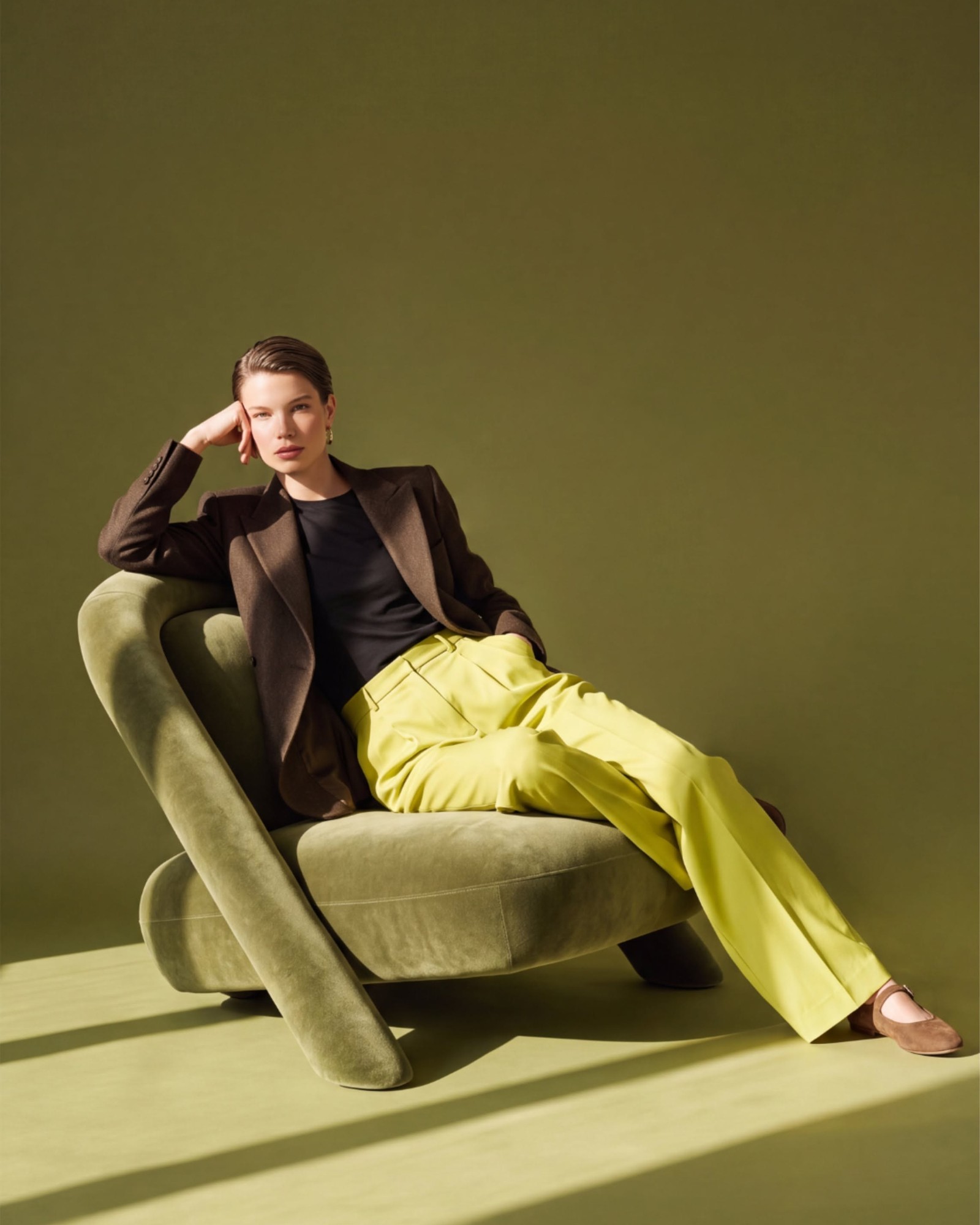
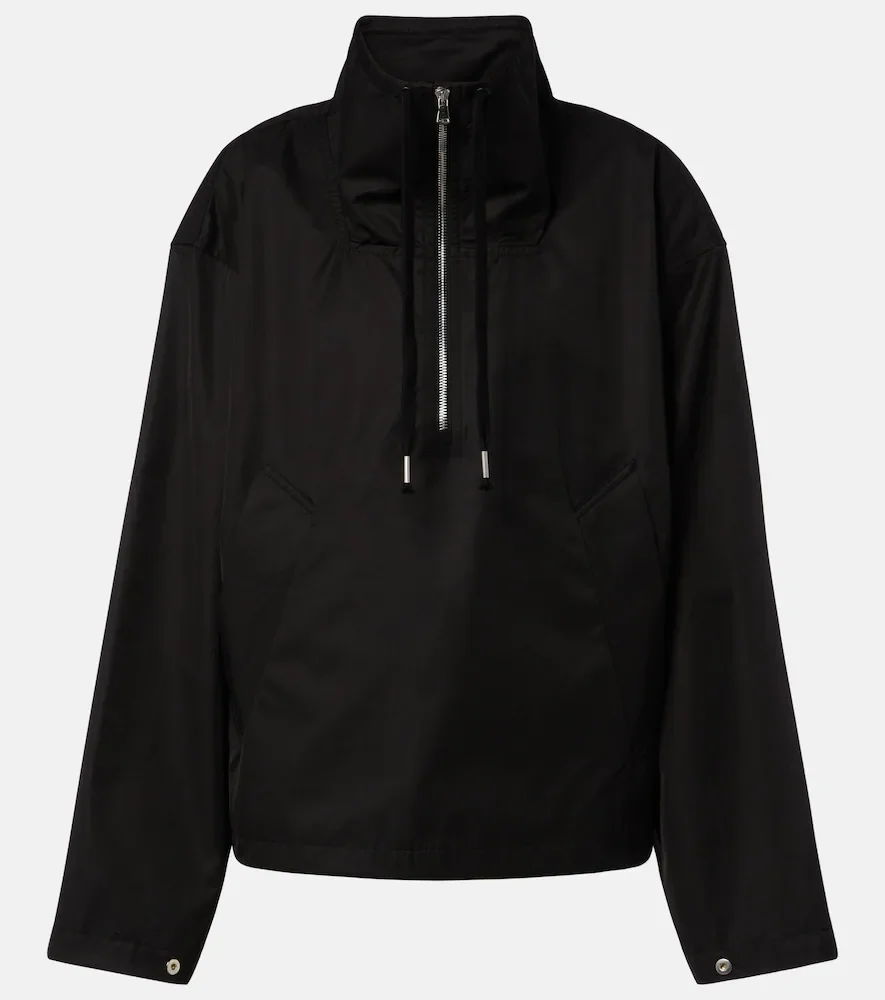
The second group leans into detail. Anine Bing's Yuma is named simply as a cotton jacket, which leaves room to think about it as a versatile layer between a tee and a coat. Harris Tapper's Exclusive Graff is a cotton cord jacket, while Barbour's Truro combines a checked pattern with corduroy trim and cotton canvas. Those surfaces make the grid feel more relaxed and workwear-adjacent without needing a heavy styling story.
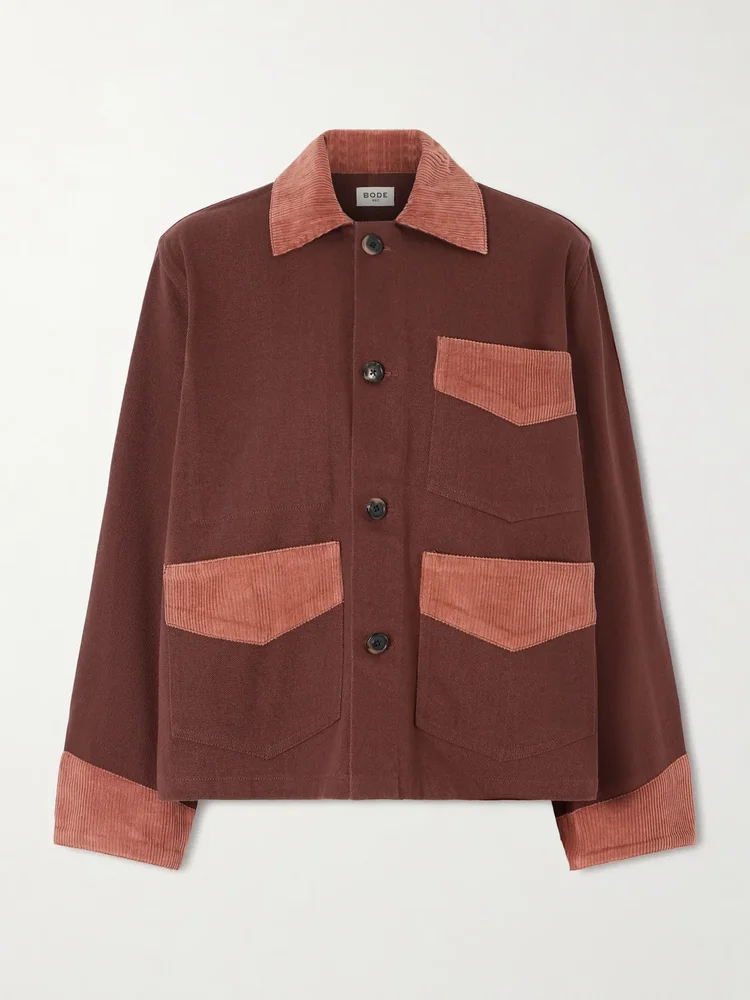
BODE's corduroy-trimmed cotton twill jacket adds another material contrast. I would wear it with straight denim or a long cotton skirt, keeping the other textures quiet so the jacket's trim can register. The Truro name suggests a pattern, so I would give it a simple base layer; Yuma can take a striped tee or a fine knit without making the outfit feel too busy.
A practical test is to layer the jacket over the actual sweater or shirt you expect to wear, then check that the shoulders still move comfortably. With cotton jackets that use corduroy or canvas, I would skip a very thick sweatshirt underneath if it makes the sleeves bunch. One texture can make an outfit feel finished, but the proportions have to leave you room to move. I like this group for days when denim, soft cotton, and a little structure are already the plan.
Soft finishes, clean lines
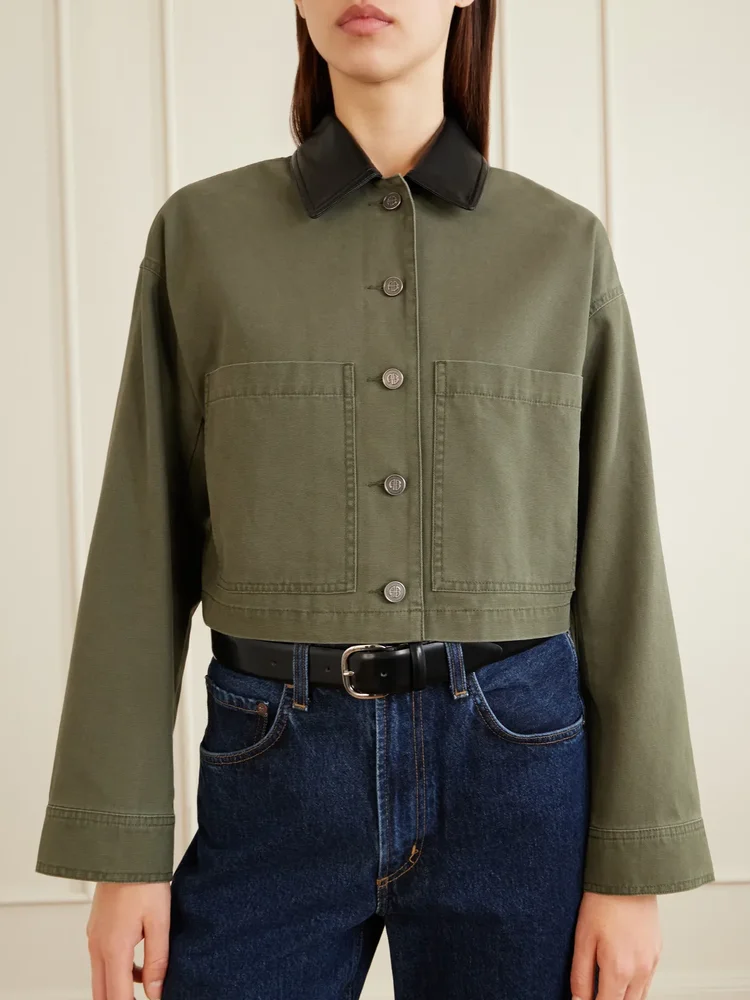
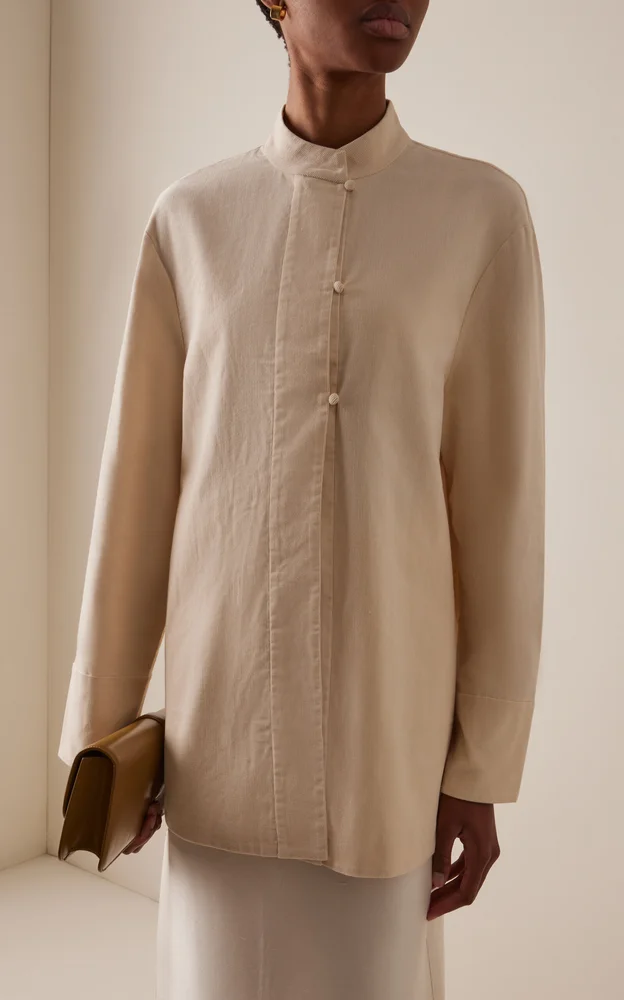
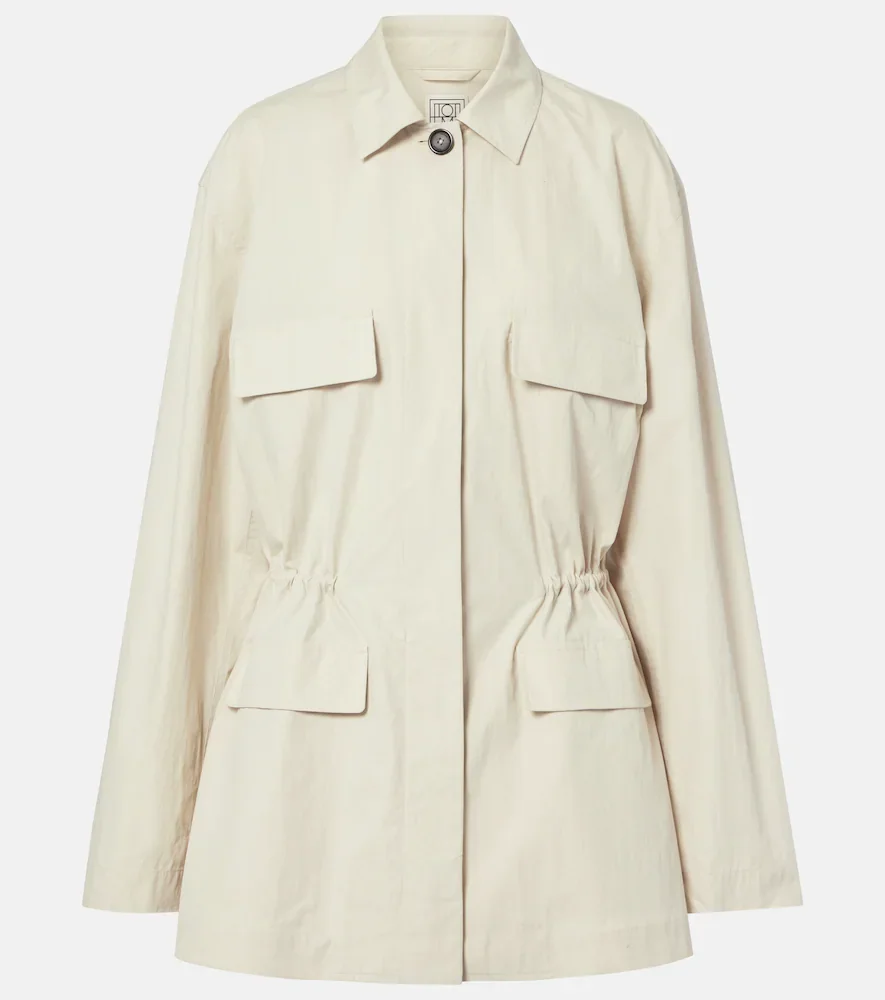
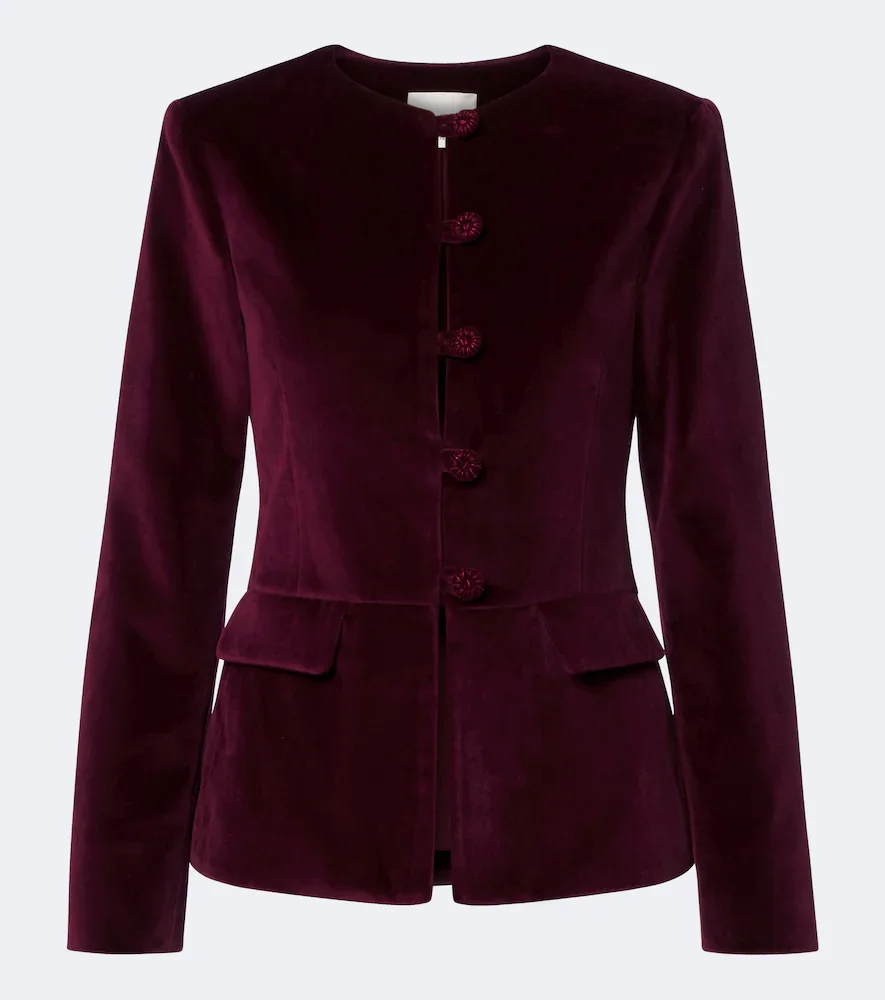
The final four move back toward simpler names and softer finishes. Ganni's cotton jacket offers another entry point from the brand, while House of Dagmar's Cotton Jacket keeps the product description direct. Toteme's cotton-blend jacket suggests a mixed-fiber option, and Posse's Maria is specifically called a cotton velvet jacket. That velvet finish changes the mood of the grid, making it an interesting layer over a smooth dress or a fine-gauge top.
I would compare these by the sort of contrast they add. A plain cotton jacket can pull together a relaxed outfit without much effort, while cotton velvet gives even a familiar shape a more tactile feel. Toteme's blend and Ganni's simpler cotton wording make good starting points if I want the jacket to sit quietly beside other pieces. For Maria, I would keep the rest of the outfit clean and let the fabric carry the detail.
What I would skip is treating cotton jackets as interchangeable just because the fabric family overlaps. A short or structured layer changes the balance of a dress, and velvet catches attention differently from twill or canvas. Try the jacket with the shoes and bag you actually reach for, then check where the hem lands over your usual bottoms. That small comparison can make a subtle fabric choice feel like a very personal one.
Find your everyday layer
The best jacket here depends on the job you want it to do. Ganni offers a belted crop, Barbour brings waxed cotton and corduroy into the conversation, Frame and BODE add tweed or twill texture, and Posse takes cotton toward velvet. Instead of choosing by fabric label alone, I would think about the outfits that need an extra layer most often.
For a cropped proportion, try high-rise trousers; for a more textured jacket, start with a smooth shirt or dress. Cotton jackets can be practical without looking generic, especially when a collar, trim, or surface gives the simplest outfit something to respond to. One good layer is the one you can picture reaching for with clothes you already love.