Parfum is often denser, while eau de parfum is an easy everyday choice, but the formula and your skin matter more than the label alone.
Eau de Parfum vs Parfum: What Is the Difference?
Start with the label
Parfum vs eau de parfum is a useful first filter, not a promise of how a fragrance will wear. The Perfume Society’s average ranges put eau de parfum at 8 to 15 percent and perfume at 15 to 25 percent, but the Society also notes that concentrations vary and can use different notes, not just a weaker or stronger version. So when someone asks what is the difference between parfum and eau de parfum, I say the label hints at concentration, not the whole experience.
For choosing an eau de parfum vs parfum, I would start with EDP when you want a versatile everyday scent, and look at parfum or extrait when you prefer a more concentrated format. The eau de parfum vs extrait de parfum labels do not promise a fixed performance ladder: skin, notes, and the full formula matter. That is why I would test on skin and wait before buying.
Brand history is part of the fun, too: Saint Laurent tied its 1977 Opium perfume to a couture collection built around scent, while Maison Valentino traces its founding to Valentino Garavani and Giancarlo Giammetti in 1960 and recalls the theatrical launch of its first parfum.
The everyday eau de parfum
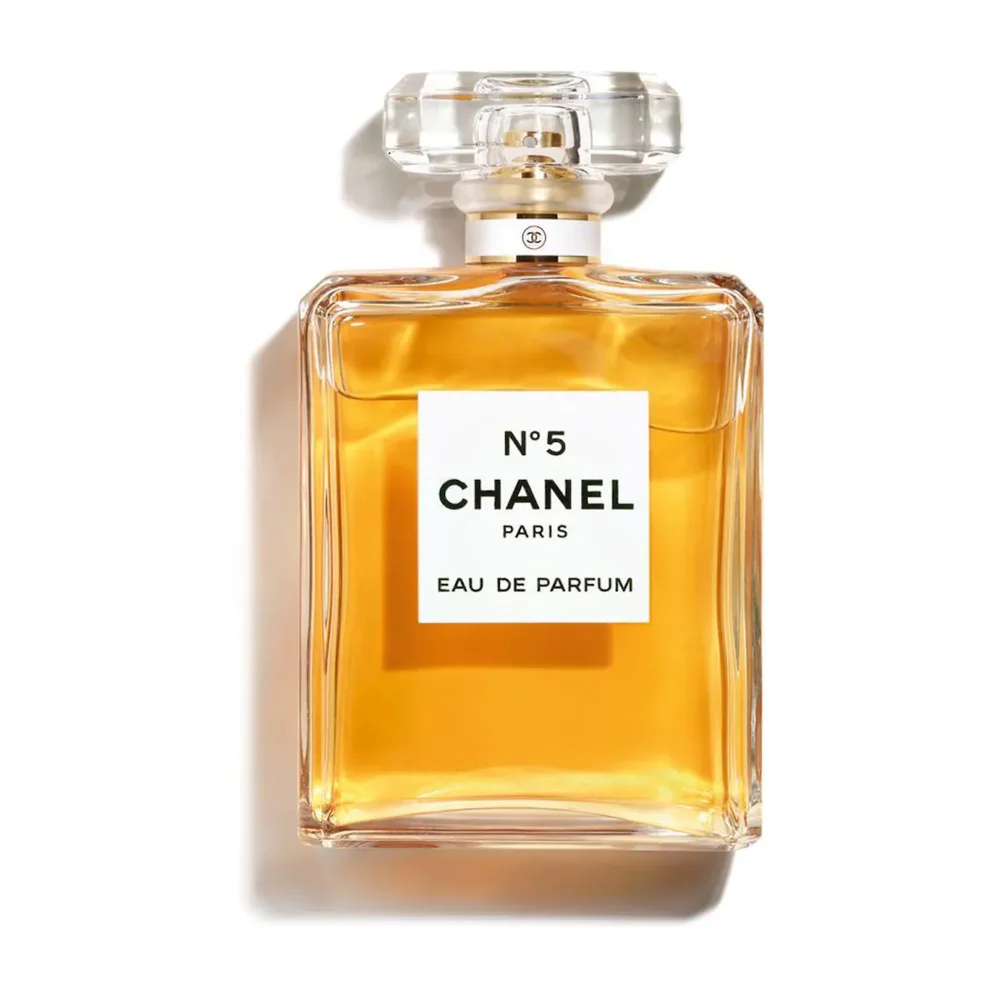
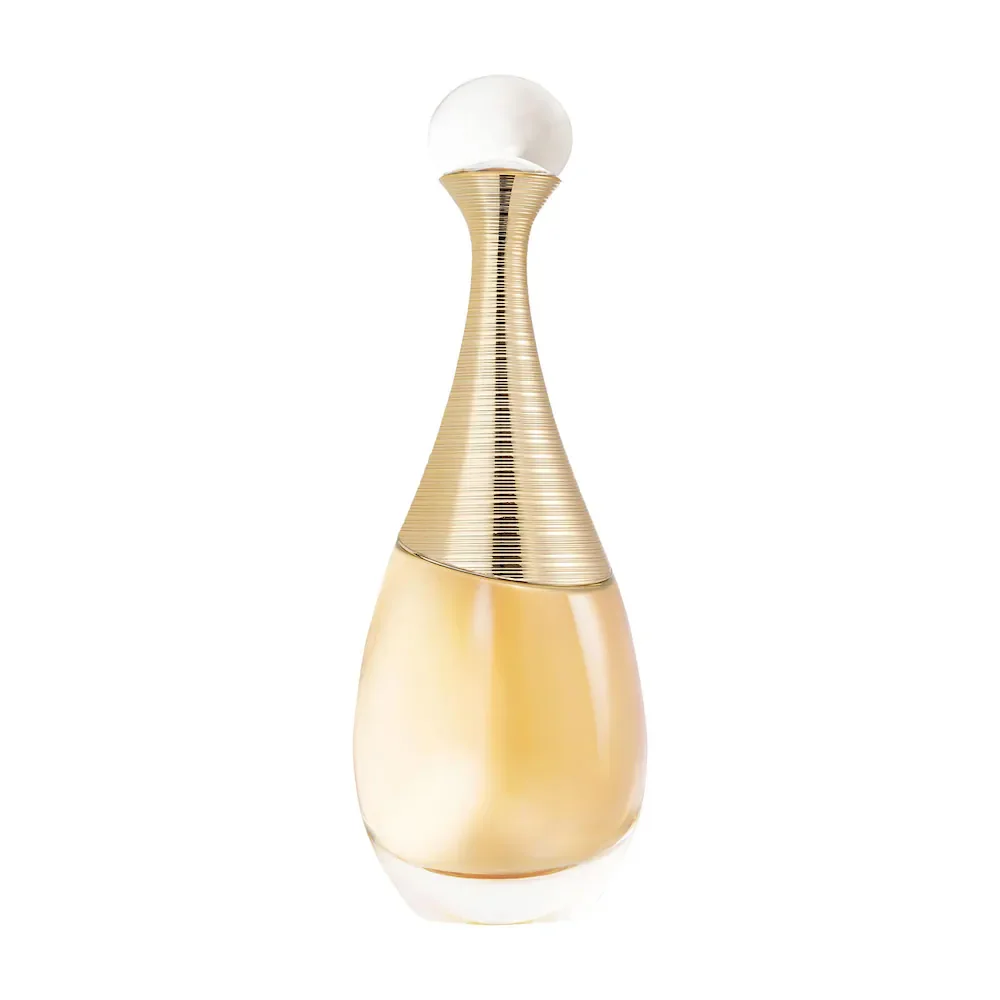
CHANEL N°5 Eau de Parfum is my old-school floral choice: its EDP keeps the Parfum’s floral-aldehyde signature and adds a fuller arrangement of rose, jasmine, citrus, and Bourbon vanilla. Dior J'adore Eau de Parfum goes softer and warmer with ylang-ylang, Damascus rose, and jasmine, so I would try it if I wanted a bouquet rather than a sharp aldehydic opening.
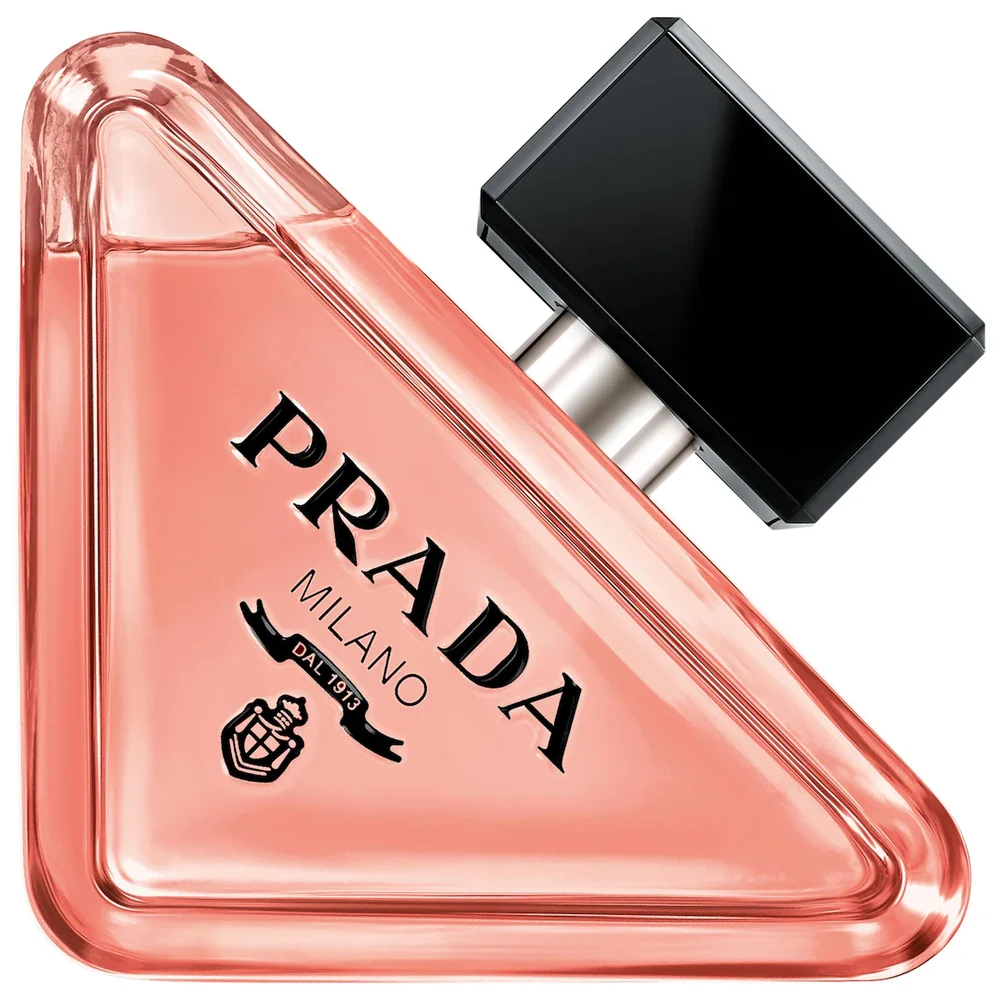
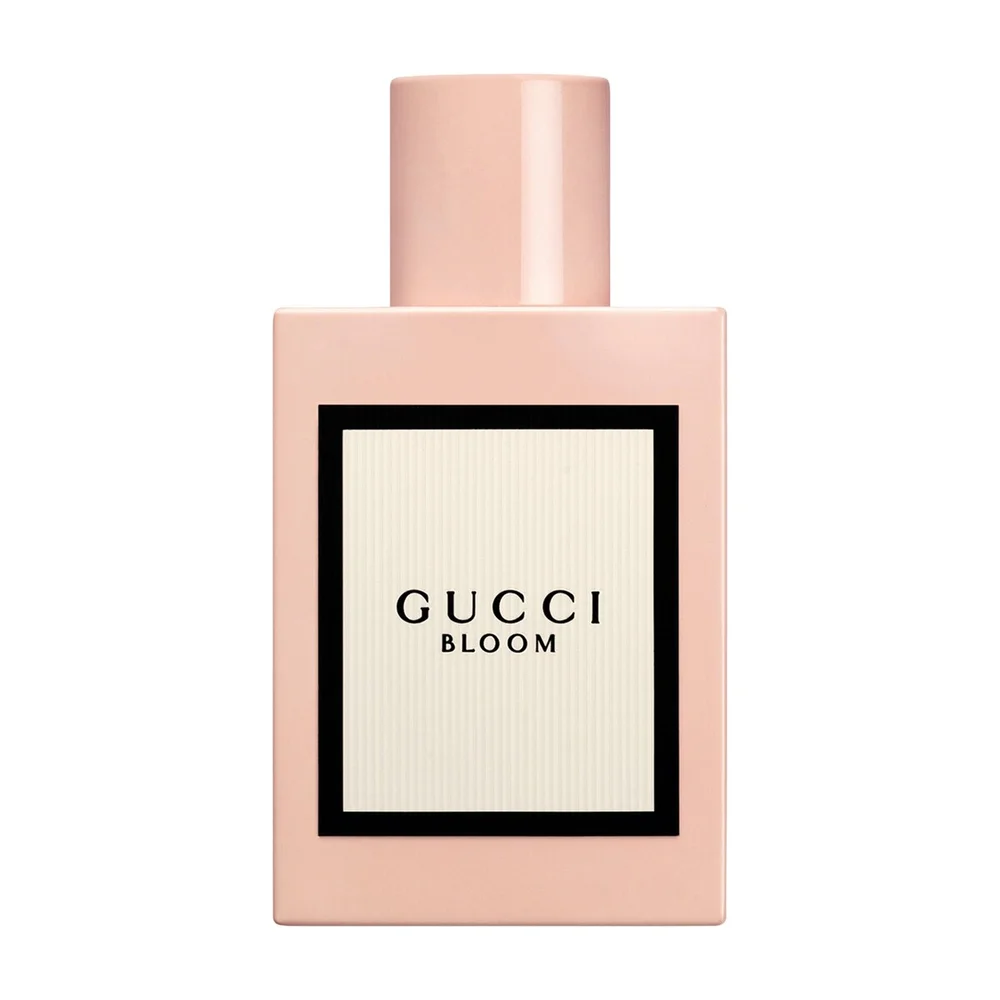
Prada Paradoxe Eau de Parfum shifts toward neroli, white amber, and white musk; Gucci Bloom Eau de Parfum goes more directly into tuberose and jasmine. Gucci Bloom is my pick if you know you want florals; if you are undecided, Prada Paradoxe gives a useful contrast between freshness and warmth. My practical rule is to sample one on each wrist and see where it sits a couple of hours later, then choose the one I still want to smell.
The parfum side
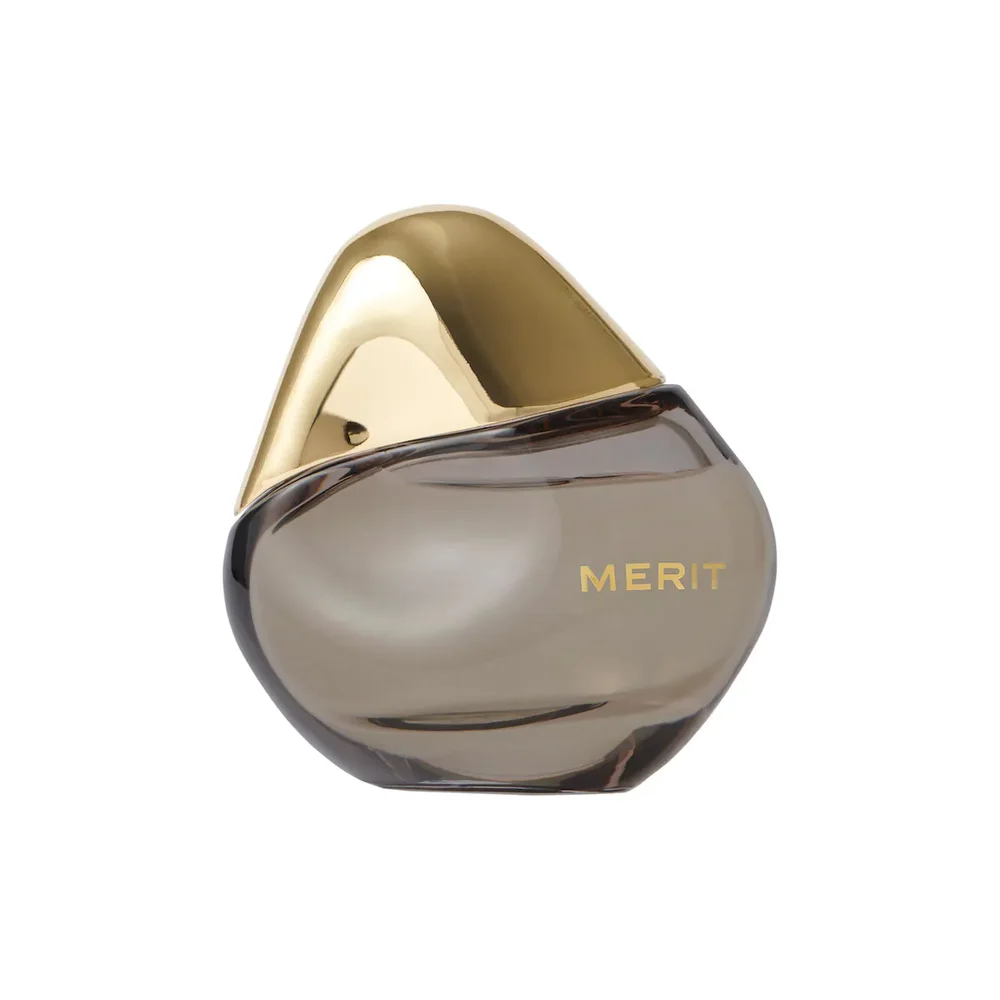
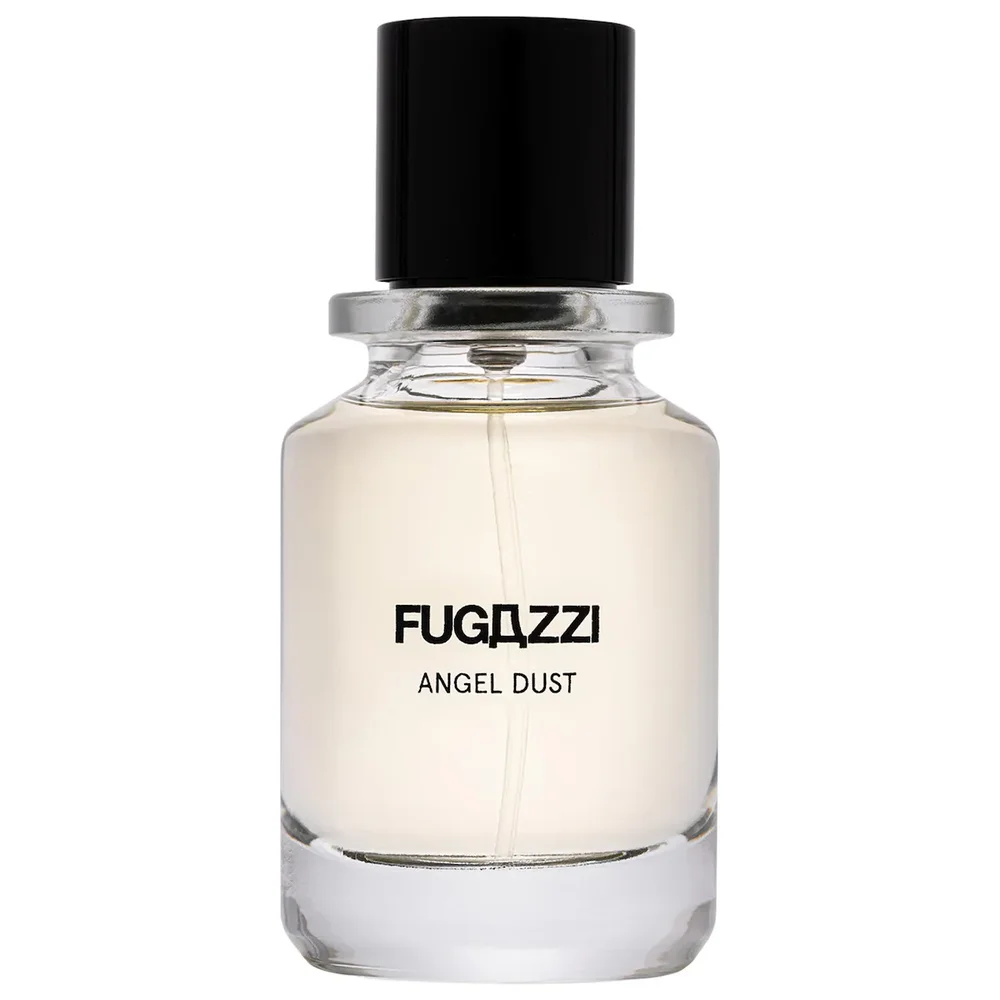
MERIT Retrospect L’Extrait de Parfum starts with bergamot and pear, moves into jasmine, rose, and violet, then settles into vanilla, musk, and moss; I like it as the quietest first test of the richer concentration. FUGAZZI Angel Dust Extrait de Parfum is the pepperier one, with white amber, pink pepper, and cashmere, and its product description specifies a 30 percent concentration.
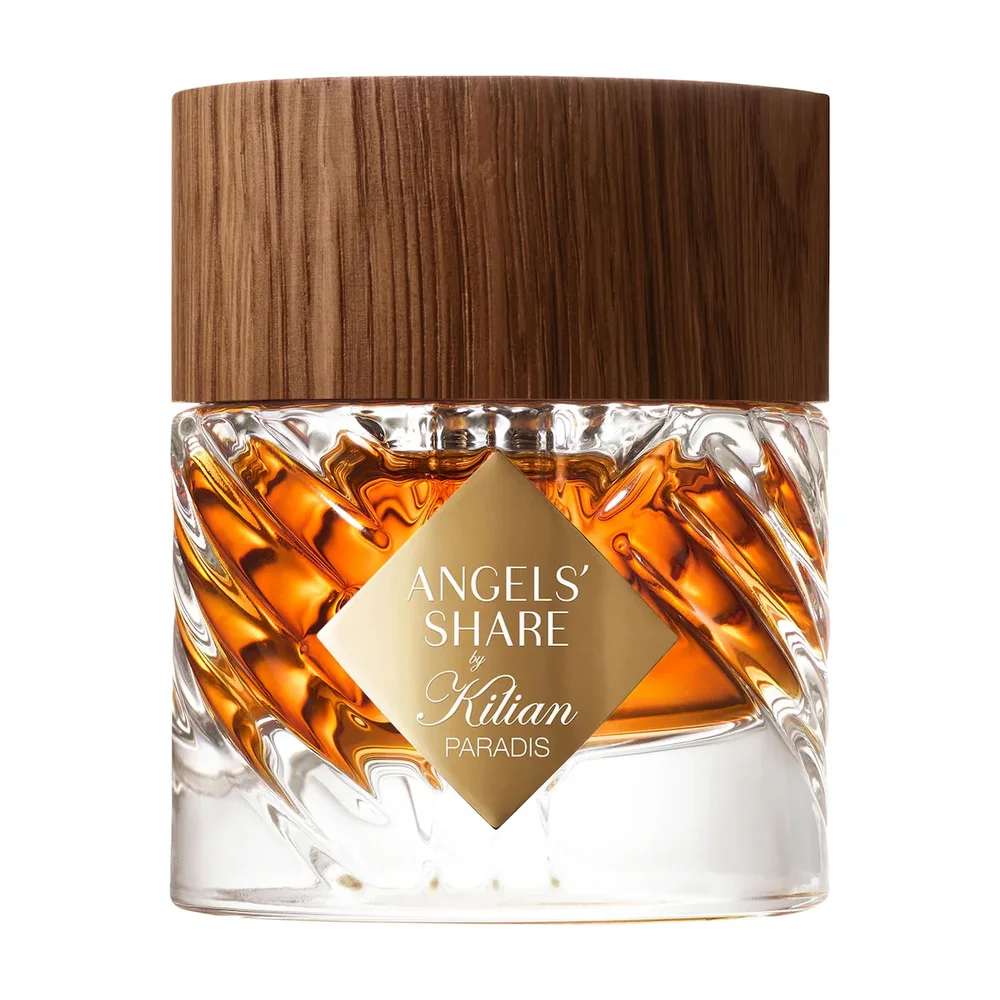
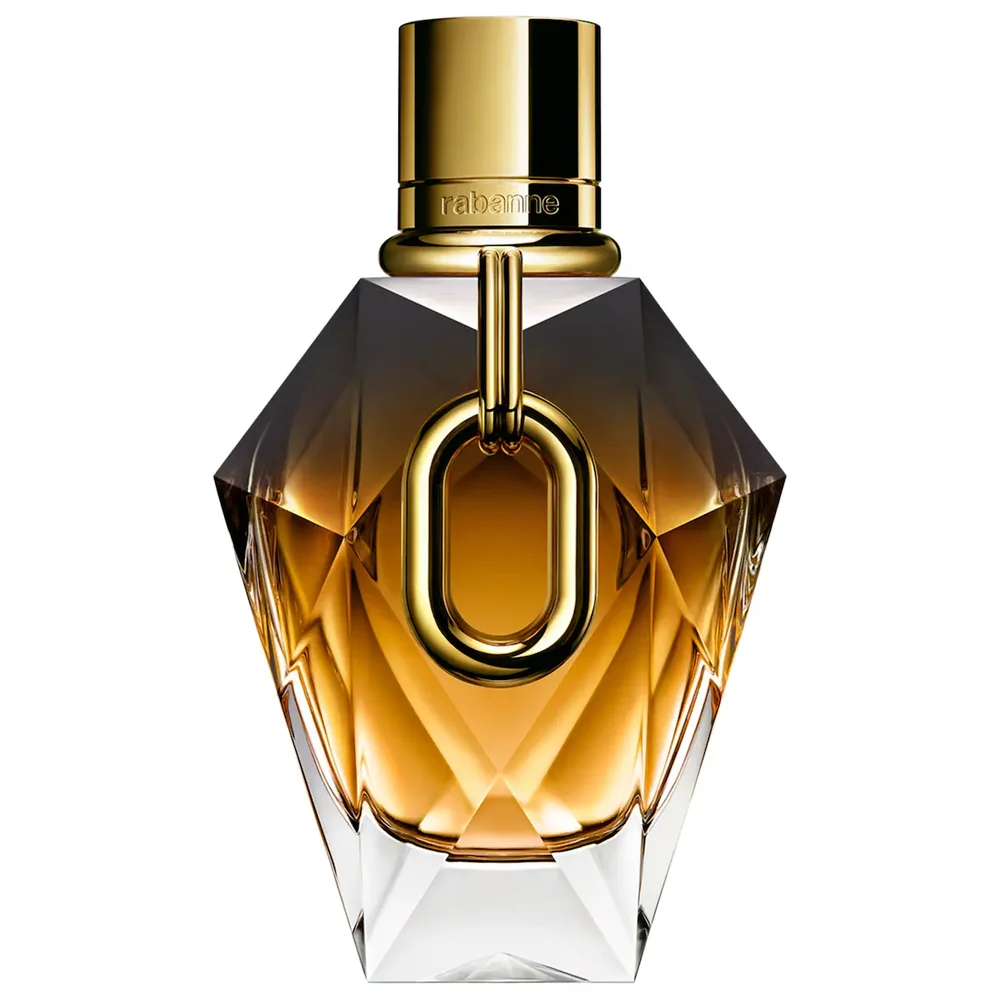
KILIAN Paris Angels’ Share Paradis Extrait de Parfum brings a warm, sweet gourmand mood through raspberry liquor, cognac, and oakmoss, while Rabanne Million Gold For Her Parfum pairs ylang-ylang and jasmine with sandalwood. For me, the point is not to spray harder. I would start with MERIT for a close-wearing, softer mood, or Kilian if you want to lean into fruit and warmth; try a restrained spray first and wait before deciding whether it suits your routine.
The useful side-by-side
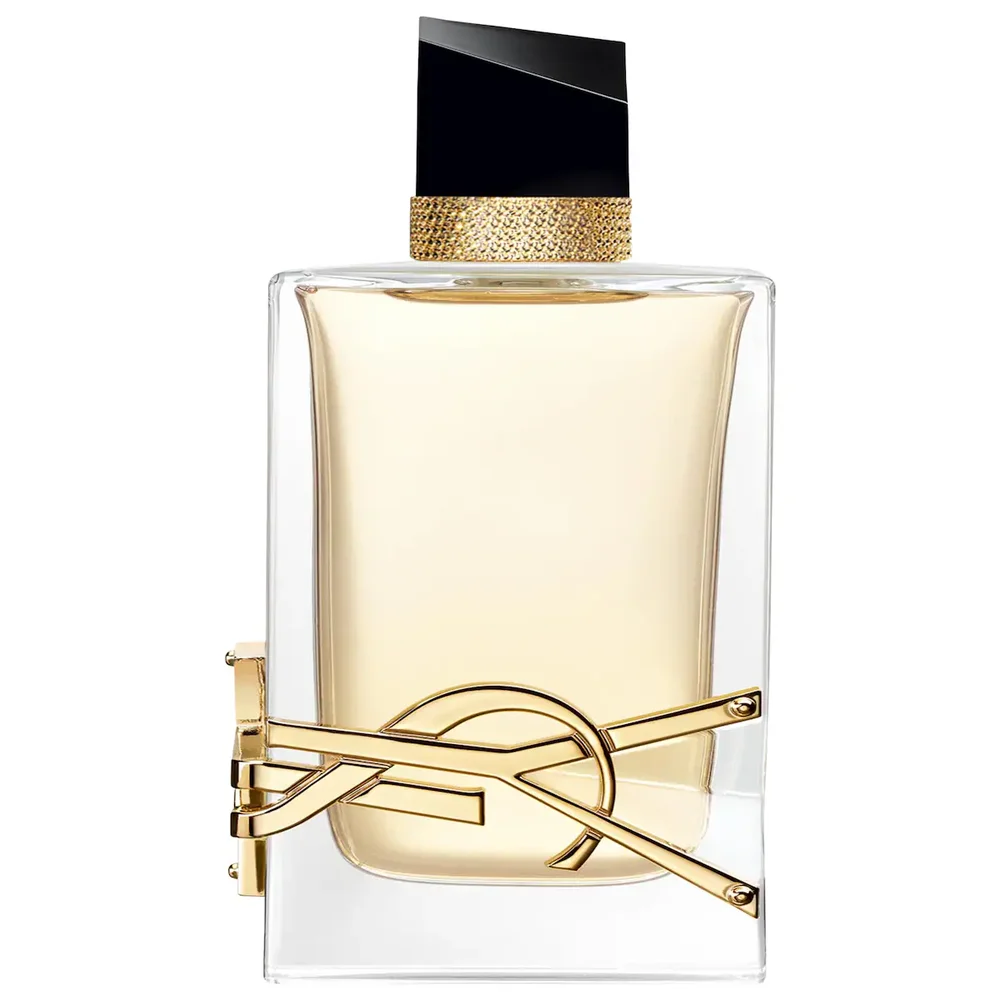
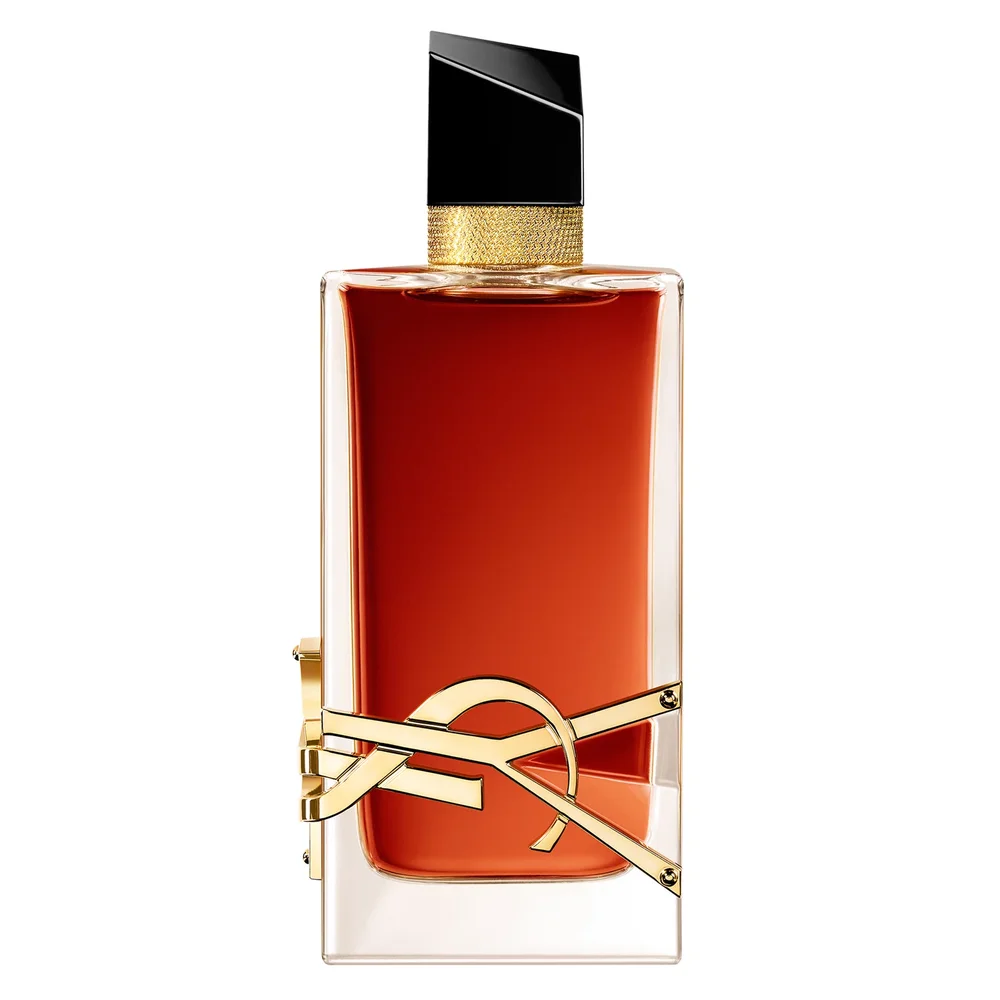
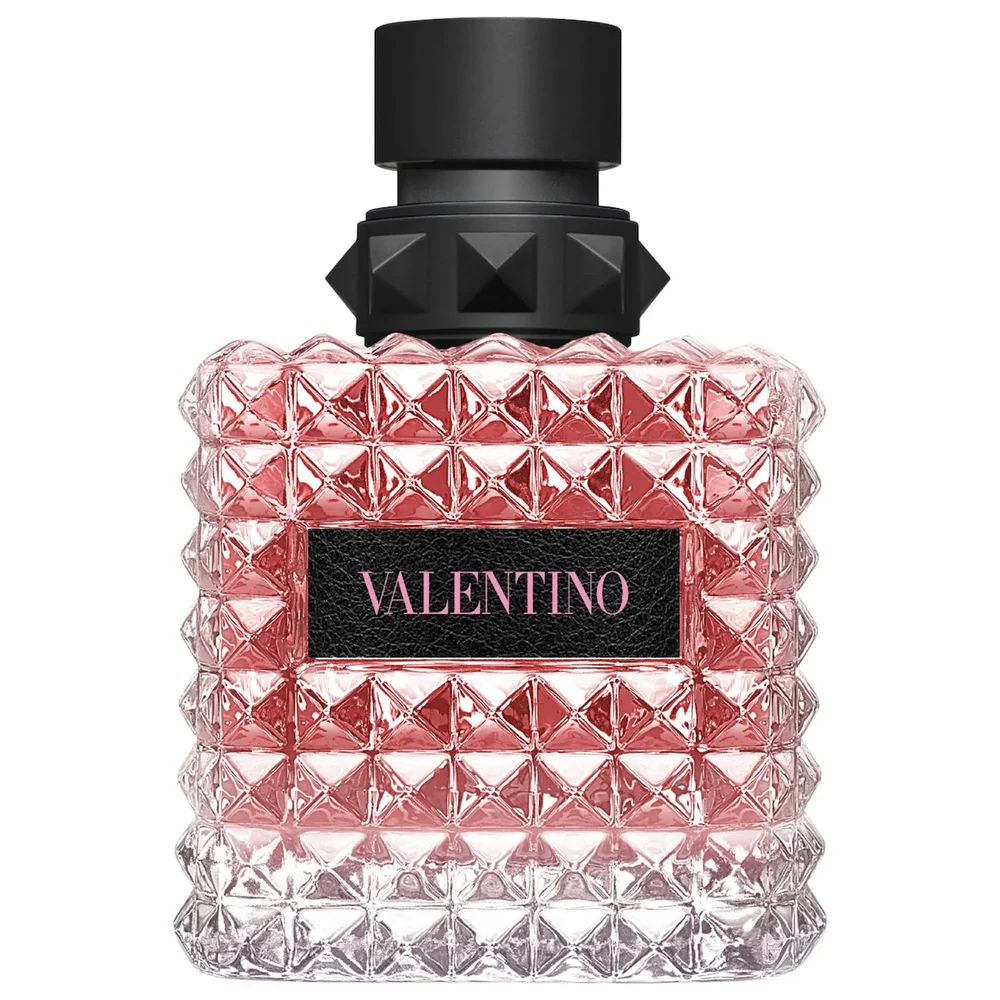
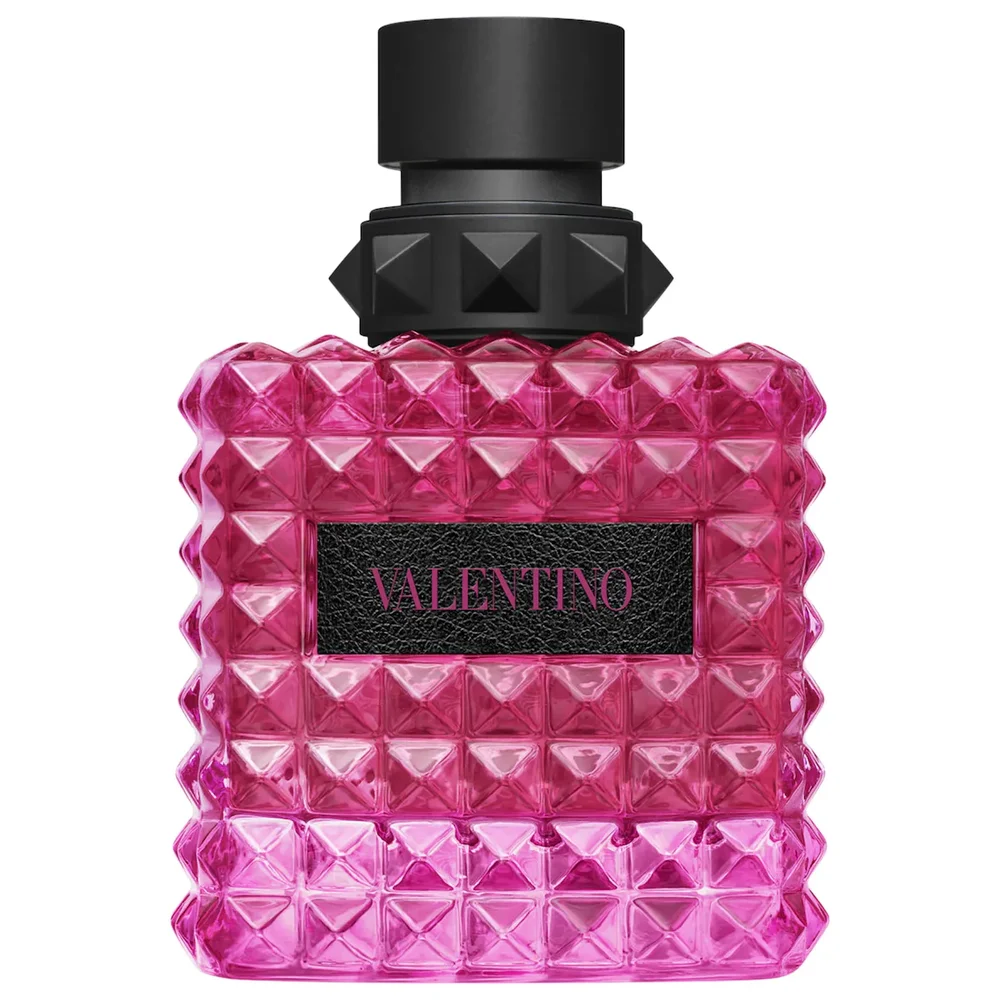
Two same-house tests are the clearest way to answer the question without pretending every brand uses the labels identically. Yves Saint Laurent Libre Eau de Parfum pairs lavender and orange blossom; Libre Le Parfum keeps that floral-lavender idea and adds a spicy saffron accord. For Valentino, Donna Born in Roma Eau de Parfum and Donna Born in Roma Extradose Parfum make a second test pair; the house positions Extradose as the collection’s highest concentration, with cassis, rhum, and vanilla.
Buy eau de parfum if you want an easy-reaching bottle for everyday wear; choose parfum if you prefer a more concentrated format and would rather apply it sparingly. I would start with Libre Eau de Parfum if lavender is already your kind of floral, then move to Le Parfum if saffron sounds appealing. I would skip paying more for a higher label alone, since price and performance depend on the actual formula and fragrance.