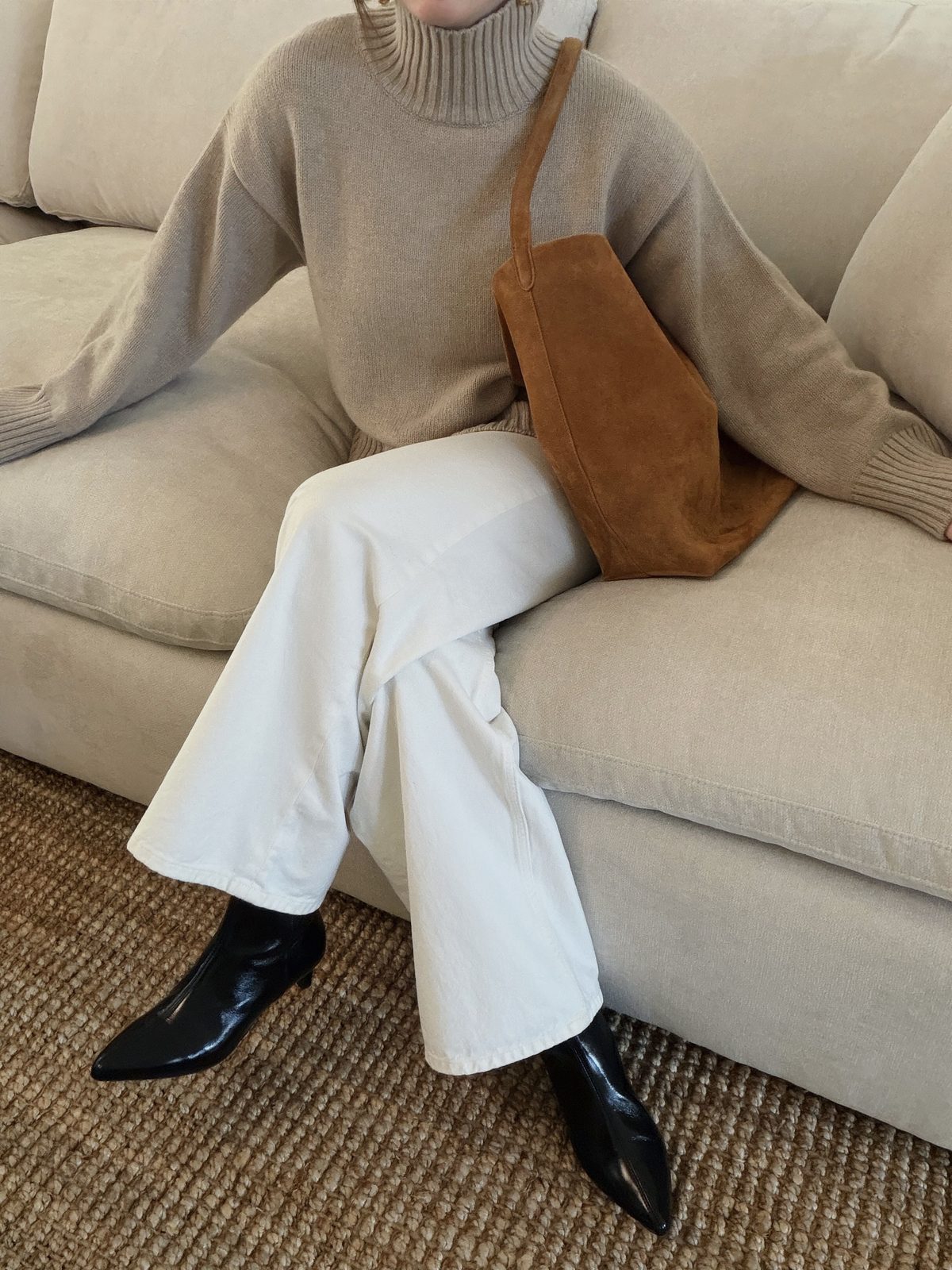
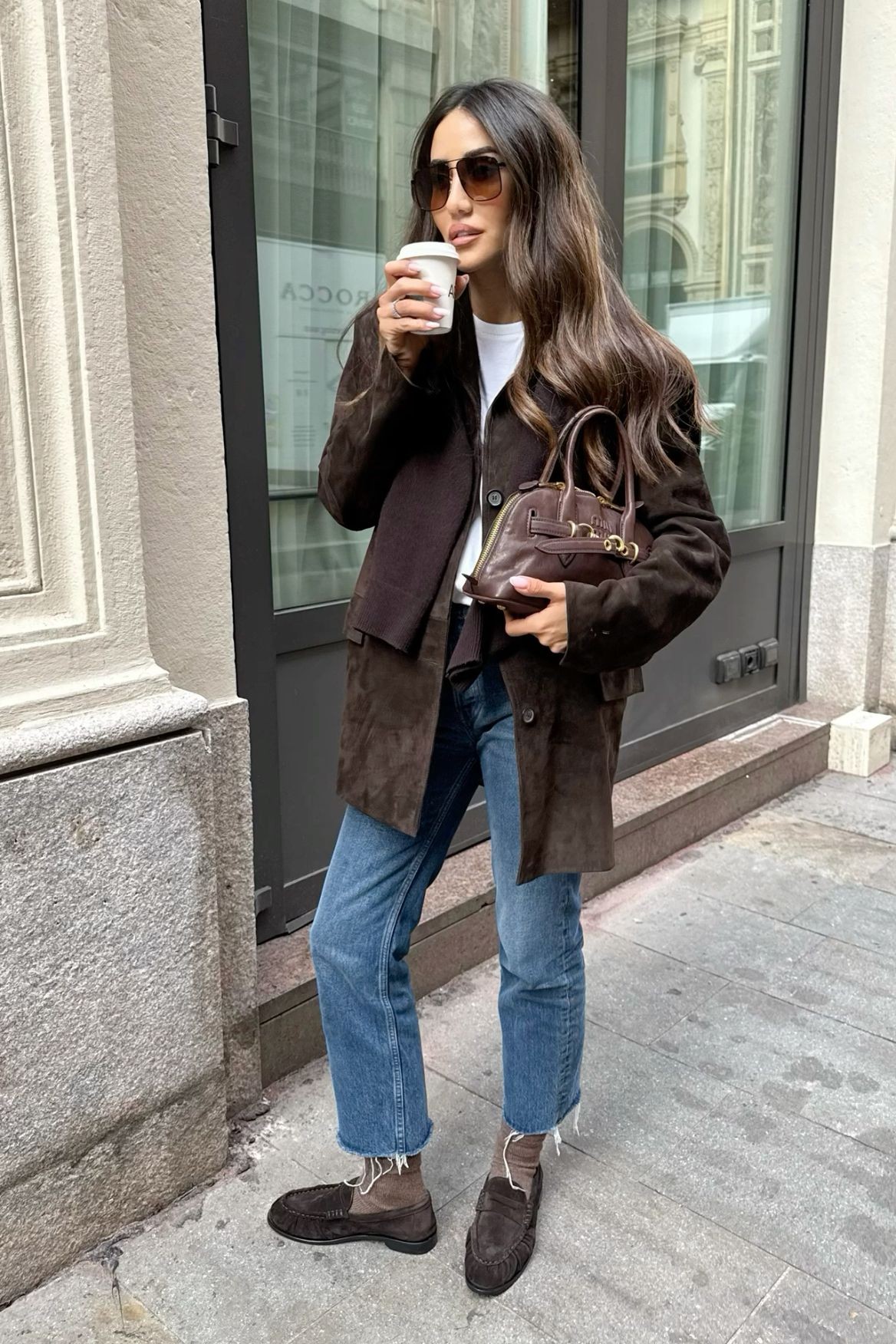
Fall shoes fill the awkward weeks between sandals and boots, when a sandal already feels wrong and a boot still feels premature. The category leans on suede, structure and an open enough topline to skip socks, echoing loafers and campus classics rather than technical outerwear. This edit sorts the eight options by material, lineage and sole construction rather than treating them as one interchangeable pile.

Fall Shoes: What Actually Replaces the Sandal
The transitional problem
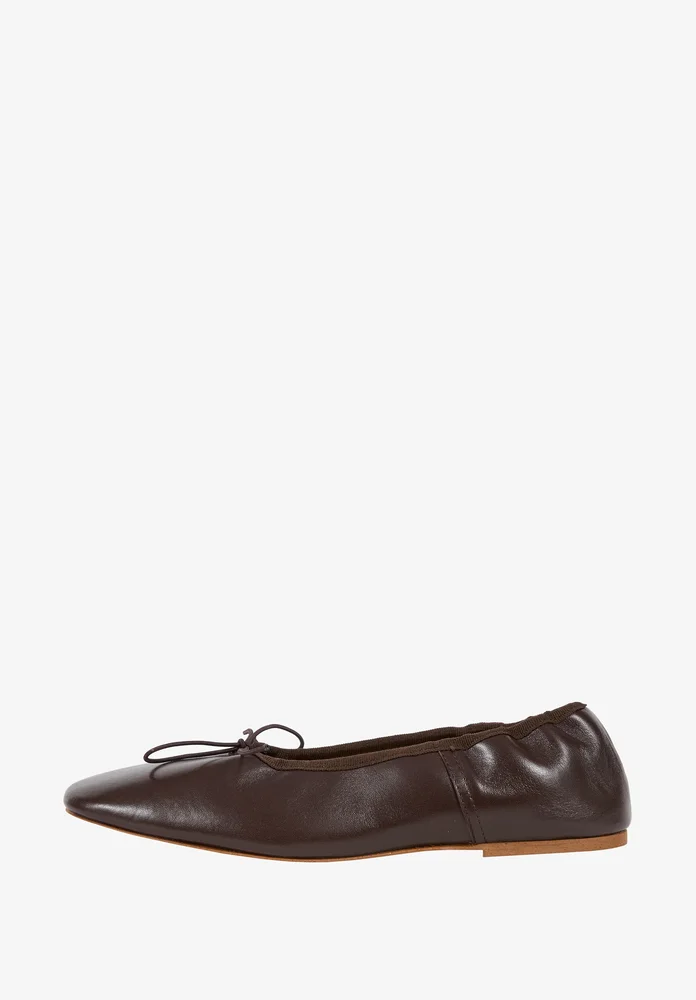
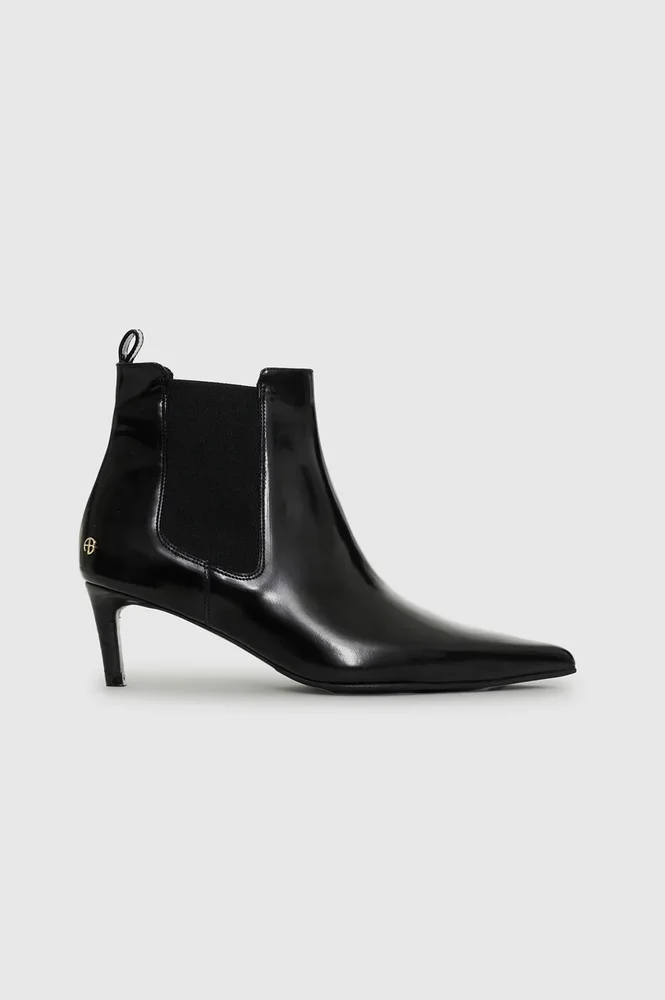
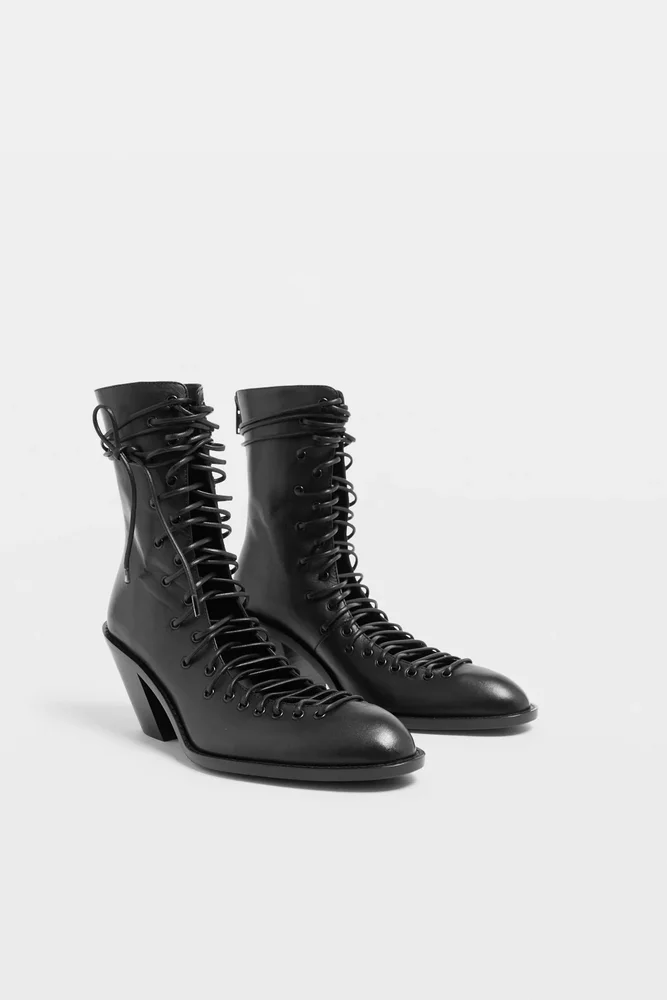
Boots are too much in September and a sandal has stopped making sense. What works is a shoe with structure and an open enough top line to skip socks. Loafers, ballet flats and low ankle boots all qualify. The transitional shoe is a genuinely new category invented by the last decade of mild autumns. It did not exist as a shopping problem when seasons were sharper.
Suede is the season's material
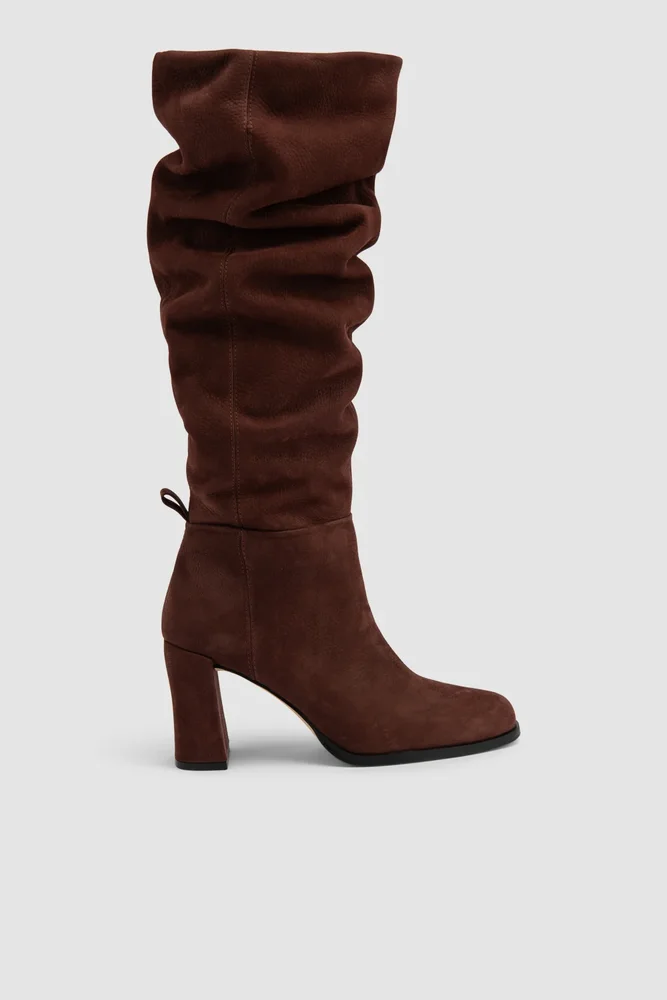
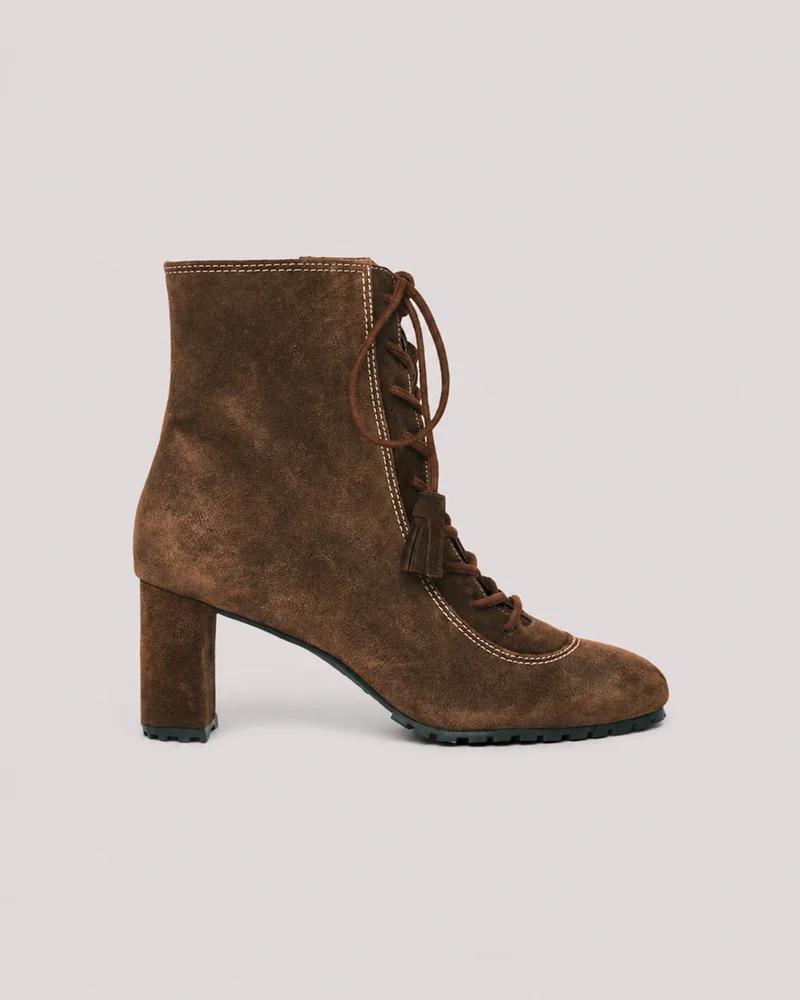
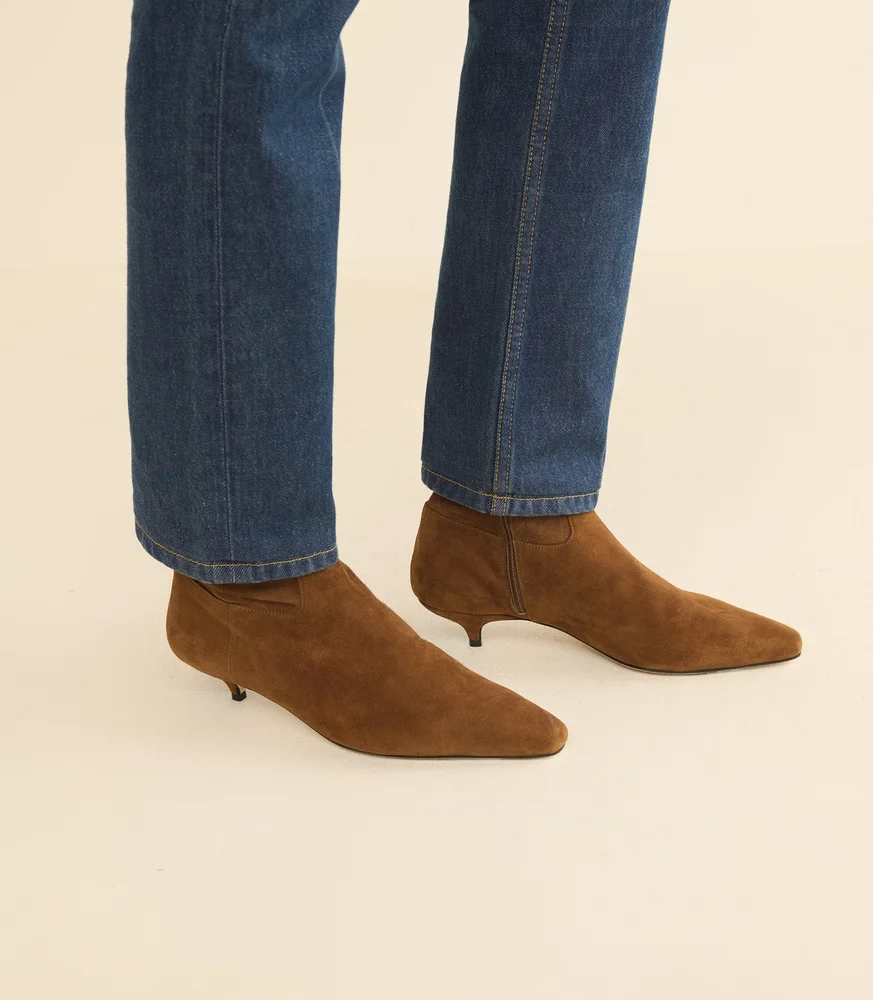
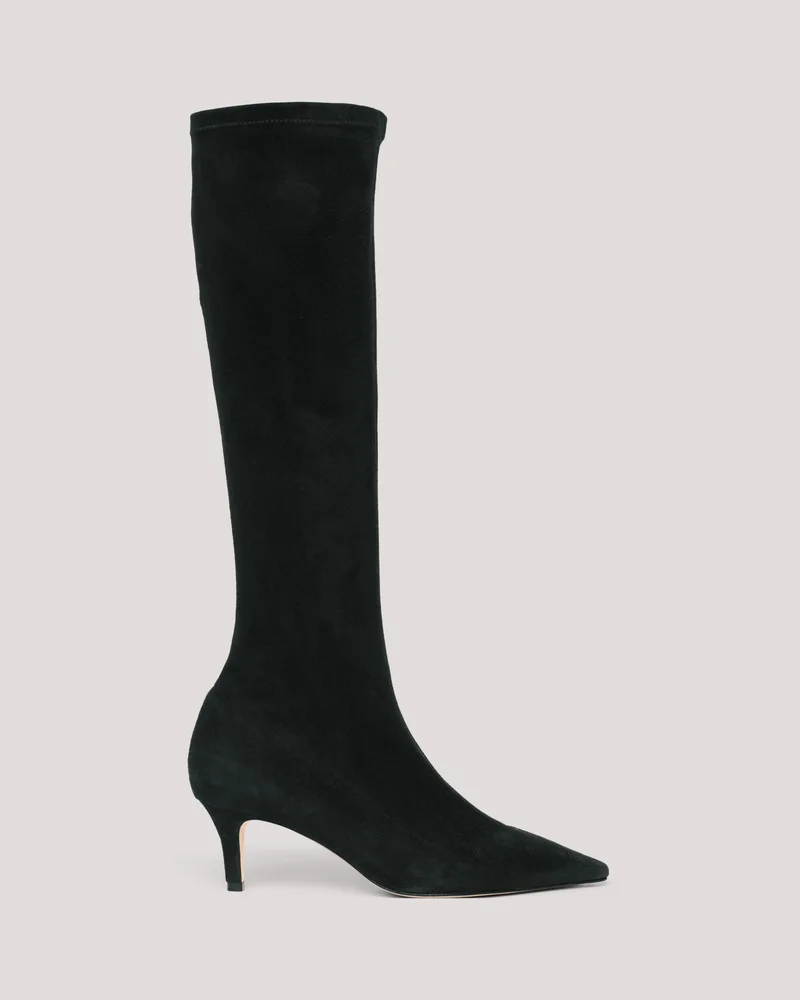
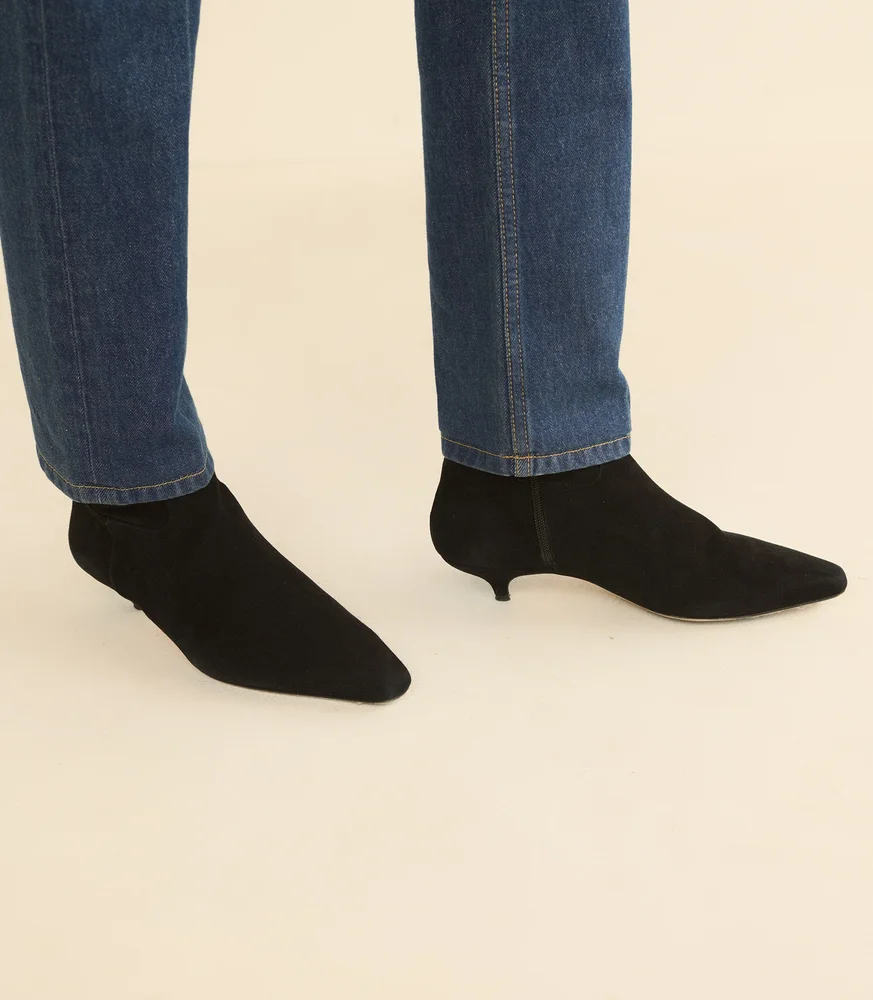
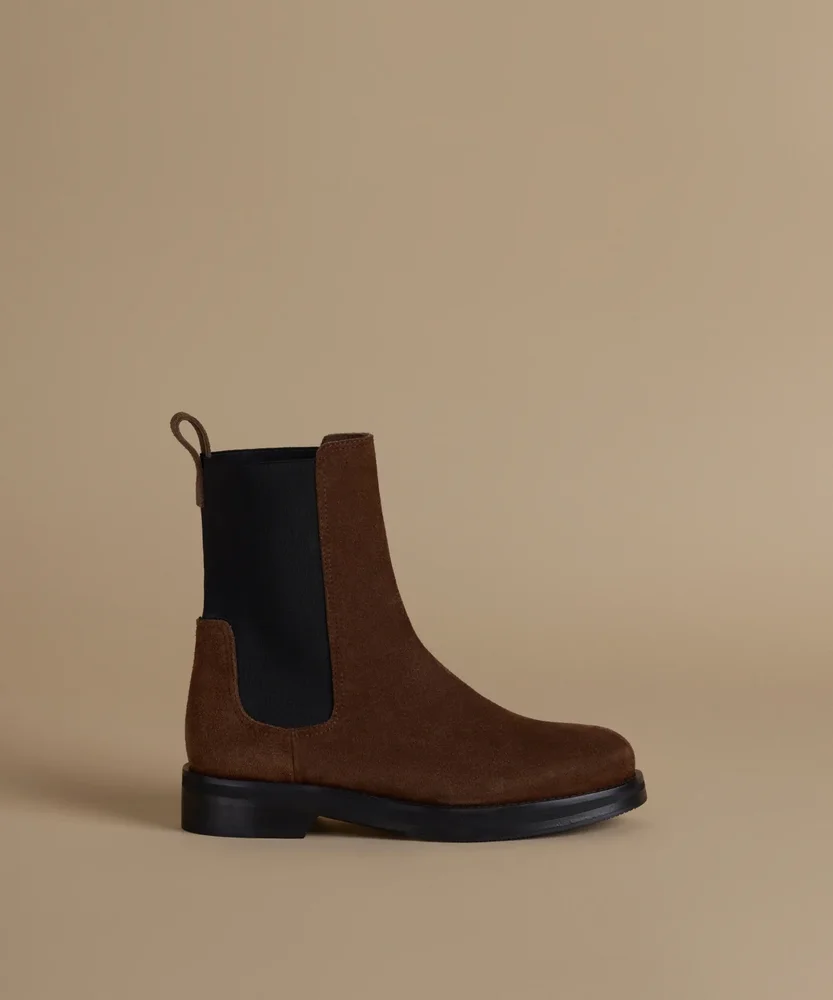
Nothing signals the turn faster than a suede or nubuck upper, which reads warm in a way leather does not. It is also the least weatherproof choice, so spray it before the first wear. Several fall shoes below lean on that texture deliberately. Suede became the shorthand for autumn because it reads as warm without being heavy, and because it photographs beautifully in low light. The internet decided this collectively around 2022.
The loafer did the groundwork
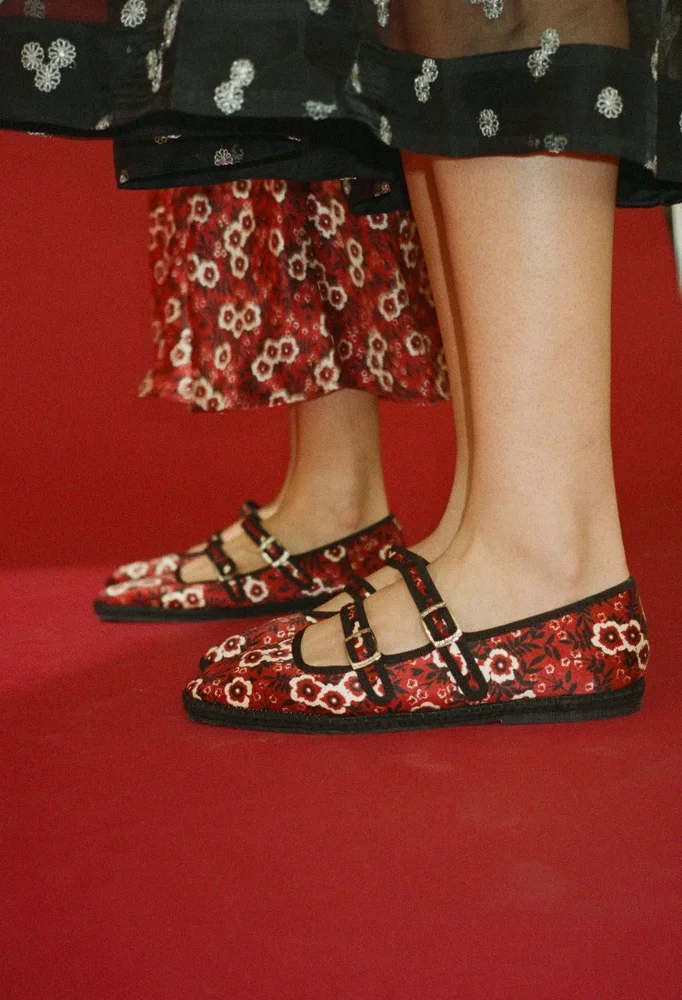
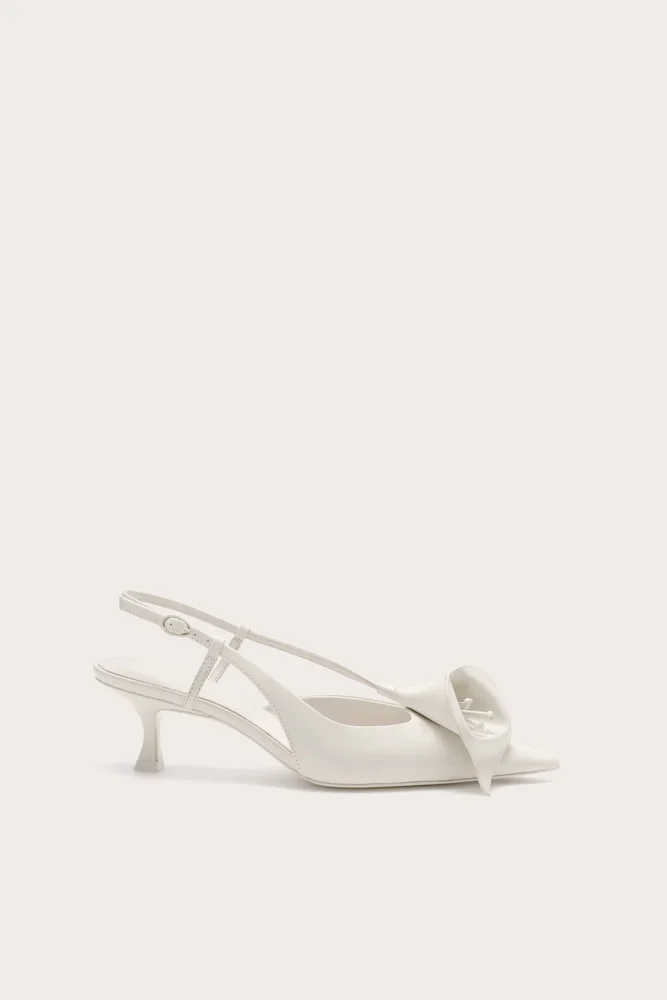
The transitional shoe as a category barely existed before the loafer crossed from Norwegian fishing slipper to American campus staple in the 1930s. Everything since, from the Mary Jane revival to the ballet flat with a hard sole, follows the same logic of a closed shoe you can wear without socks. The current preference for a chunkier sole under a classic upper is a direct inheritance from the 1990s. That combination is what makes a shoe work in September, when a boot is too committed and a sandal has stopped making sense. The lineage explains why the same four shapes keep reappearing each autumn.
Sole construction is the buying decision
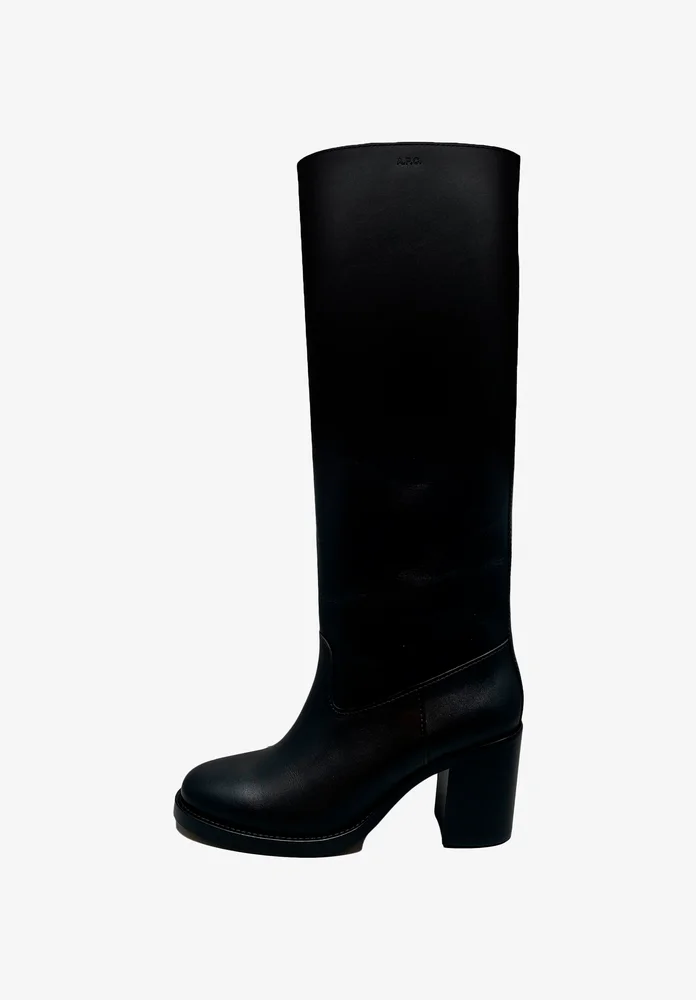
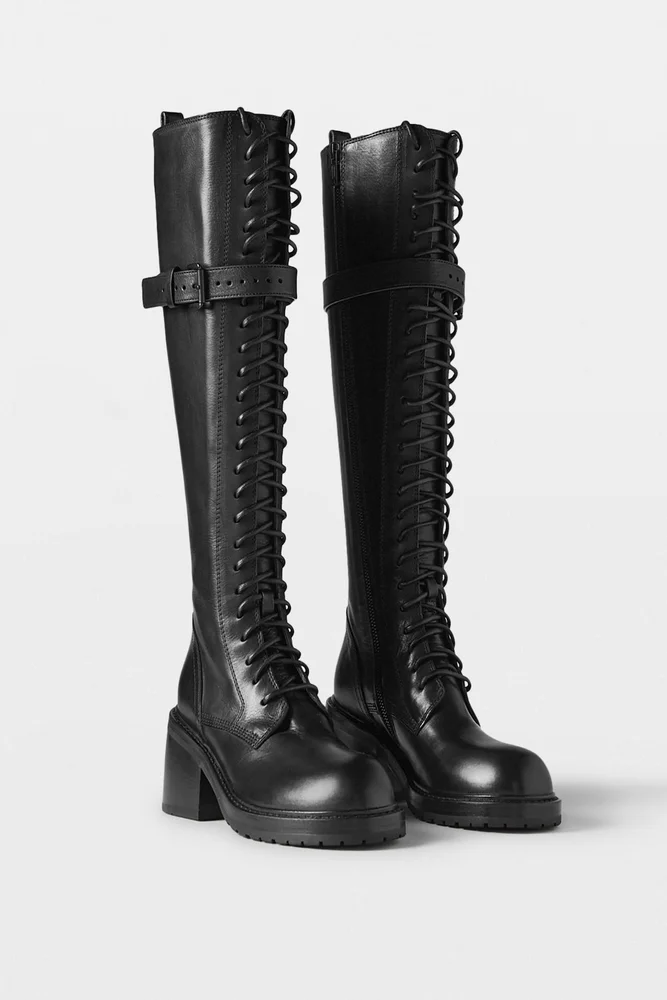
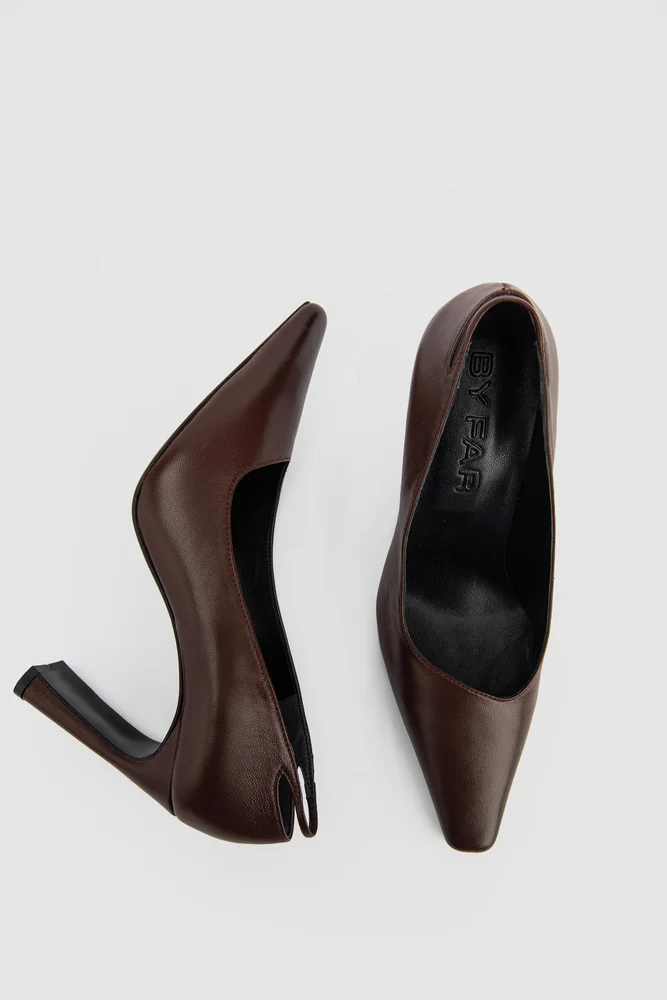
A cemented sole is glued and cannot be replaced, which caps the life of a shoe at roughly the life of its outsole. Blake and Goodyear construction stitch the sole on and can be resoled several times, which changes the arithmetic on a good pair entirely. Rubber outsoles handle wet leaves and wet pavement far better than leather, and most of autumn is one or the other. A stacked leather heel with a thin rubber topping is the compromise most decent brands land on. Ask how a shoe is constructed before asking how it looks in the second colour.
A Place To Begin
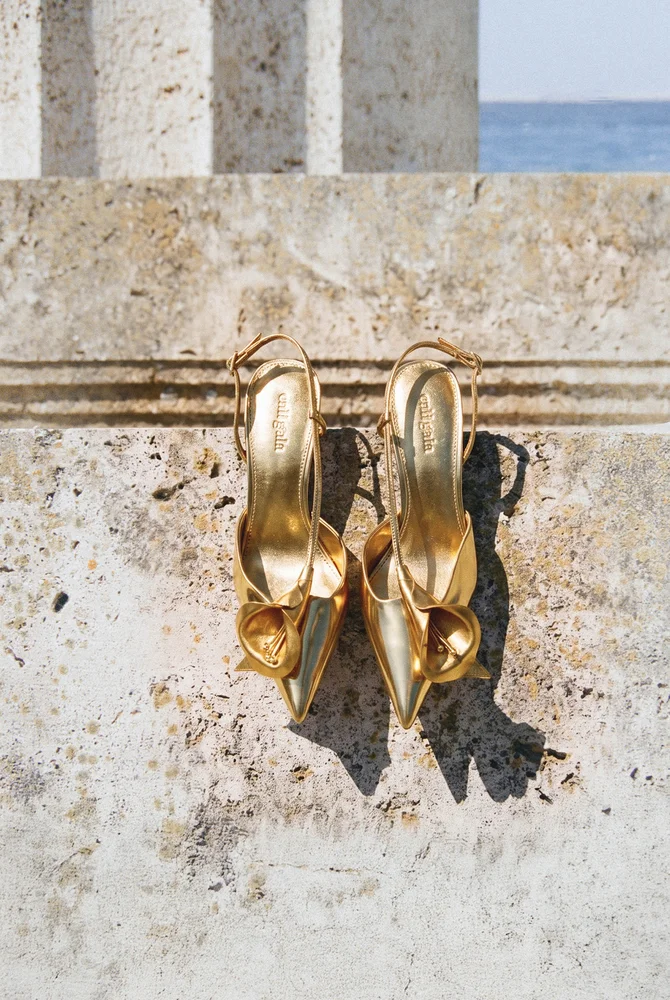
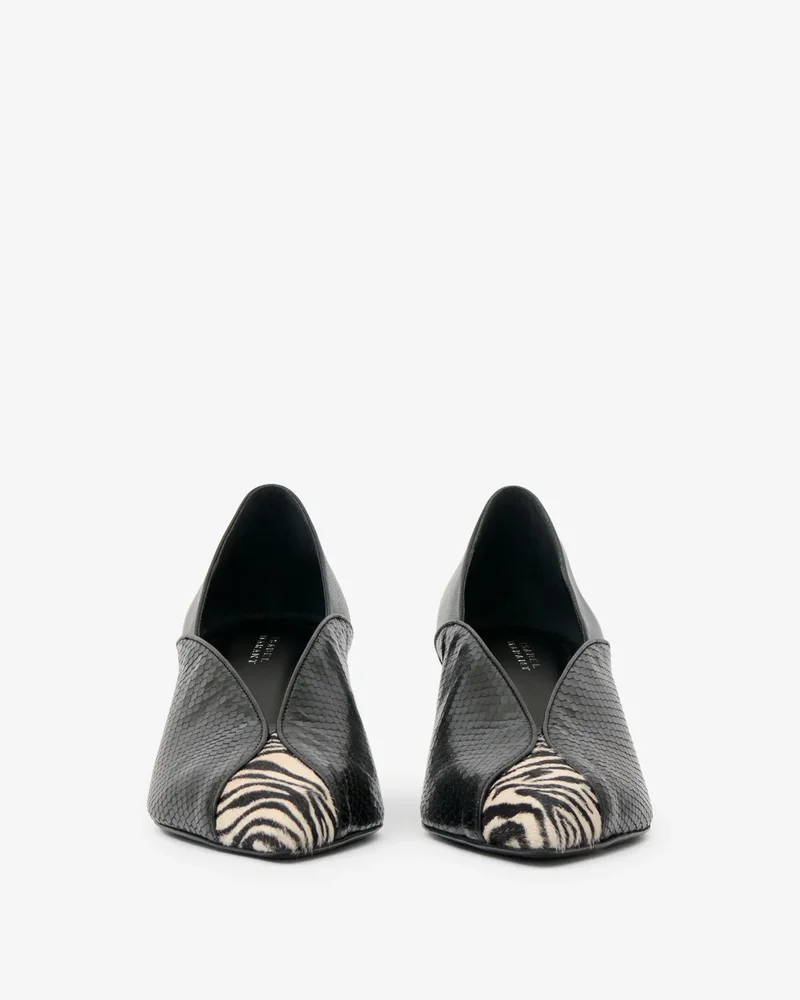
Buy the fall shoe that works with both a wide jean and a midi skirt, since that pairing is the actual autumn uniform. A loafer or ballet flat earns its place by disappearing under both, while a low boot only works when the shaft stays narrow enough for a skirt hem to clear it. Suede is the material of the season, but it needs a protective spray before the first wear and will not survive a wet commute unprotected. Favor stitched or resoleable construction over a cemented sole, because a shoe built to be repaired outlasts one built to be replaced. Anything that flatters only one half of the wardrobe is a specialist purchase, not a daily one. Pick the shoe that answers both a jean and a skirt, not the one that photographs best on its own.