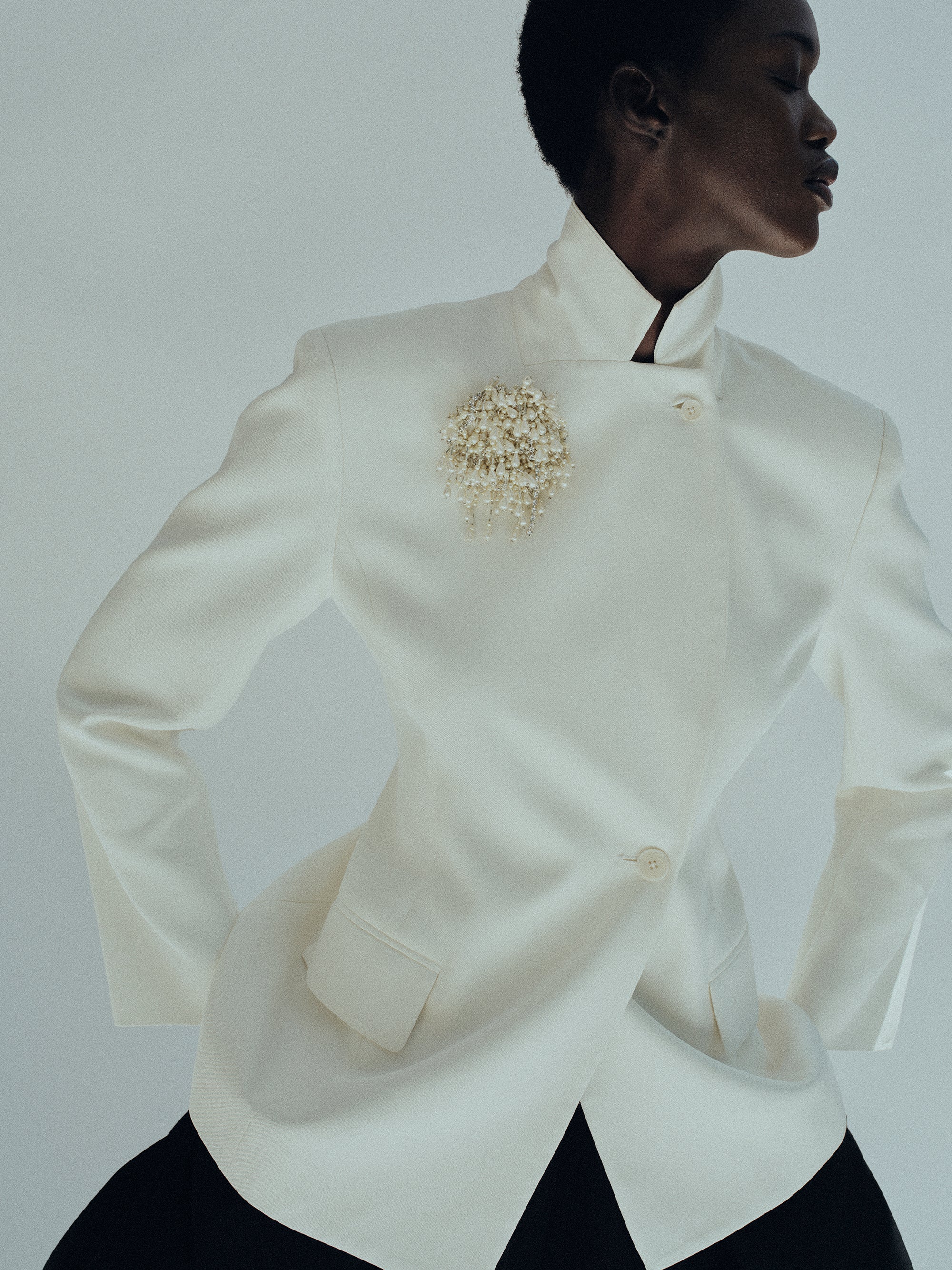
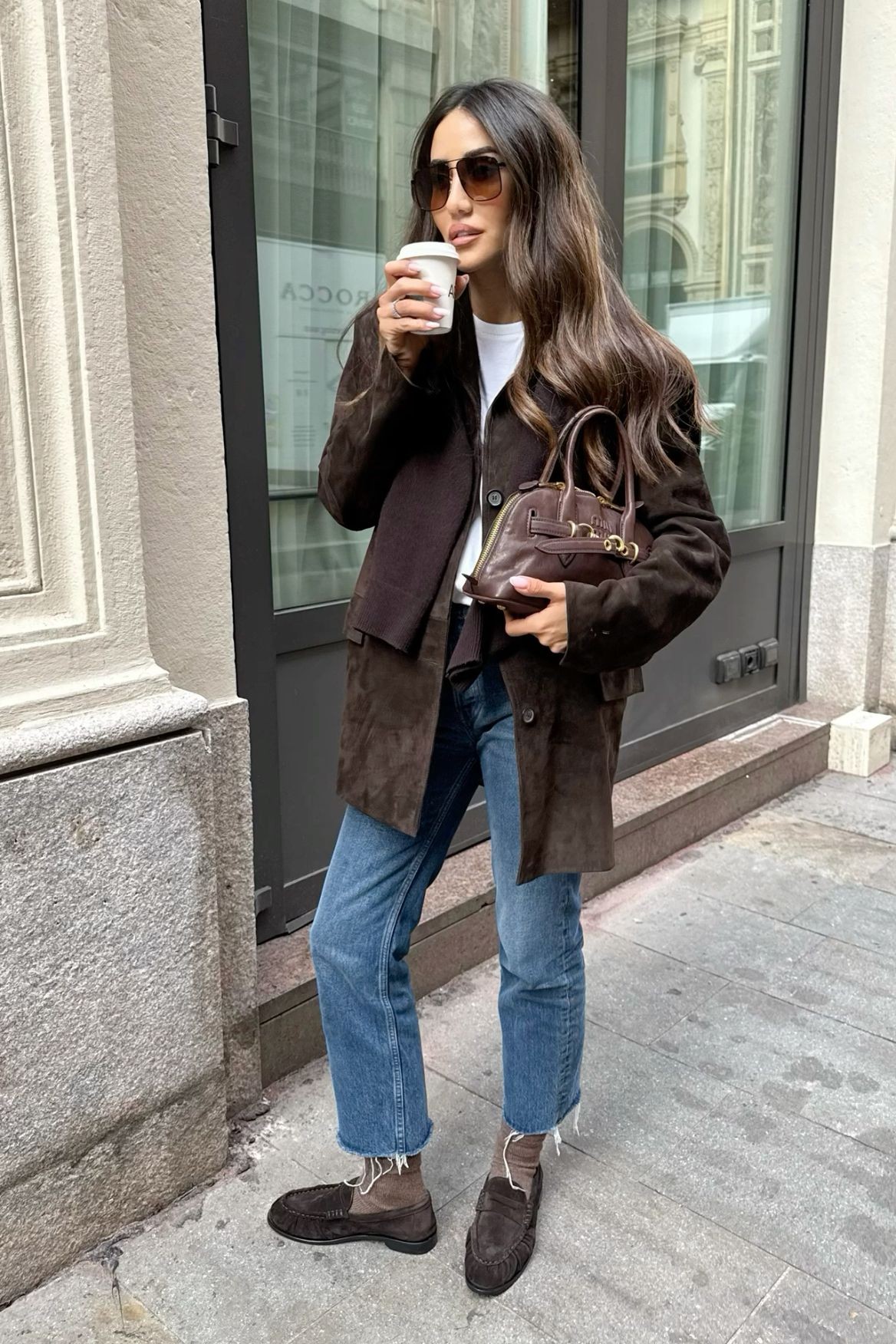
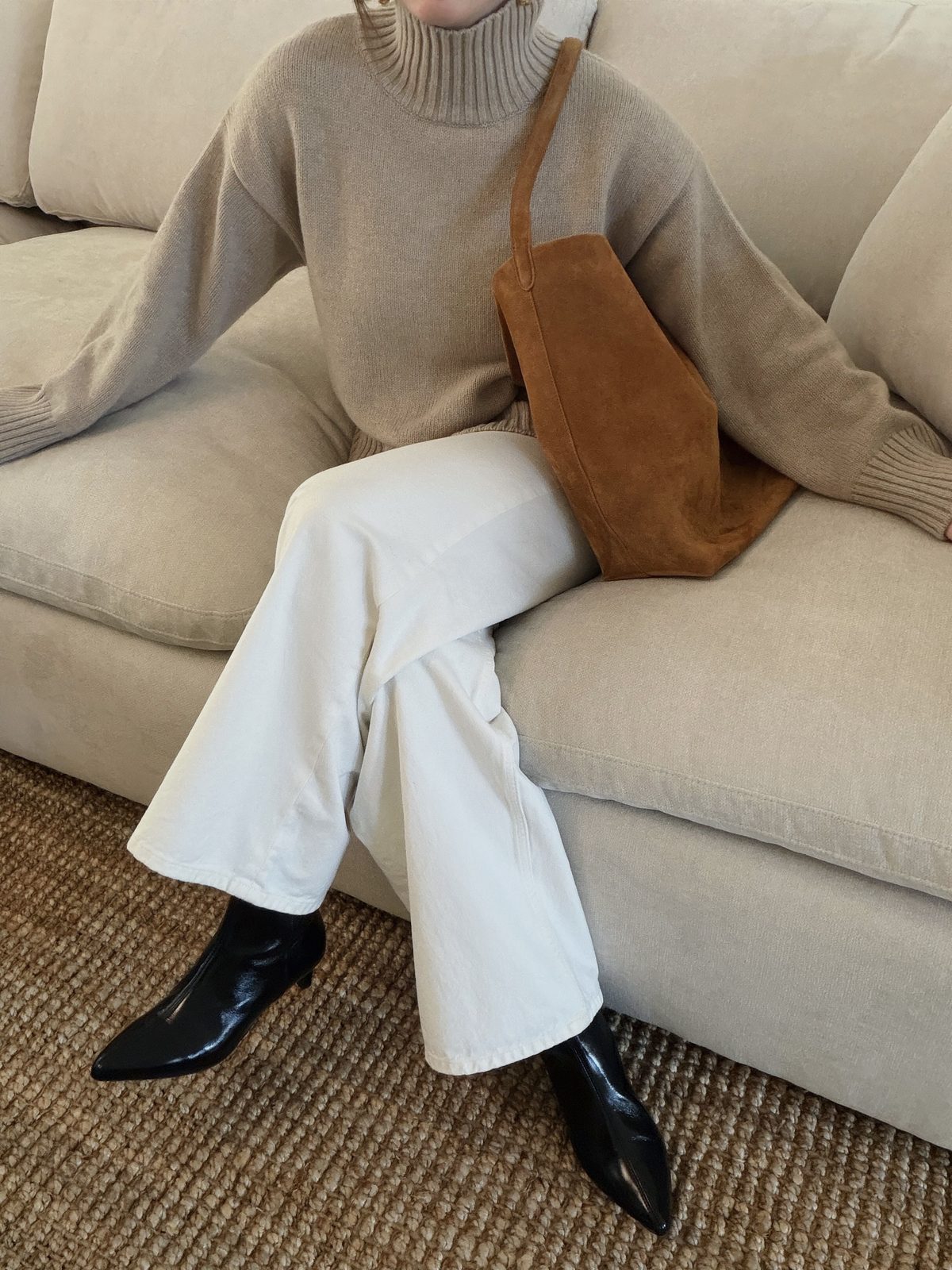
For most people the idea of a fashion stylist came from television, when The Rachel Zoe Project debuted on Bravo in 2008. The real job is mostly an edit of what already exists, and you can borrow more of it than you think. Here are three moves every fashion stylist makes and how to do them with your own closet in Phia.

Fashion Stylist: What They Actually Do and the Parts You Can Borrow
The job the TV show made visible
The Rachel Zoe Project debuted on Bravo in September 2008 and ran for five seasons, and for the first time a lot of people saw what a fashion stylist actually does. Law Roach, who went on to style Zendaya, has said he was first inspired to become a stylist while watching it.
What the show made visible was the glamour: the fittings, the racks, the pulled pieces. What it made less visible was the logic underneath, which is mostly editing. A fashion stylist looks at what is available, decides what belongs together, and says no to nine things for every one they say yes to.
Confession #1: the best styling advice I ever got came from a friend who does this for a living and bought me nothing. She pulled three things from the back of my wardrobe and put them together.
Install Phia for free on iPhone, or add the Chrome extension.
Move one: take stock before you touch anything
Every fashion stylist begins with an inventory. Not a shopping trip, an inventory. What do you own, what repeats, what has never left the hanger.
That is the step most people skip, because counting a closet is a chore. Phia does it for you. Connect Gmail and it turns retailer order confirmations into closet items with photos, instant camera roll sync adds clothes you have already photographed, and your whole wardrobe lands in one place you can scroll.
It is surprisingly clarifying. Two years of purchases in order, with a photo of every piece, tells you things about your taste that no mood board will.
Move two: build around one piece
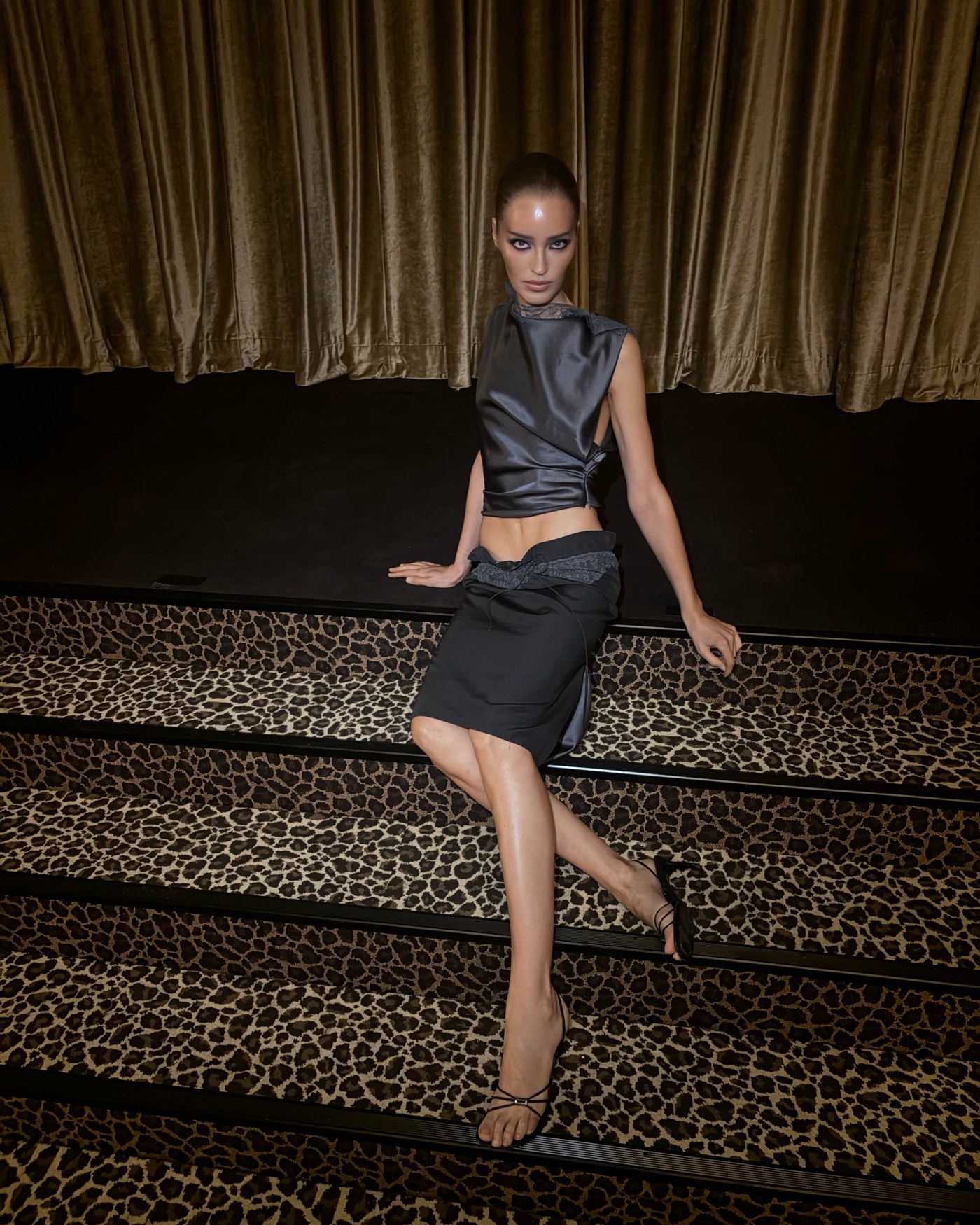
A stylist rarely starts with a blank page. They pick an anchor, the jacket, the skirt, the boots, and build outward until the look makes sense.
Phia's Style from one item does exactly that. Choose a piece from your closet and it builds a full outfit around it, using other things you own. It is the one I use most, because it answers the question I actually have, which is how to wear the thing I bought.
Generate outfit is the other option, building several looks at once from scratch. Style from one item is a conversation. Generate outfit is a brainstorm.
Install Phia for free on iPhone, or add the Chrome extension.
Move three: write down your rules
Good stylists have rules, and they know their clients' rules too. Never blue with black. Brown and black, always. Nothing that needs ironing.
In Phia's Style analysis there is a Styling rules section where you can add up to ten of your own, and Phia keeps them in mind when it suggests outfits. Style analysis also describes your style in a short paragraph and lists your top colors, vibes and top brands, so you can see what a stylist would see.
What I would skip: rules you wish were true. Write the ones that describe the clothes you actually reach for.
When to hire the human
A fashion stylist is worth hiring for the big days and the big resets, a wedding, a shoot, a new job, a closet that no longer fits your life. A human sees you in a room and reads things an app cannot.
For everything else, borrowing the method gets you most of the way. Take stock, build around one piece, write your rules. When a look shows a gap, Phia compares prices across more than 220,000 sites, new and secondhand, so the piece you do add is at the best price.
To try the method, download the free Phia app, connect Gmail and open the Outfits tab. If you are thinking about the human route, How to Find a Personal Stylist is where I would go next.