This edit of Frye Campus boots covers the 14L in leather, suede and color, the style twists, the harness and engineer boots and the tall riding pairs. I am starting with the story of a Marlboro shop that made boots for factory workers.
Frye Campus Boots: The 1970s Campus Look That Reached the Smithsonian
This edit of Frye Campus boots covers the 14L in leather, suede and color, the style twists, the harness and engineer boots and the tall
A shop on Elm Street, 1863
In March 1863, John A. Frye opened a small shop on Elm Street in Marlboro, Massachusetts. The shoes he made were not fashion. They were meant to ease the daily working lives of the hundreds of factory workers in that small New England town. Hold that thought, because it explains a lot about the boots people now line up for in October.
Frye's own history says the Campus boot, with its bulky toe and chunky heel, came to epitomize the attitude and styles of the 1960s and 1970s, and that in 1975 the company donated a pair to the Smithsonian as a representation of the era. That is a strange fate for a boot built on a work-shop idea, and I like it more for that. Frye Campus boots still carry the same plain logic: a stacked heel, a Goodyear welt, a shape that does not apologize.
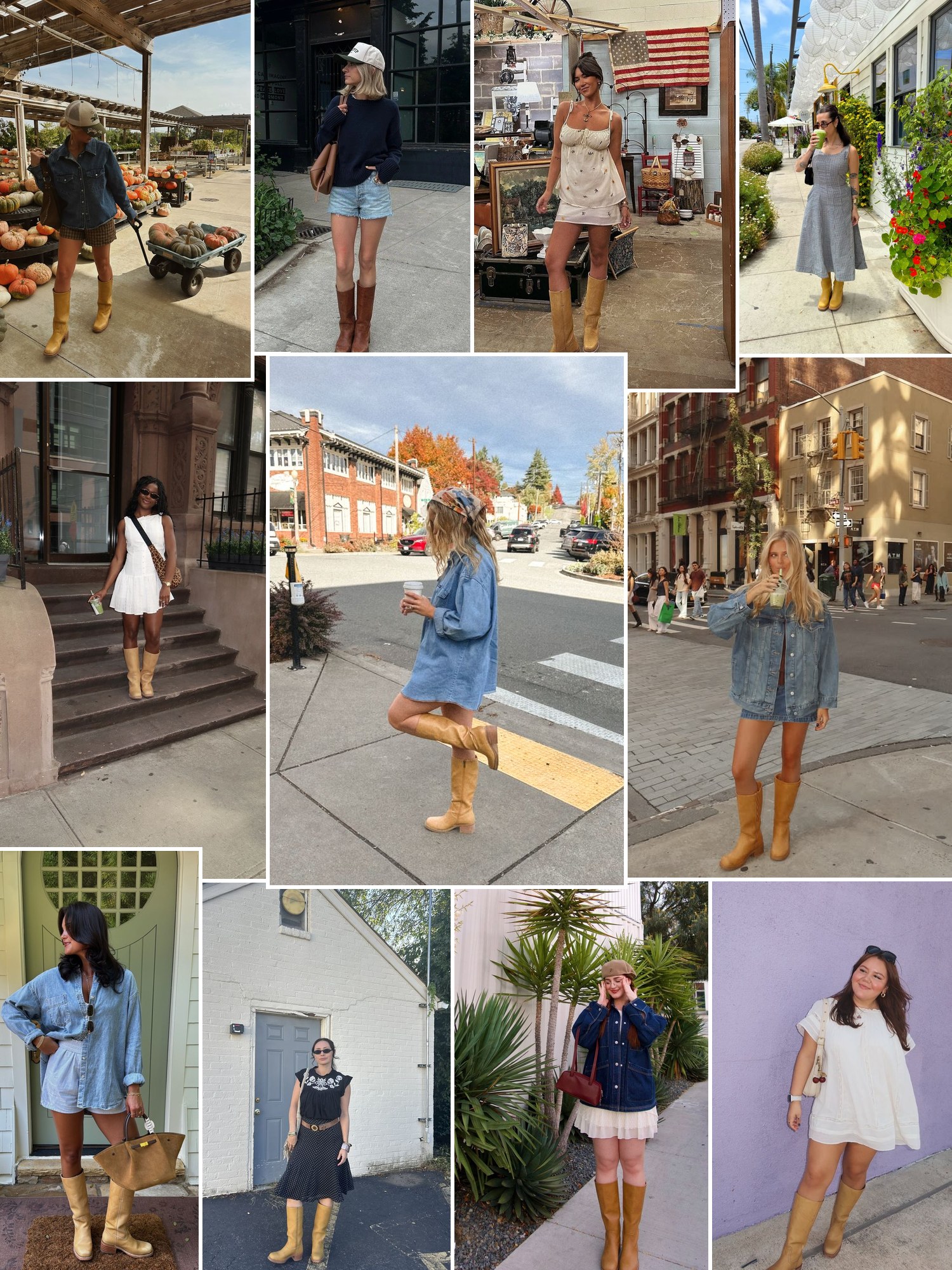
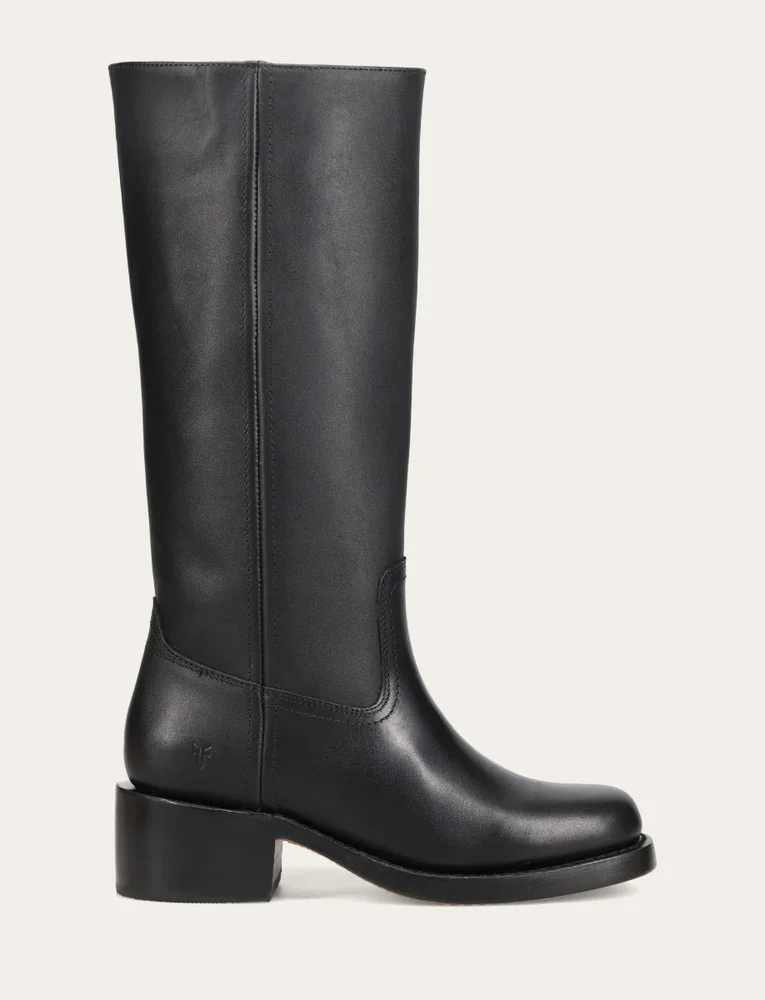
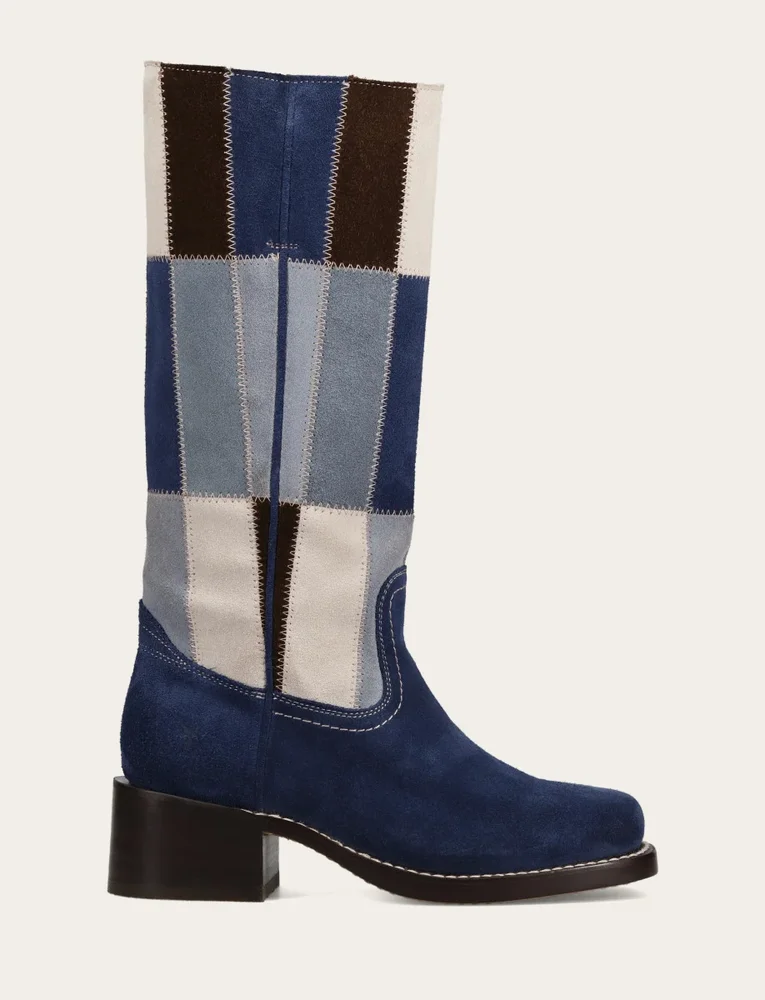
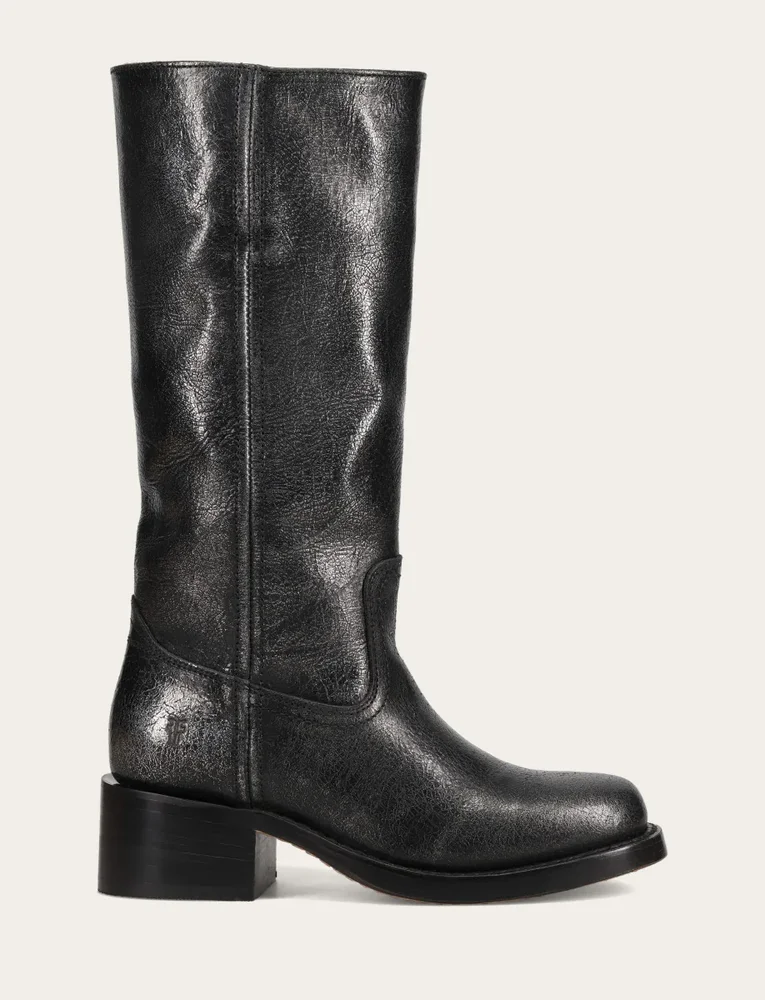
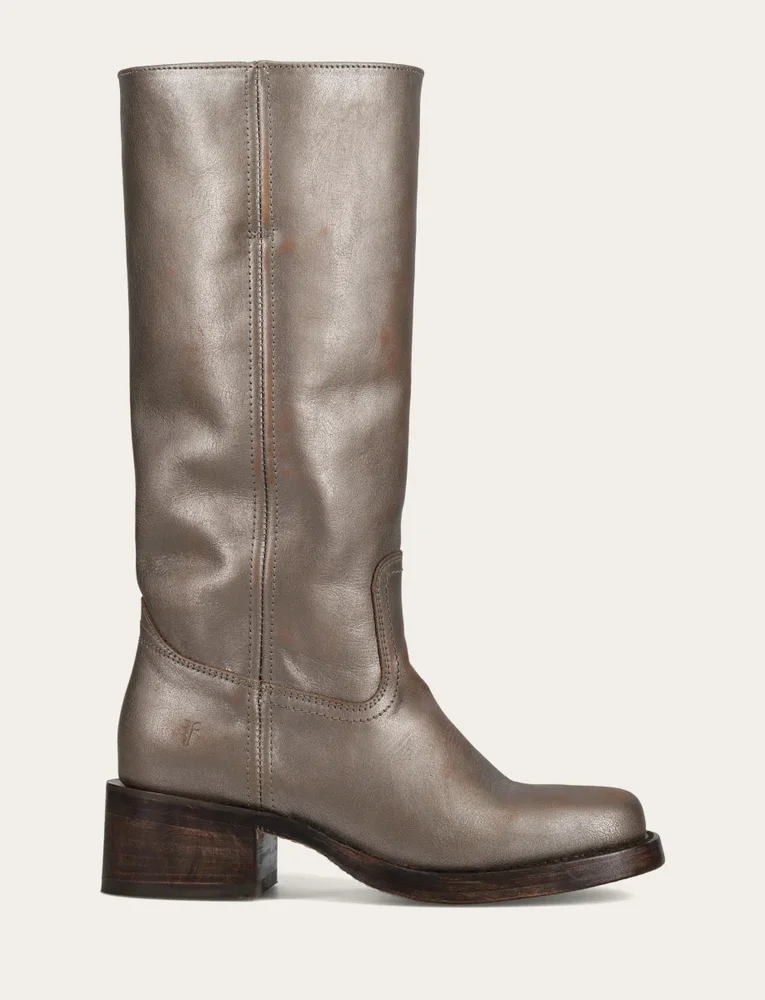
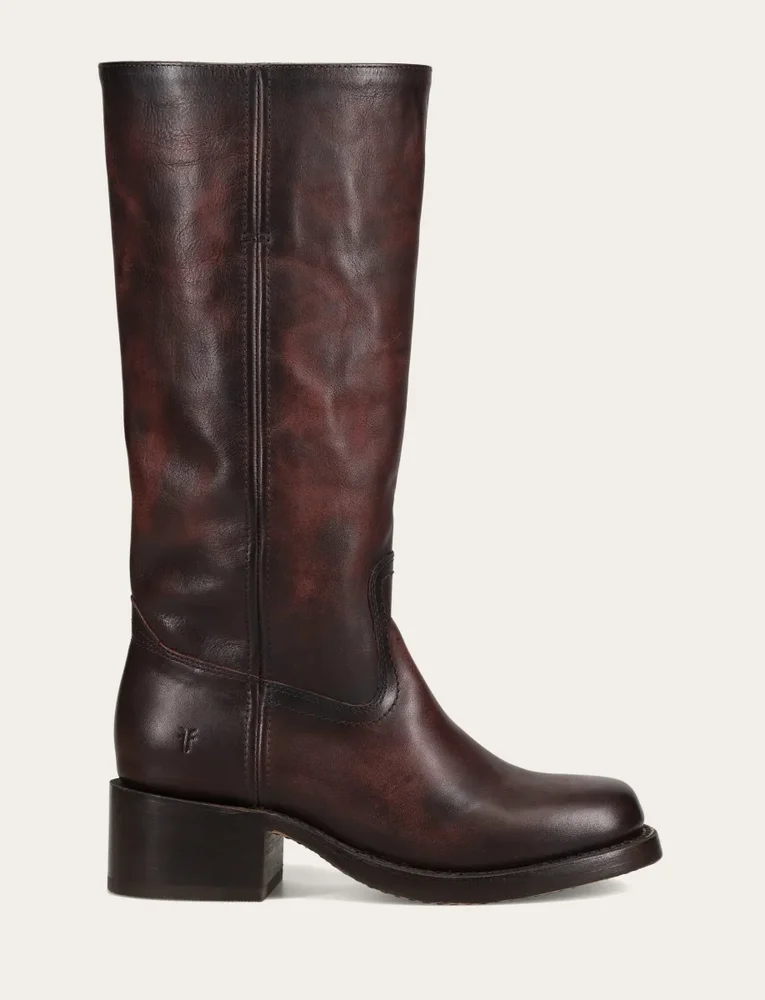
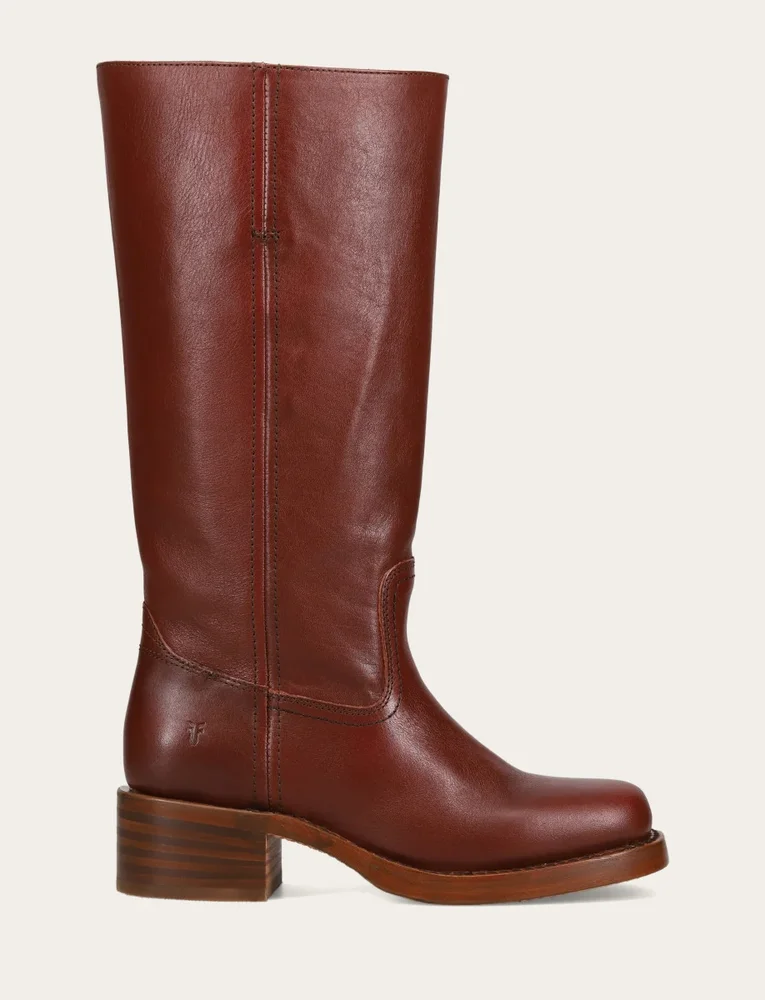
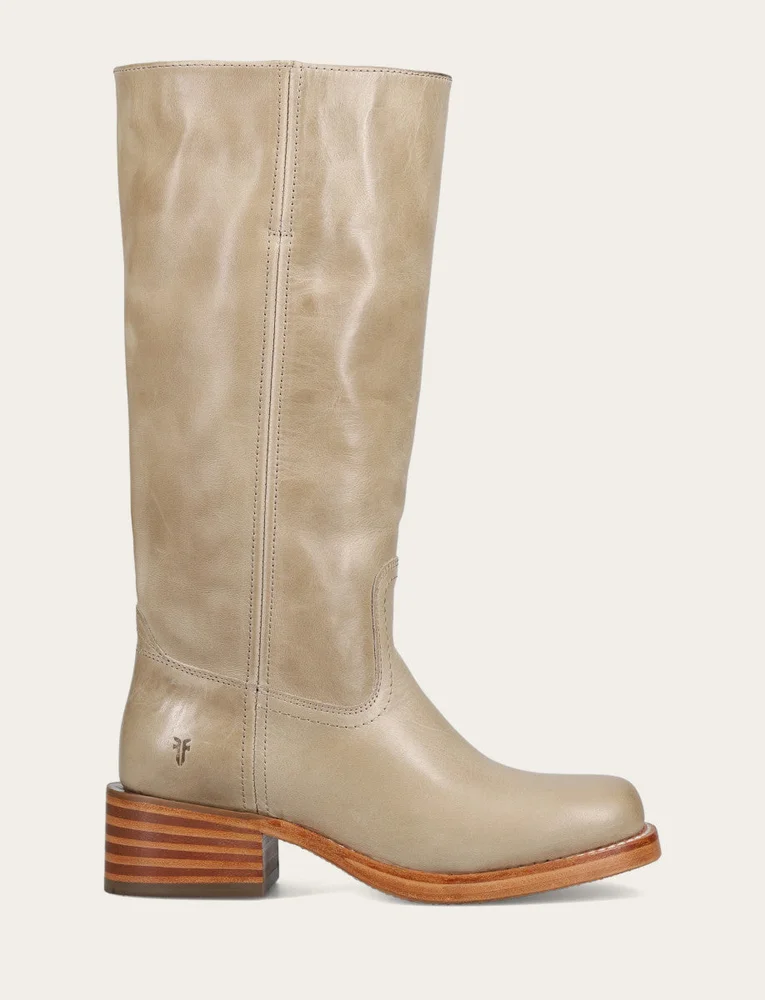
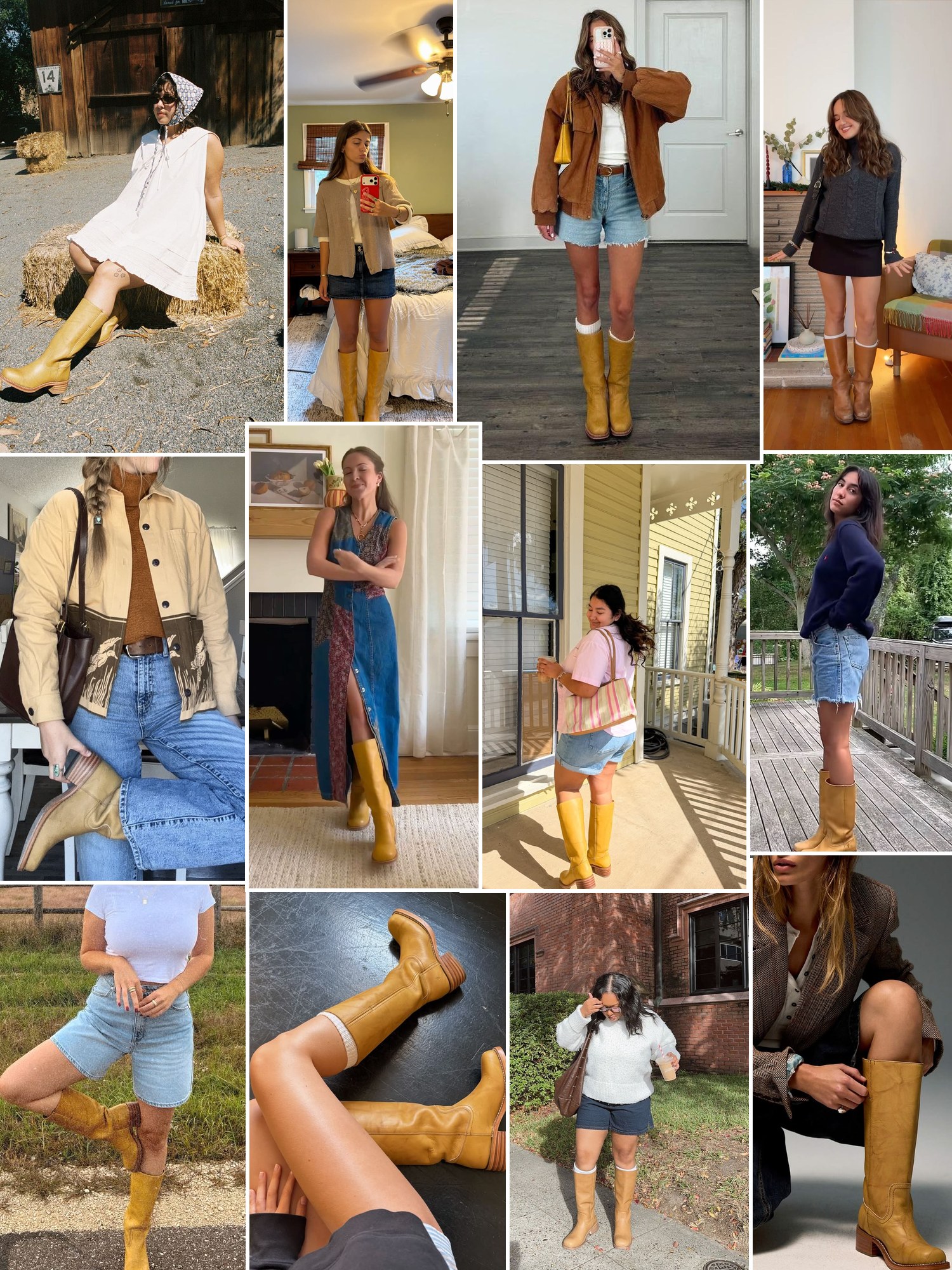
The first group is the Campus 14L in its purest form, and the first thing I would do is pick a leather. The Black and the Saddle are the ones I would hand to anyone who owns one pair of boots. The wide calf Banana and Bourbon exist for legs that never fit a pull-on, which is a real kindness. The Patchwork in Rose Multi and Blue Multi swaps in soft suede panels for a very 70s mood, and the Metallic Antique Silver and Metallic Stone are the ones for a plain black dress.
Practical tip for this month: wear them with tights and a short wool skirt, or with straight jeans tucked in at the top. Leave the pant leg slim so the toe shape does the talking.
Frye Campus 14L boots
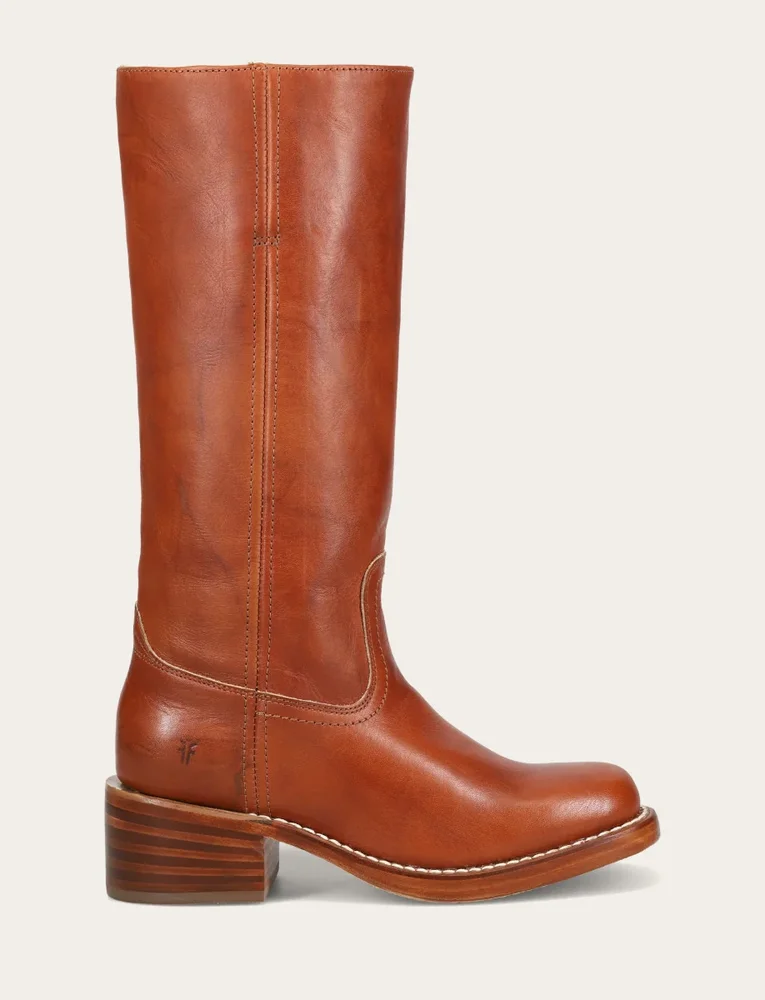
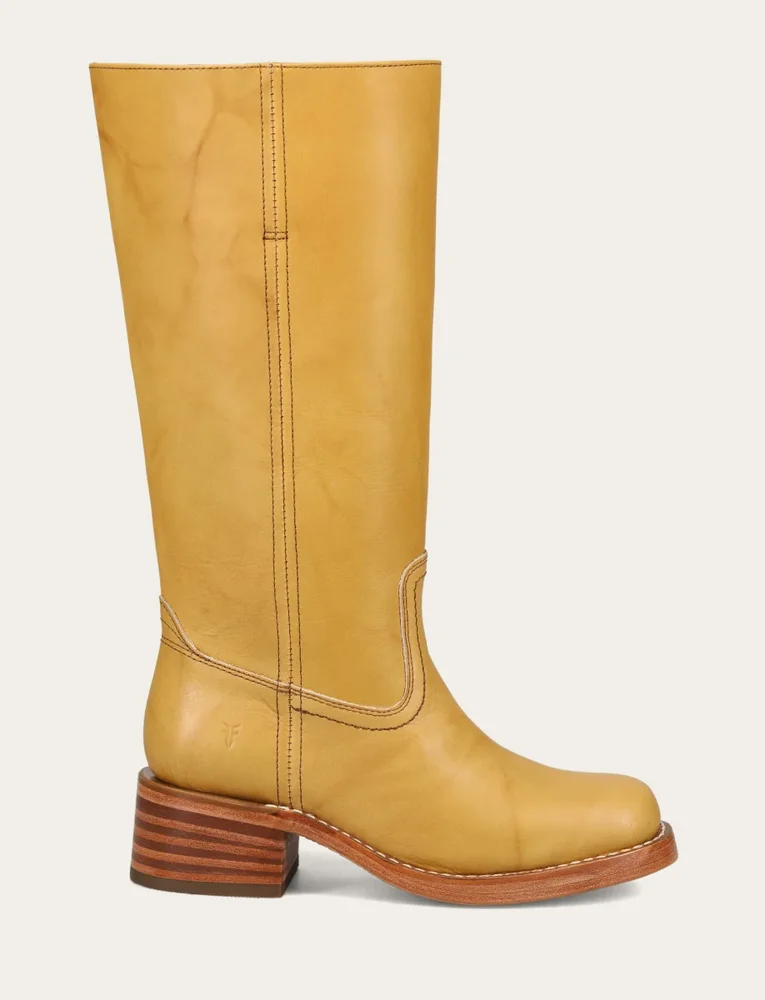
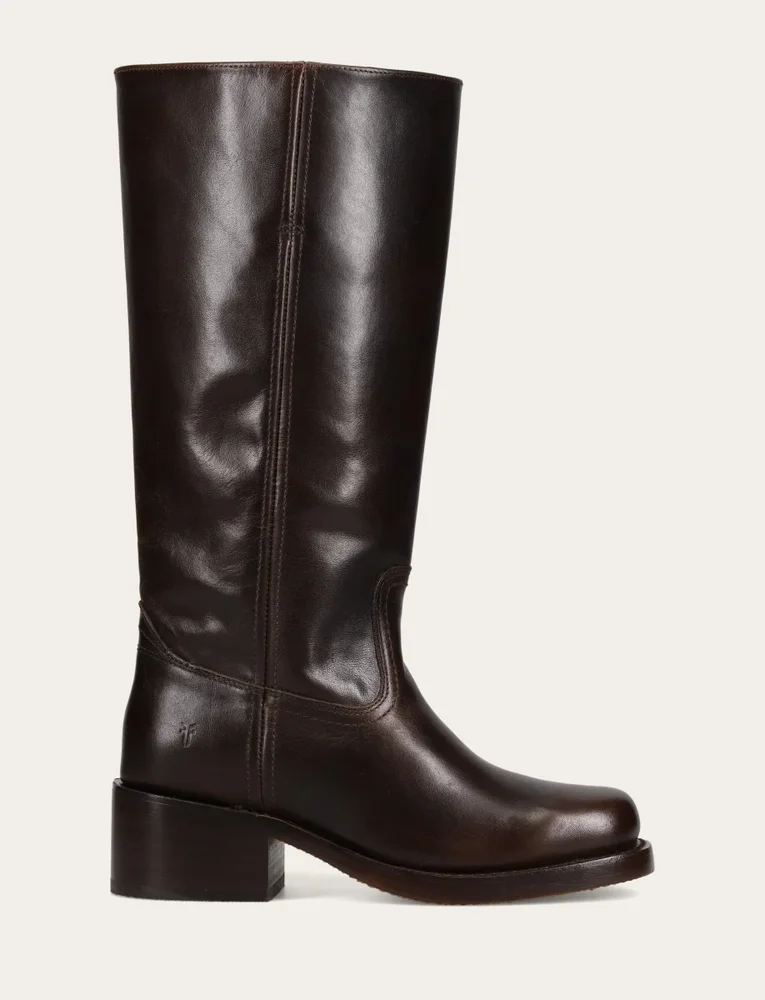
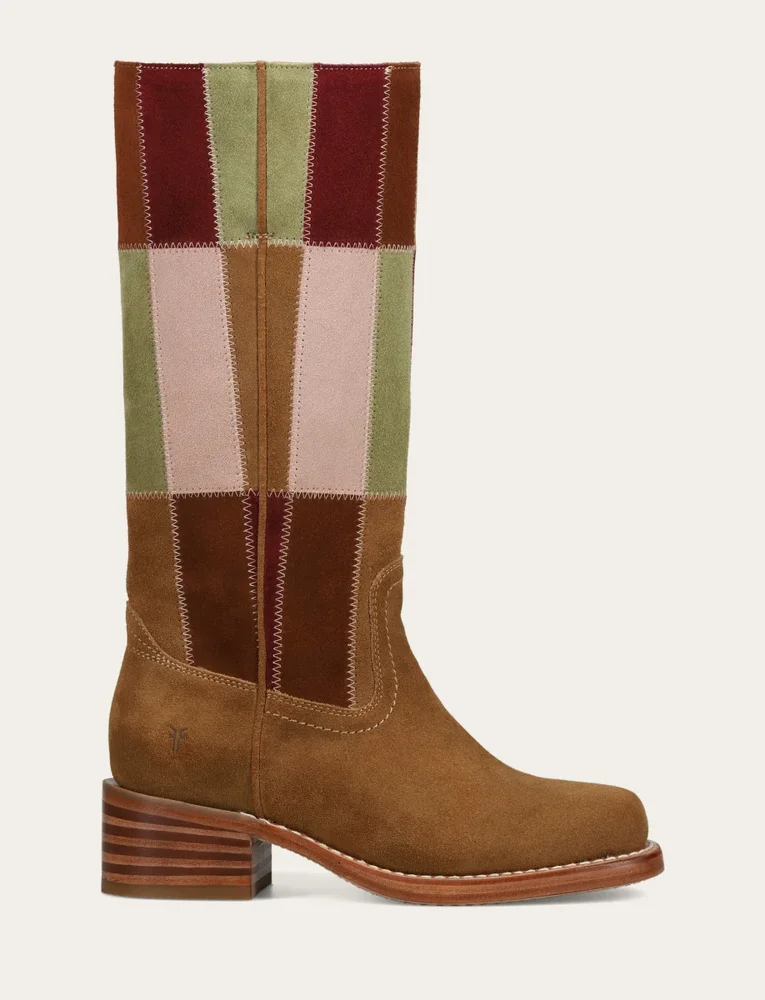
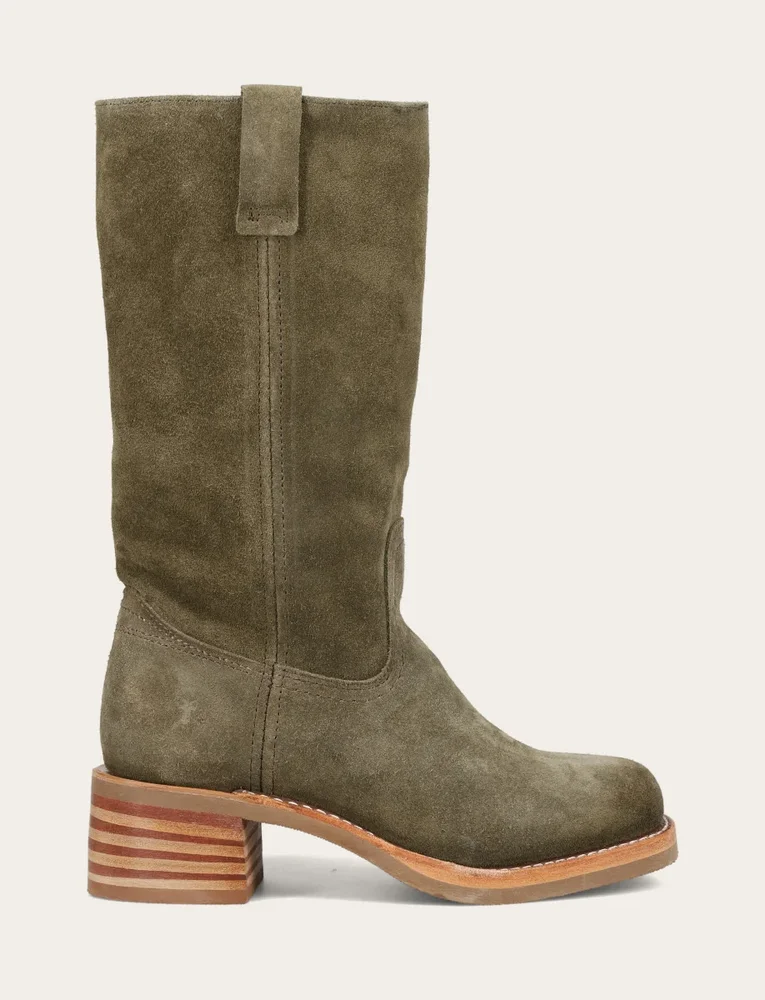
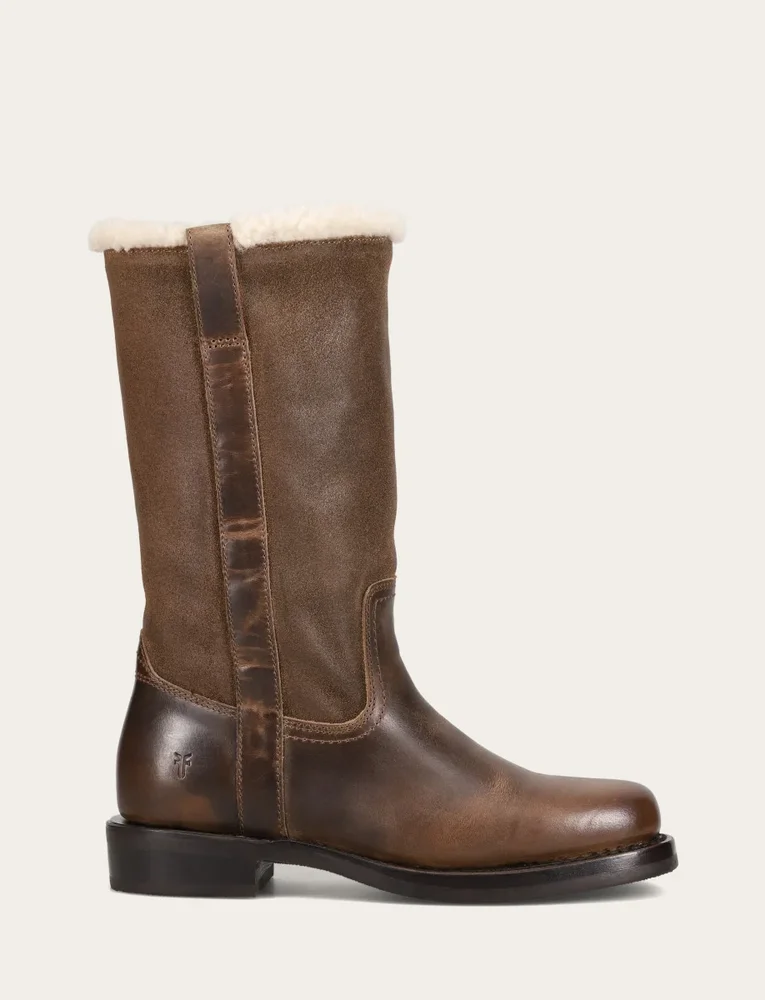
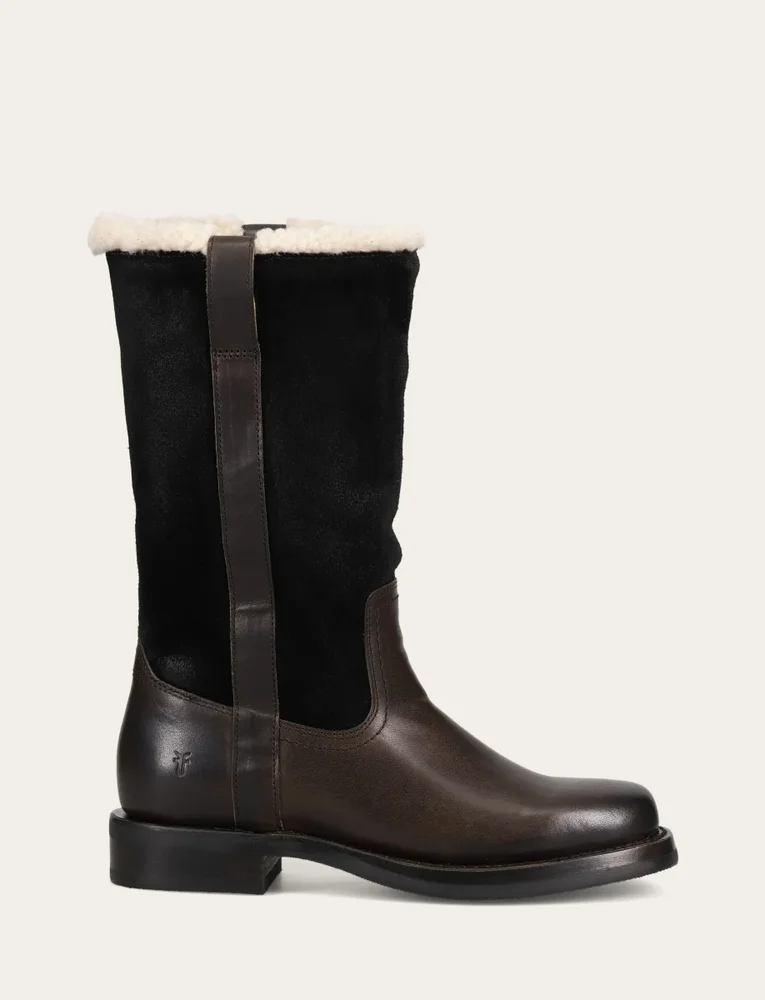
Suede, color and shearling Campus boots
A boot that has been resoled before it has been loved is a good boot, and that is the argument for the Goodyear welt Frye talks about: it is one of the sturdiest footwear constructions and it lets the boots be repeatedly resoled. Every pair in this group has it, so the colors are the only decision left.
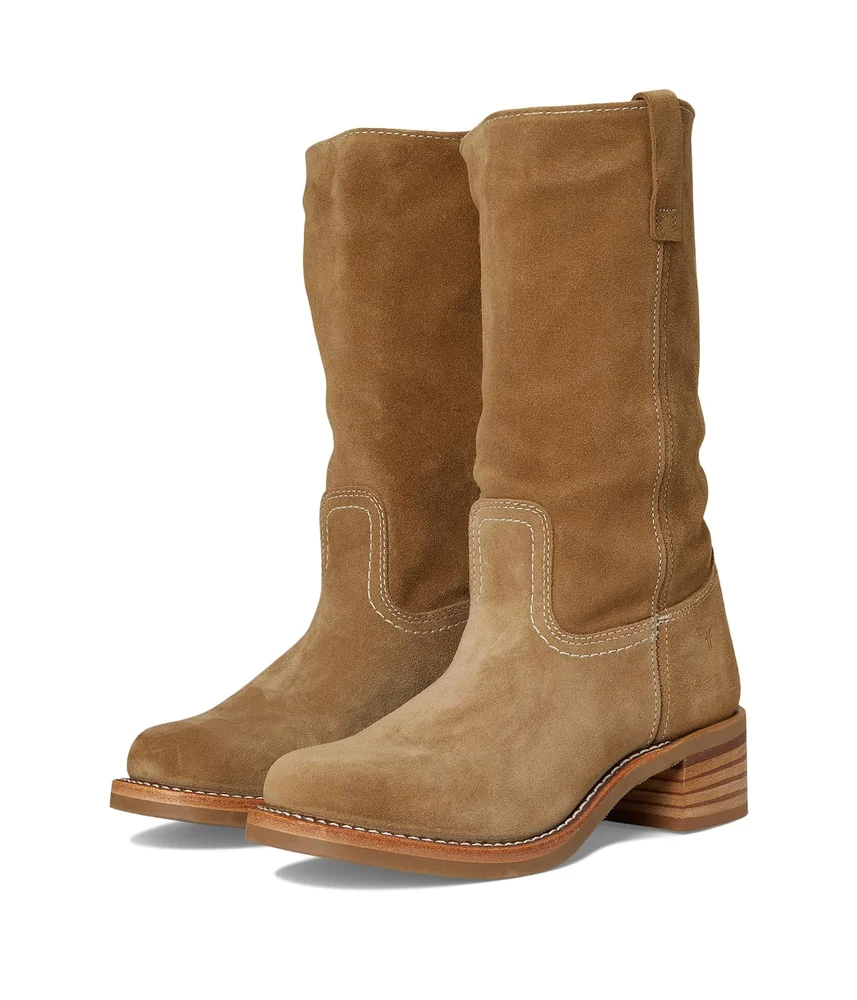
Start with the suede. The Campus 12R in Olive and in Tan Buck is a shorter, slouchy mid-calf with easy pull tabs, softer in mood than the 14L. I would wear the Tan Buck with a corduroy skirt and a thick sock, and the Olive with dark denim and a cream knit.
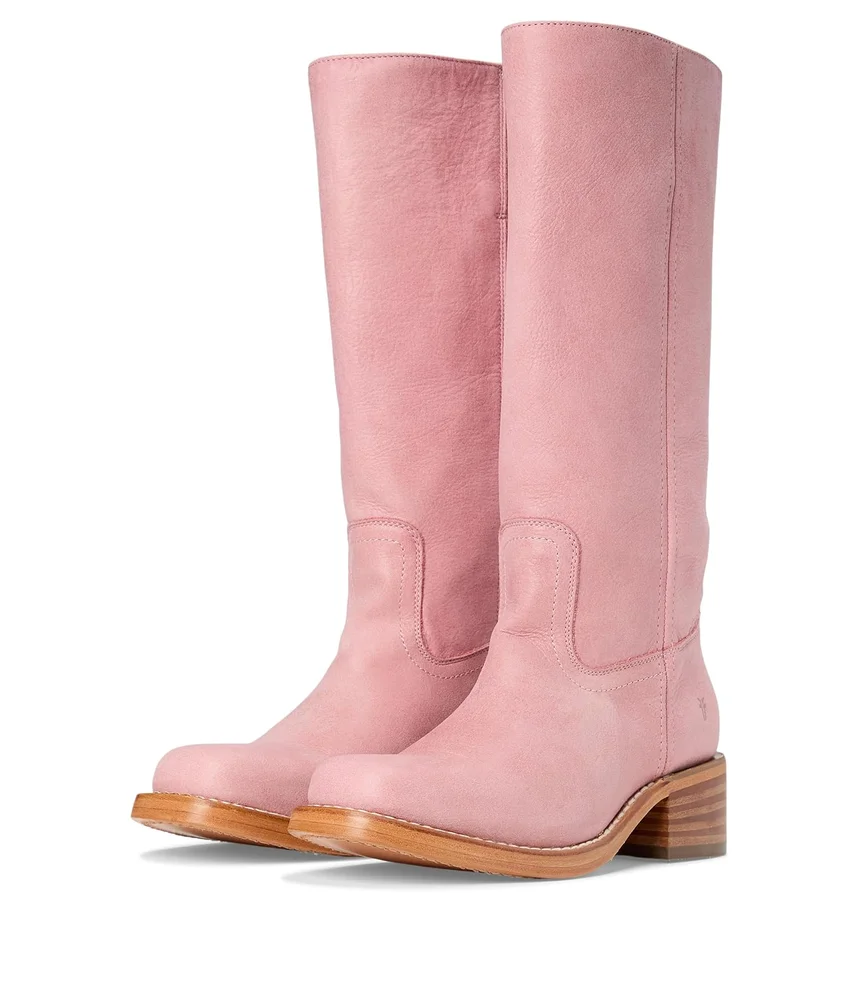
Then the color. The Campus 14L in Pink is the playful one, and Cherry Lacquer is the one I would choose if I wanted a red boot that still passes for a neutral. The wide calf Garnet and Eucalyptus give the same chunky toe and stacked heel to a wider shaft, in two deep shades that suit autumn well. For cold mornings, the Campus Low Heel Mid in Dark Taupe and Black has a shearling-lined shaft, a square toe and a low stacked heel.
In the fitting room, pull the shaft over your jeans and sit down. If the top edge bites the back of your knee, size the calf up. What I would skip: the pink pair if your closet is all navy and gray, since it will sit alone.
Chelsea, deco stitch and buckle twists
Frye makes its cousins of the 14L slightly louder than the original, and this group is where they live. They keep the chunky heel and the welted build but change the details, so the one question is how much attention you want your ankle to get.
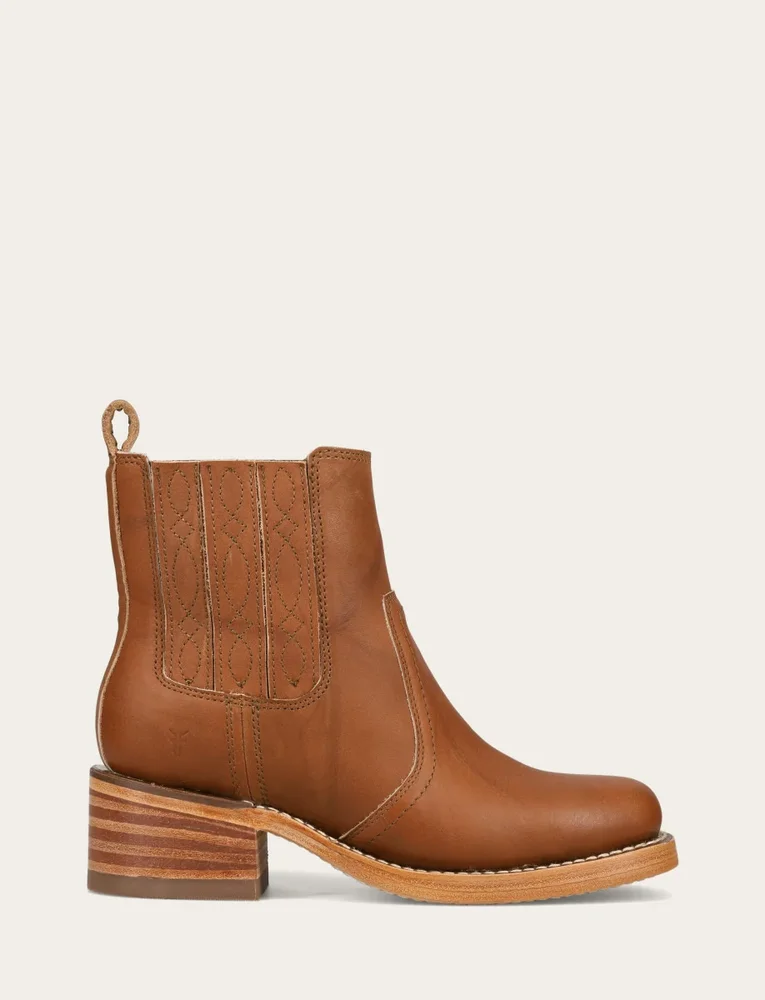
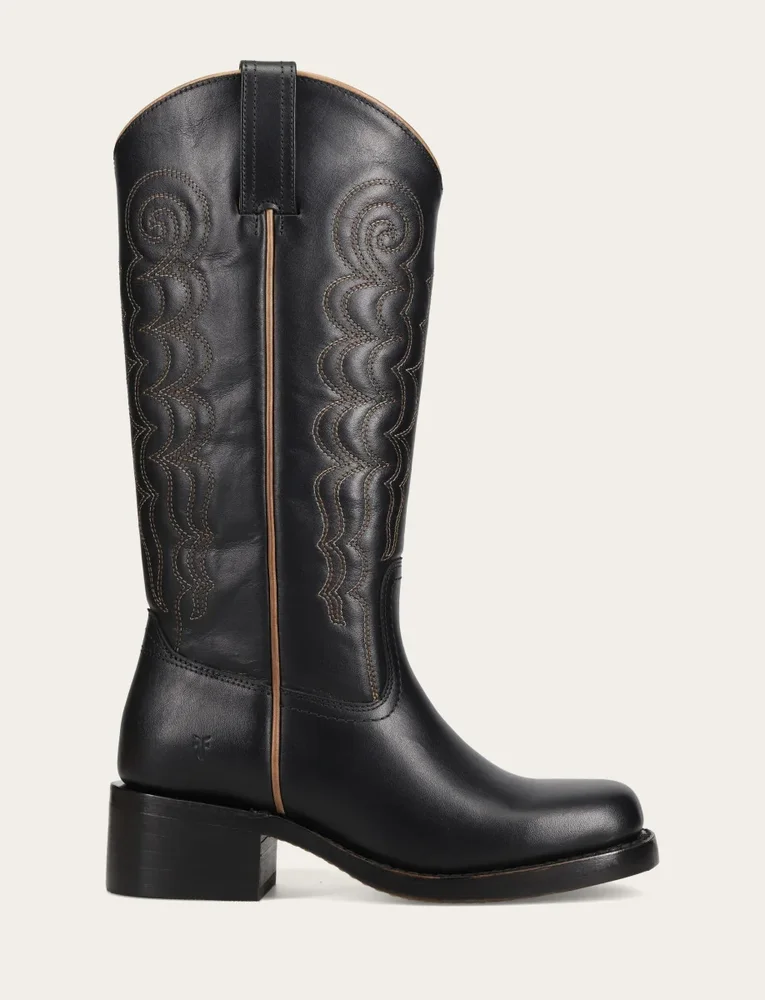
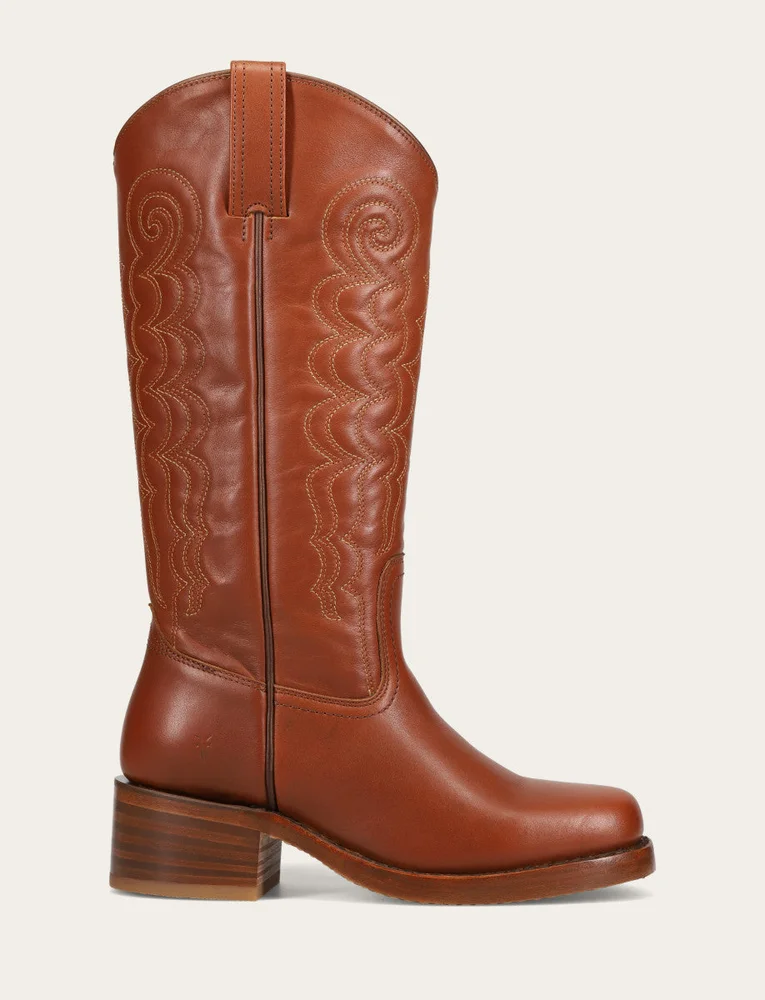
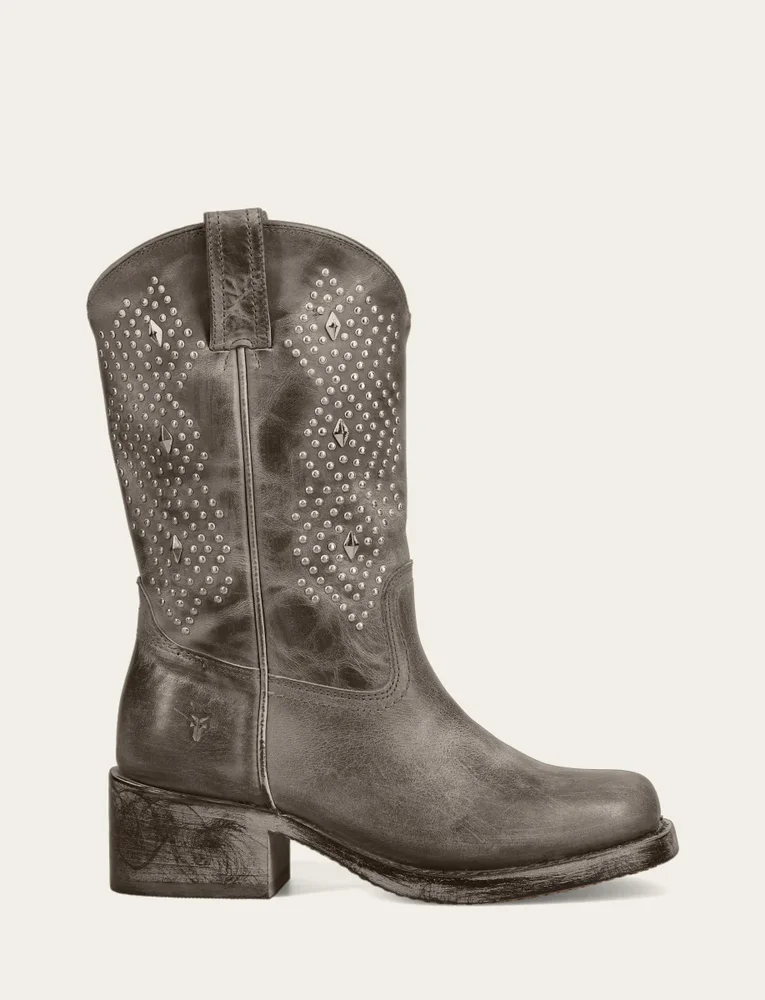
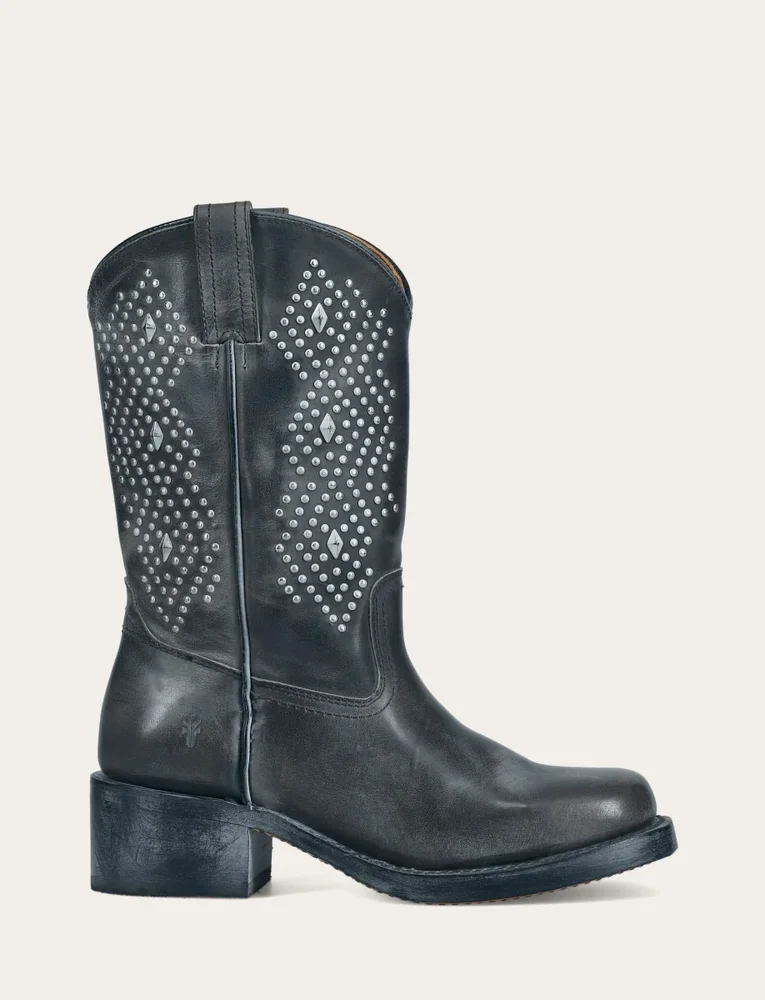
The Campus Chelsea in Saddle is the quiet one: an ankle boot with elastic gussets and a block heel, no pull strap to fuss with. I would wear it with cropped trousers and a long coat. The Deco Stitch pair, in Black and Walnut, is a knee-high Western boot with decorative stitching and a round toe, and it wants a plain skirt so the stitching can show. The Deco Stud boots in Dusty Taupe and Off Black are mid-calf with studded detailing, and I would put them under wide jeans and let the heel peek out.
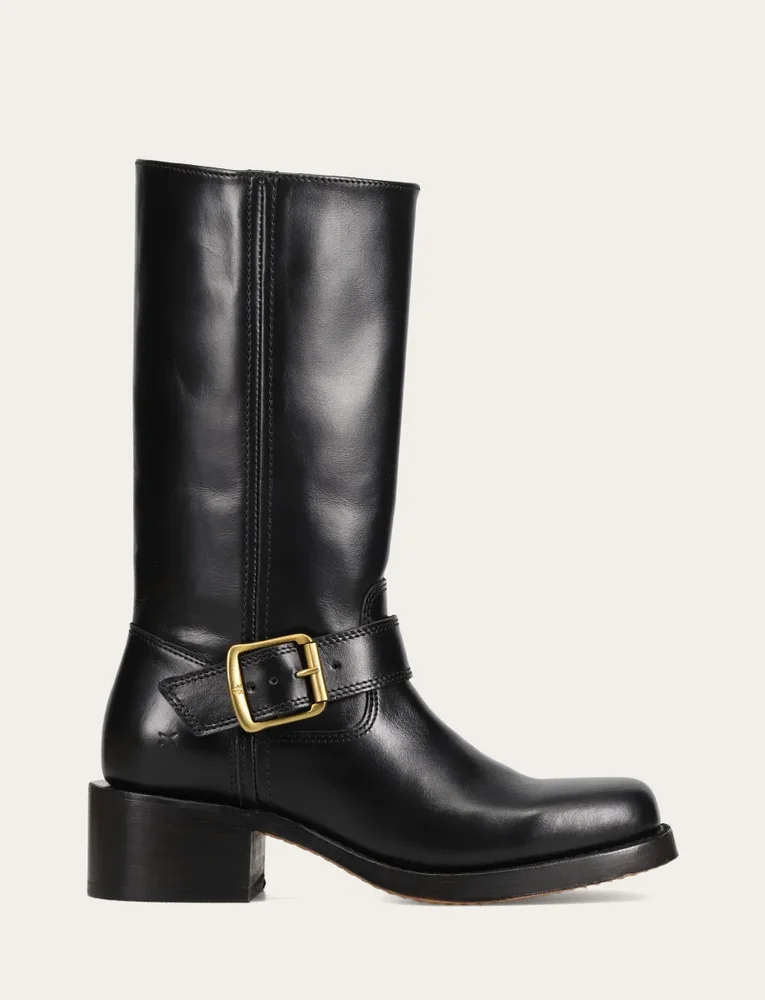
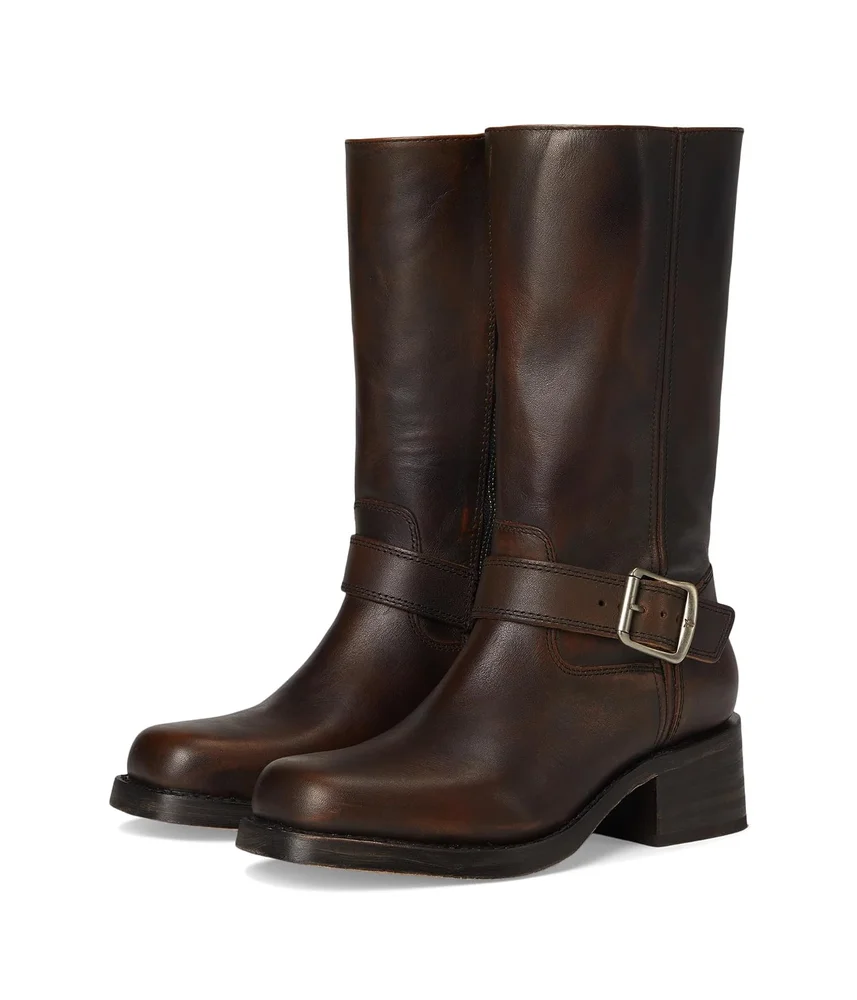
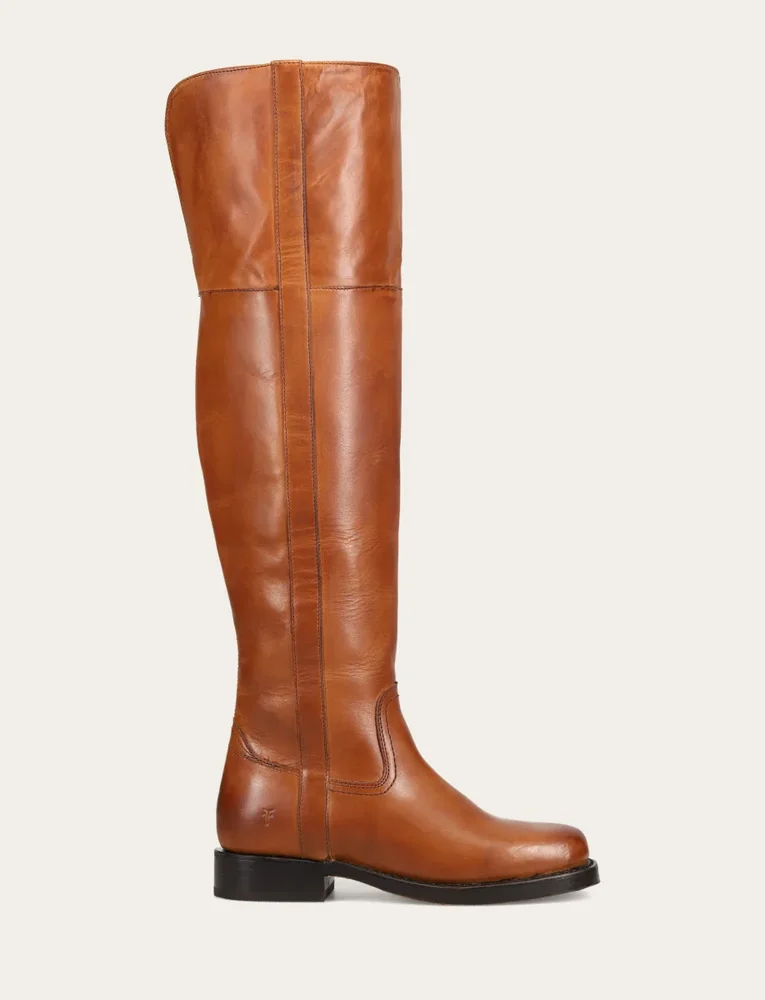
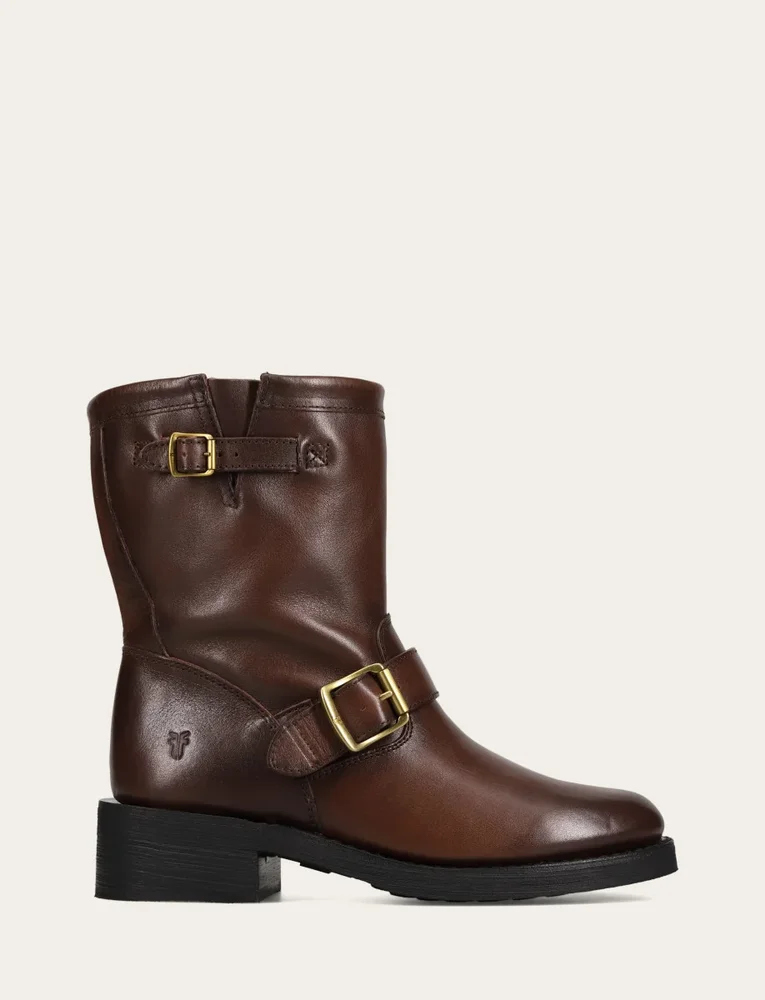
Then the Campus Buckle in Black and Dark Brown, a moto-style mid-calf with buckle straps. They sit between a Western and a biker boot and look good with a leather jacket and plain black leggings. For drama, the Campus Low Heel Over The Knee in Cognac is an over-the-knee take on the Campus with a low heel, and it works with a sweater dress and nothing else.
Check the buckles and studs sit flat against the shaft when you walk. What I would skip: the over-the-knee pair if you plan to wear it with long coats that bunch at the thigh.
Harness and engineer boots, the heavier cousins
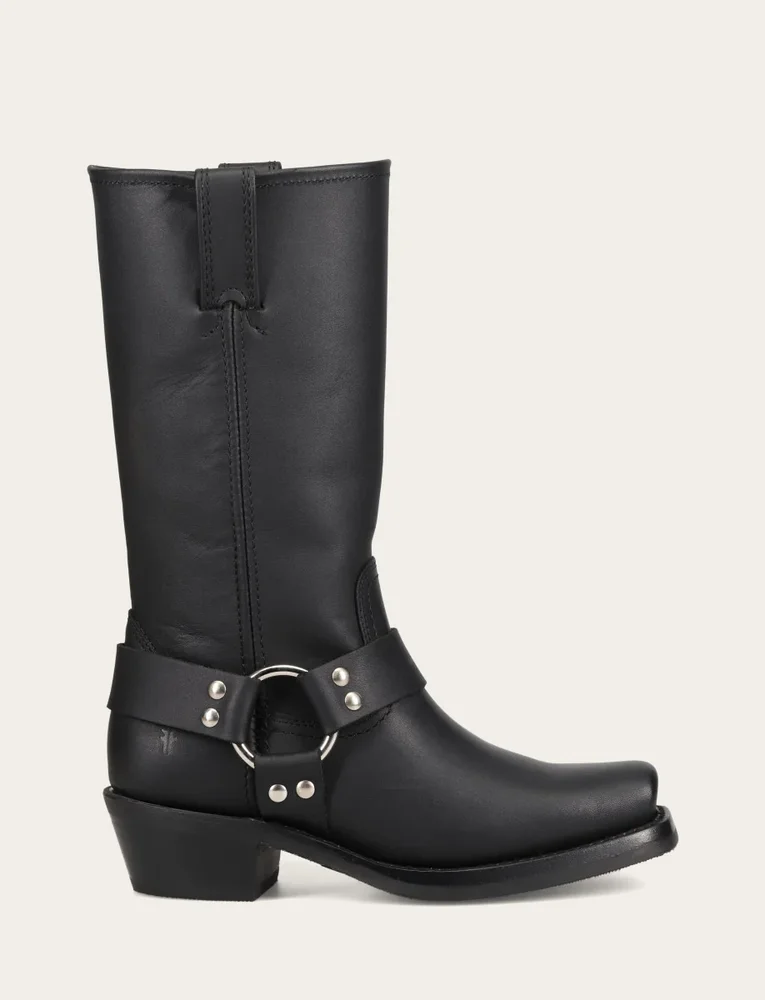
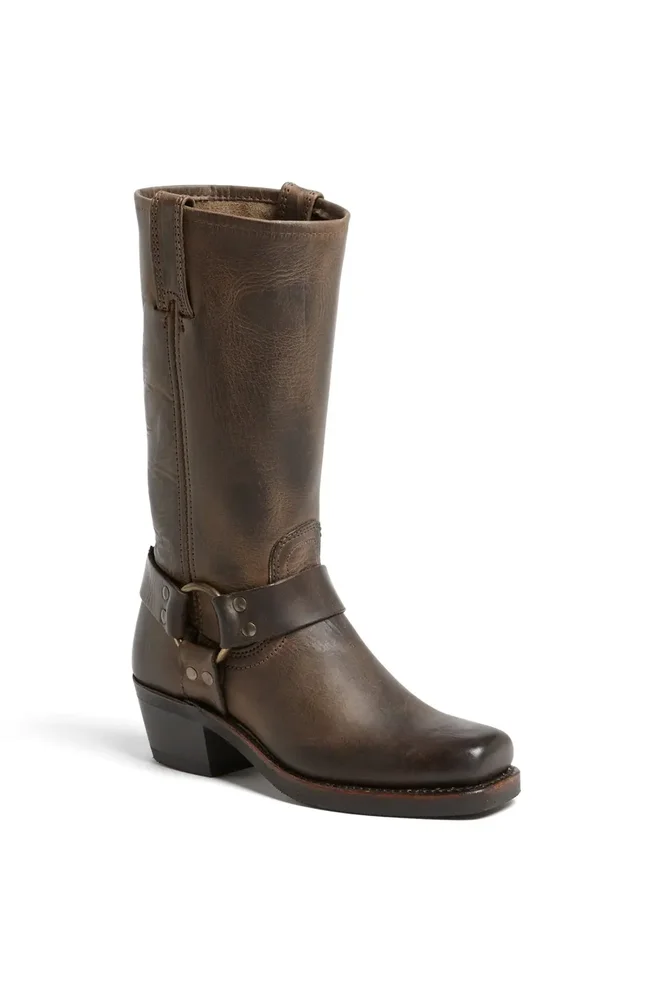
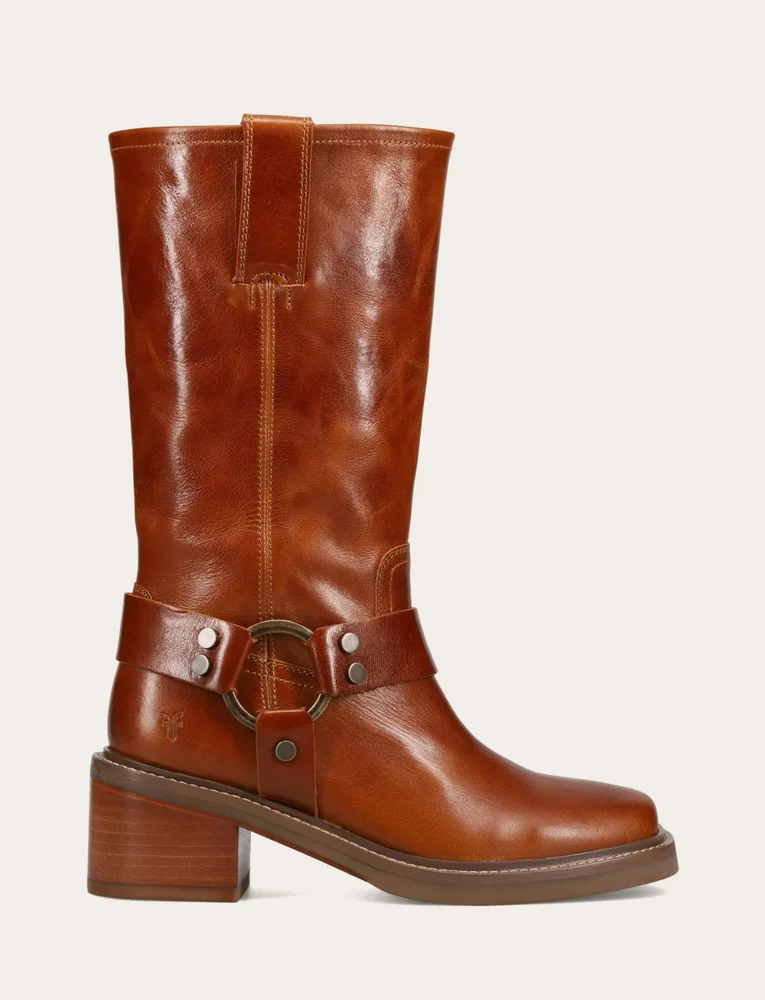
The harness boot is the one the heritage page calls out directly: nothing says Frye like the signature harness ring and studs. One business history describes it as inspired by Civil War cavalry boots, with straps and a brass ring, and relaunched in 1960 with a stacked heel and wider toe. That is why it looks the way it does.
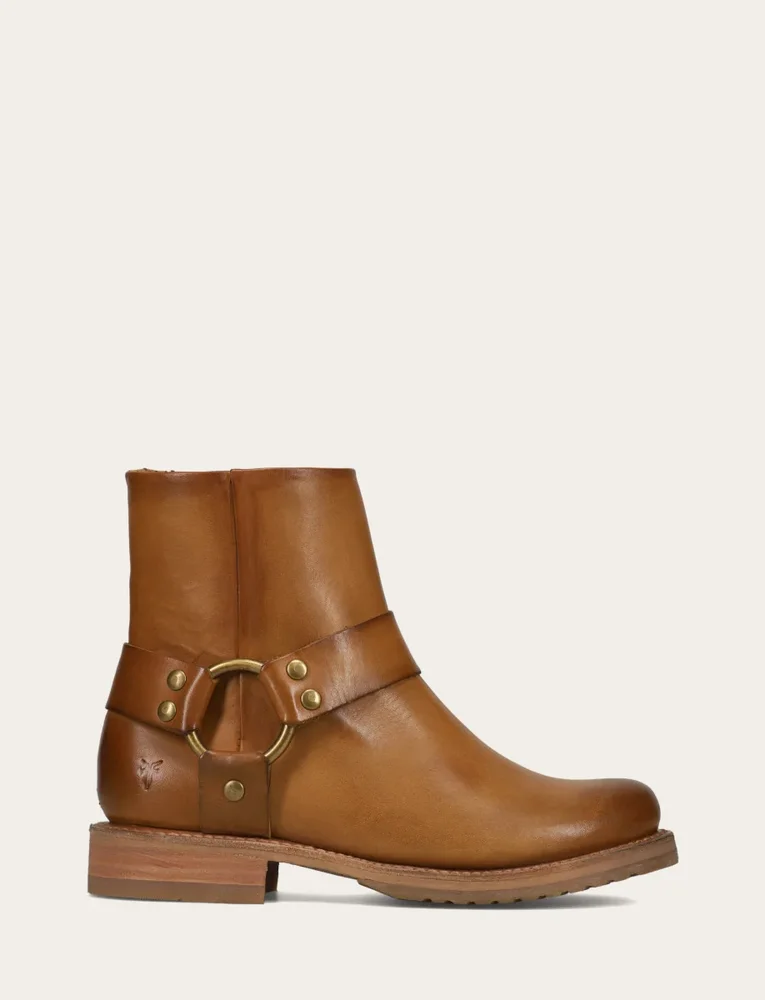
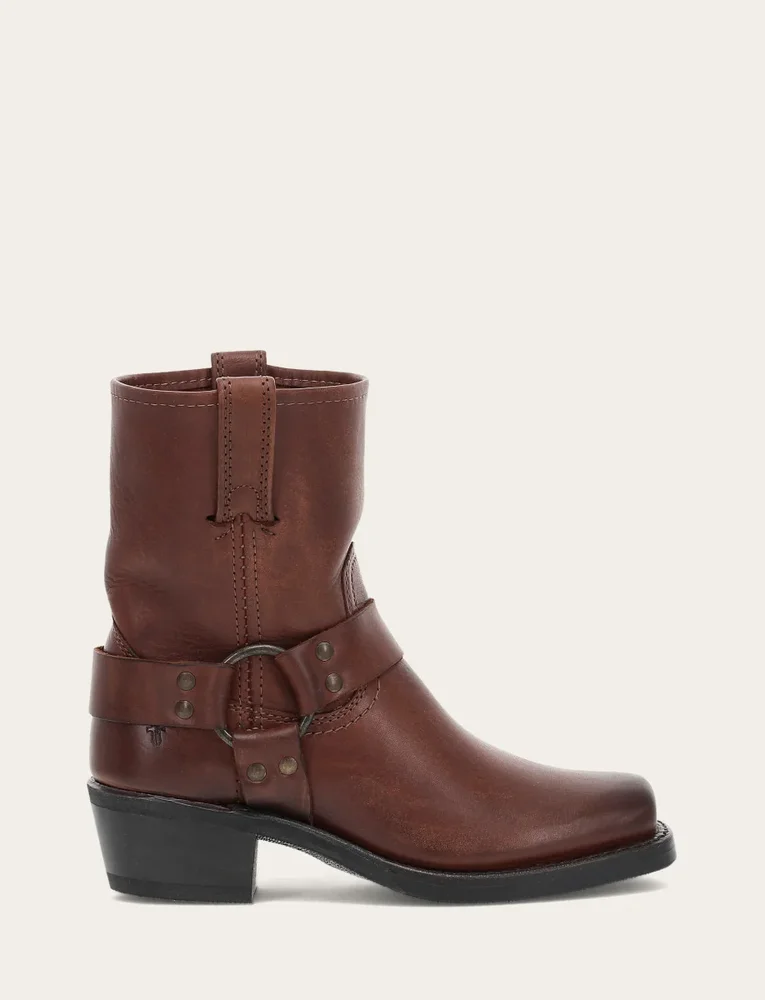
The Harness 12R in Black and in Smoke is the version I would pick first, a pull-on with the strap and ring at the ankle. The Harness 8R in Cognac is a short washed and oiled leather boot that sits better under a full-length trouser. The Kate Harness in Amber, with a rounded toe and block heel, is the softer take, and the Veronica Flex Harness in Caramel is a moto bootie with an inside zip, easier on a rushed morning.
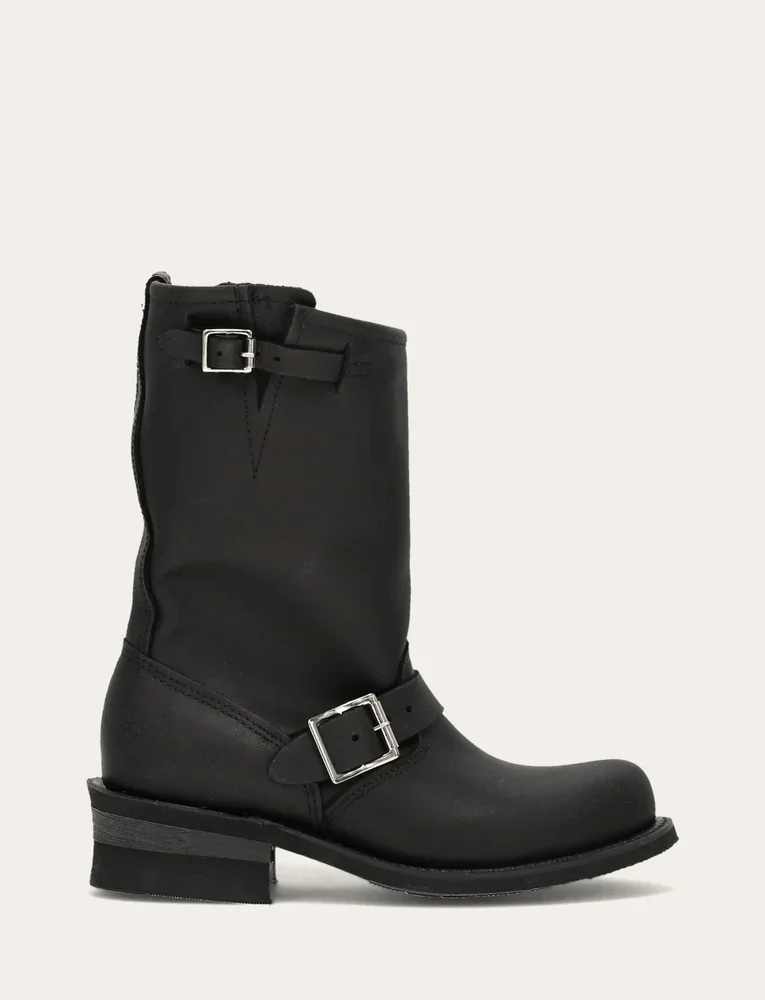
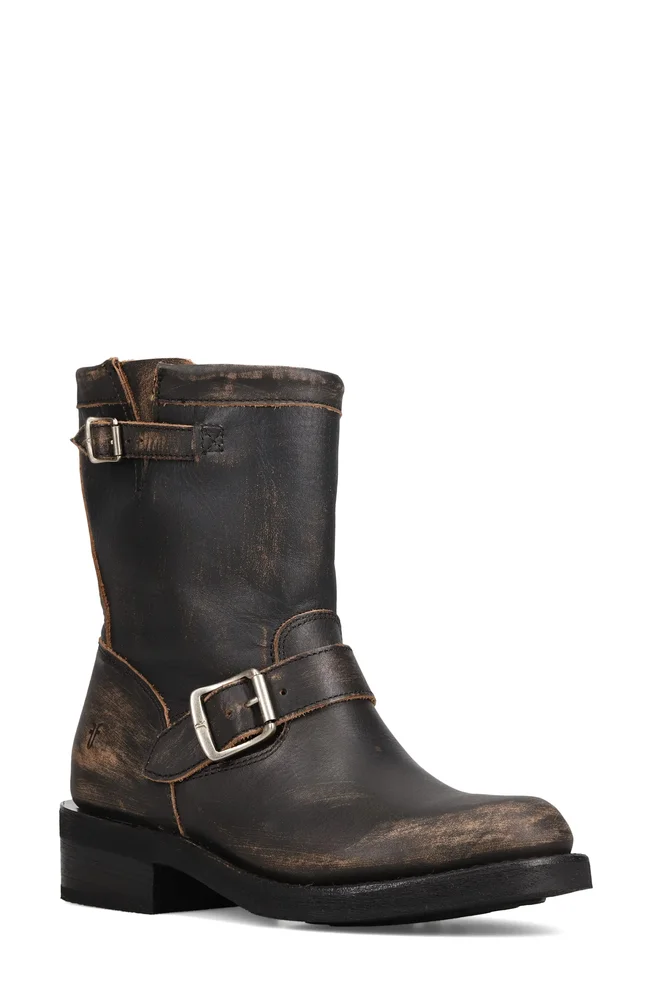
Then the engineers. The Engineer 12R in Black is made with greasy leather, mid-calf, buckled straps and a stacked heel. The Viv Short Engineer in Taupe and Distressed Black is a shorter version with a chunky sole, good with a slip dress and thick tights.
Test the ring and straps: the hardware should lie flat and not rub the inside of your ankle. What I would skip: the Distressed Black if you want a boot that looks new for long, because the finish is built to look worn.
Tall and riding boots in leather
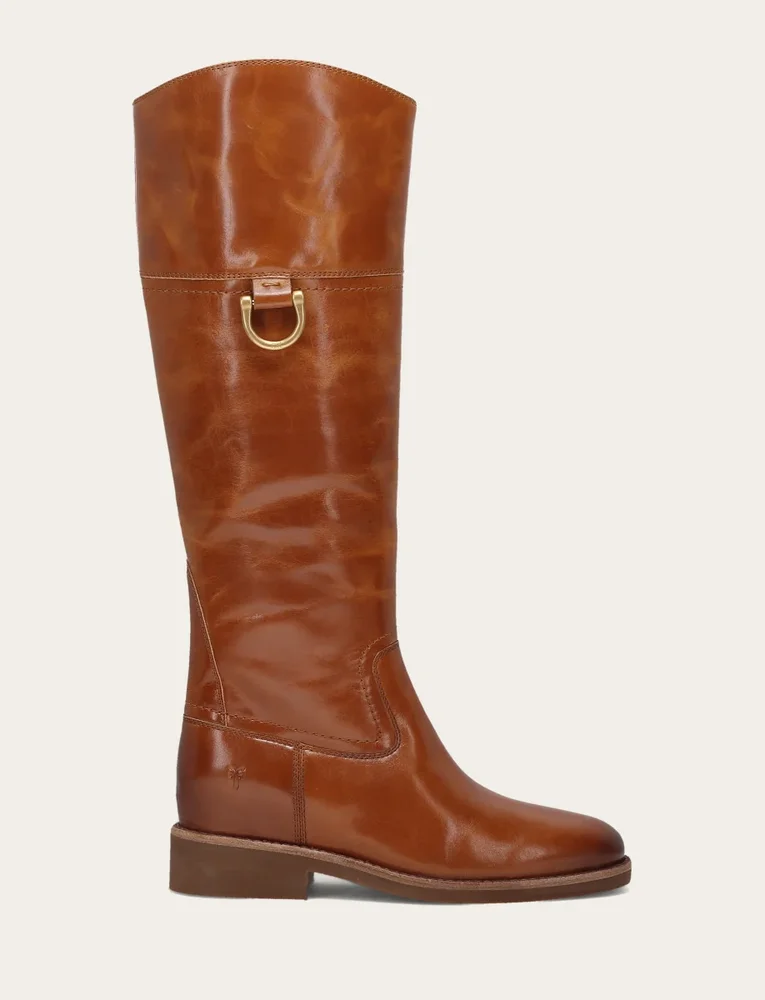
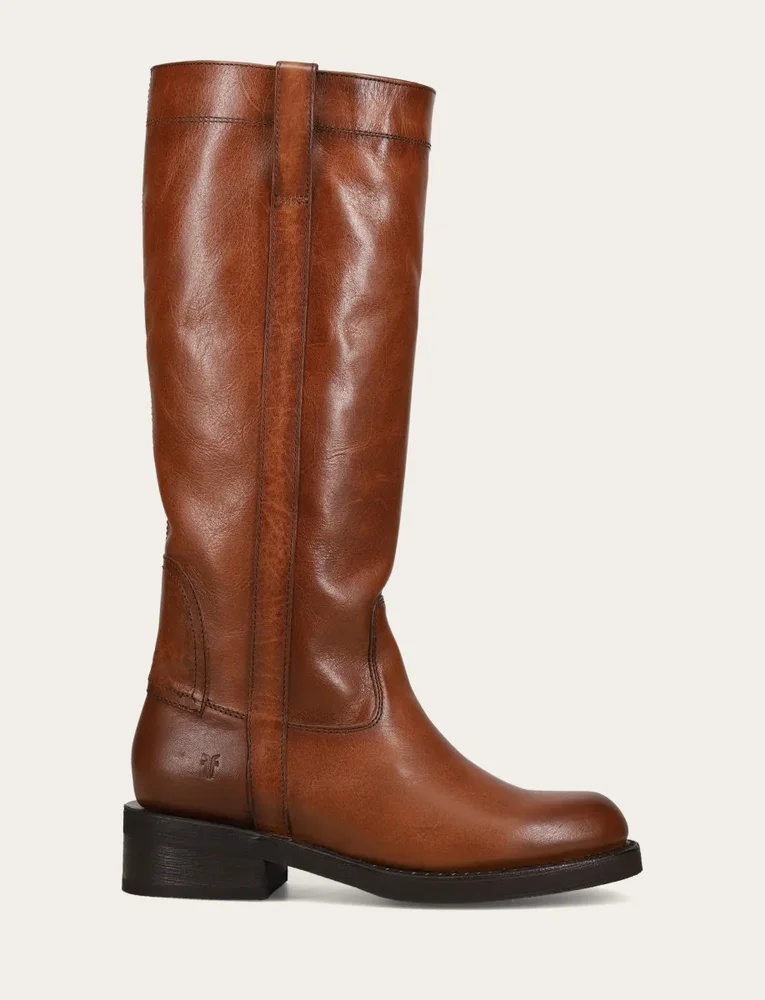
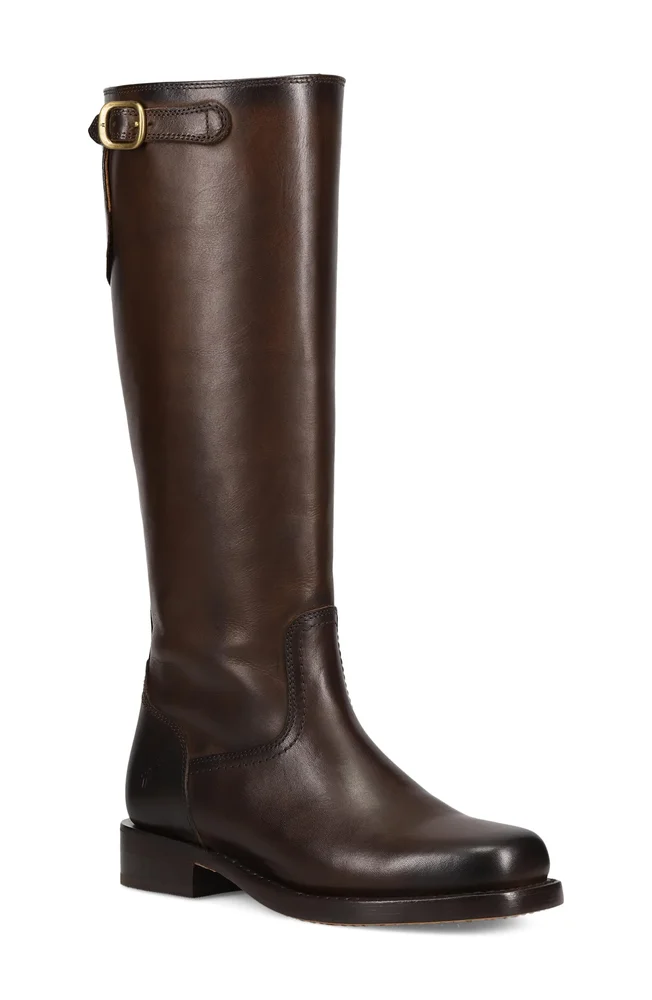
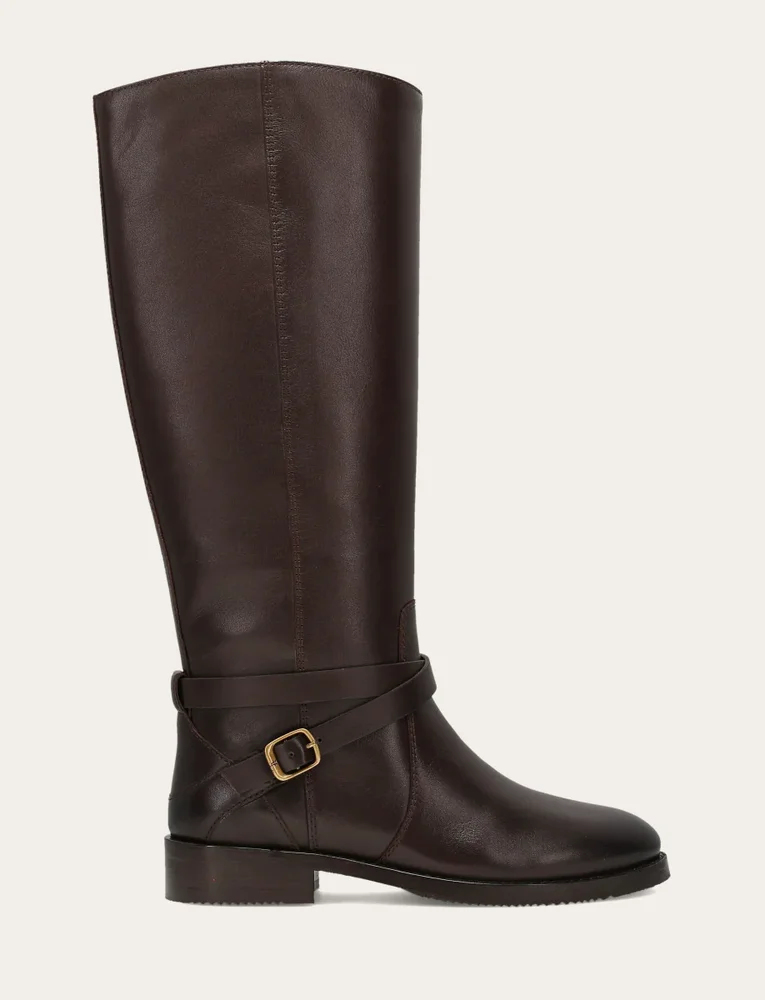
A tall boot is the one place where the shaft matters more than the heel, so I would measure my calf before ordering and then look at the zip or the lacing. These are the Frye boots that go to the knee or close to it, and they are the ones to wear under a long skirt in October.
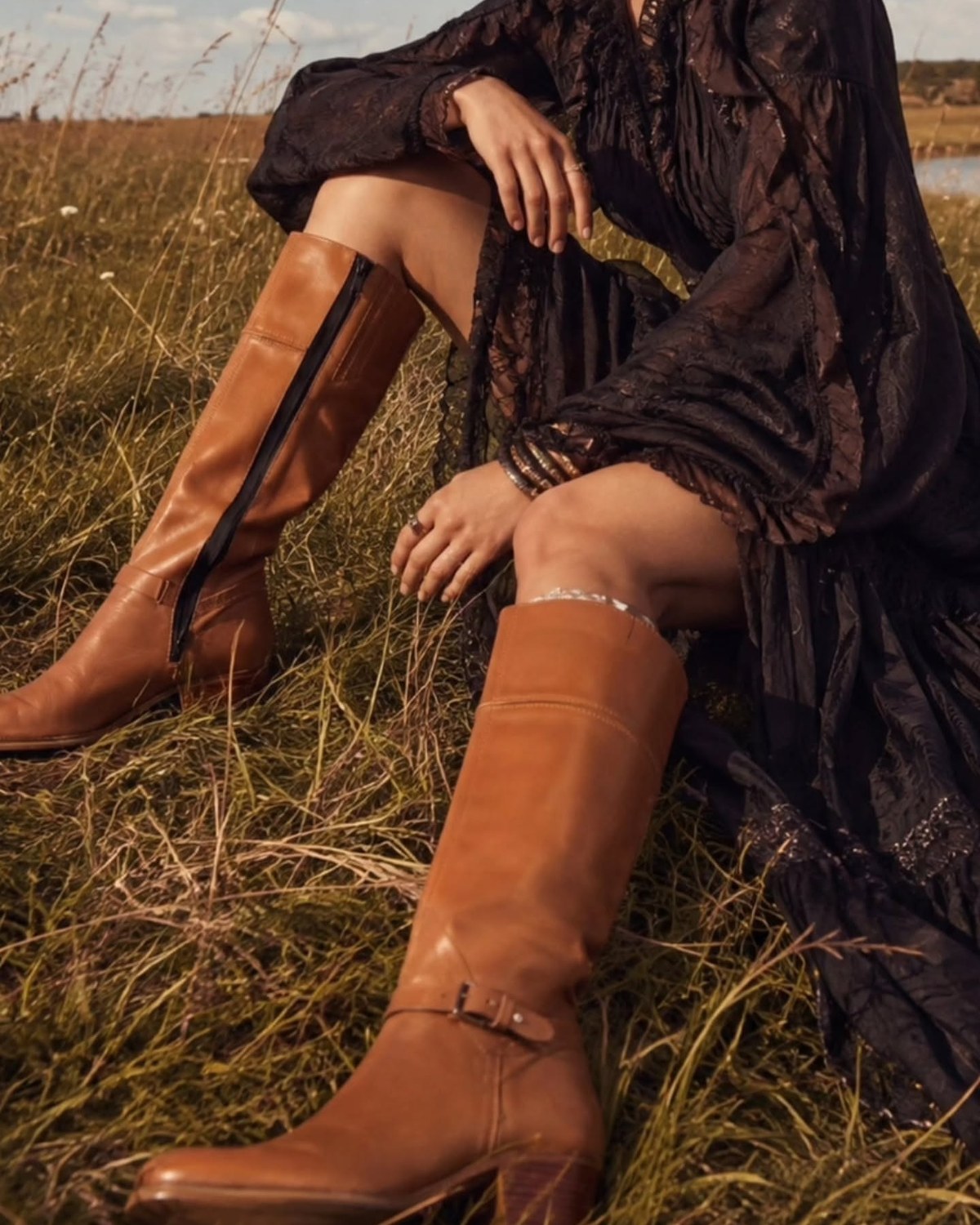
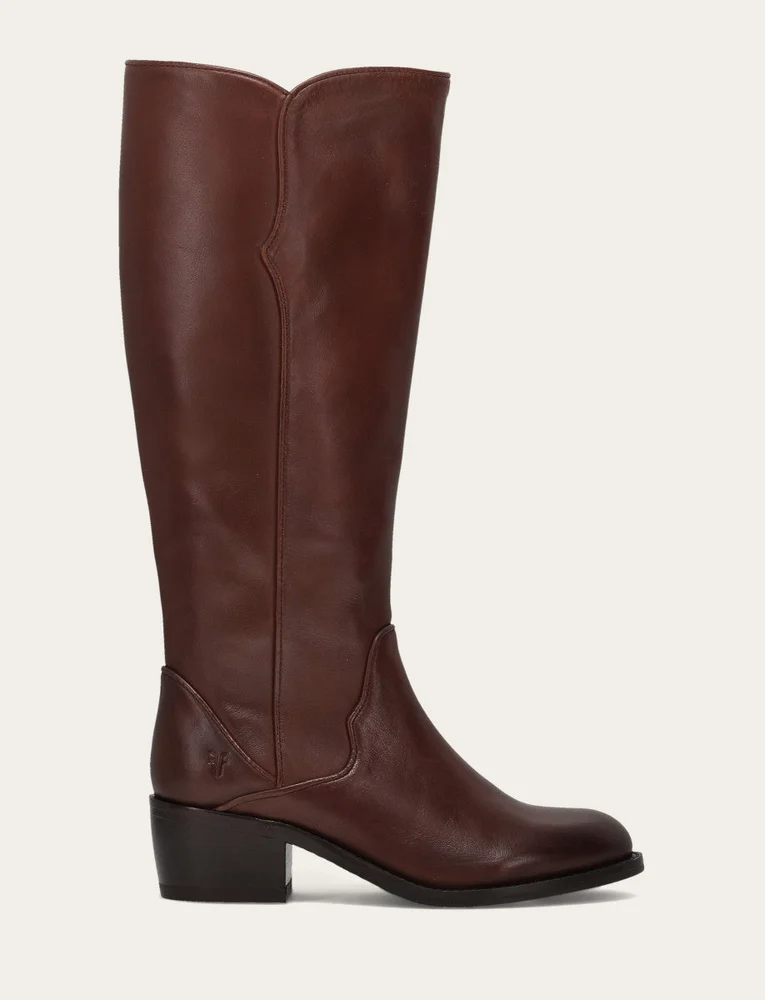
The Quinn Riding in Amber is a knee-high riding boot with an interior side zipper, which is a relief on a cold day. The Viv Riding Boot in Whiskey has a sleek shaft and a low heel, and the Campus Knee High Riding Boot in Chocolate has a brass buckle strap at the top that I like with a wool skirt. The Melissa Belted Riding in Dark Brown brings bridle-style straps and antique brass hardware, and the Carson 2 Piping Tall in Saddle adds piping and an inside zip.
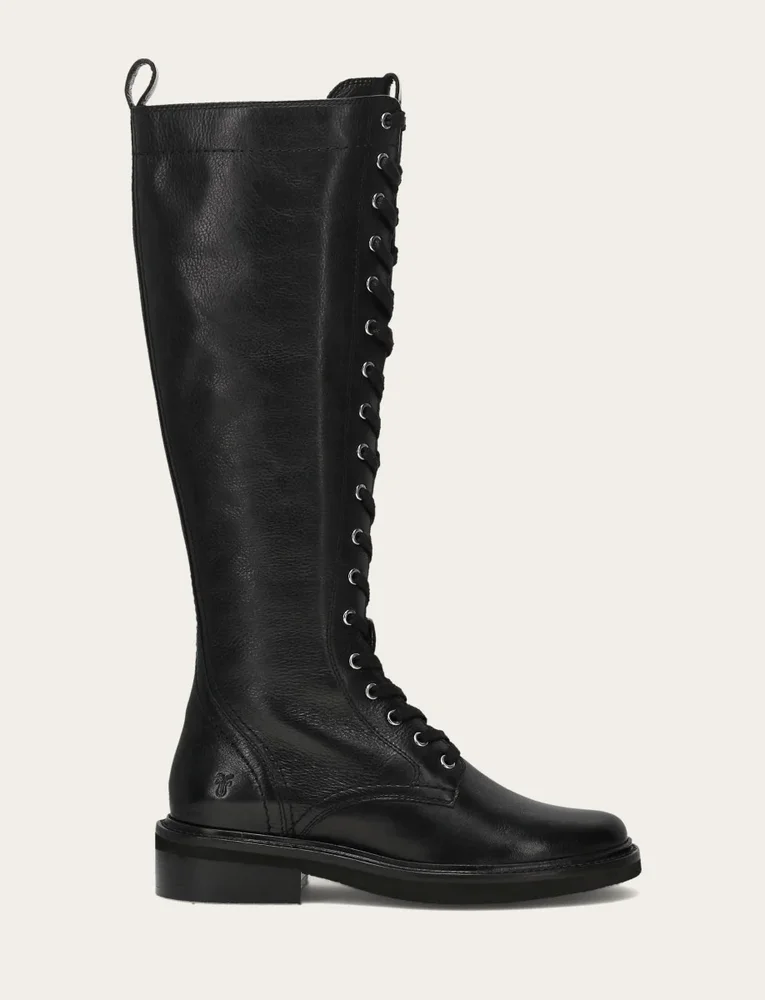
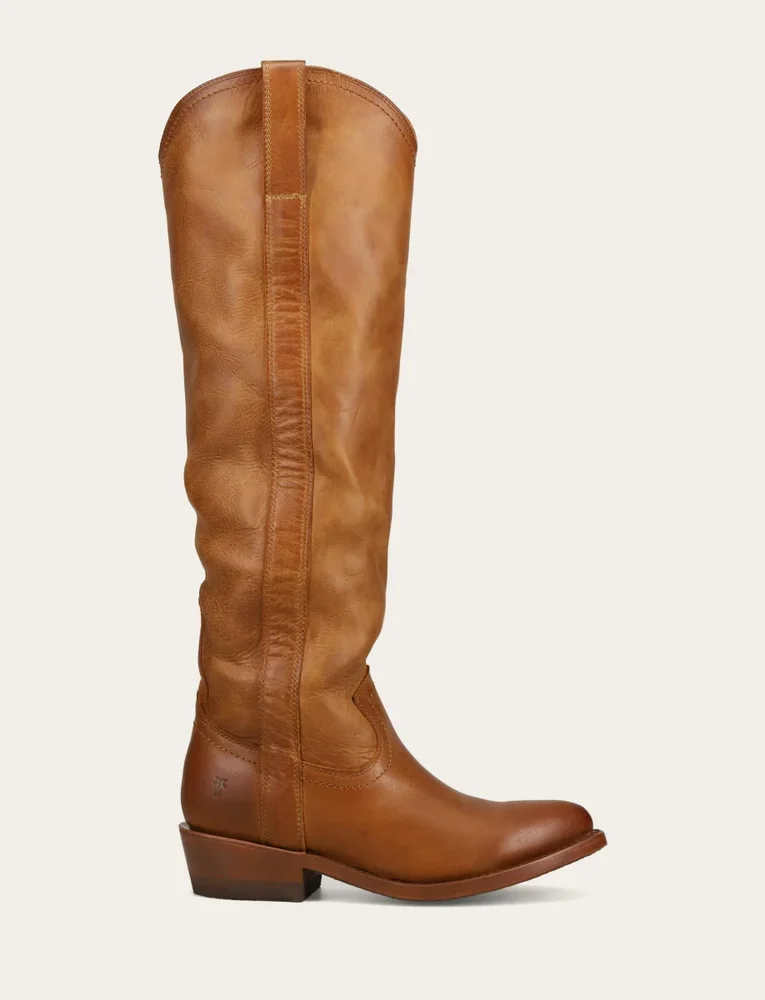
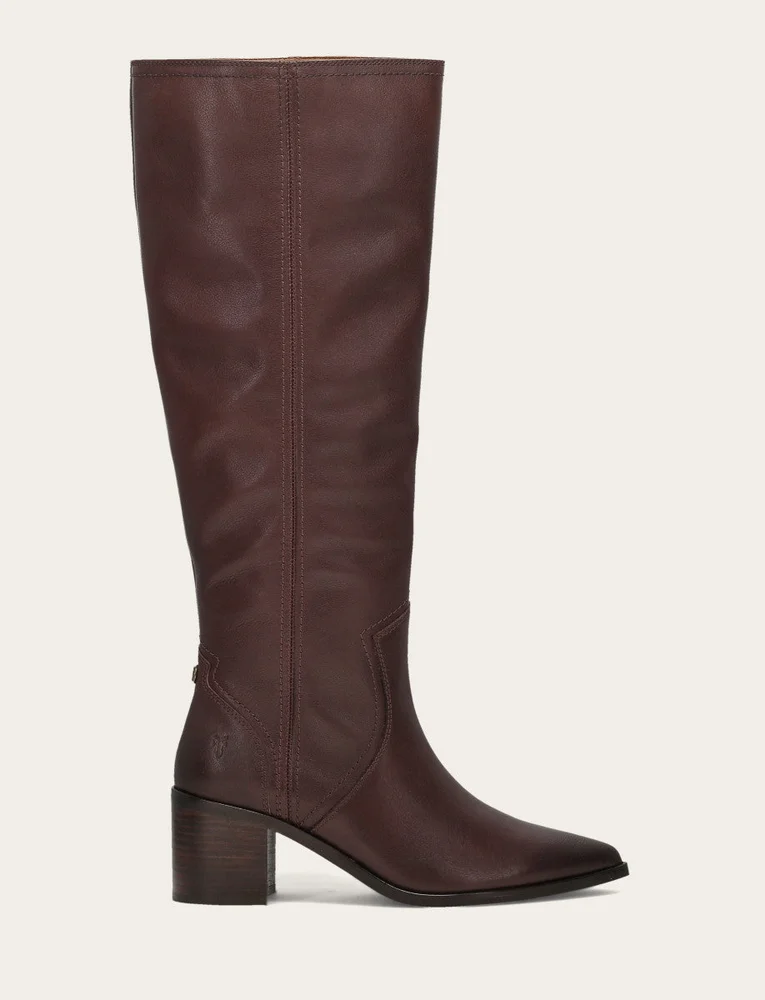
For something less polished, the Phoebe Lace Up Tall in Black has a sleek shaft and a lightweight sole. The Billy Softy Tall in Amber is a flat Western boot with a broken-in look, and the Sadie Softy Tall in Cocoa is a pointed toe, chunky block heel style with a knee-high shaft.
Sit down in them for a minute in the fitting room, and check that the zipper pulls cleanly over the widest part of the calf. What I would skip: the lace-up pair for a rushed commute, because lacing a tall boot takes time.
How I would pick a pair
I would begin with leather, not color. Black or Saddle in the 14L, because it is the shape Frye has been tied to since the Campus boot entered the Smithsonian in 1975, and it works with nearly everything in a fall closet.
Next, I would add one boot with a story of its own, like the Harness 12R in Smoke or the Quinn Riding in Amber, so the closet does not turn into a row of near-twins. Last, I would check the shaft in person and leave room for a thick sock.
It all started in a small shop on Elm Street for factory workers. A boot that began as a shoe for the working day and ended up in a museum is a boot I would happily wear on a Tuesday.