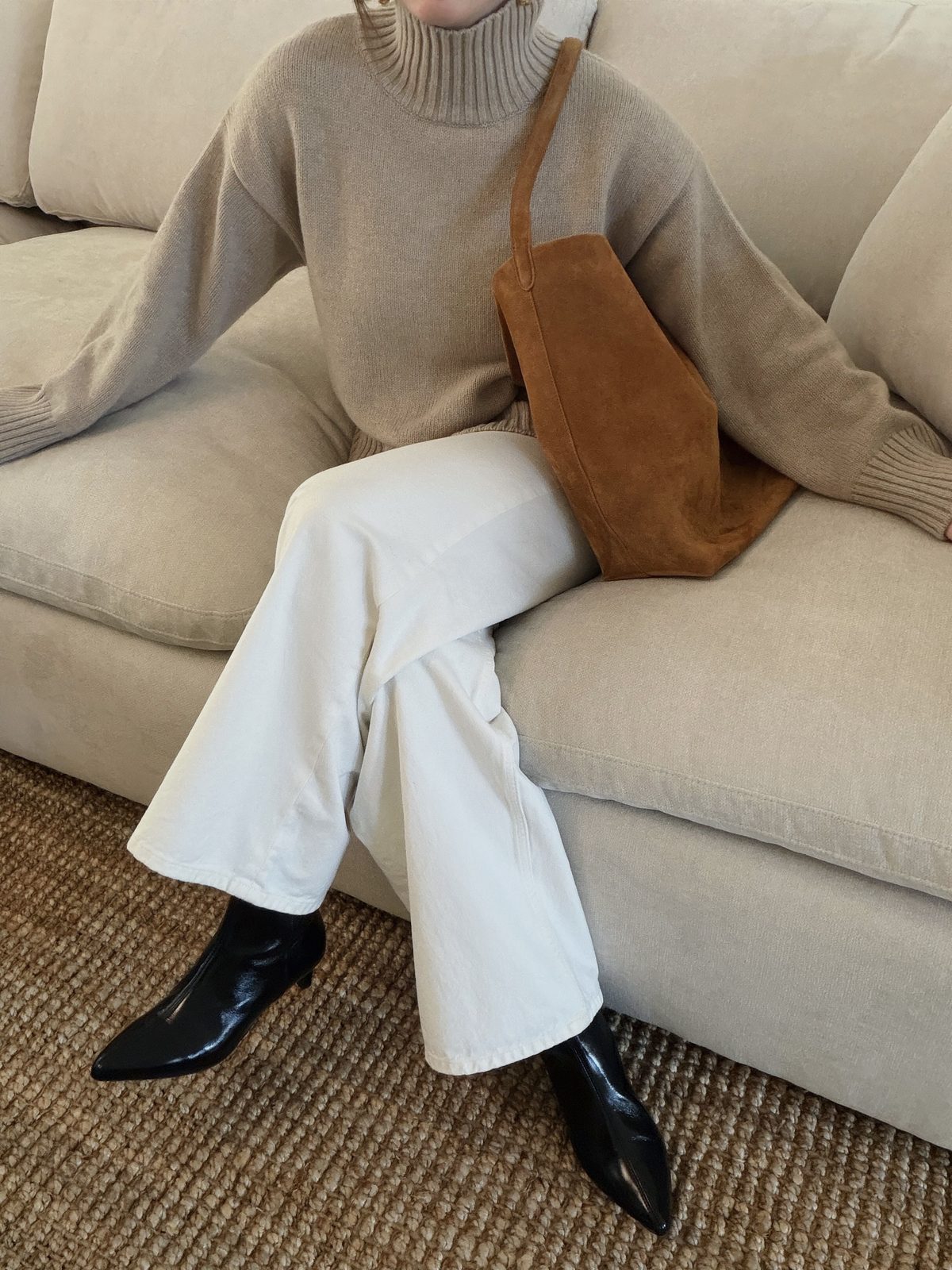
Does Gap run big or small? Neither as a rule. Size from your measurements first, then choose the cut, rise and inseam you want.

Gap Sizing Guide: Does Gap Run Small, Big or True to Size?
Measure first, then choose the cut
Gap sizing is not uniformly small, big or true to size; the most useful answer is to measure by category and then check the cut. The Gap size chart for women’s tops, outerwear and dresses pairs alpha sizes from XXS to XXL with numeric sizes 000 to 20, using bust, waist and sleeve measurements; regular, petite and tall options appear where offered. For jeans and bottoms, the chart also uses waist-number sizes, so a letter size from a top is not a substitute for the size printed for denim. Gap lists inseams by length as well: Petite is 29 inches, Short 30, Regular 31.5, Long 33.5 and Tall 35.5. The Jeans Guide keeps fit separate from rise, including Baggy, Taper + Barrel, Wide Leg, Loose, Straight, and Flare + Bootcut. It also distinguishes low, mid, classic and high rises, and shows a stretch spectrum from rigid 100% cotton denim to comfort stretch. In other words, choose the size from your measurements, then choose the cut you want; “true to size” is not a single answer across all these choices.
Waist, rise and leg length
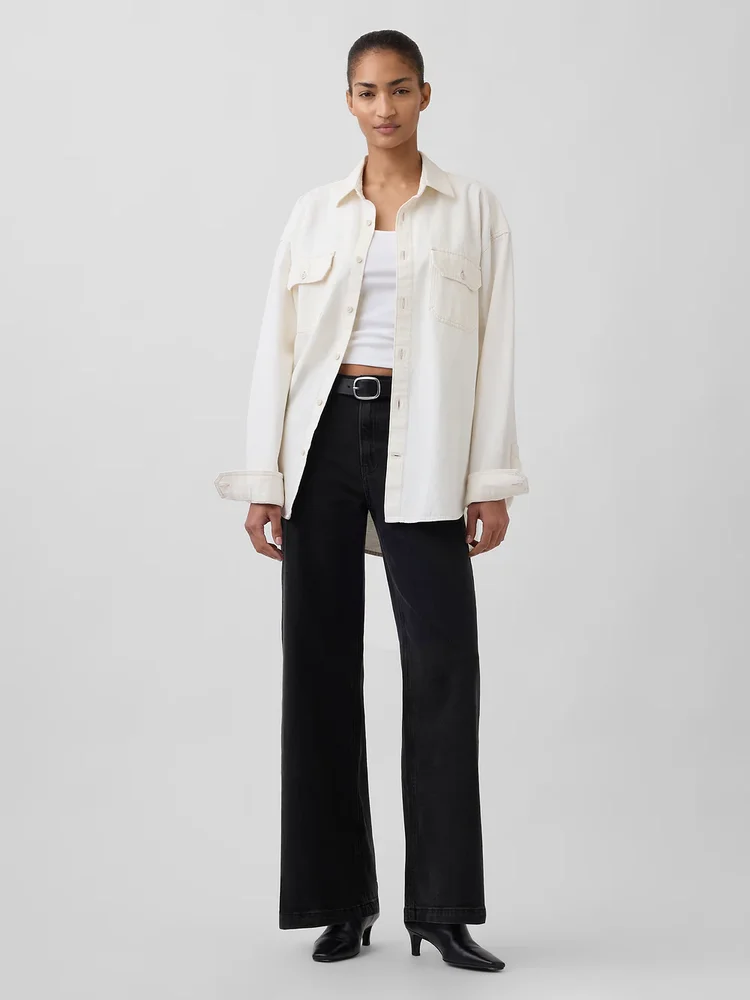
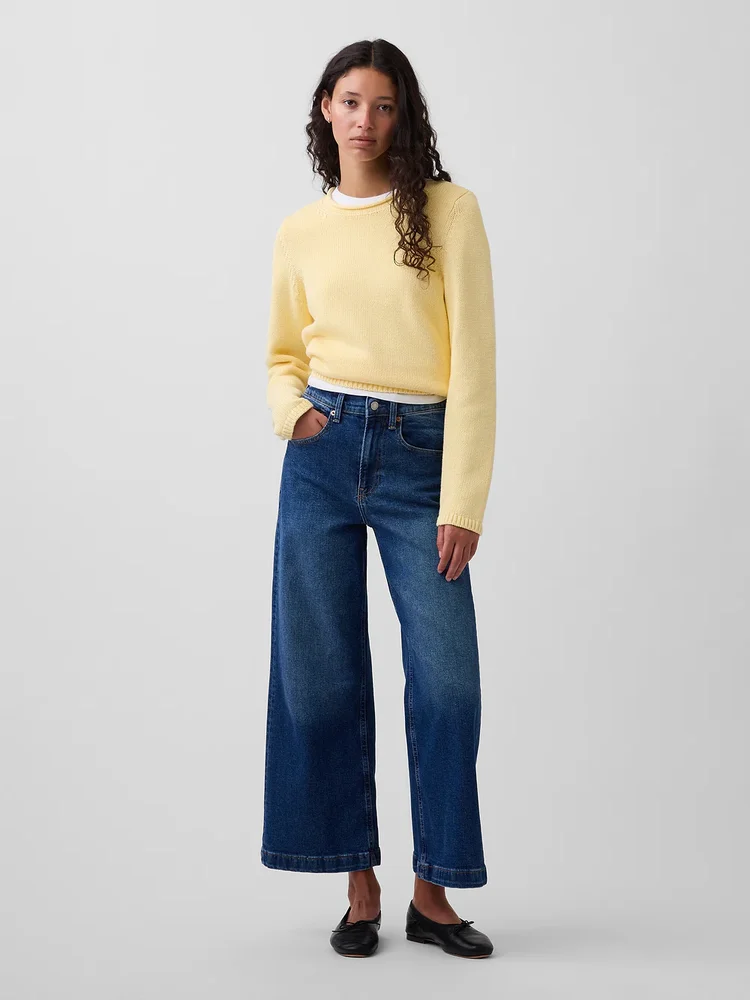
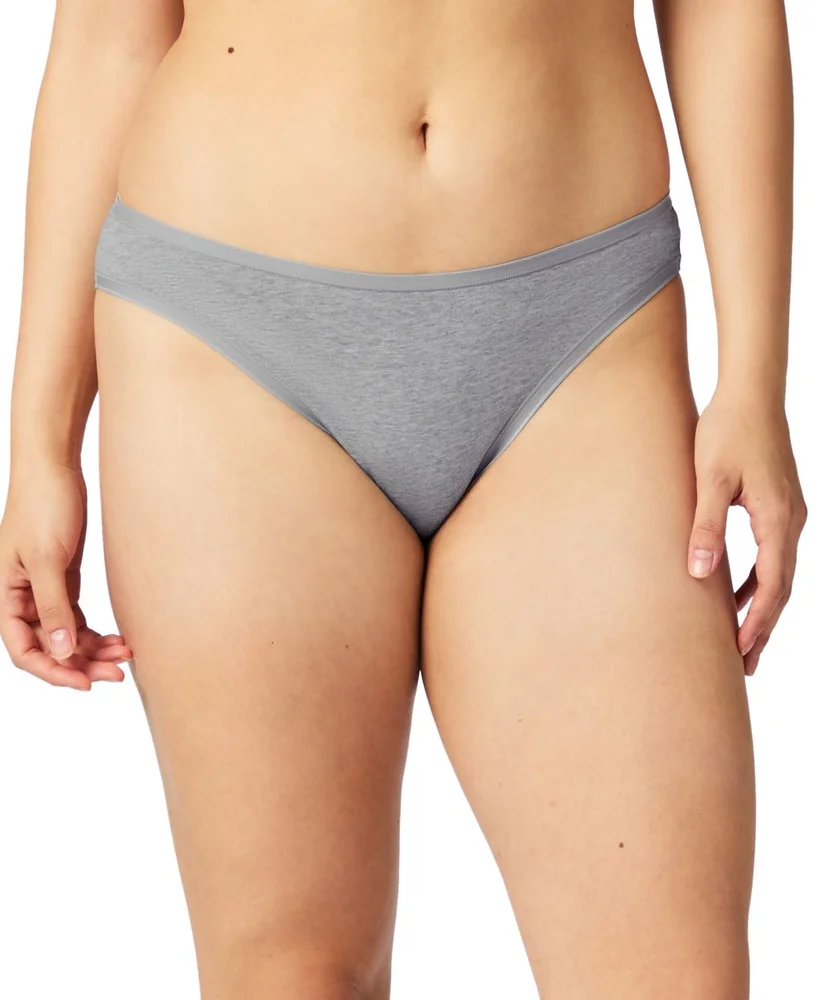
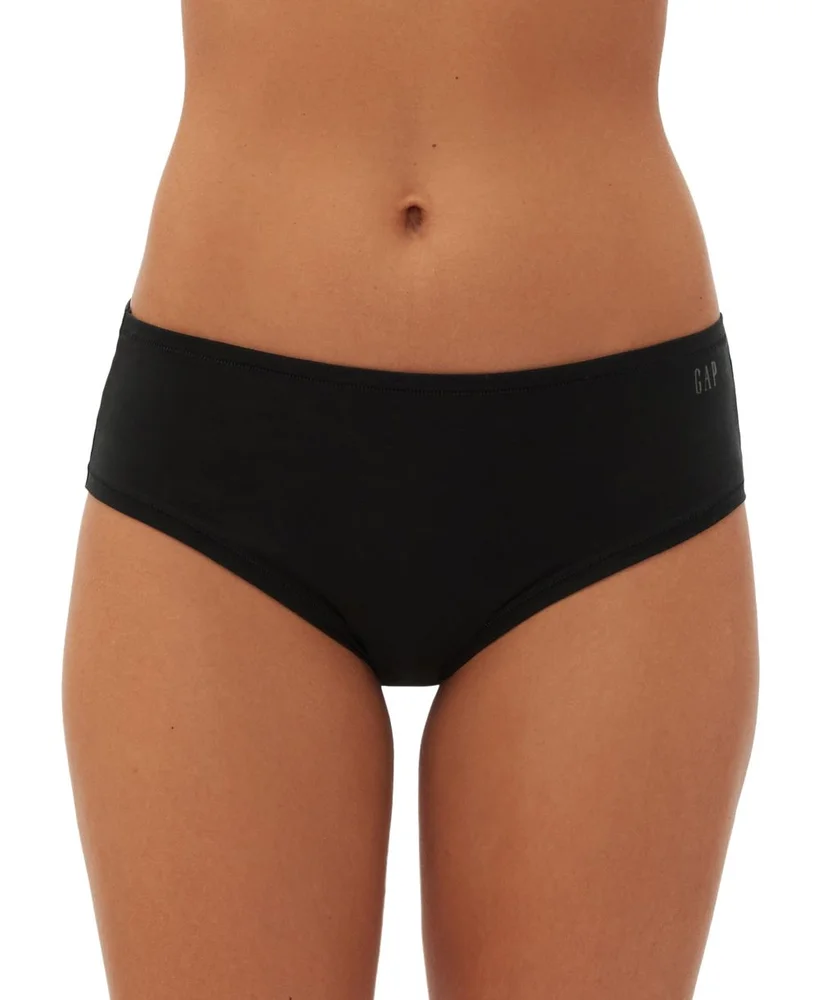
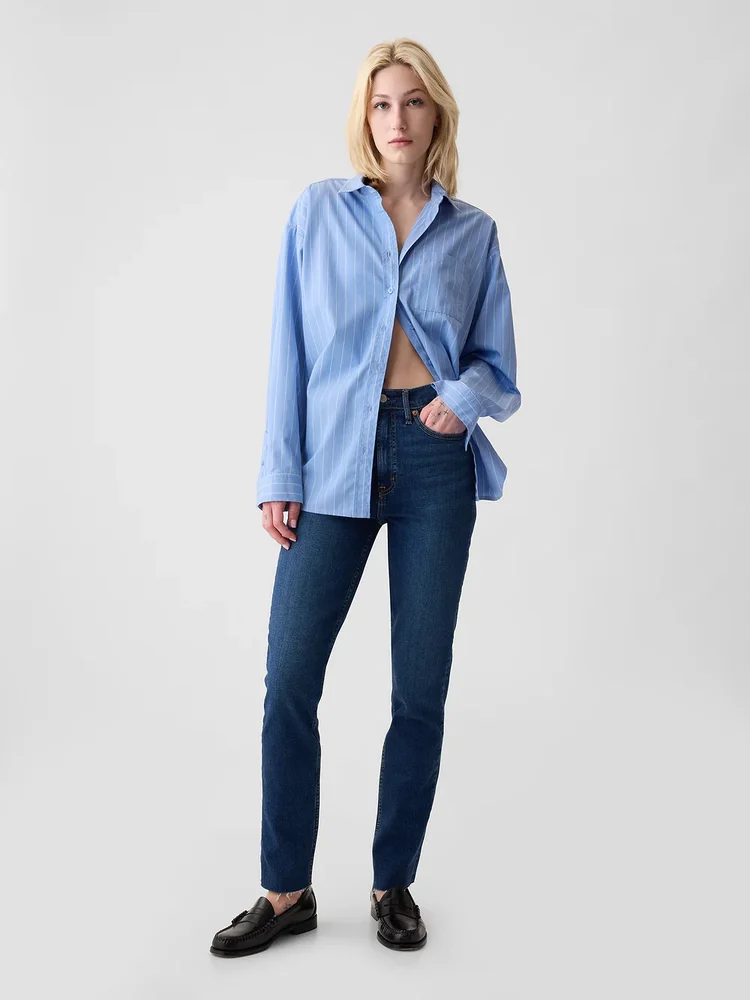
Jeans make the difference between size chart and fit especially visible. Gap’s High Rise Stride Wide-Leg Jeans and High Rise Stride Wide-Leg Ankle Jeans share a high-rise, wide-leg direction, but the ankle version changes where the hem meets your shoe. Macy’s GapBody Women’s Cotton Bikini Underwear and Breathe Hipster Underwear are lower-body items too, though they use intimate-apparel sizing rather than the jean’s waist and inseam system. I would measure waist and hips at the same time, then keep denim and underwear in their own category on the size chart. If you want a longer break over a sneaker, check the jean inseam first; if the underwear is snug, use the retailer’s listed size options instead of translating a denim number. These examples include Gap and Macy’s pages, so the sizing interface itself is part of the comparison.
Tops need a different measurement
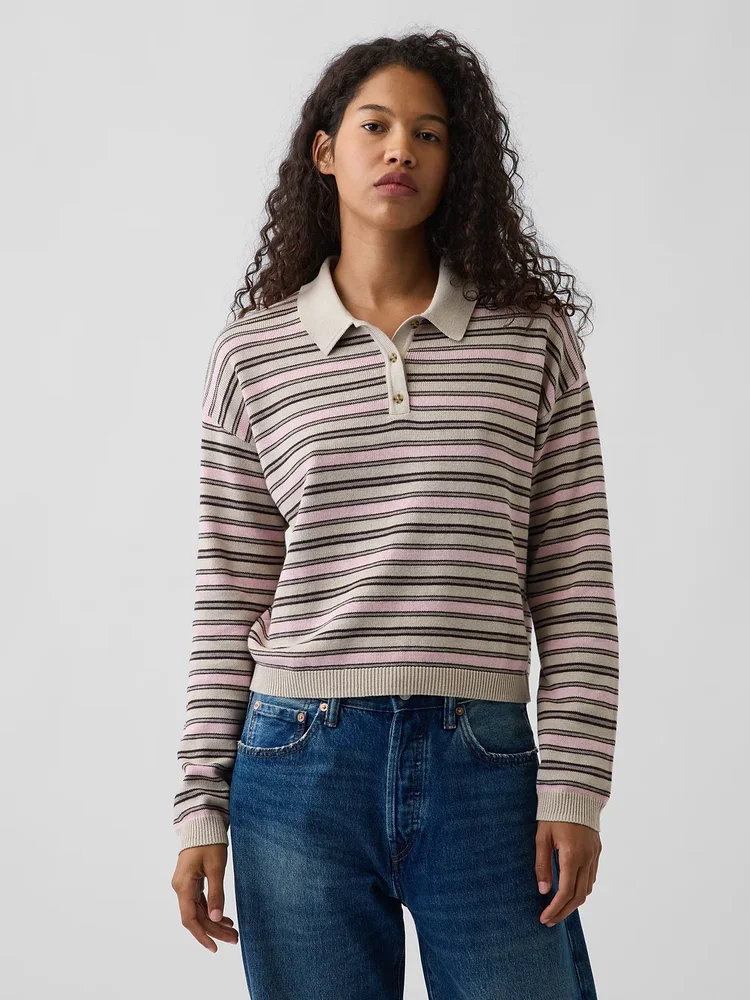
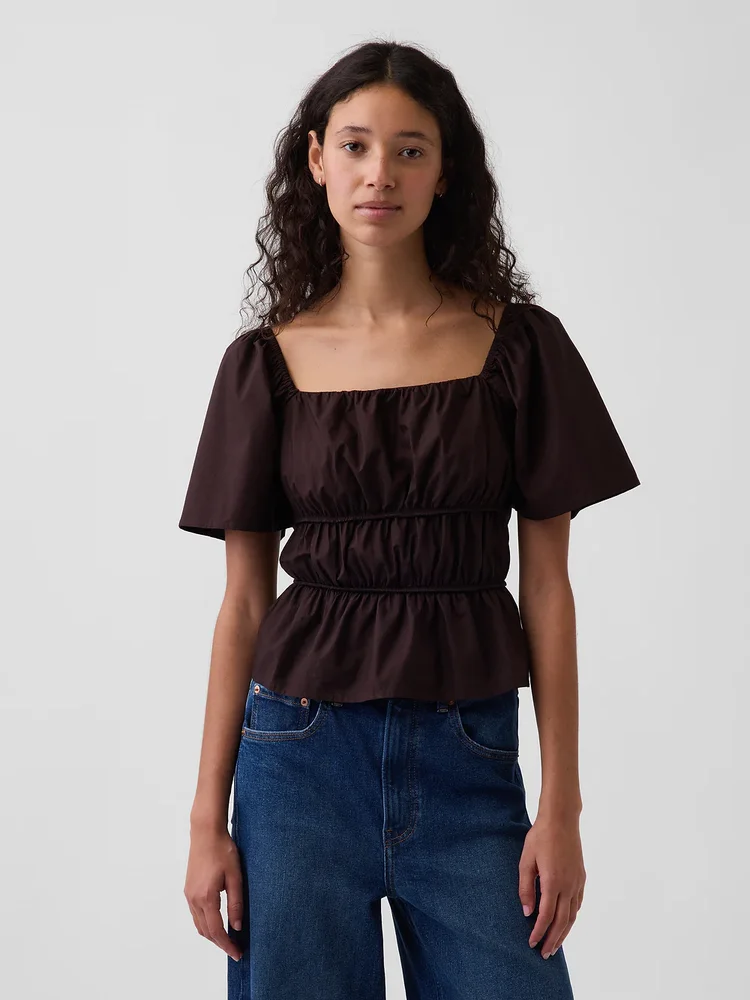
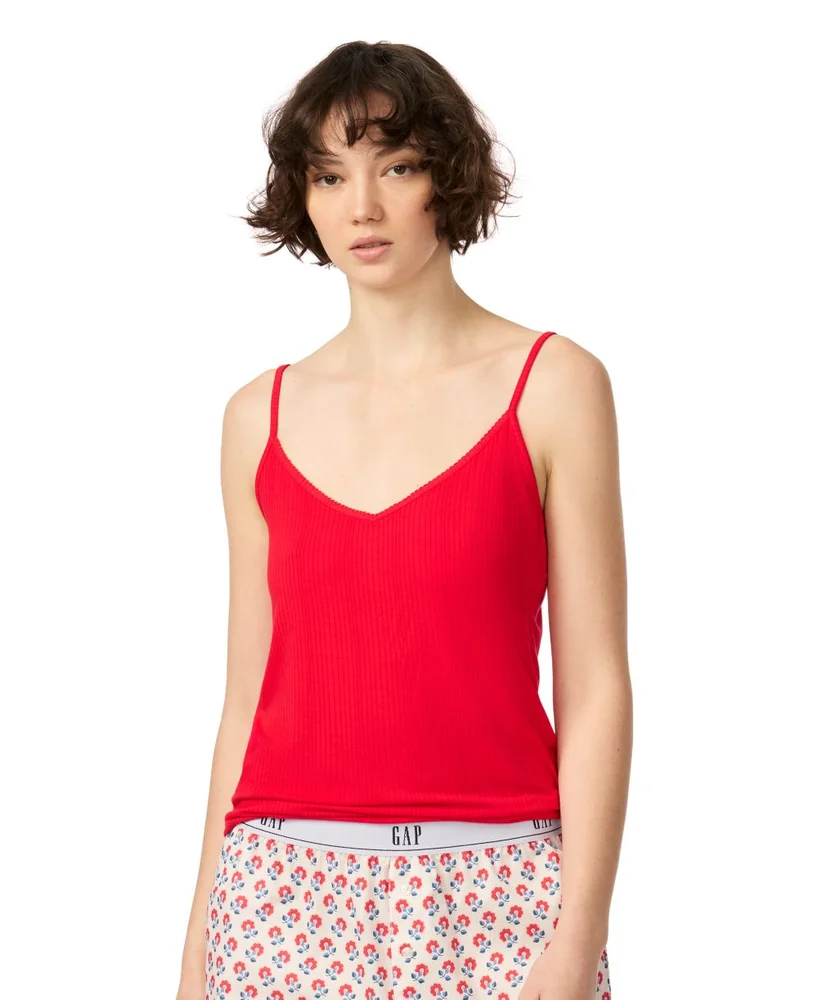
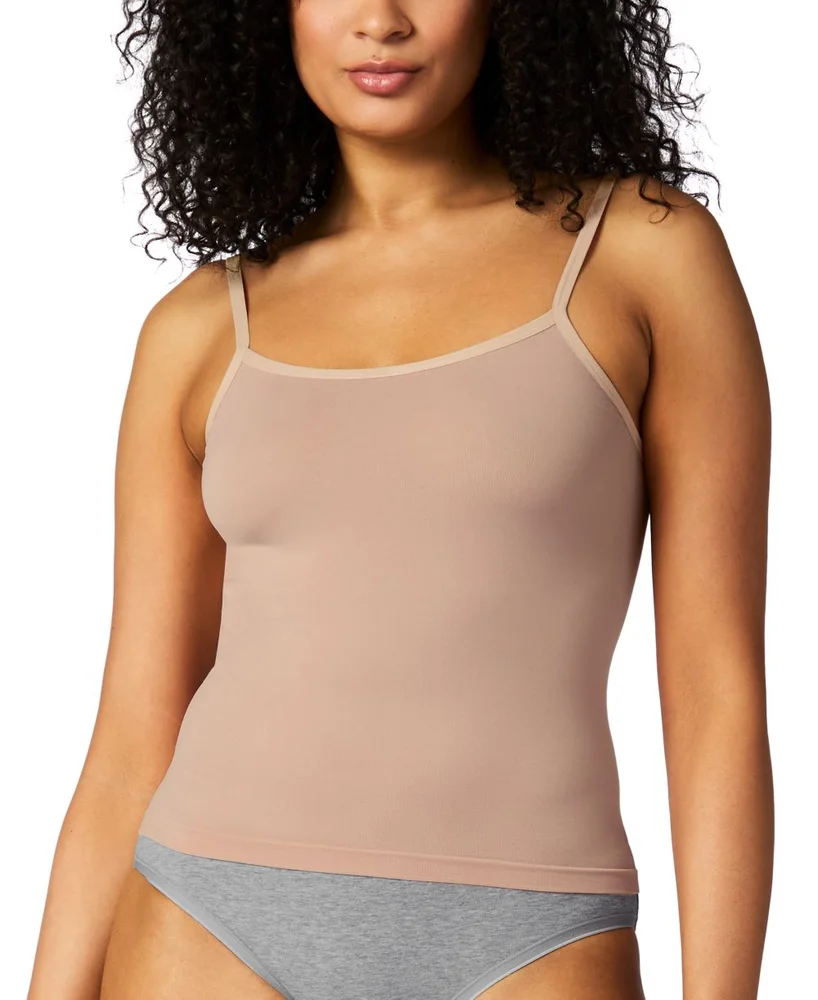
Across tops, look at bust and sleeve measurements before choosing a letter size. Gap’s 100% Cotton Relaxed Polo Sweater is the roomier option by name, while the Square-Neck Peplum Top has a more shaped outline. Macy’s Women’s V-Neck Sleeveless Jersey Tank Top and GapBody Women’s Seamless Camisole give fitted base-layer comparisons; the Macy’s size choices are specific to each product. Gap’s charts include regular, petite and tall options where offered, so sleeve length and torso proportions matter along with bust. My practical test is simple: measure where the garment is supposed to sit, then check the item’s cut note. A relaxed sweater can be worn with more ease than a fitted camisole, so choosing the same letter size in both will not create the same silhouette.
Close fits still vary by style
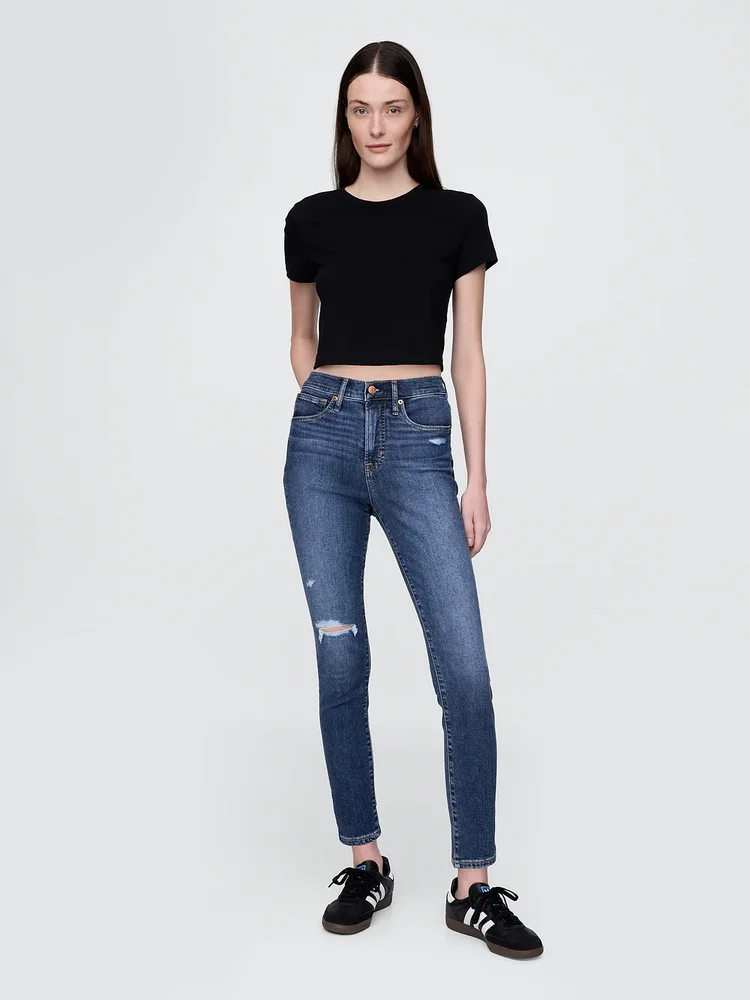
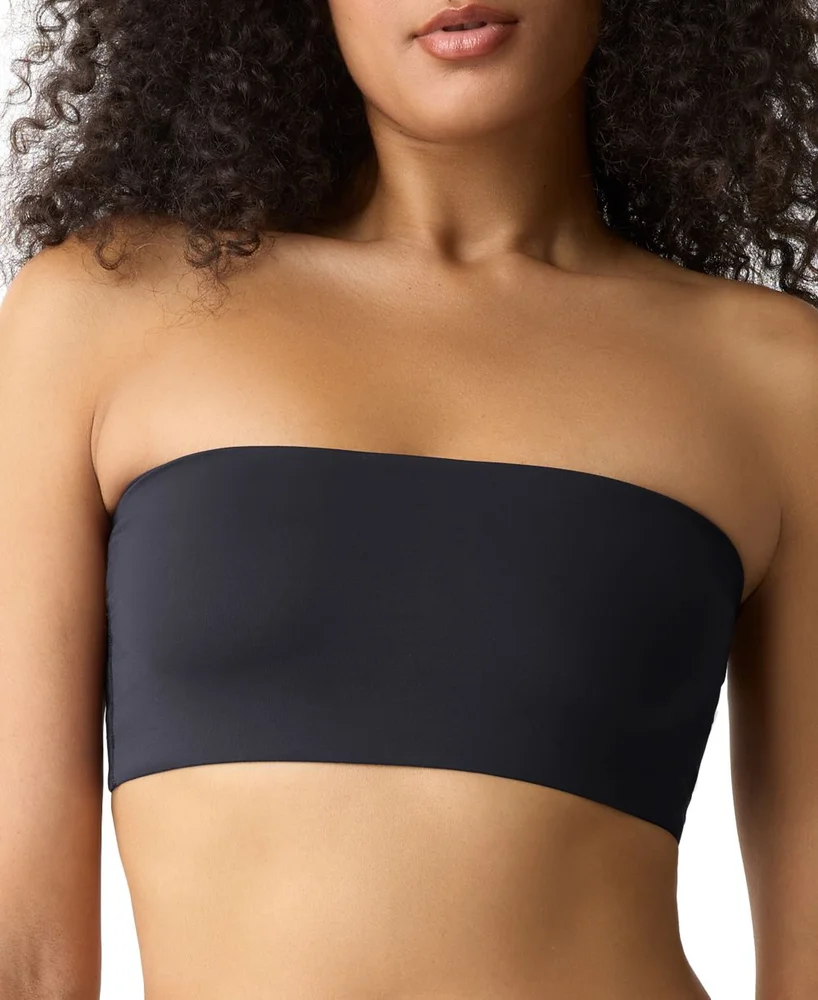
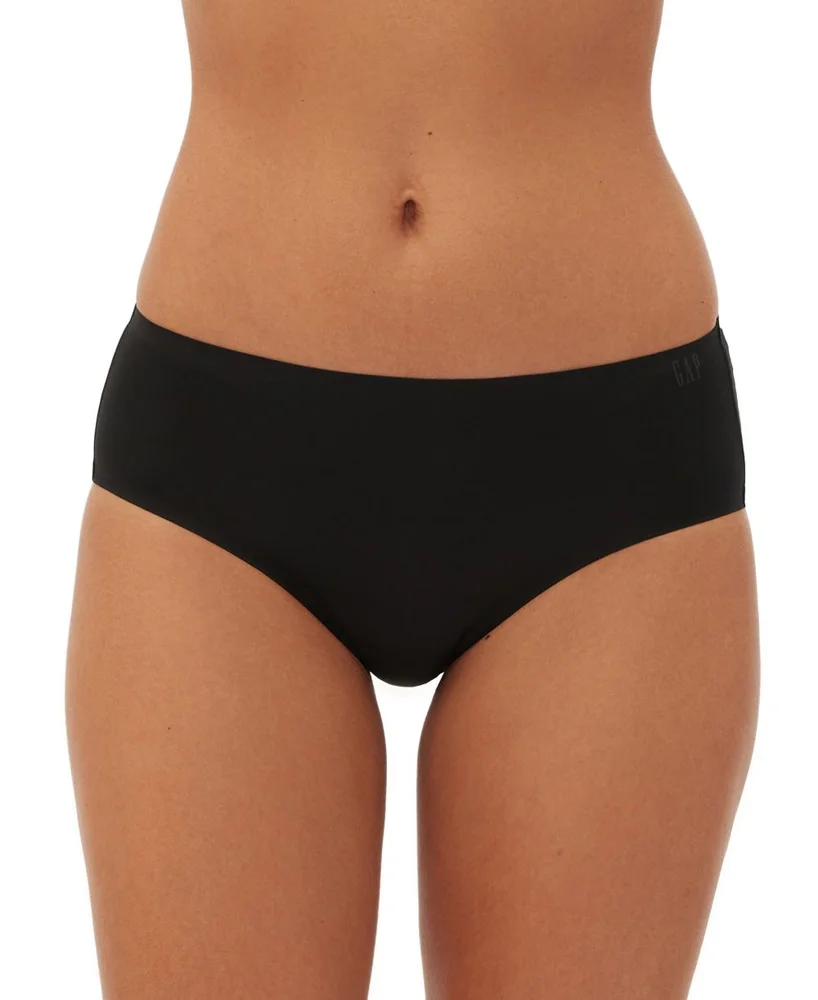
Close-fitting pieces call for the category-specific chart too. Gap’s High Rise Vintage Slim Jeans and High Rise True Skinny Jeans are both narrow-leg alternatives, but they are not identical cuts; its own jeans guide separates straight, loose and wide-leg fits, while the product pages name these two slimmer styles. Macy’s GapBody Lightly Lined Bandeau Bralette and Everyday Essentials Laser Bonded Hipster are intimate layers with their own alpha-size buttons, so do not use a jeans waist number to choose them. If a style sits close to the body, compare bust, waist or hip measurements with the chart relevant to that garment and check fabric stretch. My take: Gap is easiest to size when you choose a category first, a cut second, and a measurement-based size last. If you are between sizes, the chart and fit notes are more useful than a blanket claim that Gap runs small or large.