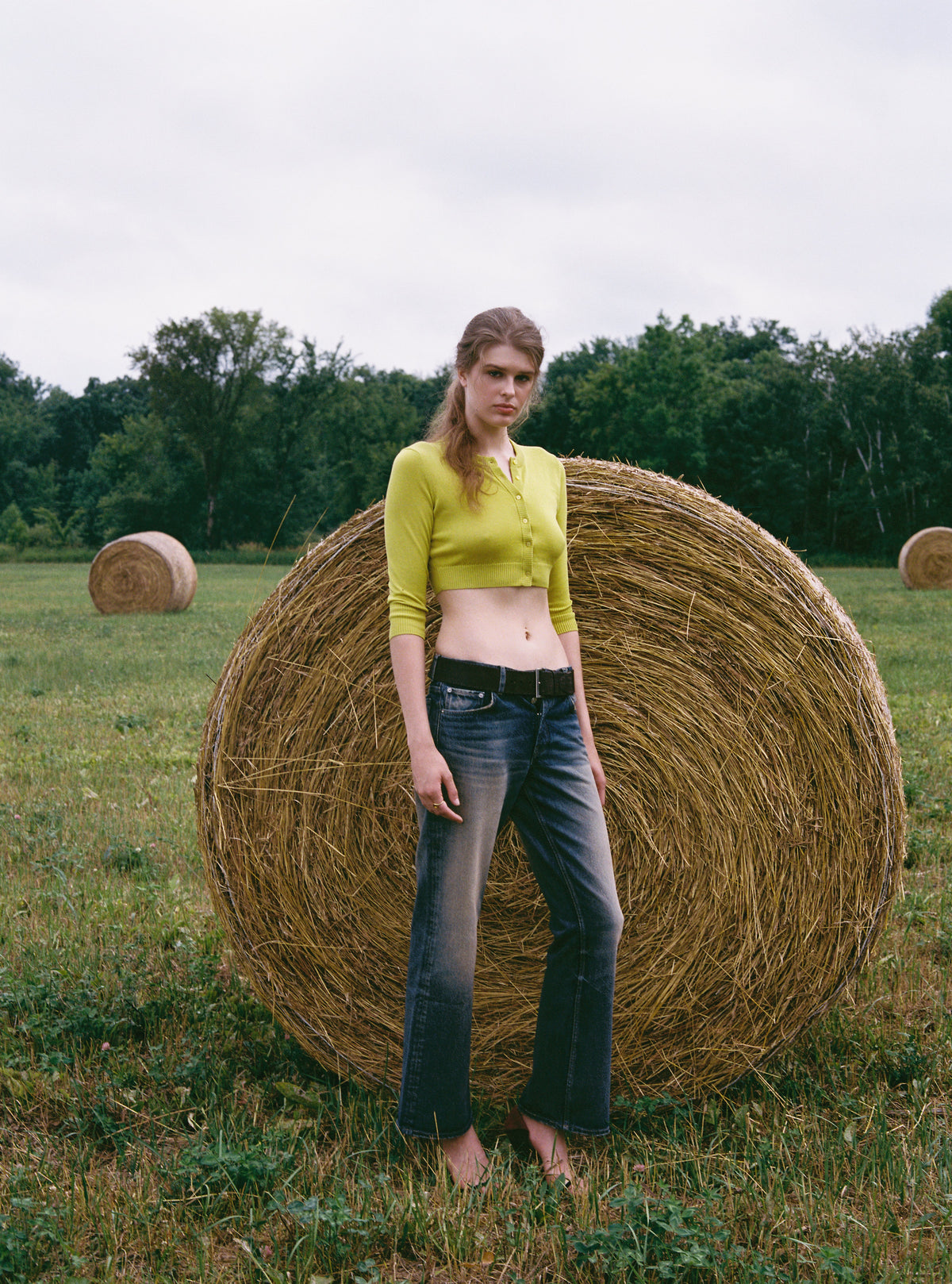
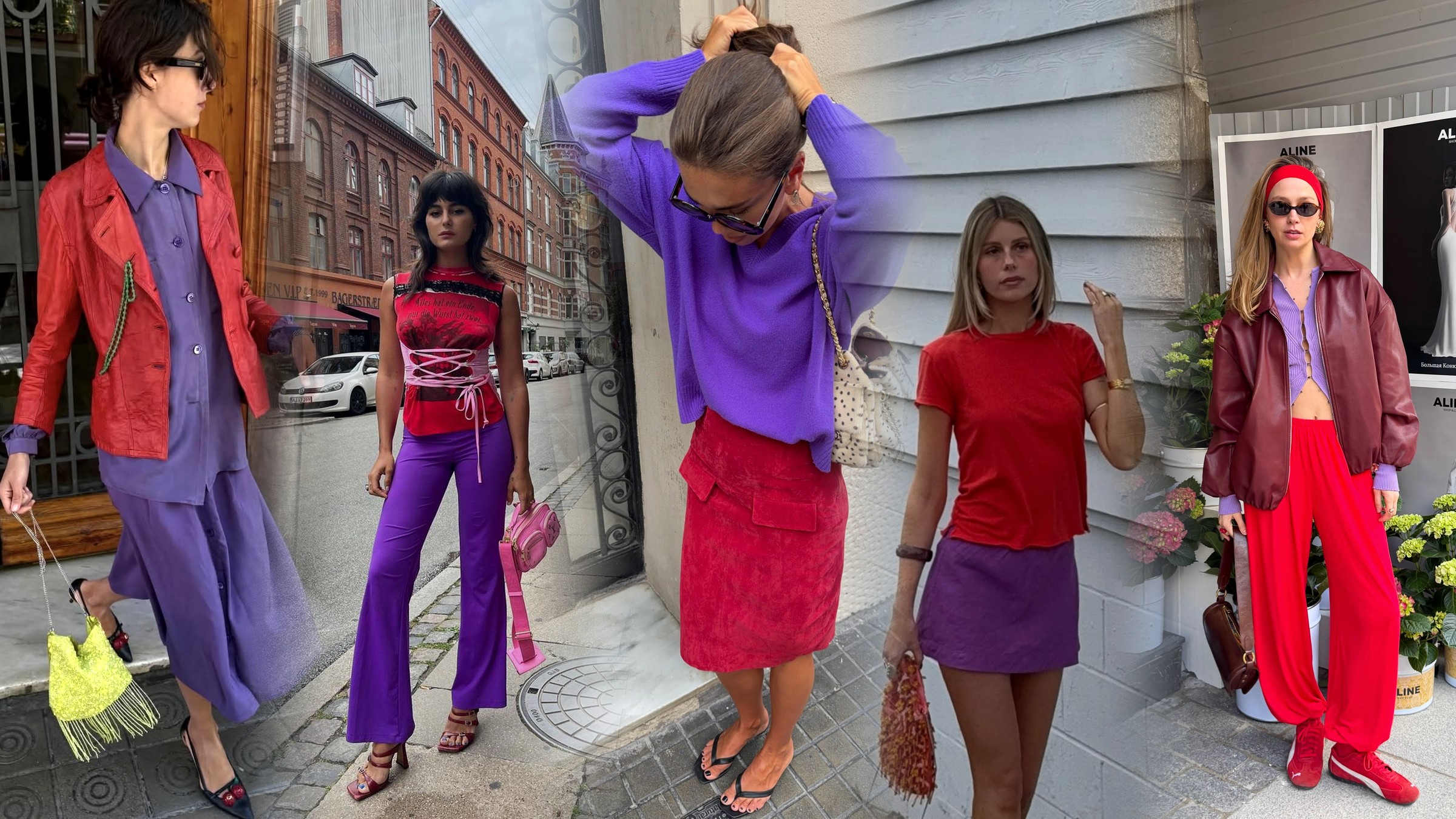
Hubert de Givenchy opened his own Paris couture house in 1952 at just 24, after training under Jacques Fath, Robert Piguet, Lucien Lelong and Elsa Schiaparelli. His debut collection of interchangeable separates in raw cotton shirting, anchored by the white Bettina blouse, made practicality itself the news, and the house's identity was cemented a year later when he met Audrey Hepburn and began dressing her both on screen and off.
Givenchy
Dresses
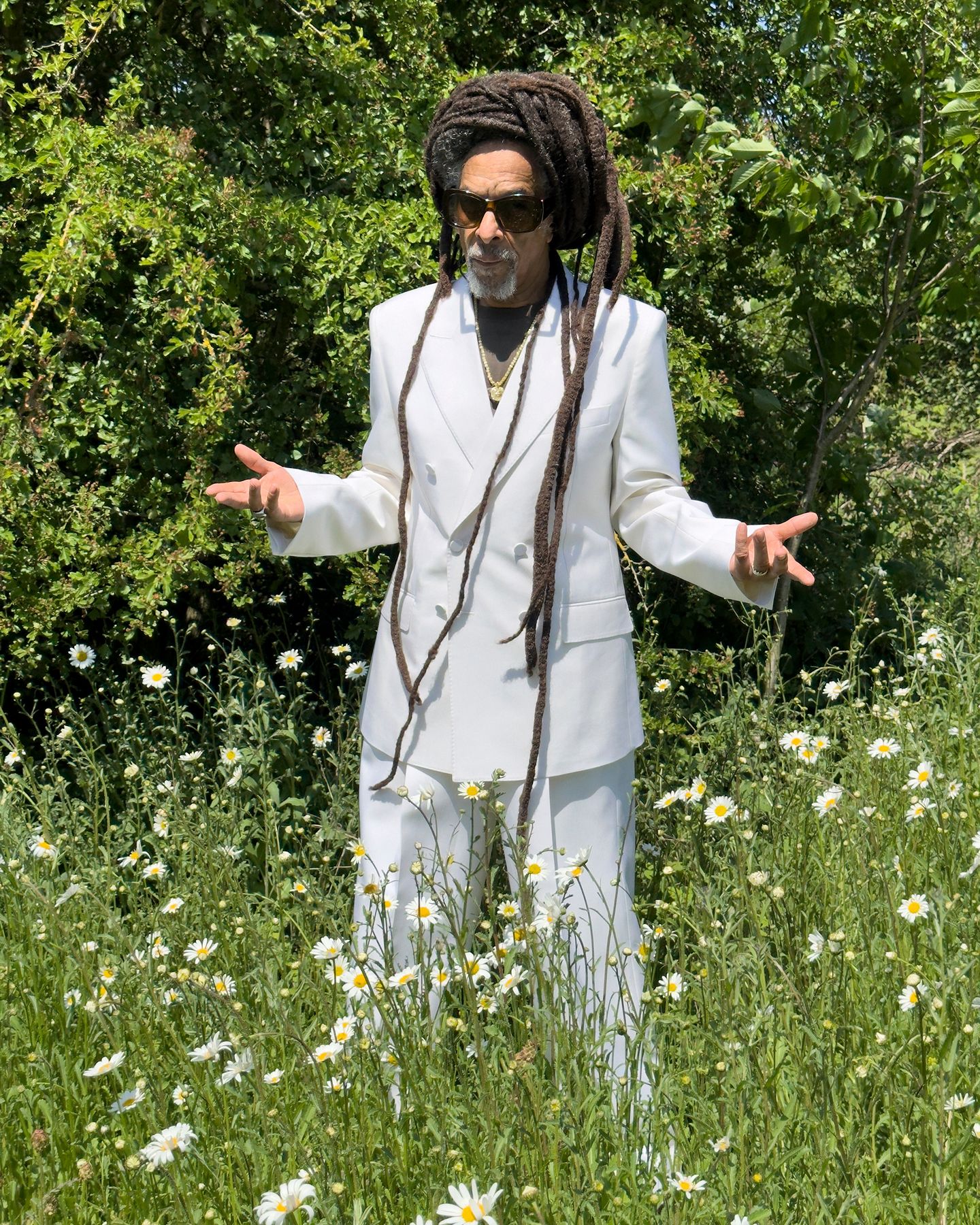
Dresses are where Givenchy's whole founding argument still plays out: that couture-level construction could also be practical, mix-and-match, wearable in a way 1952 Paris was not really doing yet. The house that dressed Audrey Hepburn on and off screen for decades built its name on exactly this category, and it still carries real weight here.

Asymmetric Wool-Cashmere Mini Dress
Givenchy
$2,900

Sliced Kickback Midi Dress
Givenchy
$2,750

Trench Belted Leather Midi Dress
Givenchy
$10,500

Cape-Detailed Duchesse Satin Mini Dress
Givenchy
$4,950

Sliced Leopard Midi Dress
Givenchy
$6,500

Wool-Mohair Midi Wrap Dress
Givenchy
$5,050

Bow-Embellished Silk Maxi Dress
Givenchy
$9,500

Draped Crepe Gown
Givenchy
$4,500

Back-To-Front Blazer Dress
Givenchy
$10,000

Denim Midi Dress
Givenchy
$1,950

Off-The-Shoulder Cotton Poplin Midi Shirt Dress
Givenchy
$3,650

Knitted Ruffled Midi Dress
Givenchy
$3,750

Wool Grain De Poudre Mini Tuxedo Dress
Givenchy
$4,100

Silk-Satin Mini Dress
Givenchy
$2,650

Bow-Detailed Nappa Leather Midi Dress
Givenchy
$9,950

Open-Back Knitted Maxi Dress
Givenchy
$4,800

Cutaway Duchesse Satin Mini Dress
Givenchy
$5,050

High-Neck Slashed Wool-Cashmere Asymmetric Mini Sweater Dress
Givenchy
$2,900

Sleeveless Animal-Print Gown
Givenchy
$6,500

Sliced Midi Leather Dress
Givenchy
$6,500
Shoes
Footwear extends the house's discipline about proportion and finish into a category Hubert de Givenchy himself was not primarily known for, which makes it a more recent expression of the codes than an original signature. It still reads as recognizably Givenchy in its restraint rather than in any obvious logo.

95mm Pointy Patent Leather Pumps
Givenchy
$990

Naked Bow Satin Sandals
Givenchy
$970

Shark Pinch Leather Over-The-Knee Boots
Givenchy
$3,190

90mm Shark Pinch Pony Hair Ankle Boots
Givenchy
$2,550

Twisted Ribbon Leather Sandals
Givenchy
$1,120

Heel Fringed Raffia 65MM Mules
Givenchy
$1,190

Platform Fringed Raffia 95MM Wedges
Givenchy
$1,190

Boudoir Bow Leather Mules
Givenchy
$1,390

Slim Denim Low-Top Sneakers
Givenchy
$790

Studded Wedge Platform Sandals
Givenchy
$1,190

Collapsable Canvas Loafers
Givenchy
$970

Slim Suede-Leather Low-Top Sneakers
Givenchy
$790

Metallic Strappy Sandals
Givenchy
$1,120

Sliced Square Satin Ballet Flats
Givenchy
$820

Leopard-Print Slingback Pumps
Givenchy
$1,050

Crush Patent Leather Ballet Flats
Givenchy
$890

Tape Animation Leather Ankle Boots
Givenchy
$1,550

Shark Pinch Over The Knee Boot
Givenchy
$3,190

Slim Sneaker
Givenchy
$690

Patent Leather Pump
Givenchy
$990
More from the collection
Beyond dresses and shoes, the wider assortment reflects a house that has passed through several very different creative hands, from John Galliano and Alexander McQueen to Riccardo Tisci's decade-plus run and now Sarah Burton, who took over womenswear and menswear in September 2024. Each era read differently, which is worth keeping in mind while browsing a single edit.

Bold Square-Frame Acetate Sunglasses
Givenchy
$400

One Square-Frame Acetate Sunglasses
Givenchy
$470

One Square-Frame Acetate Sunglasses
Givenchy
$470

Bold Square-Frame Acetate Sunglasses
Givenchy
$400

City Round-Frame Metal Sunglasses
Givenchy
$290

City Cat-Eye Acetate Sunglasses
Givenchy
$270

Speed Square-Frame Metal Sunglasses
Givenchy
$300

Bold Aviator-Frame Acetate Sunglasses
Givenchy
$400

Day Aviator-Frame Acetate Sunglasses
Givenchy
$400

Day Square-Frame Acetate Sunglasses
Givenchy
$270

City Round-Frame Metal Sunglasses
Givenchy
$290

Day Square-Frame Acetate Sunglasses
Givenchy
$270

City Cat-Eye Acetate Glasses
Givenchy
$240

Bold Square-Frame Acetate Sunglasses
Givenchy
$460

Speed Square-Frame Metal Sunglasses
Givenchy
$300

One Aviator-Frame Metal Sunglasses
Givenchy
$510

Leopard Jacquard Short Cocoon Coat With Scarf
Givenchy
$6,200

Bold Cat Eye Sunglasses
Givenchy
$420

Leather belt
Givenchy
$820

Voyou Small Fish Skin Leather Bucket Bag
Givenchy
$3,000

Voyou Small Fish Skin Leather Bucket Bag
Givenchy
$3,150

Pinch Plush Animal-Print Clutch
Givenchy
$2,650

Antigona Leather Vanity Bag
Givenchy
$1,800

Antigona Grained Catchall Medium Bag
Givenchy
$2,700
More from the collection
This stretch of the range shows how far the house has moved from a single 1952 atelier into a full LVMH-owned lifestyle brand, acquired by the group in 1988, seven years before Hubert de Givenchy's own retirement in 1995. The founder's preference for clean tailoring over ornament still surfaces in pieces here, even under later designers.

Vertical Bow Silk-Blend Minaudiere Bag
Givenchy
$6,000

Voyou Bomber Medium Leather Bag
Givenchy
$2,850

Snap Nano Raffia Bucket Bag
Givenchy
$1,500

Voyou Small Leather Bucket Bag
Givenchy
$1,990

Voyou Medium Leather Bag
Givenchy
$2,950

Antigona Box Leather Vanity Bag
Givenchy
$1,550

Antigona Small Raffia Sunset Bag
Givenchy
$1,900

Pinch Leather Top-Handle Bag
Givenchy
$3,100

Antigona leather-trimmed suede tote
Givenchy
$2,700

Voyou small embellished leather bucket bag
Givenchy
$1,990

Pinch Soft leather clutch
Givenchy
$2,100

Open-Back Draped Velvet Top
Givenchy
$5,900

Tie-Back Leather Shirt
Givenchy
$7,500

Draped Satin Top
Givenchy
$1,950

Cocoon-Sleeve Knit Bodysuit
Givenchy
$4,550

Sculpted Striped Cotton Poplin Shirt
Givenchy
$1,750

Knotted Leather Shirt
Givenchy
$6,950

Open-Back Knit Top
Givenchy
$1,150

Wide-Collared Nappa Leather Shirt
Givenchy
$6,300

Draped Top
Givenchy
$1,950

High Neck Short Sleeve Top
Givenchy
$1,850

High Collar Popeline T-Shirt
Givenchy
$790

Wide Collar Long Sleeve Shirt
Givenchy
$1,550

Pleated Leather Maxi Skirt
Givenchy
$4,950
More from the collection
Further into the edit, accessories and separates show the commercial engine that grew out of the original couture business, including the fragrance line launched in 1957 around Audrey Hepburn as its face, reportedly the first time a brand built a fragrance campaign around one star. That instinct for pairing image with product has outlasted every creative director since.

Slashed Wool Mini Skirt
Givenchy
$1,300

Frills Knit Midi Skirt
Givenchy
$2,850

Leather Midi Pencil Skirt
Givenchy
$5,300

Tailored Denim Midi Skirt
Givenchy
$1,550

Mini Slashed Skirt
Givenchy
$1,600

Mini Slashed Skirt
Givenchy
$1,300

Asymmetric grain de poudre wool mini skirt
Givenchy
$1,300

Asymmetric wool midi skirt
Givenchy
$1,950

Tailored Wool-Blend Peplum Jacket
Givenchy
$5,500

Cropped Cocoon Tuxedo Jacket
Givenchy
$3,750

Trapeze Tumbled Leather Biker Jacket
Givenchy
$8,100

Cocoon Buttoned Jacket
Givenchy
$3,300

Tailored Wool Mohair Jacket
Givenchy
$3,500

Cocoon Button-Down Crop Jacket
Givenchy
$3,300

Double-Breasted Pinstripe Wool Jacket
Givenchy
$3,550

Leather cropped jacket
Givenchy
$6,750

Reverse lapel wool grain de poudre jacket
Givenchy
$3,950

Wool Skinny-Leg Cigarette Pants
Givenchy
$1,500

Gingham Wool-Mohair Cigarette Pants
Givenchy
$1,800

Double-Pleated Low-Waisted Wool Trousers
Givenchy
$1,800

Turn-Up Wide-Leg Denim Trousers
Givenchy
$1,600

Pinstriped wool tapered pants
Givenchy
$1,900

High Neck Knit Cardigan
Givenchy
$2,500

High Neck Slashed Sweater
Givenchy
$1,950
More from the collection
A last look through the assortment is a reminder that Givenchy's founding idea, useful separates over rigid formality, has been reinterpreted by designer after designer without the house ever fully abandoning it. Sarah Burton's tenure is the newest version of that argument, and it is still being written.

Ribbed wool-blend sweater
Givenchy
$1,950

Bow-Scarf Leopard Short Coat
Givenchy
$6,200

Oversized Bonded Cotton Trench Coat
Givenchy
$6,350

Wool and cashmere-blend double-breasted coat
Givenchy
$6,950

Cuffed Raw-Denim Wide-Leg Jeans
Givenchy
$1,600

Cocoon Rigid Mid-Rise Wide-Leg Jeans
Givenchy
$1,300

Rialto mid-rise wide-leg jeans
Givenchy
$1,600

Slashed Draped Cotton Poplin Maxi Shirtdress
Givenchy
$3,650
Our honest take
Givenchy's genuine claim to history is specific: a 24-year-old designer who made practicality glamorous, then spent decades dressing one of the most photographed women alive without ever needing a loud logo to do it. Our honest take is that the house is most interesting when a new creative director treats that restraint as a starting point rather than something to overwrite, and it is too early to say definitively which camp Sarah Burton falls into.