Vermeil, gold plated and solid gold explained against the FTC's actual definitions, plus which one to buy for which piece.
Gold Vermeil vs Gold Plated vs Solid Gold: What You Are Actually Paying For

What the three labels actually mean
Three pieces of gold jewelry can look identical in a product photo and cost $40, $200 and $900. The difference is not branding. It is how much gold is there and what sits underneath it, and two of the three terms have legal definitions you can hold a brand to.
Solid gold is gold alloy all the way through, sold by karat. 14k is 58.3 percent pure gold, 18k is 75 percent. There is no coating to wear off, which is the entire point.
Gold vermeil is the interesting one, because the US Federal Trade Commission regulates the word. Under the FTC Jewelry Guides, a piece can only be called vermeil if the gold layer is at least 2.5 microns thick, the gold is at least 10 karat, and the base metal underneath is sterling silver. All three conditions have to be true.
Gold plated has no legal minimum thickness at all. In practice the layer is often somewhere between 0.175 and 0.5 microns, which is five to fourteen times thinner than the vermeil floor, and the base is usually brass or copper rather than silver.
So vermeil is not a marketing softener for plated. It is a specific, thicker, better-based thing.
Solid gold, bought small

Oversized Thin Hoops
Mejuri
$998

Baguette Emerald Bar Necklace
Mejuri
$748

Micro Pearl Necklace
Mejuri
$248

Single Sphere Stud
Mejuri
$80

Single Celeste Lab Grown Diamond Triad Stud
Mejuri
$298

Interconnected Single Wave Pavé Diamond Stud
Mejuri
$528

Between Hoops
Mejuri
$158

Drop Shot Tennis Earrings
Mejuri
$298

Diamond Ear Cuff
Mejuri
$398

Bold Cuff
Mejuri
$678
The number that predicts how long it lasts
Thickness is the whole story, and the units are worth internalising. A micron is a thousandth of a millimetre. A human hair is roughly 70 microns across. So the 2.5 micron vermeil minimum is about a twenty-eighth of a hair, and a typical plated layer is a fraction of that again.
That is why the two behave so differently on the same body. Plated gold on a ring, where your finger rubs against everything all day, can wear through to the base metal in a few months. The same plating on earrings you put in and forget can look new for years, because nothing abrades it.
The base metal matters just as much as the layer. When plating does wear through, vermeil exposes sterling silver, which is a metal most people can wear without a reaction. Plated jewelry over brass exposes brass, which contains copper, and copper is what leaves a green mark on your skin.
One more term you will see: gold filled. That is a mechanically bonded layer, minimum 5 percent gold by weight, and it sits between vermeil and solid gold for durability. It is common in chains and rare in fashion jewelry.
Vermeil, and where it makes sense

Organic Dôme Ripple Chain Bracelet
Mejuri
$678

Jojo Double Hoops
Mejuri
$198

Bold Open Dôme Ring
Mejuri
$198

Lab Grown Sapphire Half Tennis Necklace
Mejuri
$398

In a Pinch Pearl Studs
Mejuri
$188

Dôme Brioche Huggies
Mejuri
$118

Charlotte Slim Ring
Mejuri
$168

Duet Mixed Huggie Hoops
Mejuri
$168

Lab Grown Sapphire Emerald Cut Studs
Mejuri
$128

Round Lab Grown Sapphire Studs
Mejuri
$128
Buy by placement, not by budget
The useful way to spend is to match the construction to how the piece gets treated, not to buy the most expensive version of everything.
Earrings are the best possible place to buy solid gold, and the cheapest, because you need so little metal. A small solid gold hoop or stud costs a fraction of a solid gold chain and never comes out, so it never gets the chance to wear. If you own one solid gold thing, make it earrings.
Rings and bracelets are the worst place to buy thin plating. They take constant contact. Either buy them solid, or accept that a plated version is a one-season piece and price it accordingly.
Necklaces sit in the middle. A chain rubs against collars and other chains, so a thicker vermeil or solid gold chain earns its money if you wear it daily. A statement necklace you wear six times a year does not.
And there is nothing wrong with plated jewelry bought knowingly. A $40 plated pair of statement earrings for a specific occasion is a sensible purchase. The mistake is paying near-vermeil prices for unspecified plating, or expecting a plated ring to last a decade.


Common questions
Is gold vermeil real gold? Yes. The layer is genuine gold of at least 10 karat by FTC definition. It is real gold over sterling silver rather than gold all the way through.
Will vermeil tarnish? The gold itself will not. But if the layer wears thin in spots, the sterling silver underneath can tarnish and show through as a darker patch. That is usually what people mean when they say their gold jewelry tarnished.
How can I tell if something is really vermeil? Look for the base metal and thickness stated explicitly, usually as 18k gold vermeil over sterling silver. If a brand says only gold plated, or names no base metal, assume standard plating over brass.
Does a higher karat mean it lasts longer? Not necessarily. Pure gold is soft, so 24k scratches more easily than 14k. For everyday pieces 14k is often the more practical choice, and it is more scratch resistant than 18k.
Can plated jewelry be re-plated? Often yes, if the base is intact. A jeweller can re-plate a worn piece, which is usually cheaper than replacing it.
Shop brands in this edit


Next read
Secondhand Louis Vuitton Damier Ebene Or Damier Azur
Damier Ebene and Damier Azur are the same coated canvas in two colourways, and the secondhand market treats them as two different products.
Read Editorial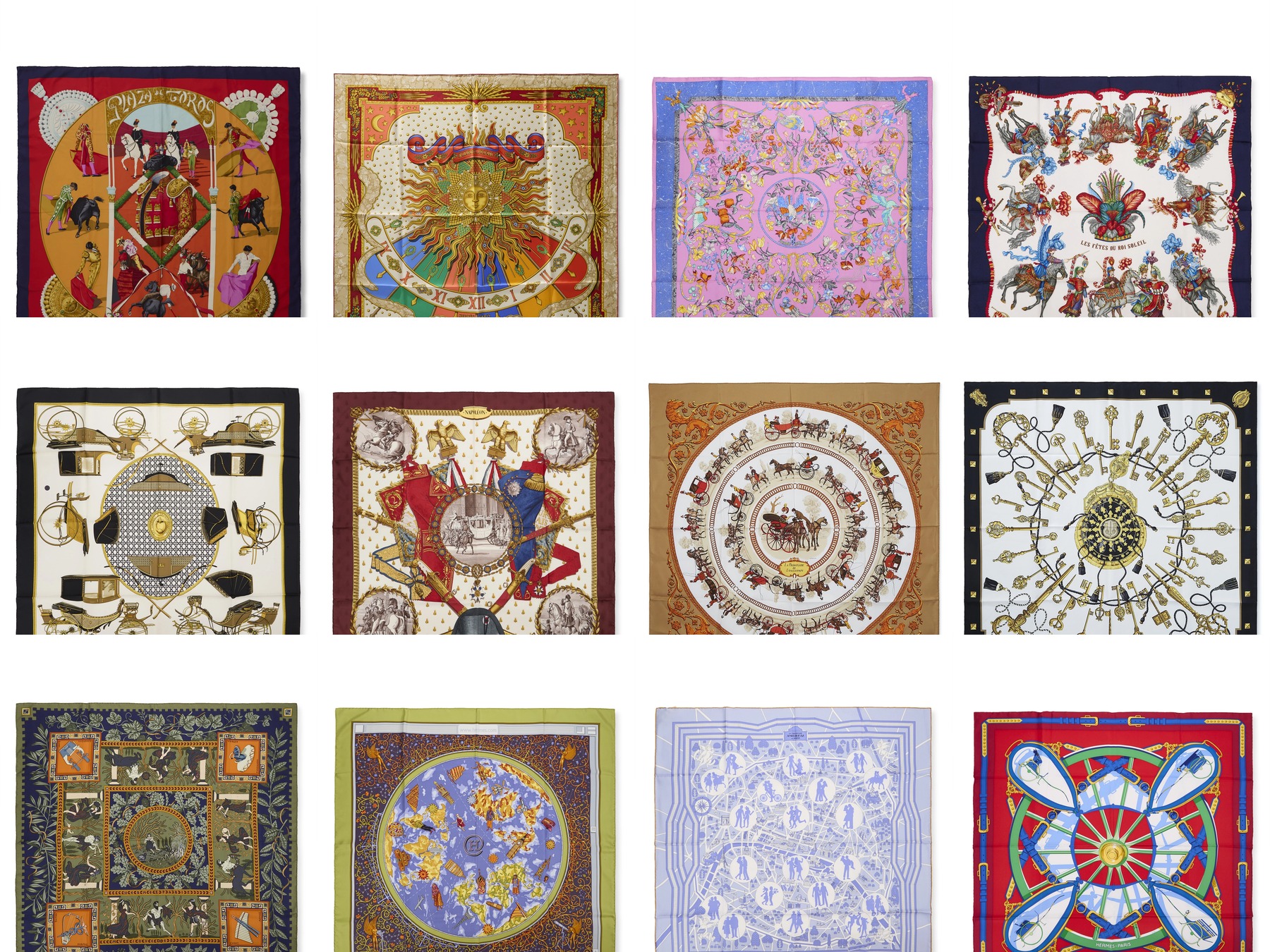
Secondhand Silk My Favs
My sixteen selects of scarves below are all ninety centimetre squares, split into two price bands