Does Gymshark run small? Mostly no. It fits true to size, but compression leggings and supportive bras feel snug, so size up between sizes.

Gymshark Sizing Guide: Does Gymshark Run Small, Big or True to Size?
Mostly true to size, with a few important exceptions
Gymshark is mostly true to size, but compression, leg length and bra support change how the fit feels. If you have searched "does Gymshark run small," the useful answer is not across the board, though compressive leggings can feel snug. Gymshark sizing is easier to read when you separate leggings, sports bras and tops instead of expecting one S to fit every fabric the same way.
On the Gymshark size chart, women's bottoms run XXS to XXL, mapping to US sizes 2-4 through 14-16, with waist and hip measurements alongside the letter sizes. Tops also run XXS to XXL, but their US conversion starts at 0-2 and ends at 12-14, so use the top chart rather than converting from your leggings size.
Leggings offer short, regular and long lengths, around 28.5, 30.5 and 32.5 inches, with Gymshark's height guidance spanning roughly 4 ft 2 in to 6 ft 5 in. For sports bras, measure under the bust and around the fullest part of the bust: the band does most of the support work. US orders generally have 30 days for returns, but items marked Final Sale after a discount of 60 percent or more are excluded, and exchanges are for another size of the same item.
Leggings need a fit and a length decision
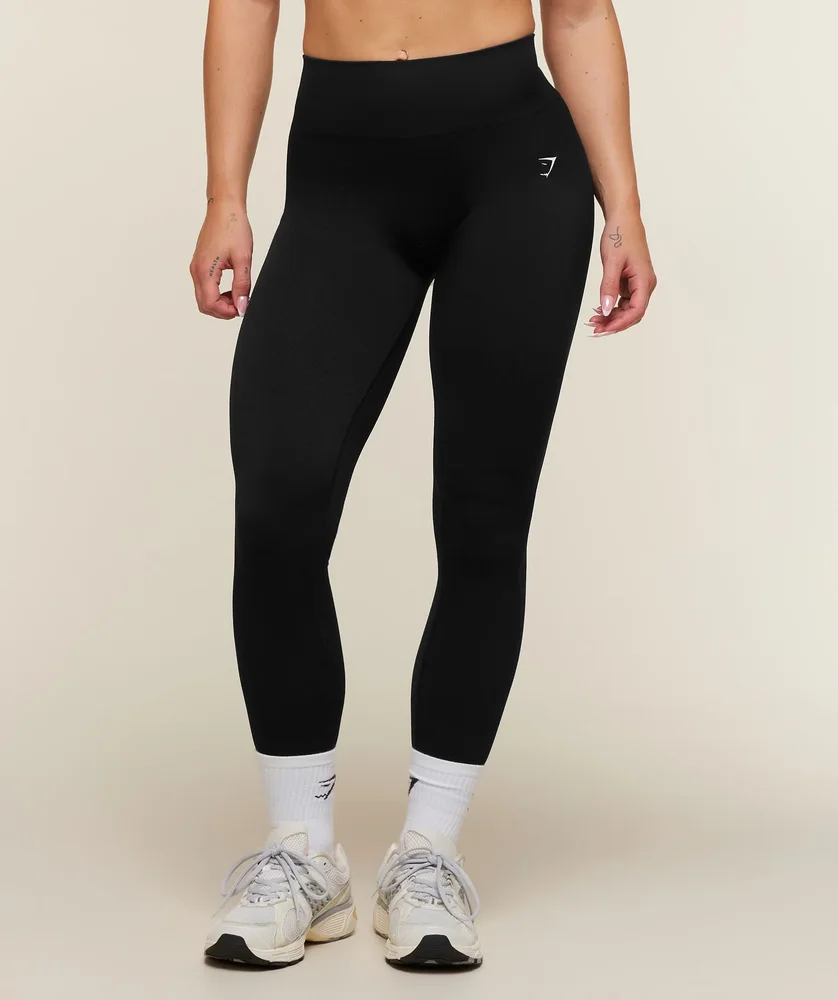
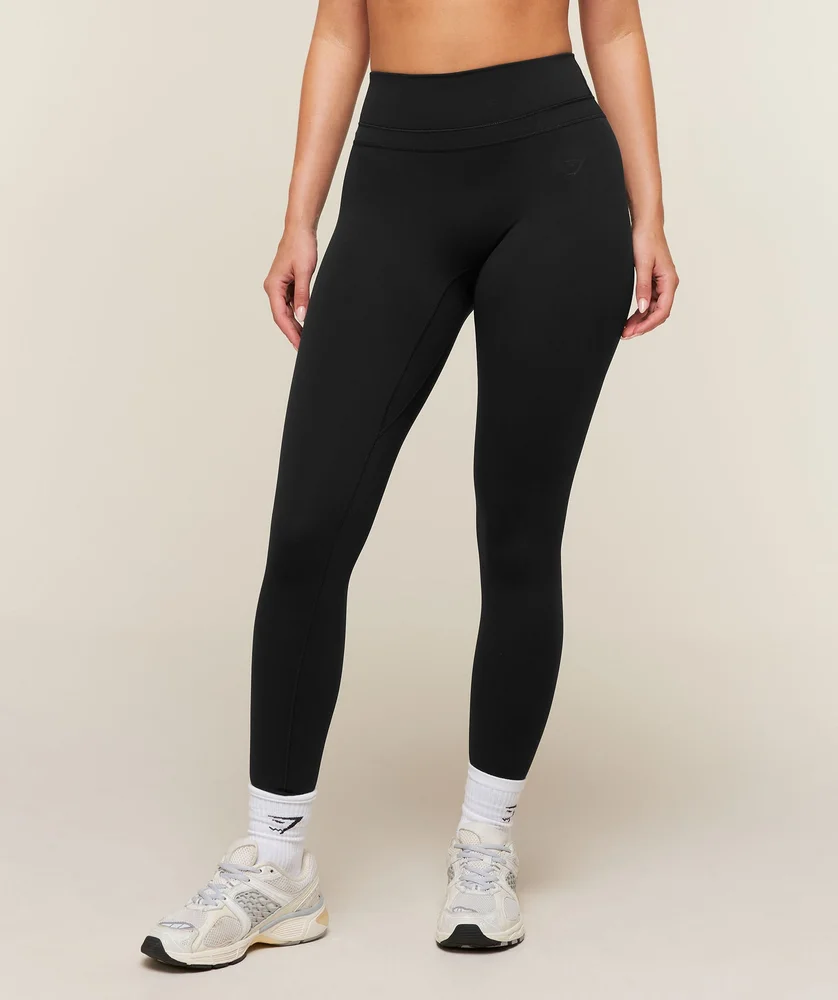
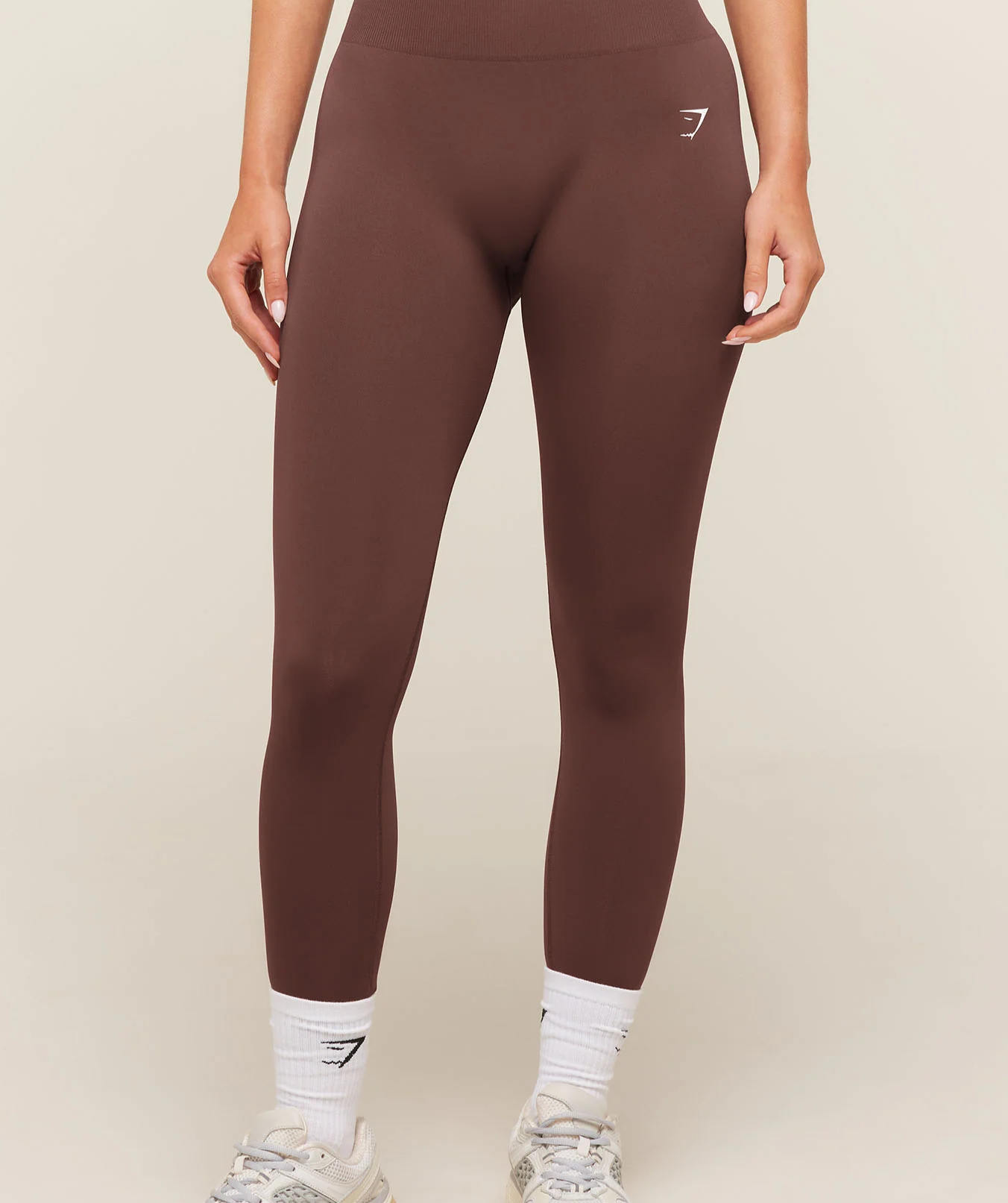
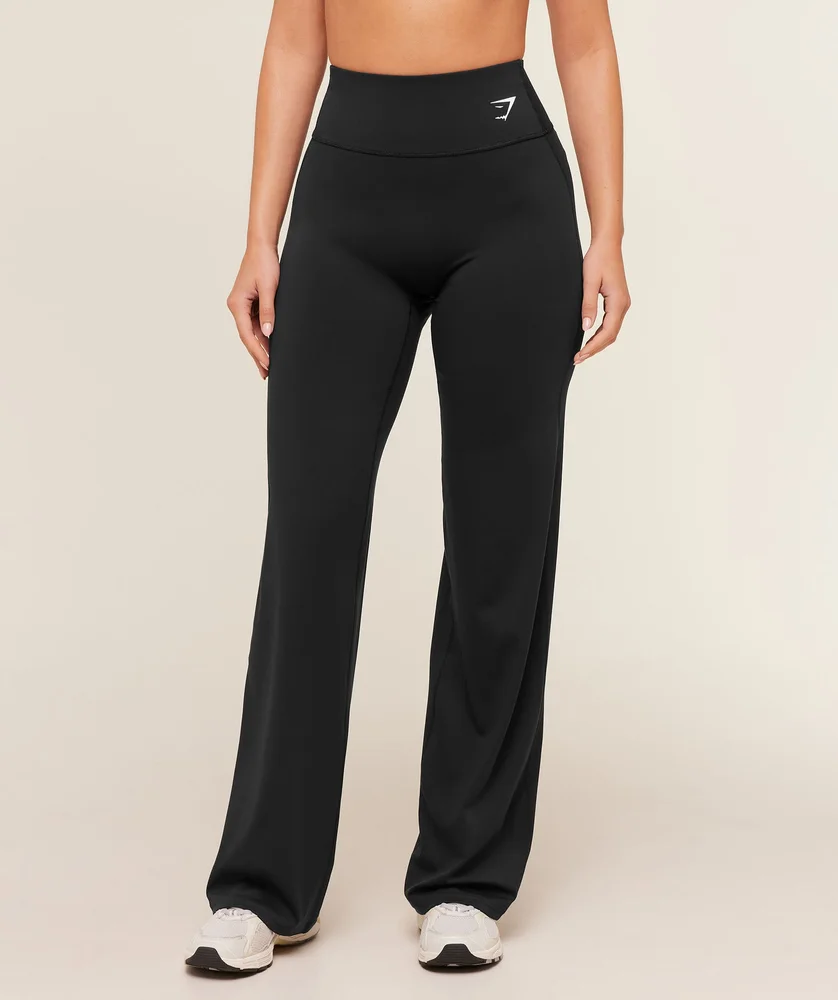
With leggings, I start with how much hold I want, not with a reflex to size down. Adapt Solid Leggings, Whitney High-Rise Regular Leggings, Everyday Seamless Leggings and Training Straight Leg Regular Leggings span high-rise, seamless and straight-leg cuts, so the product name and silhouette matter as much as the letter size. These options include different rises, silhouettes and compression, and some collections offer short, regular and tall lengths.
Gymshark leggings are designed to fit true to size, but if you land between sizes, sizing up is usually safer for coverage and comfort. Shape's wear testing reached the same broad verdict, true to size overall, with a size up suggested for anyone who dislikes compression. If your waist is narrower than your hips, choose by the fullest hip measurement first; then check inseam and length before changing the size. When those measurements point in different directions, pick length first and avoid sizing down simply to make the waistband feel secure.
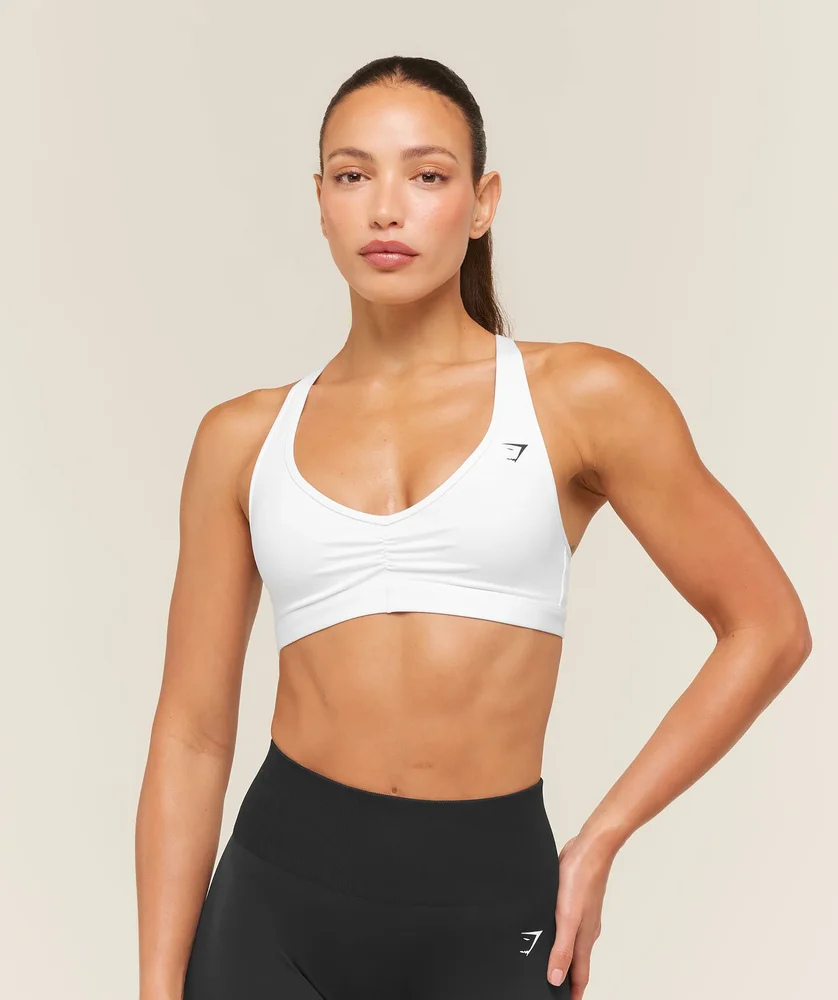
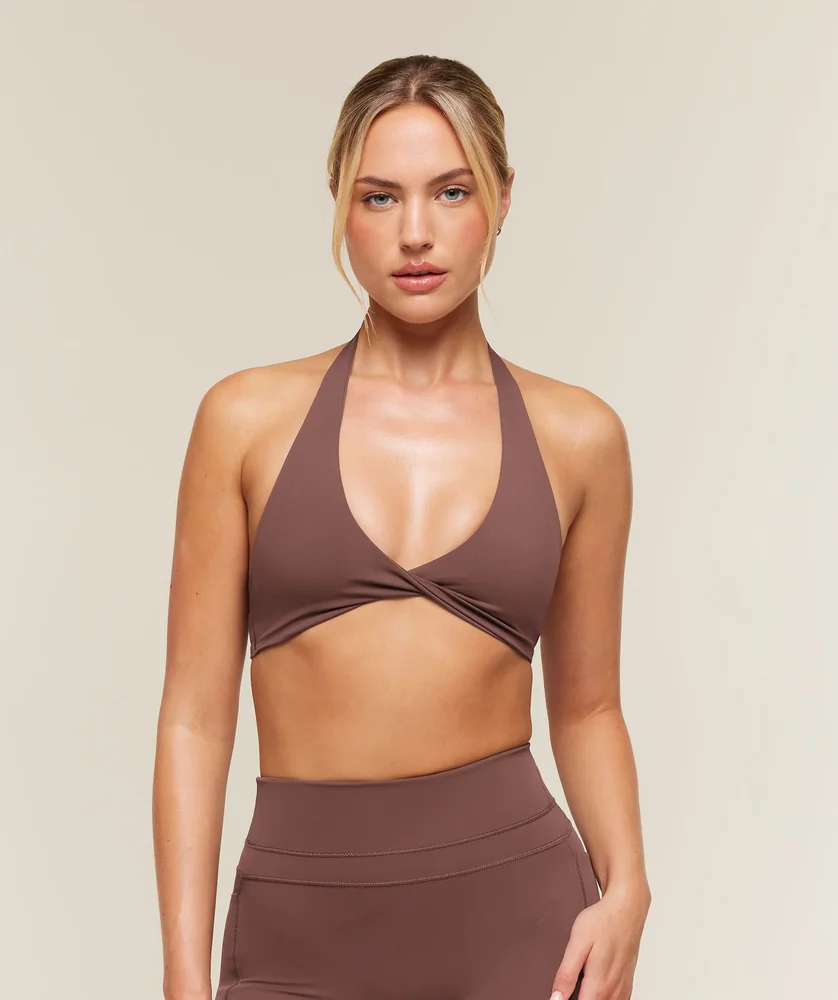
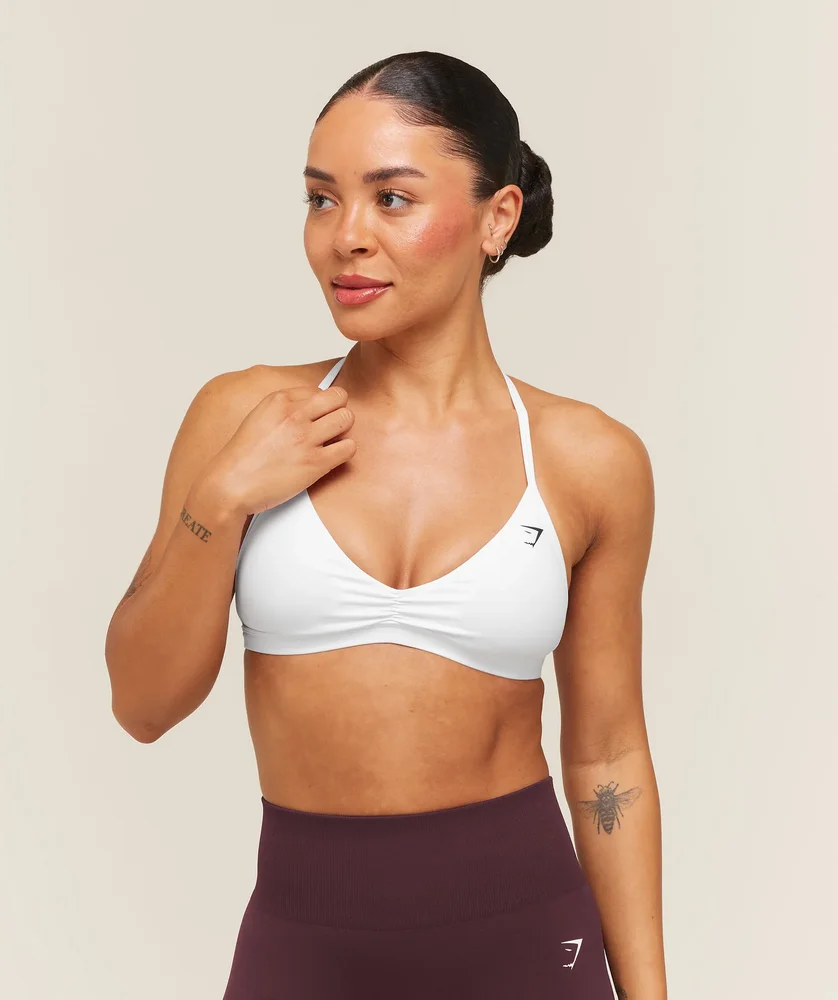
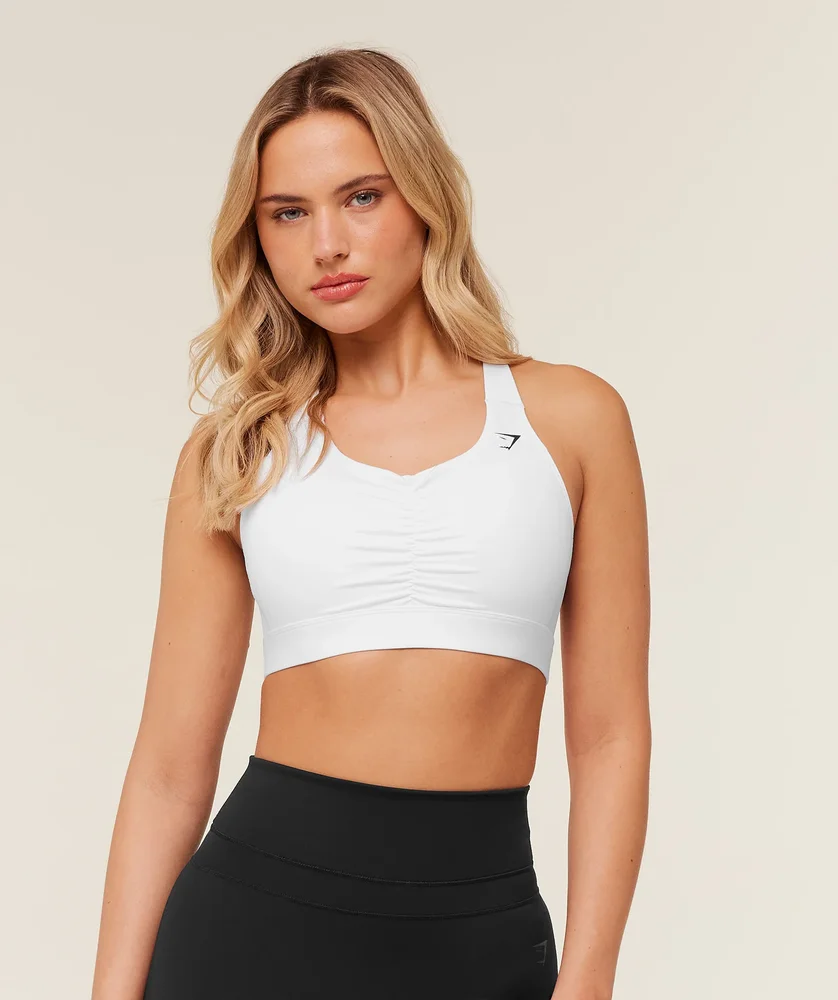
A sports bra should match the workout
Sports bras do not have one universal fit verdict, because a light-support bra and a high-support bra are meant to manage different movement. Gymshark's women's bra collection divides the menu into High Support for running or HIIT, Medium Support for training with a little less bounce, and Light Support for yoga, rest days or light lifting. Measure snugly under the bust and level around the fullest part of the bust; the band provides most of a bra's support.
The Ruched Sports Bra 2.0 is the medium-support option for moderate-intensity workouts, and the High Support Ruched Sports Bra is made for higher-impact sessions. Whitney Twist Sports Bra and Minimal Sports Bra 2.0 also belong in the support-level conversation, rather than being treated as interchangeable with every other bra. I would choose support for the activity first, then adjust for personal comfort. A good sports bra should feel snug, not restrictive; if the band rides up or feels uncomfortable, recheck your underbust measurement before changing sizes.
Tops reward a closer look at the fit label
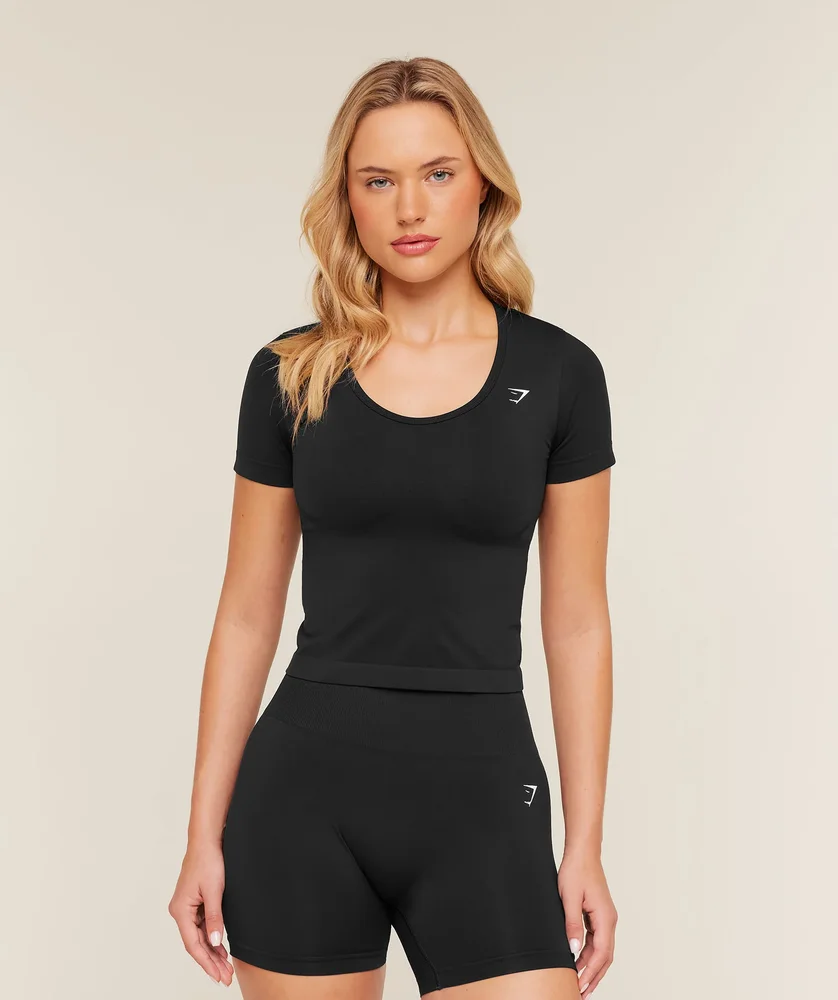
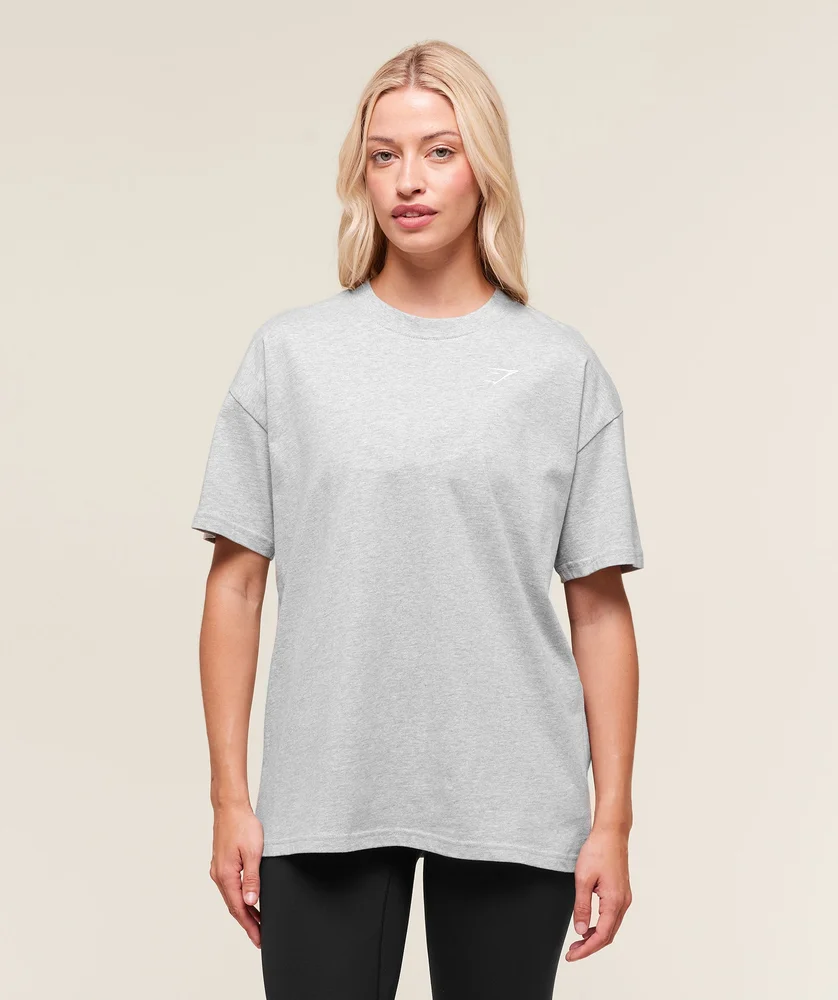
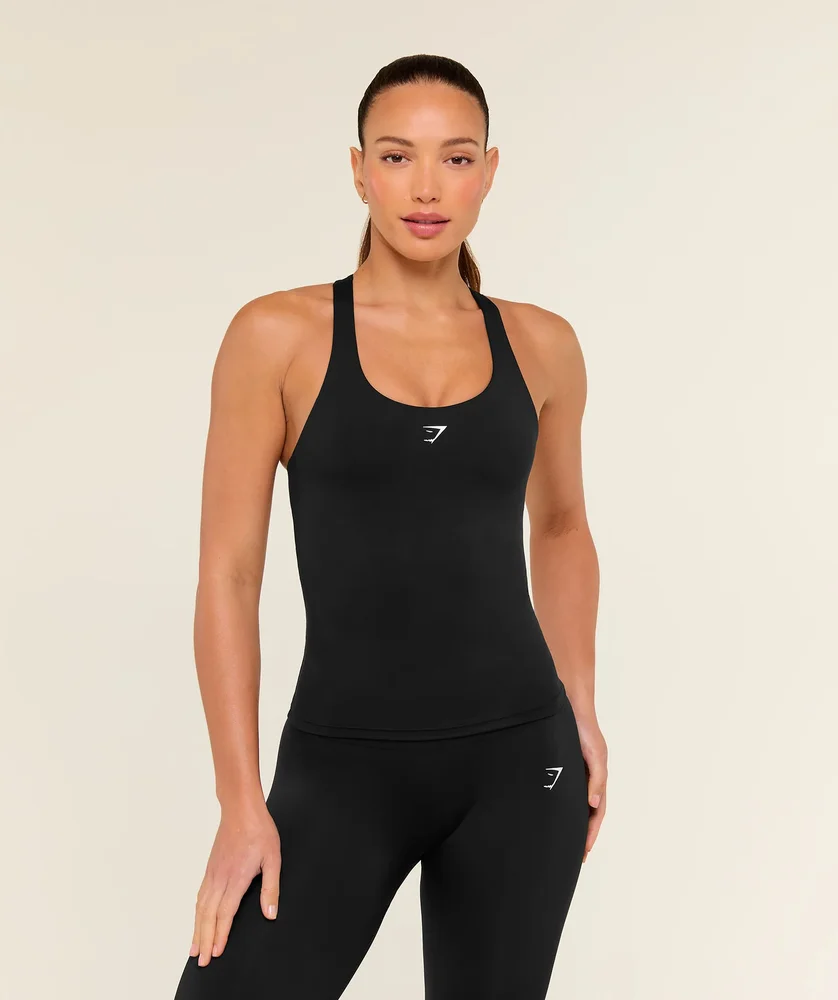
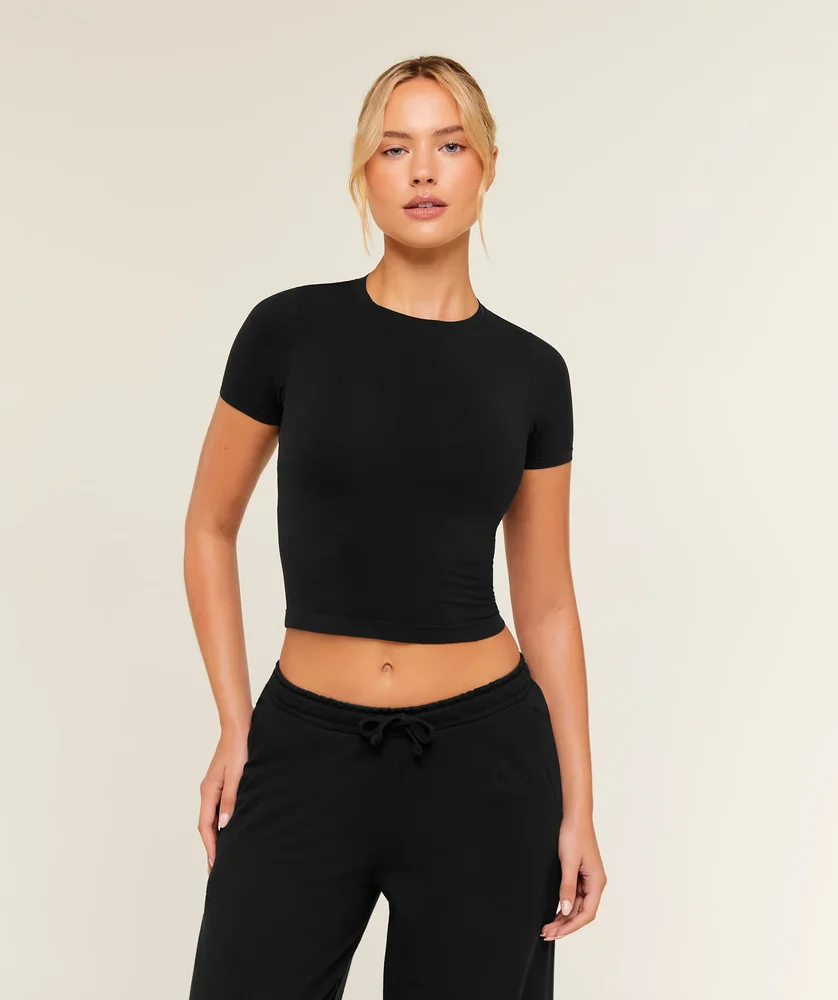
Tops are where I follow the fit label instead of trying to make every shirt behave like leggings. Everyday Seamless Tight Fit Crew Neck Tee, Training Oversized T-Shirt, Everyday Racer Back Tank With Shelf and FeatherForm Short Sleeve T-Shirt cover close-to-body and roomier choices; FeatherForm is described as body fit and seamless, with a second-skin feel. Training Oversized is built to be roomy, while a racer-back tank with a shelf is a useful built-in-layer option.
My rule is simple: leggings, take your usual size unless you are between sizes or want less compression, then size up; sports bras, choose support by workout and measure the band; fitted tops, start with your chart size; oversized tees, keep your usual size for the intended loose cut, and size down only if you do not want that look. Anyone between two sizes, with a smaller waist than hip or a height outside the regular inseam range should check the chart twice. If you are buying one thing first, start with the Everyday Seamless Tight Fit Crew Neck Tee for a close base layer, or the Training Oversized T-Shirt if you want a deliberately relaxed fit.