Hair porosity is how well your strands take in and hold on to moisture, and it can change after color, heat and time. Here is how I would read yours without the float test, then the leave-ins, bond builders, oils and tools that match each type. Start with how your hair behaves, then pick the product.
Hair Porosity Explained: What to Use for Low, Medium and High Porosity
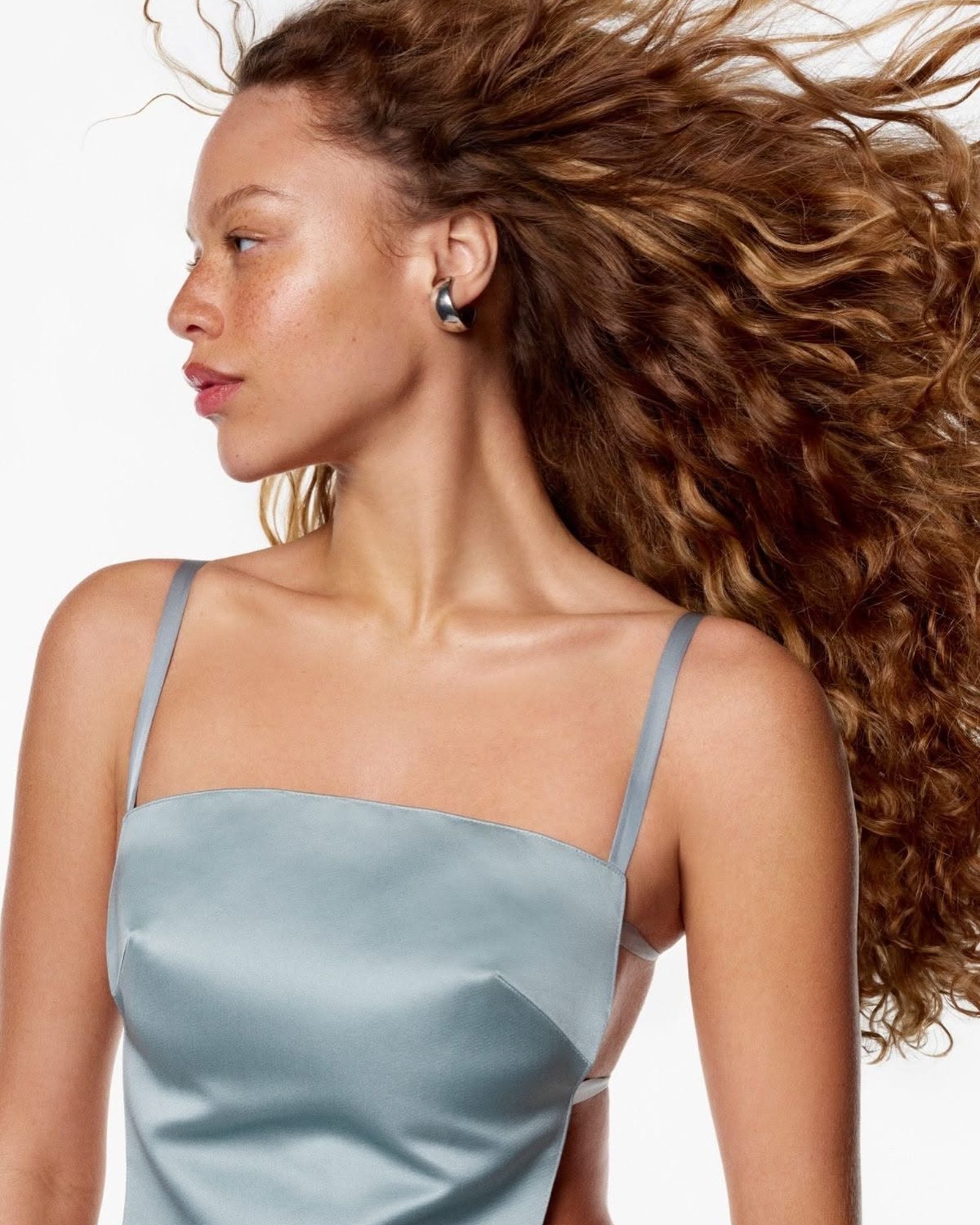
Low porosity, light leave-ins first
Leeds, 1928. William Astbury arrives at the university as professor of textile physics and uses X-ray diffraction to show that keratin, the protein in wool and in hair, exists in two states, stretched and unstretched, with hydrogen bonds holding the natural shape. Linus Pauling later built on the work. I love that the first serious question about hair was about its condition, not its identity. Hair can be in one state today and another after a summer.
That is how I think about hair porosity. Healthline describes it as your hair's ability to absorb and retain moisture through the cuticle, which overlaps like roof shingles, and sorts it into low, medium and high. Low porosity is usually genetic. High porosity is more often the result of heat or chemical damage, and PureWow's experts add that perms, relaxers, color and the environment move it too. Wikipedia's summary of conditioner science says bleaching, dyeing and heat strip the cuticle's lipid film, which leaves hair thirstier. So porosity is a state, not an identity, and you should retest after anything that changes your hair.
Low porosity hair tends to sit behind a closed door, so the trick is lightweight, humectant-forward products on damp, warm hair, which is Healthline's advice. That points to the first grid. Oribe's Supershine Light Moisturizing Leave-In Cream is the gentle one, and Ebb Ocean Club's Instant Slip & Shine is the slip-first choice. UNITE's 7SECONDS adds frizz and heat protection, and Fable & Mane's MahaMane is the pure detangler. Drybar's Prep Rally, OUAI's Melrose Place and Crown Affair's Leave-In Conditioner Cream are the everyday ones, and Agent Nateur's Holi (locks) is the bonding choice when you want to treat the hair.
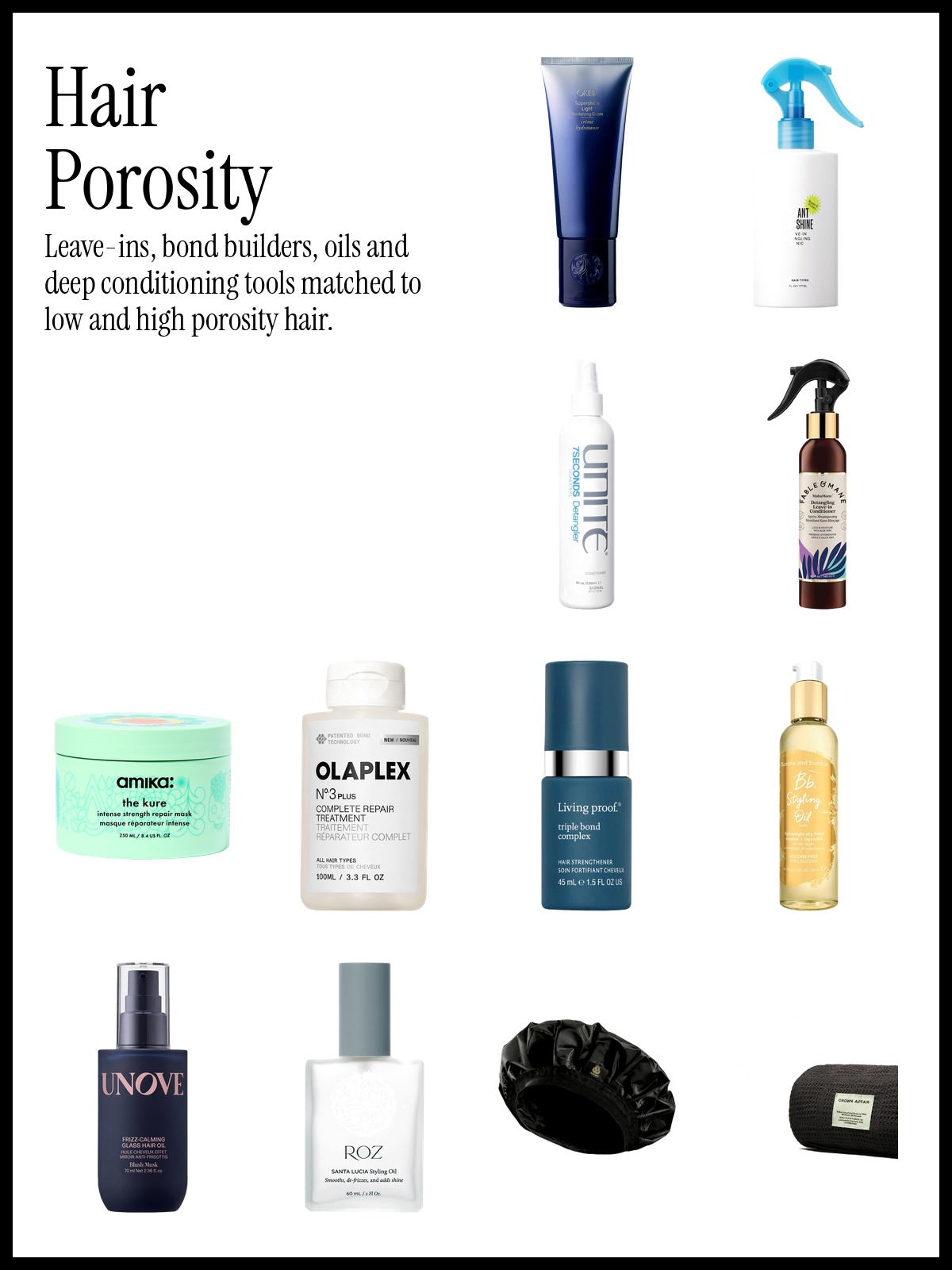
Light leave-ins and detanglers for low porosity hair

Supershine Light Moisturizing Leave-In Hair Cream for Dry Hair
Oribe
$54

Instant Slip & Shine Detangling Leave-In Conditioner
Ebb Ocean Club
$21

7SECONDS Detangling Leave-In Conditioner for Frizz & Heat Protection
UNITE Hair
$42.5

MahaMane Detangling Leave-in Conditioner
Fable & Mane
$30

Prep Rally Prime & Prep Detangler
Drybar
$29

Melrose Place Conditioning
OUAI
$32

The Leave-In Conditioner Cream for Hydrated Hair
Crown Affair
$48
%20Silk%20Peptide%20Bonding%20Leave-In%20Repair&link=https%3A%2F%2Fwww.revolve.com%2Fdp%2FAGER-WU51%2F)
Holi (locks) Silk Peptide Bonding Leave-In Repair
Agent Nateur
$56
Bond builders and protein care for high porosity hair
Spray a small section with water and watch what happens, then note how long your hair takes to dry. PureWow's experts pair that with a slide test, because Healthline says the float test in a glass is not scientifically validated, and buildup or water temperature can throw it off.
If your hair drinks water quickly and dries fast, it may be leaning high, and protein and bond care are where I would look. Wikipedia notes that hydrolysed proteins strengthen damaged hair, with small fragments reaching inside relaxed hair while larger ones mostly coat the surface, and the effect is temporary. That is the honest case for a routine, not a one-off. amika's The Kure and Pureology's Strength Cure are the masks for damaged hair. Olaplex's No. 3PLUS and Living Proof's Triple Bond Complex are the treatments I would compare side by side, and BondiBoost's Rapid Repair Bond Builder+ is the leave-in version. Kérastase's Première is the anti-breakage mask, FROMLABS' Protein Capsule is the keratin one, and Oribe's Hair Alchemy Strengthening Mask is the salon one.
A pairing I like: a bond builder once a week, a plain moisturizing mask the other days, so the hair gets both strength and softness.
What I would skip: a protein mask at every wash. Healthline advises low porosity hair to avoid protein-heavy products, and even high porosity hair can go stiff when it is overdone.

The Kure Intense Strength Repair Hair Mask
amika
$44

No. 3PLUS Complete Repair Treatment
Olaplex
$34

Triple Bond Complex Leave-in Hair Treatment
Living Proof
$45

Rapid Repair Bond Builder+ Leave-In Hair for damaged hair
BondiBoost
$33

Strength Cure Hair Mask for Damaged Hair
Pureology
$47

Première Anti-Breakage Repairing Mask for Damaged Hair
Kérastase
$70

Protein Capsule Keratin Hair Repair Mask
FROMLABS
$25

Hair Alchemy Strengthening Mask
Oribe
$68
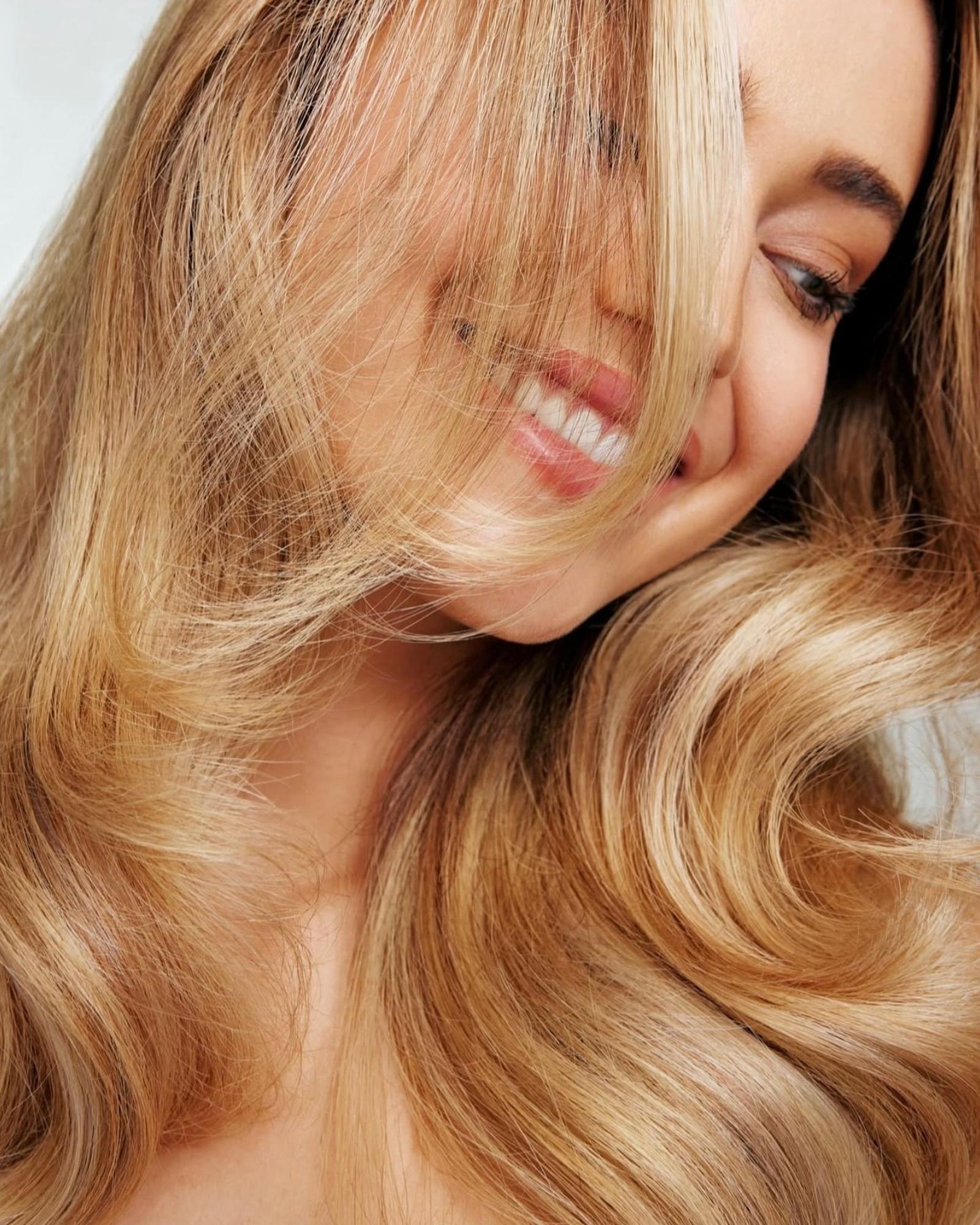
Hair oils and oil creams to seal moisture in
Oil goes on last, never first. Put the leave-in on damp hair, then use the oil as the seal, because Healthline says high porosity hair does well with oils and butters that hold moisture in, and with heat protectant on damp hair.
Bumble and bumble's Styling Oil is the lightweight, heat protectant one, and UNOVE's Frizz-Calming Glass Hair Oil and RŌZ's Santa Lucia also list heat protection. Messy by Alli Webb's Overnight Repair Hair Oil Serum is meant for bedtime, so it is the one you do not need to style around. Olaplex's No.7 Shine Serum is weightless and hydrating by its name, and L'Oréal Professionnel's Metal Detox Repair Hair Oil is for dry, damaged lengths. For curls, Ouidad's Moisture Lock with mongongo oil and Curlsmith's Curl Conditioning Hair Oil-In-Cream are the two I would pick, since the oil-in-cream texture sits in between a cream and an oil.
Layer it over a cream leave-in from the first grid, then two drops of oil on the ends only, smoothed in with the palms.
What I would skip: a rich oil on fine, low porosity hair the morning you need it to look clean. It sits on top and looks heavy.

Styling Oil Lightweight Hair Oil with Heat Protectant
Bumble and bumble
$47

Frizz-Calming Glass Hair Oil with Heat Protectant
UNOVE
$25

Santa Lucia Heat Protectant Styling Hair Oil
RŌZ
$45

Overnight Repair Hair Oil Serum For Dry and Damaged Hair
Messy by Alli Webb
$34

°7 Shine Serum 2-in-1 Weightless Shine Hair Oil & Hydrating Repair
Olaplex
$38

Metal Detox Repair Hair Oil for Dry, Damaged Hair
L'Oréal Professionnel
$38

Moisture Lock Mongongo Oil
Ouidad
$38

Curl Conditioning Hair Oil-In-Cream
Curlsmith
$27
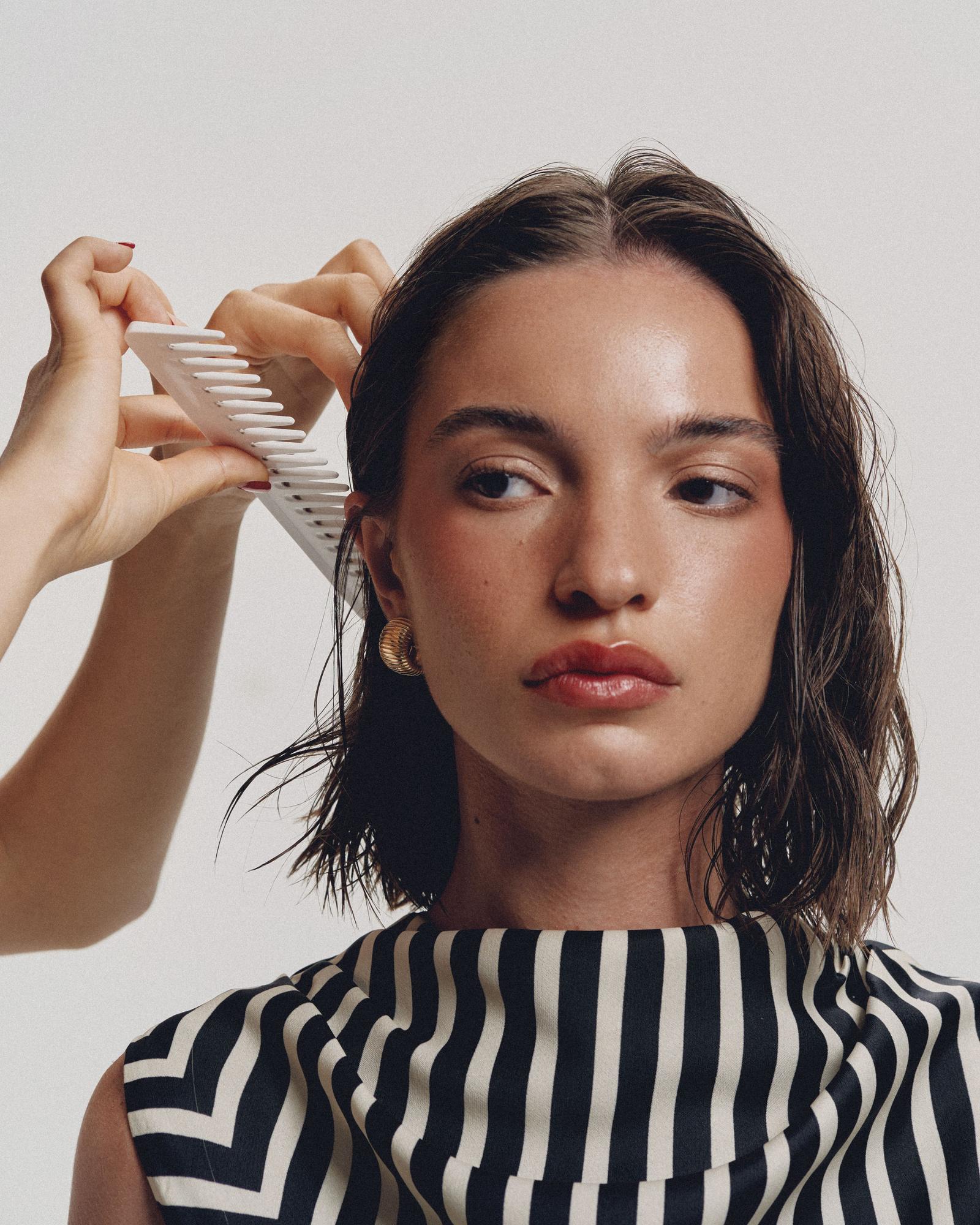
Caps, towels and combs for deep conditioning days
Twenty minutes on a timer is about right for a deep conditioning day. Wikipedia says deep conditioners are left for 20 to 30 minutes, and that heat lifts the cuticle scales so the treatment gets in better. A timer keeps you honest.
The Steam Bar's Deep Conditioning Heat Cap is the one that adds the warmth for dry, curly hair and scalp. When you rinse, dry gently, and Crown Affair's The Towel and The Hair Towel are two sizes of the same idea. Emi Jay's Heavenly Hair Towel in Toasted Sugar is the soft one, and Coco & Eve's Microfibre Towel Wrap is the quick wrap. Slip's Pure Silk Turban is the soft way to wrap damp hair while you get dressed.
Then detangle. La Bonne Brosse's Large Detangling Comb goes in while the conditioner is still on, and Mane's Wets Get It On Wet Brush follows for the final pass.
What I would skip: sitting under heat for longer than the label says on high porosity hair. Healthline advises minimal heat for that type, so keep the session short.

Deep Conditioning Heat Cap for Dry Curly Hair & Scalp
The Steam Bar
$58

The Towel
Crown Affair
$59

The Hair Towel
Crown Affair
$59

Heavenly Hair Towel in Toasted Sugar
Emi Jay
$38

Microfibre Towel Wrap
Coco & Eve
$24

Pure Silk Turban
Slip
$110

The Large Detangling Comb
La Bonne Brosse
$54

Wets Get It On Wet Brush
Mane
$20
High or Low Porosity Hair: Check It Each Season
If you ask me, the most useful thing you can do with porosity is stop treating it as a label. Check it after a color appointment, after a summer of heat styling, and after a few months of a new routine. Your hair will tell you, through how fast it dries and how it holds product.
Start with the gentle leave-in, add a bond builder if your hair is damaged, and keep the oil for the ends. Astbury found that hair can hold two shapes, stretched and unstretched. Yours can hold a few more, so give it time between experiments. If you want to keep browsing, I also put together Low Porosity Hair Products and How to Use a Hair Diffuser, Plus the Dryers and Foams That Make It Work.






