Does H&M run small? Not consistently. Fit changes with the cut, so check the chart, the jeans inseam and each style's fit note first.

H&M Sizing Guide: Does H&M Run Small, Big or True to Size?
Start with the cut, not a blanket rule
H&M does not run consistently small or large; fit changes with the cut and garment. The useful answer to H&M sizing is to start with the H&M size chart and the fit label, not a brand-wide rule. The US women's tops chart separates XXS to S, M to XL, and XXL to 4XL, and lists chest, waist, and low-hip measurements. Its mapping examples are useful: XS equals US 2, M to 8 to 10, L to 12 to 14, and XL to 16 to 18.
Bottoms are organized differently, with Regular, Maternity, and Petite options; the chart gives waist, low-hip, and inseam measurements and maps US 0, 2, and 4 to EUR 32, 34, and 36. H&M's women's denim guide puts regular jeans at a typical 30 to 32 inch inseam, while long, cropped, and ankle lengths are also available. Measure an inside leg in centimeters and compare it with the inseam for the pair you want. Does H&M run small? A fitted piece may feel snug, while relaxed shapes have more room, so the garment-level fit note matters more than a universal size-up rule. H&M allows 30 days for returns, with free in-store returns and a mail-in fee deducted from a refund.
Jeans: match the waist and the hem
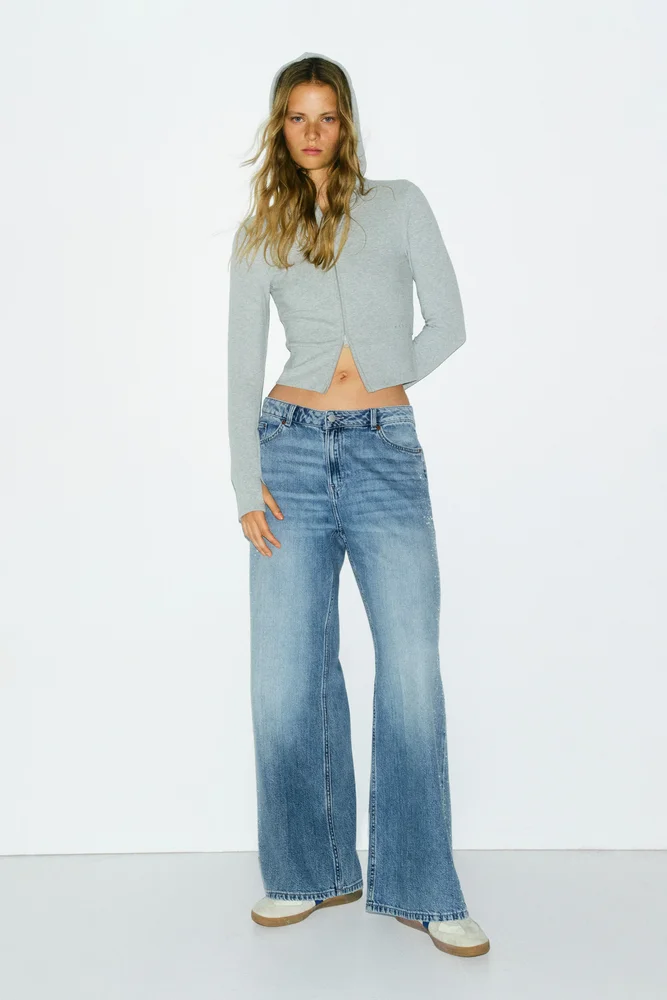
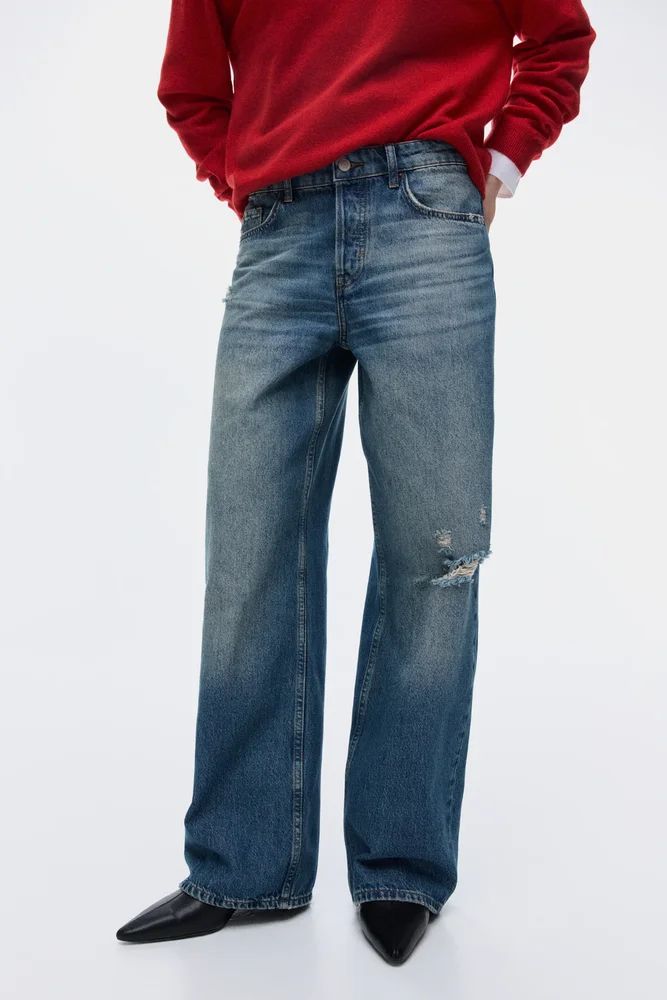
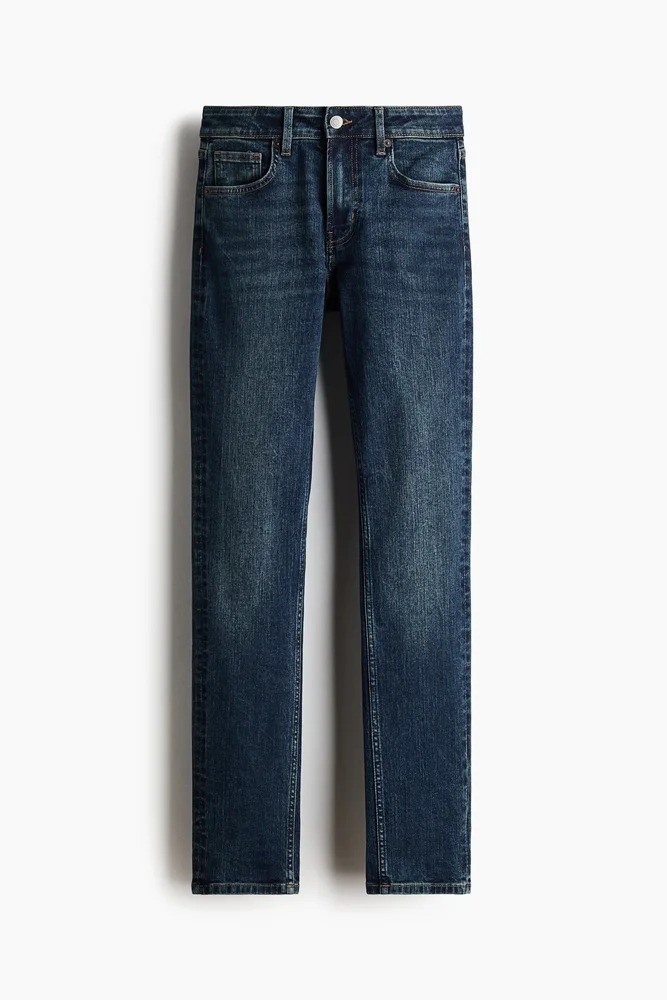
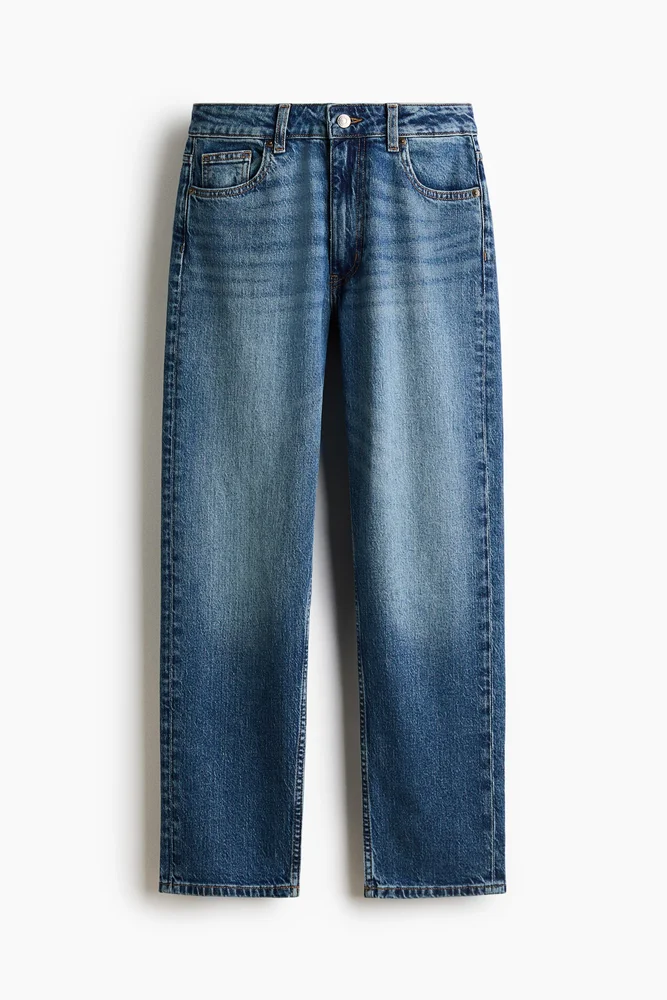
Jeans are easier to choose when rise, leg shape, and length are separate questions. H&M's women's denim guide describes skinny styles as close-cut and stretchy, straight legs as a clean line from hip to ankle, wide legs as relaxed, and Mom jeans as high-waisted and cut to finish at the ankle. Regular jeans generally use a 30 to 32 inch inseam; long, cropped, and ankle lengths are also available.
The Skinny Regular-Waist Jeans are the close-cut choice, the Wide Leg Regular Waist Jeans lean roomier, and the Mom Regular-Waist Ankle Jeans are the shorter option. The Straight Regular-Waist Jeans pair a straight leg with a regular waist. That pair is rigid 100% cotton denim, regular through waist and hip, then looser from thigh to hem. H&M lists an 81 cm waist and a 77.6 cm inseam for size 6, designed to fall at the top of the foot. I would compare the waist on a pair you already like, then measure its inseam before ordering; a size number cannot tell you where the hem will land.
Tops: close, regular, or intentionally roomy
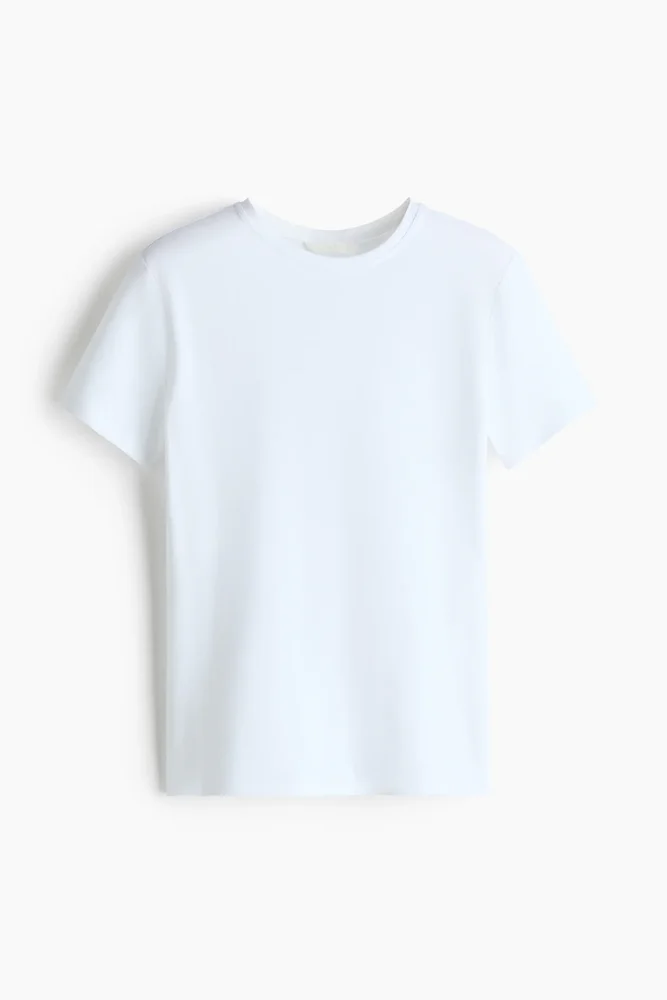
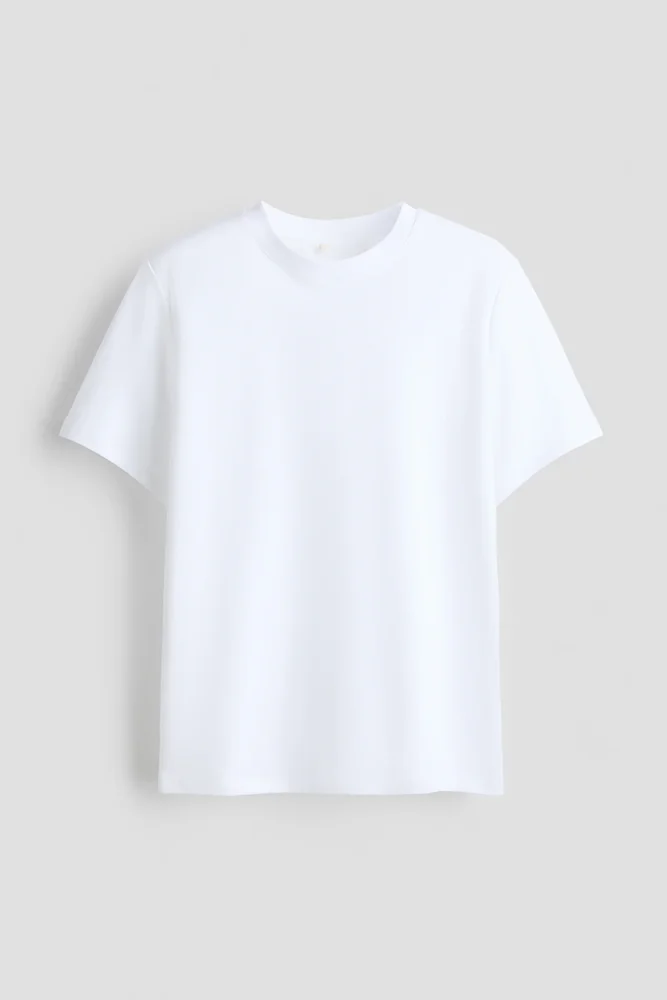
Fit labels are more useful here than a blanket answer. The Fitted Cotton-Blend T-Shirt is soft, fitted jersey; H&M reviews include a shopper who finds the arms tight and might size up, alongside repeated true-to-size ratings. The Cooling Regular Fit T-Shirt has a regular cut, and its two reviews mark both fit and length true to size. That is the clearest true-to-size starting point, but only for that shirt.
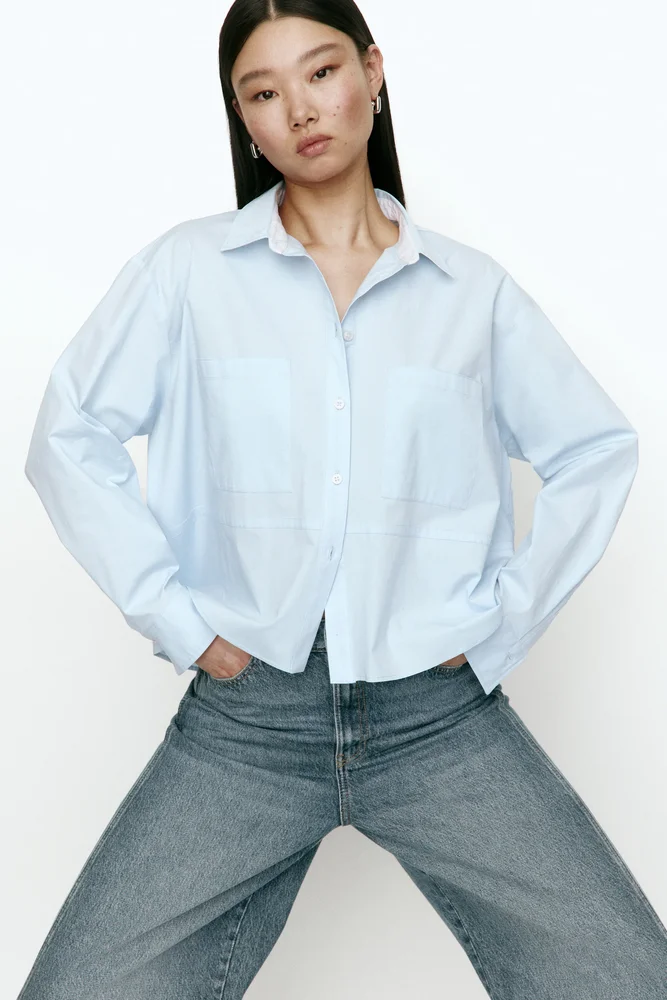
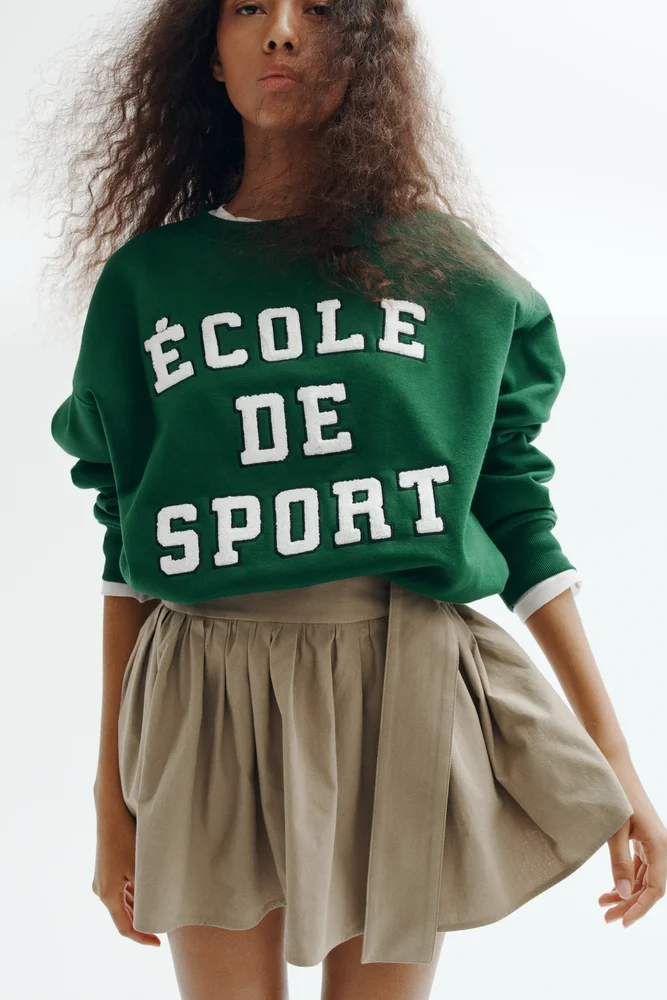
The Relaxed-Fit Cotton Shirt is boxy, relaxed, and cut with dropped shoulders; a shopper who bought a medium found it too big. The Sweatshirt with Text Motif is labeled oversized, and its size prompt suggests going down one size. Its reviews are less tidy: some call it true to size, while a shopper seeking a bigger, baggier look found their usual jump up insufficient. If you want a neat tee, begin with your chart size; for a loose shirt or sweatshirt, decide how much volume you want before sizing up. Check sleeve and shoulder comfort separately from the chest on these shapes.
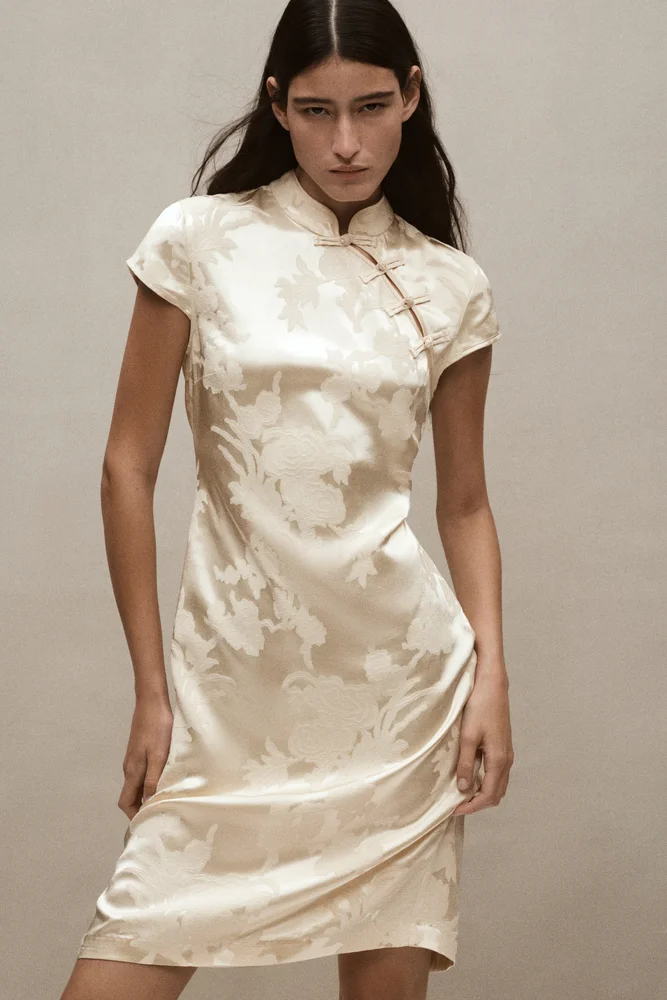
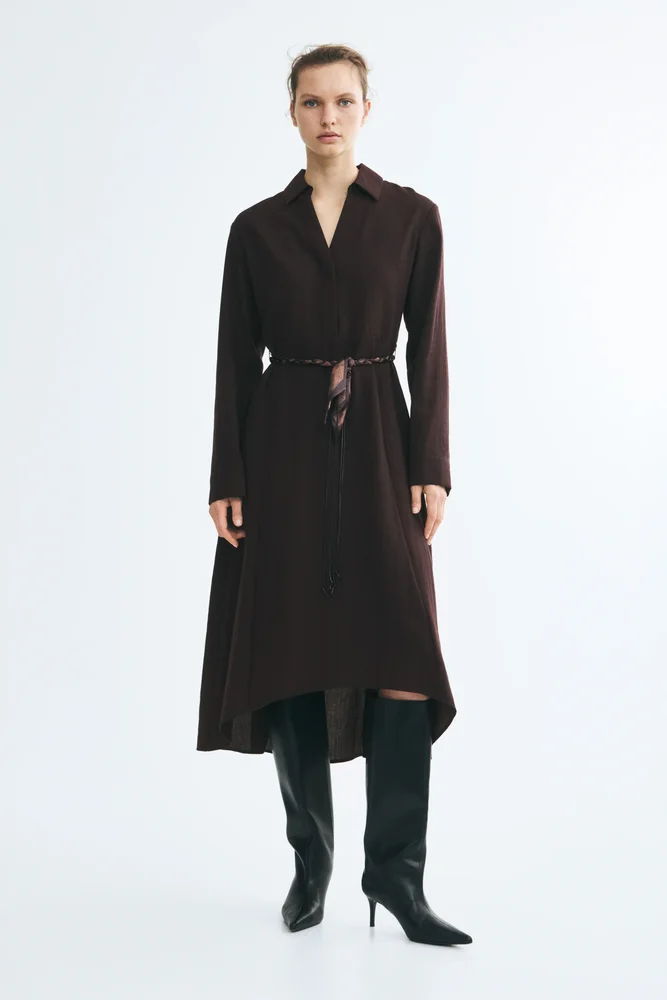
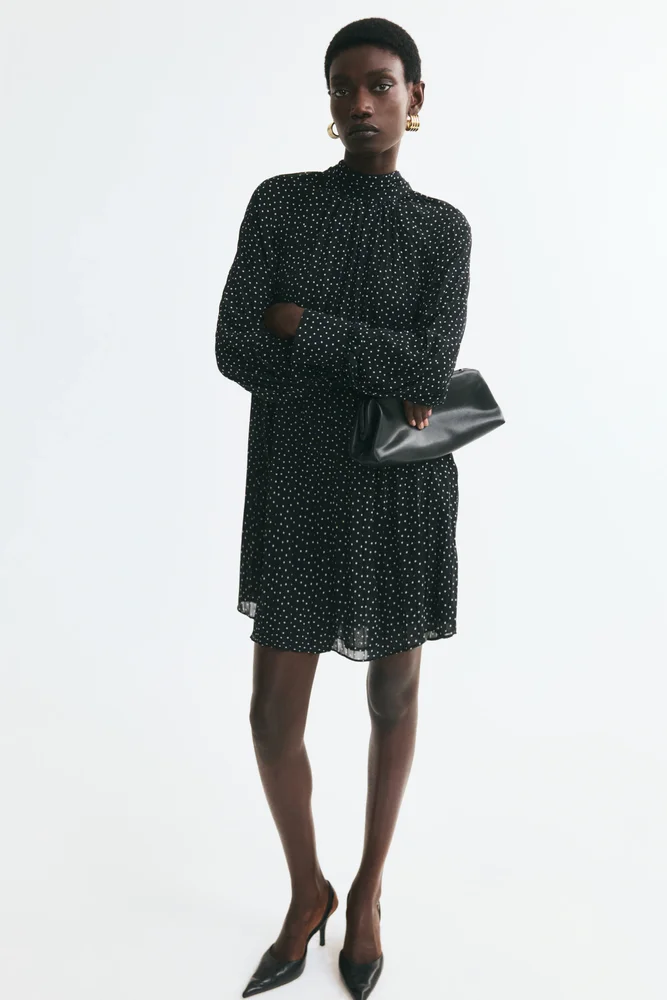
Dresses: where the cut changes the size call
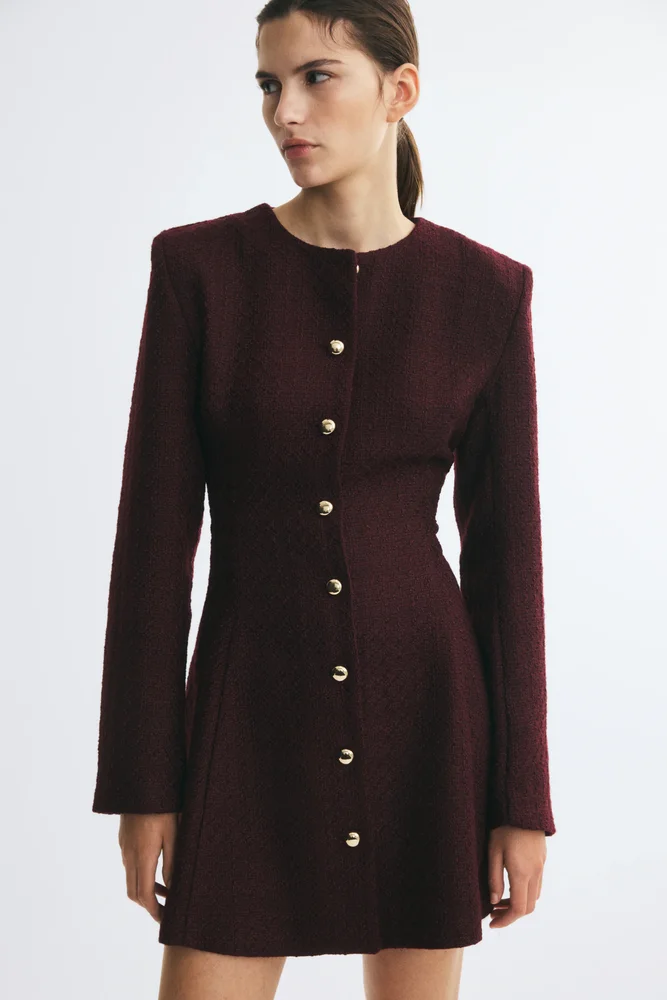
Dresses do not produce one clean H&M verdict. The Bouclé-Weave Button-Front Dress has a fitted bodice and flared skirt; one shopper found a medium roomy everywhere but the waist and noted wide shoulders. The Jacquard-Weave Dress is fitted and knee length; a shopper who usually wears M chose L for a close fit. The Flared Dress with Belt has mixed reviews: reports of tight sleeves and a small fit sit alongside one shopper's comfortable M. By contrast, the A-Line Plissé Dress is a loose A-line, so its room comes from the cut rather than the size label.
My rule: jeans should start at your chart size, with the inseam chosen separately; regular-fit tops are a true-to-size starting point, while sizing down in the oversized sweatshirt is an option for a closer shape. Dresses need a style-specific check: consider sizing up in the fitted Jacquard-Weave Dress if between sizes, but do not apply that choice to every silhouette. If shoulders, sleeves, hips, or inseam usually decide whether a garment works, read the measurement chart and review details twice. I would start with the Cooling Regular Fit T-Shirt for a low-risk fit reference, then use the same chart-first logic for the more shaped dresses.