Hoka feels softer and more structured; Skechers adds firmer arch support and easier slip-on styles. Choose by your feet and daily routine.
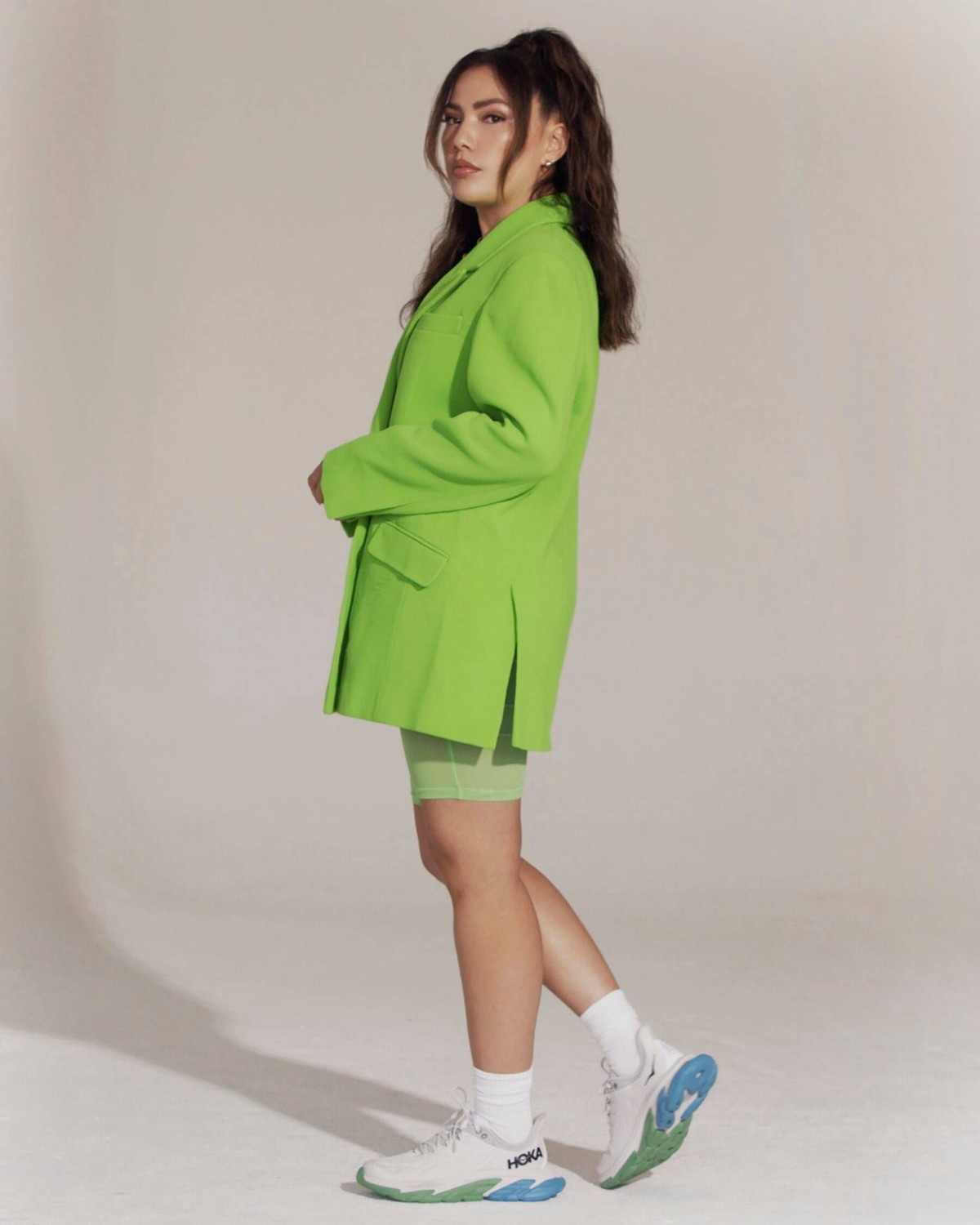
Hoka vs Skechers: Which Comfort Sneaker Is Better?
The short version
Choose Hoka if you want a more structured, forgiving ride with a pronounced rocker; choose Skechers if you want noticeable arch contour, easy entry, and a gentler price. In a month-long head-to-head, Hannah Jeon found the Bondi 9 slightly softer and more secure, while Skechers' Go Walk Max Cushioning Arch Fit Areena felt lighter, more responsive, and firmer at the arch. That is the useful answer to Hoka vs Skechers, not that either brand wins every foot.
Hoka began in 2009, when Jean-Luc Diard and Nico Mermoud set out to make running on uneven terrain easier. The experiment left a distinct blueprint: cushioned foam, a curved rocker and a foot frame. Skechers' history starts in 1992 with a logger boot, and its performance line now includes walking shoes alongside running and training styles.
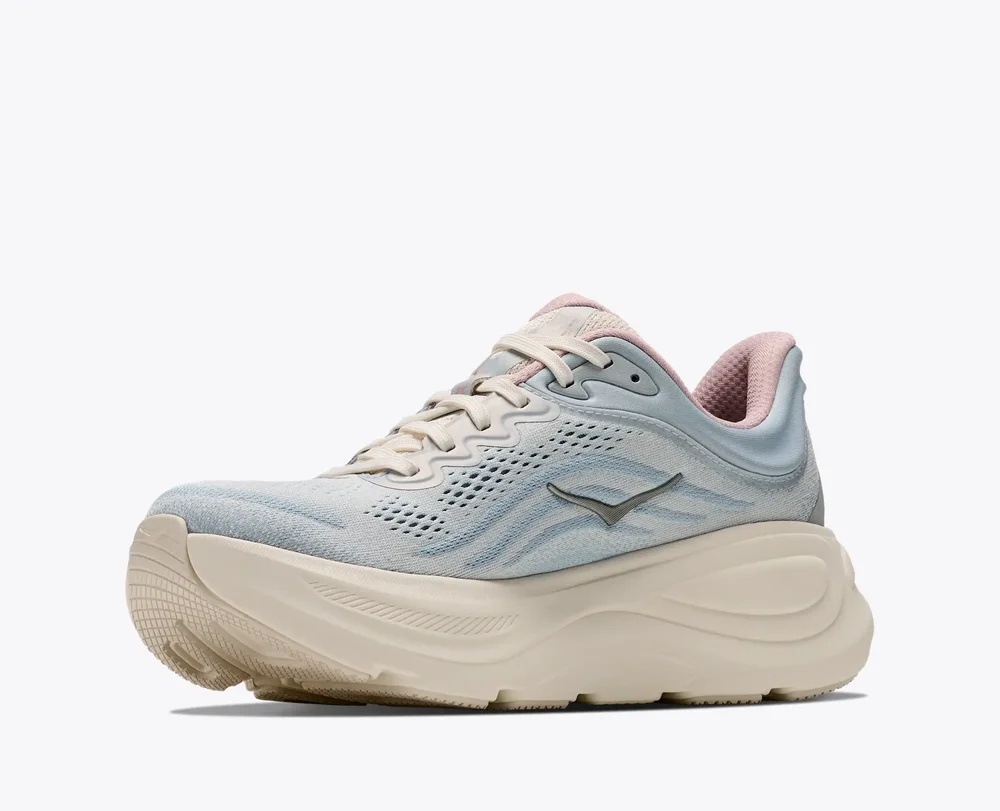
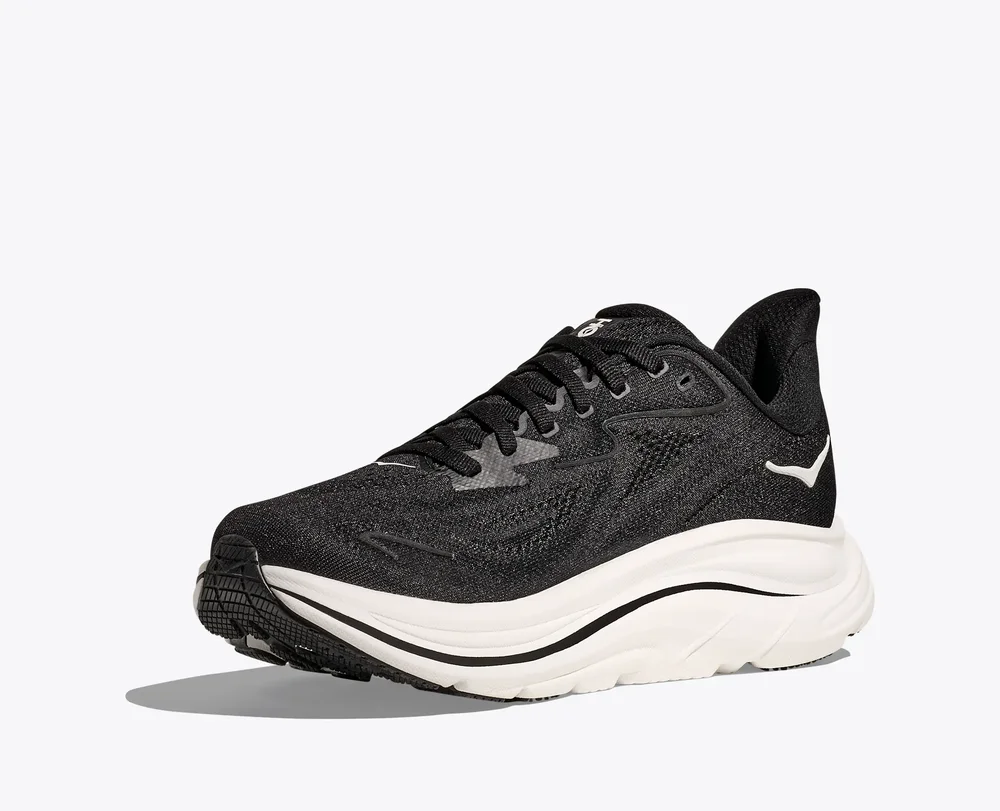
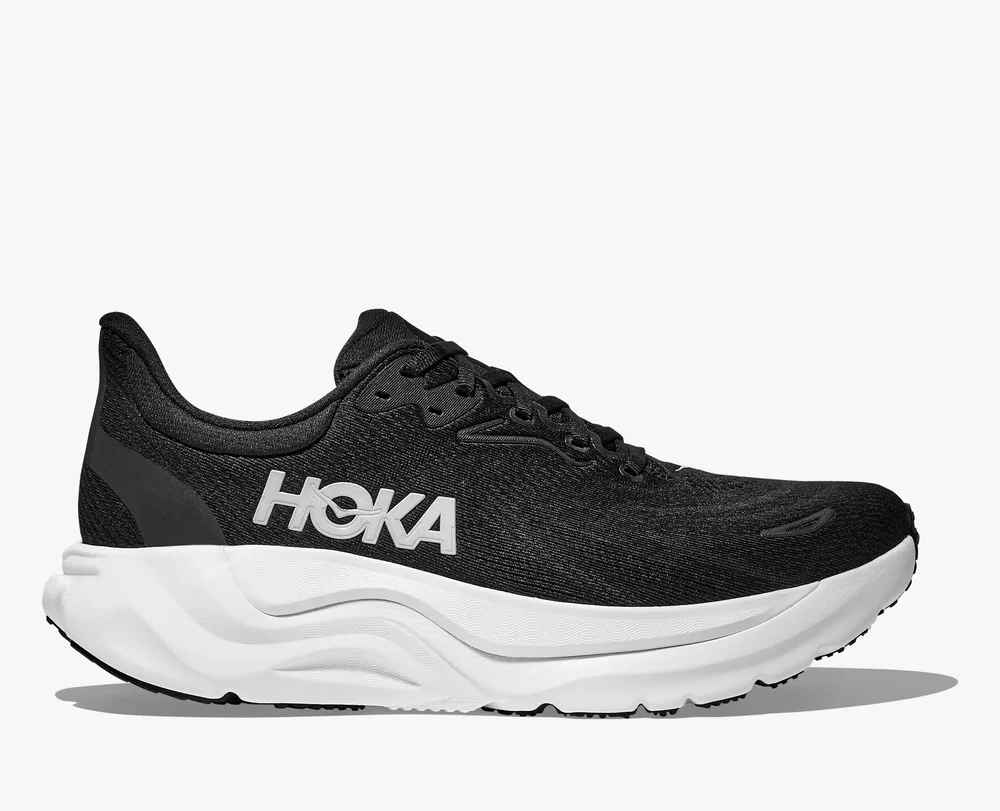
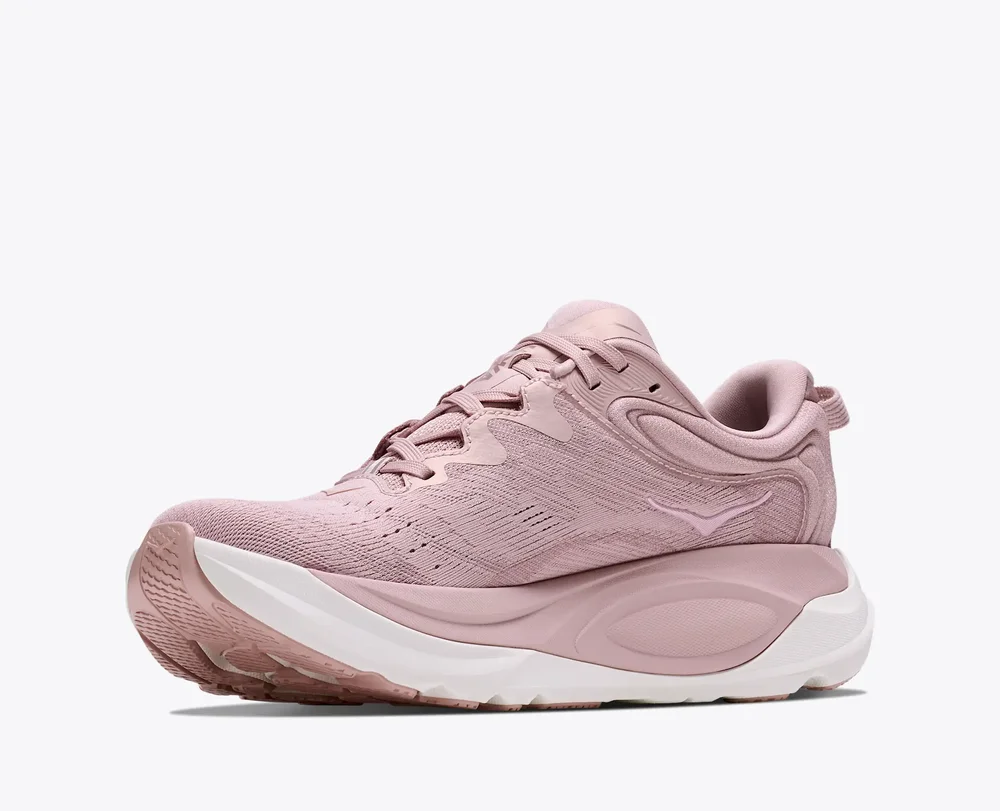
Within Hoka, Bondi 9 is the maximum-cushion choice, Clifton 10 is lighter for daily miles, Arahi 8 is a sleek stability shoe, and Gaviota 6 adds stability without giving up comfort. I would start with Bondi if softness is the whole point, but try the other three if you want a less maximal feel.
The Skechers comfort play
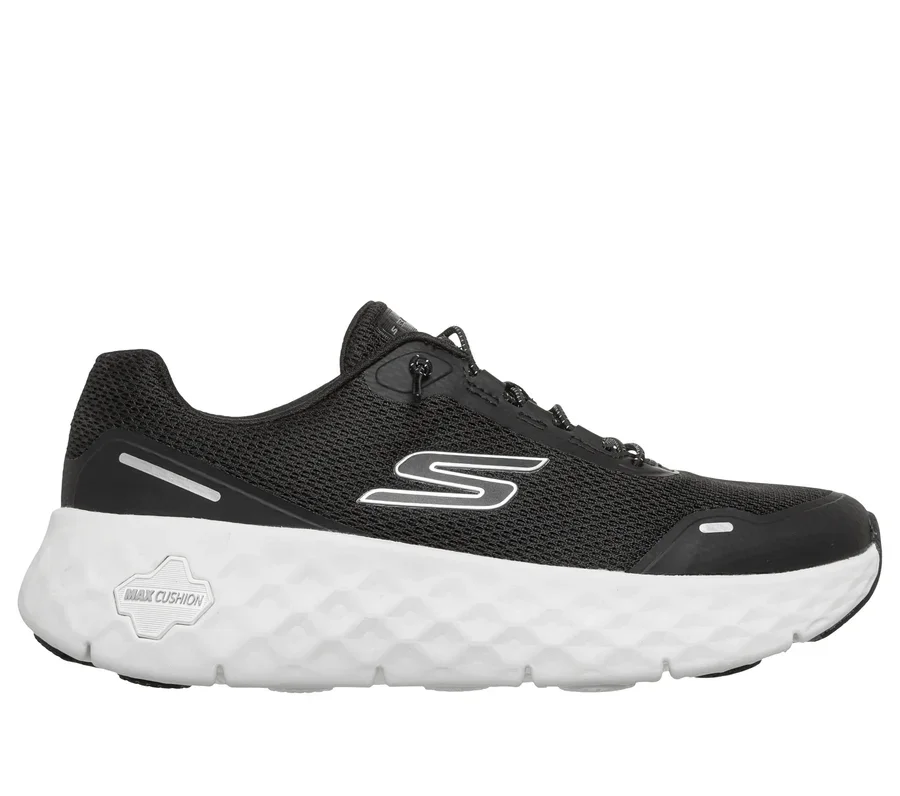
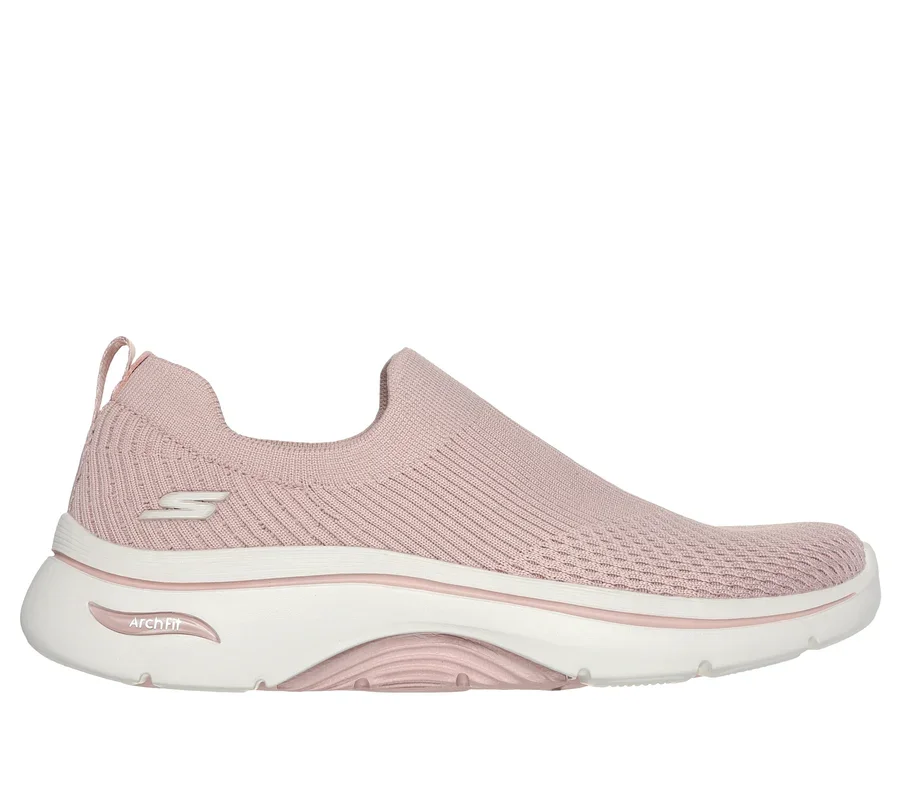
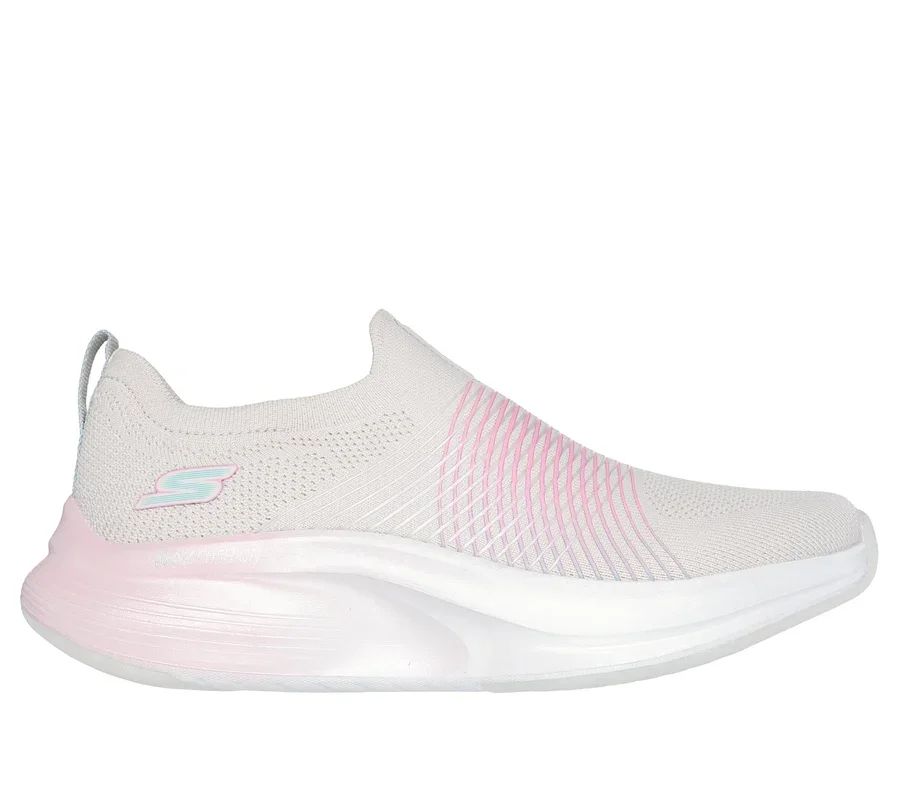
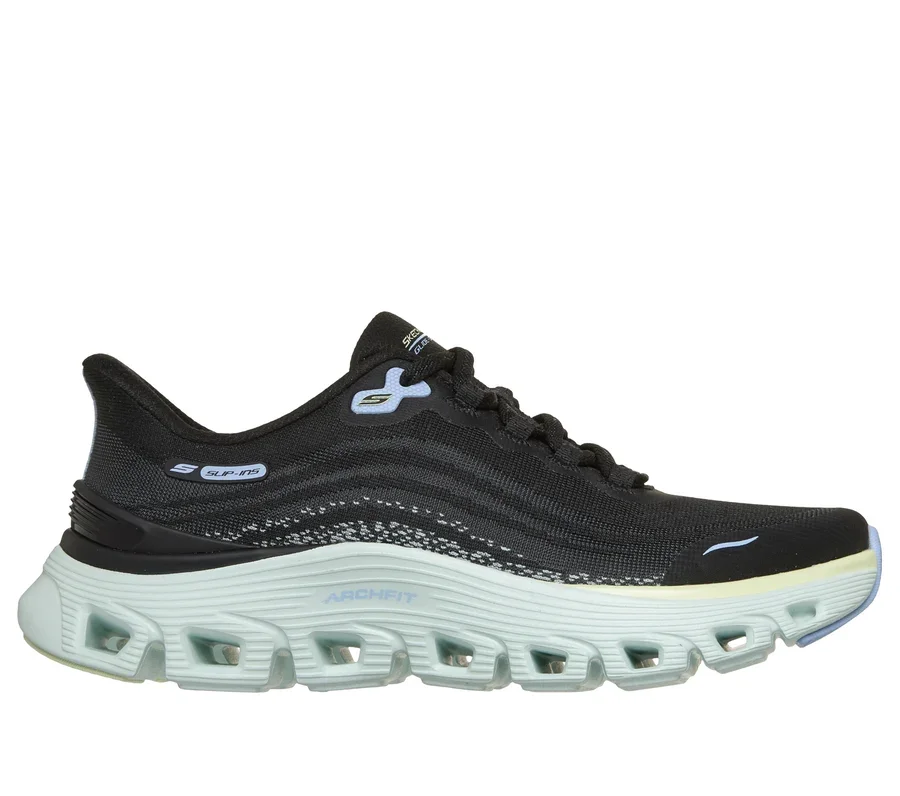
Plush comfort is not one feeling. Go Walk Max Cushioning Flex pairs breathable mesh with Air-Cooled Goga Mat and Ultra Go, and its bungee laces work as a slip-on. Paityn is the footbed-led option: stretchy knit, removable Arch Fit insole and high-rebound Comfort Pillars, with a laceless fit. Go Walk Max Walker Sally goes light with engineered knit, Goga Mat and Hyper Arc's rolling shape; the heel pull tab keeps it simple to get on. Arch Fit Glide-Step Wave adds a more defined arch feel to geometric Glide-Step cushioning and a Heel Pillow for hands-free entry.
A Skechers vs Hoka comfort comparison comes down to where you want support: Hoka spreads softness across the platform, while Skechers gives you more choice in arch contour and entry style. I like Skechers for errands and standing when an obvious arch shape feels good, but I would not assume every Go Walk fits alike. Choose by footbed first and logo second.
The commuter pairings
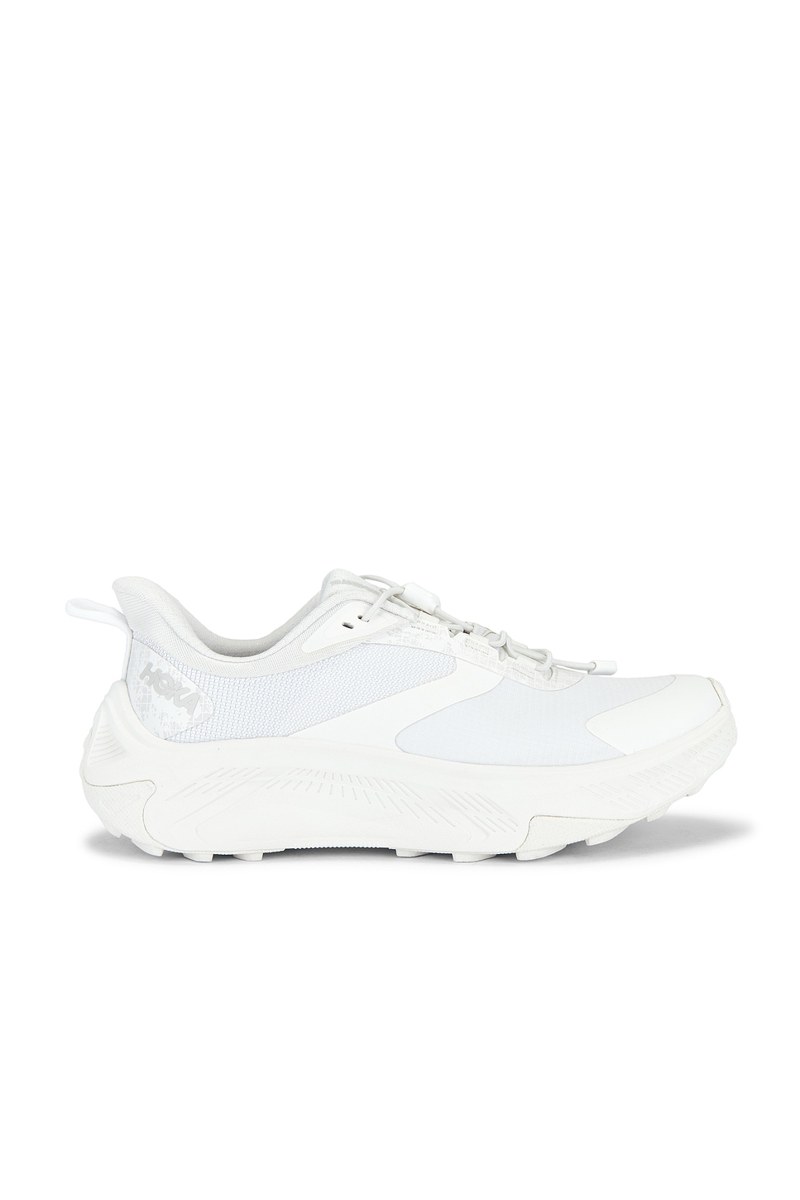
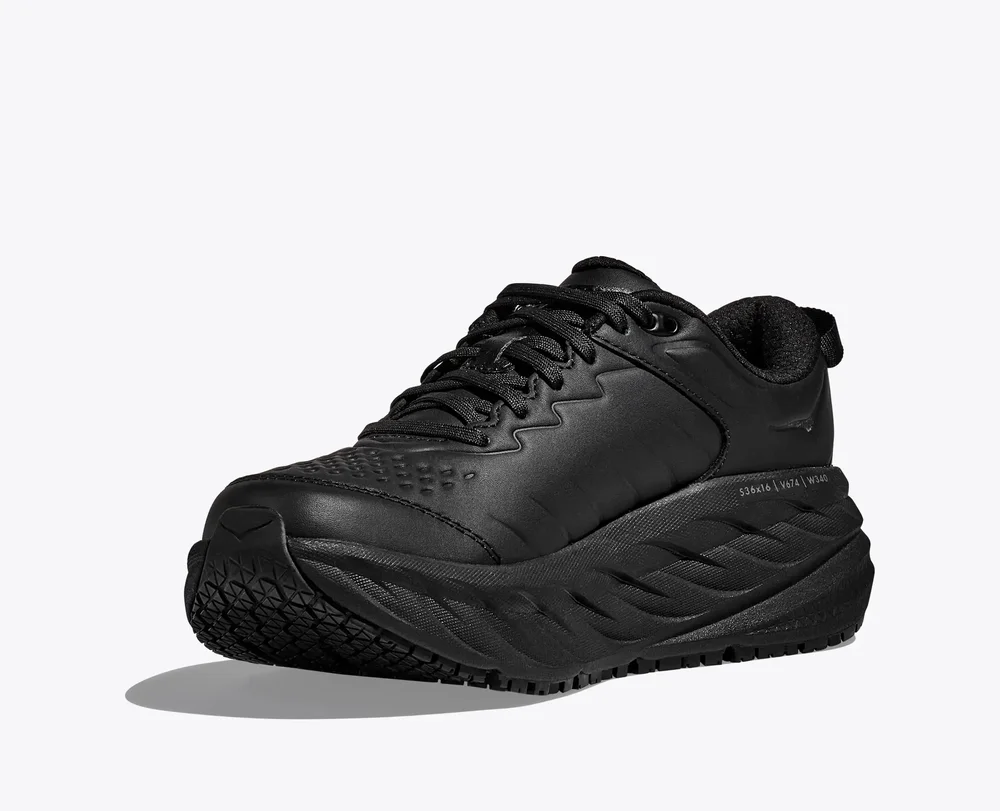
Skechers vs Hoka looks different in walking shoes built for specific jobs. Transport 2 is the city-to-trail Hoka, with water-repellent mesh, sugarcane-based EVA and a lugged Vibram outsole. Bondi Slip Resistant switches to full-grain leather, a cushioned EVA midsole and a non-marking outsole for work floors.
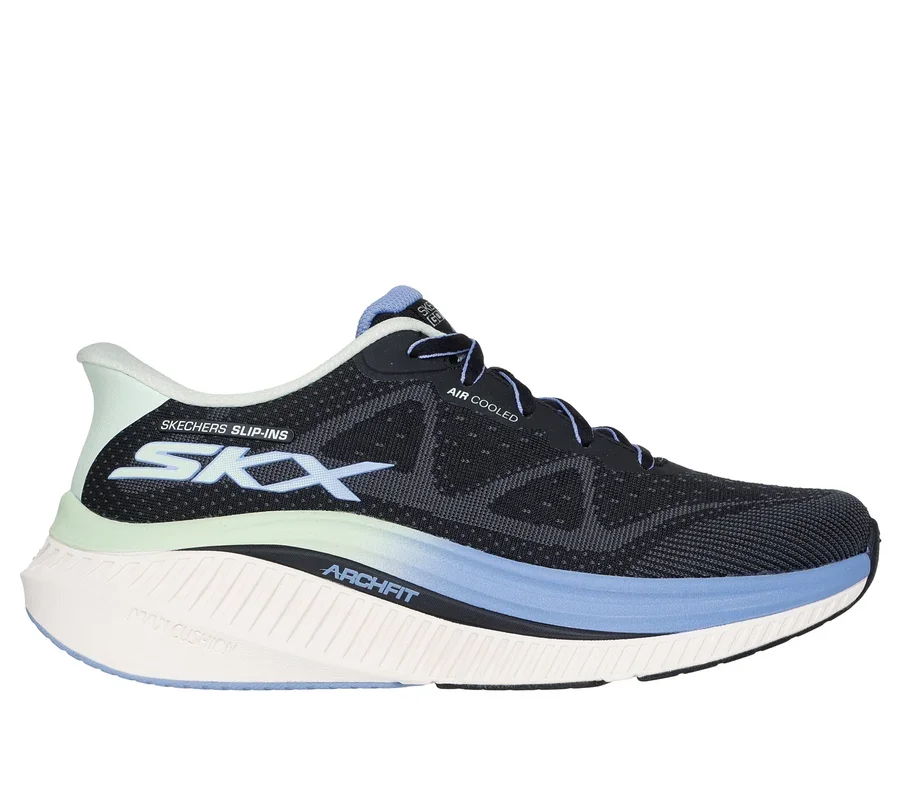
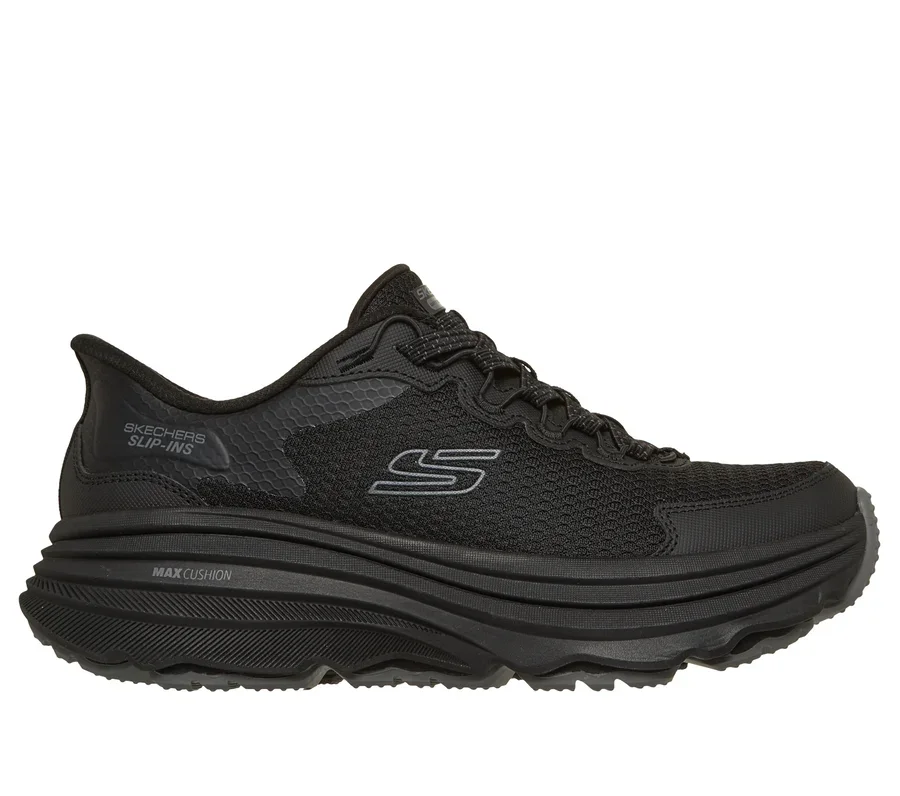
Areena brings removable Arch Fit support, a Heel Pillow and hands-free entry; Zirrus trades the defined arch insert for water-repellent mesh, Air-Cooled Memory Foam and stretch laces. I would take Transport 2 for mixed sidewalks and paths, Bondi Slip Resistant for a shift where grip matters, Areena if you want a pronounced arch, and Zirrus if weather protection and easy entry matter more than a contoured footbed.
Pick by feel, not logo
Hoka vs Skechers comfort is really a question of where you want the softness: broad and secure underfoot with Hoka, or a more specific arch shape and easier entry with Skechers. I would check whether the heel stays put on a brisk walk, whether the arch bump feels helpful or intrusive, and whether the rocker rolls naturally with your stride.
A cushioned shoe can feel lovely in the store and still annoy you on your usual route, so I would walk a familiar loop before committing. For wide feet, check the width offered on the exact Hoka model and the fit of the specific Skechers style rather than assuming the brands fit uniformly. Buy Hoka if your first request is soft, smooth cushioning with a secure frame. Buy Skechers if visible arch support, slip-in convenience, or a lower price is what you miss in other shoes. My softness pick is Bondi 9; for arch-led walks, I would try Areena only if its contour feels natural.