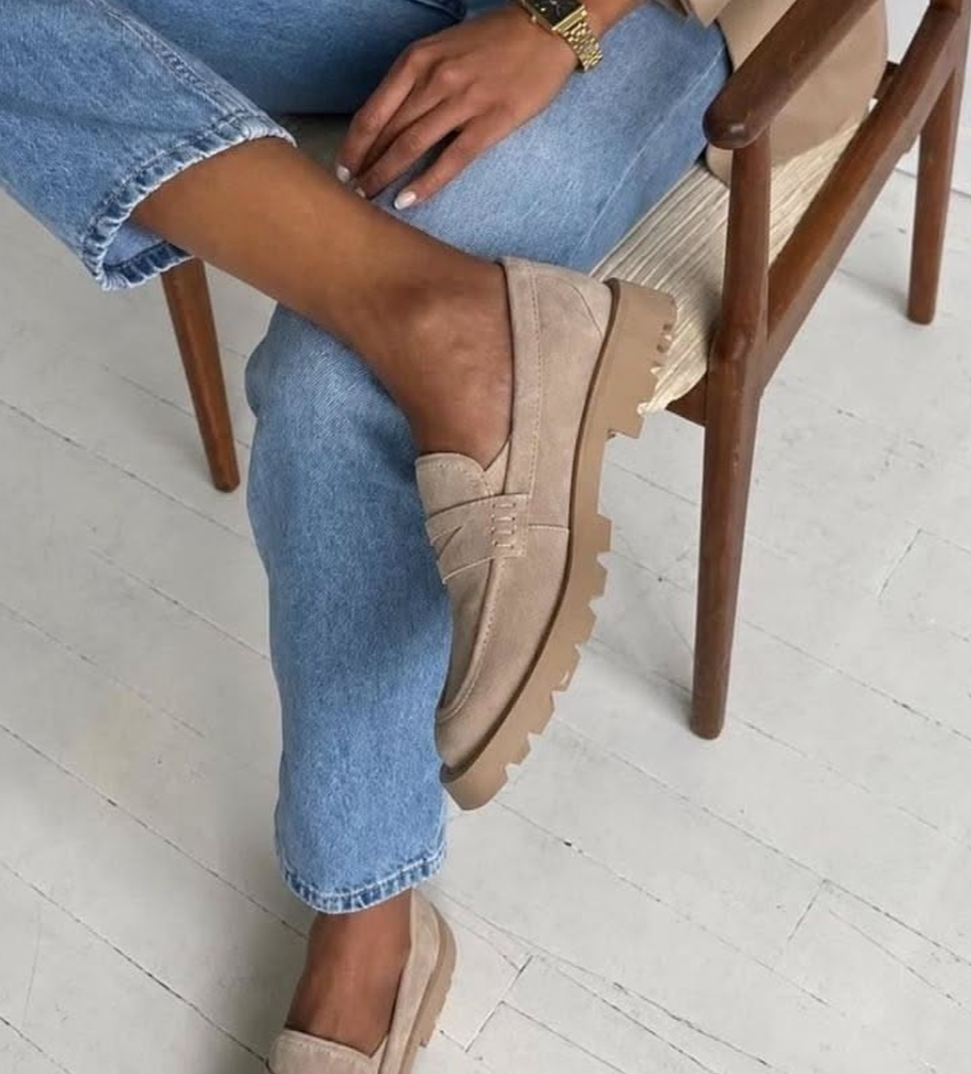
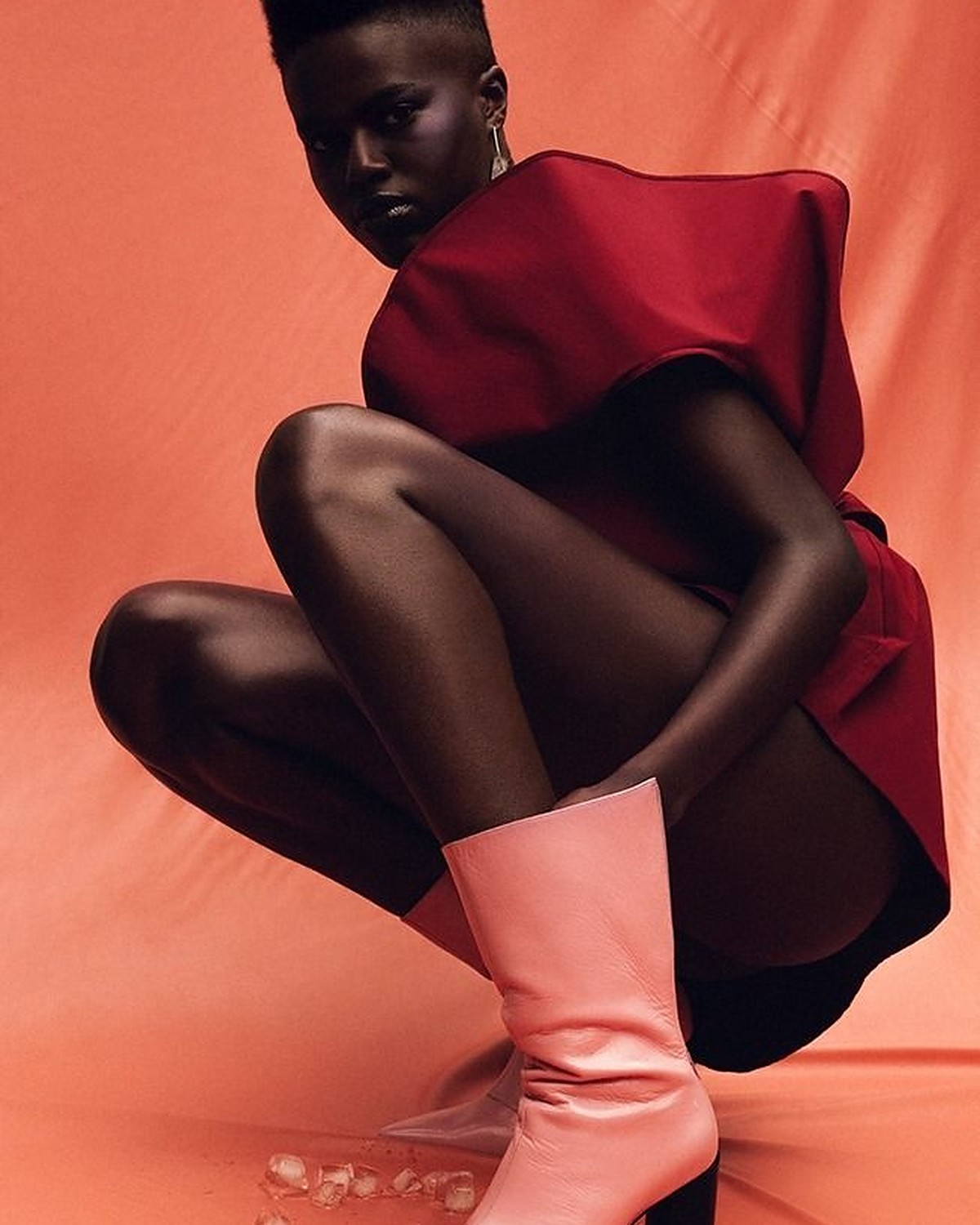
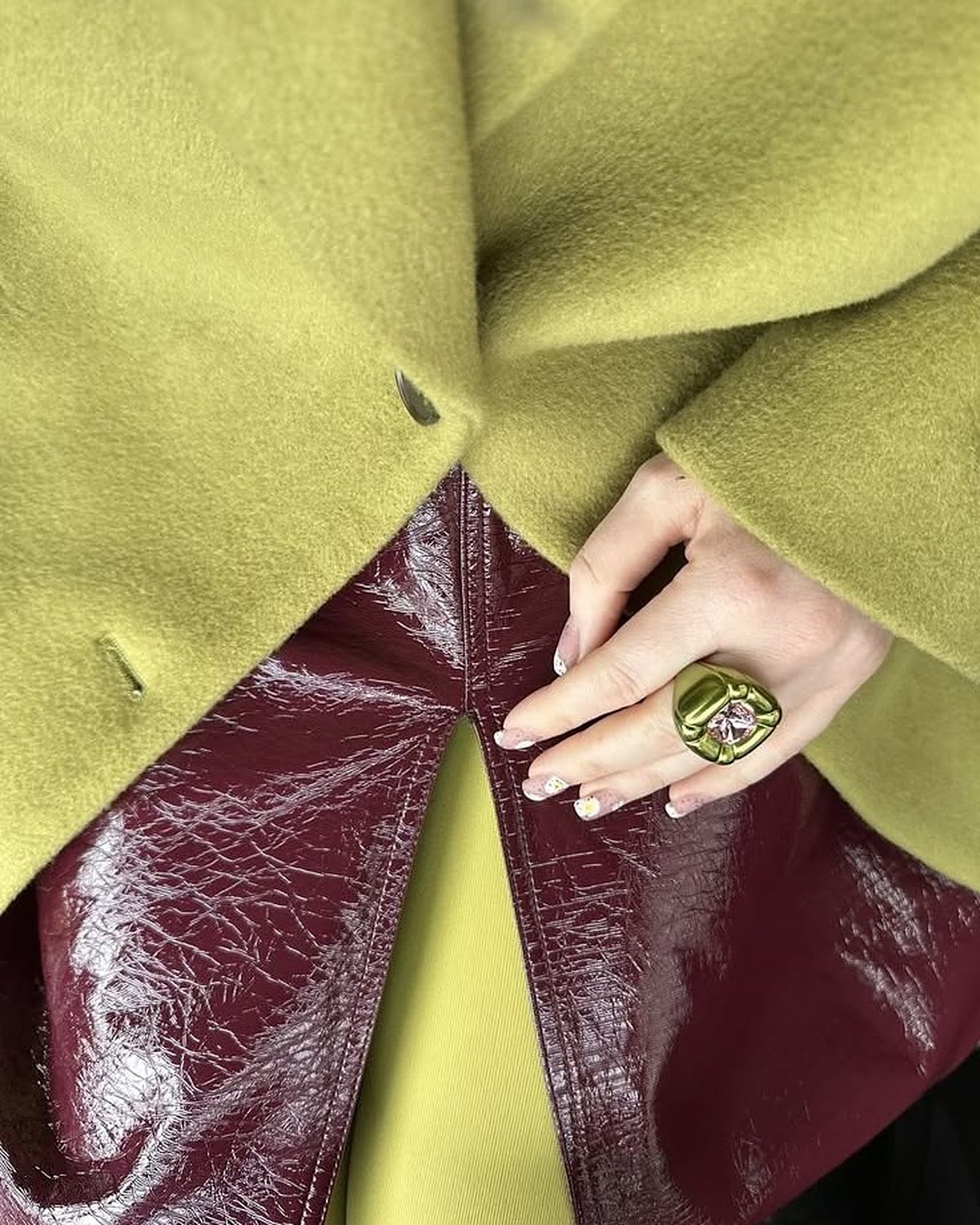
Three sisters, Karin Söderlind, Kristina Tjäder and Sofia Wallenstam, founded House of Dagmar in Stockholm in 2005, naming it after their grandmother, a tailor whose craftsmanship shaped their sense of quality. The label built its name on knitwear and clean tailoring that pairs Scandinavian minimalism with a genuine trend instinct, an early adopter of sustainability within Swedish fashion.
House of Dagmar

Tops and shirting
House of Dagmar started with knitwear, primarily merino wool, and that instinct for considered, wearable basics still runs through the shirting and knit tops here. The sisters split the business by discipline from the beginning, with Tjäder as head designer, which shows up as a consistency of fit rather than any one loud idea per season. These are pieces meant to anchor an outfit, not steal it.

Sculpted Tube Top
House of Dagmar
$300

Sculpted Tube Top
House of Dagmar
$300

Draped Knit Top
House of Dagmar
$670

Cape Draped Top
House of Dagmar
$650

Sculpted Tube Top
House of Dagmar
$440

Draped Knit Top
House of Dagmar
$700

Knotted Cotton T-Shirt
House of Dagmar
$220

Silk Top
House of Dagmar
$480

Sculpted Tube Top
House of Dagmar
$440

Sculpted Tube Top
House of Dagmar
$440

Sculpted Tube Top
House of Dagmar
$420

Asymmetric Top
House of Dagmar
$380
Dresses
The dresses lean into the label's Östermalm-honed tailoring, precise seams and clean lines that read considered without trying hard. It is the category where the brand's balance of minimalism and trend awareness is easiest to see season to season. Expect silhouettes built to last past one trend cycle rather than chase it.

Billow Wool-Blend Maxi Dress
House of Dagmar
$1,200

V-Neck Wool-Blend Maxi Dress
House of Dagmar
$630

Sculpted Maxi Dress
House of Dagmar
$560

Draped Maxi Dress
House of Dagmar
$980

Dot Slip Dress
House of Dagmar
$940

Satin Maxi Dress
House of Dagmar
$770

Sculpted Midi Dress
House of Dagmar
$760

Contrast Knit Dress
House of Dagmar
$1,000

Ruffled Stretch-Crepe Strapless Midi Dress
House of Dagmar
$560

Sculpted Tube Dress
House of Dagmar
$880

Fluid Knit Dress
House of Dagmar
$740

Sculpted Midi Dress
House of Dagmar
$600
Jackets and blazers
Structured outerwear is a natural extension of a brand that started in tailoring-adjacent knitwear and has spent two decades refining fit. The jackets here favor clean shoulders and a Scandinavian restraint over embellishment. It is a category that rewards the brand's quieter, more considered instincts.


Trousers and shorts
Bottoms continue the same throughline: precise cuts, muted palettes, nothing shouting for attention. This is where the brand's Stockholm sensibility, tailoring first, decoration second, is most literal. They are built to be repeated, not retired after a season.


More from the collection
The rest of the edit rounds out accessories and layering pieces that fill in the label's world without straying from its founding logic. House of Dagmar has always positioned itself as a full wardrobe proposition rather than a single hero item, and this grouping reflects that breadth. It is a useful place to pick up smaller pieces that support the rest of the edit.

Sculpted Tube Top
House of Dagmar
$350

Ribbed Tank Top
House of Dagmar
$112

Jersey Kimono Top
House of Dagmar
$260

Short Curved Wool-Blend Jacket
House of Dagmar
$760

Boxer Short
House of Dagmar
$238

Draped Knit Midi Skirt
House of Dagmar
$760

Leather Midi Skirt
House of Dagmar
$1,300

High-Rise Midi Skirt
House of Dagmar
$440

Baggy Fit Jeans
House of Dagmar
$380

High-Rise Relaxed Straight-Leg Jeans
House of Dagmar
$500

Knit Wool Sweater
House of Dagmar
$470

Shearling Cape
House of Dagmar
$2,760
Our honest take
House of Dagmar's case rests on restraint: the brand has spent twenty years refining fit and fabric rather than reinventing itself each season, and it shows in how well pieces from different years still work together. That consistency can also read as predictable if you want a label that surprises you. For someone who wants Scandinavian tailoring done properly and repeatedly, it delivers.