Most of us have bought the same black top three times, because a shop never knows what is already hanging at home. Phia keeps your closet and your shopping in one place, so you can check what you own before you check out. Here is how to stop buying clothes you already own without giving up the fun of shopping.

How to Stop Buying Clothes You Already Own
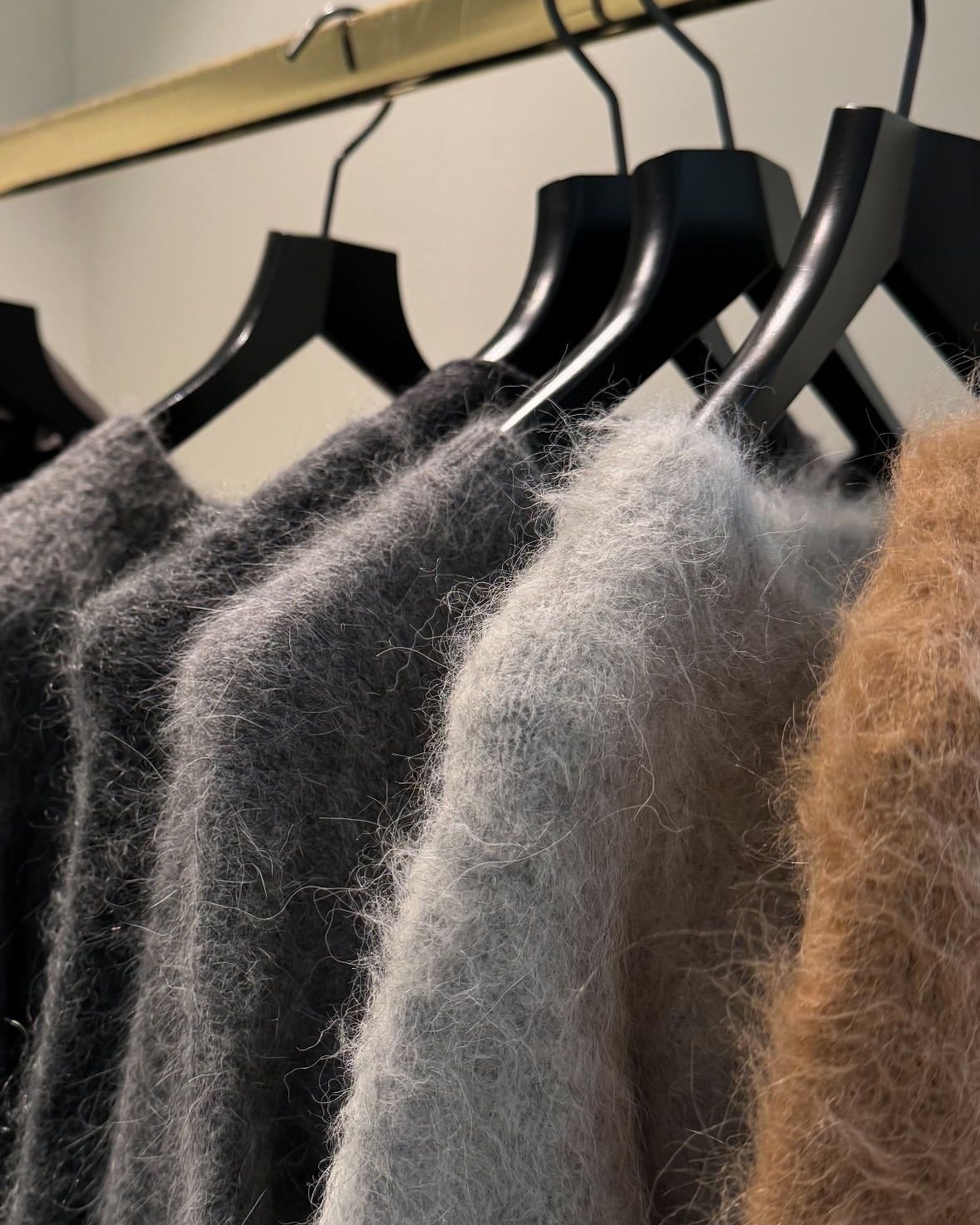
The four grey sweaters
In 1970s London, Susie Faux opened a boutique called Wardrobe and championed what she called a capsule wardrobe: a small set of essential pieces you add to each season rather than replace. The idea was never about owning less for its own sake. It was about knowing exactly what you had, so every new piece earned its place.
Confession #1: I counted recently and I own four nearly identical grey sweaters. I remember buying each one. I do not remember thinking about the other three at the time. Every one of them felt like a good decision in the shop.
That is the real reason we buy clothes we already own. It is not a lack of willpower. It is a lack of information at the exact moment it matters. The shop shows you one perfect sweater on a clean white background. Your closet, with its three other sweaters, is miles away.
Keep the closet where you shop
The fix is to keep your closet in the same place you shop, and keep it current without effort. Phia does both. Connect Gmail and it reads retailer order confirmations, receipts and shipping emails, turning each purchase into a closet item with its photo, brand, size and color, and it keeps running as new orders arrive. Instant camera roll sync adds clothes you have already photographed.
The part I like most is the checkout. Anything you buy through the Phia extension lands in your closet automatically, so the closet you check tomorrow already includes what you bought today.
A closet that is two months out of date is worse than useless for this, because it gives you false confidence. One that updates itself is the only kind that can stop a duplicate purchase. If you return something, you can remove it from the closet in a tap so the record stays honest.
The ten-second closet check
The habit that works for me is a ten-second check before any purchase. Open the closet, look at the category, and count. If I am about to buy a grey sweater, I look at grey sweaters. If there are already three, the question changes from do I love this to what does this do that the others do not.
Sometimes the answer is a lot. A different neckline, a better fabric, a fit that actually works. That is a good purchase. More often the answer is nothing, and the cart quietly empties.
Phia's Style analysis makes the pattern even clearer. It lists your top colors by percentage and your top brands, so if seventy percent of your closet is grey and navy, you will see it in a single screen. What I would skip: banning categories outright. A rule like no more black tops fails the first time you find a perfect one. Count, then decide.

Let the cart wait a day
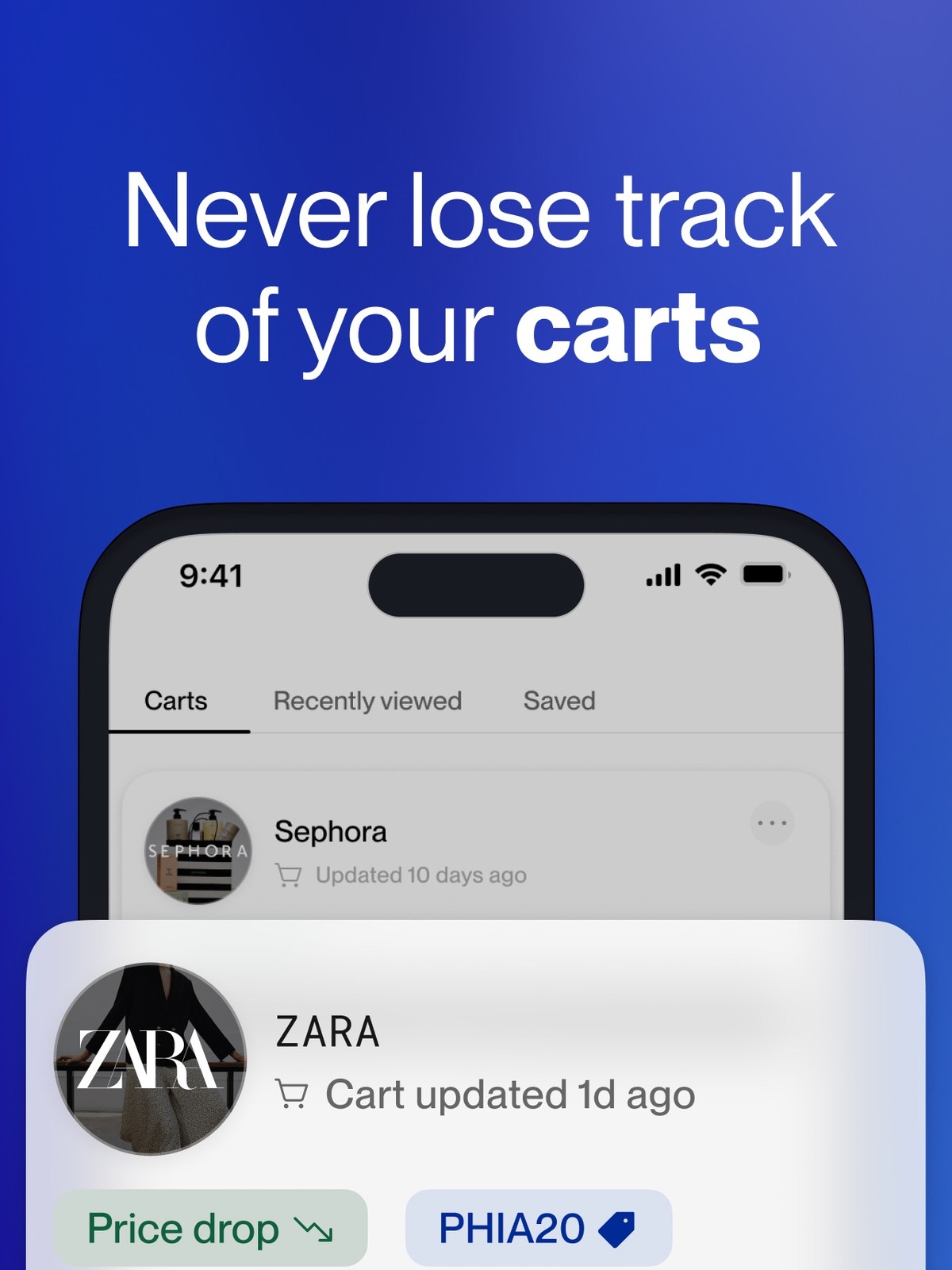
The second habit is patience, and Phia helps with that too. It keeps track of carts across several stores in one place, flags price drops and remembers saved codes. That makes waiting a day feel less like losing out and more like a strategy.
A day is usually enough. The urge to buy something you already own tends to fade once you have looked at the closet and slept on it, and if it does not fade, the item probably earns its spot.
When you do buy, Phia compares prices across more than 220,000 sites, new and secondhand, and applies coupons at checkout. I wrote more about the bigger picture of what a closet app can do in Digital Closet Questions, Answered.
Buy the missing piece, not the fourth one
The goal is not to stop shopping. It is to stop buying clothes you already own, and redirect the money toward the pieces you are actually missing. A good closet shows those gaps as clearly as it shows the duplicates: four grey sweaters, no camel coat.
Phia's outfit tools help here too. Style from one item builds a full outfit around a single piece, so if a new sweater only works with things you would have to buy, it is a sign it does not fit the closet you have.
To try it, download the free Phia app and connect Gmail, then add the Chrome extension so desktop purchases land in your closet too. Susie Faux was right fifty years ago. Know what you have, then buy what is missing.