Isabel Marant started sewing at fifteen after asking her father for a machine, then trained at Studio Bercot and apprenticed under Michel Klein before launching her own label in 1994 out of a Paris squat courtyard runway show. Her first boutique opened in 1998 on rue de Charonne and remains the flagship today, the same neighborhood logic she's built her entire aesthetic around: Parisian, unbothered, dressed like you didn't try. She's the designer credited with putting the wedge into the sneaker around 2010, a shoe that a decade later is still copied more than it's matched.
Isabel Marant

Marant's silk and crepe midi dresses carry the same loose, gathered draping she's worked with since her earliest collections, staged in 1995 with friends walking as models in a squat courtyard because there was no budget for anything grander. The label has never chased a red-carpet silhouette, and it shows in how unstructured these dresses stay.

Louane gathered silk midi dress
Isabel Marant
$1,490

Aliza gathered metallic knitted midi dress
Isabel Marant
$1,190

Surelie paneled gathered crepe midi dress
Isabel Marant
$1,790

Albini gathered asymmetric snake-print silk midi dress
Isabel Marant
$1,590

Belsane lace midi dress
Isabel Marant
$850

Falja draped floral-print silk-satin midi dress
Isabel Marant
$1,690

Reola embroidered ramie mini dress
Isabel Marant
$1,690

Nesrine bead-embellished pleated smocked silk maxi dress
Isabel Marant
$2,150
Marant co-founded her first label, Aller Simple, in 1984 with Christophe Lemaire before striking out on her own a decade later, and the outerwear here still carries that early instinct for shapes that move rather than pieces that pose. This is also the category where her wedge sneaker experiment first showed up in coat-and-boot pairings before it became a category of its own.

Ceaton belted wool and cashmere-blend coat
Isabel Marant
$1,690

Devyn leather-trimmed denim jacket
Isabel Marant
$1,290

Valineo padded plush-trimmed denim coat
Isabel Marant
$1,390

Elvane belted herringbone wool-blend coat
Isabel Marant
$2,195

Pimia plush-trimmed denim jacket
Isabel Marant
$890

Farza leather jacket
Isabel Marant
$3,990

Ranya striped wool-blend blazer
Isabel Marant
$1,490

Lavine leather-trimmed embellished embroidered denim jacket
Isabel Marant
$1,790

Florana cropped shearling vest
Isabel Marant
$1,390

Mylae shearling jacket
Isabel Marant
$1,990

Adelina shearling-trimmed leather jacket
Isabel Marant
$4,290

Syndra belted bouclé jacket
Isabel Marant
$1,790
Marant launched a jewelry and belt line in 1989 and a knitwear label with her mother in 1990, years before her own name went on a runway, and the blouses and sweaters here are the direct descendants of that early apprenticeship in easy, wearable pieces.

Amael lace-trimmed silk-satin cami
Isabel Marant
$790

Laraya printed silk blouse
Isabel Marant
$990

Amael lace-trimmed stretch-silk satin camisole
Isabel Marant
$790

Depsona ruched silk-satin blouse
Isabel Marant
$1,050

Adiena stretch-silk lace camisole
Isabel Marant
$590

Cevara striped metallic mesh tank
Isabel Marant
$550

Despona gathered silk-satin blouse
Isabel Marant
$990

Farali animal-print Lurex silk-blend shirt
Isabel Marant
$1,190

Dovane silk-satin blouse
Isabel Marant
$1,190

Ydalia wool and alpaca-blend sweater
Isabel Marant
$1,190

Emma gathered wool-blend bouclé sweater
Isabel Marant
$890

Miranda merino wool and cashmere-blend sweater
Isabel Marant
$1,190

Enza gathered sweater
Isabel Marant
$790

Nuna embellished gathered silk blouse
Isabel Marant
$1,290

Rubra embroidered ramie blouse
Isabel Marant
$1,150

Brany scalloped stretch-lace T-shirt
Isabel Marant
$550
Denim and tailored trousers round out what her 1999 diffusion line, Étoile, was built to answer for: the version of Marant that's easier to wear five days a week.

Valka leather wide-leg pants
Isabel Marant
$2,895

Laren gathered printed silk-crepe midi skirt
Isabel Marant
$990

Alexandra lace-detailed silk-blend satin midi skirt
Isabel Marant
$1,390

Lenadia pleated stretch-cotton wide-leg pants
Isabel Marant
$750

Ralma button-detailed denim mini skirt
Isabel Marant
$650

Laren gathered silk-crepe midi skirt
Isabel Marant
$890

Nerly bead-embellished smocked silk maxi skirt
Isabel Marant
$1,450

Berna cotton-twill capri pants
Isabel Marant
$690

Noanda striped wool-blend straight-leg pants
Isabel Marant
$750

Agnes gathered draped leather mini skirt
Isabel Marant
$2,390

Ceiva silk-chiffon mini skirt
Isabel Marant
$690

Janice pleated wool tapered pants
Isabel Marant
$890
Marant is widely credited with introducing the wedge-heeled sneaker around 2010, a shoe silhouette that reshaped an entire category of footwear and is still one of the most imitated ideas to come out of Paris in the last fifteen years.

Luza 100 paneled snake-effect leather pumps
Isabel Marant
$1,250

Jany 100 zebra-print calf hair ankle boots
Isabel Marant
$1,890

Cylia shearling-trimmed suede wedge ankle boots
Isabel Marant
$1,350

Edrik 40 zebra-print calf-hair ankle boots
Isabel Marant
$2,350

Bobby suede wedge sneakers
Isabel Marant
$850

Edrik 40 embellished leather-trimmed suede ankle boots
Isabel Marant
$1,990

Jany 100 snake-effect leather knee boots
Isabel Marant
$2,290

Duerto 45 chain-embellished leather ankle boots
Isabel Marant
$1,450

Lezra suede-trimmed leather knee boots
Isabel Marant
$1,990

Rilton eyelet-embellished leather-trimmed suede knee boots
Isabel Marant
$1,350

Pionee woven leather slingback pumps
Isabel Marant
$1,450

Polyn animal-print calf hair slingback pumps
Isabel Marant
$1,200
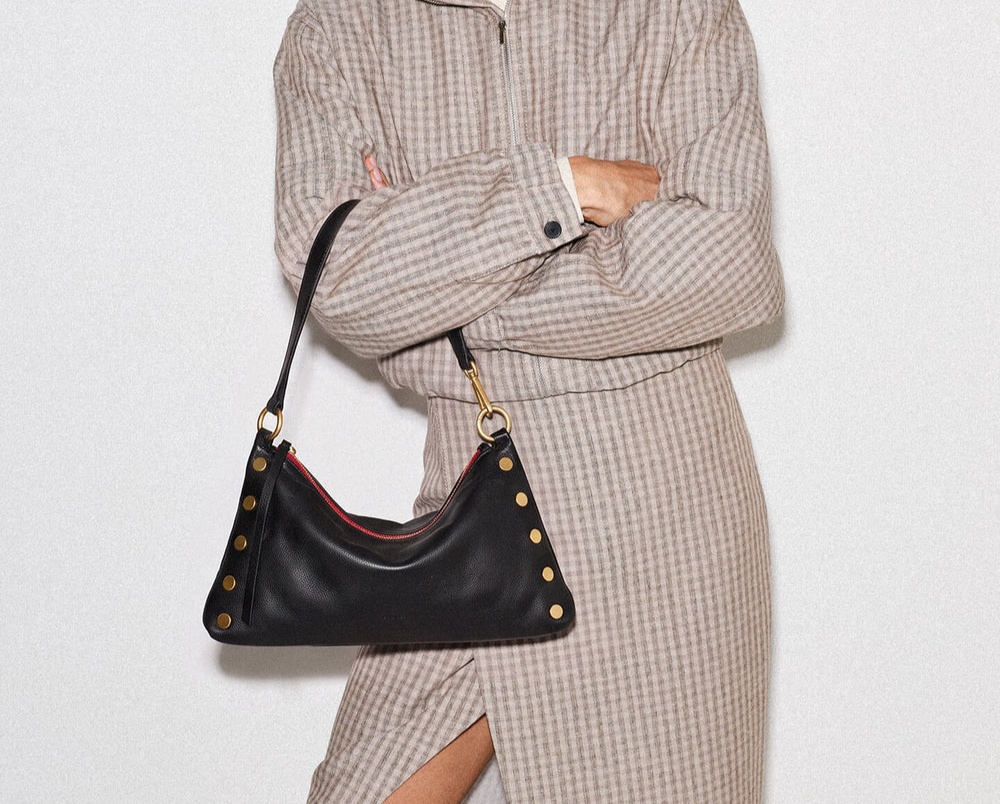
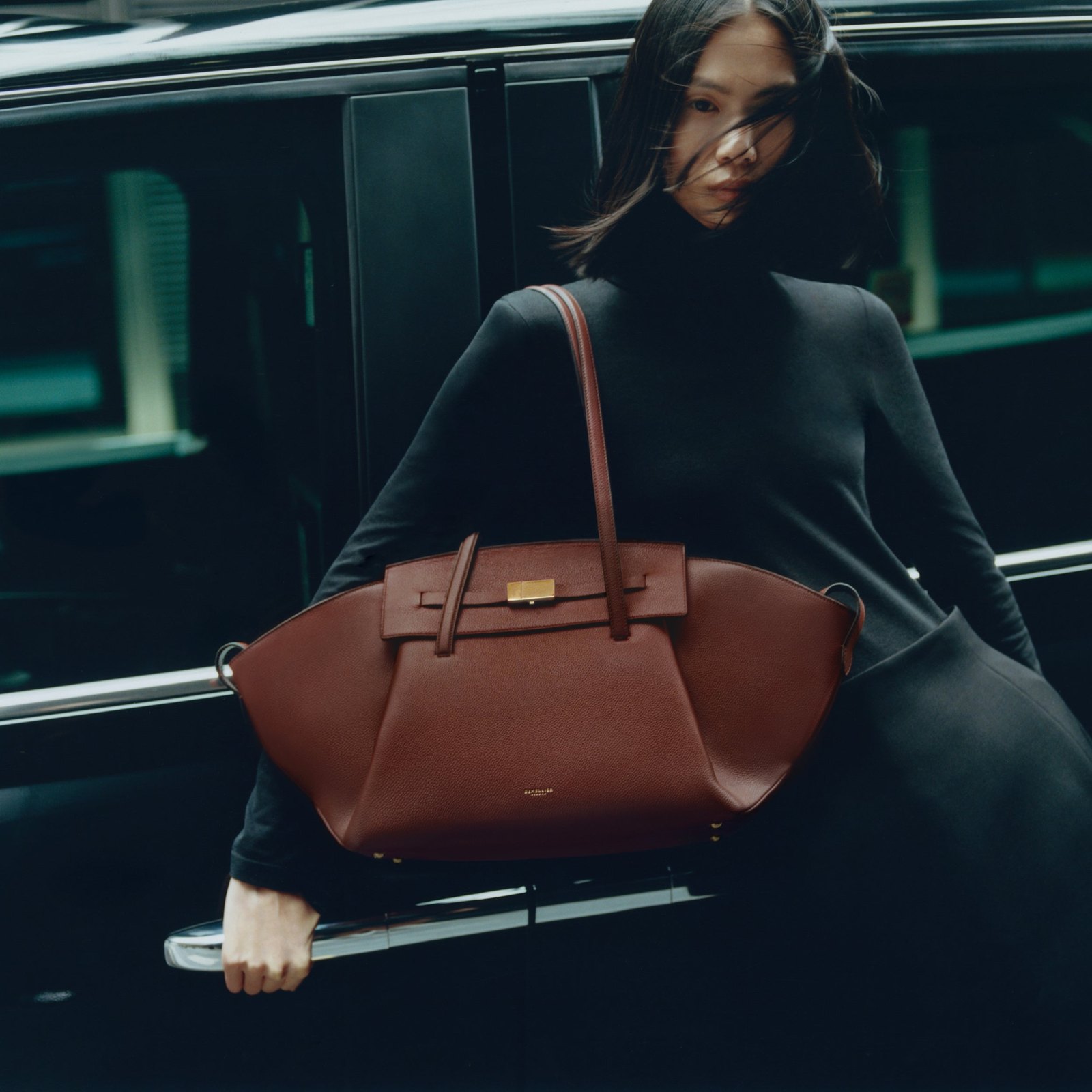
Marant's bags and jewelry lean on the same snake-effect leather and gold-tone hardware that show up across her ready-to-wear, meant to be mixed in rather than treated as statement pieces on their own.

Oskan studded suede tote
Isabel Marant
$1,390

Oskan Moon embellished snake-effect leather shoulder bag
Isabel Marant
$1,250

Oskan Moon zebra-print leather-trimmed calf-hair shoulder bag
Isabel Marant
$1,250

Maia large leather-trimmed suede shoulder bag
Isabel Marant
$1,890

Oskan embellished suede shoulder bag
Isabel Marant
$1,390

Oskan Moon studded leather shoulder bag
Isabel Marant
$1,090

Oskan Soft fringed suede shoulder bag
Isabel Marant
$1,690

Maia snake-effect leather shoulder bag
Isabel Marant
$1,890

Maia medium braided leather shoulder bag
Isabel Marant
$1,590

Deza zebra-print calf hair belt
Isabel Marant
$550

Gold-tone necklace
Isabel Marant
$430

Twina gold-tone bone belt
Isabel Marant
$1,150

Hanabi silver-tone crystal clip earrings
Isabel Marant
$390

Lassio leather belt
Isabel Marant
$295

Hanabi gold-tone crystal clip earrings
Isabel Marant
$390

Hanae gold-tone sodalite bracelet
Isabel Marant
$590
Our honest take
Isabel Marant built a career on making dressed-up look accidental, and that's still the throughline across two decades and several diffusion lines. If you take one thing away, buy the piece that looks the least considered on the hanger. On her, that's usually the one that was considered the most.