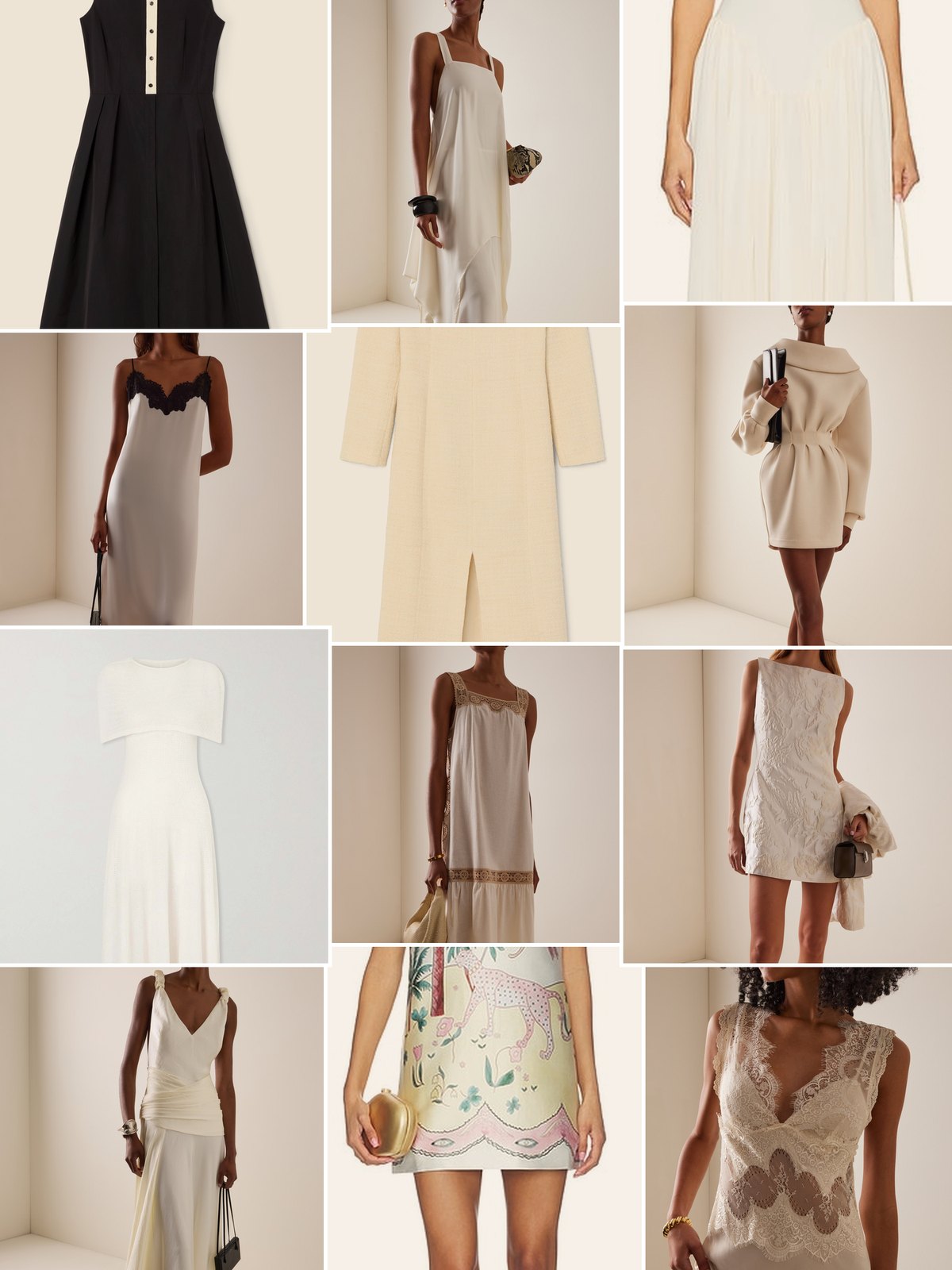
This ivory dress edit brings together silk, lace, knit, tweed and embroidered options across mini, midi and maxi lengths. Use the mix to decide how formal or relaxed you want the look to feel, then choose a texture and silhouette that make sense for the occasion.
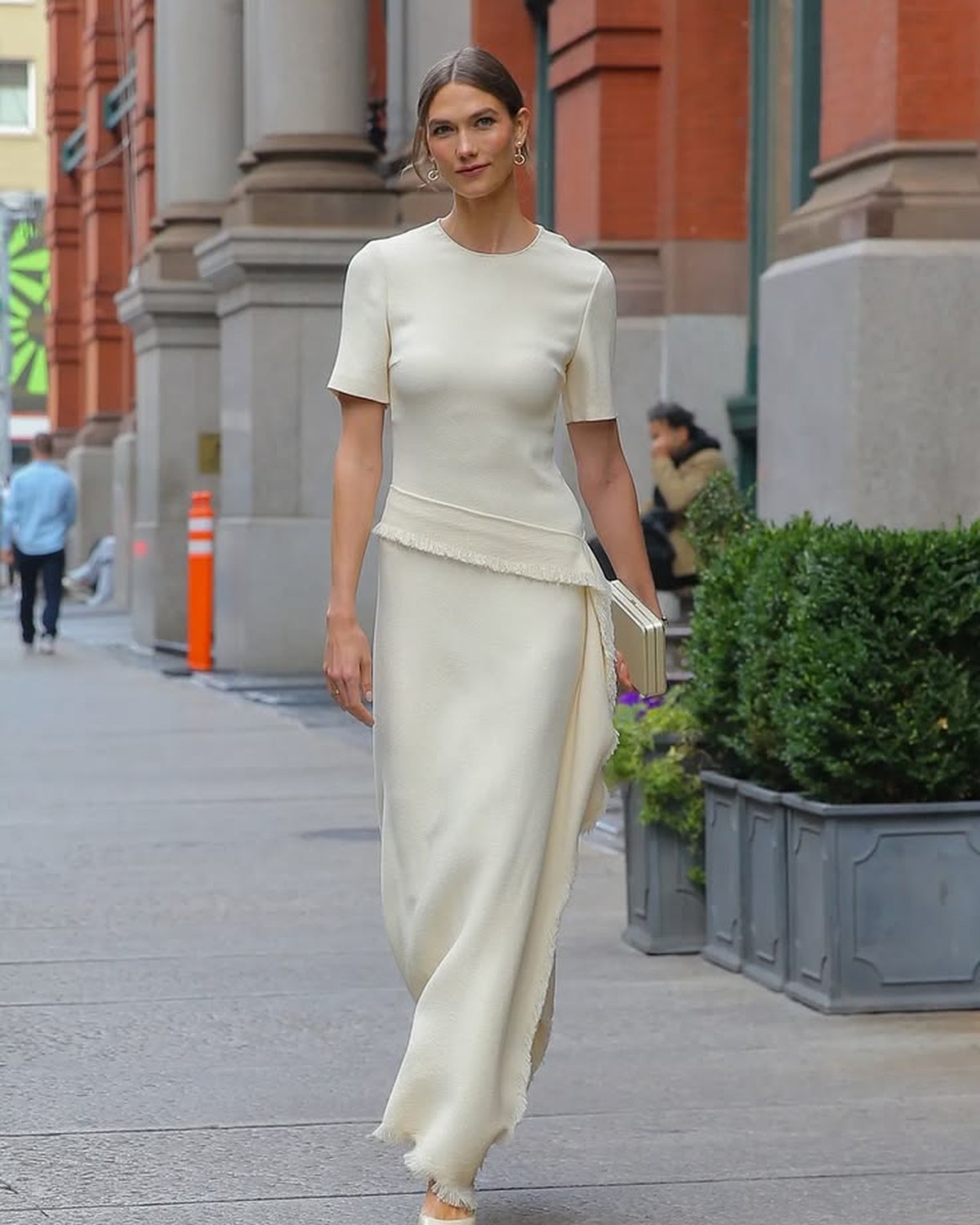
Ivory dress: Choosing between soft drape and a sharper shape
This ivory dress edit brings together silk, lace, knit, tweed and embroidered options across mini, midi and maxi lengths.
A pale shade with history
At the Uffizi’s Museum of Costume and Fashion, an ivory silk chiffon evening dress by Madeleine Vionnet is dated circa 1931 to 1932. Its skirt is cut on the bias, and the museum notes that Vionnet helped popularize the technique. That is a lovely reference point for an ivory dress: pale color can feel soft, but a thoughtful cut gives it direction.
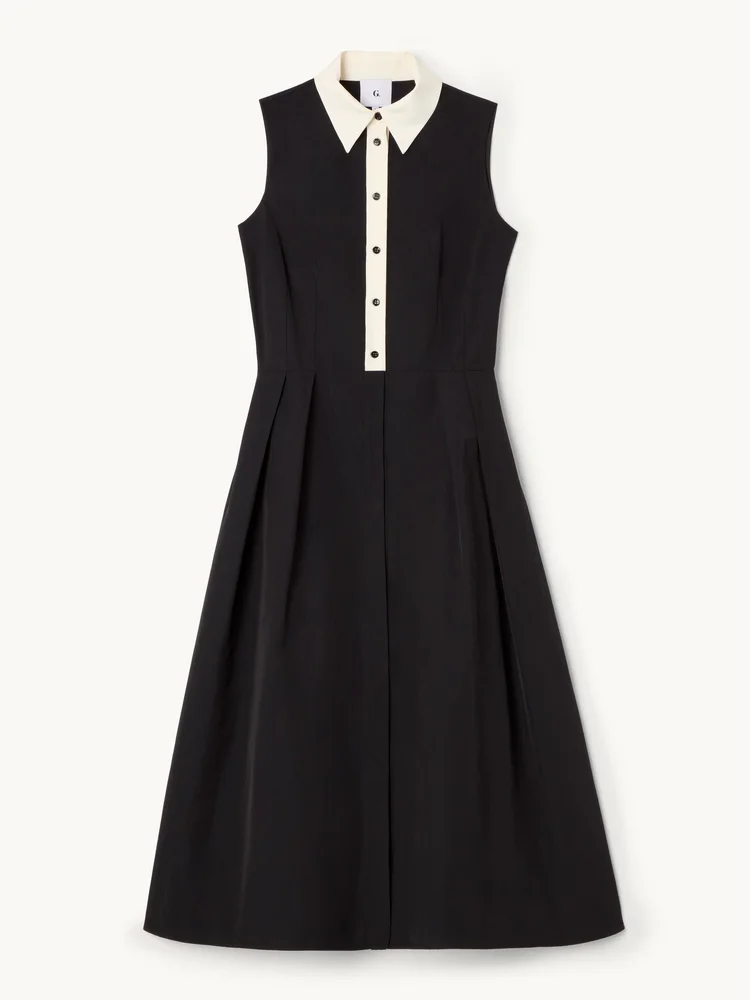
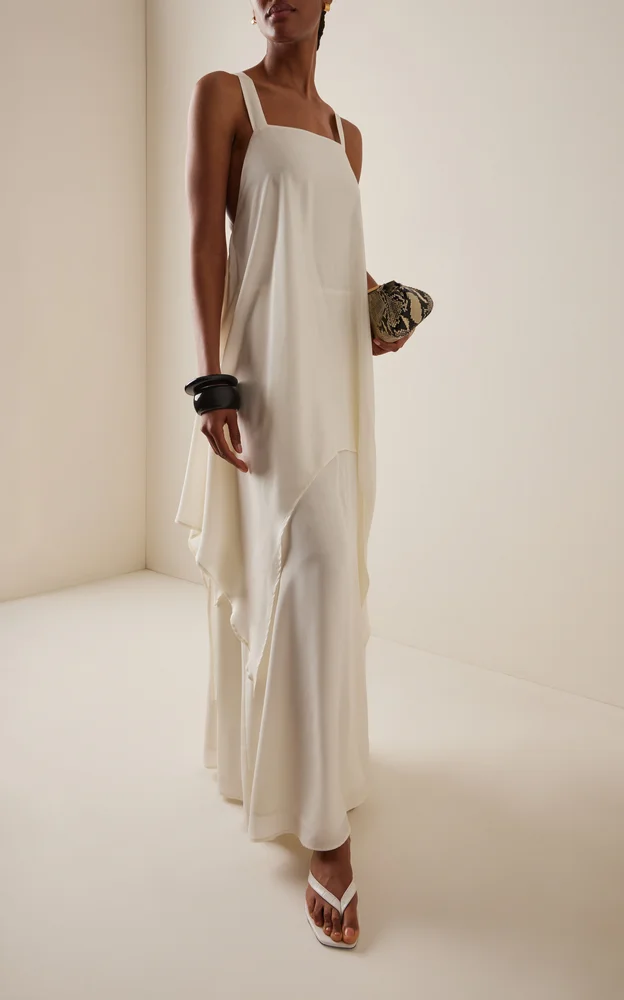
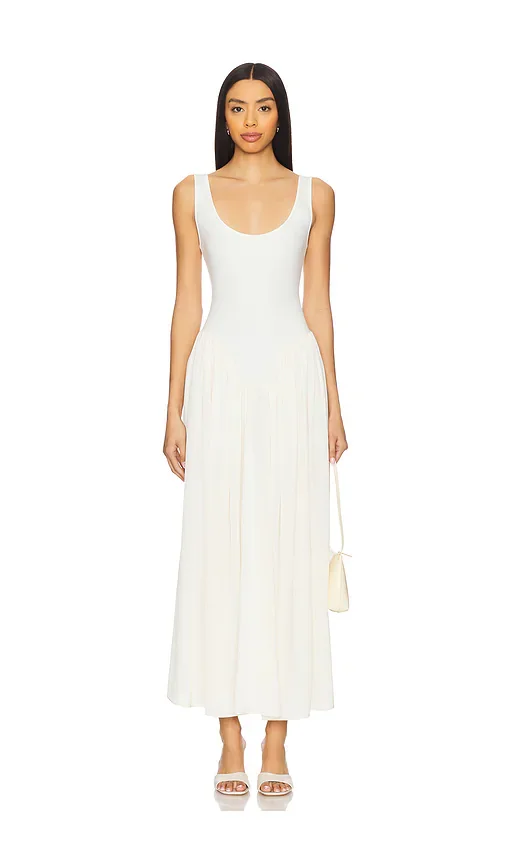
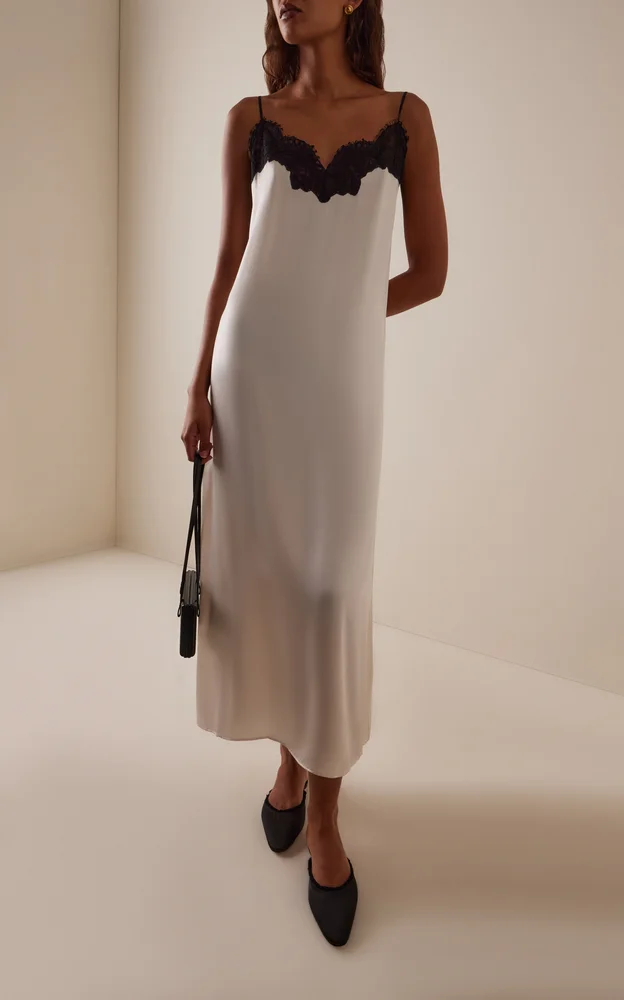
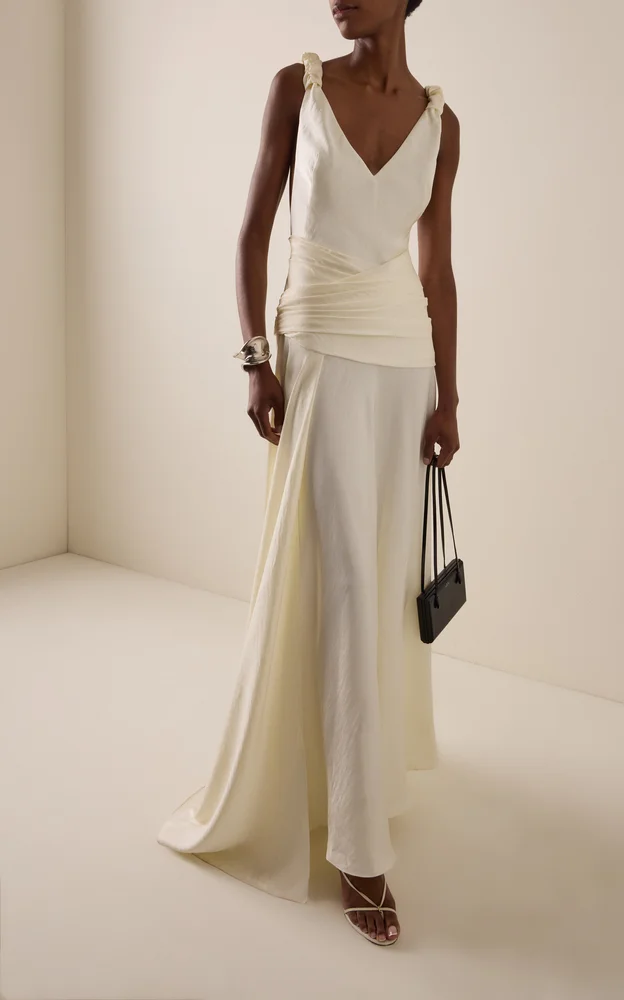
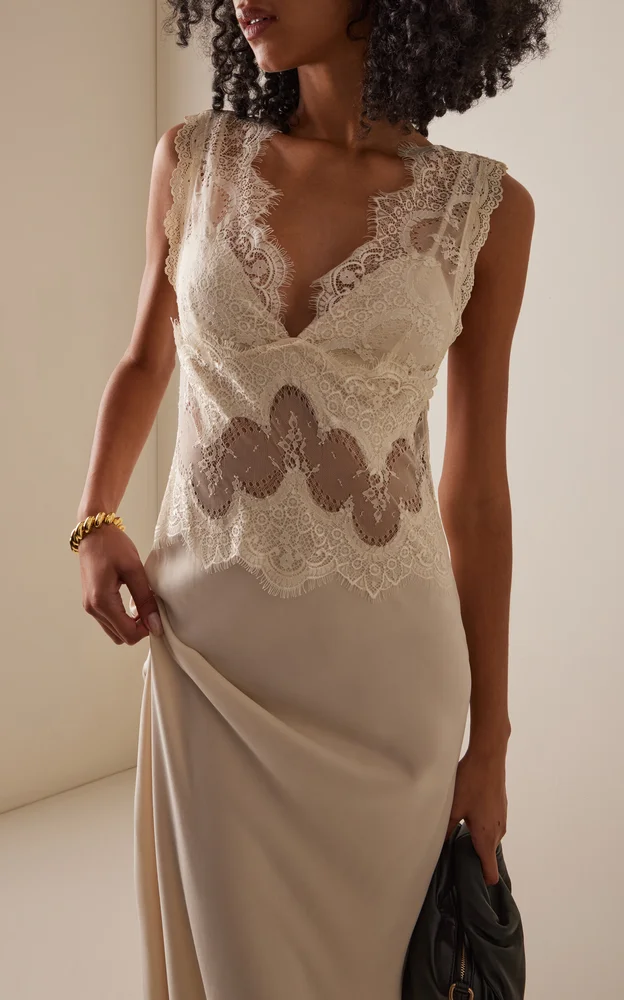
The first four picks offer several ways into that idea. GWYN’s Faye Dress is the simplest name in the group, a useful place to begin if you want the overall shape to do the work. STAUD’s Kira Draped Silk Maxi Dress brings silk and drape into a longer line, which I would keep fluid with a low-key shoe and minimal jewelry. Bevza’s Anna Dress in Ivory,White makes the color itself part of the choice; compare its ivory-white wording against the other pieces before settling on accessories. Co’s Lace Silk Satin Slip Dress combines lace with a satin slip silhouette, a more intimate texture that can be balanced with a tailored layer.
A practical test is to think about the light and setting where you plan to wear it. In daylight, notice whether the ivory reads creamy, bright, or closer to white, then choose shoes and a bag that make that tone feel deliberate. What I would skip is matching every accessory to the dress exactly; a little contrast, whether in texture or shape, helps the pale palette feel considered rather than overly precious. The strongest option is the one whose silhouette feels right before you add anything else.
Texture changes the mood
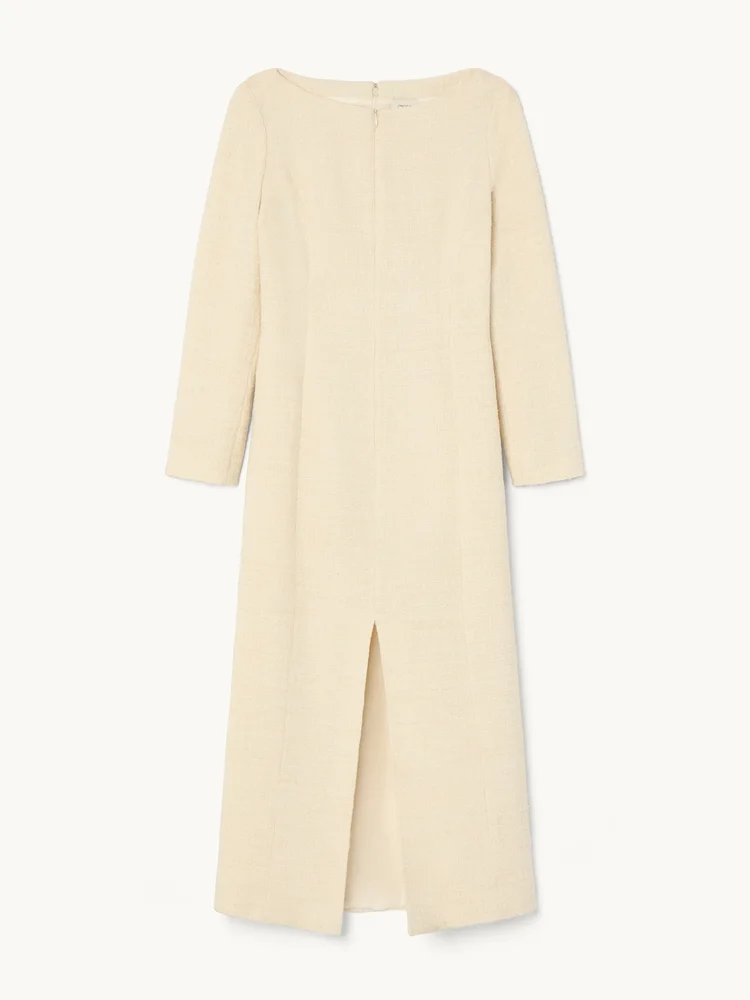
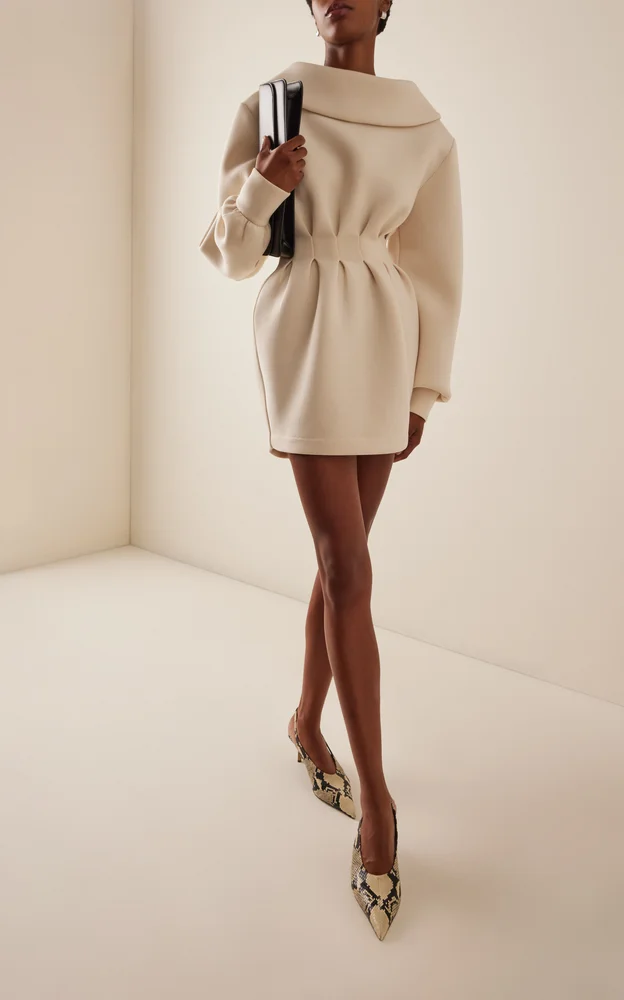
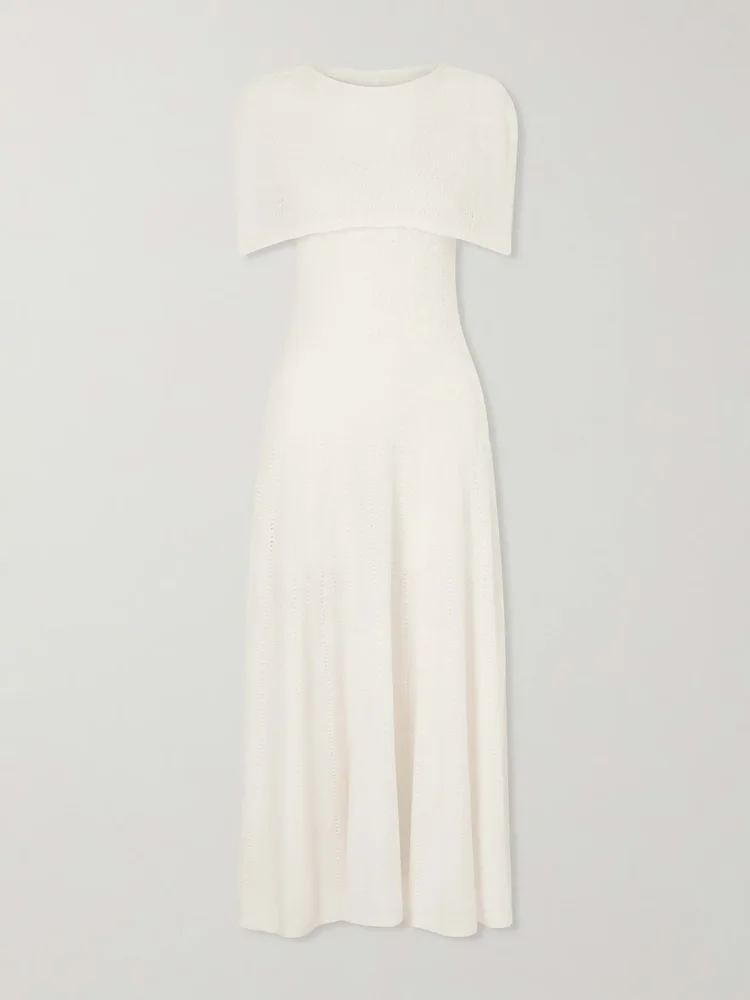
The second group moves from tweed and knit to crochet and embroidery. GWYN’s The Festive Tweed Dress gives the selection a more structured texture, so I would style it with uncomplicated accessories and let the fabric carry the occasion. ARAKII’s Exclusive Wide Collar Knit Mini Dress makes its collar the defining detail; keep the neckline free of a competing necklace and let the shape frame the face.
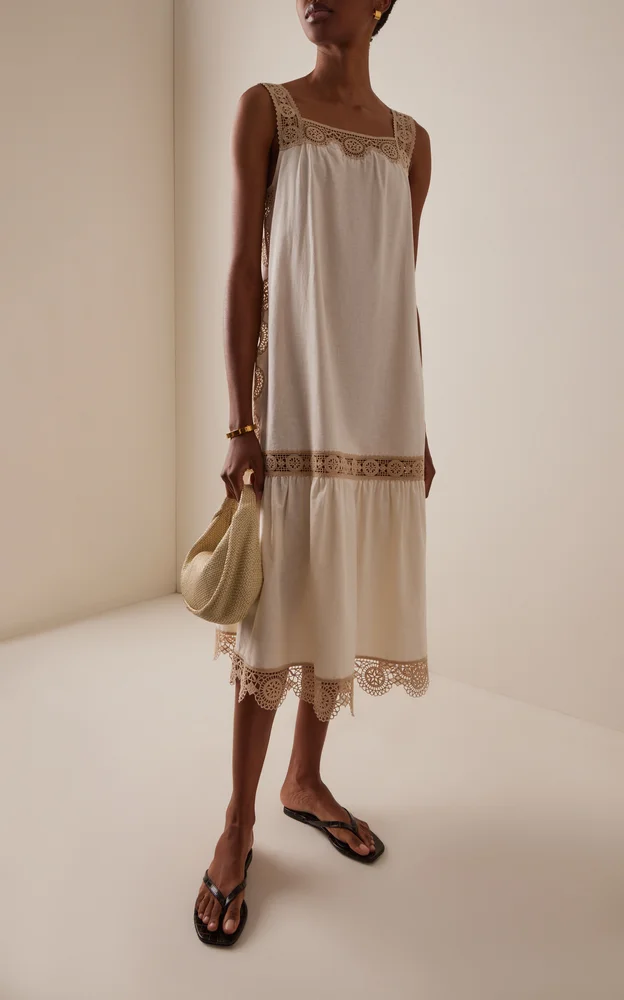
Arch4’s Cordelia crochet knit cotton, silk and cashmere blend maxi dress offers a longer, more open-looking texture in its name, while Sea’s Niamh Embroidered Cotton-Linen Midi Dress brings embroidery into a shorter length. That range is why ivory can work in different settings: the shade stays calm, while the texture tells you whether the outfit feels crisp, tactile, or relaxed. I would think about how much texture you want to notice from across a room, then pick the piece that suits that level of detail.
For a useful styling check, put a simple jacket over the knit mini and maxi, then see which one still feels balanced when layered. What I would skip is adding a heavily patterned wrap to the embroidered Sea dress; let one surface detail lead. With the tweed, a smooth shoe can keep the outfit from feeling too busy, while the crochet maxi can take a flatter sandal or a clean, minimal layer. A good ivory dress should feel connected to the occasion, not dressed for every possible one at once.
Short, long, or in between
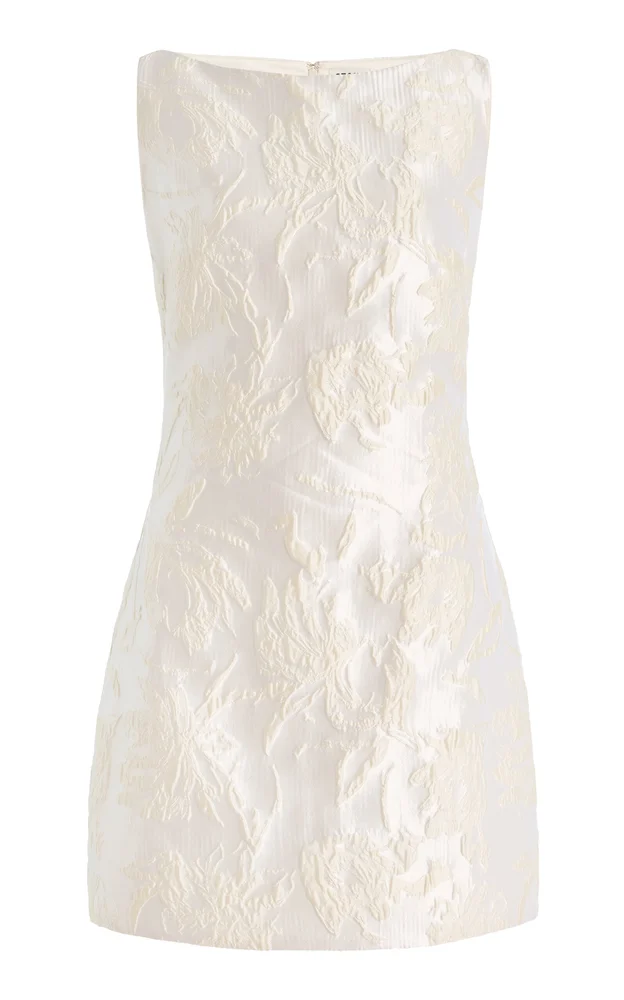
The final group is a useful comparison of length and surface. STAUD’s Mimi Jacquard Mini Dress gives the mini silhouette a textured note, so a simple shoe can keep the whole look light. Arcina Ori’s Exclusive Madalena Crepe Maxi Dress takes the opposite approach in length, with crepe named as the central material cue; I would keep the line uninterrupted with restrained accessories.
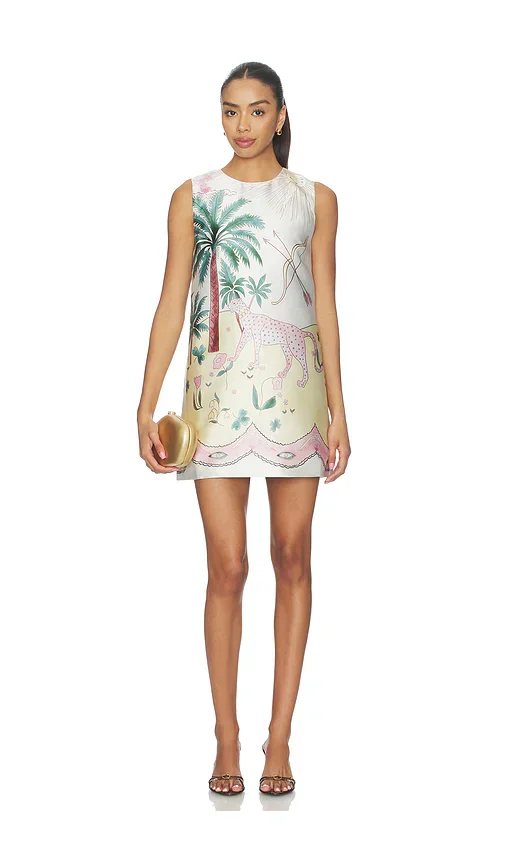
ROAME.’s Sofia Mini Dress in Ivory,Lemon introduces a second color in the name, a small reminder that an ivory look can include a gentle accent instead of staying strictly monochrome. Third Form’s Visions Lace Maxi Dress returns to lace in a full-length silhouette. These four let you decide whether you want the dress itself to make the statement through length, texture, or a hint of color. An ivory dress does not need to be plain to feel versatile; the proportions and surface can carry the personality.
Try the mini and maxi shapes with the same jacket, then compare where the hem and layer meet. What I would skip is adding another ornate piece to the jacquard or lace; simple accessories give both textures room. For the Sofia mini, pick one small color echo if you want to connect the lemon detail, rather than building a full palette around it. These are the moments when a close look at the product name helps: decide first whether you want a clean expanse, a tactile finish, or a small detail that catches the eye.
Let the occasion set the tone
Across these groups, ivory shifts with the fabric: silk and satin feel fluid, knit and tweed bring texture, while lace and embroidery give the surface a little more presence. I would choose the shape that suits the setting first, then use the shade and finish to decide how dressed up the rest should feel.
If the occasion is relaxed, a simpler silhouette can feel just right; for a more polished moment, drape or texture can do the talking without much accessorizing. The useful thing about an ivory dress is that it leaves room for your own styling instinct. Pick the detail you want to remember, then let the rest stay calm.