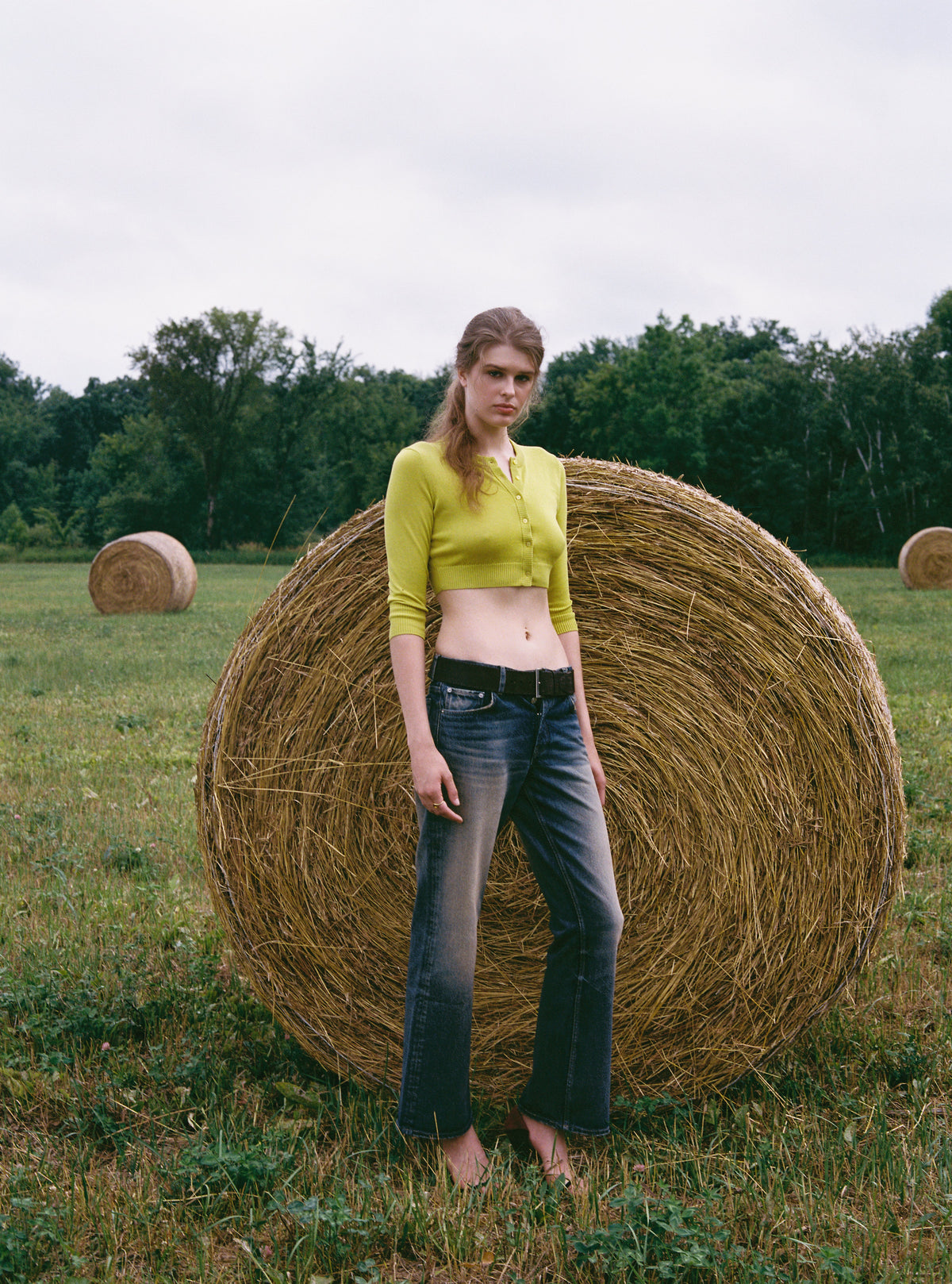
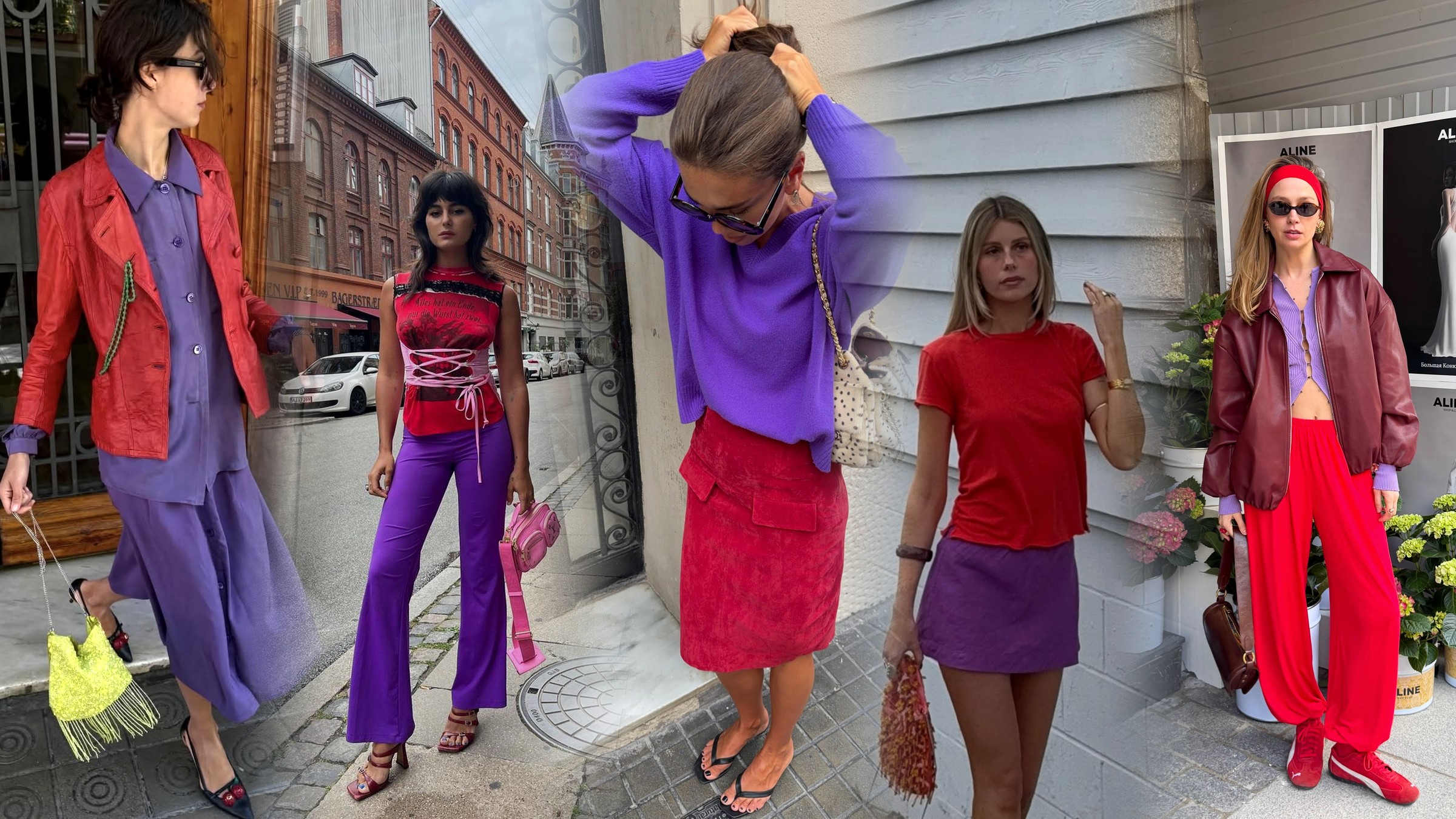
Junya Watanabe trained as a pattern maker under Rei Kawakubo at Comme des Garcons before Kawakubo backed his own namesake label, and that construction-first training still shows in how a familiar shape gets pushed here. The pieces here follow that tension between comfort and friction across a plush sweater, a croc-effect coat, tailoring and accessories.
Junya Watanabe

A Pattern Makers Eye
Junya Watanabe came to design through pattern making, not sketching. Born in Fukushima in 1961, he trained at Bunka Fashion College in Tokyo, then joined Comme des Garcons as an apprentice pattern maker under Rei Kawakubo. By 1987 he was running the Tricot knitwear line, and Kawakubo went on to back him to show a collection under his own name, still inside the Comme des Garcons label. That training shows in how a familiar shape gets treated here. The distressed plush sweater keeps the comfort of something already known while the volume and surface make it feel considered. The croc-effect double-breasted coat changes the temperature of the whole selection, the piece to reach for when a plain outfit needs a sharper outline. Pinstriped tailoring and a wool-jersey maxi skirt keep the rest of the range closer to the ground, giving the texture pieces something quiet to sit against.

Croc-effect material double-breasted coat
Junya Watanabe
$2,175

Distressed plush sweater
Junya Watanabe
$1,085

Plush and wool-gabardine wide brim hat
Junya Watanabe
$845

Wool-jersey maxi skirt
Junya Watanabe
$725

Pinstriped wool-blend wide-leg pants
Junya Watanabe
$965

Wool-blend blouse
Junya Watanabe
$965

Studded patent-leather ankle boots
Junya Watanabe
$1,690

Pinstriped wool-blend double-breasted blazer
Junya Watanabe
$1,305

Houndstooth jacket
Junya Watanabe
$1,085

Pleated glen check skirt
Junya Watanabe
$965

Cracked faux leather jacket
Junya Watanabe
$1,810

Pleated dress with harness
Junya Watanabe
$1,450
Let One Piece Lead
My test for a designer piece is whether it can change an outfit without demanding a costume built around it, and the croc-effect coat has the strongest case for that role here, since texture gives a simple base something to react to. I would wear it with familiar trousers and shoes, not a second loud item, and let the coat do the only talking. The distressed plush sweater is the more forgiving starting point, especially for wanting that same interest in surface closer to the body. Skip buying both pieces just because they are shown together as a matched idea. A small disruption can make an old combination feel newly deliberate, but only if it works outside the outfit it was photographed in. Buy the piece that changes how existing clothes get worn, not the one that only works in a carefully arranged photo.