This knit dress guide helps you compare close ribbing, compact structure, and softer silhouettes across midi and maxi lengths. Use it to decide which shape fits your plans and what to layer over it.
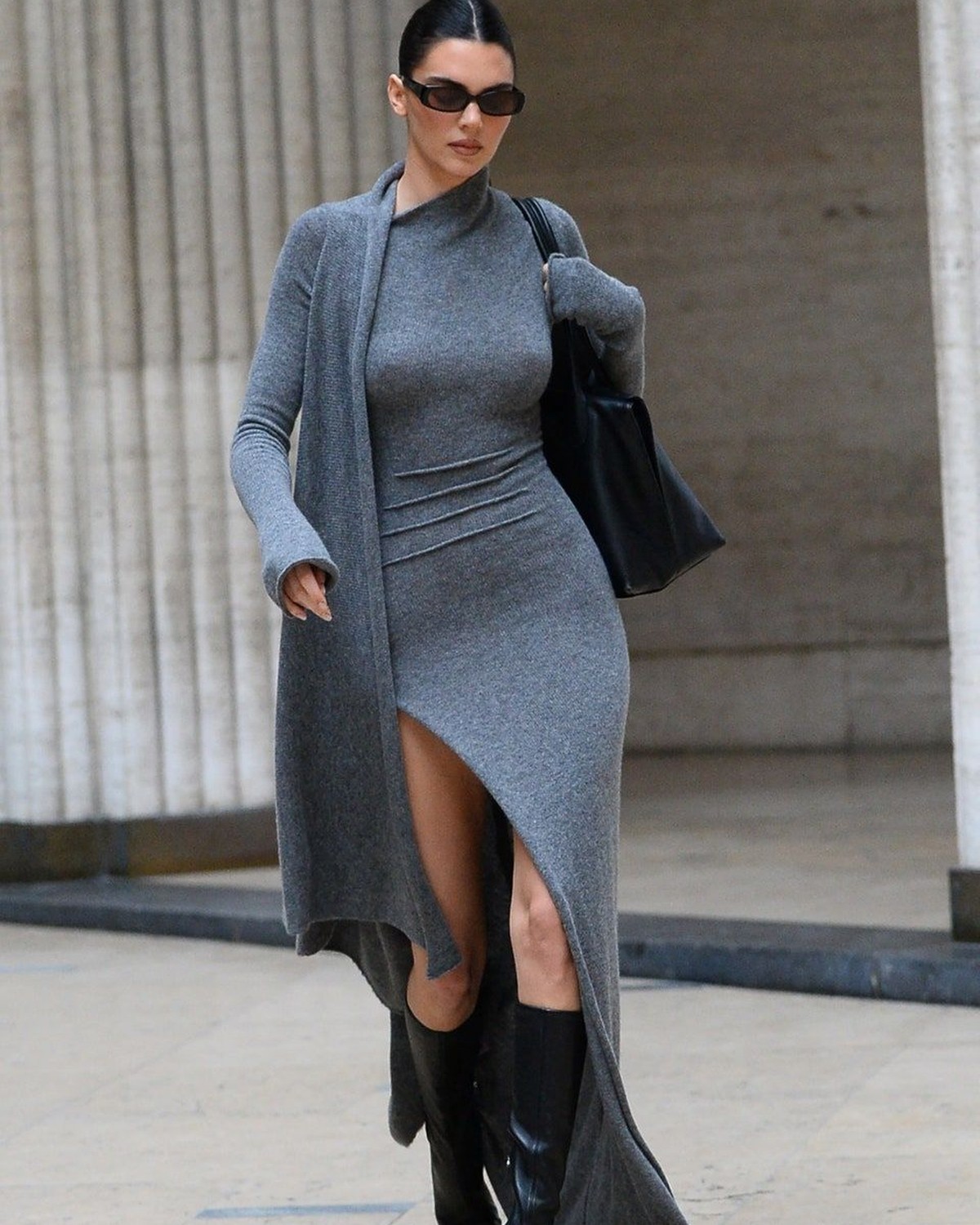
Knit dress: How to choose a shape that moves
This knit dress guide helps you compare close ribbing, compact structure, and softer silhouettes across midi and maxi lengths.
Jersey learns to move
The knit dress became a modern wardrobe idea when jersey stopped being only an underlayer and started shaping everyday clothes. The V&A traces the 1960s jersey dress boom through Mary Quant, whose first Ginger Group collection included pullover jersey dresses in autumn 1963. That history still feels useful: a knit can be soft and easy, but the fabric can also hold a clean line. I would start by deciding whether I want that line to skim, swing, or simply hang straight.
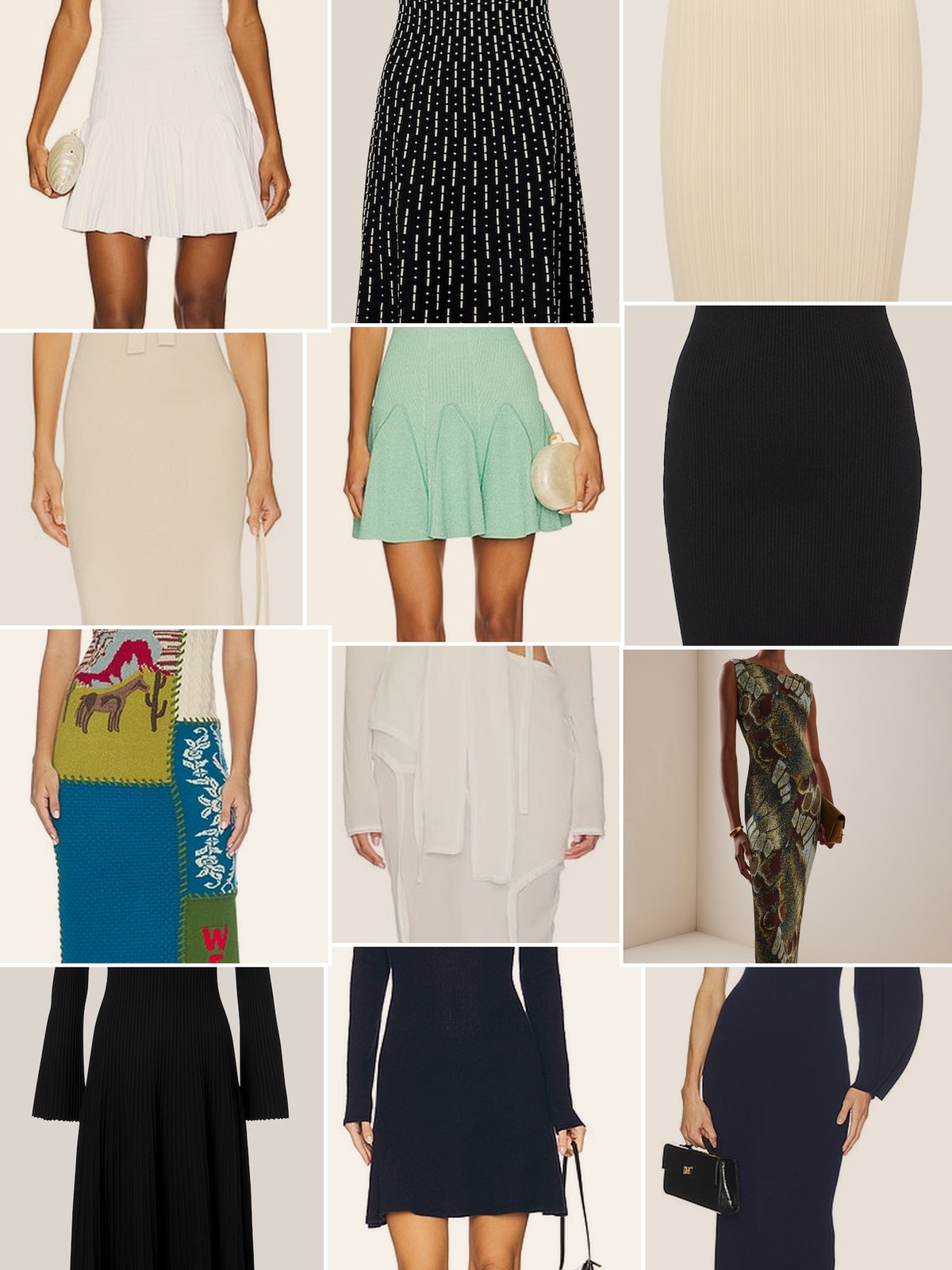
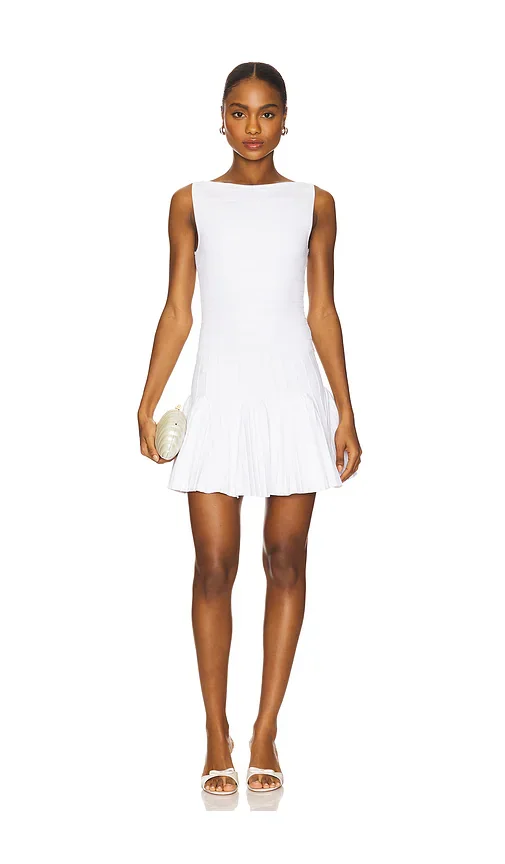
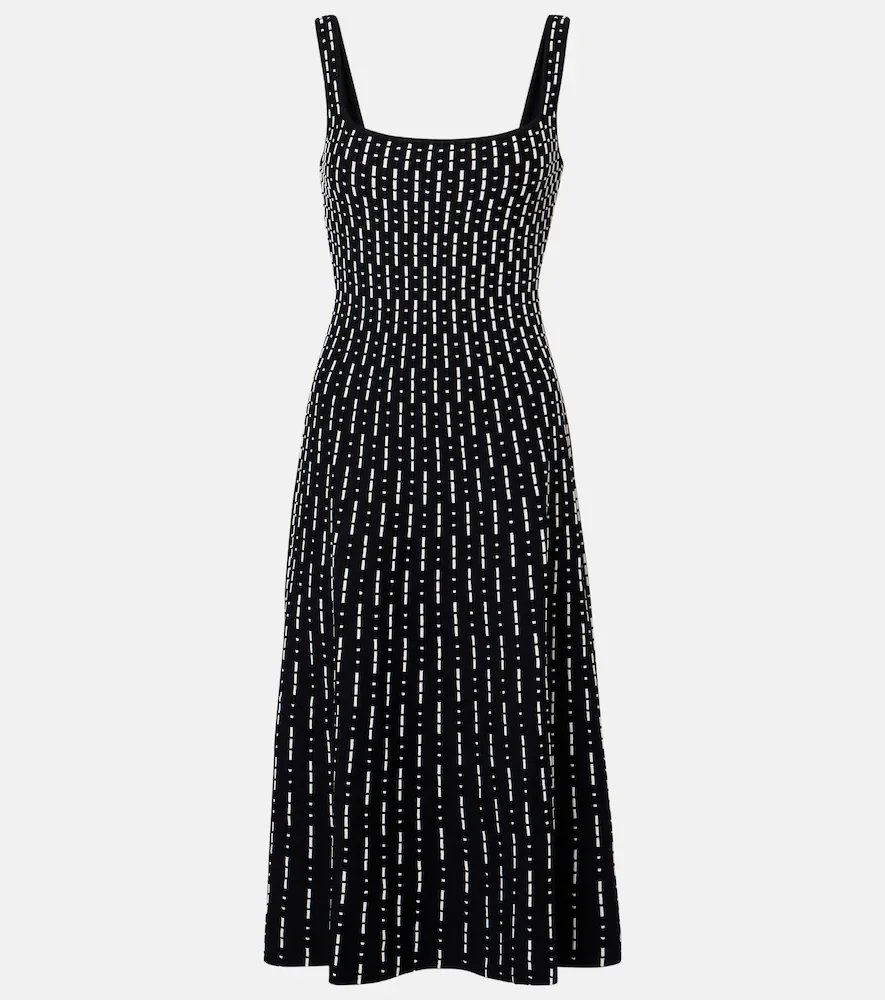
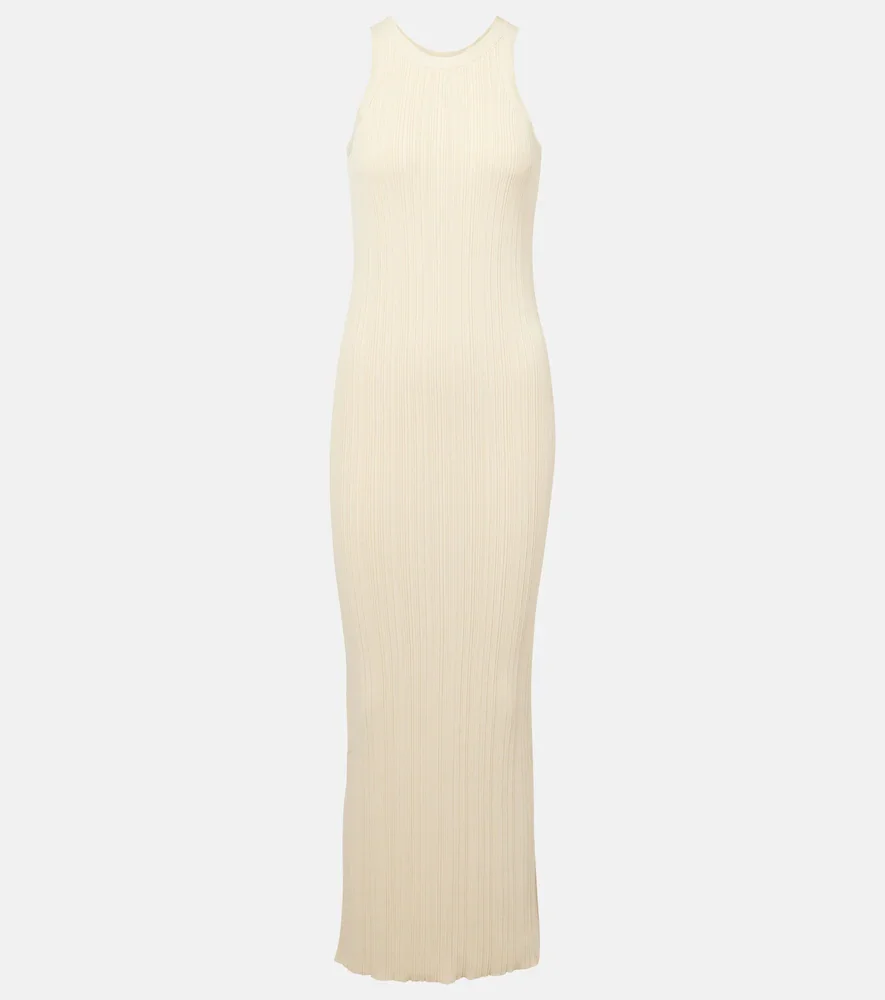
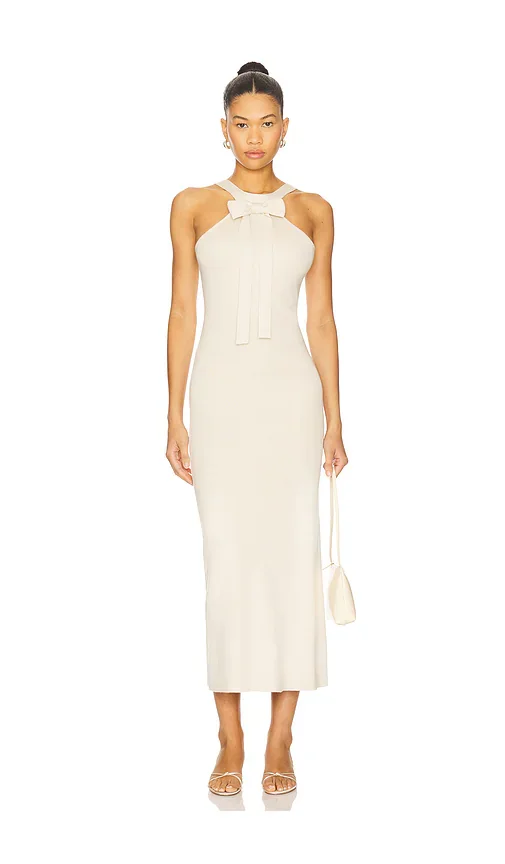
Grid one gives those choices distinct personalities. retrofete’s Audrina Knit Dress brings the label into a dress-first silhouette, while the Staud Ellison compact knit midi dress makes the compact construction the point. The Toteme Ribbed-knit maxi dress leans on a longer line and visible ribbing. TOTEME was founded in 2014 by Elin Kling and Karl Lindman, and its Stockholm atelier describes materiality and shape as central to its approach. Maude Club’s Clementine Knit Dress rounds out the group with a shorter name and a more relaxed-sounding alternative.
For a useful fit check, look at where the knit meets the waist, hip, and hem while standing and sitting. A ribbed maxi has enough vertical direction to work with a clean shoe; a compact midi can take a lighter jacket without losing its shape. I would keep the first styling pass simple, then add one layer only if the dress needs contrast.
Shape, then texture
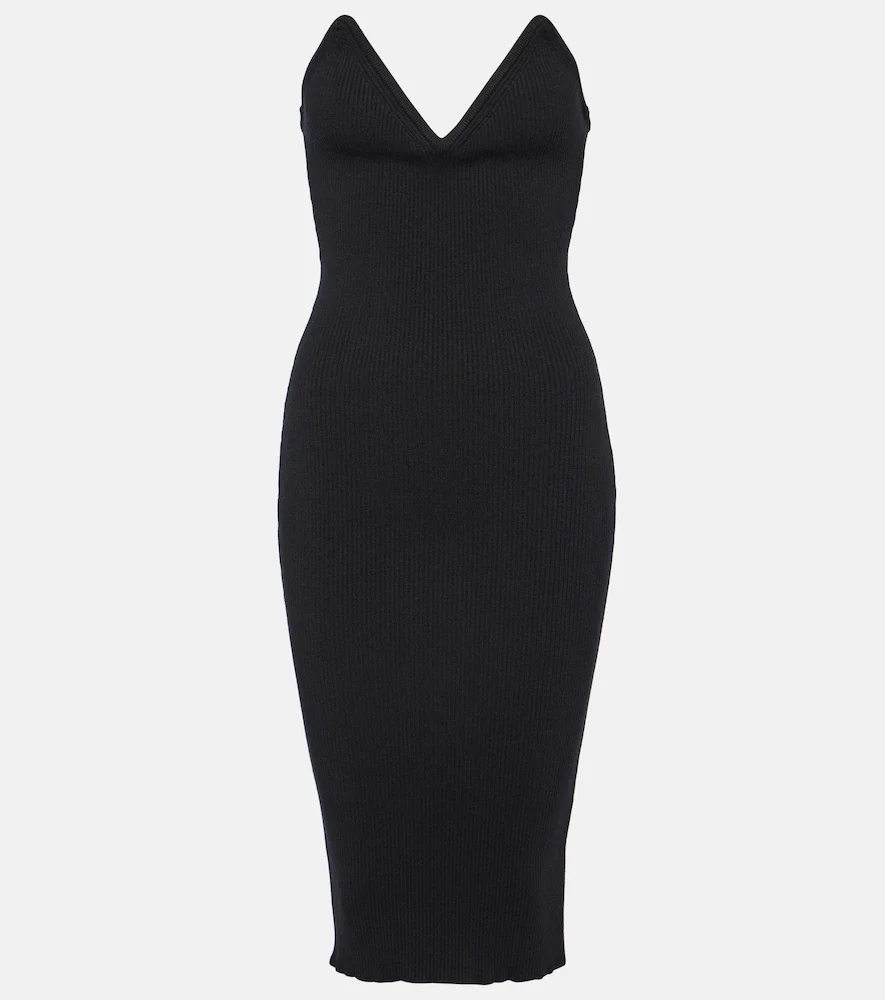
Grid two makes the knit dress a little more architectural. retrofete’s Erica Knit Dress keeps the label’s dress focus in play, while Coperni’s Bustier knit midi dress puts the bustier shape at the center. I would let that neckline do its work with a pared-back shoe or a jacket that does not crowd the top half.
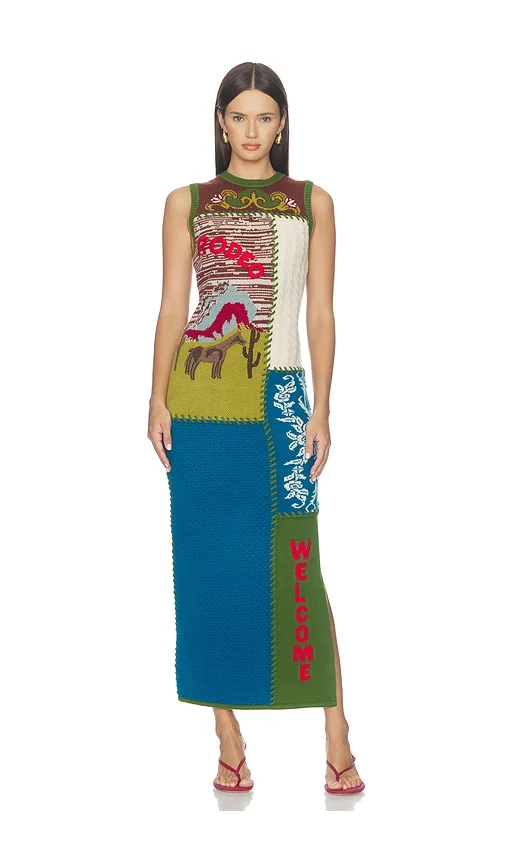
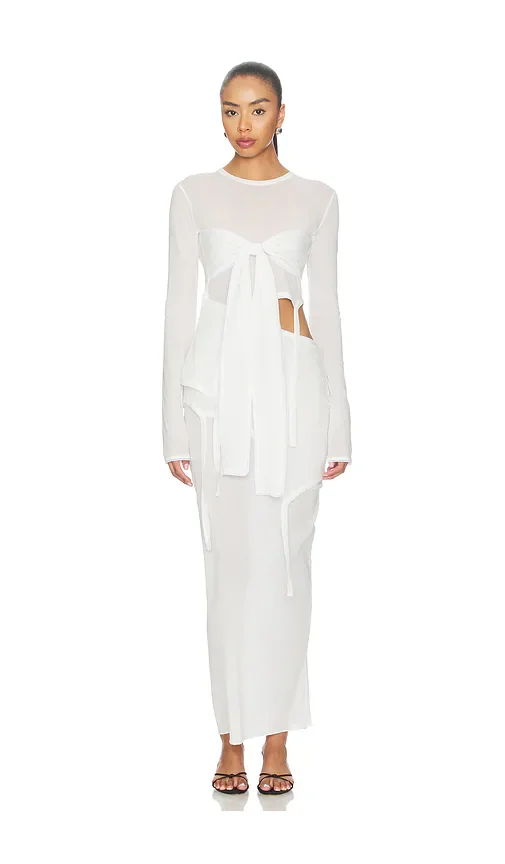
Alemais Lasso Patchwork Knit Dress brings patchwork directly into the name, which makes it the more expressive option here. KETTEL ATELIER Knit Tie Dress offers a different kind of detail: the tie gives the wearer a way to adjust the outline rather than relying on texture alone. Each one asks for a slightly different companion. A single-tone layer can calm patchwork, while a tie-front dress benefits from a coat that leaves its waist visible.
Try the knit dress with the exact underlayer and shoe you expect to wear, then check whether the extra fabric pulls or bunches when you move. What I would skip is adding a loud accessory to patchwork or hiding the tie detail under a bulky layer. The goal is not to make every knit look formal; it is to give its particular construction enough room to read.
A different kind of knit
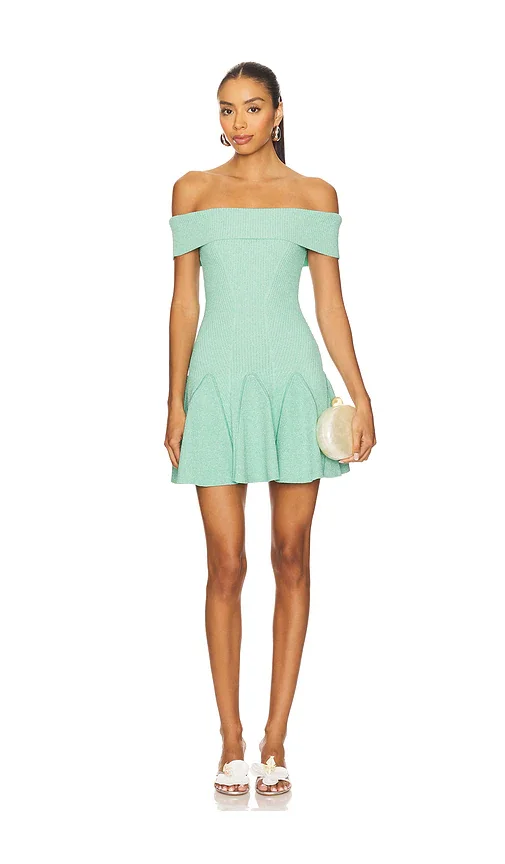
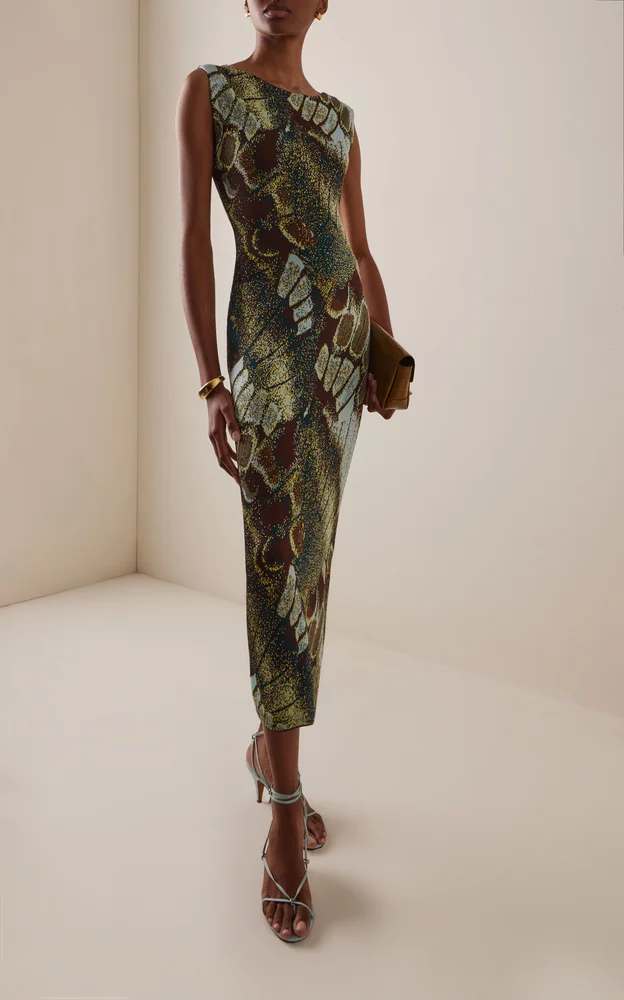
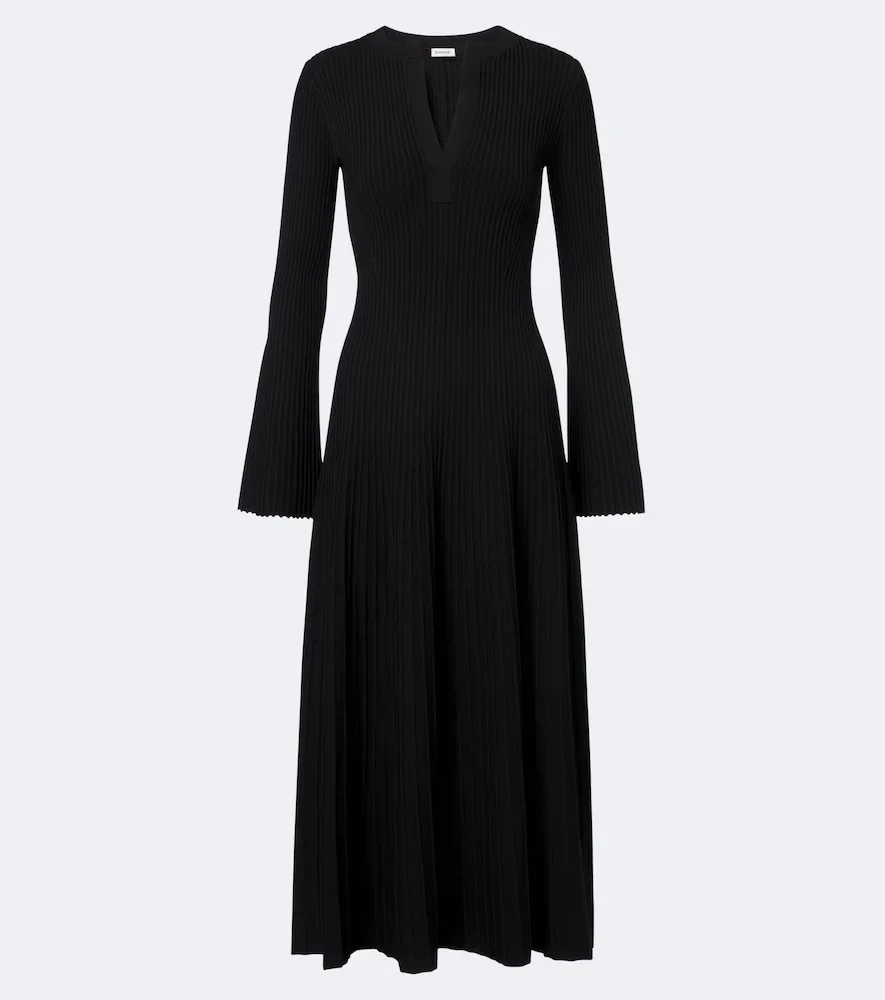
The final grid plays with length and density. STAUD’s Veronica Knit Maxi Dress returns to the longer proportion, while Simkhai’s Genna ribbed-knit midi dress brings ribbing into a mid-calf option. Peachy Den’s Claudine Knit Dress and SRG’s Himani Compact Knit Dress give the group two more interpretations, one simply named and one explicitly focused on a compact knit. Together they make the point that a knit dress is not a single silhouette.
For the maxi, I would test the hem against the shoes you actually plan to wear, especially if the knit drapes close to the body. A ribbed midi can take a structured jacket; a compact knit may call for a softer layer that does not compete with its surface. Look at the neckline too, because a close neck and an open neck change the whole feeling of the same length.
What I would skip is choosing a layer by color alone. If the cardigan or jacket swallows the dress’s shape, the knit has no chance to make its case. Let one proportion lead, then use accessories to support it.
The silhouette holds
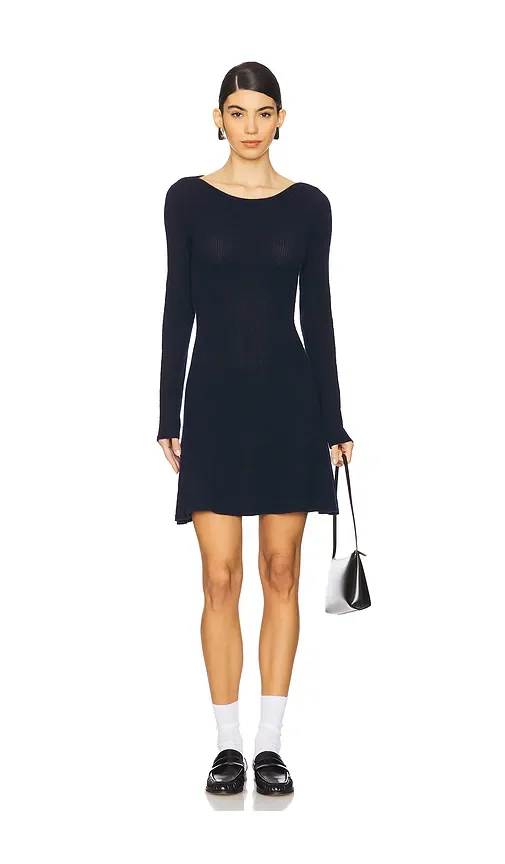
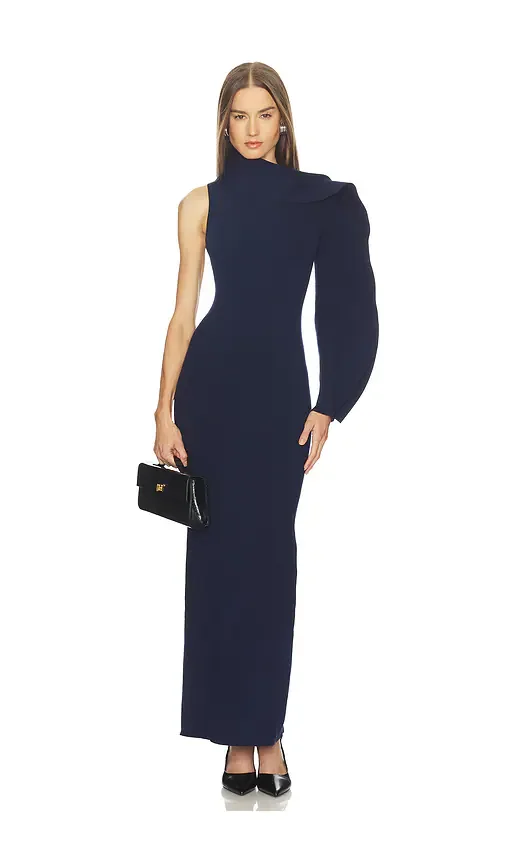
A good knit dress earns its place through more than softness. The length, the way the fabric sits at the waist, and the amount of structure determine whether it feels like a clean weekday answer or something with more occasion built in. Those are easier questions to answer when I compare one detail at a time.
I would begin with the shape that suits the day, then choose ribbing, compact construction, or patchwork as the finishing note. A simple shoe can clarify the line, while a well-placed layer changes the mood without hiding the knit. Keep the outfit around the dress, and its particular texture becomes the reason to wear it.