A Kujten scarf edit covering cashmere scarves, stoles, snoods, bright colors and printed bandanas from the Paris label founded in 2012. I would start with a neutral for my coat, then add one color I have been missing.
Kujten Scarf: The Parisian Cashmere Made in Mongolia, in Every Color
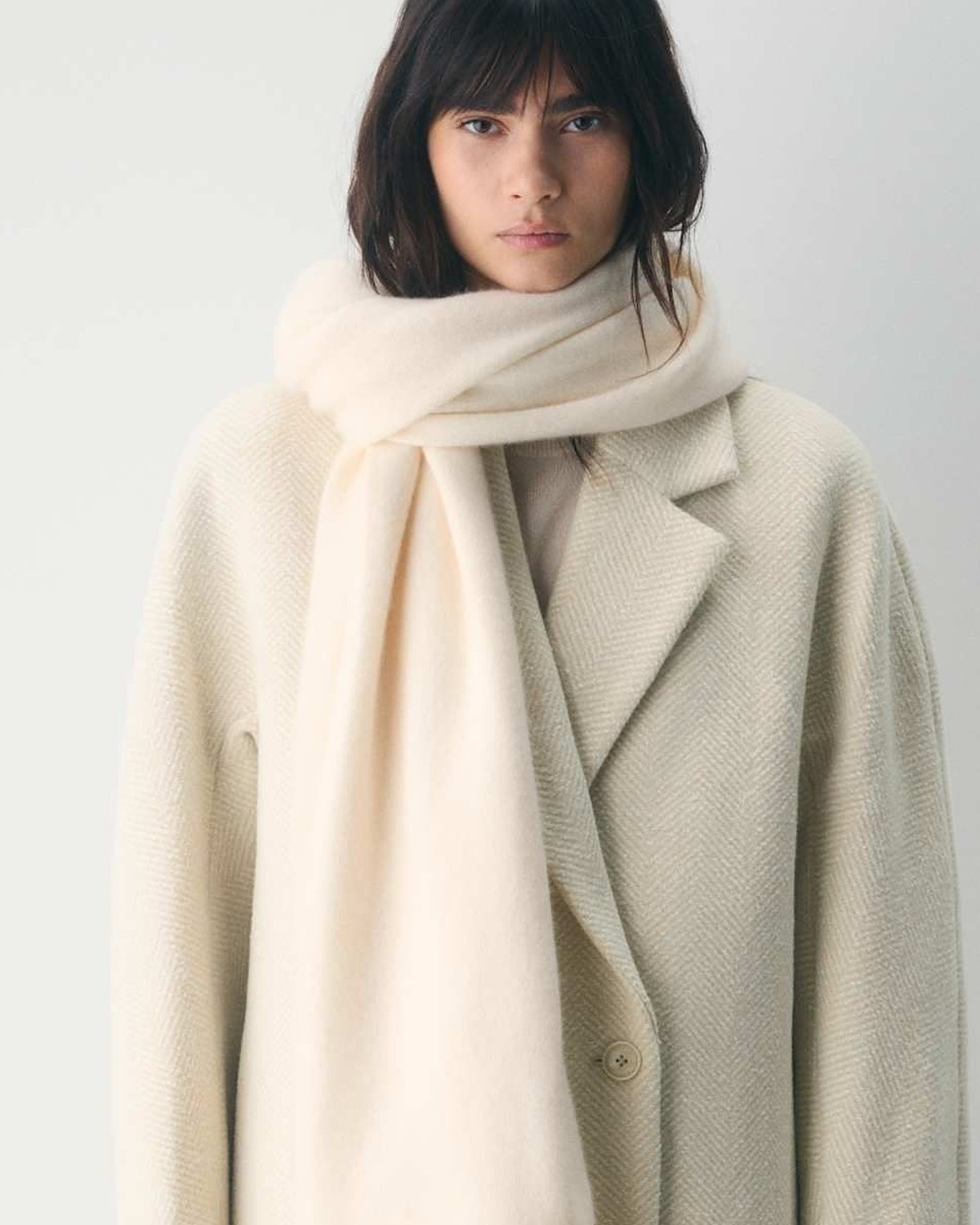
A Paris cashmere label that started with two friends
Kujten was created in 2012 by Carole Benaroya and Stéphanie Eriksson, two friends who met in school as teenagers. Carole came from finance, Stéphanie from the Parisian styling department at Joseph, an English house known for its knitwear. One of them wanted more passion in her working life, the other knew exactly how a good knit should behave. That is a decent recipe for a scarf label.
The Kujten scarf is where the brand's whole point of view fits in a single piece. Stéphanie has said she was frustrated by having only three or four colors to choose from when buying cashmere, so the palette here is the argument. After a first trip to Mongolia, where the founders fell for the blue-sky country, they set out to rewrite the codes of cashmere around quality, color and detail. I like a brand that can say what it is for in one sentence.
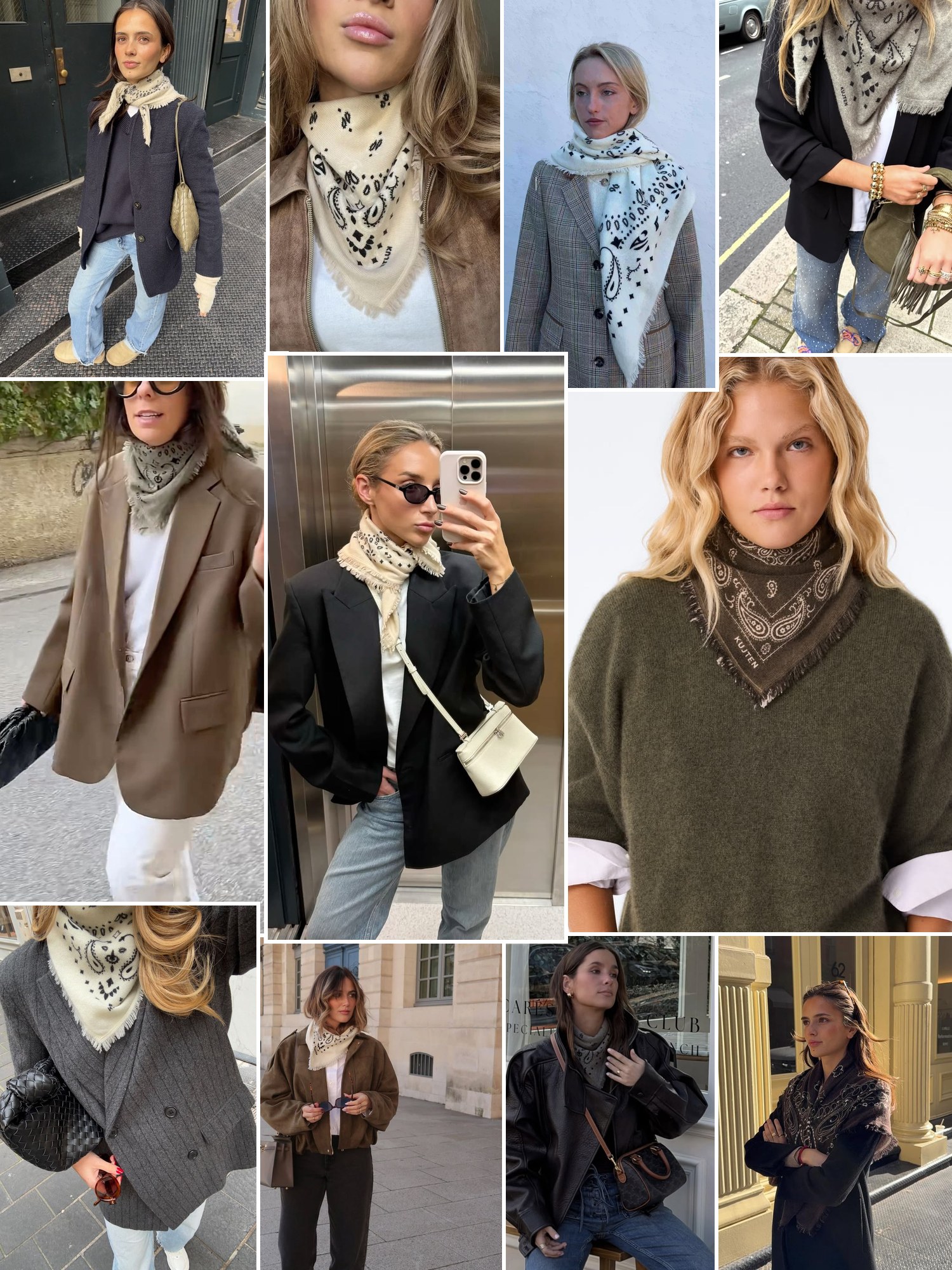
October is when this earns its place by the front door. Start with the neutrals in the first group. The Hand Knit scarf in marl organic and the one in heather gray are 90% cashmere and 10% silk, hand knitted, so they read soft and a little rustic. The Kakei in white or latte is 100% cashmere in a loose jersey, which is the one I would pair with a camel coat. The Matelina in brown is a 5-ply, heavier and made for real cold. The Tifa Nimbus in organic beige is 1-ply, the lightest of the lot, so it sits under a blazer collar without bulk.
My tip: pick the neutral that matches your coat, not your sweater. The coat is what the scarf sits against all day.


Stoles and wraps for colder mornings
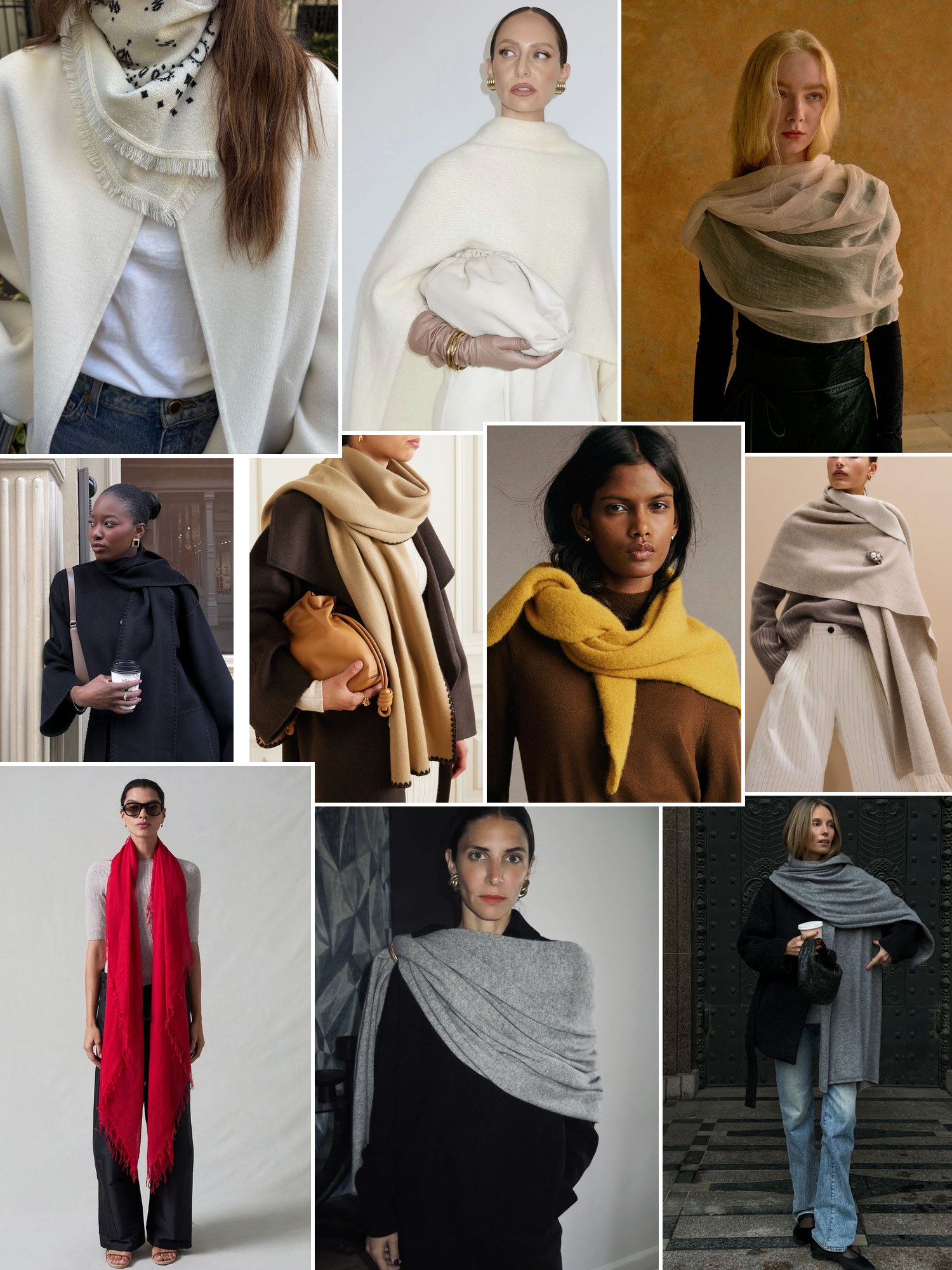
A stole is a different job from a scarf. It is wider, it can be a shawl over a coat or a blanket on a train, and Kujten makes the point in a handful of weights. The Tafi in milano red and the Tafi in oats white are both 100% cashmere in a 2-ply loose jersey, which means drape rather than structure. Wear the red with black knitwear and nothing else, and let it be the only loud thing in the room.
The Kiko Matelina in white and in brown is a 5-ply jersey knit, so it has more body and holds a fold across the shoulders. The Kiko Natte in brown is a 6-ply with a transfer stitch, a bit more texture for people who find plain jersey too quiet. The Sohare shawl in dark khaki is simply 100% cashmere, a good one to throw over a leather jacket with jeans.
Stéphanie Eriksson comes out of a house known for knitwear, and that shows in how many different knits one label can offer in what is basically one rectangle. Her taste is for variety in color and in construction.
For a fitting-room test, hold the edge up to the light. A good stole should look even, with no thin patches, and it should fall in soft folds rather than stand up on its own.
What I would skip: the Sohare cape with leather fringe in black, if you only want a scarf. It is a cape, with a lot of presence, and it deserves its own outfit.


Snoods and small scarves you can just pull on
A snood is the answer when you hate a scarf that unwinds on the walk to the office. The Louise in macchiato and in espresso is a 4-ply loose jersey knit, soft and slouchy, and I would wear either with a dark puffer and a beanie. The Come in black is a 4-ply English rib, which has a bit more stretch and a neater look, and the Come in taupe is a 4-thread cardigan stitch, more cushioned. The Moss in black and in white is a 2-thread moss stitch, the textured option, and the white one looks sharp against a navy coat.
Then there are the small bandanas. The Hachi Bico in caramelo is a printed jersey knit, and the Elvis small bandana in raw denim is a loose jersey. Hachi is the name of the brand's popular bandana, and the shape is the point: fold it into a triangle and knot it at the neck or on a bag handle. Kujten says its bandana is created in Paris and knitted in Inner Mongolia, which is a nice detail to know when you are choosing between this and a plain scarf.
Check the stitch up close. A snood should hold its shape after you pull it over your head, so give the ribbed ones a gentle tug and see if they spring back.
What I would skip: the white Moss if you commute on a train that is always dusty. Take the black.


Bright cashmere scarves, snoods and bandanas
This is where the palette that Stéphanie wanted shows up. Most cashmere stops at gray and camel, and here you get neon pink and blood orange in the Keelin bandana snood, both 5-ply English rib. I would wear the blood orange with a chocolate coat and the neon pink with all black, and it would be the only color you need that day.
The Aron large bandana in coral red is a 2-ply loose jersey, a softer red-orange that works with denim and a white shirt. The Mouliné Rainbow scarf in multicolor is a 14-ply jersey knit, the heaviest one here, and it reads like a gift you actually keep. The Tifa Nimbus comes in lavender mist and atlantic, both 1-ply and light, so layer them under a jacket if you want the color peeking out. The Scarfy in celestial is woven cashmere, and the Come bandana snood in celestial is a 6-ply flat rib, which makes a lovely matching pair if you like to coordinate.
Eriksson has named Yves Saint Laurent for his relationship with color as an inspiration, and that is the best way I can explain this set. Choose one color that you would never buy in a sweater and let it sit at the neck.
A practical check: look at the color in daylight by a window. Bright dyes can look different under shop lights, and a coral that works on your skin in daylight will work all season.
What I would skip: the multicolor rainbow if your coat is already patterned.

Snood Keelin Bandana neon pink
Kujten
$155

Snood Keelin Bandana blood orange
Kujten
$155

Large Coral Red Aron Bandana
Kujten
$265

Scarf Mouliné Rainbow multicolor
Kujten
$455

Scarf Tifa Nimbus lavender mist
Kujten
$185

Scarf Tifa Nimbus atlantic
Kujten
$185

Scarf Scarfy celestial
Kujten
$285

Snood Come Bandana celestial
Kujten
$160
Patterned bandanas and textured cashmere
Cashmere does not have to be plain, and the Hachiko bandanas are the proof. The Abba comes in milano blush and bronze, the Butterfly in oats white, and the Astro in black, all printed on a 2-ply or 2-thread jersey, so the pattern sits in the knit rather than on top of it. I would knot the Abba in bronze around a bag strap with a camel trench, or wear the blush one over a gray sweater when the day needs a little softness.
The Aron in raw denim is a large bandana in a faded blue that goes with anything in your closet. The Helia bandanas, in Lace and in Lully, both in black, are 70% cashmere and 30% silk, woven rather than knitted, so they have a light sheen and a finer hand. They look right with a black turtleneck and silver jewelry. The Effy Zellige in organic is an extra large bandana described as a cashmere veil, which is the one to drape rather than knot.
Kujten's own line is that its cashmere is made in Mongolia from the fleece of Capra Hisca goats, which survive winters below minus 40 degrees. The fine down traps air and keeps the goats warm.
Test it: run it through your hands and check the pattern stays crisp on both sides of the fold.
What I would skip: the silk blends for a very wet commute. They are lovely, and I would keep them for dry days.

Large Bandana Helia Lace black
Kujten
$265

Large Bandana Helia Lully black
Kujten
$265

Large Raw Denim Aron Bandana
Kujten
$265

Large Bandana Hachiko Abba milano blush
Kujten
$275

Large Bandana Hachiko Abba bronze
Kujten
$275

Large Bandana Hachiko Butterfly oats white
Kujten
$265

Extra large Bandana Effy Zellige organic
Kujten
$265

Large Bandana Hachiko Astro black
Kujten
$265
The scarf I would carry first
I would go in this order. Pick the neutral that matches your winter coat, a Kakei in latte or a Matelina in brown. Add one color that makes you smile, and for me that is a Keelin snood in blood orange. Then a bandana, because it works on a bag in the summer too.
Kujten began with two friends in 2012 who wanted more than three or four colors of cashmere. Keep that in mind and the choice gets easier: buy the color you have been missing, and let it be a small rebellion at your neck. If you want to keep browsing, I also put together Cashmere Wrap or Scarf and Hermès Scarf.






