Levi's is a strong start for classic straight fits; Wrangler suits Western details and boot-ready cuts. Choose by rise and leg shape.
Levi's vs Wrangler: Which Jeans Brand Should You Buy?
The short answer
Choose Levi's for a run of familiar straight fits; choose Wrangler when Western details and boot-ready cuts matter more. For Levi's vs Wrangler, I'd start with the rise, hem, and amount of stretch, not the logo. The 501 Original has a straight leg with a hint of stretch; Wrangler's 14MWZ is heavyweight, no-stretch denim with a tapered leg built to fit over cowgirl boots. That is a real difference in how they wear, not just a styling mood.
Levi Strauss & Co. dates the 501 story to its 1873 patent with Jacob Davis for riveted work pants, and its first women's blue jeans to 1934. Wrangler dates its first authentic Western jeans to 1947, designed by Rodeo Ben and wear-tested by professional cowboys. I like that each label still leaves a trail back to those beginnings.
A Wrangler vs Levi's comparison works better as a fit question than a winner-takes-all test. If you came for Levi vs Wrangler, I'd choose based on whether you want classic straight shapes or Western-leaning cuts for boots and riding. The rest of this comparison is about that choice.
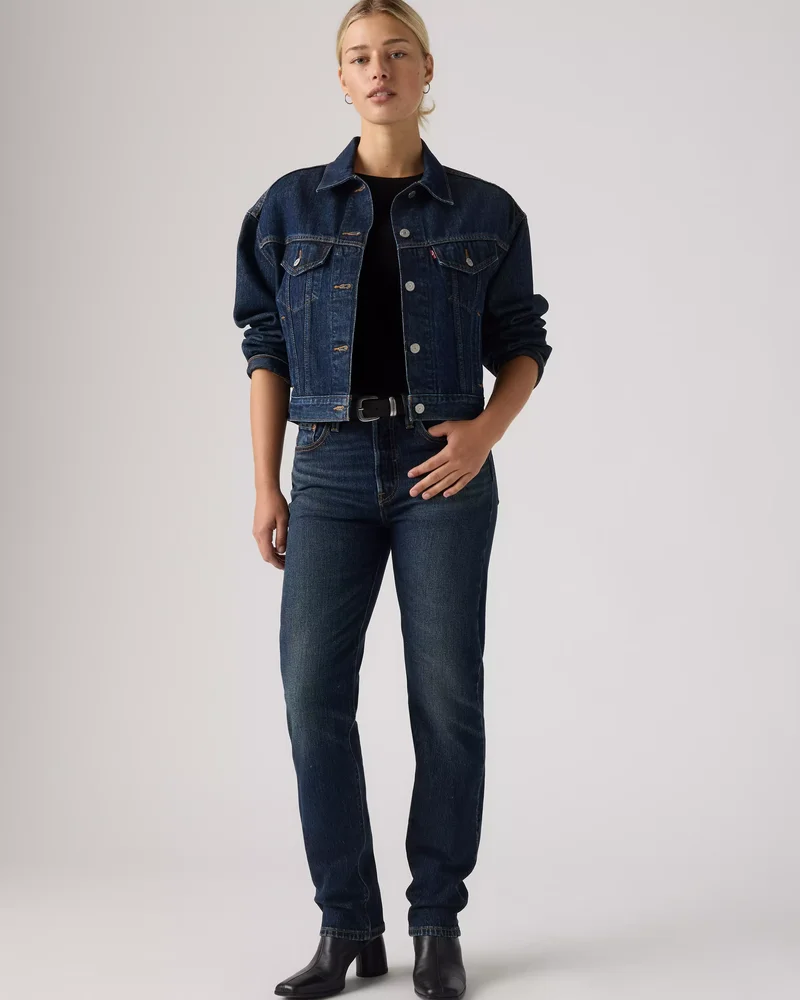
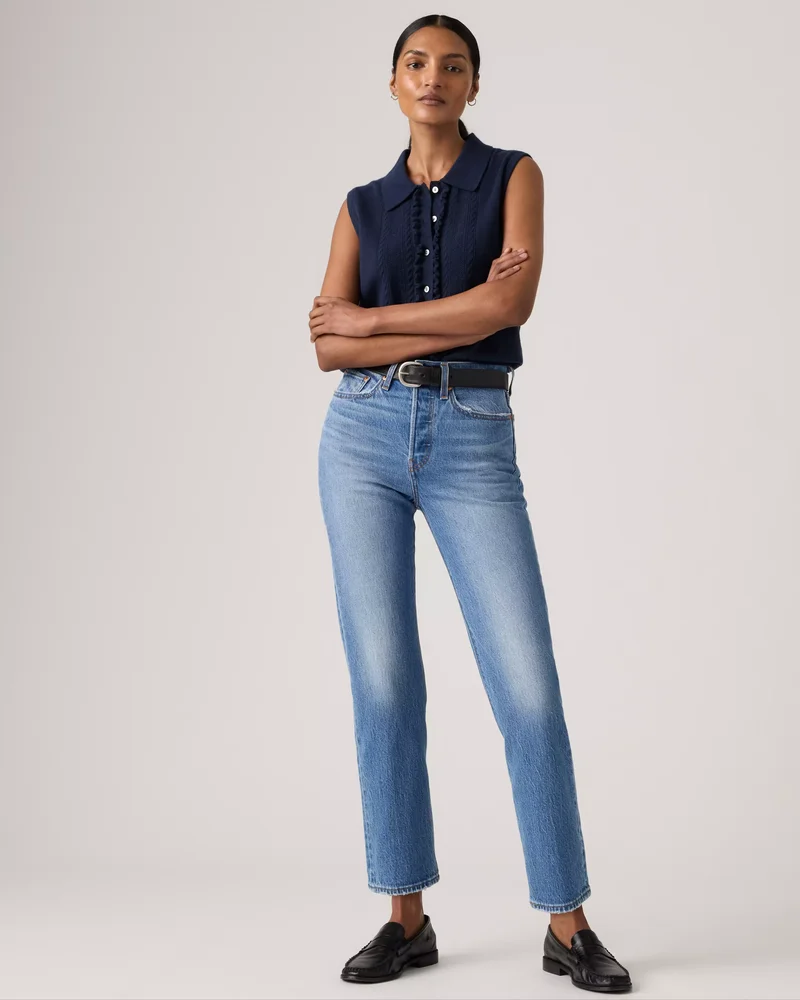
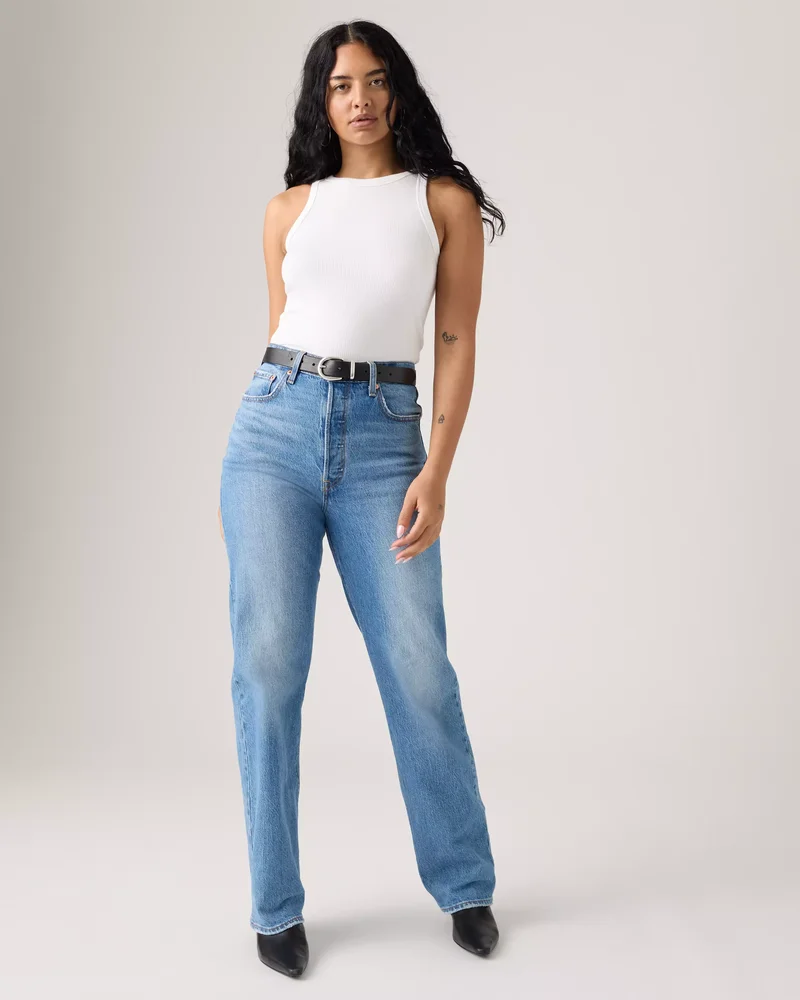
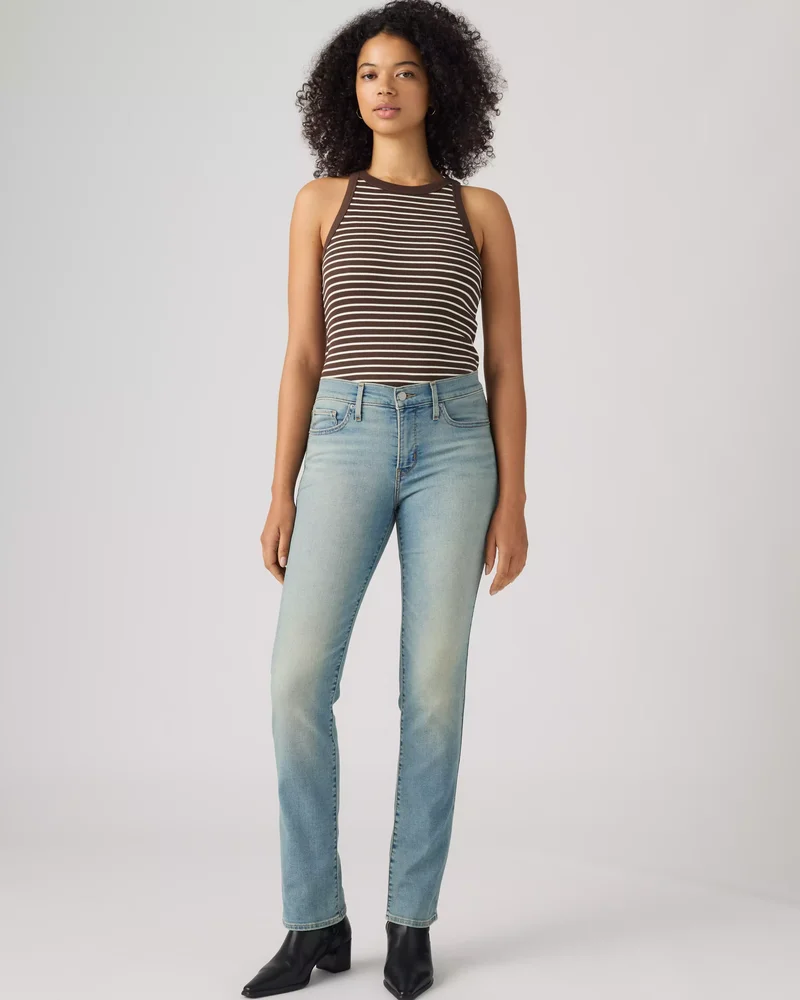
Levi's, four different lines
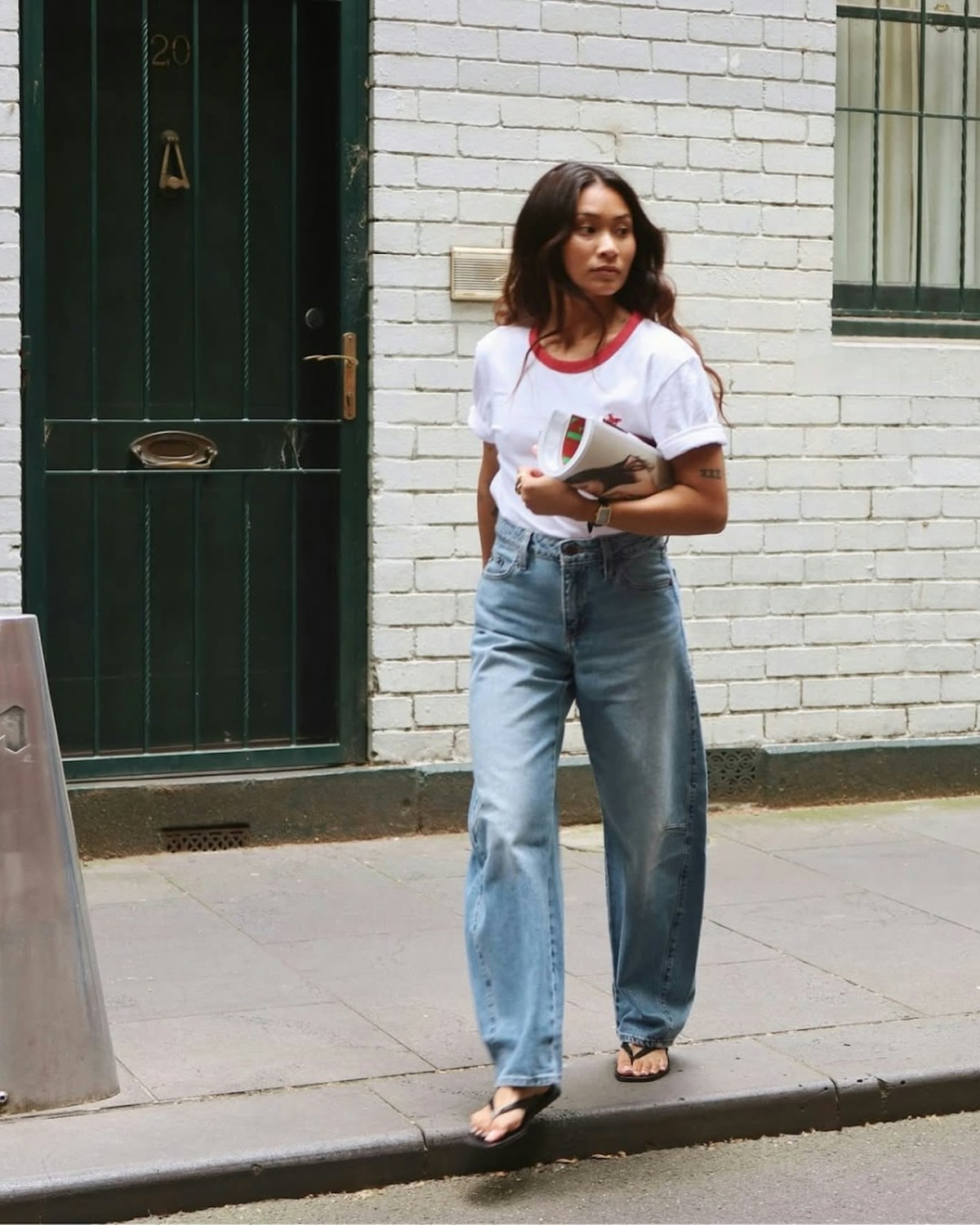
Levi's denim starts with the 501 Original Fit, a high-rise straight leg with a button fly and a bit of stretch. I'd use it as the uncomplicated anchor, especially if I like a jean that can handle a jacket without trying to be the whole outfit. The Wedgie Straight Ankle is snug through the hip and thigh, with special construction intended to lift the back; I'd choose it when I want the closer fit and cropped length. Ribcage Straight Full Length raises the waist higher and keeps a straight leg from thigh to ankle, so it gives a long line without a flare. The 314 Shaping Straight sits at a mid rise and has a built-in panel to smooth the front, which makes it the practical option when I want a little shaping rather than a sculptural silhouette.
I wouldn't call these interchangeable: their rises and leg lengths do different jobs, even before picking a wash. My first try-on would be the 501 for familiar proportions, then the Wedgie if I wanted a closer fit.
Wrangler, from Western to riding
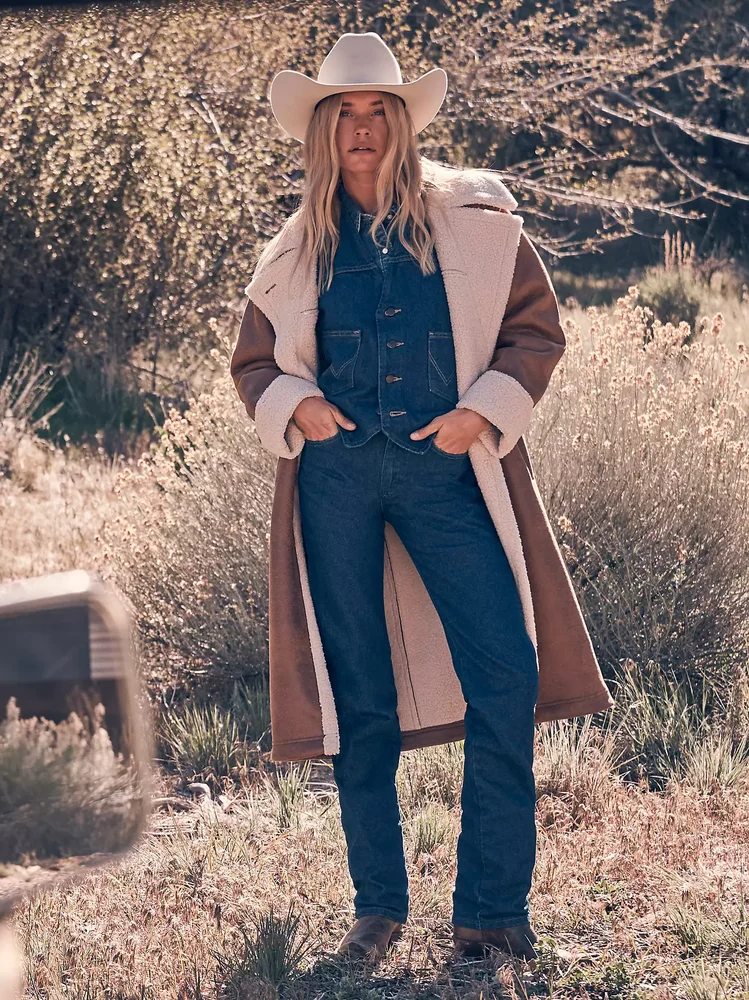
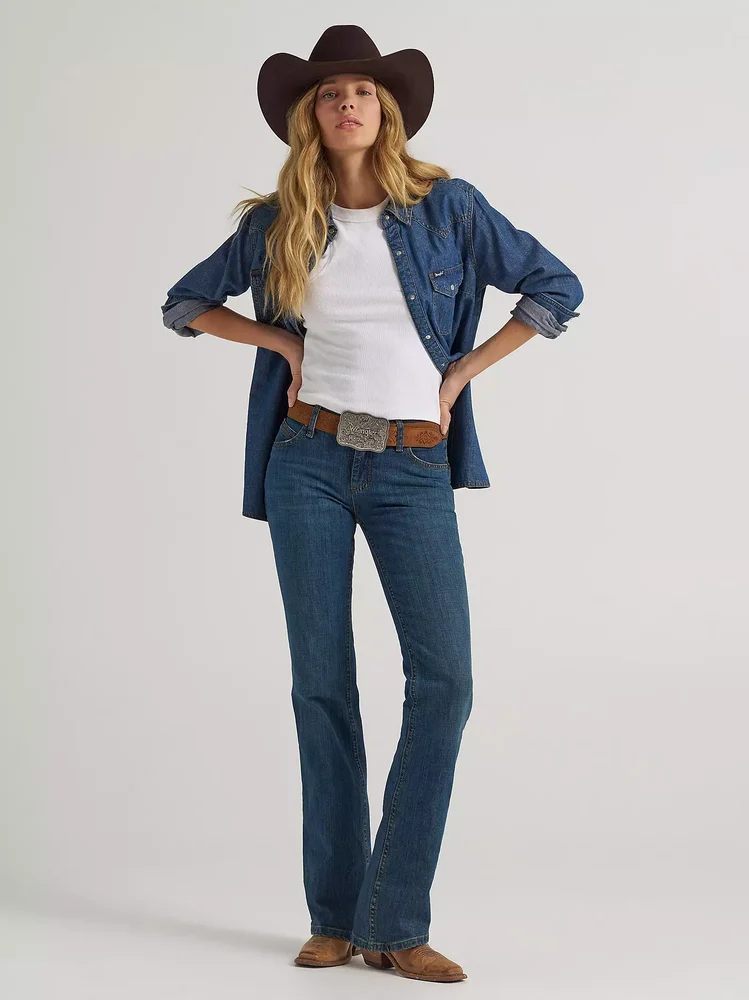
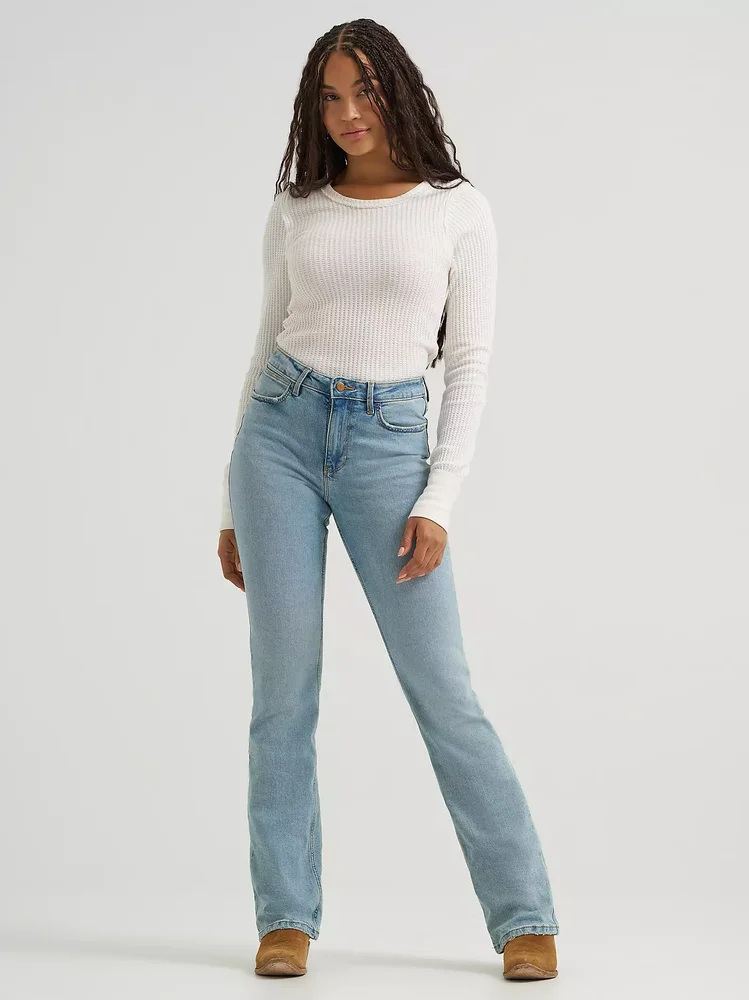
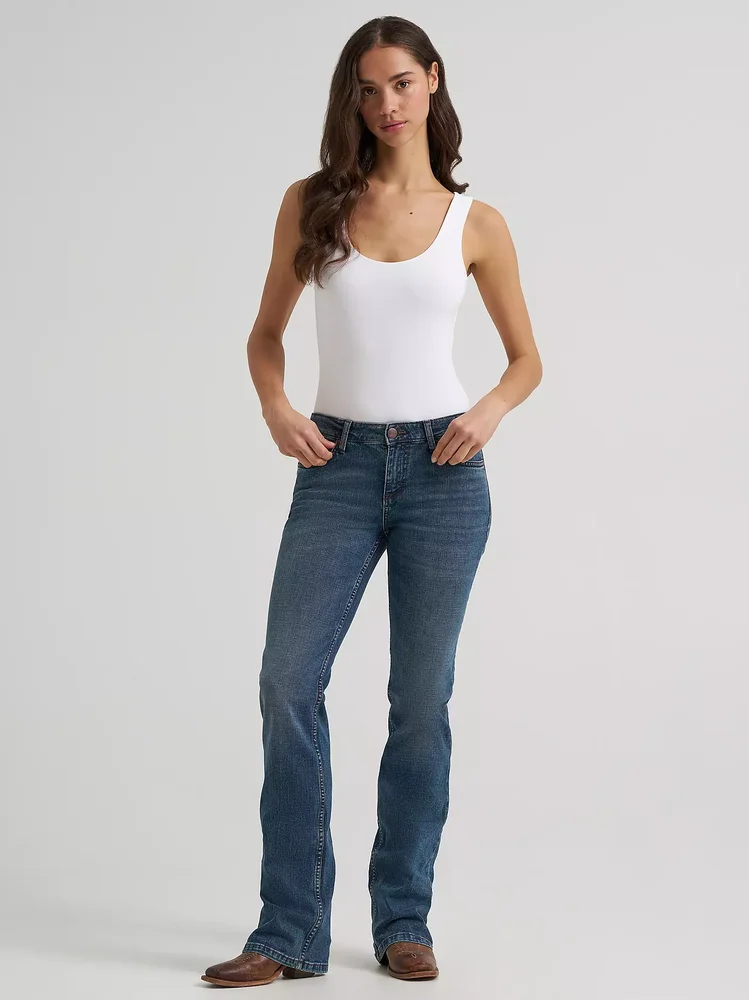
Wrangler's history still reads like workwear and rodeo, but its women's styles vary in stiffness. The 14MWZ Cowboy Cut is the firmest pick: heavyweight, no-stretch cotton denim, a super-high rise, and a tapered leg meant to fit over cowgirl boots. I'd wear it when I want the fabric itself to hold a shape. The Q-Baby Ultimate Riding Jean is mid-rise and bootcut, with a no-gap waistband, stretch, and flat seams for time in the saddle; that is the riding-specific choice, not just a Western theme. Bold Boot moves the high-rise bootcut into an everyday line and uses a contoured waistband designed to sit higher at the back. Retro Mae keeps the mid-rise bootcut, but adds the leather patch and W stitching at the pockets. My Wrangler pick is Q-Baby when riding is part of the day, Mae when I want the heritage cues without the Cowboy Cut's rigid denim.
Two fit tests
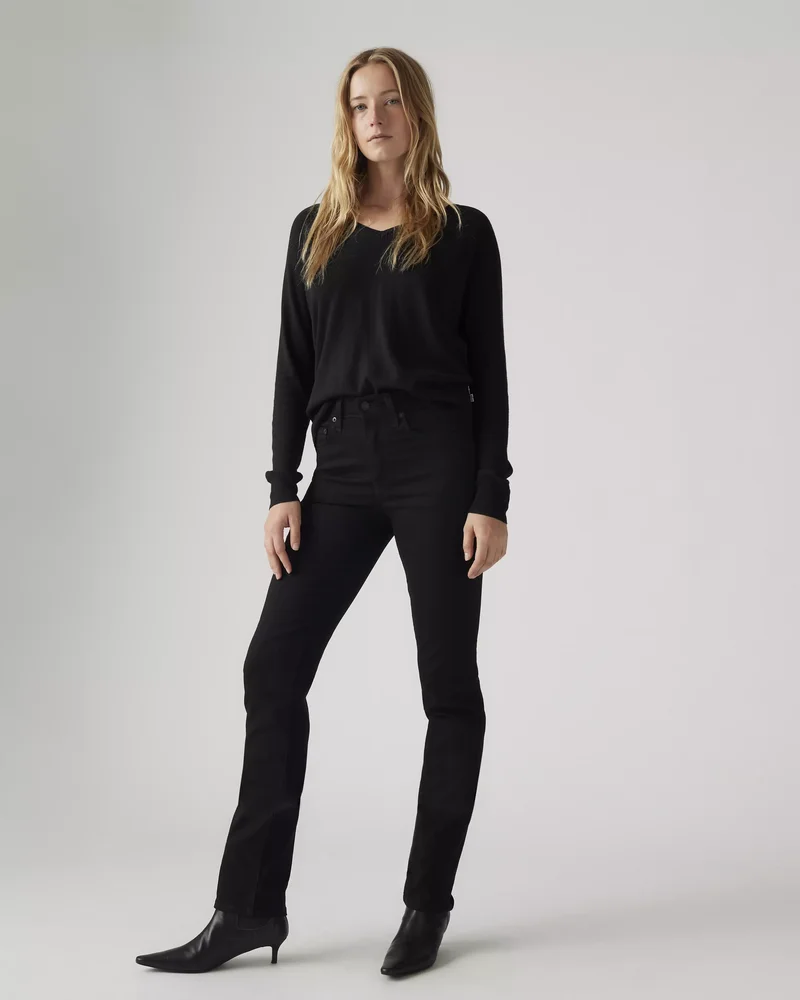
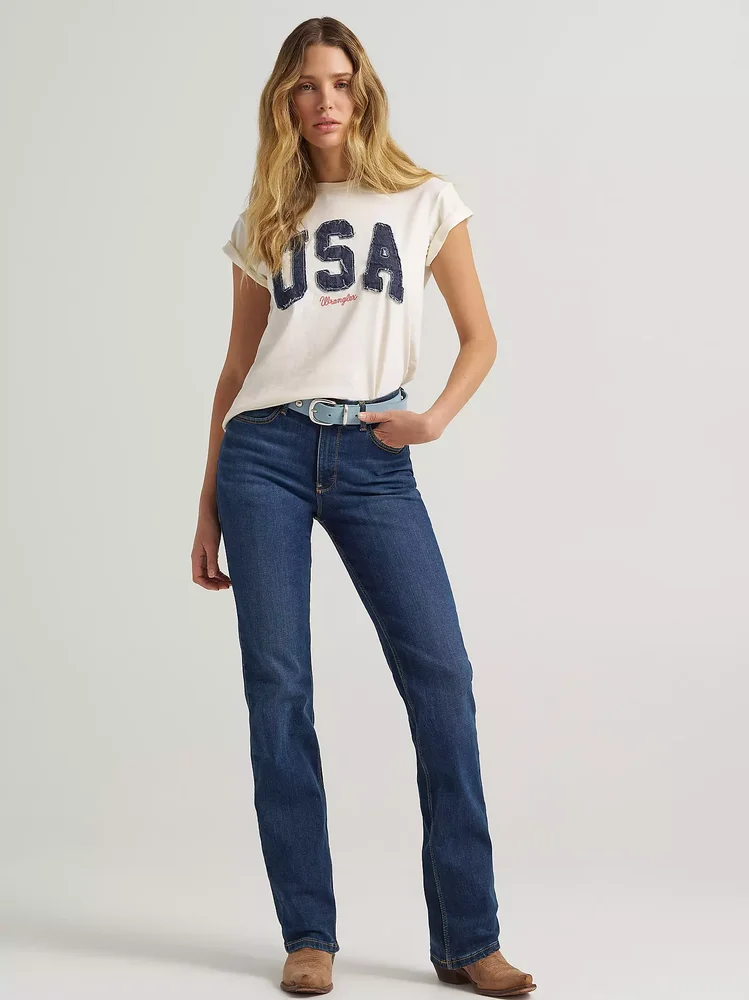
For the straight-leg matchup, Levi's 724 High Rise Straight pairs a high rise with a slim hip and thigh and a clean straight leg; Wrangler's High Rise True Straight is also high-rise, with a no-gap waistband and straight leg. I'd pick the 724 for the sharper black option, or True Straight if a dark wash and waistband comfort matter more.
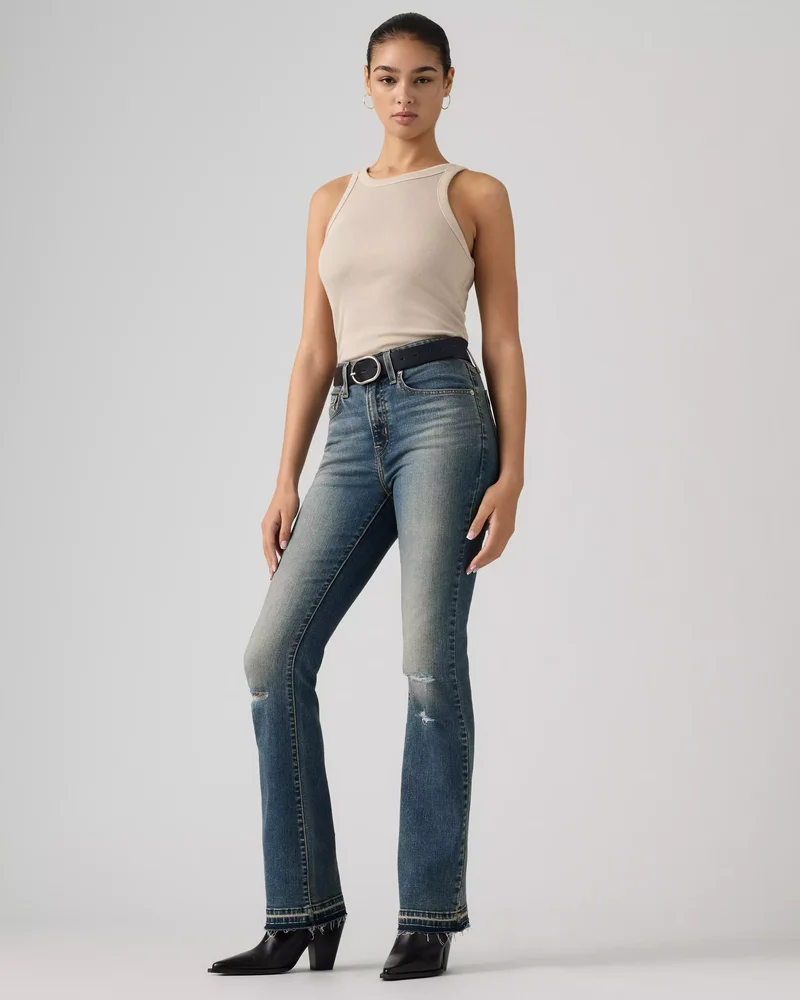
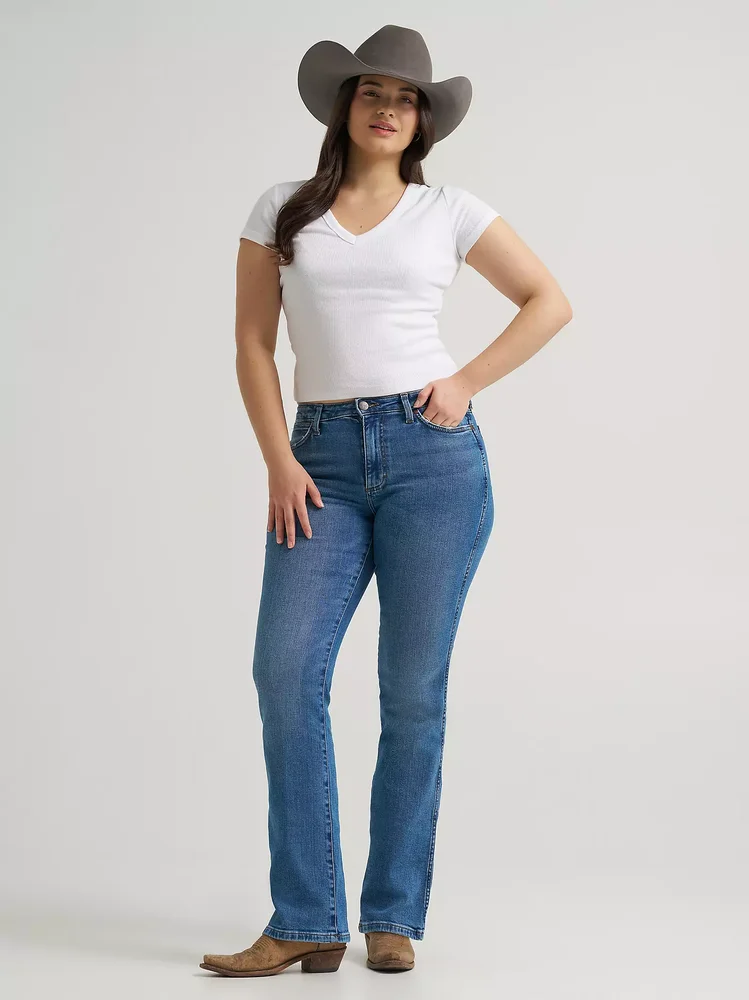
For a bootcut, the 725 High Rise Bootcut stays slim through the hip and thigh before its subtle flare; Wrangler Retro Bailey has a similarly high rise, close thigh, and a 17-inch opening made to go over boots. My preference is 725 for a tidier line, Bailey if the hem has a job to do over boots. The practical rule is simple: decide the rise, then the leg opening, then check the inseam you can actually get.