Mini sits above the knee, midi falls between the knee and the ankle, and maxi runs to the floor. The right one depends on the occasion, your proportions and the shoes you plan to wear. Here is how to decide before you order three lengths and return two.
Mini, Midi or Maxi: How to Choose a Dress Length

The three lengths, defined
Dress length is the first real decision, and the vocabulary is simpler than it looks. A mini ends above the knee. A midi falls somewhere between the knee and the ankle, most often around mid-calf. A maxi runs from the ankle to the floor. Everything else, including tea length and knee length, sits inside those boundaries.
What the labels do not tell you is that these are measurements from the shoulder, not promises about where a dress will land on you. A garment cut as a midi is roughly forty one to forty five inches long, against thirty to thirty five for a mini and fifty five to sixty two for a maxi, according to comparison guides such as Fashion Informed. On a taller frame that midi can read as an ankle-grazer, and on a shorter frame a maxi can pool. This is why the same dress photographs differently on different models.
So choose by where you want the hem to break on your own leg, not by the word on the label.
Mini: hits above the knee


&link=https%3A%2F%2Fsamelosangeles.com%2Fproducts%2Flace-silk-mini-dress-rose-clay)


How to pick between them
Start with the occasion, because formality tracks length fairly reliably. A mini covers casual through smart casual and reads younger and more energetic. A midi is the most versatile of the three, comfortable at work, at a lunch and at a cocktail party. A maxi carries the widest formal range, from a beach holiday to black tie, depending entirely on fabric.
Then think about proportion. The most flattering hem lands at a narrow point on the leg rather than the widest part of the calf, which is why a midi that hits mid-calf on one person and just below the knee on another can feel so different. If a midi feels heavy on you, try one a few inches shorter before abandoning the length.
Finally consider what the dress is doing. A mini needs the least fabric and shows construction most clearly, so cut and fit matter more. A maxi hides the leg entirely, which puts all the emphasis on the neckline and the waist.
Midi: between the knee and the ankle

Elena Dress
Diane Von Furstenberg
$598

Ondina Midi Dress
Camila Coelho
$289

Butterfly Babe Midi Dress
Free People
$198

Aubrey Shirt Midi Dress - Serene Print
Leo Lin
$795

Noe Silk Dress
Reformation
$378

Faille Halter Midi Dress
Helsa
$288

Contrast Piping Collared Rib Knit Midi Dress
Commense
$68

x REVOLVE Porsha Midi Dress
Stone Cold Fox
$230
Shoes decide the outcome
Length and footwear are one decision, not two. Choose them together and the outfit resolves itself.
A mini works with almost anything, which is why it is the easiest length to style. Flats keep it casual, a knee boot gives it structure through winter, and a heel makes the leg the focus. Because the hem is high, the shoe never competes with it.
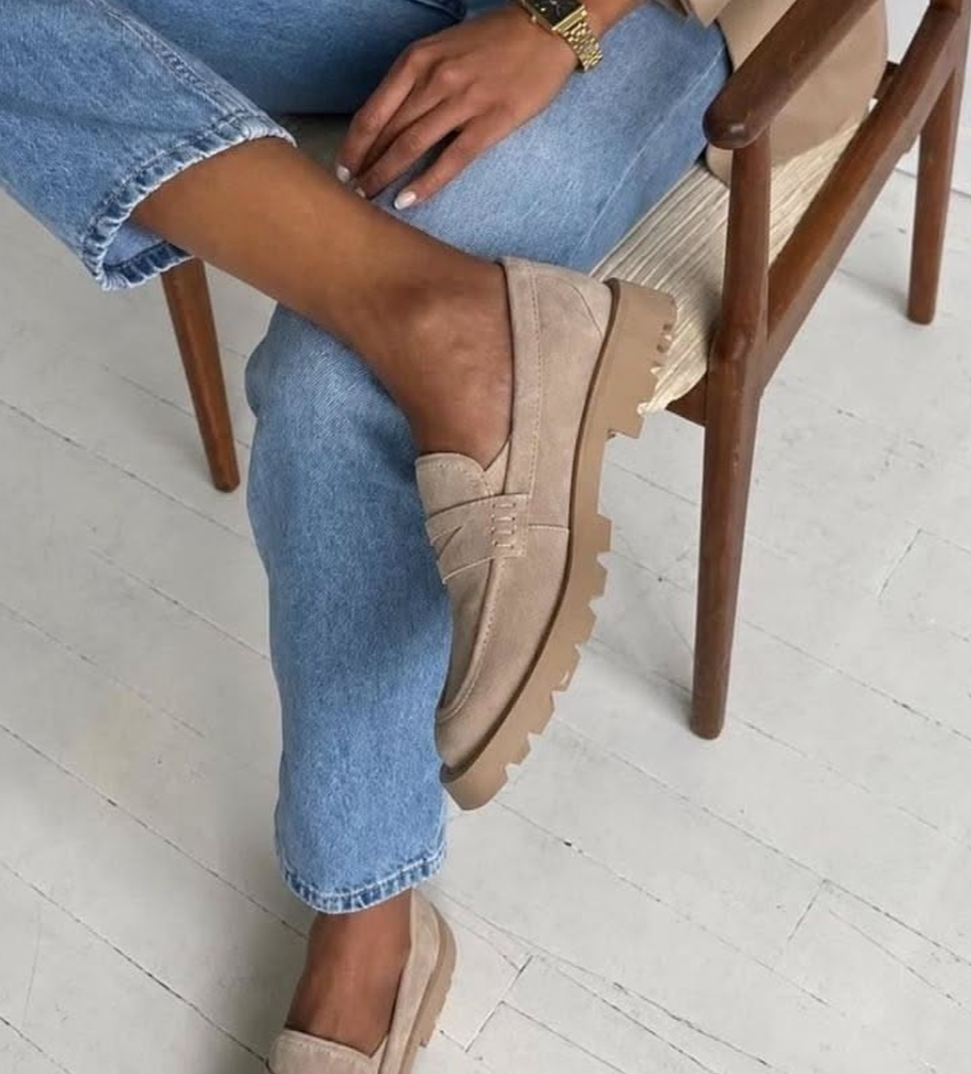
A midi is the fussiest. The hem lands near the widest part of the calf, so a shoe that adds visual bulk at the ankle can shorten the leg. An ankle strap or a chunky boot can do this. A pointed flat, a mule or a heel that leaves the ankle open reads longer. If a midi feels wrong, change the shoe before you change the dress.
A maxi should skim the floor, not sweep it. Decide the shoe first, then check the hem clears the ground by about half an inch, and get it altered if it does not.
Maxi: ankle to floor

Hemera Dress
Diane Von Furstenberg
$798

Calypso Iris Lace Dress
Christopher Esber
$1.2

Patricia Dress
Diane Von Furstenberg
$698

Daniela Silk Dress
Reformation
$398

Marbella Maxi Dress
Amanda Uprichard
$282

FLORAL CHIFFON CORSET GOWN
PatBO
$1,200

Hypnotic Lace Dress
Zimmermann
$2.1

Sabela georgette maxi dress
De La Vali
$780
Our honest take
Length is the decision that determines whether a dress works, and it usually gets made backwards. People pick a length for the occasion, then fight the hem all evening. The midi is the most useful of the three and also the least forgiving, because a hem landing at the widest part of the calf shortens the whole leg no matter how good the dress is. A maxi needs either a heel or a proper hem shortening, and there is no third option worth pretending about.
If you take one thing away: ignore the word on the label and look at where the hem actually lands on your own leg, because the narrowest point of your calf is the only measurement that matters.