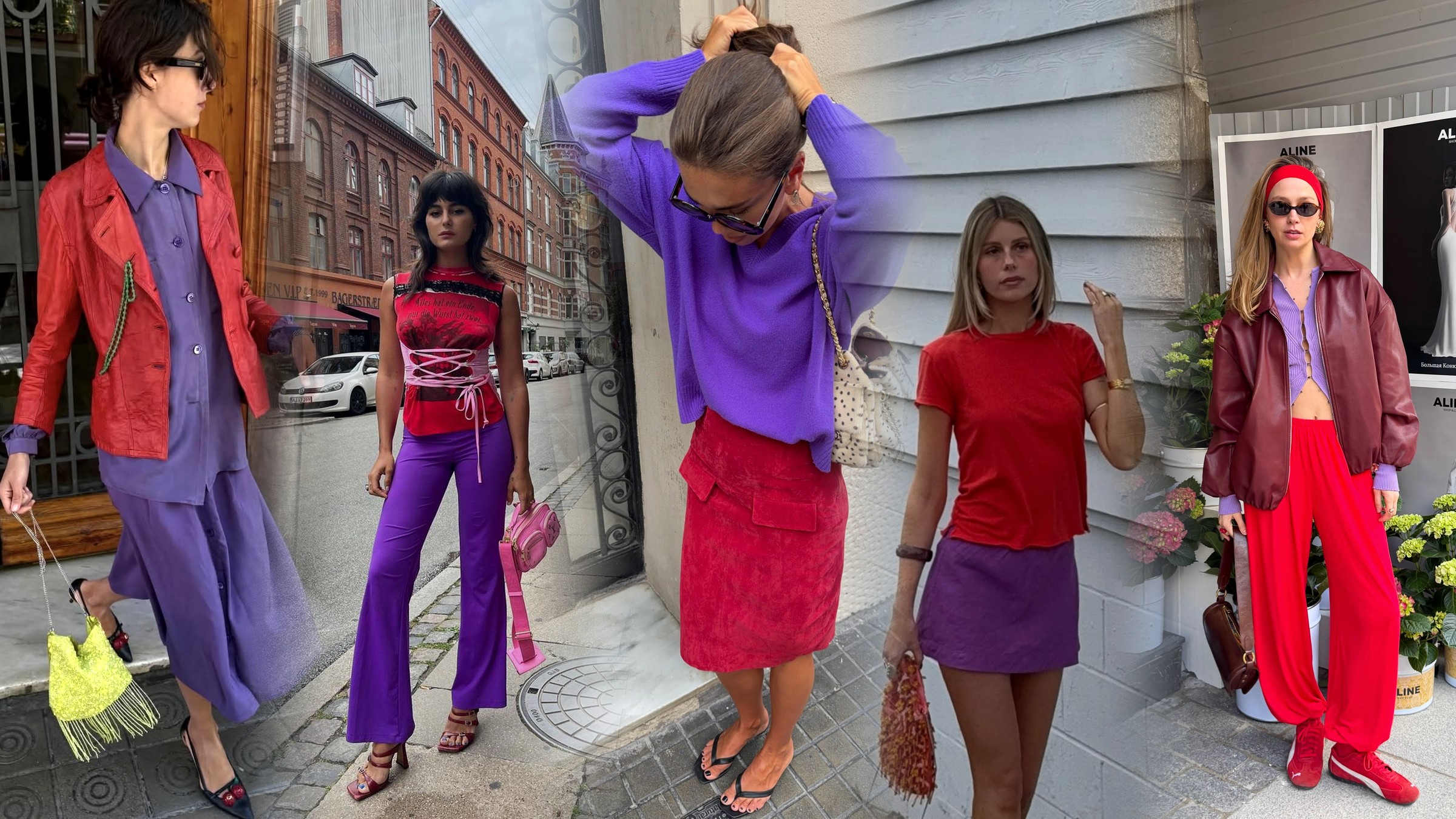
MM6 Maison Margiela began in 1997 as Line 6, a more accessible offshoot of the house Martin Margiela and Jenny Meirens founded in Paris in 1988. This edit tracks how that numbered line bends ordinary wardrobe pieces, a trench, a knit, a boot, just enough to make you look twice.
MM6 Maison Margiela

A Familiar Shape, Shifted
MM6 Maison Margiela began in 1997 as Line 6, a more immediate and accessible read on the house Martin Margiela and Jenny Meirens started in Paris in 1988. Where the main line pushes toward the conceptual, MM6 stays interested in an ordinary wardrobe idea bent just enough to make you look twice. The Cotton-gabardine trench coat is a good example: the proportion is a little exaggerated, but the coat still reads as a coat from across the room. The Wool-blend felt midi skirt works the same way, off in construction rather than shape, and the Waxed cotton-blend midi skirt adds a slightly stiffer, more sculptural version of the same idea. I would choose one of these as the point of an outfit and keep everything else around it plain. If a piece needs an elaborate explanation before it makes sense, it belongs back on the rack.

Waxed cotton-blend midi skirt
MM6 Maison Margiela
$1,080

Scarf-detailed gathered pleated habotai midi dress
MM6 Maison Margiela
$1,425

Embroidered jersey mini dress
MM6 Maison Margiela
$995

Wool-blend felt midi skirt
MM6 Maison Margiela
$650

Leather-effect jacket
MM6 Maison Margiela
$1,715

Cotton-gabardine trench coat
MM6 Maison Margiela
$1,655

Shell jacket
MM6 Maison Margiela
$1,425

Ribbed wool-blend sweater
MM6 Maison Margiela
$850

Logo-embroidered cotton-piqué polo shirt
MM6 Maison Margiela
$475

Pleated cady wide-leg pants
MM6 Maison Margiela
$850

Belted distressed gabardine jacket
MM6 Maison Margiela
$1,495

Wool-blend cardigan
MM6 Maison Margiela
$850

Logo-print cut-out wool-blend sweater
MM6 Maison Margiela
$850

Oversized wool and alpaca-blend sweater
MM6 Maison Margiela
$850

Pleated woven mini skirt
MM6 Maison Margiela
$695

Japanese leather-trimmed coated tote
MM6 Maison Margiela
$590
Boots That Bend The Shape
The boots carry the same off-center instinct into footwear, starting from a familiar shape and pushing the toe, the height or the texture slightly out of line. The Suede knee boots keep a cleaner silhouette that reads more classic once you stop looking at the toe. The Calf hair ankle boots bring in a rougher texture that works best against smooth, simple clothes rather than more texture on texture. I would pick whichever pair changes the mood of an otherwise plain outfit, not the one that needs the rest of the look to match it.


One Idea Inside Your Own Clothes
MM6 Maison Margiela is most convincing as a single idea inside an outfit built from clothes you already own. Its real skill, going back to Line 6's 1997 start, is taking something recognizable, a trench, a midi skirt, an ankle boot, and shifting one detail until it reads as new without turning into a costume. I care less about the house's history than about whether a given shape earns its attention on an ordinary day. Buy the piece whose silhouette makes sense before anyone explains the reference, and let it do the work alone. Pair it with plain trousers, a simple knit, or clothes with no experimental ambition at all. The strongest pieces here show up in the cut itself, not in the story told about it.