New Balance 9060s are generally true to size in length, but the forefoot can feel snug; wide feet may prefer a half size up.
New Balance 9060 Sizing: Do 9060s Run Big or Small?
Start with your usual size
New Balance 9060 sizing is mostly true to size in length, but the shape makes width the question. So, are New Balance 9060s true to size? Mostly yes for standard-width feet, though wide forefeet may feel pinched. RunRepeat's 1,477-vote fit survey calls it true to size; its lab also found a 65.5 mm toe box against a 68.7 mm sneaker average. DICK'S fit estimate points the other way and says most shoppers size up, while its review summary says many wearers order their usual size. I would start at your regular unisex US size in a standard-width foot, then go up a half size if you are between sizes or your little toe rubs. I would not size down based on the chunky look alone.
New Balance's chart pairs men's/unisex US sizes with women's equivalents, centimeters, inches, UK and EU; M4 maps to W5.5 and 22 cm. The 9060 page lists Standard (D) width and half sizes, and New Balance's fit score is 3.13 out of 5 on a runs-small-to-runs-large scale. The brand began in 1906 as William J. Riley's arch-support company; the Trackster, its first sneaker, arrived in 1961 after athletes asked for shoes. I would check the New Balance size guide before translating a women's size into the unisex chart.
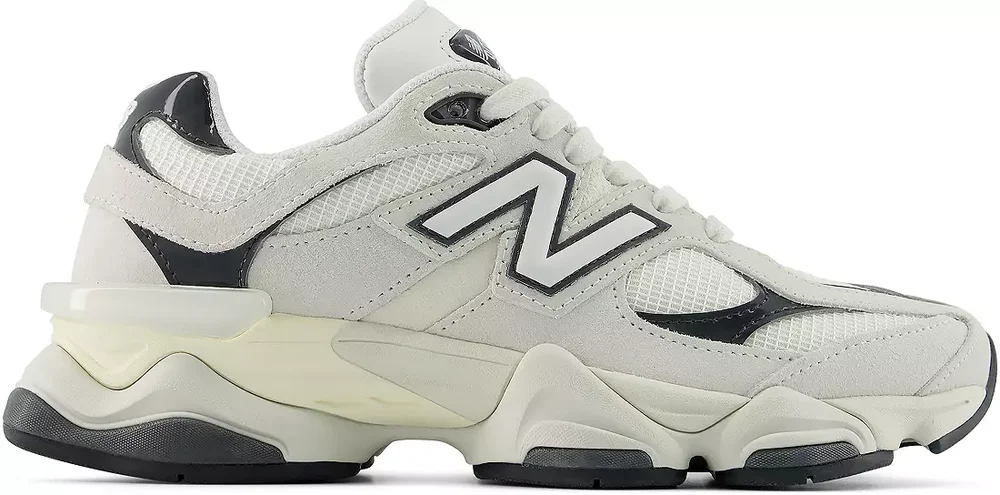
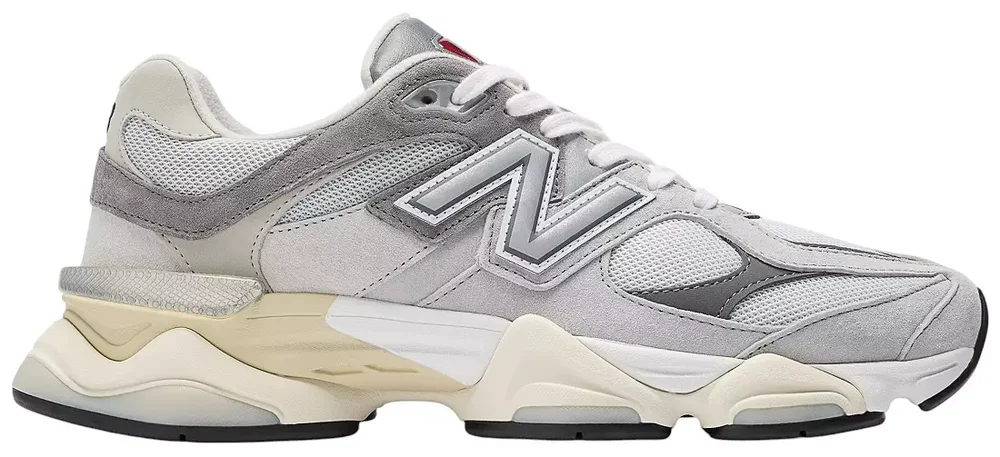
Light colors, one fit
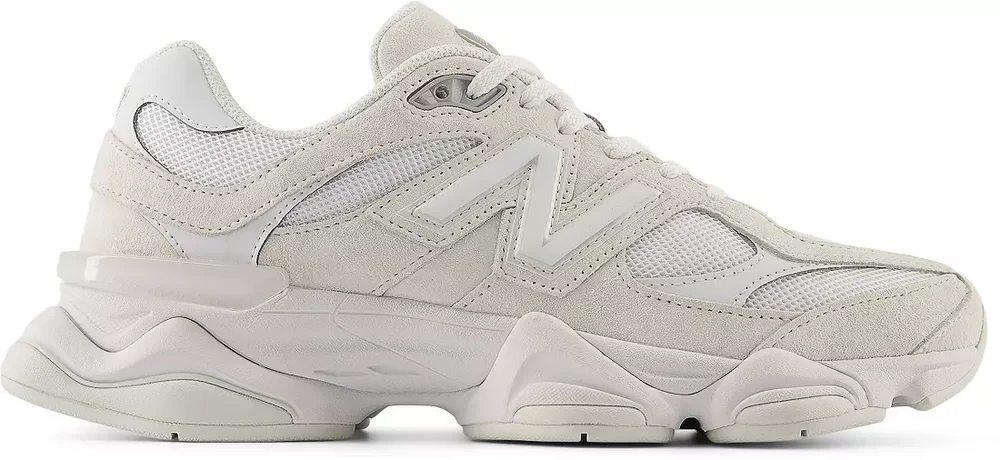
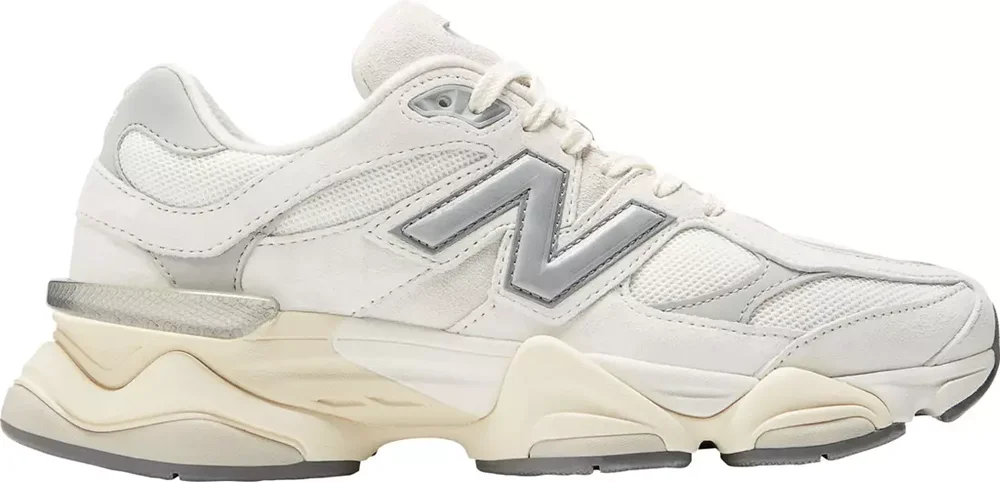
If you want a clean neutral, Reflection/White is the easiest to wear with pale denim; Sea Salt is warmer and creamier; Reflection/Sea Salt adds contrast around the N; Rain Cloud is the cooler gray. They all use the same 9060 fit, so I would not assign a separate size to a color. My pick is Reflection/White for a first pair, but I would begin with my usual unisex size rather than sizing down. Lace the shoe snugly, then check that the ball of your foot sits over the widest part of the sole and your toes can spread. The sculpted sidewall gives the shoe a big silhouette, but the toe space matters more than the roomy-looking upper. If your forefoot is broad, try the next half size up before deciding the shape is wrong.
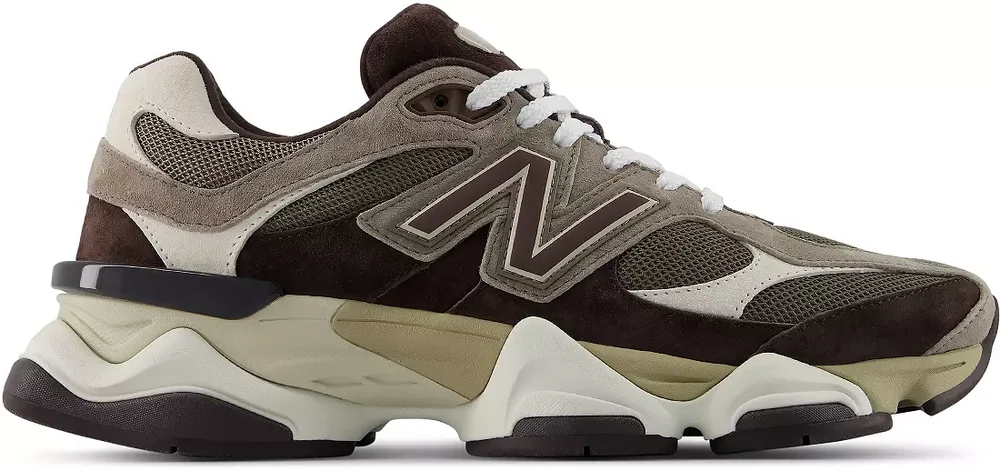
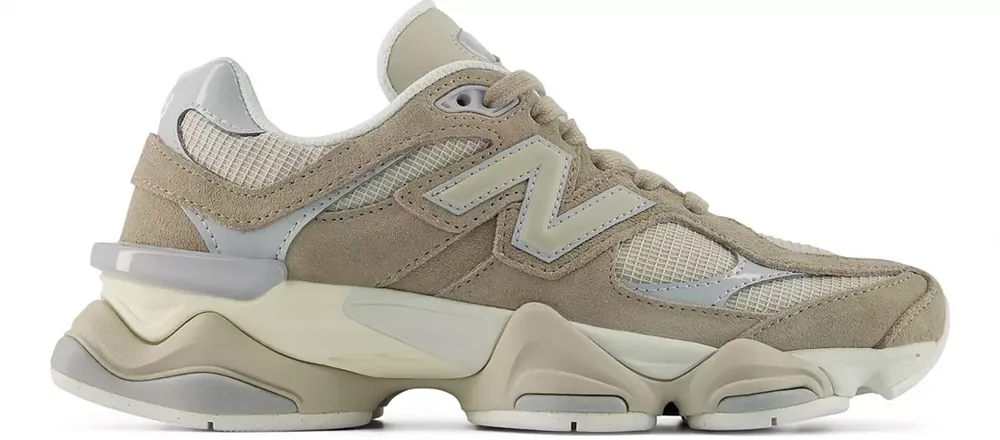
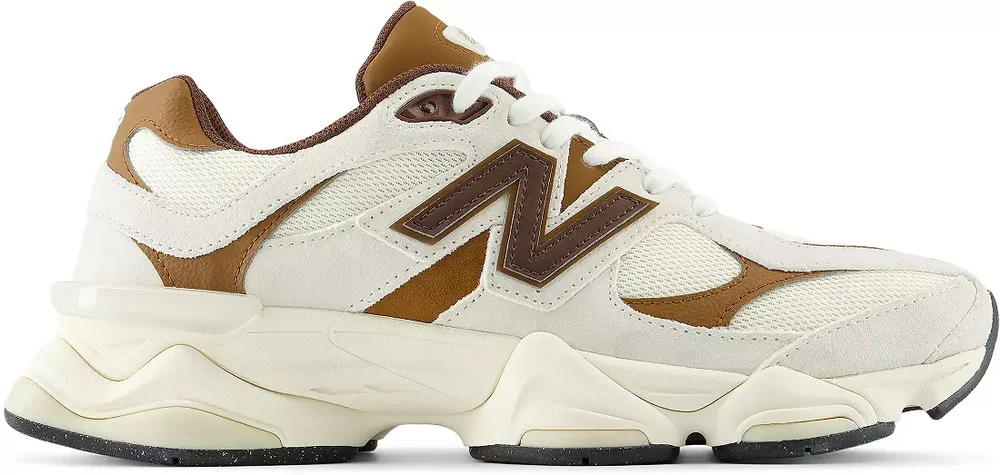
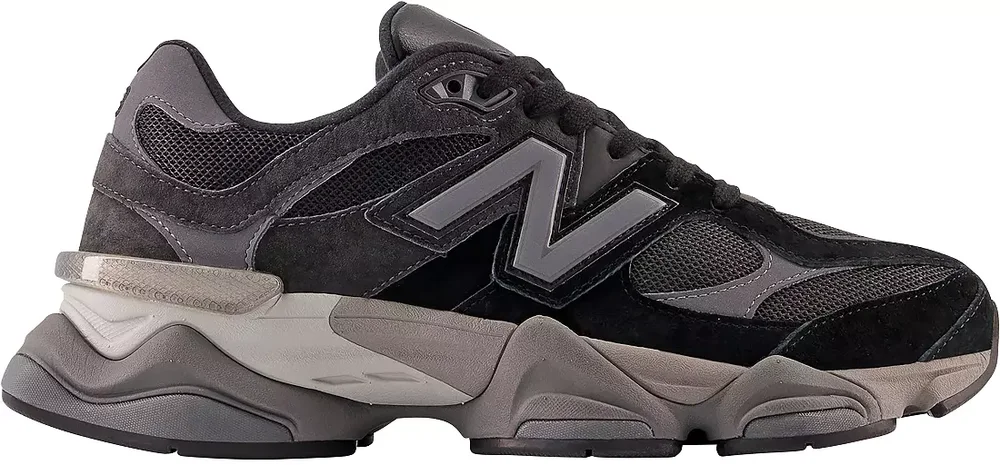
Earth tones, same advice
Thunder Brown/Coffee has the deepest contrast, while Driftwood/Timberwolf stays muted and Breakfast Tea/Angora brings a warm cream-and-honey mix. Black/Castlerock is the easiest dark option if you want the sculpted 9060 without a bright accent. Do New Balance 9060 run big or small? I would call it usual length for many people, but not a roomy toe box. RunRepeat's survey and DICK'S fit estimate disagree on whether to size up, while the lab measurement explains why wide feet can notice pressure first. For a regular-width foot, stay with your usual size; if you are between sizes or the forefoot feels tight, try half a size up. I would try both feet late in the day and walk indoors before removing tags.
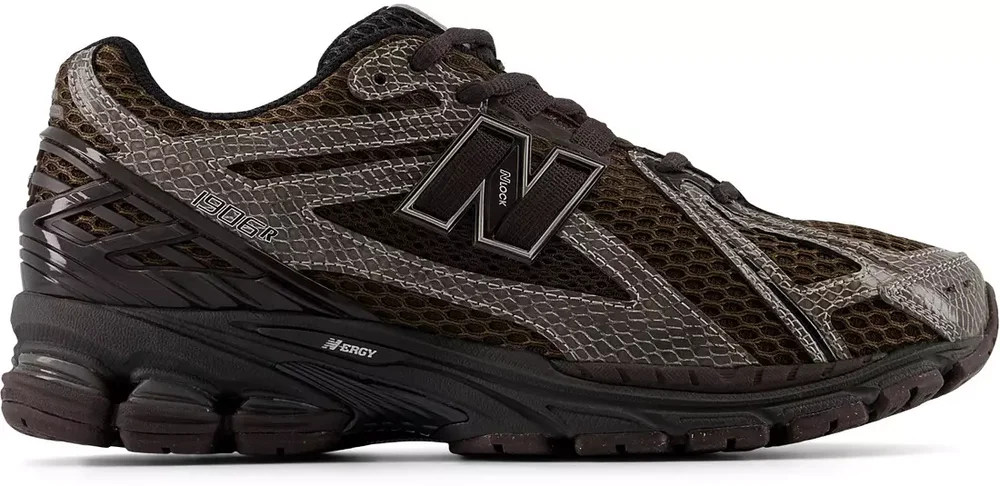
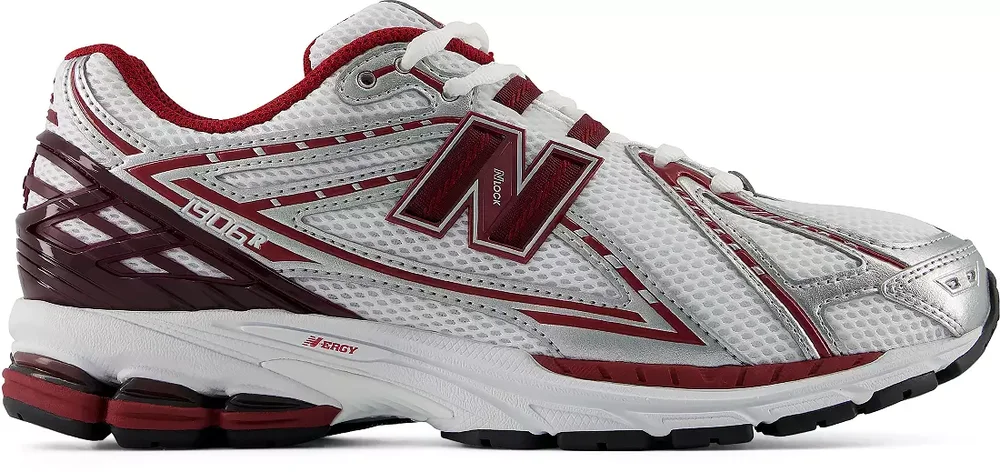
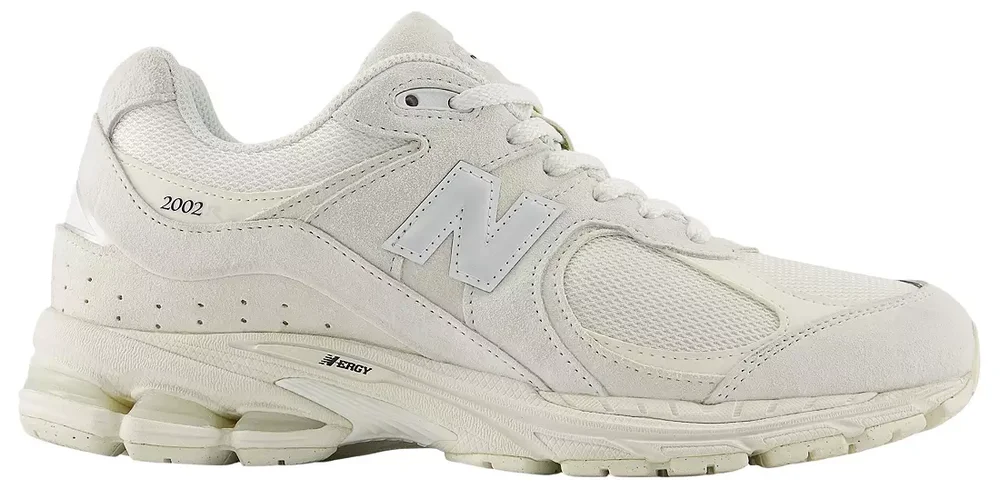
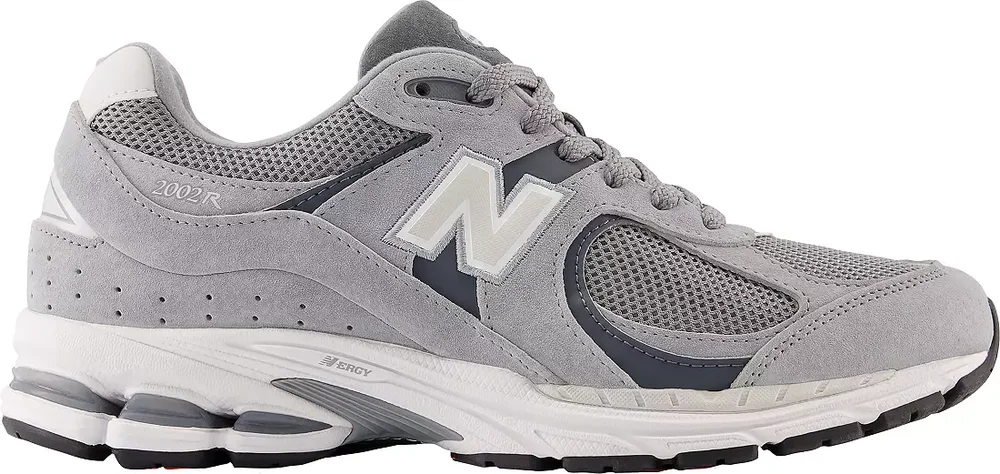
The siblings have their own rules
The 1906R Brown/Black and White/Podium Red share a mesh upper and synthetic overlays, but retailer reviews do not settle the size question: some say true to size, and one recommends going up half a size. I would start with your regular size, then compare the next half size if the length feels short.
The 2002R Sea Salt/Silver Metallic and Grey/Off White come with a different signal: DICK'S says most shoppers size down based on 3,113 purchases. One reviewer usually wore 7.5 but found a 7 comfortable, then suggested keeping the usual size for extra room. My rule is usual size for the 9060, half up if a wide forefoot or in-between size needs space, and a half-size-down try-on for the 2002R only if you prefer a snug fit. I would buy the 9060 first, and check the unisex chart again if you normally shop women's sizes.