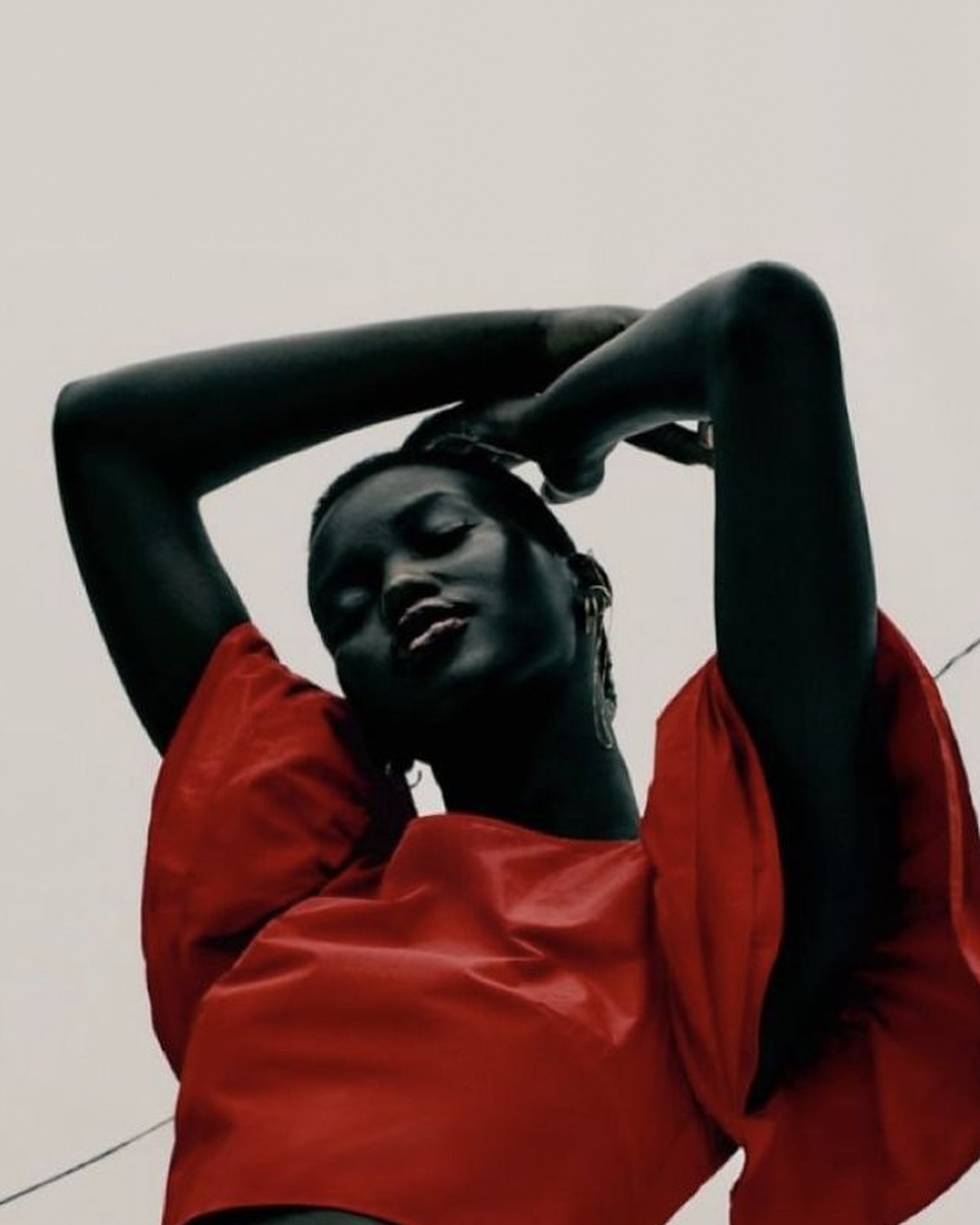
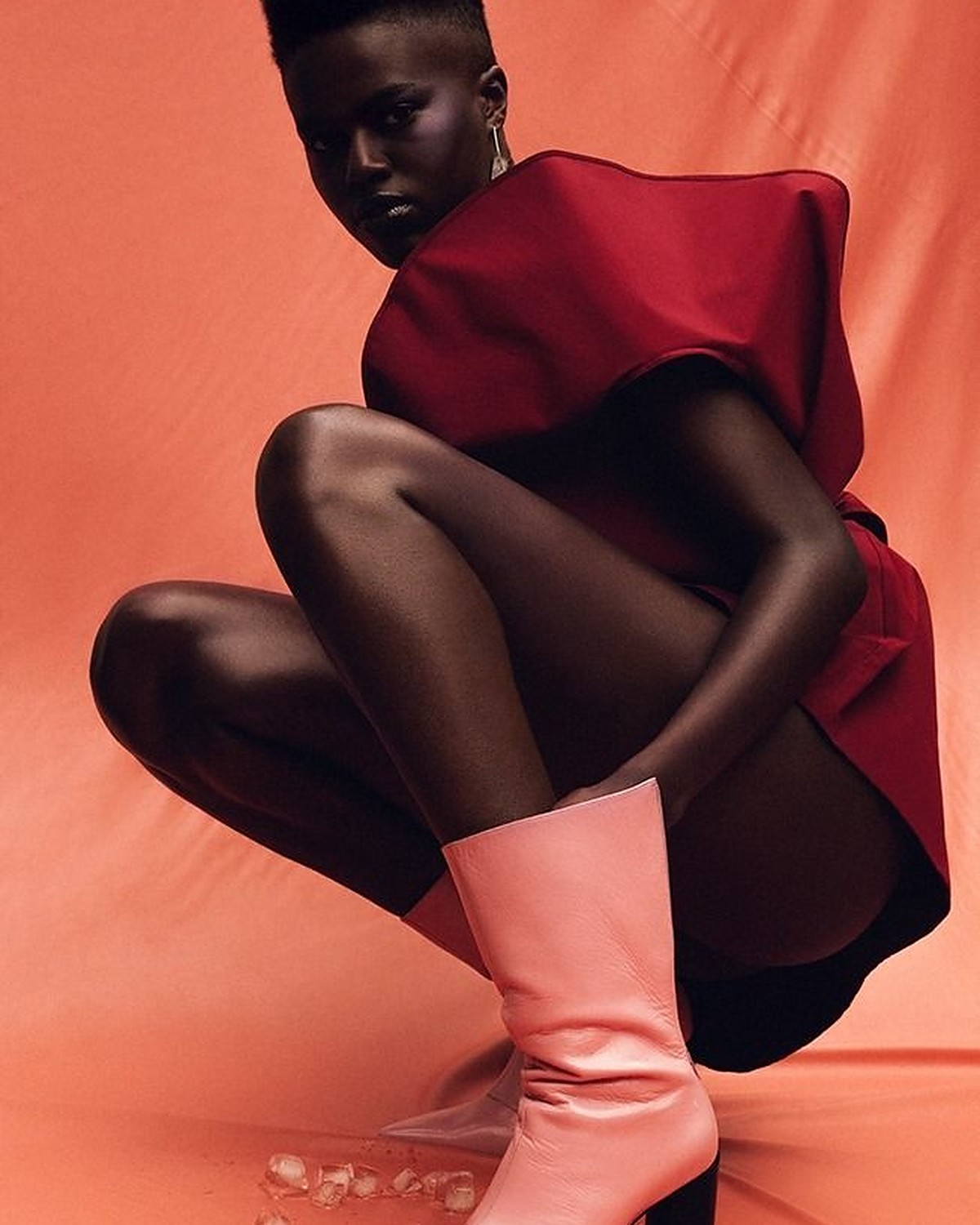
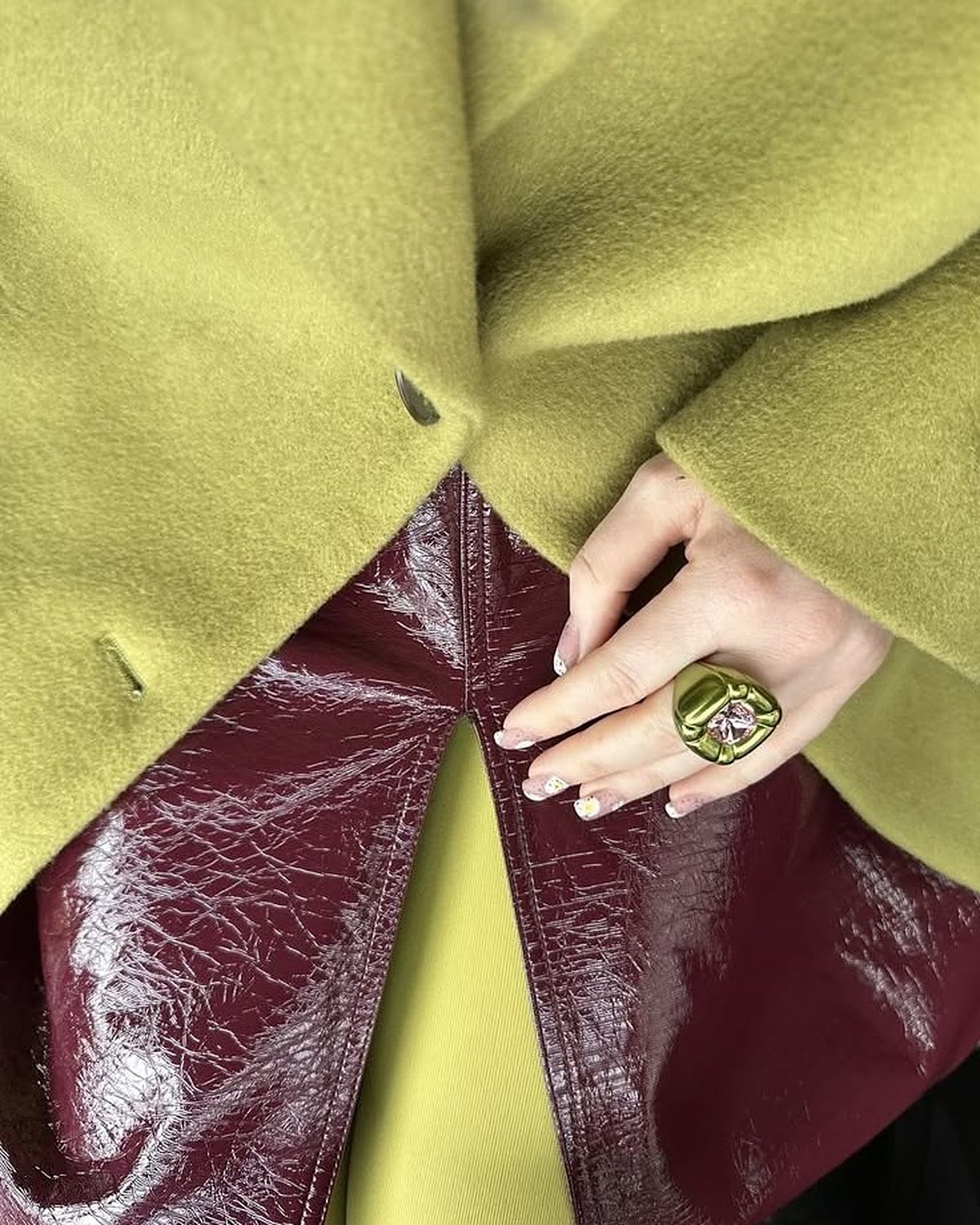
Norma Kamali has been dressing women out of her own instincts since 1967, long before anyone called it a personal brand. She turned a sleeping bag into a coat, a bikini into a cultural artifact, and a sweatshirt into eveningwear, then kept working past every trend cycle that tried to define her. Six decades later she still runs her own Manhattan store, which tells you everything about how little she has needed anyone else's approval.
Norma Kamali

The gowns that started it all
Norma Kamali opened her first shop on East 53rd Street in 1967 with a name that belonged, on paper, to her husband: Norma Kamali Limited. She was 22, trained at FIT, and mostly interested in dressing herself and her friends in clothes nobody else was making. The gowns here come from that same instinct, draping the body instead of constructing over it, built on the belief that fabric should move with a woman rather than hold her in place. Nothing is trying to look expensive. It is trying to look inevitable.

Halter Fishtail Gown
Norma Kamali
$275

Halter Turtle Fishtail Gown
Norma Kamali
$275

X REVOLVE V Neck Rectangle Gown
Norma Kamali
$225

Cayla Side Drape Gown
Norma Kamali
$195

Strapless Shirred Front Fishtail Gown
Norma Kamali
$350

Halter Turtle Side Slit Gown
Norma Kamali
$225

x REVOLVE Strapless Fishtail Gown
Norma Kamali
$375

x REVOLVE Tie Front Halter Gown
Norma Kamali
$275

x REVOLVE Halter Sweetheart Side Drape Gown
Norma Kamali
$225

Halter Drape Bias Gown
Norma Kamali
$355

Maria Gown
Norma Kamali
$385

Sleeveless Deep V Neck Shirred Front Fishtail Gown
Norma Kamali
$385

Tara Side Drape Gown
Norma Kamali
$195

Diana Gown
Norma Kamali
$275

Dolman V Neck Fishtail Gown
Norma Kamali
$295

Shirred Front Fishtail Gown
Norma Kamali
$195

Long Sleeve V Neck Shirred Front Fishtail Gown
Norma Kamali
$350

Walter Fishtail Gown
Norma Kamali
$595

Strapless Wing Fishtail Gown
Norma Kamali
$315

Sleeveless Low Back Drape Gown
Norma Kamali
$450

Off the Shoulder Fishtail Gown
Norma Kamali
$350

x REVOLVE Fishtail Gown
Norma Kamali
$375

Super Oversized Nk Shirt Flared Gown
Norma Kamali
$275

Drop Shoulder Maria Gown
Norma Kamali
$425
Everyday Kamali
By 1977, Kamali had divorced, renamed her label OMO for On My Own, and started designing for a woman managing her own life, which is a different brief than designing for a wedding registry. That is the throughline in her day dresses: jersey that packs into nothing, shapes that do not require a second thought, pieces built for someone who has somewhere to be. It is also, not coincidentally, the moment her business actually became hers.

Long Sleeve Deep V Ruffle Mini Dress
Norma Kamali
$210

Strapless Fishtail Dress
Norma Kamali
$225

Walter Mini Dress
Norma Kamali
$295

x REVOLVE Slip Fishtail Dress
Norma Kamali
$295

Mock Neck Cap Sleeve Flared Pickleball Dress
Norma Kamali
$265

Walter Midi Dress
Norma Kamali
$295

Spliced Long Sleeve Pickleball Dress
Norma Kamali
$295

Reverse Obie Midcalf Dress With Lace
Norma Kamali
$350

Bias Slip Dress To Knee With Lace
Norma Kamali
$280

Underwire Pickleball Dress
Norma Kamali
$205

Underwire Pickleball Dress in Black & Nude
Norma Kamali
$275

Ribbon Sleeve Turtleneck Mini Dress
Norma Kamali
$200

Super Oversized Shirt Side Drape Dress
Norma Kamali
$260

x Lifestyle Sleeveless Long Dress
Norma Kamali
$195

Long Sleeve Slim Fit Turtleneck Pickleball Dress
Norma Kamali
$190

Oversized Shirt Flared Mini Dress
Norma Kamali
$185

Diana Dress
Norma Kamali
$260

Spliced Long Sleeve Pickleball Dress in Chocolate Mesh
Norma Kamali
$295

Convertible Dress
Norma Kamali
$135

Tara Dress
Norma Kamali
$225

Halter Drape Mini Dress
Norma Kamali
$295

Sleeveless Cowl Neck Side Shirred Dress Below Knee
Norma Kamali
$225

Floral-Print Ruffled Crepe Mini Dress
Norma Kamali
$265

Obie Satin Mini Dress
Norma Kamali
$490
The suit that never left
In 1976, a red Kamali one-piece appeared on a poster of Farrah Fawcett that eventually sold over 12 million copies, one of the more improbable ways a swimsuit has ever entered the culture. The suit itself was never really the point. The point was a woman looking entirely like herself in it, unbothered by whoever was watching, which is still the whole argument for a Kamali swimsuit today.

Marissa One Piece
Norma Kamali
$195

Underwire Mio One Piece
Norma Kamali
$220

Fara Low Back One Piece
Norma Kamali
$180

Slinky Marissa One Piece
Norma Kamali
$165

Slinky Marissa One Piece Bikini
Norma Kamali
$195

Snake Mesh Mio One Piece
Norma Kamali
$225

No Tie Triangle Bikini Top
Norma Kamali
$185

x REVOLVE Sunglass Bikini Top
Norma Kamali
$110
Bodysuits and separates
Kamali's tops and bodysuits carry the same logic she has applied to everything since the 1970s: minimal seams, maximum range of motion, nothing ornamental unless it does something. She has spent her career designing for women who do not have time to fuss with their clothes, and it is the rare brand where that claim actually holds up under the fabric.

x Lifestyle x REVOLVE Drop Shoulder Top
Norma Kamali
$85

Cap Sleeve Bomber Bodysuit
Norma Kamali
$280

Oversized Boyfriend Shirt Bodysuit
Norma Kamali
$225

Slim Fit Long Sleeve Turtle Top
Norma Kamali
$195

Long Sleeve Shoulder Pad V Neck Top
Norma Kamali
$135

Tara Shirred Front Mio Bodysuit
Norma Kamali
$150

Shoulder Pad Top
Norma Kamali
$175

Double Breasted Trench Bodysuit
Norma Kamali
$450

Super Oversized Boyfriend Shirt Bodysuit
Norma Kamali
$255

Long Sleeve Deep V Ruffle Bodysuit
Norma Kamali
$325

x REVOLVE NK Shirt Bodysuit
Norma Kamali
$200

Reverse Obie Bodysuit
Norma Kamali
$335

Super Oversized Boyfriend Nk Shirt Bodysuit
Norma Kamali
$225

Long Sleeve Peasant Cropped Top
Norma Kamali
$215

Xl Sleeve Deep V Ruffle Bodysuit
Norma Kamali
$345

Cropped Long Sleeve Shoulder Pad Top
Norma Kamali
$155
Bottoms built to move
In 1980, Kamali took sweatshirt fleece, the cheapest, least fashionable material in New York at the time, and turned it into a runway collection sold through Bloomingdale's. It is generally considered one of the first true athleisure moments in American fashion, arriving a solid three decades before the category had a name. The bottoms here descend directly from that idea: comfort engineered to still look finished.

High Waist Short
Norma Kamali
$250

Capri Legging
Norma Kamali
$150

x Lifestyle Boot Pant
Norma Kamali
$175

Puff Jog Pant
Norma Kamali
$255

Legging With Footie
Norma Kamali
$175

x Lifestyle Cropped Legging
Norma Kamali
$110

x Lifestyle Bias Pant
Norma Kamali
$150

x Lifestyle Spat Legging
Norma Kamali
$195

Geralyn Short Sleeve Jumpsuit
Norma Kamali
$325

x Lifestyle Elephant Pant
Norma Kamali
$185

Bias Elephant Pant
Norma Kamali
$425

Wing Spat Legging
Norma Kamali
$165

High Waist Jean Short
Norma Kamali
$250

Legging With Footie Without Waistband
Norma Kamali
$145

x Lifestyle Short Sleeve Boxy Tee
Norma Kamali
$99

Boyfriend Puff Short
Norma Kamali
$160

Oversized Boyfriend Sweat Jogger Pant
Norma Kamali
$300

Mens Pleat Short
Norma Kamali
$225

Flat Front Bermuda Short
Norma Kamali
$175

Tapered Pleated Trouser
Norma Kamali
$235

ELEPHANT PANT
Norma Kamali
$185

Pedal Pusher Leggings
Norma Kamali
$98

BOOT PANT
Norma Kamali
$175

SPAT LEGGING
Norma Kamali
$195
The coat heard around the world
The Sleeping Bag Coat is the best Kamali story because it is completely true and sounds invented. She came back from a camping trip in 1973, looked at her actual sleeping bag, and decided it made more sense as outerwear than as camping equipment, so she cut it into a coat. It has since sat in the permanent collections of the Met, MoMA, and the FIT museum, a strange but earned afterlife for a piece of camping gear.

Wing Sleeve Jacket
Norma Kamali
$360

Oversized Turtleneck Bomber Jacket To Waist
Norma Kamali
$550

Oversized Moto Jacket
Norma Kamali
$450

Fringe Oversized Jean Jacket
Norma Kamali
$695

Jeans Jacket
Norma Kamali
$350

Oversized Turtleneck Bomber Jacket Above The Knee
Norma Kamali
$595

Single Breasted Boy Fit Riding Jacket
Norma Kamali
$425

Single Breasted Boy Fit Riding Jacket
Norma Kamali
$425
Our honest take
Our honest take: what makes Norma Kamali worth paying attention to is not any single design, it is that she has been right about comfort, movement, and self-possession since before the industry had language for any of it, and she never needed a co-sign to keep making the case. Buy the pieces that solve an actual problem in your closet rather than the ones that just look like archive references. If you take one thing away, let it be this: a five-decade career built entirely on trusting her own eye is a better recommendation than any trend report.