What separates a white shirt you wear constantly from one that stays in the wardrobe: fabric, shoulder and length.
Notes on the White Shirt

Most white shirts fail on fabric, not fit
A white shirt gets judged on how it behaves after an hour of wear, and that is almost entirely a fabric question. Cotton poplin holds a crease and stays crisp against the body, which is what people usually picture. Cotton voile and lighter blends soften immediately and drape rather than stand away, which suits anyone who finds poplin stiff. Neither is better. What matters is knowing which one you actually want, because a soft shirt will never look sharp and a crisp one will never look relaxed, and buying the wrong one is the most common reason a white shirt goes unworn.
White shirts, poplin and cotton

Mark High Comfort Pocket Shirt
Ann Demeulemeester
$510

Bley Crepe de Soie Silk Blouse
Joseph
$275

Renata Cotton Button Down Shirt
Jonathan Simkhai
$275

High Comfort T-Shirt With Detachable Collar
Ann Demeulemeester
$350

Cotton Poplin Jersey Round Neck T-Shirt
Joseph
$70

Parkes Double Gauze Shirt
Jonathan Simkhai
$325

Agapi High Comfort T-Shirt
Ann Demeulemeester
$245

Anna Ruched Silk Satin Blouse
Joseph
$178
The shoulder decides the rest
Look at where the shoulder seam sits before anything else. On its edge, you get a shirt that reads tailored and tucks cleanly. Dropped past it, you get volume, which works untucked and over a wider trouser but fights a fitted skirt. Length is the second decision. A shirt that ends at the hip can be worn either way. A longer one is really a layer, best left open over a tank. Opacity is worth checking in daylight rather than under shop lights, since a single-layer white cotton is often more transparent than it appears on the hanger.
Trousers and skirts to wear with a white shirt
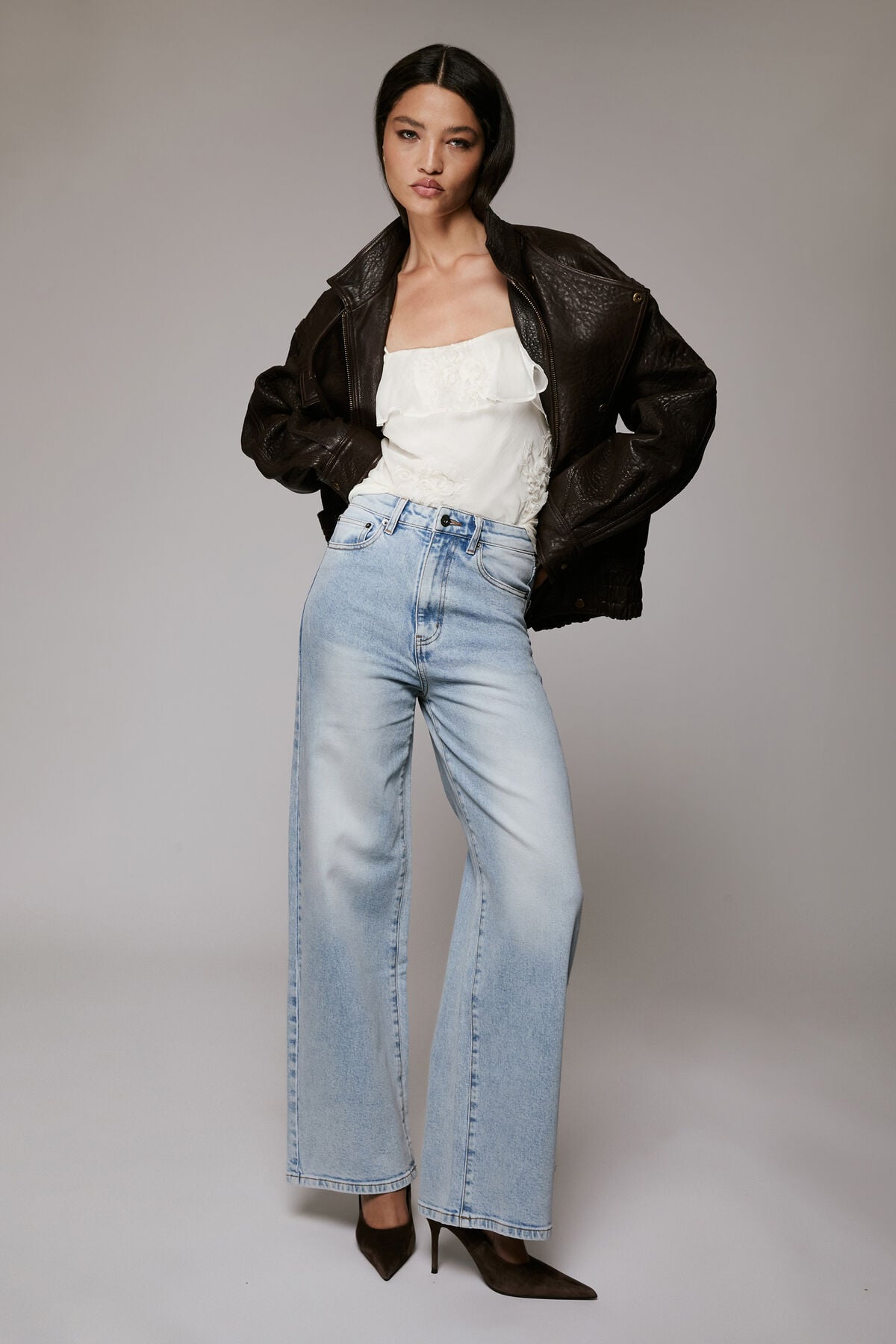


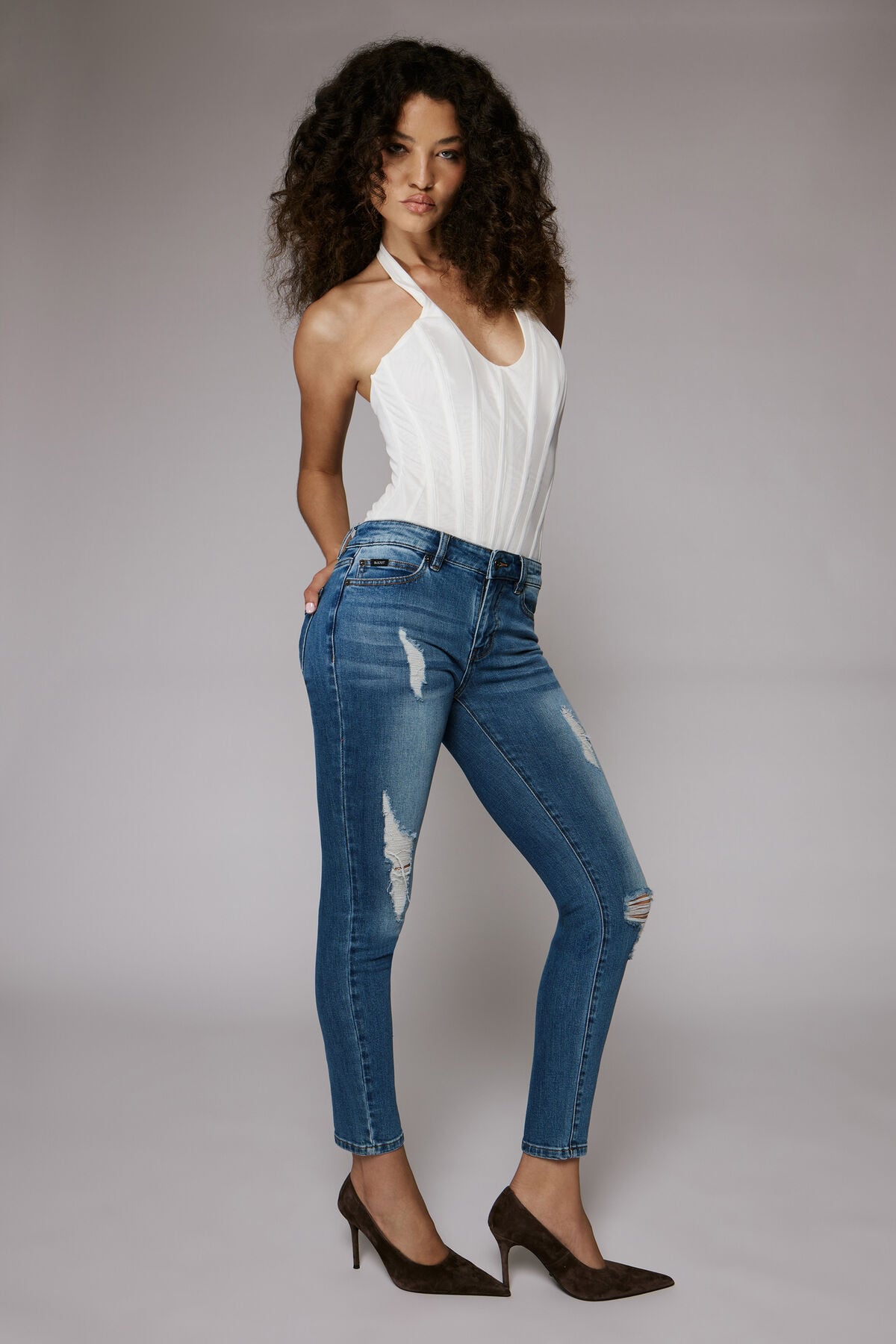

A note from the Phia editors
We own more white shirts than we need and wear two of them. The ones that survive are the ones whose fabric matches the way we actually dress, which for most of us means something softer than the crisp version we keep being sold. The other thing we have learned is to buy the shoulder rather than the size. A shirt that fits everywhere except the shoulder will always look slightly borrowed, and no amount of rolling the sleeves fixes it. If you take one thing away, it is to decide whether you want crisp or soft before you look at anything else, because that single choice determines whether the shirt gets worn.