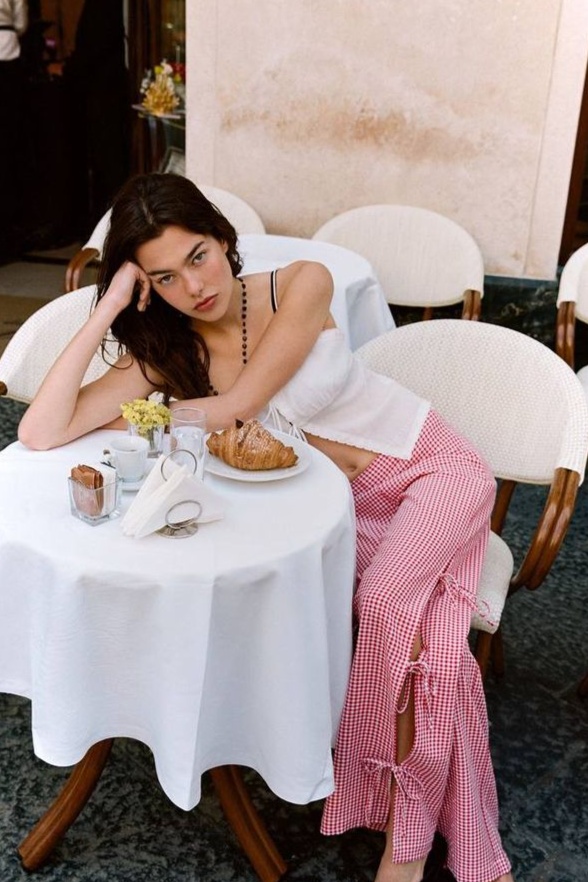
Grey, navy and charcoal worn together, a cool palette that is harder than it looks.
The Cold Neutrals: Grey, Navy and Charcoal

Cool neutrals need a clear step between them
Grey, navy and charcoal are the cool alternative to the brown palette, and they carry the same risk: worn at similar depths they read flat. What makes them work is a visible step. A pale grey knit over a charcoal trouser has that step. A mid grey over a slightly darker grey does not. Navy is the most useful of the three because it is dark enough to anchor an outfit but has more colour in it than black, so it stops the whole thing reading as a shadow. Charcoal sits between navy and black and works with both.
Knitwear in grey, navy and charcoal

Cashmere Linen Fine Cable Cardigan
White & Warren
$365

Lemme Knitted Crewneck Sweater
Ann Demeulemeester
$690

Delfina Mohair Silk Voile Jumper
Joseph
$425

Lavina Sweater
Jonathan Simkhai
$325

Bouclé Cardigan
White & Warren
$345

Magnar Crew Neck Sweater
Ann Demeulemeester
$378

Loftus Pure Cashmere High Neck Jumper
Joseph
$238

Fenwick Cashmere Turtleneck
Jonathan Simkhai
$365
Where navy and charcoal go wrong together
Navy and charcoal are close enough that in low light they can look like a mistake, and the fix is to separate them with something clearly paler, usually a grey or a cream. The other thing to watch is undertone. Some greys lean blue and some lean brown, and a brown-leaning grey next to navy looks slightly off in a way that is hard to name. Check them together in daylight. On texture, cool neutrals benefit from a rib, a flannel or a brushed surface, because the palette has no warmth to fall back on and surface variation is what keeps it from looking severe.
Trousers in the same register

Bristol Mid Rise Pant
CAMI NYC
$295
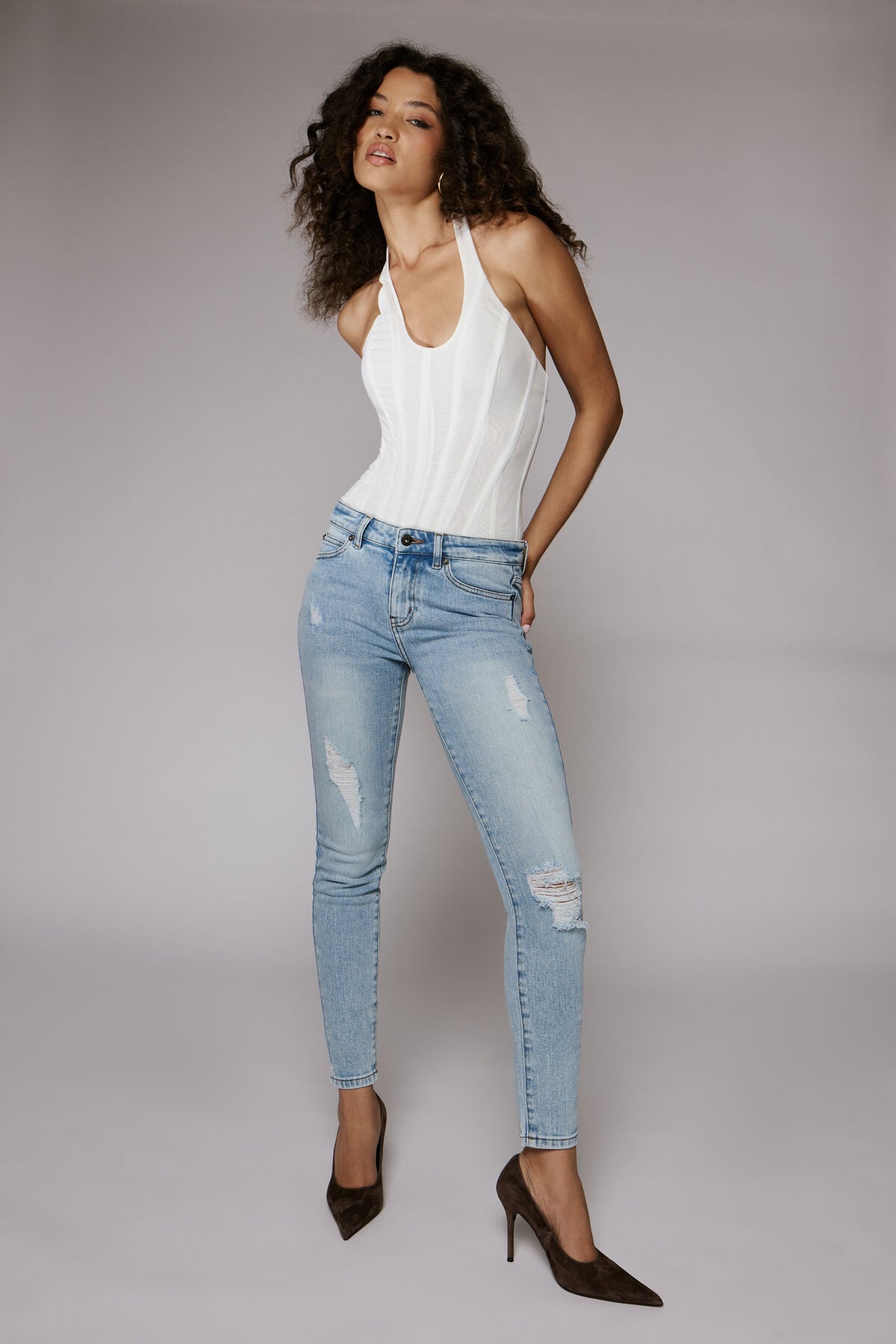
Kate Mid Blue Jeans
Bardot
$129

Monder Workwear Comfort Trousers
Ann Demeulemeester
$690

Coleman Long Wool Tailoring Stretch Trousers
Joseph
$395

Kyra Pant
Jonathan Simkhai
$395

Sheldon Chambray Trouser Dark Wash
CAMI NYC
$255
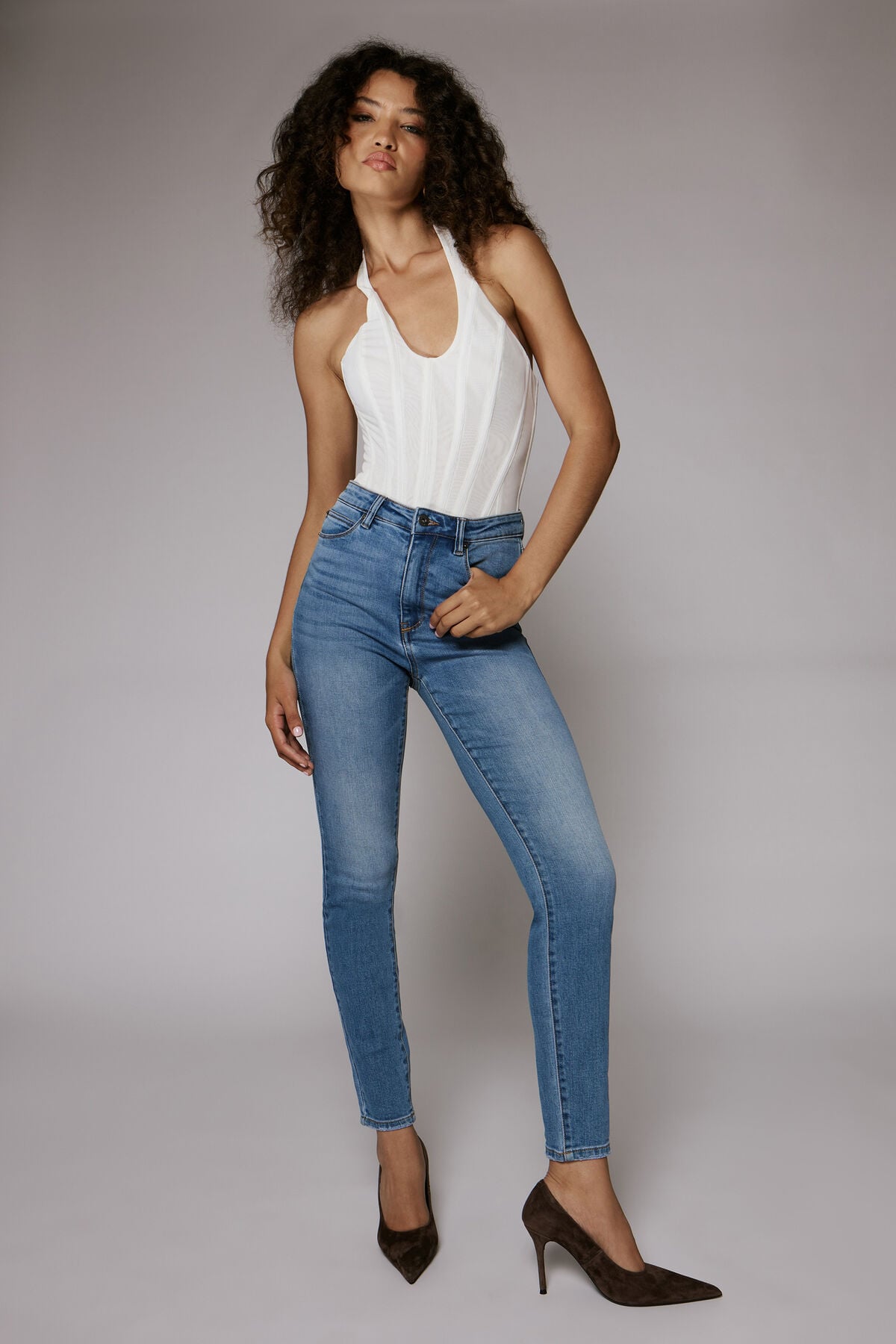
Khloe Hi Jeans Ⅱ
Bardot
$129

Genova 5-pockets Relaxed Flared Trousers
Ann Demeulemeester
$650
A note from the Phia editors
We find this palette easier to wear than all black and harder to get right than brown, because the tones are so close. The single change that fixes most cool-neutral outfits is adding something clearly pale, whether a grey knit or a cream shirt, so there is a light point in the outfit. We would also be honest that navy and charcoal together only work in good light, and if you are unsure it is safer to pick one of them. If you take one thing away, it is that a cool palette needs a visible light and a visible dark, not three shades of middle.