Oil for hair growth is one of the most searched hair ideas, and the honest answer is that oils and serums support a healthy scalp while the proven treatment is still minoxidil. These are the pre-wash scalp oils I would try, the scalp serums and tonics for thicker-looking hair, and the massagers that make the routine feel good.
Oil for Hair Growth, and the Scalp Routine Around It
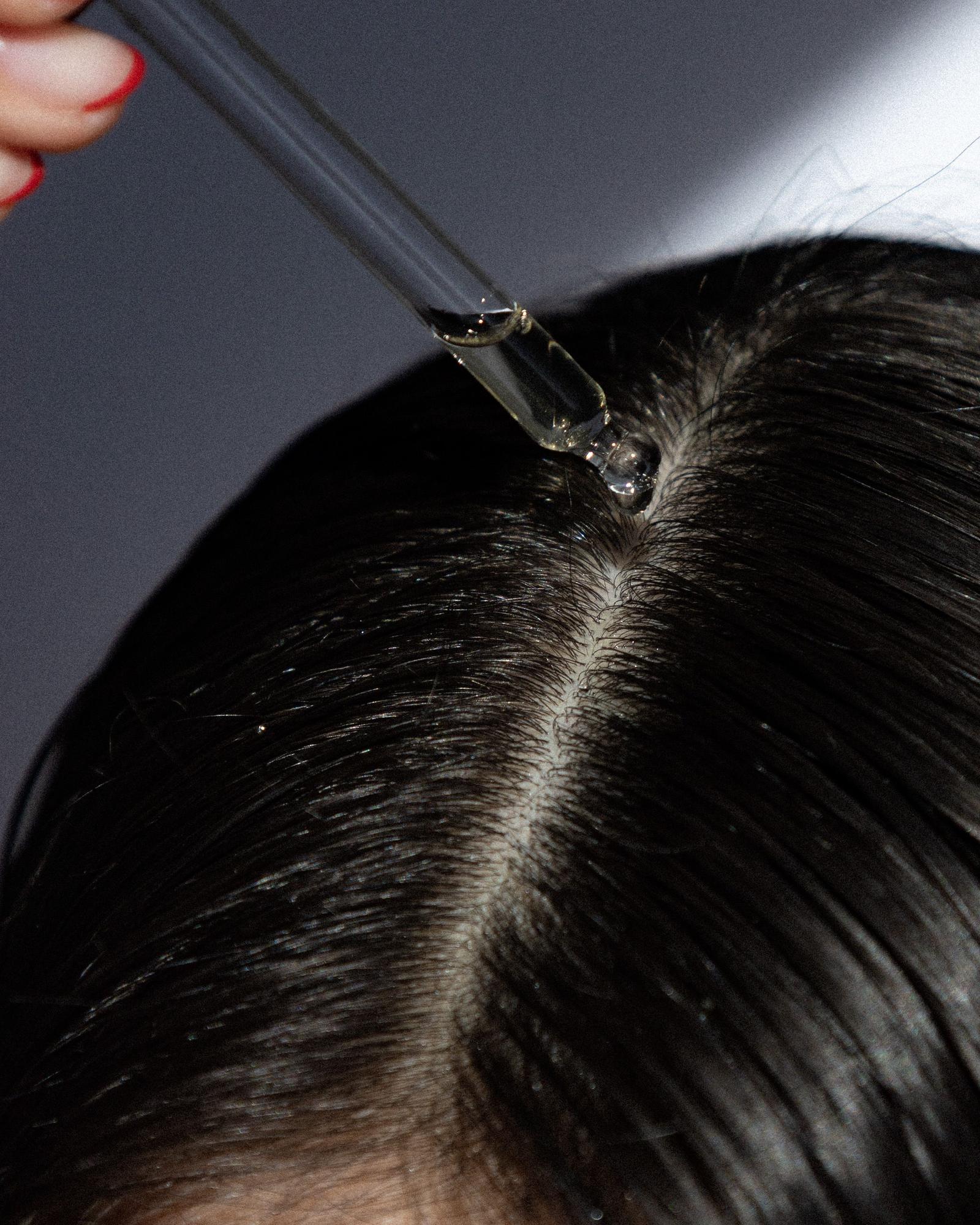
The word shampoo comes from the Hindi chāmpo, meaning to press or knead, which is exactly what a traditional champi does. In an Indian champi, warm oil is massaged into the scalp before washing, a ritual many families pass down, and it is part of why oiling the hair feels so familiar to so many of us.
The modern interest in oil for hair growth mostly traces back to rosemary. In 2015, a small study compared rosemary oil with 2% minoxidil in people with androgenetic alopecia, the common inherited kind of hair loss, over six months and found similar improvements in hair count. It was a small study and has not been repeated at scale, so I treat rosemary as promising rather than proven. The treatment with the strongest evidence and FDA approval is still minoxidil, which none of these products contain.
What a good scalp oil does reliably is condition the scalp and hair, soften buildup and make a weekly massage feel like a treat. That counts for a lot on its own, and it is the part of the ritual most people keep doing long after they stop checking their part in the mirror.
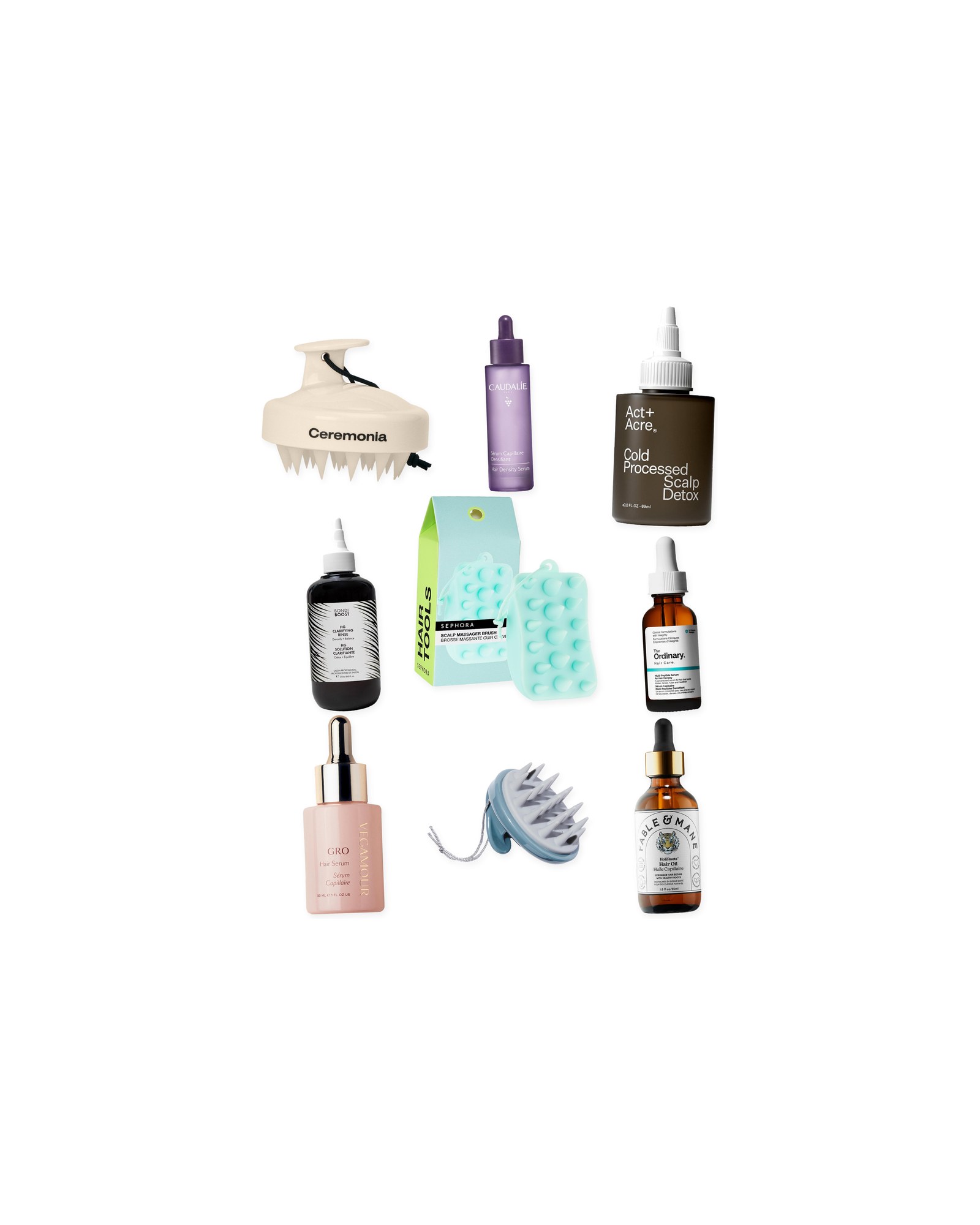
JVN's Complete Pre-Wash treatment oil uses rosemary extract to clarify and soothe the scalp. Indē Wild's Champi oil is lightweight and made to reduce shedding and soothe dryness, a nod to the ritual itself. Fable & Mane's HoliRoots oil nourishes roots and strengthens hair, and RŌZ's Willow Glen oil is a salon-grade treatment for dry hair and scalp.
For buildup, Act+Acre's Scalp Detox Oil uses baobab oil to break down residue in twenty minutes, and its salicylic acid exfoliator lifts flakes and excess oil. BondiBoost's clarifying pre-wash uses lactic acid and apple cider vinegar, and Shaz & Kiks' prewash mask is made for thick, curly or coily hair.
Scalp oils and pre-wash treatments

HoliRoots™ Pre-Wash Scalp & Hair Treatment Oil
Fable & Mane
$38

Cold Processed Scalp Detox Oil For Dry Scalp
Act+Acre
$48

HG Clarifying Pre-Wash Treatment with Lactic Acid and Rosemary
BondiBoost
$33

Complete Pre-Wash Scalp & Hair Strengthening Treatment Oil
JVN
$32

Champi Hair & Scalp Pre-Wash Oil for Thinning Hair
indē wild
$32

Willow Glen Pre-Wash Hair & Scalp Oil
RŌZ
$48

Scalp & Hair Prewash Mask for Thick, Curly or Coily Hair
Shaz & Kiks
$62

Salicylic Acid Scalp Renew Exfoliator For Oily + Flakey Scalp
Act+Acre
$48
Serums for thicker-looking hair
Scalp serums are leave-in treatments you apply to the scalp, usually daily, and most promise thicker-looking hair over a few months. The key word is looking. Many work on how full hair appears and how much breaks or sheds, rather than on growth itself.
The Ordinary's Multi-Peptide Serum for Hair Density is the simple, concentrated option, made to help hair look thicker and fuller. Nécessaire's Scalp Serum uses five percent Capixyl and hyaluronic acid, quick drying with no residue. Vegamour's GRO serum is vegan, and the brand says it improves the look of density and reduces shedding in as soon as 90 days. Caudalie's Hair Density Serum is made for all types of thinning hair.
Moroccanoil's Revitalizing Scalp Tonic is a weightless leave-in spray, and the brand reports clinical results for reduced fallout and shedding. OUAI's Hydrating Scalp Serum balances and hydrates, treating the scalp like skin. Kérastase's Genesis serum is silicone free and strengthens weak hair against breakage, and Oribe's Hair Alchemy serum strengthens brittle strands and improves elasticity.
Use serums on a clean, dry scalp, part your hair in sections, and apply directly to the skin rather than the hair. Take a photo of your part in the same light every month. Changes are slow enough that you will not notice them in the mirror day to day, and a monthly photo is the only honest way to know whether something is working.
Scalp serums and tonics

GRO Hair Serum for Thinning Hair
Vegamour
$64

Hair Density Serum for All Types of Hair Thinning with Soothing Peptides
Caudalie
$58

Multi-Peptide Serum for Hair Density for Thicker, Fuller Looking Hair
The Ordinary
$24

The Scalp Serum - 5% Capixyl™ For Thicker, Fuller, Healthier Hair
Nécessaire
$48

Genesis Strengthening Scalp and Hair Serum
Kérastase
$66

Hydrating Scalp Serum for Healthy, Fuller Looking Hair
OUAI
$32.4

Revitalizing Scalp Tonic Treatment for Thinning Hair
Moroccanoil
$42

Hair Alchemy Strengthening Treatment Serum
Oribe
$66
Massage is the part you will enjoy
A scalp massager is the most pleasant five minutes in any hair routine. It loosens buildup, helps shampoo reach the scalp and feels wonderful, and a little research suggests regular scalp massage may help hair look thicker over time, though the studies are small.
Briogeo's Scalp Revival massager is hand-held, with soft bristles, made to increase circulation and support a healthy scalp. Ceremonia's massager gently exfoliates and massages, and it is the prettiest of the group. Sephora Collection's Silicone Scalp Massager is hygienic and works wet or dry, and Bread Beauty Supply's Scalp-Thingy is a 100 percent silicone massager designed to boost blood flow and remove buildup. Dr. Groot's Scalp Massager Brush has soft, flexible silicone bristles for a comfortable massage.
Use one in the shower with shampoo, moving in small circles from the hairline back to the crown, or on a dry scalp with your oil before washing. Gentle pressure is enough. You are massaging skin, not scrubbing a pan, and pressing too hard can irritate the scalp you are trying to look after.
Pairing is where the routine comes together. Oil on a dry scalp, five minutes with the massager, twenty minutes to rest, then shampoo twice to lift the oil out. Do it on a Sunday evening with a podcast and it stops feeling like a chore.
Scalp massagers and brushes

Scalp Revival™ Stimulating Therapy Massager
Briogeo
$18

Scalp Massager
Ceremonia
$18

Silicone Scalp Massager
Sephora Collection
$13

Scalp-Thingy: Scalp Massager
Bread Beauty Supply
$24

Scalp Massager Brush
Dr. Groot
$10

The Scalp Massager
Base-K
$20

Scalp Massager
Living Proof
$20

Scalp Massager & Exfoliator
Tangle Teezer
$12
Patience, and a doctor if it matters
Hair grows slowly, roughly half an inch a month, so any routine needs at least three months before you judge it. Keep it simple and consistent: a scalp oil or pre-wash once or twice a week, a serum daily if you use one, and a gentle shampoo.
If you are losing hair suddenly, in patches, or after an illness, a new medication or a pregnancy, see a dermatologist. Hair loss has many causes, including thyroid issues and low iron, and the right fix depends on the cause. Oils and serums are a lovely way to care for your scalp, but they are not a substitute for a diagnosis.