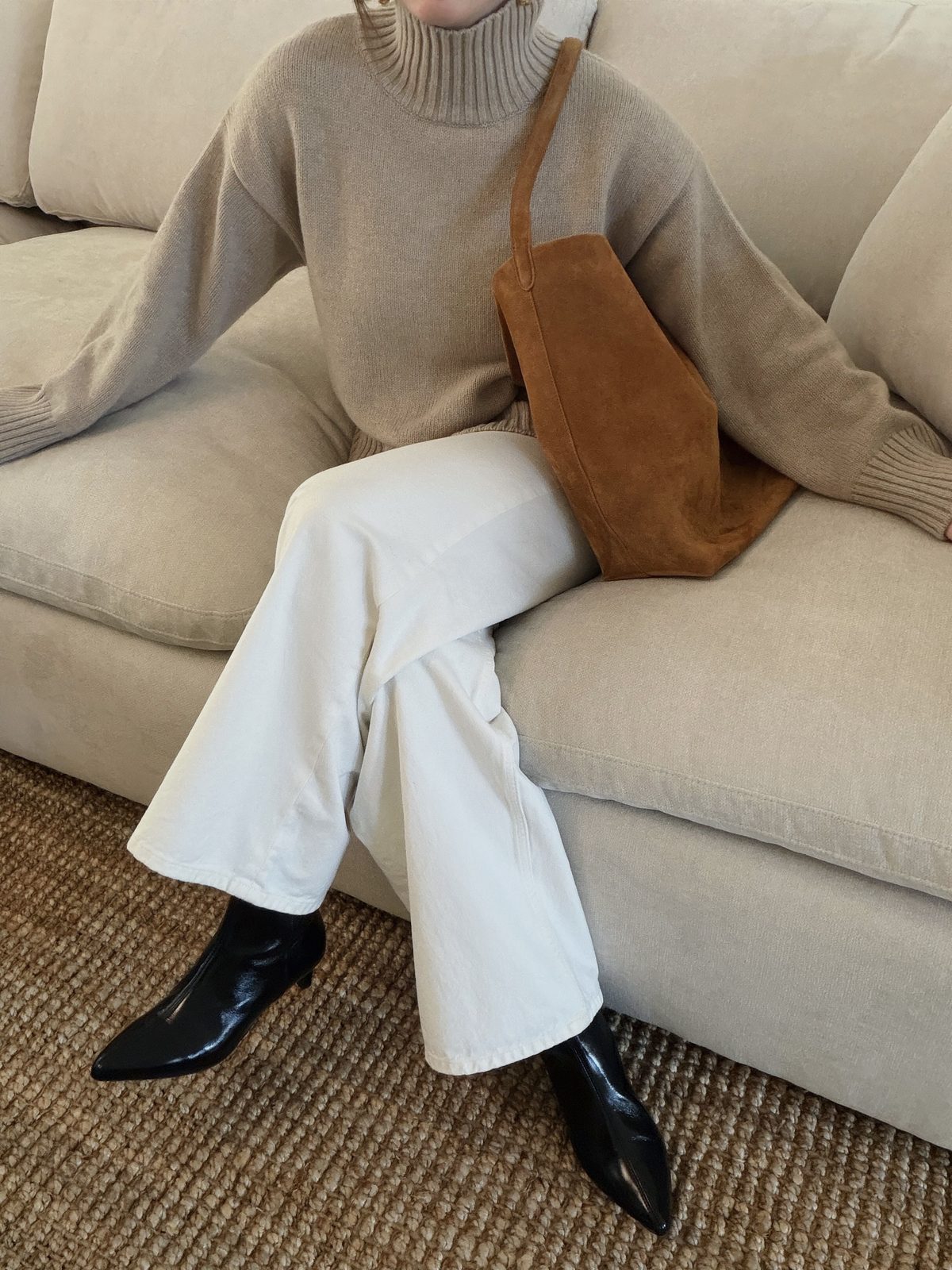
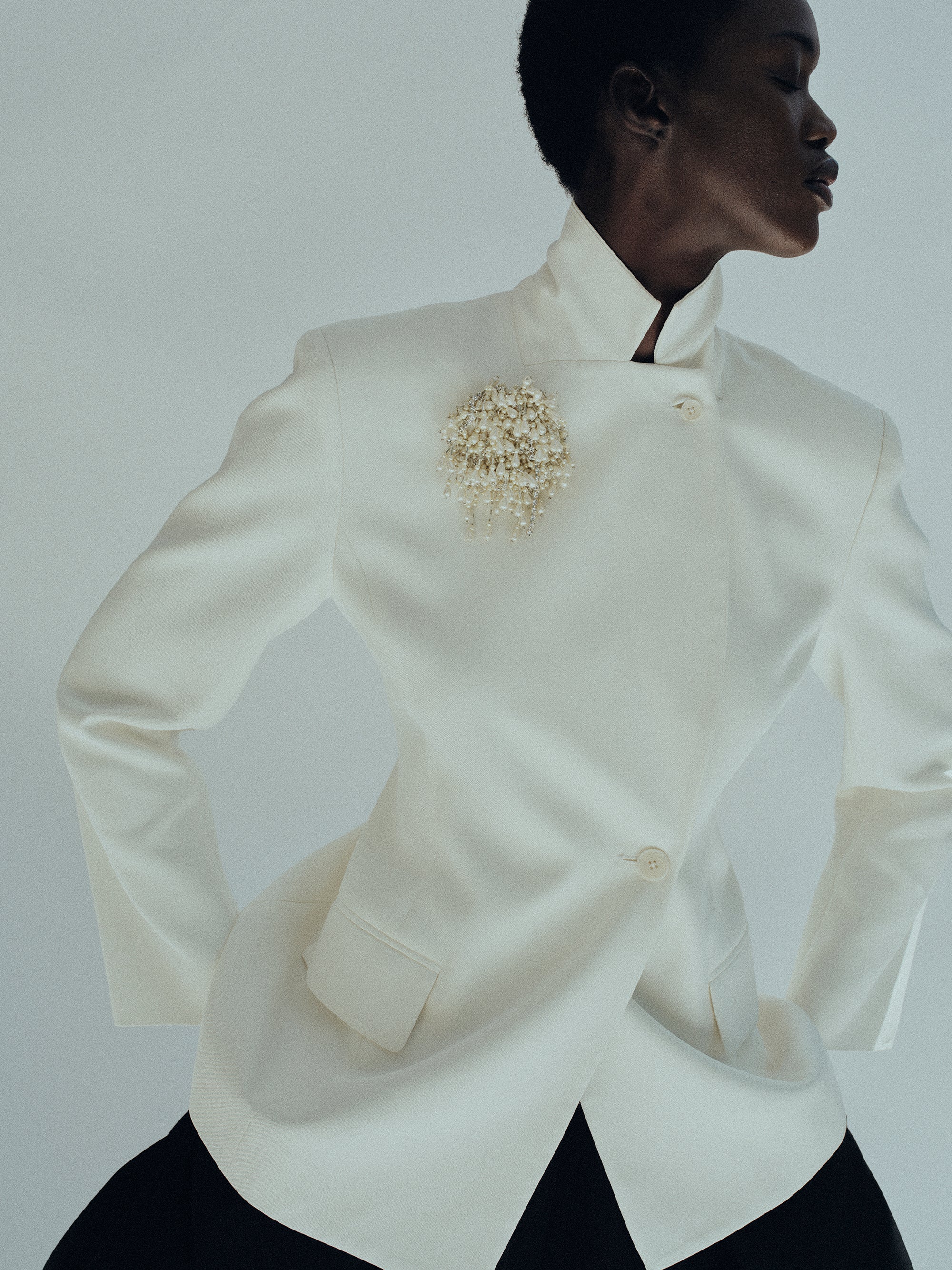
Does Patagonia run small? Not overall. Better Sweater and R1 fleece fit slim, while several rain shells and the Synchilla run large.

Patagonia Sizing Guide: Does Patagonia Run Small, Big or True to Size?
The chart is the starting point
Patagonia does not run uniformly small or big; I would start with the brand's chart, then adjust for the style's cut. Patagonia sizing sounds like it should have one answer, but the brand's own guide lists six different fits, from formfitting and slim to relaxed and oversized.
The Patagonia size chart maps women's XXS through XXL to numeric 0 through 22. Across those sizes, the listed chest measurements run from 31.5 to 49 inches, waist from 24.5 to 42 inches, and hips from 34 to 51 inches. Chest is Patagonia's usual predictor for tops, but it tells shoppers to use the hip measurement if that points to a larger size. For bottoms, hips lead unless the waist calls for a bigger size; inseams vary by product.
So, does Patagonia run small? Not as a brand-wide rule. Slim technical layers can feel close, while regular shells and relaxed fleeces have more ease. I would measure chest, natural waist and fullest hip, then compare the item's fit label with the layer I actually plan to wear. That beats buying a size up on superstition.
Room for a layer, not an automatic size-up
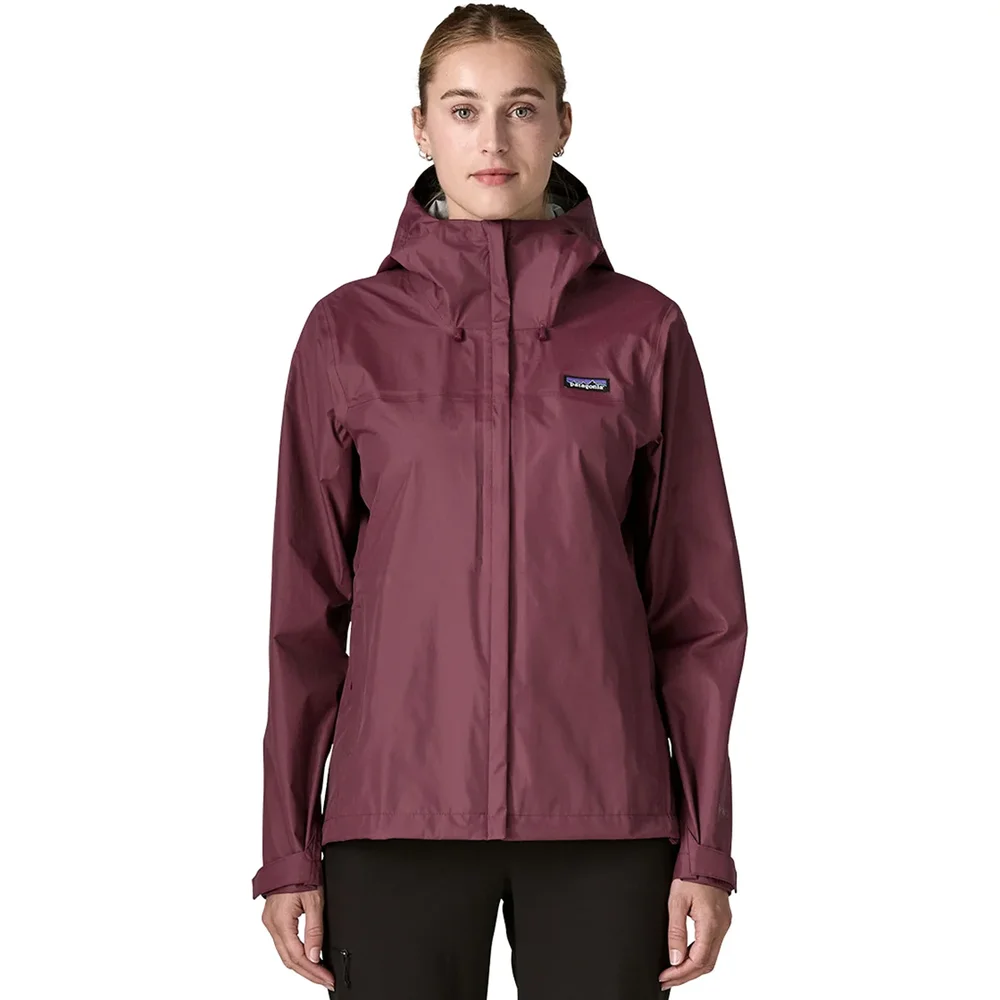
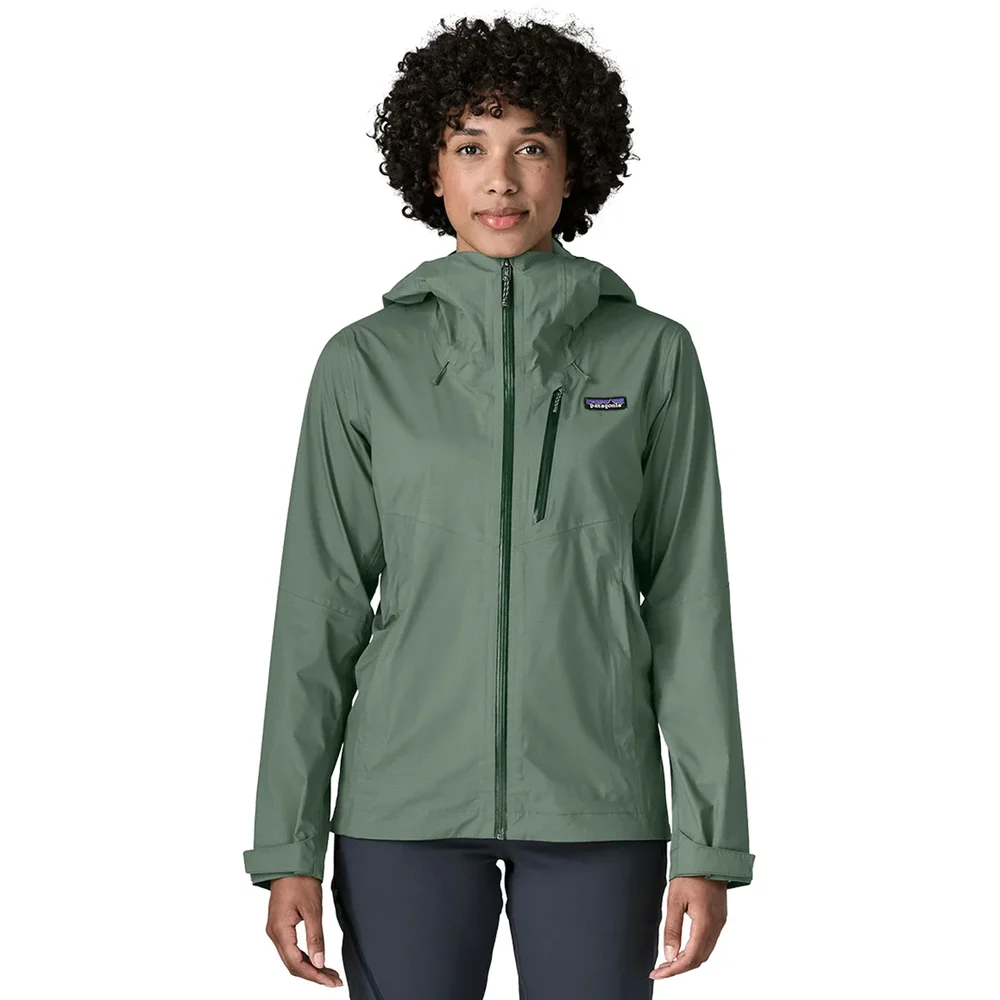
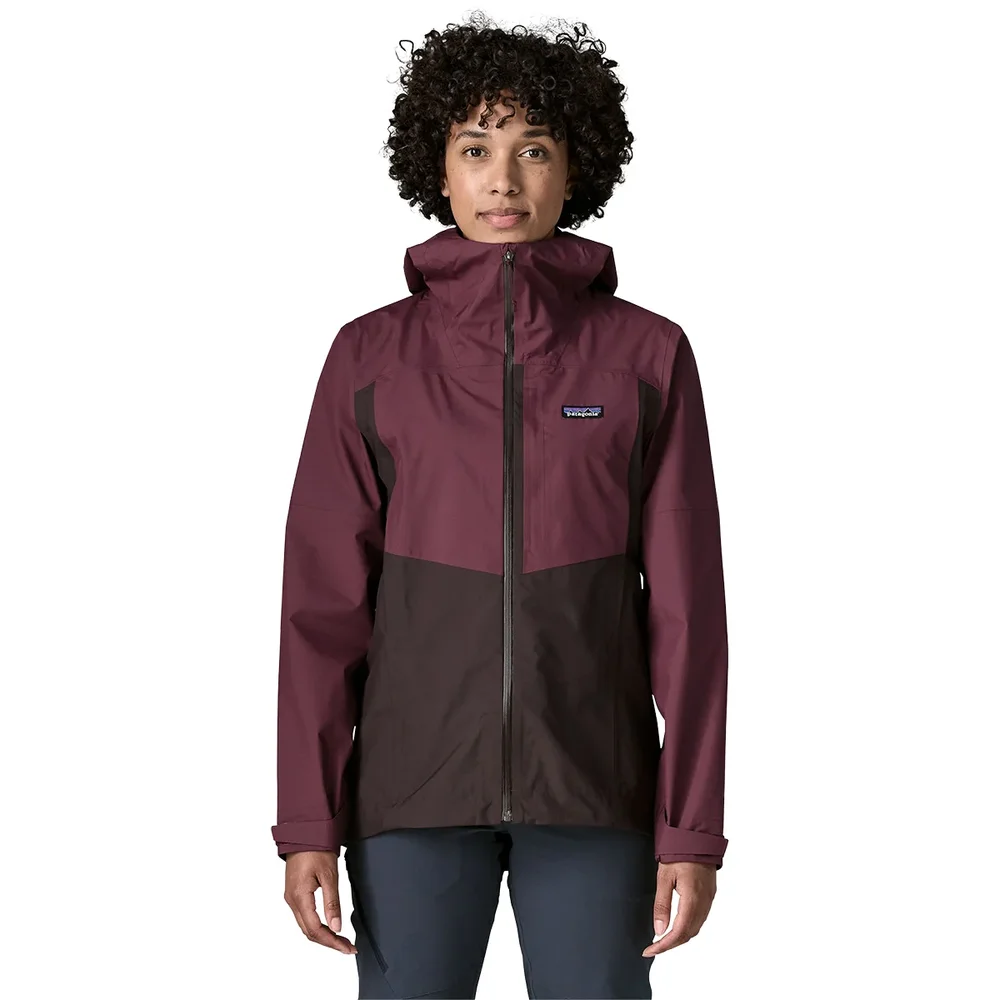
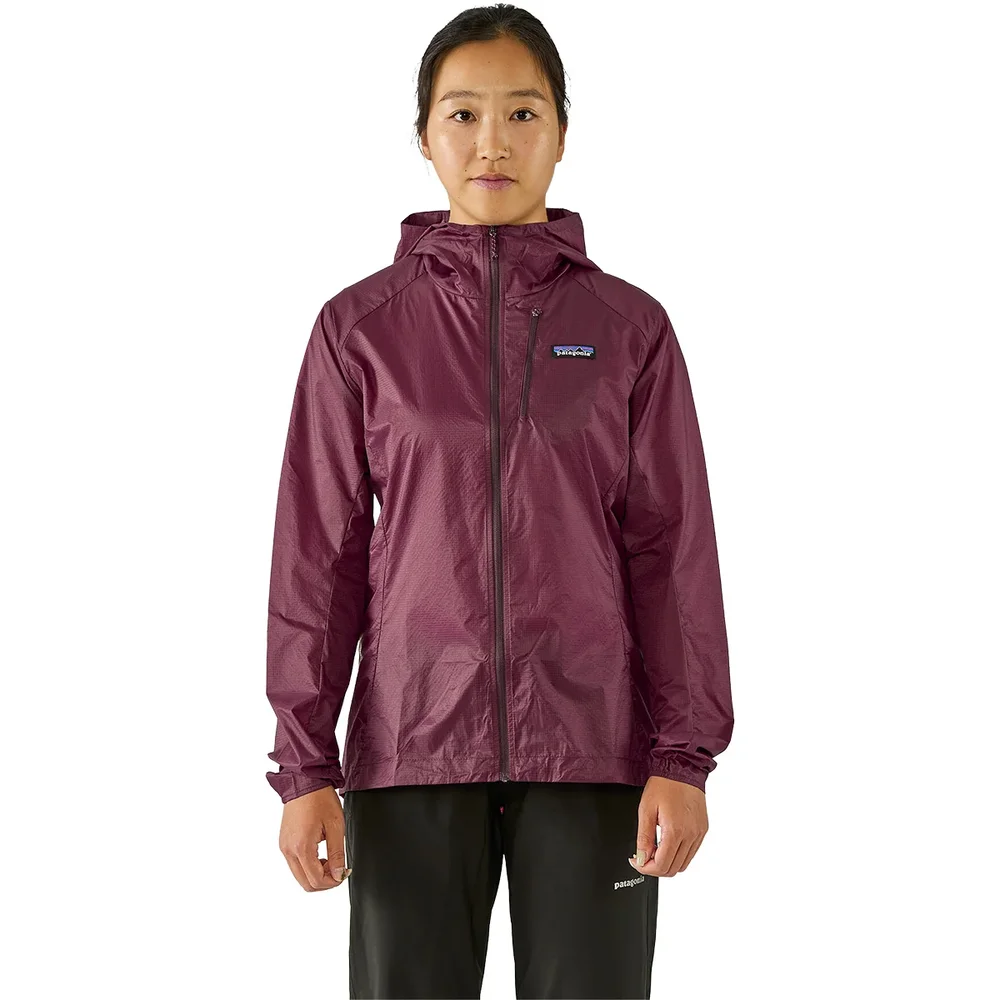
Shell sizing is about what you want to fit underneath. The Torrentshell 3L Jacket is Patagonia's regular-fit rain shell, yet REI's shopper fit summary calls it slightly large. Granite Crest Jacket and Boulder Fork Rain Jacket are also rain shells with slightly-large fit notes, while the Houdini Jacket is a featherweight wind layer with a slim cut that accommodates a base layer or light midlayer.
I would keep the size chart as the anchor rather than automatically sizing up for all four. If you want a tidy layer over a tee, the review notes give you a reason to try your chart size before ordering bigger. If you plan to wear a thick fleece underneath, compare the jacket with that actual layer and check shoulder reach and hip closure while zipped. A shell that pulls at the hem is not a layering shell, even if the chest looks comfortable. My practical bet: chart size for most, and consider one step down only if you want a close fit and have tried it zipped.
Puffers: check shoulders and hips
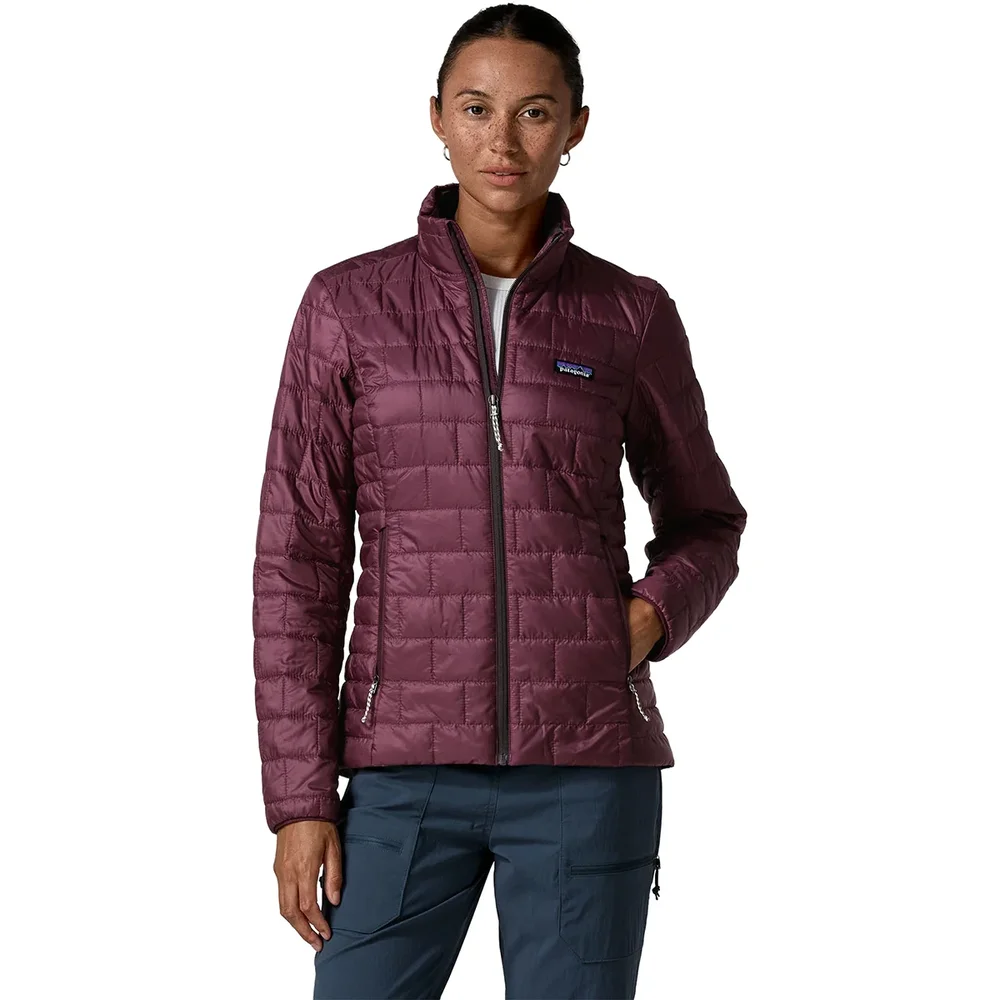
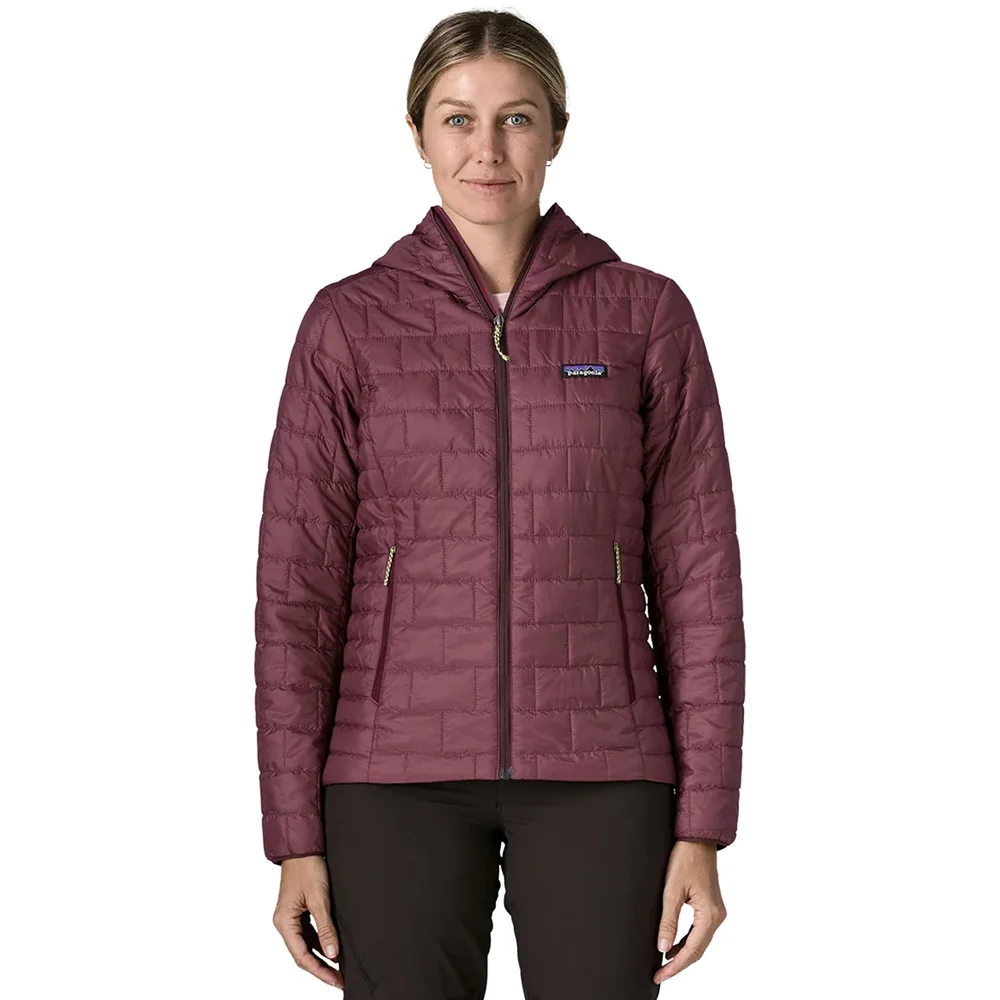
Nano Puff Insulated Jacket is Patagonia's regular-fit example: its low-bulk build is meant to layer under shells, and the shoulder and elbow shaping is designed for movement. The Nano Puff Insulated Hoody gets a true-to-size note in retailer fit data, so I would treat the hood as a style choice, not a reason to size up.
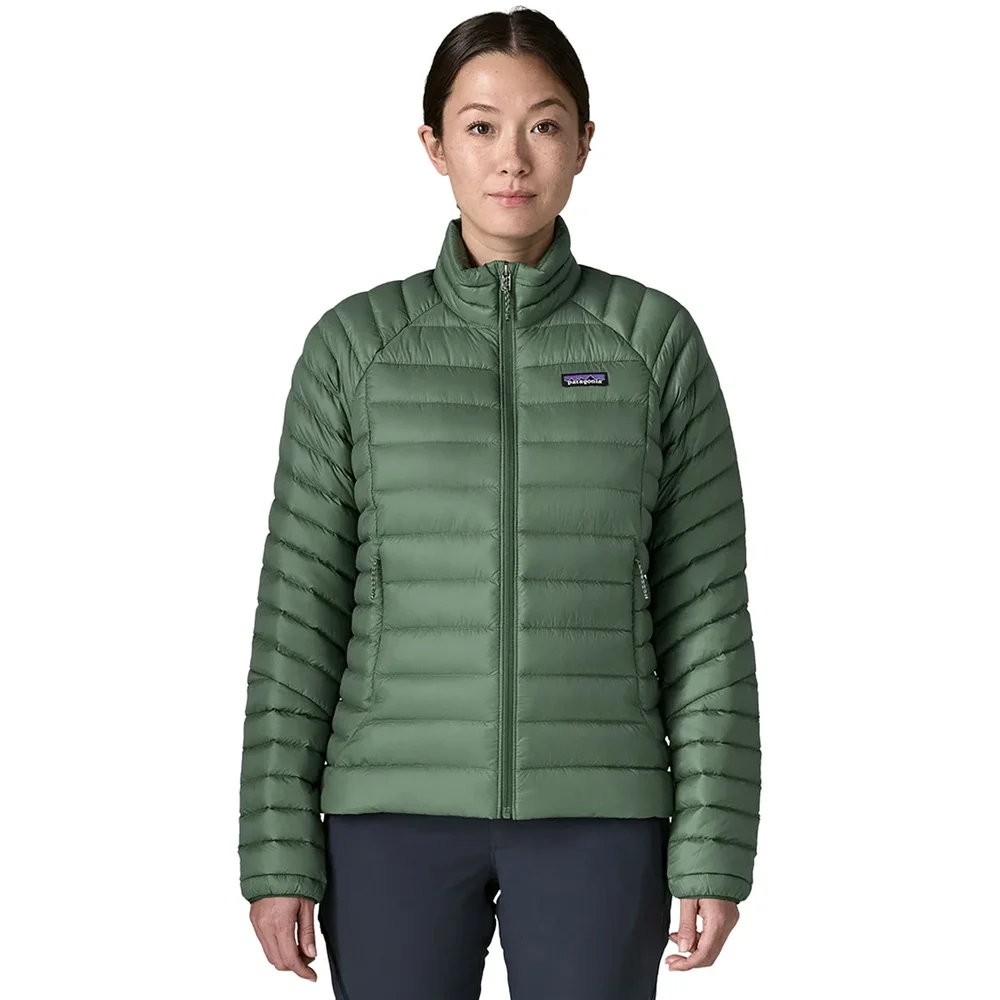
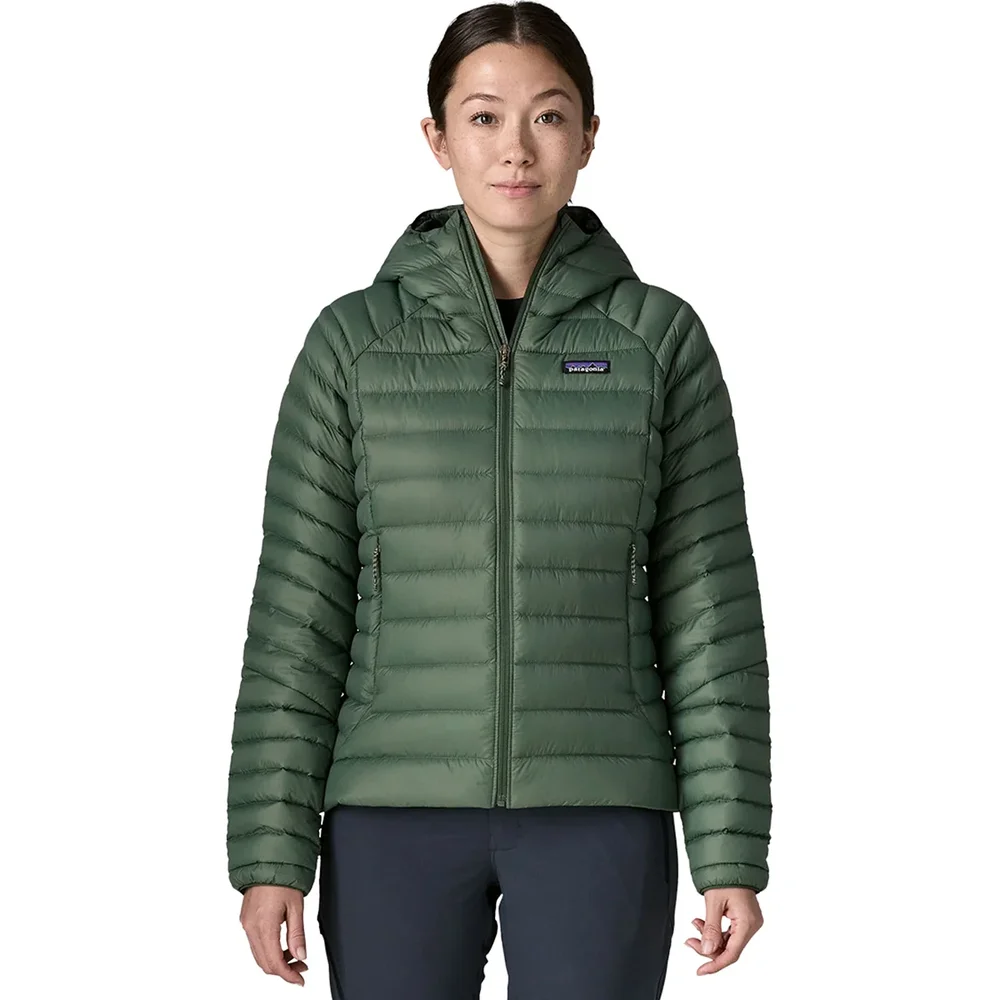
Down Sweater and Down Sweater Hoody need a more personal check. The Down Sweater is the one where customer comments describe tightness at the hip or shoulder, while the Down Sweater Hoody gets a slightly-large fit summary. Those notes are not a contradiction so much as a reminder that one jacket's width can feel different across the body. Try the zipper over the layer you intend to wear. For a base layer, start at the chart size; for a bulky sweatshirt, compare both adjacent sizes before deciding.
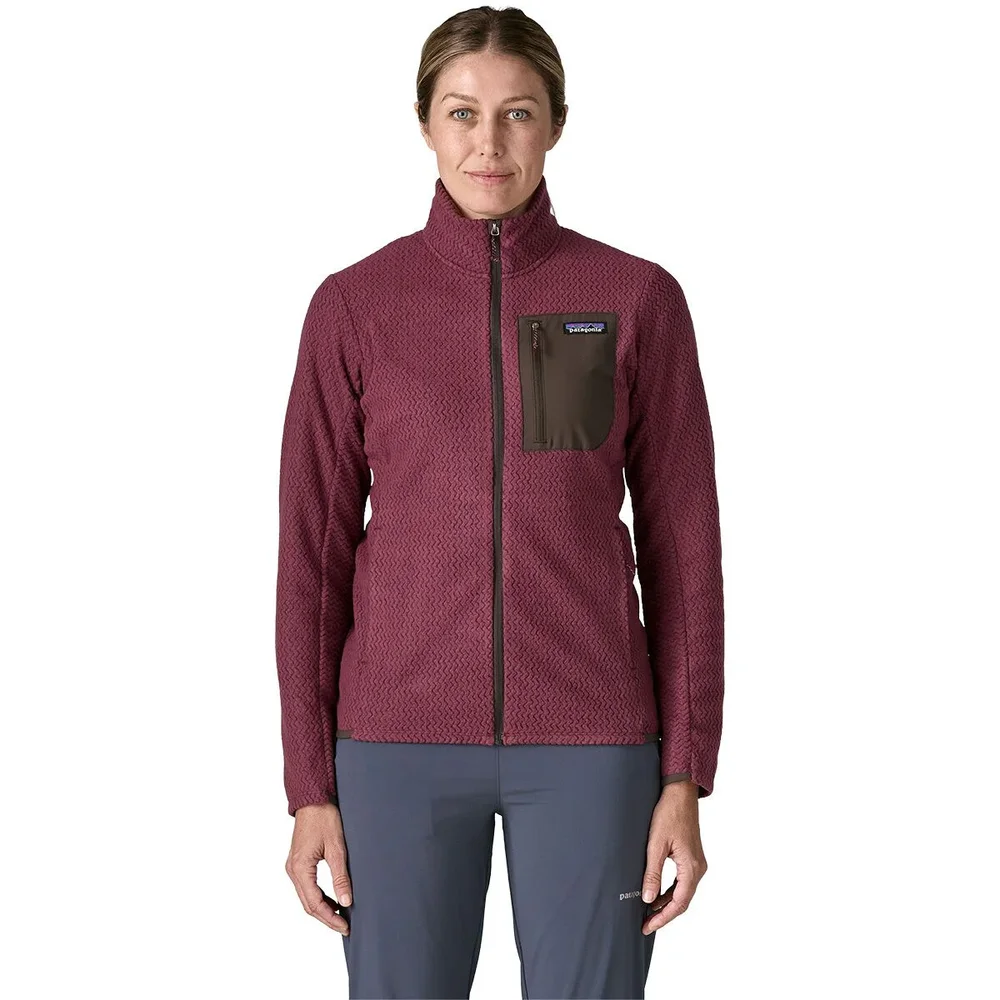
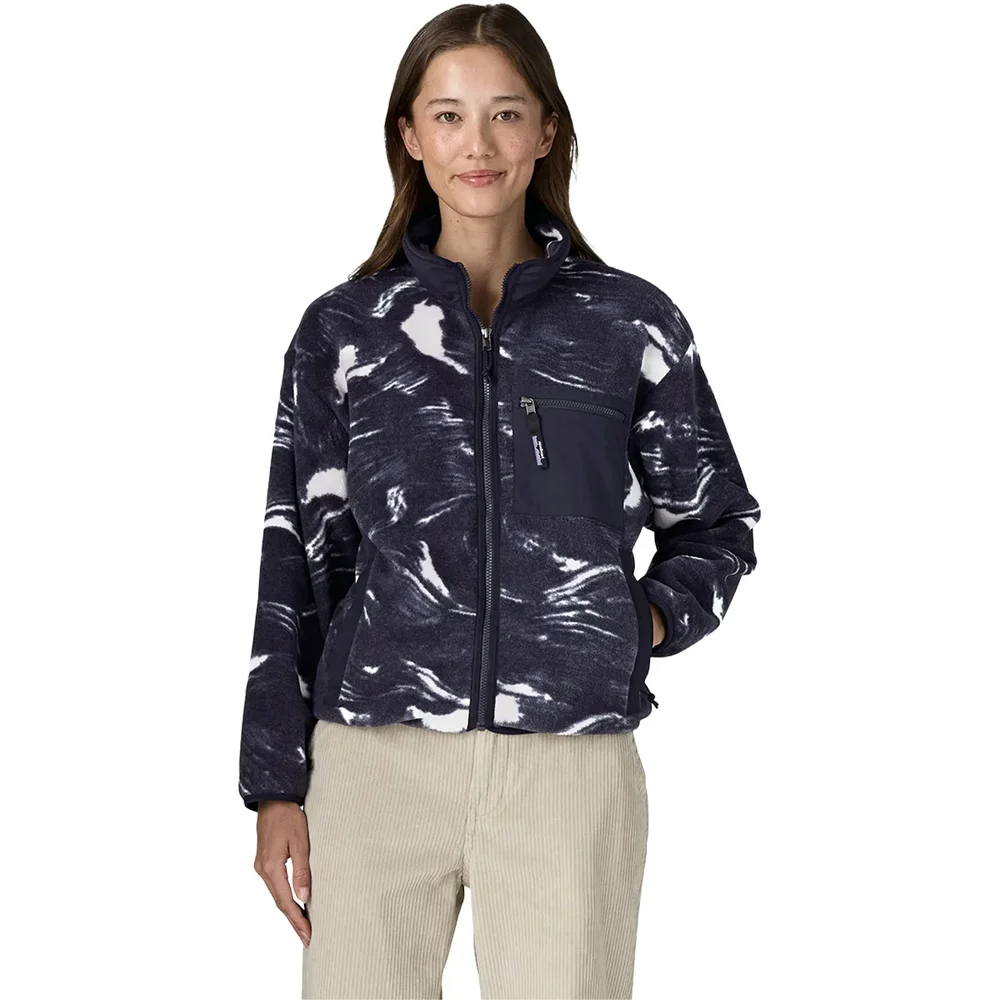
Fleece is where Patagonia's cuts diverge
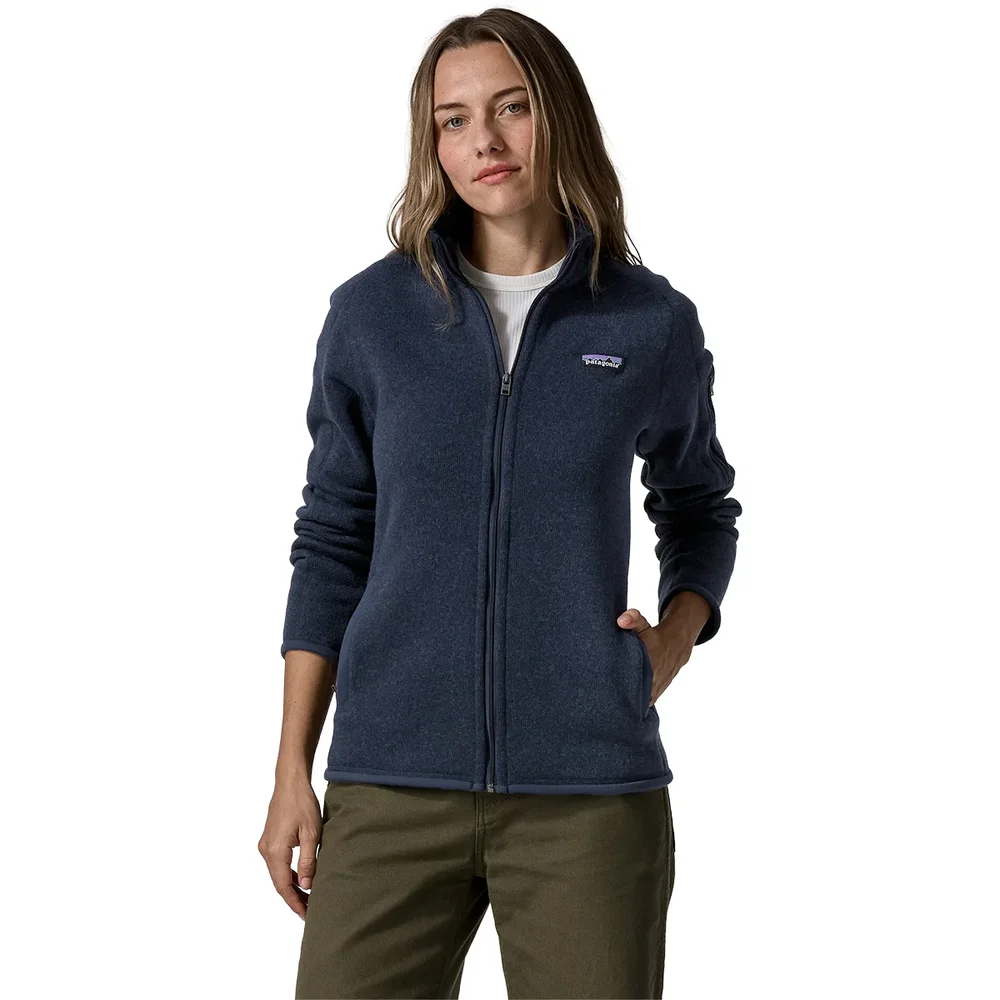
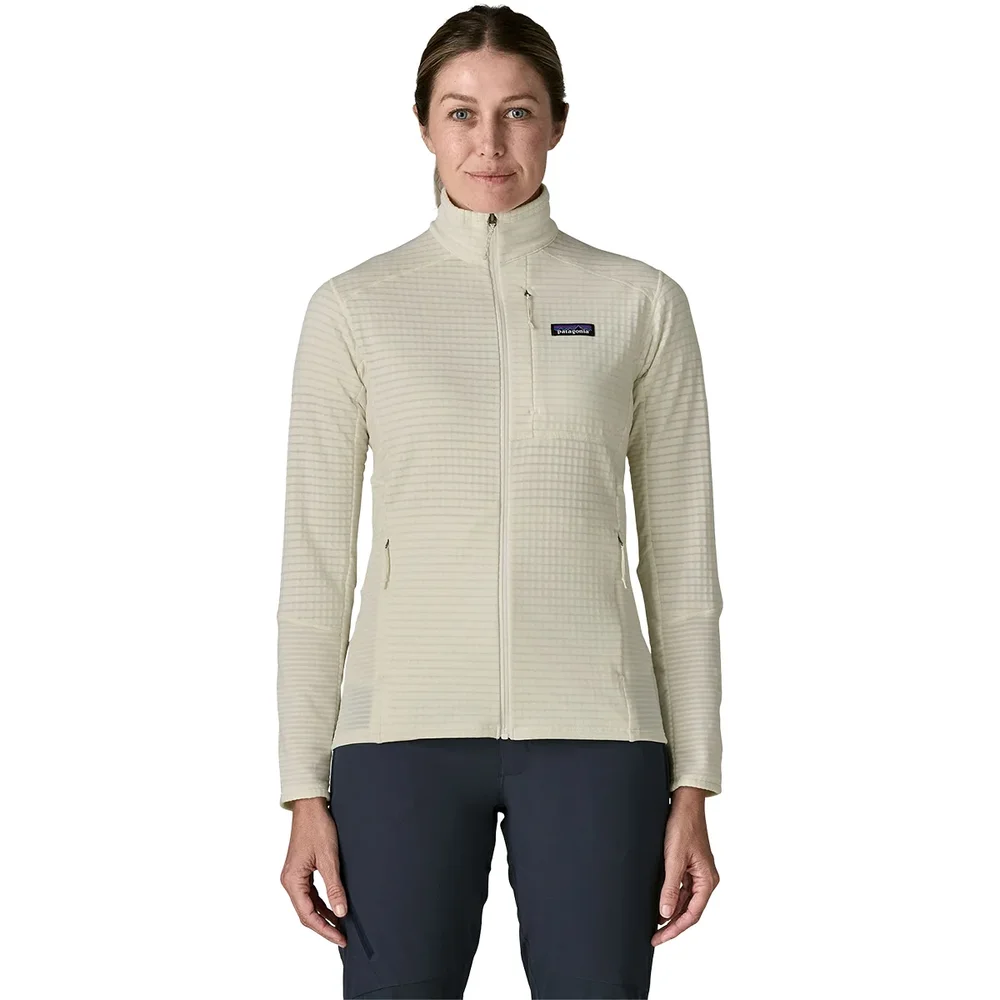
The Better Sweater Fleece Jacket is explicitly slim fit, and its shaped seams explain why it can feel closer than a fuzzy zip-up. The R1 Jacket is also slim; a shopper between small and medium said the smaller size would be too tight for layering and chose medium. I would use that as a useful clue, not a universal size rule.
The R1 Air Jacket belongs in the same technical-fleece conversation, but I would try it on by itself rather than assume the R1 name guarantees an identical feel. Synchilla Fleece Jacket is the relaxed counterpoint: retailer fit notes call it slightly large, and Backcountry goes further and suggests sizing down. My shorthand: regular shells, start at the chart; puffers, chart size over a base layer and size up for bulky layers; slim fleeces, go up if you are between sizes and want a sweater underneath; Synchilla, size down if you want it less boxy. Check twice if your chest and hips land in different sizes, or sleeve length is a recurring issue. If buying one first, I would start with the Nano Puff Insulated Hoody as the most straightforward chart-size test.
If you are still deciding, I also wrote Is Patagonia Worth It?, The North Face Sizing and Columbia Sizing Guide.