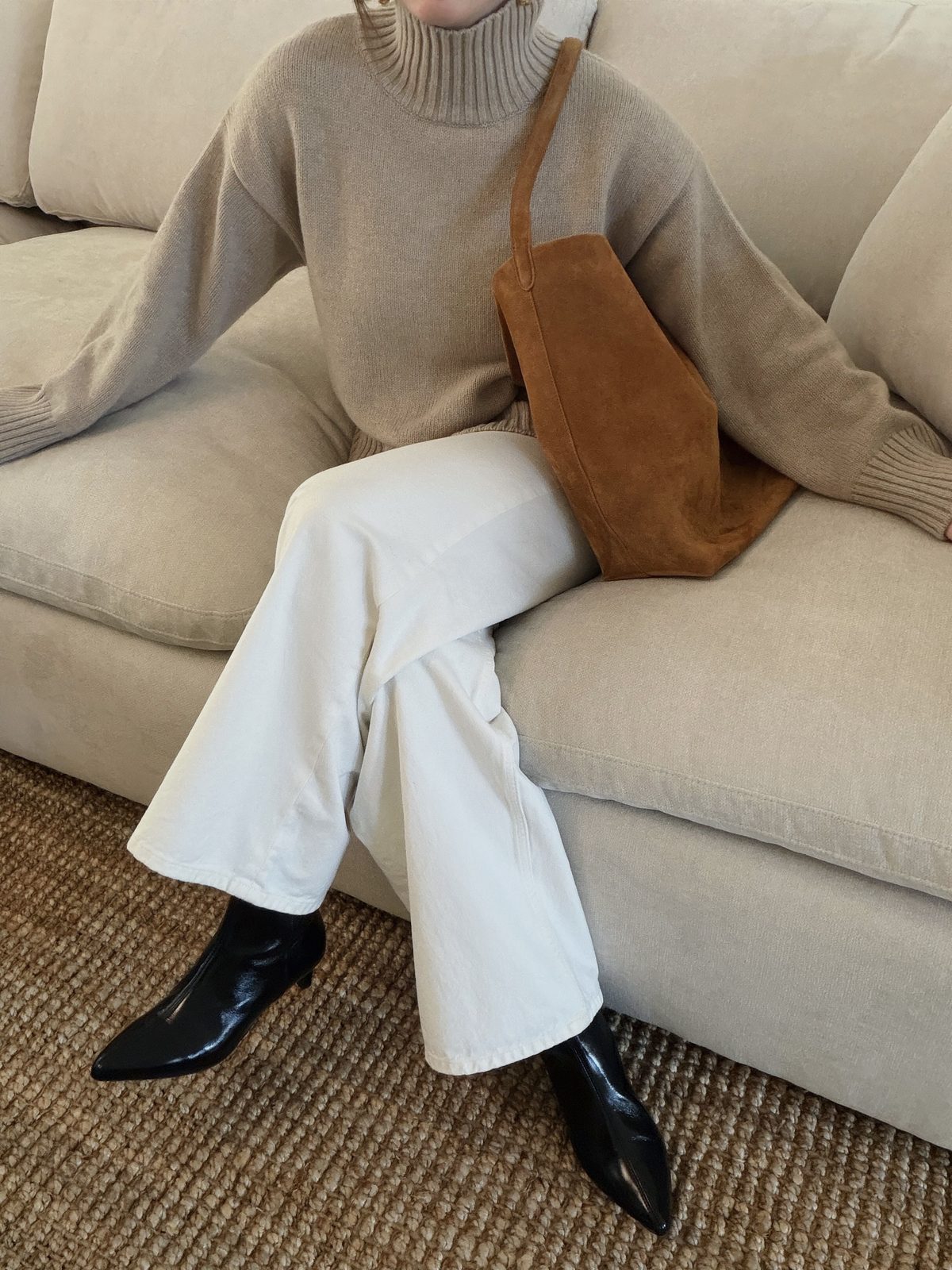
Pilling starts in the wash, where heat and agitation rough up the yarn until it balls on the surface. Rough detergent formulas and hard drying make the problem worse, while a gentler wash keeps fibres lying flat for longer. This edit covers the tools that prevent pilling, the ones that fix it once it happens, and the knitwear worth maintaining either way.

Pilling, And How To Stop It
Detergents, washes and fabric sprays
Most pilling starts in the wash, where hot water and heavy agitation break the surface of the yarn. A delicate wash or a wool-specific detergent keeps the fibres lying flat, which is the whole game. The Laundress Lady Delicate Wash is built for exactly that, gentle enough for silk but strong enough to lift dirt without roughing up a knit. The Attirecare Prima Delicate Wash works on the same principle for people who want a plant-based formula instead. Keep one of these bottles next to the machine rather than reaching for a regular detergent out of habit.
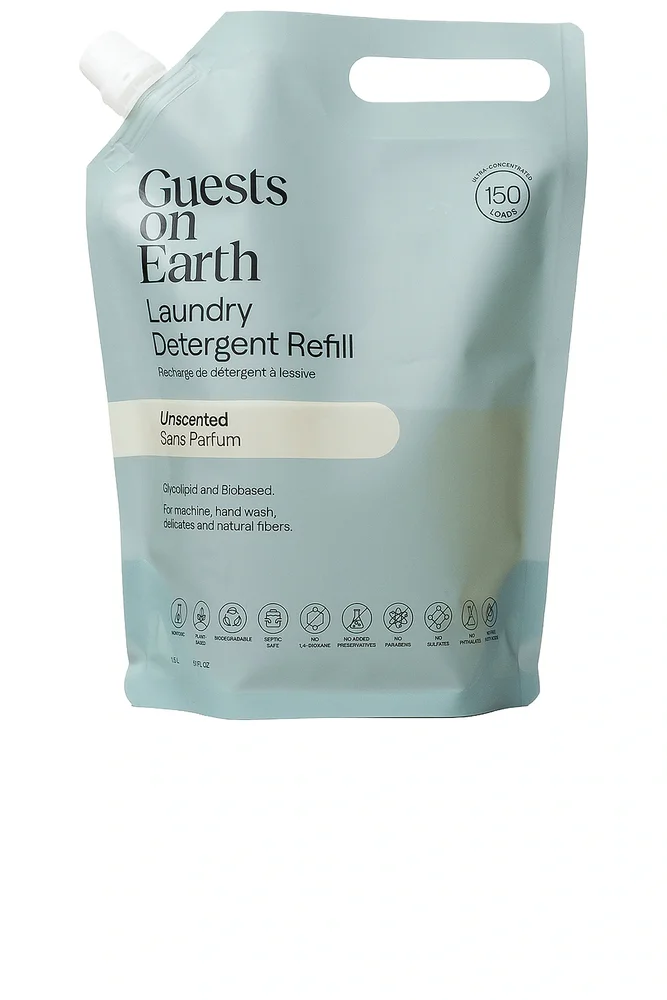
Laundry Detergent Bulk Refill
Guests on Earth
$65
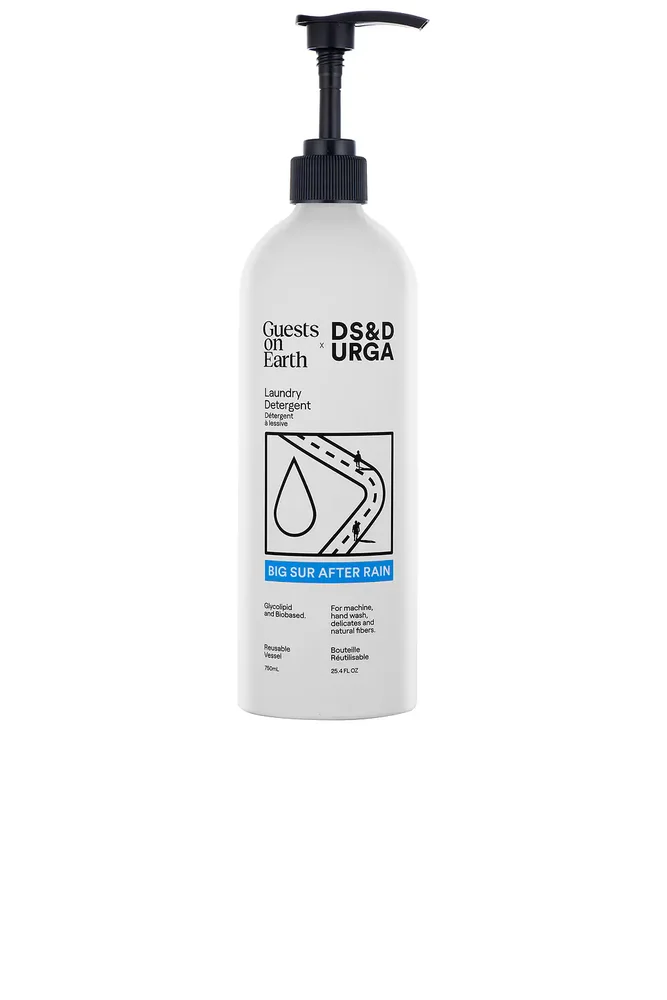
X DS & Durga Laundry Detergent
Guests on Earth
$60
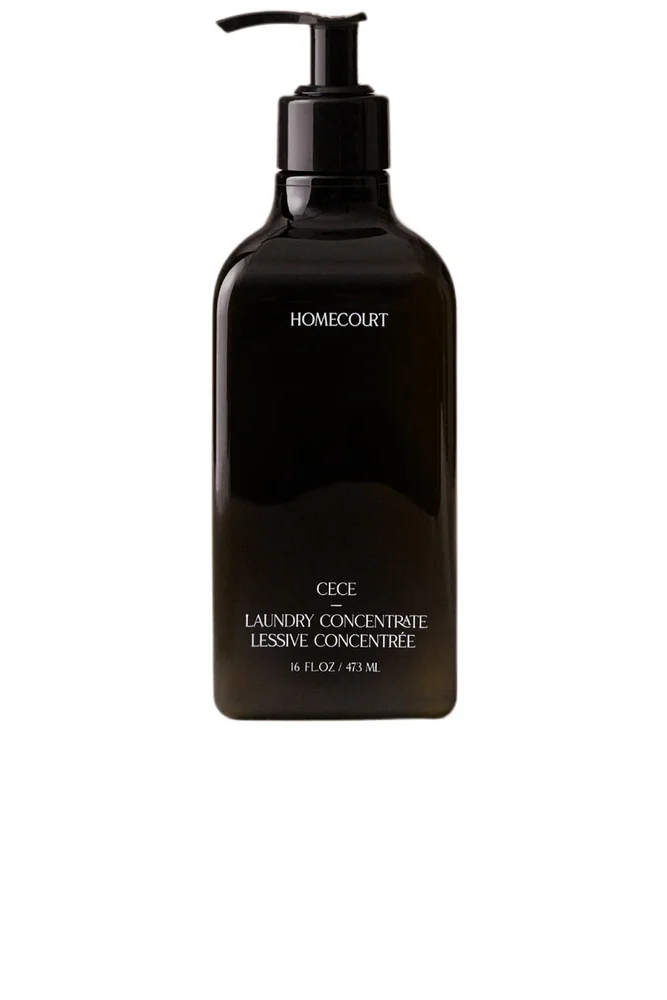
X Revolve Cece Laundry Concentrate
Homecourt
$48
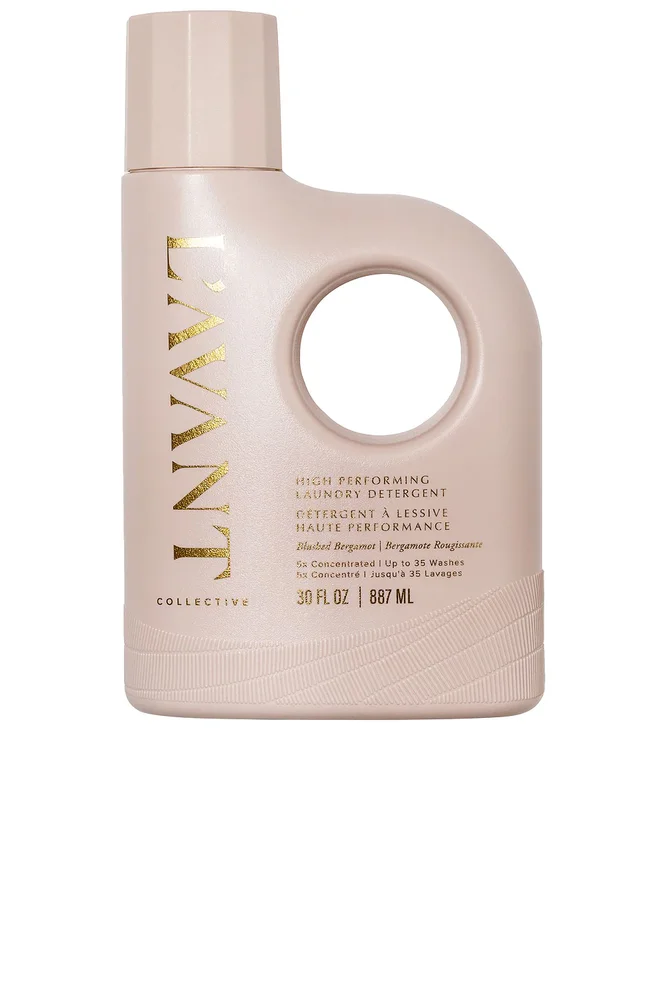
Laundry Detergent
L'AVANT Collective
$38
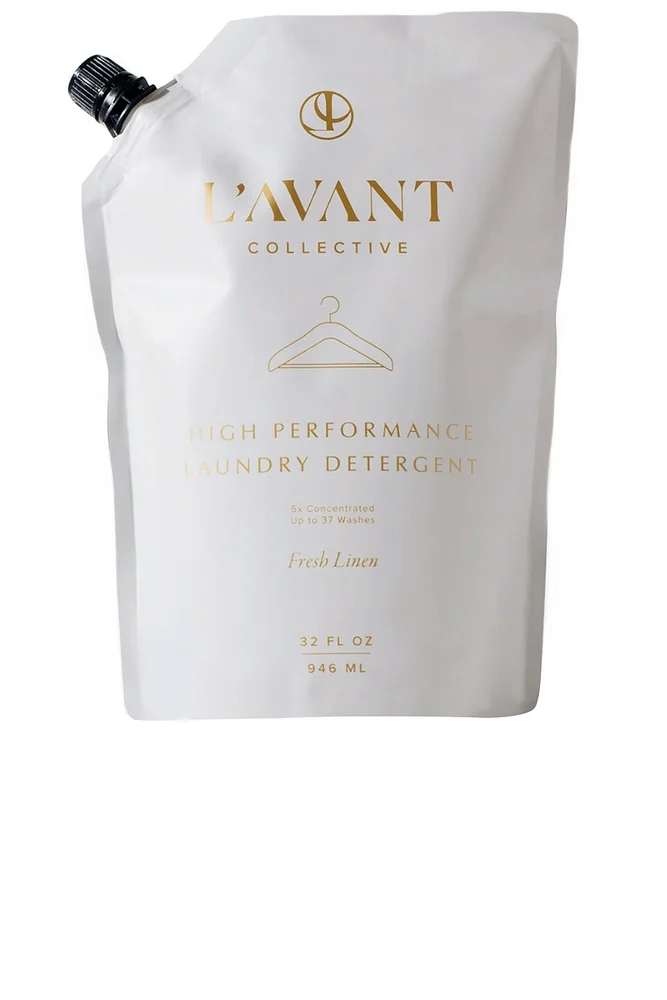
Fresh Linen 32oz Laundry Detergent Refill
L'AVANT Collective
$30
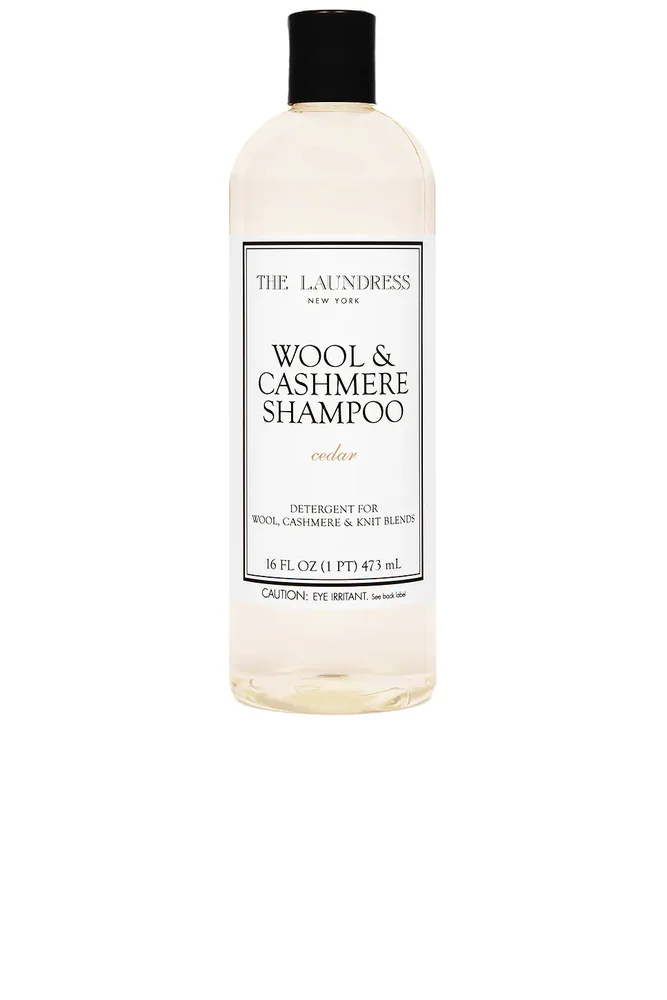
Cedar Wool & Cashmere Shampoo
The Laundress
$30
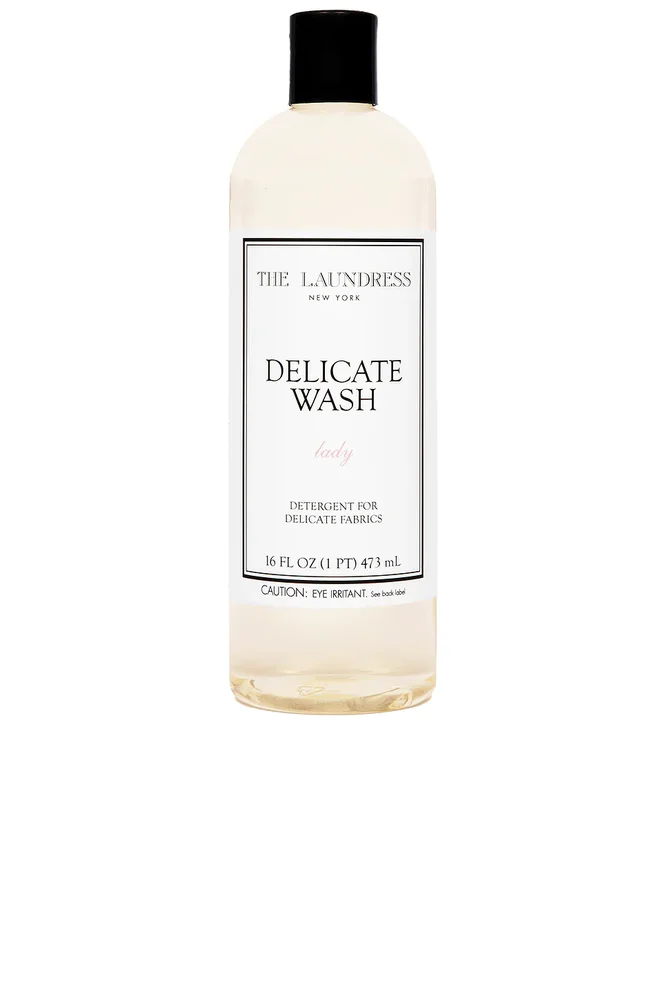
Lady Delicate Wash
The Laundress
$30
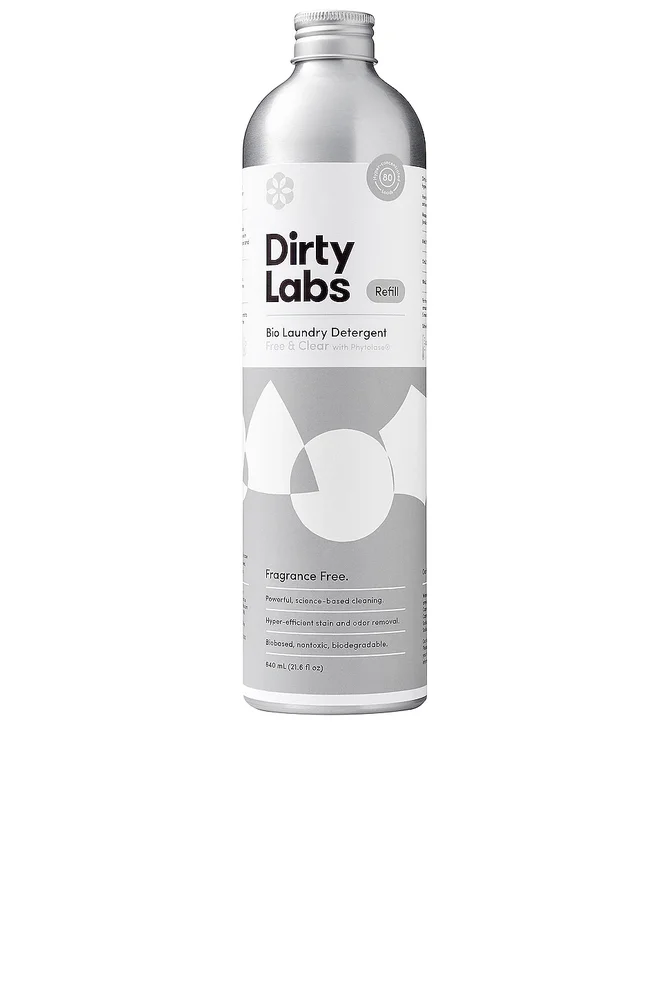
Free & Clear Bio Laundry Detergent Refill
Dirty Labs
$28
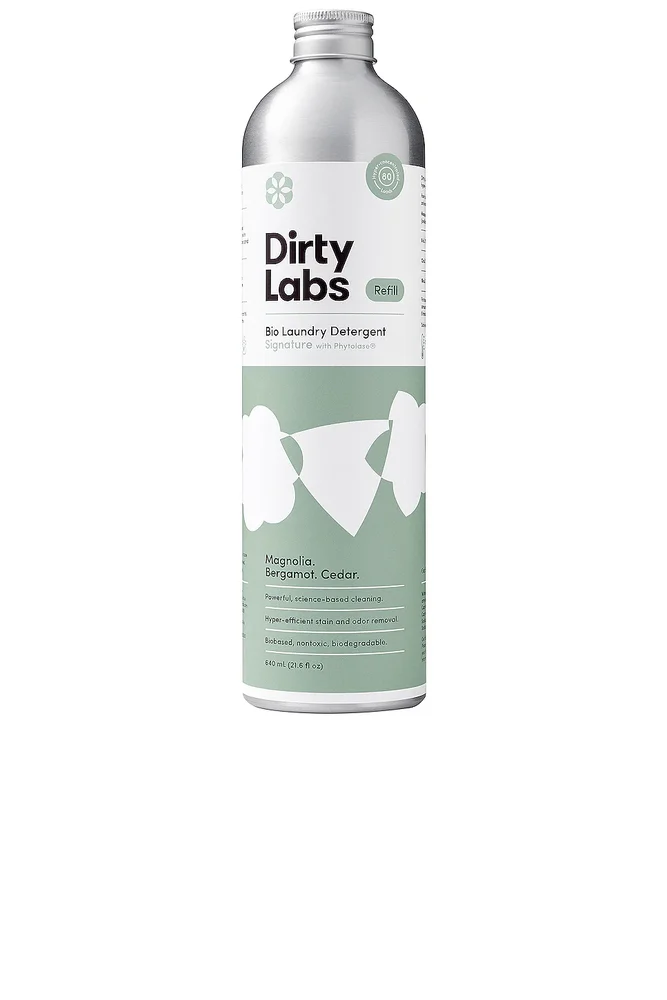
Signature Bio Laundry Detergent Refill
Dirty Labs
$28
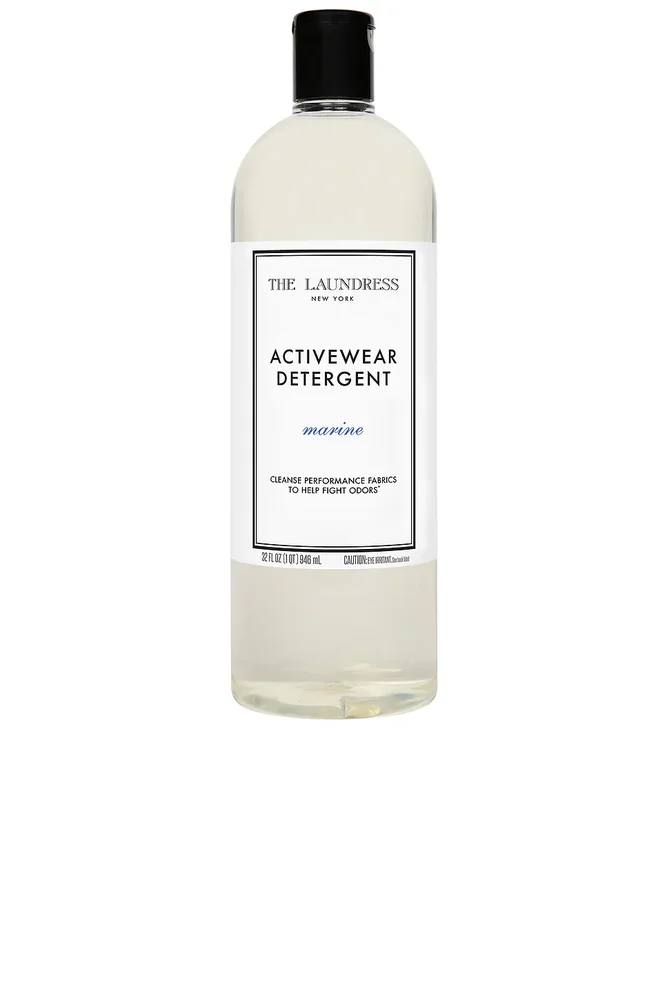
Activewear Detergent
The Laundress
$28
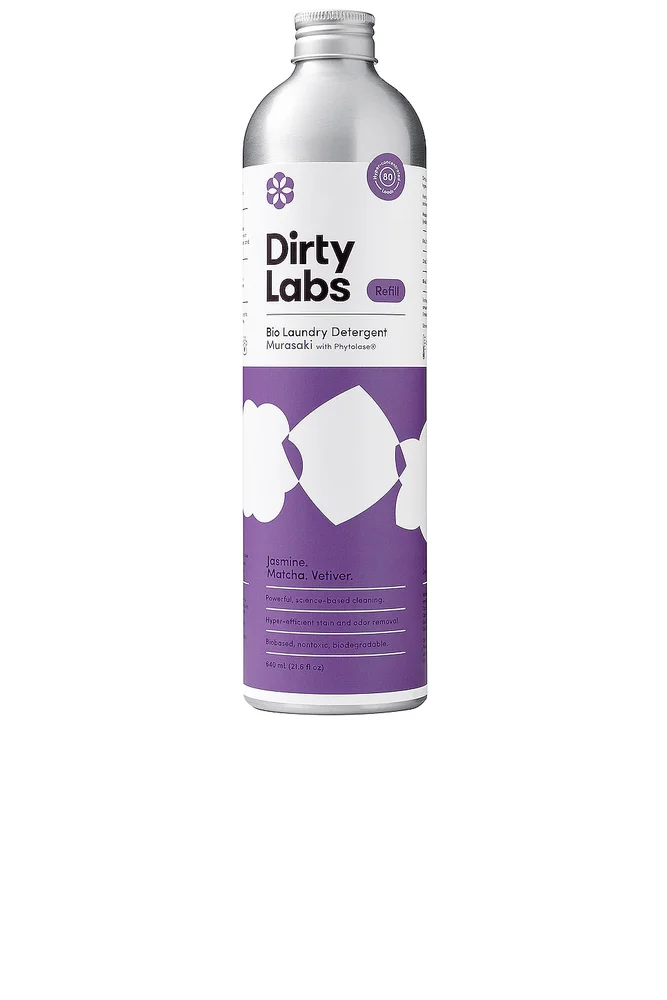
Murasaki Bio Laundry Detergent Refill
Dirty Labs
$28
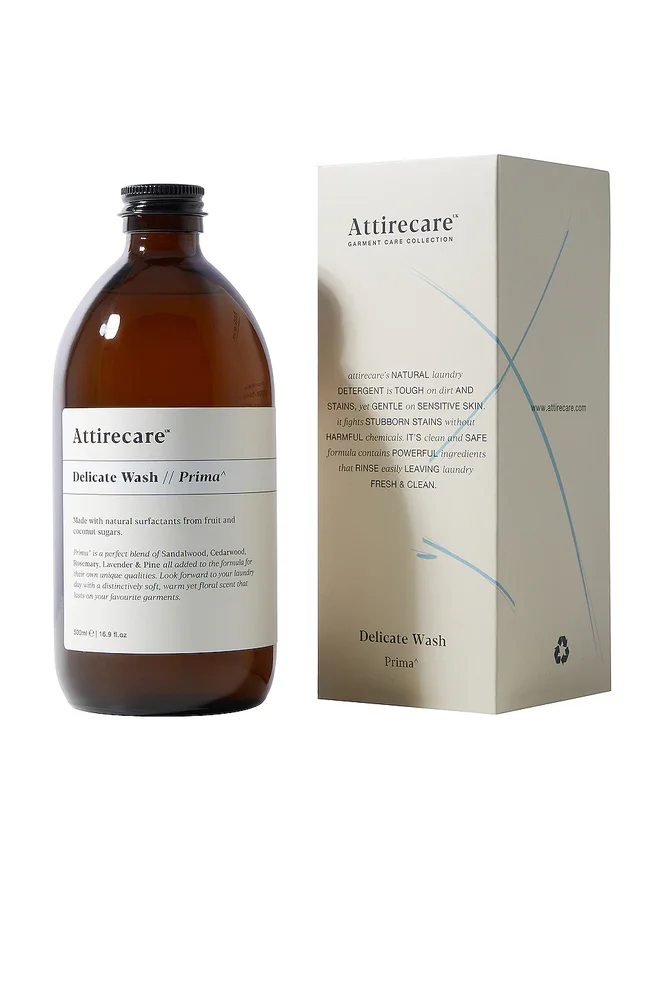
Prima Delicate Wash
Attirecare
$28
Shavers, steamers, dryer balls and sprays
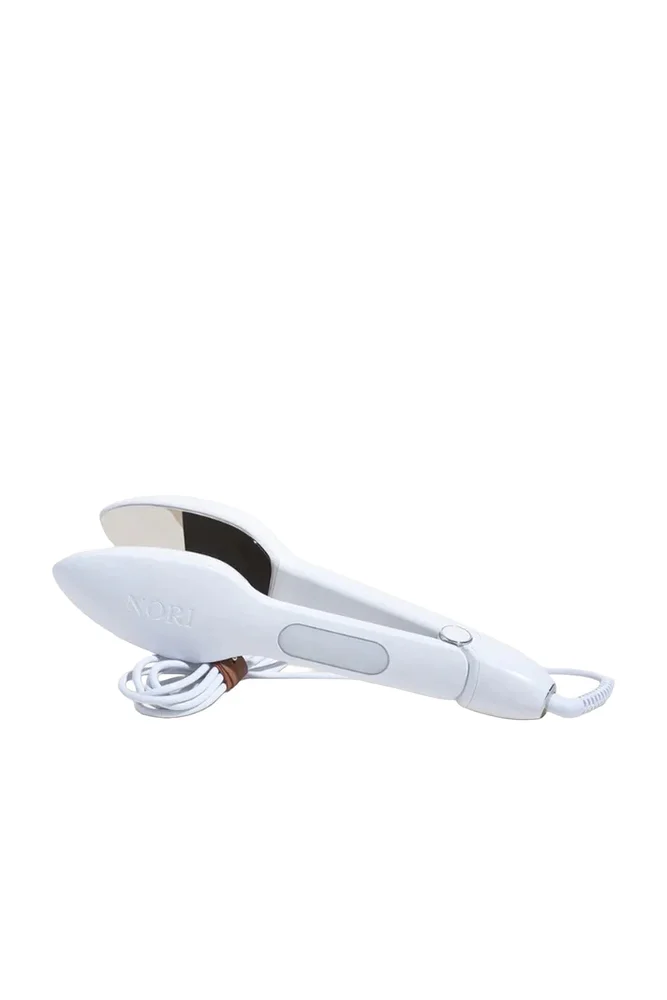
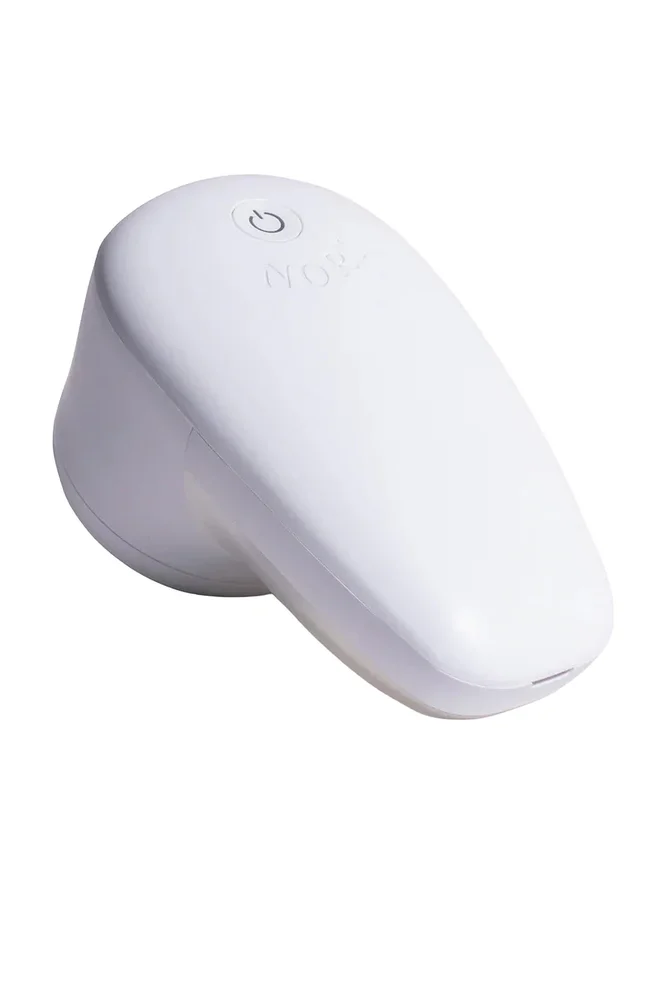
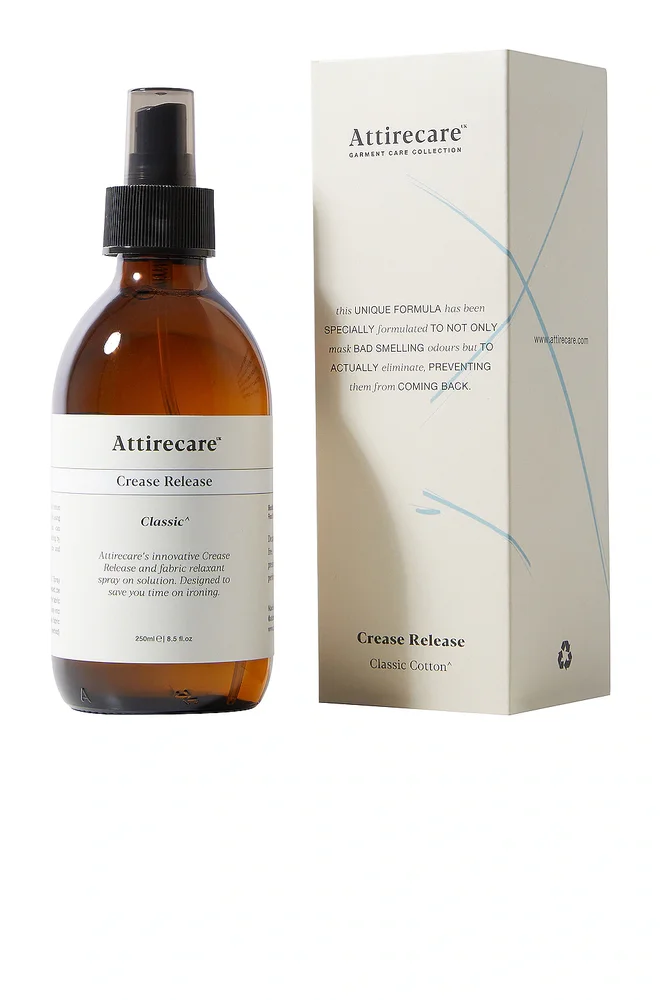
Once pills have formed, no detergent removes them. The Nori Trim Fabric Shaver takes them off in one pass and works faster than scissors or a razor ever did. Dryer balls cut the friction that causes new pills on the next cycle, which matters more than people expect. The Attirecare Crease Release means less pressing afterward, since heat and pressing are their own source of wear on a worn sweater. Steaming instead of ironing is the gentler finish, and it is the step most people skip.

Cashmere and merino knits
Longer staple fibres pill less because there are fewer loose ends to tangle, which is why good cashmere and merino behave better than a loose-spun blend. The Guest In Residence Cozy Crew Cashmere Sweater is a good example, dense enough that it resists the kind of friction that starts pilling early. The LaPointe Merino Mock Neck Sweater makes the same case in merino instead of cashmere, using the same fibre logic in a different material. Both still need the shaver eventually, just later and less often than a loosely spun knit. These are the sweaters worth the maintenance routine rather than the ones you replace every winter.
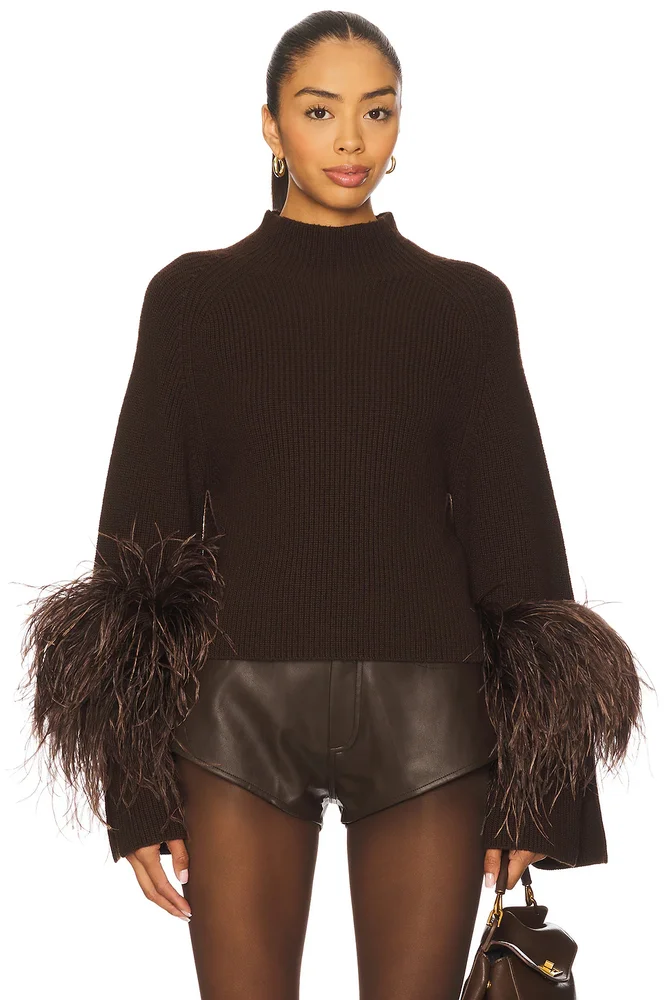
Merino Mock Neck Sweater
LaPointe
$1,250
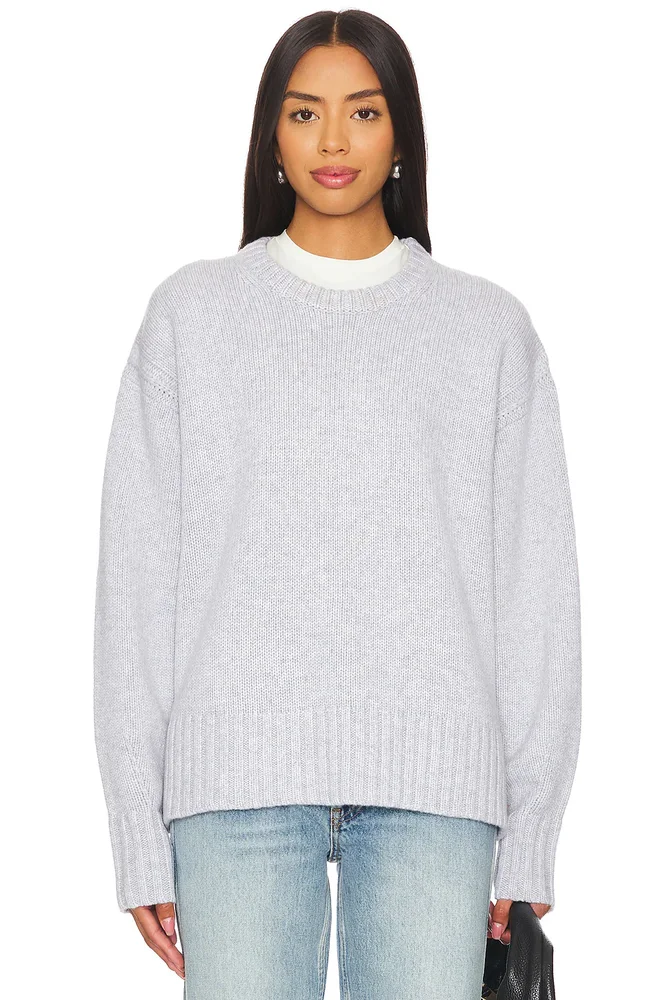
Cozy Crew Cashmere Sweater
Guest In Residence
$695
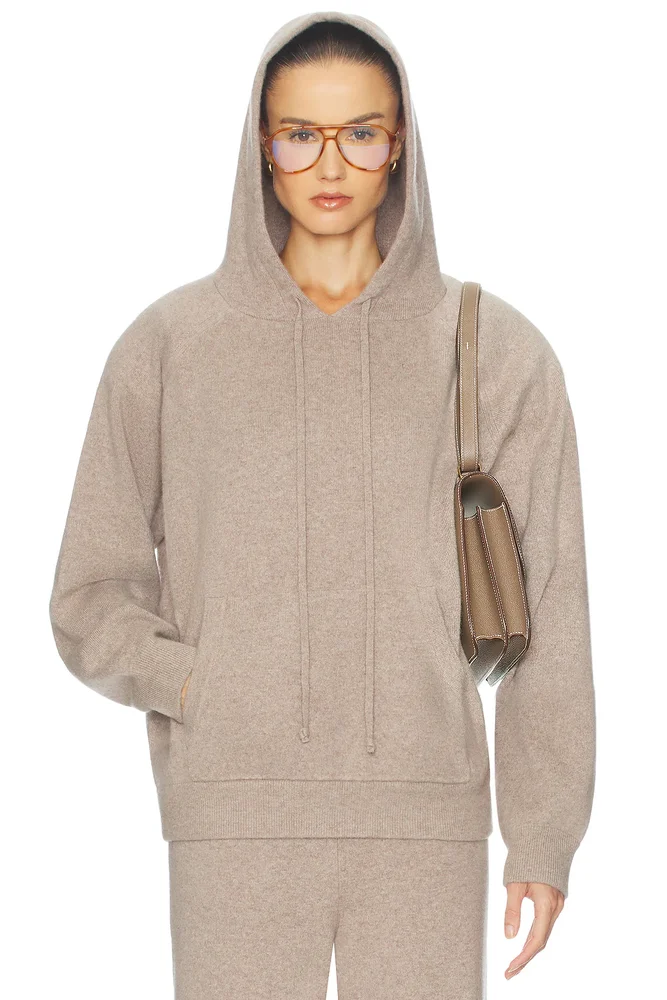
Saylor Cashmere Knit Hoodie
Helsa
$679

Cashmere Varsity Cardigan
White & Warren
$665

Sukki Cashmere Oversized Turtleneck
SRG
$650
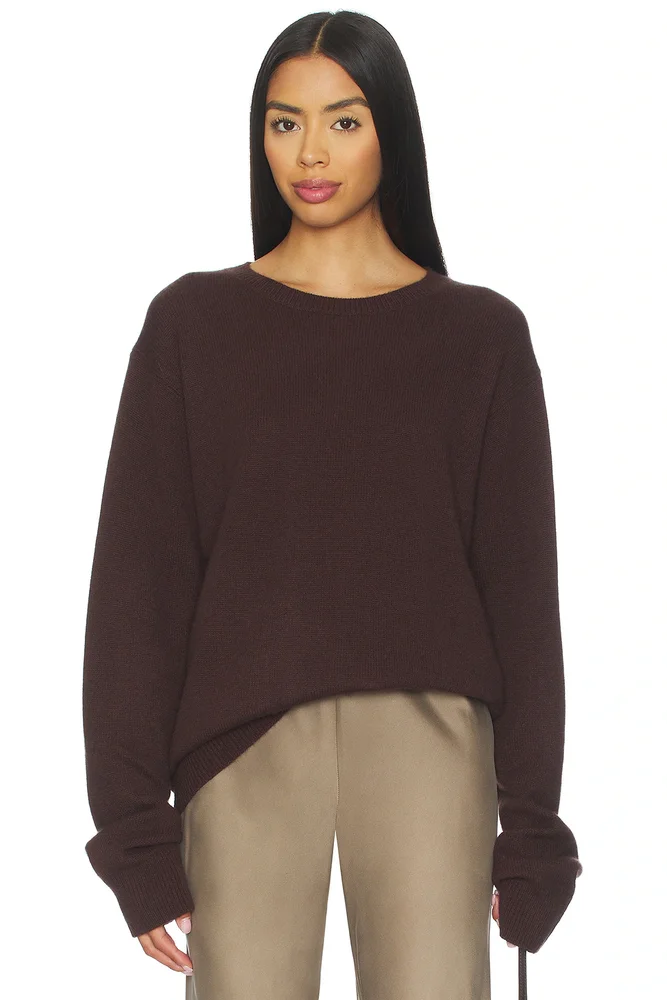
James Cashmere Sweater
Eterne
$625

The Cashmere Sunbeam Sweater
FRAME
$598
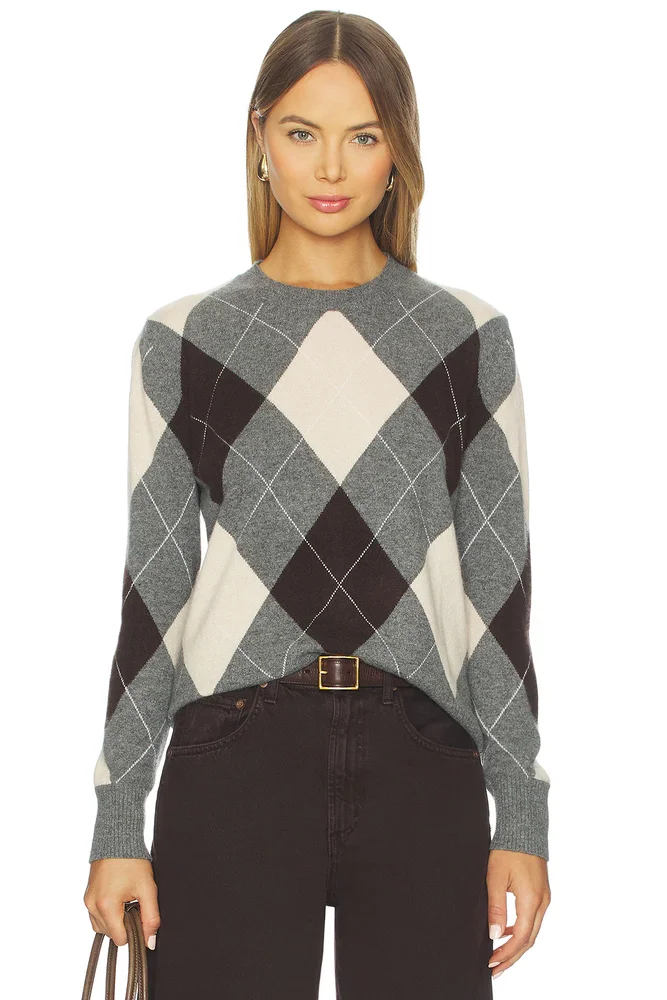
Knit Cashmere Sweater
Enza Costa
$595
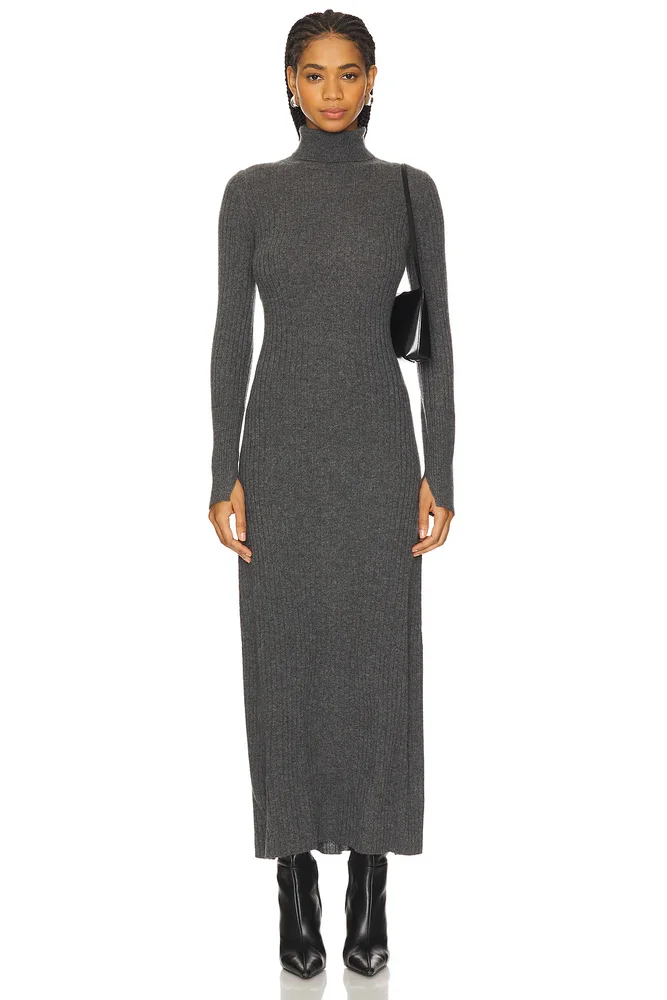
Wide Rib Cashmere Turtleneck Dress
Guest In Residence
$595
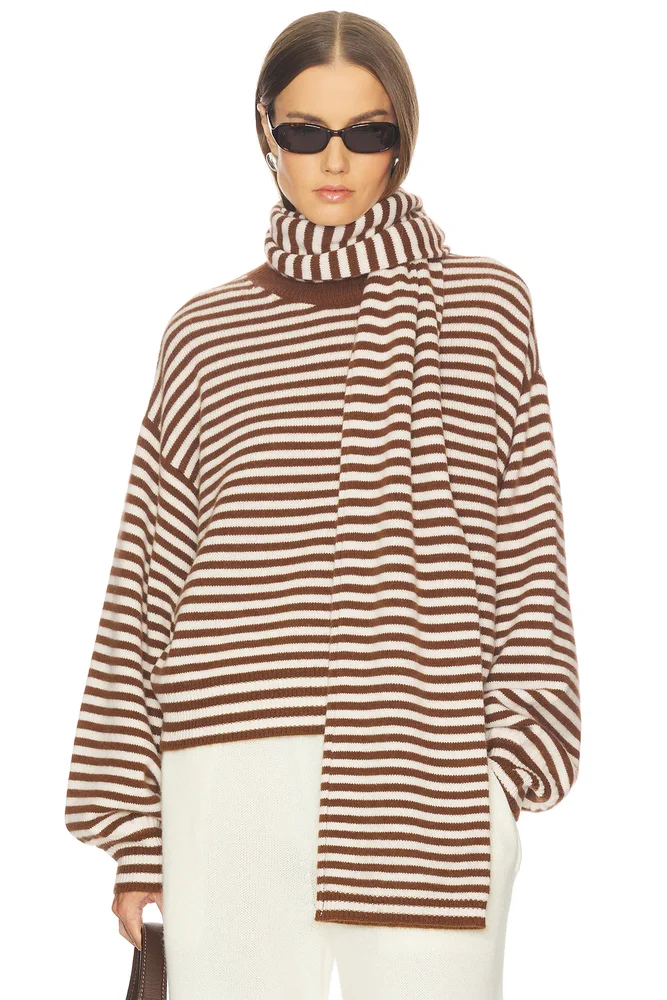
Waldo Striped Cashmere Sweater & Scarf
SRG
$550
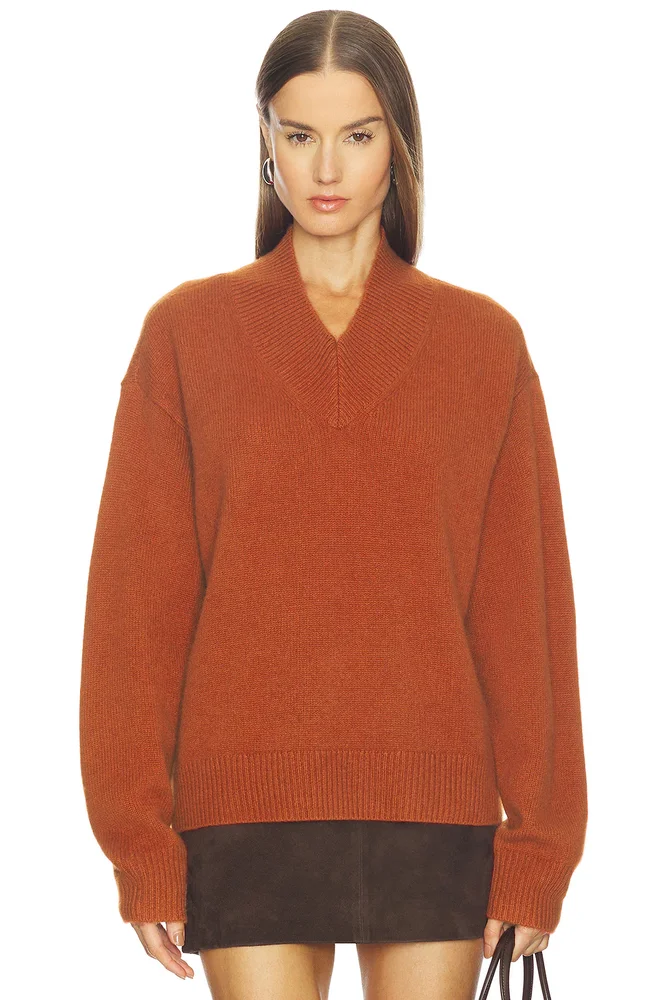
Doris Cashmere V-neck Sweater
SRG
$550

Fayy Cashmere Turtleneck Sweater
SRG
$550
How I Would Wear It
Buy the fabric shaver first, because it fixes what you already own tonight rather than waiting for a future purchase to solve a present problem. Then change the detergent and the wash temperature, because that is what actually stops the pilling from coming back next month. A wool-specific wash and a gentler cycle do more for a sweater's lifespan than any fabric alone can. Dryer balls and a crease spray are the steps people skip, and they are also the easiest habits to add. Cashmere and merino still pill eventually, just slower, so treat maintenance as ongoing rather than a one-time fix. Fix what you own before you buy anything new, since most pilling is a laundry problem rather than a fabric quality problem.