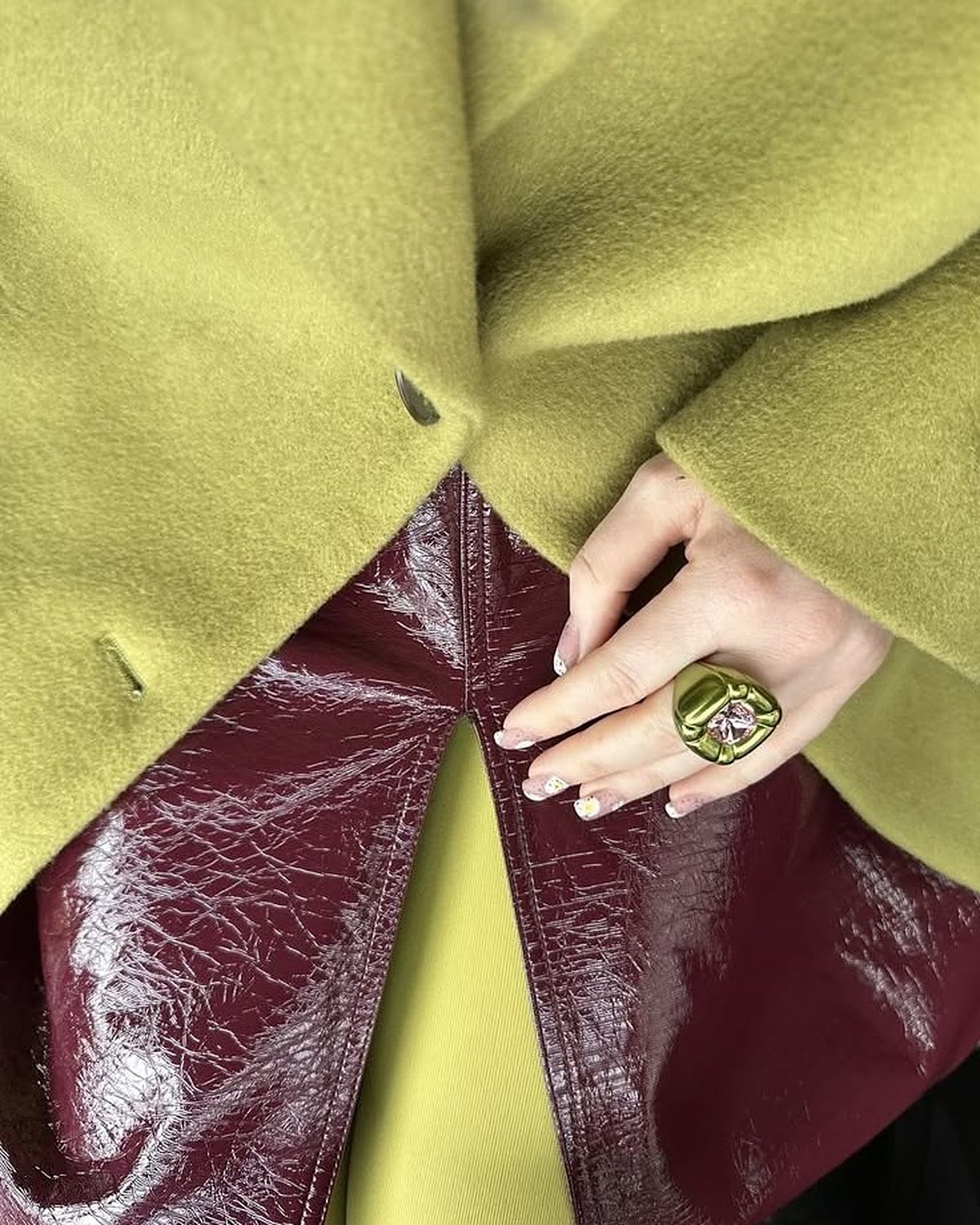
Rachel Comey, a University of Vermont sculpture major who moved to New York in the late 1990s, launched her label with a menswear show staged on a Tribeca street in September 2001, days before hand-painting shirts for David Bowie got her noticed and got her fired from her day job at Theory. She expanded into womenswear in 2004, and the brand has kept its downtown-arts-scene, hand-crafted, slightly off-kilter identity while staying fully independent for over two decades.
Rachel Comey
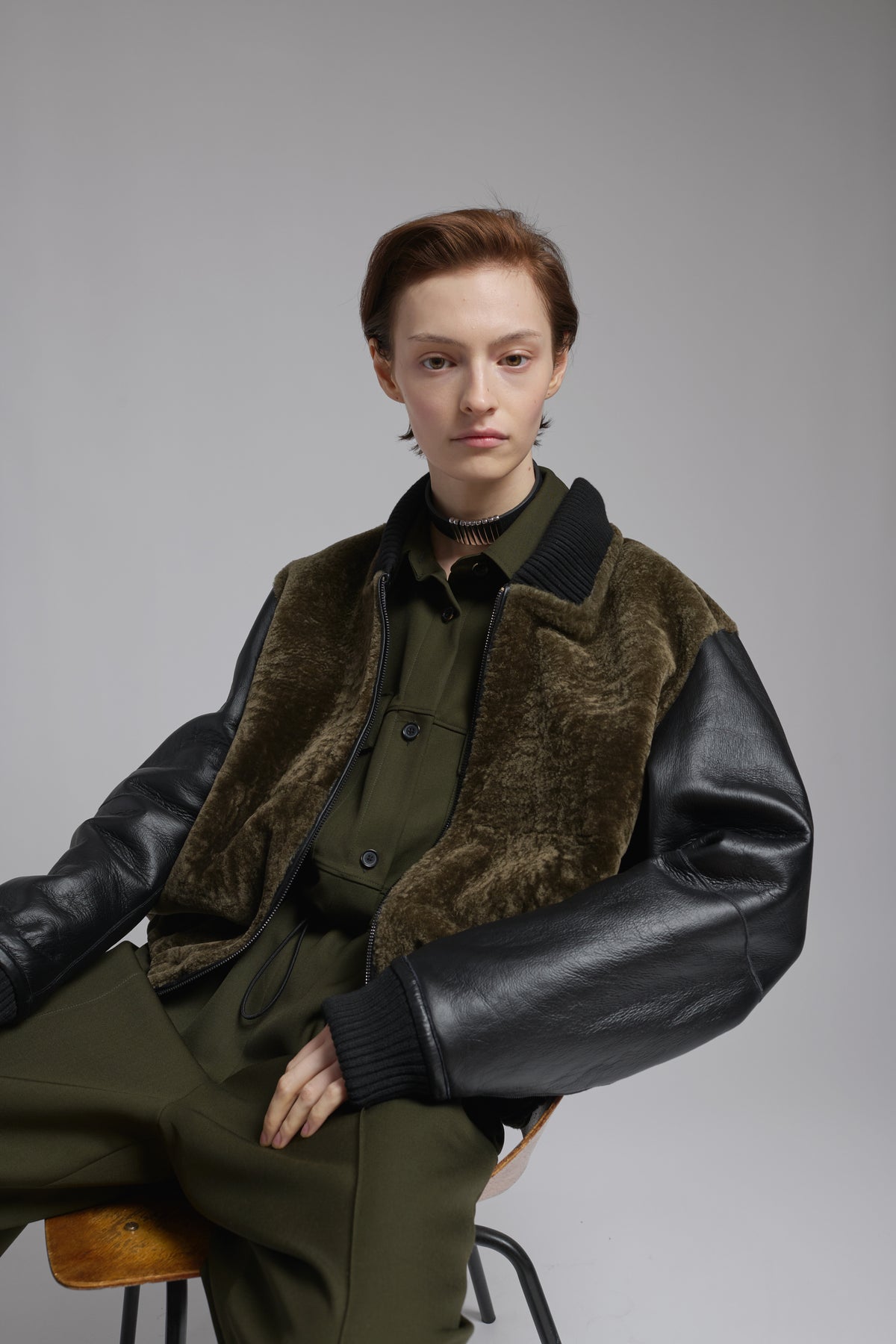
Tops and shirting
Comey's very first collection was menswear shirting, grown out of costumes she'd made for the band Gogol Bordello and the two hand-painted shirts she once hand-painted for David Bowie. The shirting here descends from that same instinct: considered, slightly artful pieces rather than anything built to blend in.

Opal Top
Rachel Comey
$445

Emma Top
Rachel Comey
$365

Filly Top
Rachel Comey
$575

Gaites T-Shirt
Rachel Comey
$495

Dillane Linen-Cotton Top
Rachel Comey
$475

Yana Embellished Top
Rachel Comey
$995

Cloak Silk Top
Rachel Comey
$645

Layley Cotton-Blend Top
Rachel Comey
$495

Layley Cotton-Blend Top
Rachel Comey
$495

Scalar Sweatshirt
Rachel Comey
$375

Cannelle Cotton Top
Rachel Comey
$395

Geo Top
Rachel Comey
$455
Trousers and shorts
The label's early identity formed around downtown New York's art and music scene rather than a traditional design house, and the trousers keep that loose, worked-in quality without giving up structure entirely. These read as pieces meant to move, not just photograph well standing still.

Tally Pants
Rachel Comey
$895

Bruntin Pants
Rachel Comey
$495

Salong Pants
Rachel Comey
$595

Hurst Pants
Rachel Comey
$795

Corber Pants
Rachel Comey
$795

Nim Pants
Rachel Comey
$650

Walford Pleated Linen-Cotton Pants
Rachel Comey
$645

Tally Pants
Rachel Comey
$695

Hurst Pants
Rachel Comey
$825

Lintic Pants
Rachel Comey
$460

Alba Pants
Rachel Comey
$595

Axis Pants
Rachel Comey
$745
Skirts
Comey has described her aesthetic as growing out of an interest in materials and construction from her sculpture training, and the skirts in this edit carry some of that same attention to how a piece is built, not just how it falls. It's a smaller category for the brand but consistent with the rest of the collection's hand-finished feel.


Knitwear
Knitwear is produced outside New York, largely in South America, where Comey has said she maintains close relationships with factory workers, a detail that fits the brand's broader emphasis on craftsmanship over mass production. The pieces here lean into texture and hand-worked detail rather than anything slick.


More from the collection
Rachel Comey marked roughly twenty-five years in business around 2026, still independently owned and still run by its founding designer, an unusual run in a category where independent labels rarely last that long. This closing stretch of the edit reflects that continuity, new pieces built on the same arts-and-crafts sensibility the label started with in 2001.

Mead Tee
Rachel Comey
$495

Kira Top
Rachel Comey
$365

Inez Top
Rachel Comey
$495

Lita Skort
Rachel Comey
$465

Dero Pants
Rachel Comey
$645

Arada Pants
Rachel Comey
$625

Cosa Skirt
Rachel Comey
$595

Site Jacket
Rachel Comey
$975

Mattie Blazer
Rachel Comey
$1,095

Garnet Cropped Jacket
Rachel Comey
$655

Chelsea Midi Dress
Rachel Comey
$2,995

Elmore Dress
Rachel Comey
$845
Our honest take
What makes Rachel Comey worth paying attention to is less any single garment and more the fact that the label never got smoothed out by outside investment or a bigger parent company. The clothes still look like they come from someone with a sculptor's eye rather than a trend forecast, and that is rarer than it should be at this point in the brand's history.