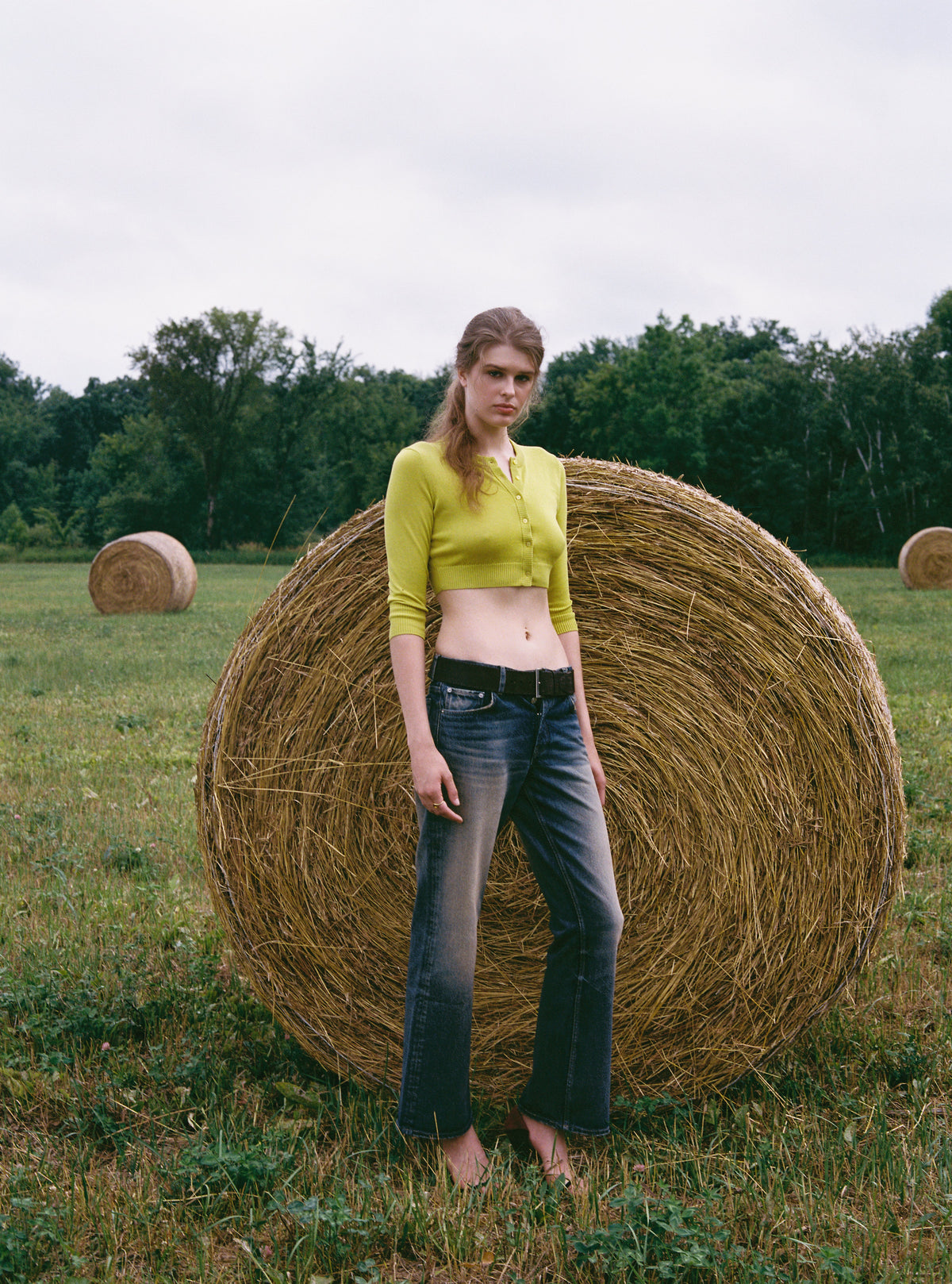
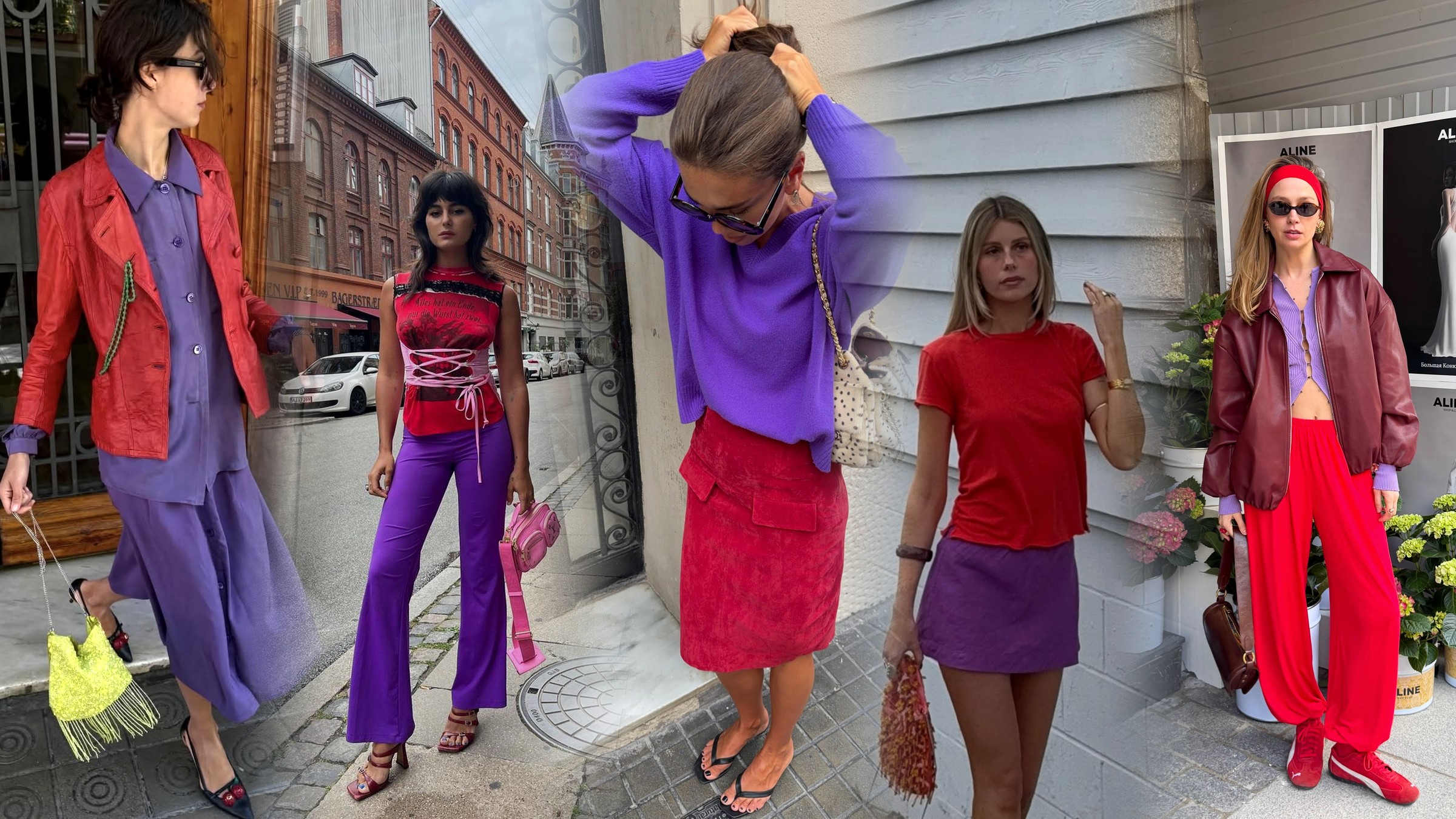
Resort collections reach stores in November for trips taken in January. Eight resort dresses, eight cover-ups and the straw accessories that go with them.
Resort Season, Explained
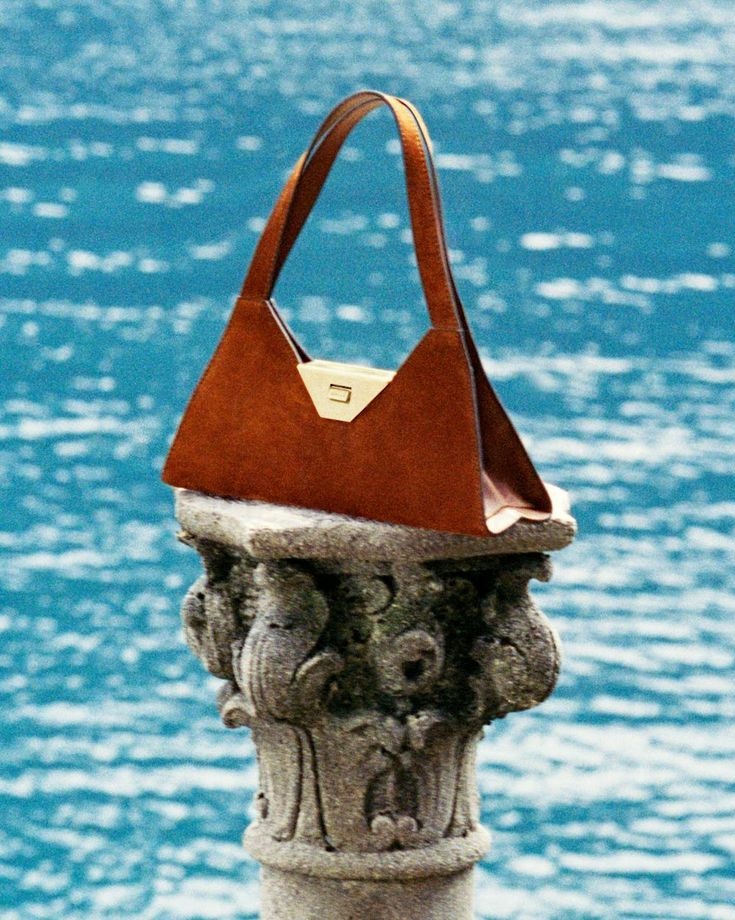
Resort is a delivery window before it is a mood. Designers show the collection in late spring, the orders are written over the summer, and the clothes reach stores in November, when most of the northern hemisphere has just turned the heating on. That gap is the entire commercial logic. Resort exists to sell to people who travel in winter, and to give a store something new to put on the floor between the autumn markdowns and the spring arrivals.
It also behaves differently on the rail. Resort pieces are built to be packed: lighter weights, fewer linings, colour that holds up under strong sun rather than under shop lighting. A resort maxi is usually cut long and loose because it has to work at a lunch table and on a hotel terrace without a change of shoes in between.
The eight dresses below run $295 to $475, which is roughly where the category settles once you leave fast fashion and stop short of the runway. Ay Que Calor and Baobab come at it from swim. Alice + Olivia, L'Agence, STAUD, PH5, Third Form and Vince approach it from ready-to-wear.
The Resort Dress

Exclusive Lucia Mesh Maxi Dress
Ay Que Calor
$295

Delora Strapless Maxi Dress
ALICE + OLIVIA
$395

Celele One-Shoulder Maxi Dress
Baobab
$300

Lua Tiered Maxi Dress
L'AGENCE
$475

Amaris Chiffon Maxi Dress
STAUD
$375

Becky Maxi Tank Dress
PH5
$395

Withheld Gathered Crepe Maxi Dress
Third Form
$400

Tie-Front Cotton Maxi Dress
Vince
$468
The cover-up has quietly become a designed object rather than an afterthought. Ten years ago it was a towelling wrap sold beside the sunbeds. Now Toteme puts a monogram on a linen sarong, Johanna Ortiz prints a cotton pareo the way a scarf is printed, and rag & bone sells one at $248 without apology.
Two things changed. Swimwear brands started selling complete looks rather than single pieces, so the cover-up became part of the sale rather than a giveaway. And resort buyers worked out that a sarong travels better than a second dress, because it folds flat, it dries fast, and it reads as clothing the moment you tie it at the hip.
The range here runs $85 to $330. At the lower end, Meridian and Soleil Soleil make plain chiffon wraps that do one job well. At the top, the Johanna Ortiz cotton pareo and the Toteme linen sarong are closer to textiles you would keep for years. JUILLET and Éterne sit in the middle. The Johnny Was tunic is the outlier, a cover-up you could wear to breakfast without changing.
The Cover-Up

Exclusive Meridian Sarong
Meridian Swimwear
$85

Sally Sarong
rag & bone
$248

Exclusive La Isla Petite Pareo
Soleil Soleil
$115

Voyager Embroidered Striped Cotton Tunic
Johnny Was
$255

Paige Pareo
JUILLET SWIMWEAR
$148

Horizon Cotton Pareo
Johanna Ortiz
$330

Esme Cotton Maxi Sarong
Éterne
$165

Monogram Linen Sarong
Toteme
$290
Accessories are where resort makes its margin. A dress is a size decision and a return risk. A straw hat is neither, which is why the category grows every year and why almost every label now runs one.
Straw is the material doing the work. Raffia, paper straw and crochet all pack down, all survive damp, and all photograph as holiday without any styling at all. Eugenia Kim and rag & bone treat it as millinery. Lack of Color builds the wide brim that actually shades a face rather than gesturing at it. On bags, BTB Los Angeles and Emm Kuo use raffia at tote scale, which is the only shape that holds a towel and a book at the same time.
Sunglasses are the exception to the pack-light logic, because they are the one item worth a hard case. The Ray-Ban aviator at $244 is the safe answer and has been for decades. Jacquemus cuts its Curvo in acetate, which sits better than thin metal in heat. Fendi is the loudest of the three. Everything in this grid falls between $160 and $315.
Straw Hats, Sunglasses And Raffia Totes

Jo Raffia Crochet Bucket Hat
Eugenia Kim
$195

Incasun Raffia Hat
Lack of Color
$160

Panama Straw Hat, White
rag & bone
$230

Classic Aviator Sunglasses
ray-ban
$244

Curvo Acetate Sunglasses
Jacquemus
$300

Fendi Soul 55MM Square Sunglasses
Fendi
$290

Hunter Mini Fringed Raffia Tote Bag
BTB Los Angeles
$218

Pinet Mini Raffia Tote Bag
Emm Kuo
$315
Our honest take
Resort is the one seasonal drop that rewards buying early, because the good pieces are gone by January and nothing replaces them until March. That is a real constraint rather than a sales line. It is also why the category is priced where it is. A $400 maxi worn eight days straight on one trip costs less per wear than a $150 dress worn twice at home.
The weak spot is the accessories. Straw hats and raffia totes are inexpensive to make and heavily marked up, and the difference between a $160 hat and a $300 one is often the brim wire and the label rather than the weave. Buy the dress and the cover-up properly, then spend less on the straw than the rail suggests you should.
If you take one thing away, buy the cover-up before you buy the third dress.