RIMOWA suits a suitcase-first splurge and lifetime case coverage; TUMI is stronger for organization, more materials, and lower-priced carry-ons.

Rimowa vs Tumi: Which Luxury Luggage Should You Buy?
The quick verdict
Choose RIMOWA if you want a suitcase-first splurge, anodized aluminum, and a lifetime case guarantee; choose TUMI if organization, more material choices, and a lower entry price matter more. That is my answer to TUMI vs RIMOWA, and it is not a close call for a traveler who buys one signature case and keeps it for years.
For a Rimowa vs Tumi search, the useful split is less about status than the object you need: RIMOWA has a strong suitcase point of view, while TUMI stretches from carry-ons into backpacks with laptop organization. RIMOWA's Cologne roots, aluminum grooves, and polycarbonate cases give its luggage a coherent design history; TUMI's story starts with travel and develops through its material choices. On the material side, RIMOWA's Original and Classic are aluminum, while TUMI offers polycarbonate, aluminum, and ballistic nylon. Price is a real factor: the RIMOWA cases here cost more than TUMI's carry-ons. I would pay more for the shell and service promise, not for the logo by itself.
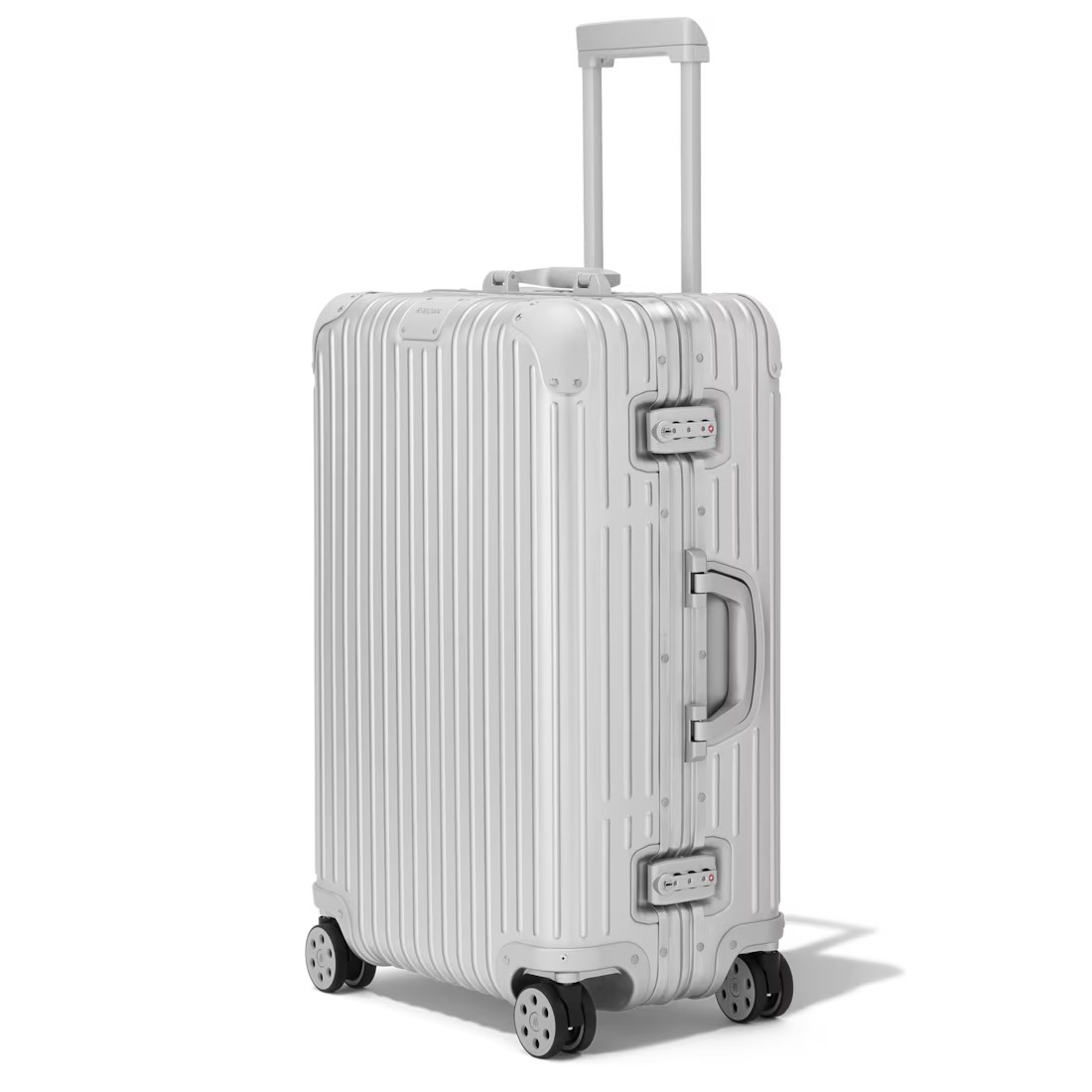
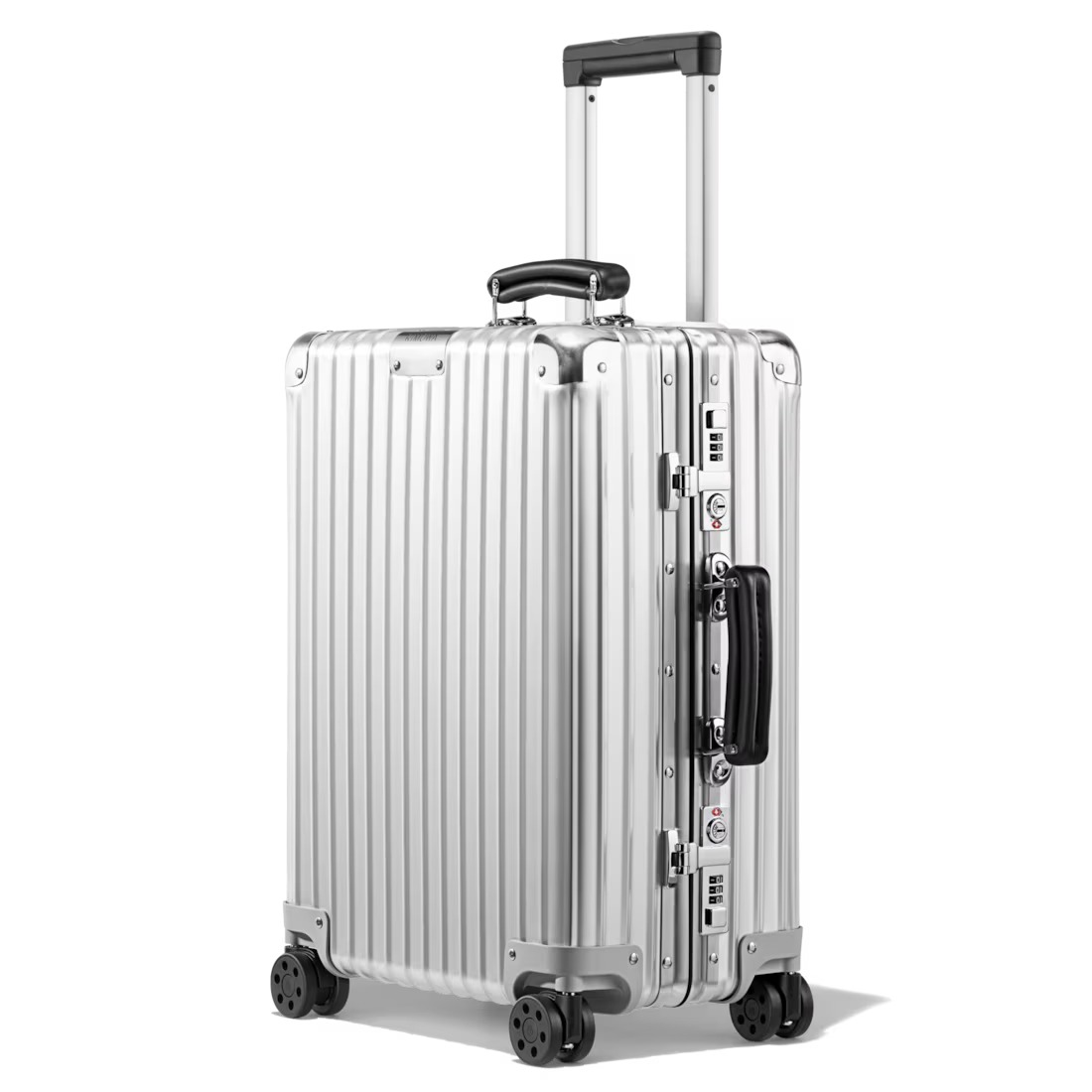
RIMOWA's Aluminum Argument
RIMOWA's story begins in Cologne in 1898, with Paul Morszeck's saddlery; his family moved into aluminum and added the familiar grooves to the case shell in 1950. Polycarbonate arrived in 2000, and the company joined LVMH in 2017. I like this as a useful lens for RIMOWA: the classic is not just a finish, it is a lineage of travel hardware.
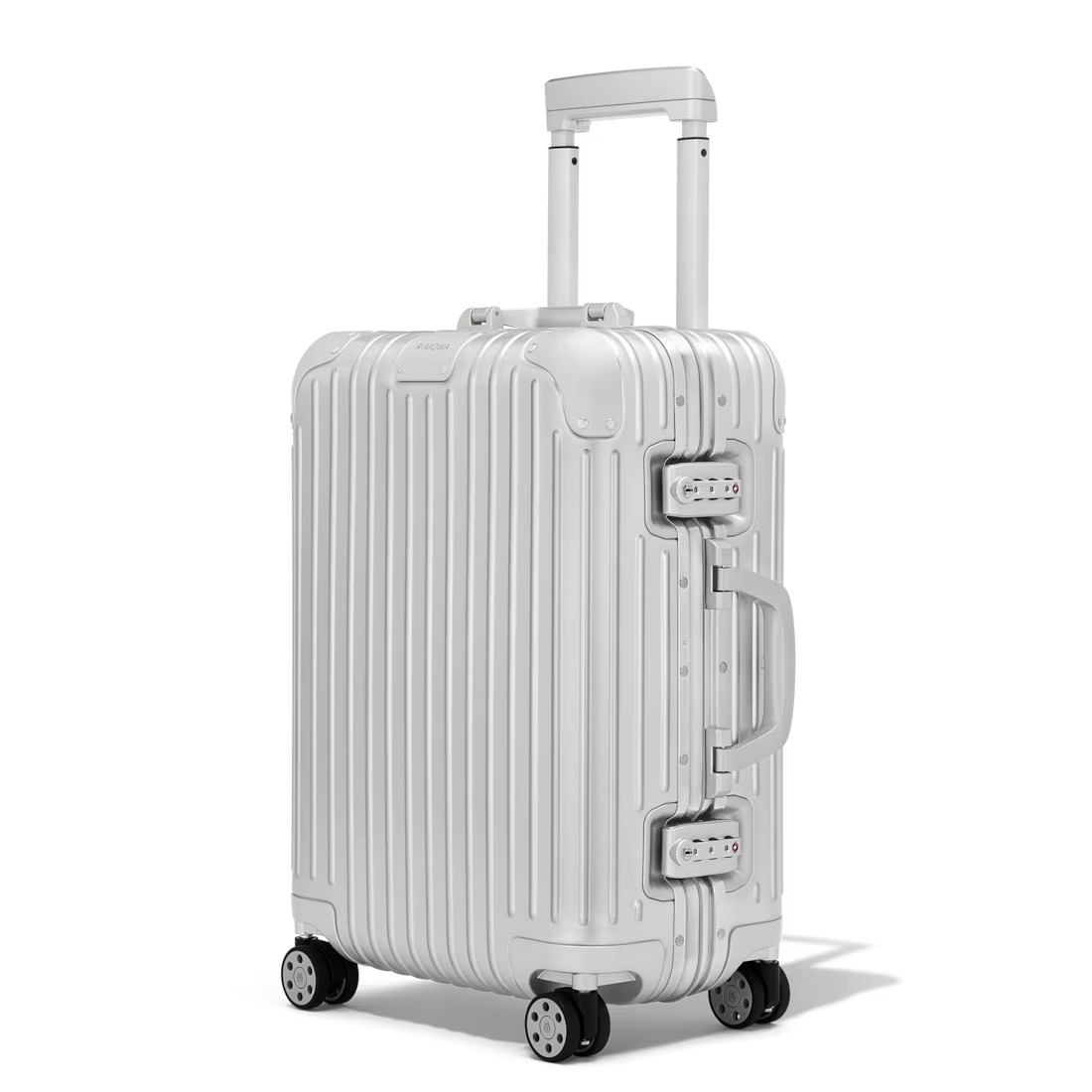
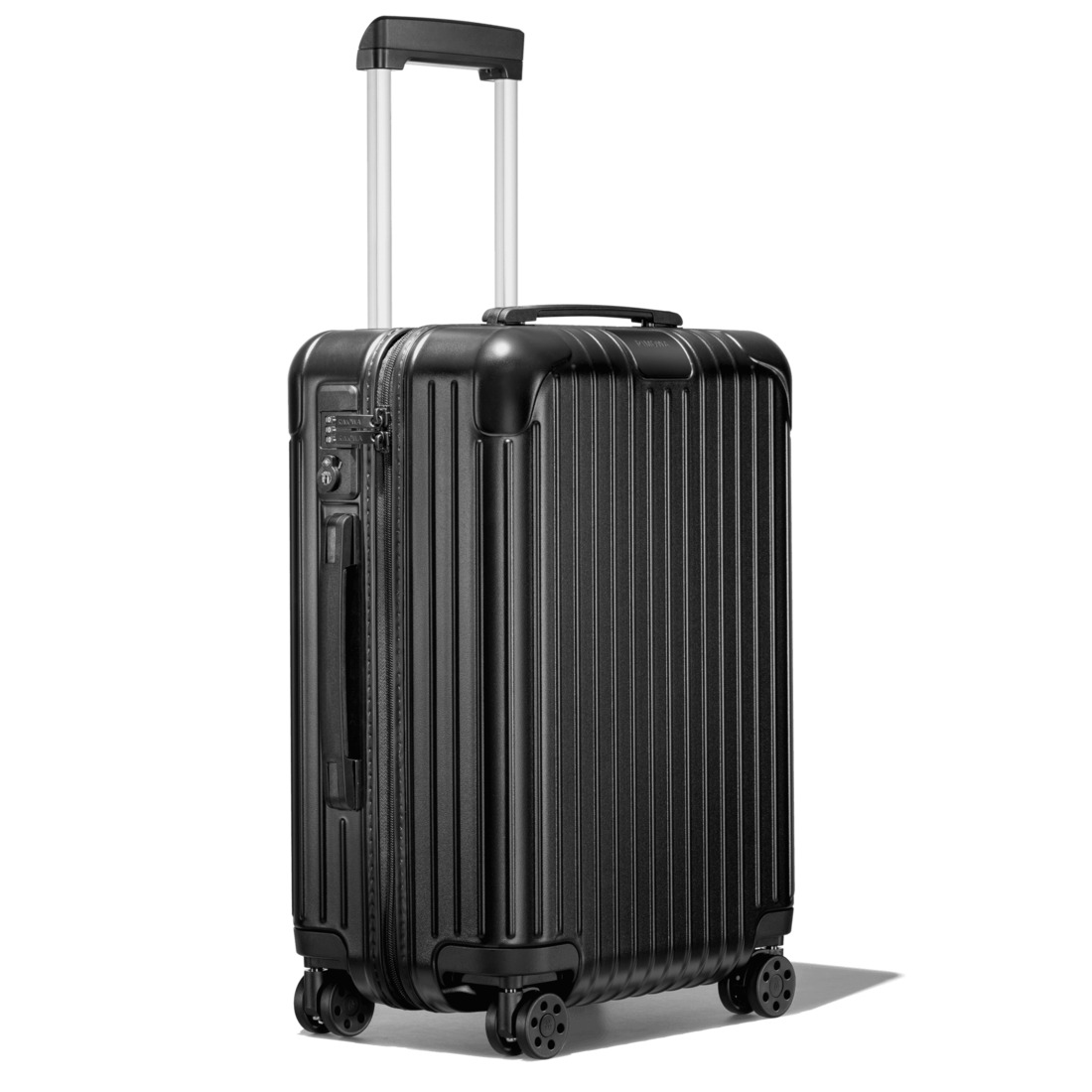
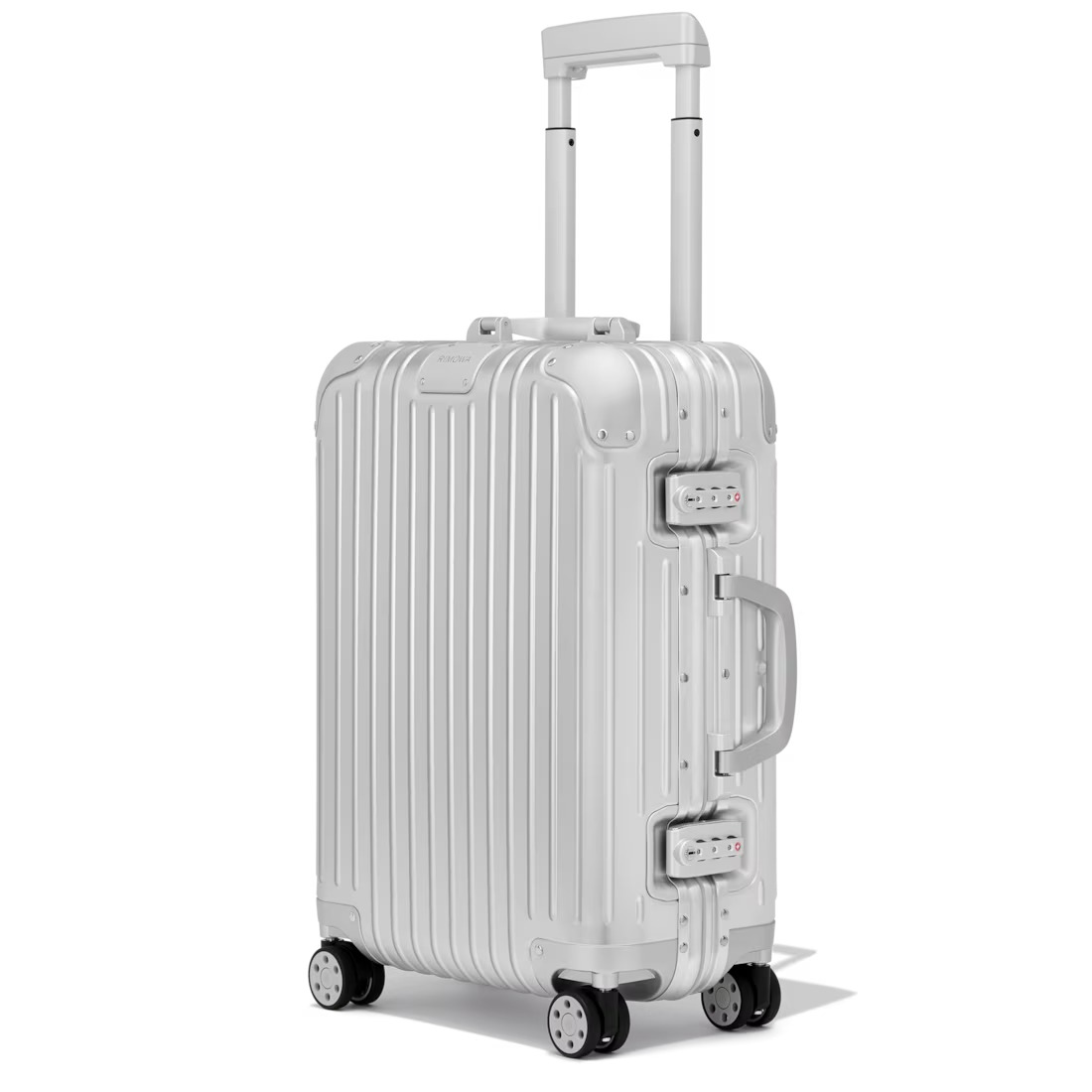
For a buyer asking Rimowa or Tumi on the case question, Original Cabin is my pick for a three to four day trip, with its silver aluminum shell and flex divider. Essential Cabin trades metal for matte-black polycarbonate and a lighter 7.1-pound build. Original Check-In M is the weeklong choice with 60 liters of space, while Classic Cabin keeps the aluminum shell and adds leather handles. New RIMOWA suitcases bought after July 25, 2022 carry a lifetime guarantee for functional damage; that is a serious reason to hold onto the case, not to overpack. My favorite is still the Original Cabin, unless you actually need the checked size.
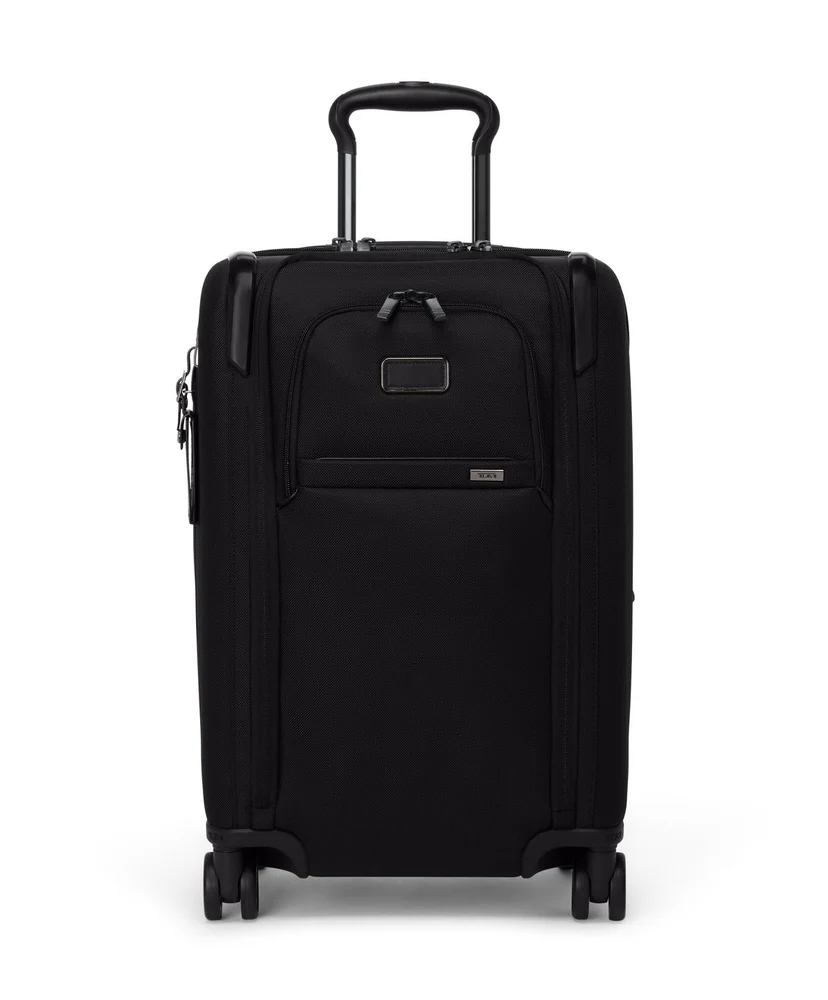
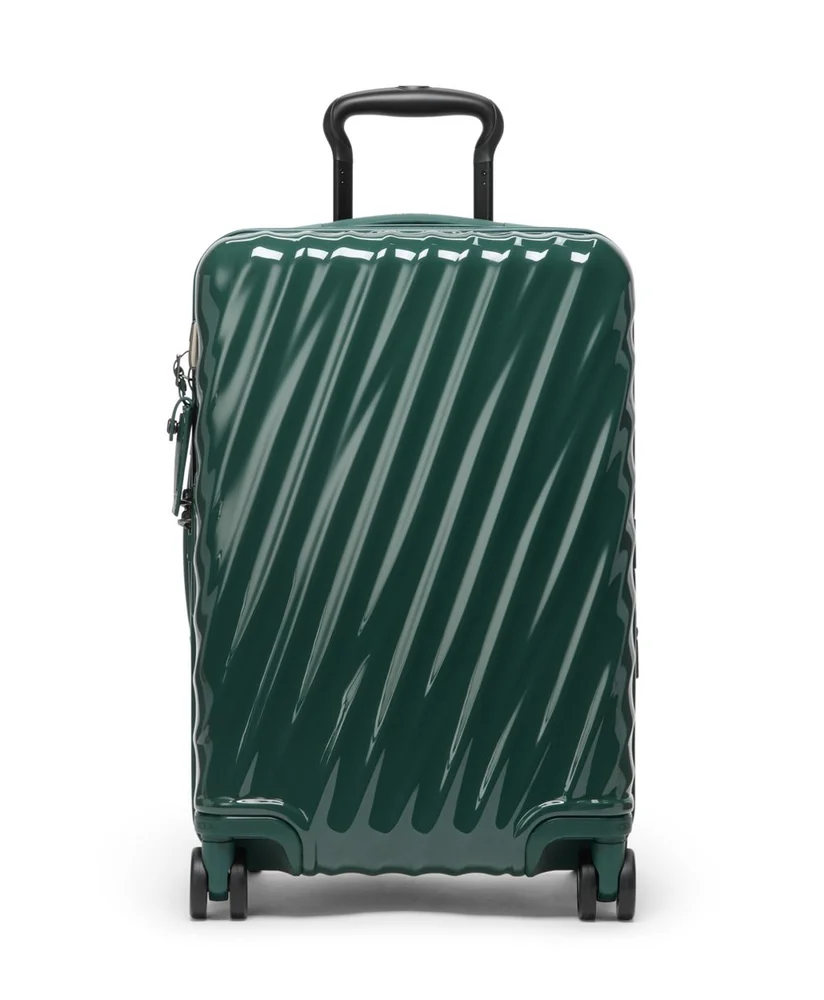
TUMI's Practical Edge
TUMI started in 1975, after founder Charlie Clifford's Peace Corps time in Peru; the name references a Peruvian icon. In 1983, it introduced ballistic nylon to the consumer market, and its later materials work gave 19 Degree a useful split between polycarbonate and aluminum. The aluminum case first appeared in 2016, and the polycarbonate line uses over 90 percent recycled materials. TUMI is now part of Samsonite's portfolio; the official annual report lists TUMI as a primary tradename and Tumi Inc. as a wholly owned subsidiary. Its travel and bag products carry a five-year limited warranty, but transit-damage coverage is confined to year one.
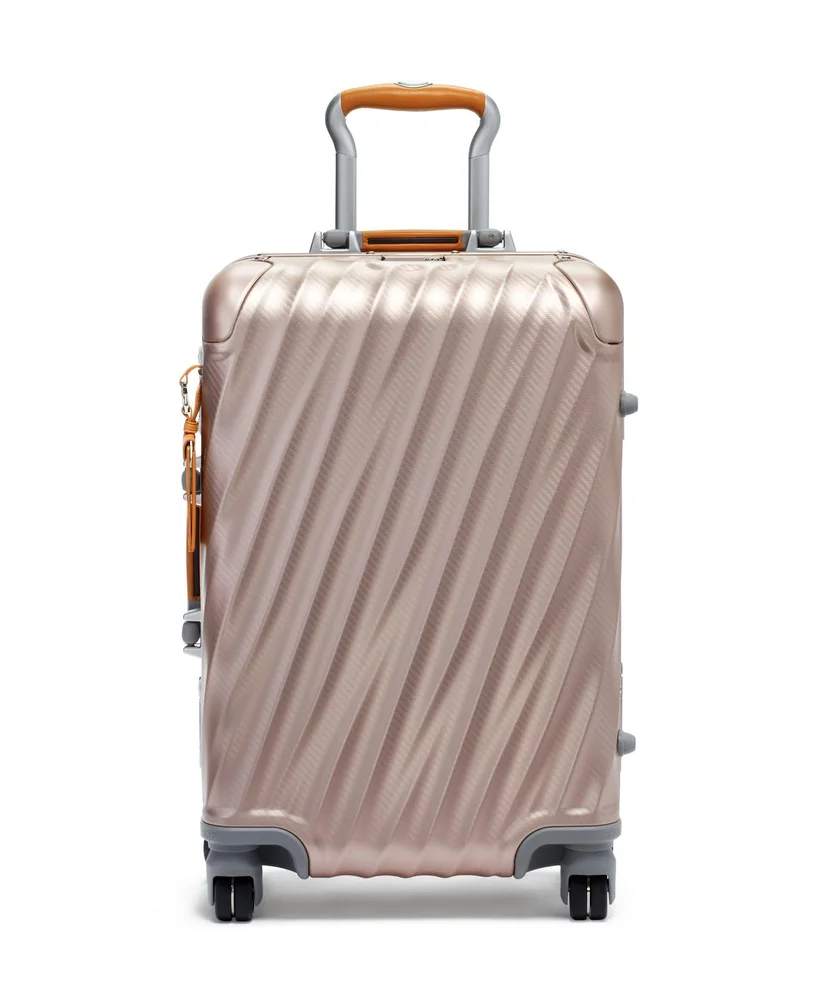
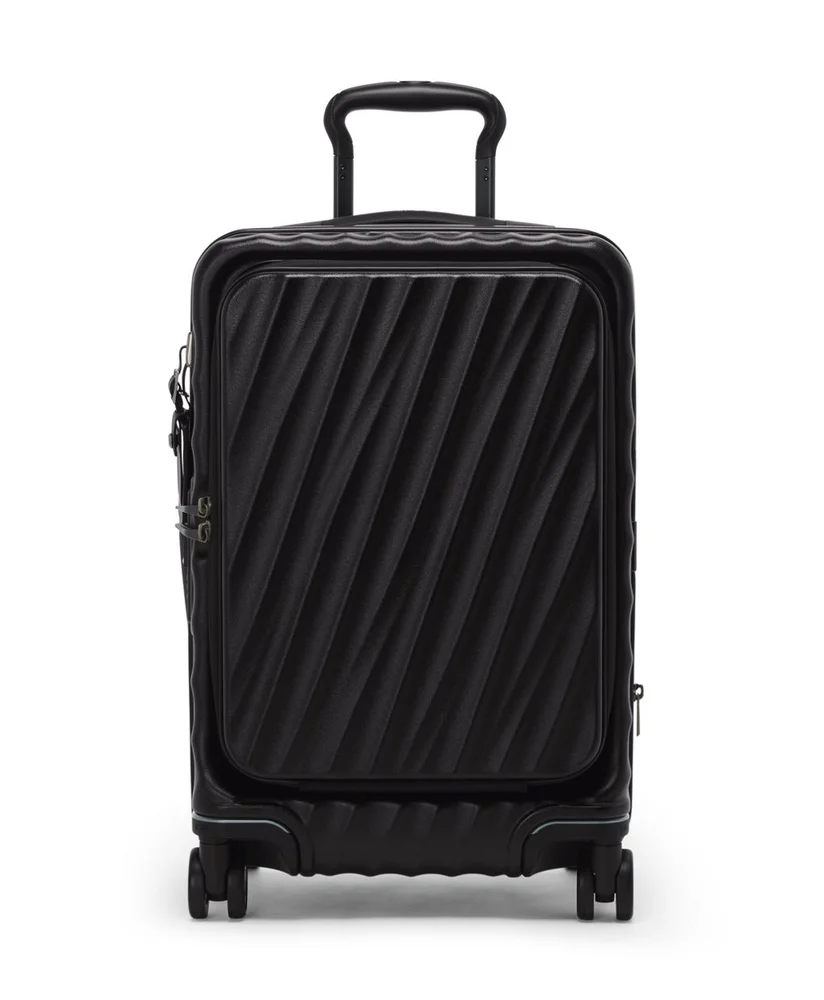
That history makes the TUMI collection feel more like a working travel system than a single status object, which is why I would pick it for someone who travels with a laptop and likes compartments. Alpha Dual Access Expandable Carry-On is my no-nonsense choice for flexible access; 19 Degree Expandable Carry-On in Deep Pine offers a polycarbonate shell and color; 19 Degree Aluminum Carry-On in Texture Blush makes the material the design; and 19 Degree Front Access Carry-On in Black Textured is the pick for an exterior access compartment. For me, Alpha is the most sensible one to use every week.
Cabin Cases and Workday Backpacks
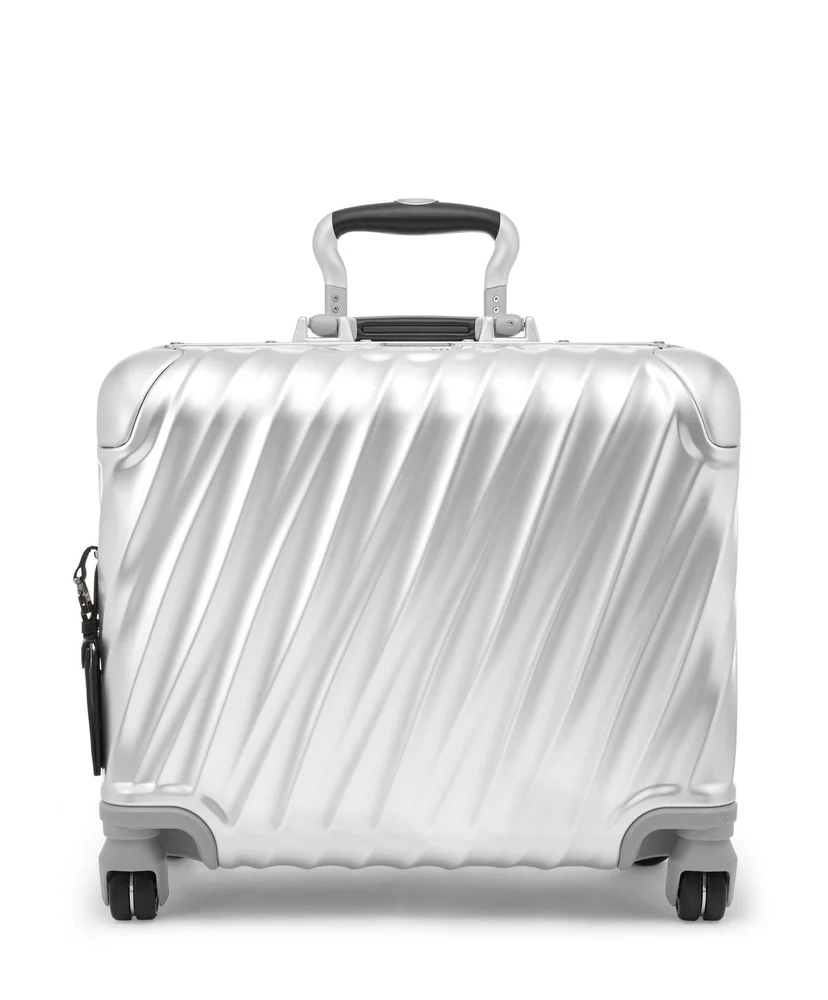
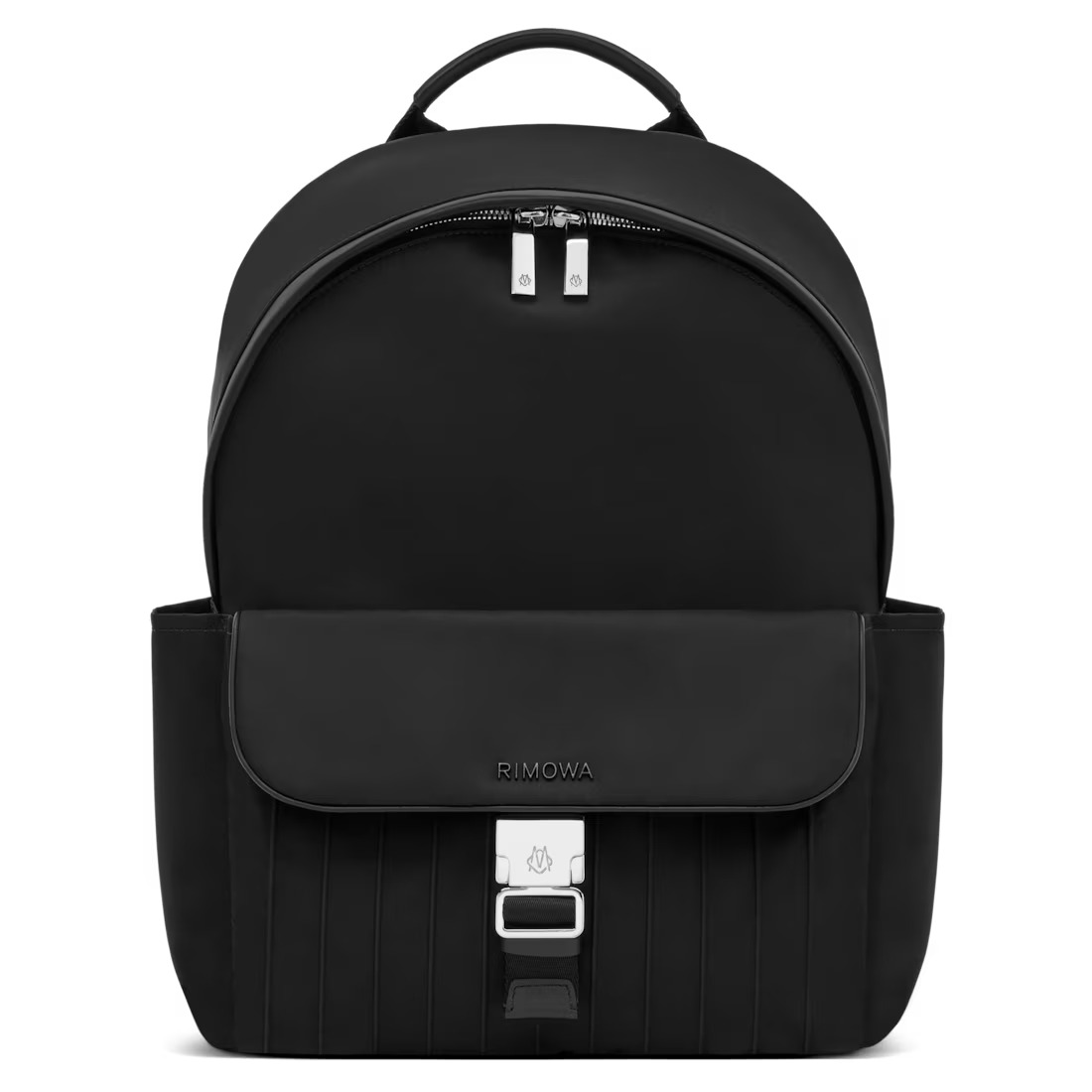
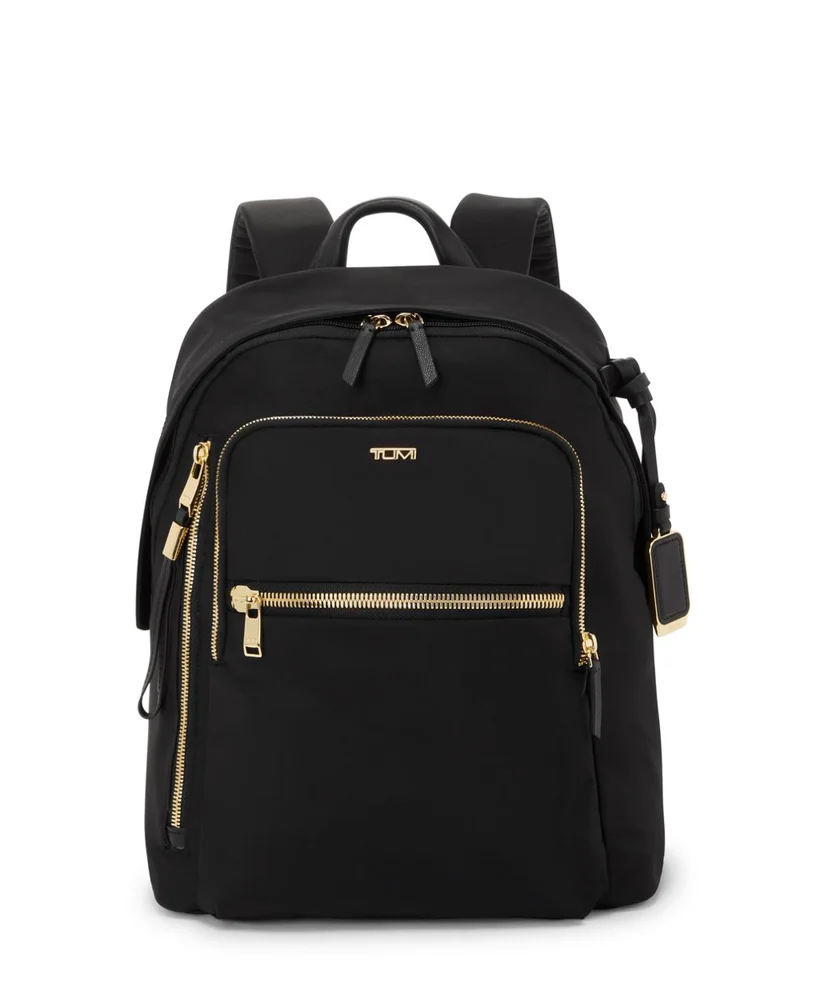
On short trips, Original Cabin S is the compact RIMOWA pick, silver aluminum with 31 liters and enough room for two to three days. TUMI's 19 Degree Aluminum Compact Carry-On is a neat counter to it: the same hard-shell idea in a more streamlined carry-on. In backpacks, Never Still Nylon Zipped Backpack Medium uses ECONYL nylon, a sleeve for a suitcase handle, and a padded pocket for a 15-inch laptop; Voyageur Halsey is a softer nylon option with a padded 14-inch laptop compartment, quick-access phone pocket, and its own add-a-bag strap.
I would buy Cabin S for the case, and Halsey for a daily work bag. The RIMOWA lifetime guarantee applies to suitcases, not every item in its collection, so I would not treat the backpack as part of the same bargain. Buy RIMOWA if the suitcase is the centerpiece and the aluminum shell is worth the premium. Buy TUMI if you want a more organized everyday kit, a wider range of materials, and a lower spend.