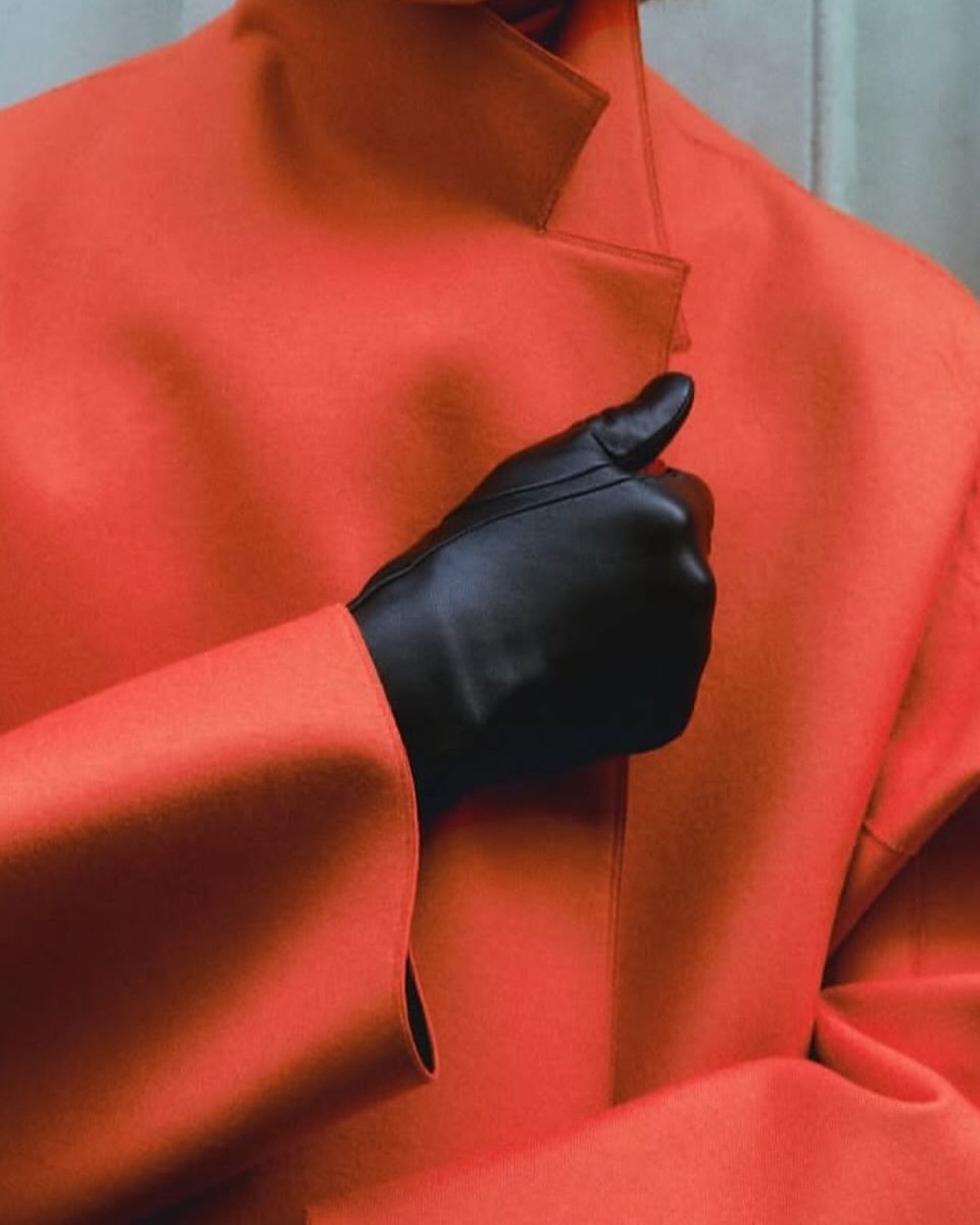
This silk neck scarf edit pairs printed squares and softer silk blends with fall and winter layers. It helps you choose a knot, scale, and texture to finish wool coats, turtlenecks, and cold-weather tailoring.
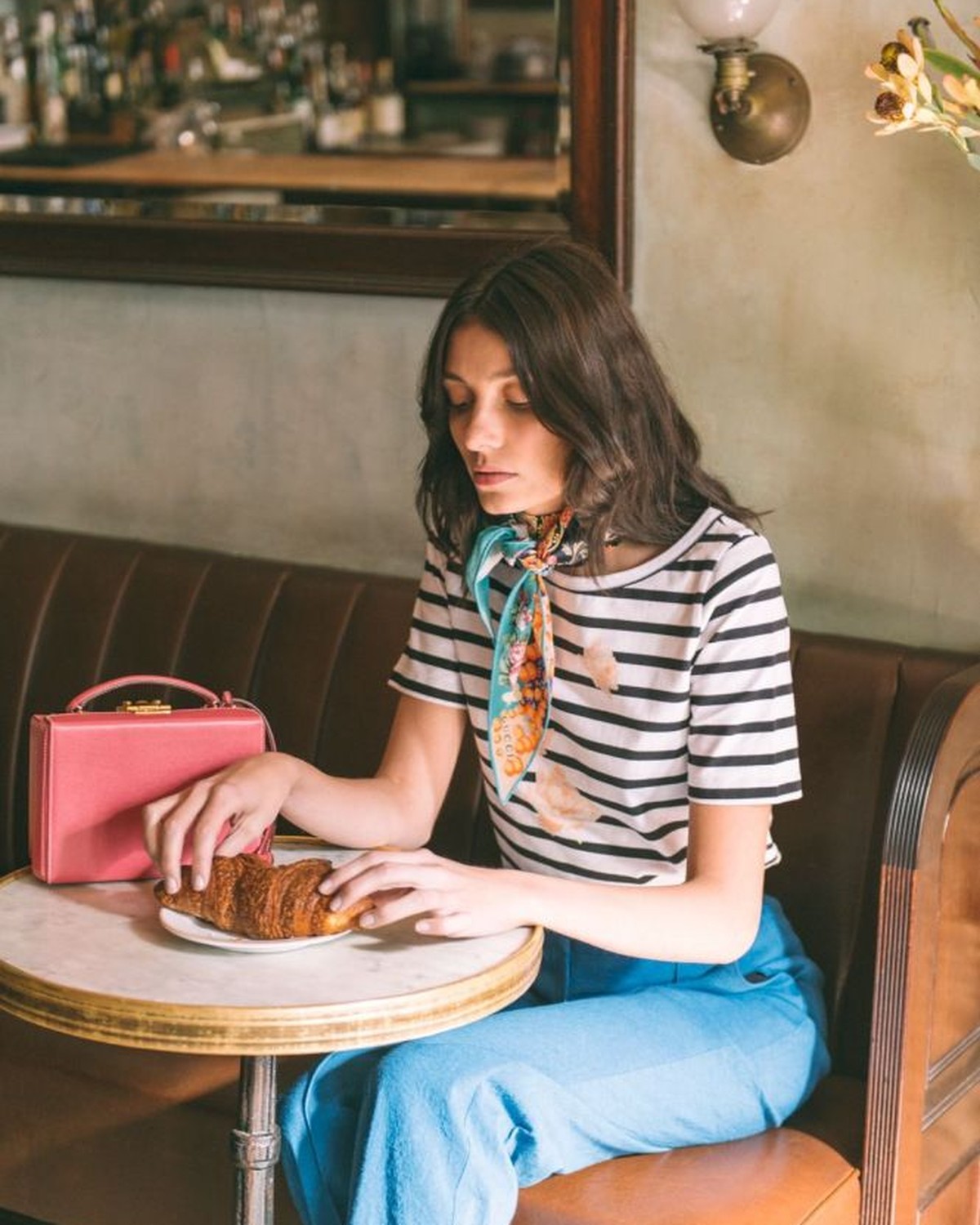
Silk Neck Scarf: A Small Winter Detail with History
This silk neck scarf edit pairs printed squares and softer silk blends with fall and winter layers.
A Silk Knot
The V&A records that Hermès debuted its first silk scarf, or carré, in 1937, with a print called Jeu des Omnibus et Dames Blanches. I like that as a reminder that a scarf can be both a practical layer and a small piece of visual storytelling. For fall and winter, a silk neck scarf works best when it is not asked to provide all the warmth: let a wool coat or high-neck knit do that, then use the scarf as the finishing detail.
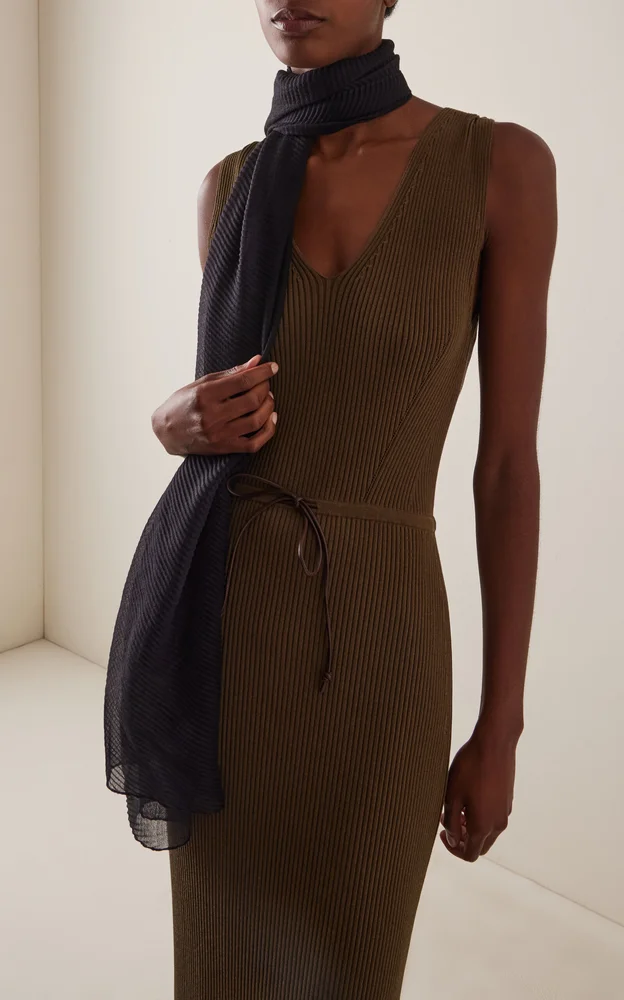
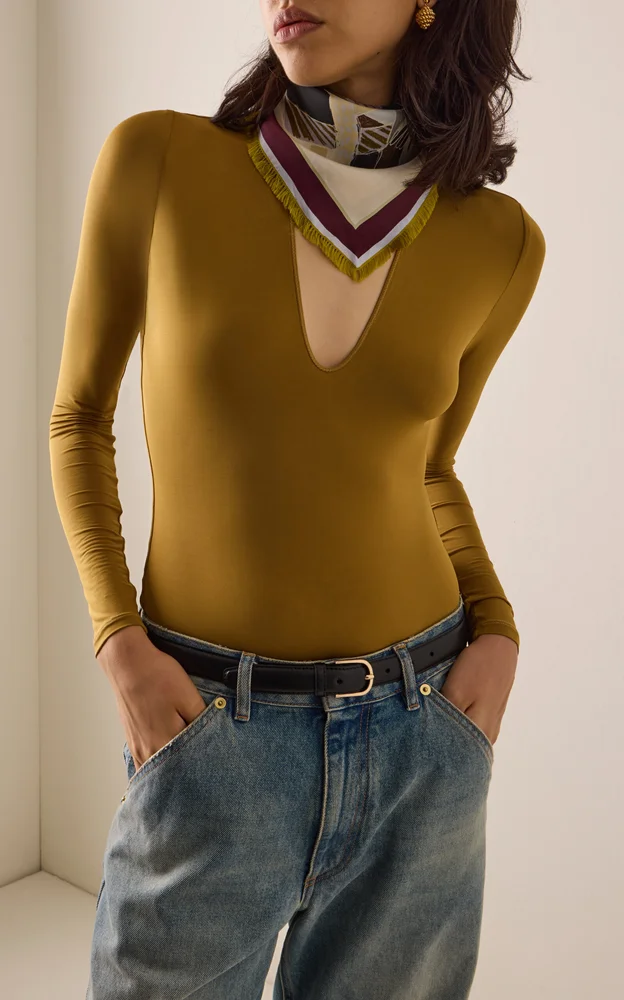
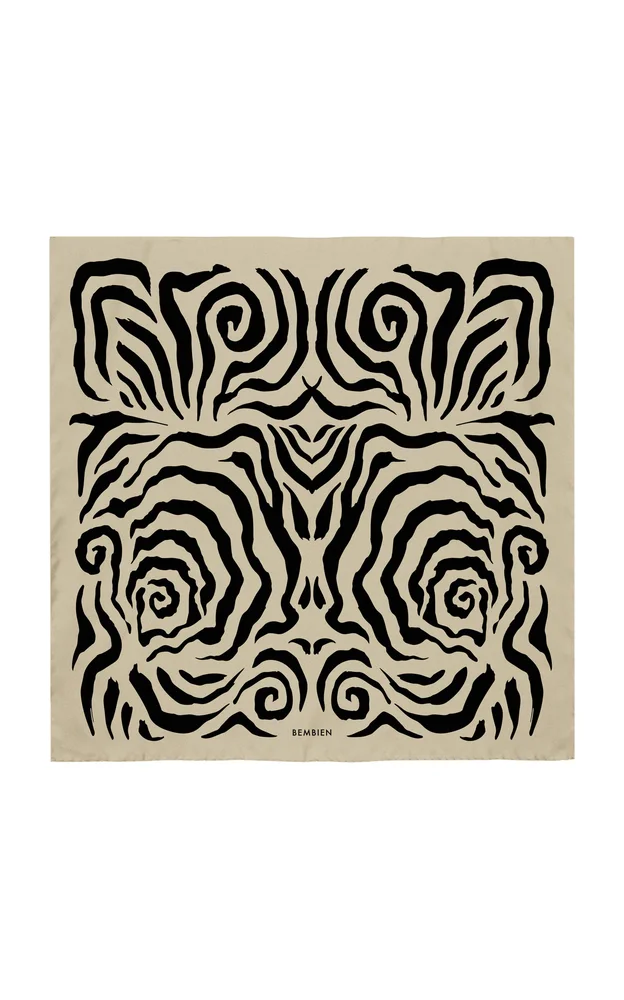
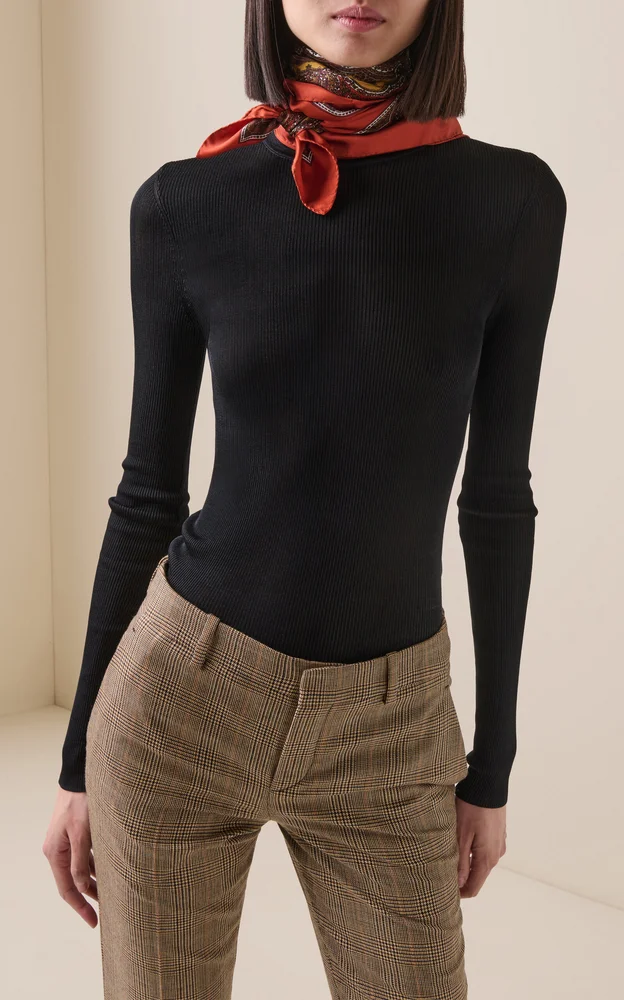
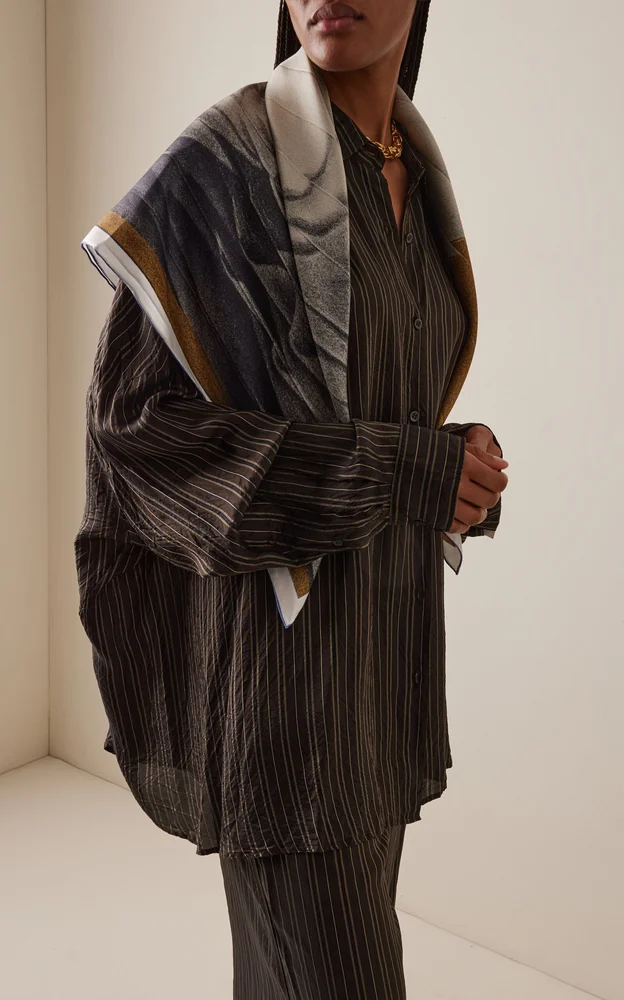
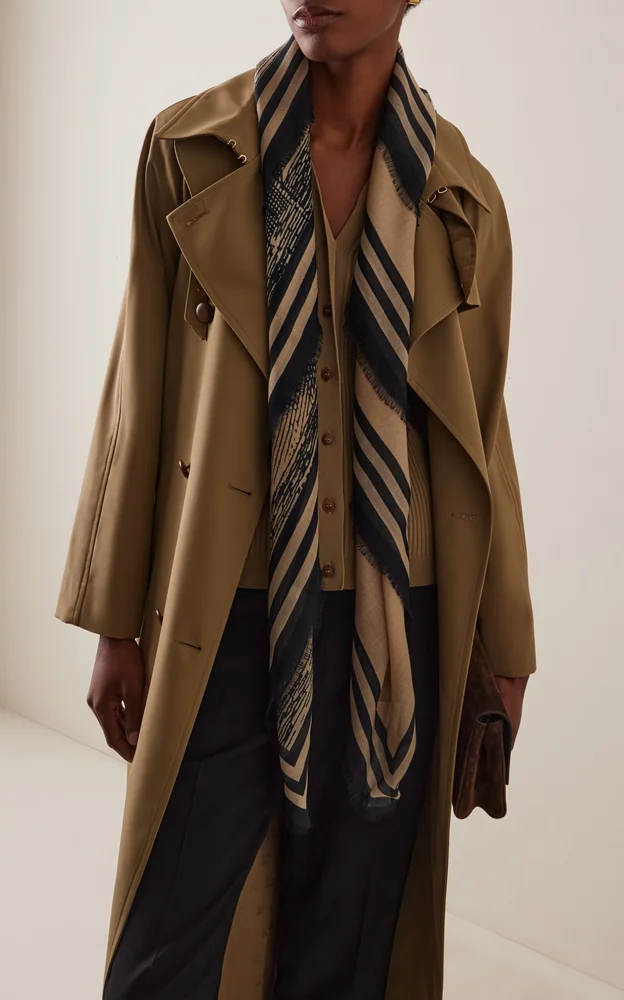
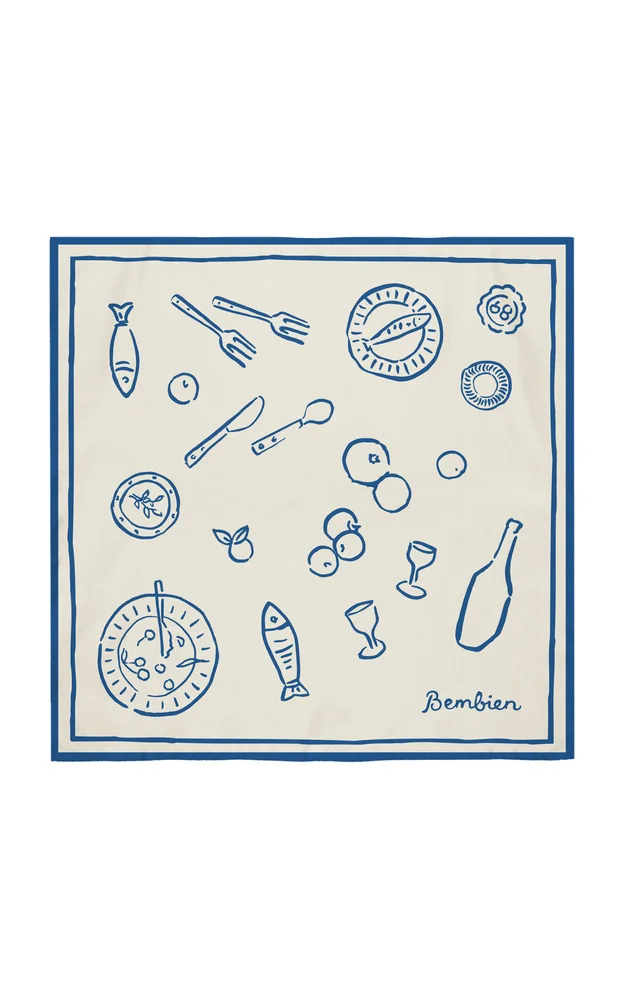
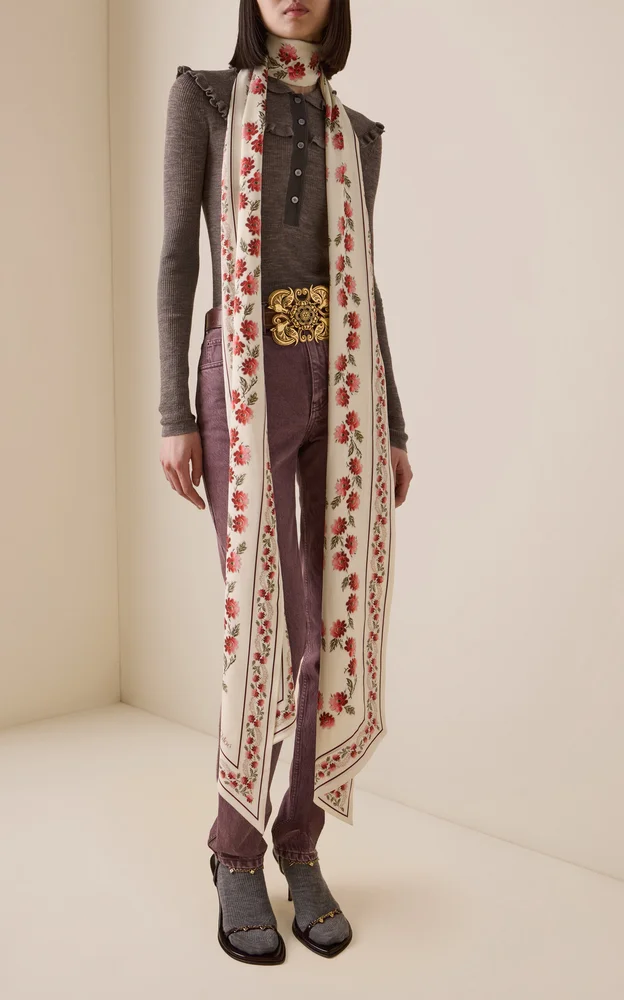
The Cashmere-Silk Stole by Max Mara gives you a broader, warmer-feeling proportion by name, while Otzio’s Double-Printed Silk-Twill Scarf offers two-sided print interest. I would fold the Otzio into a narrow band over a dark turtleneck, so its pattern reads without competing with lapels. Bembien Linea Silk Scarf is the quieter option in this group, and the Paisley Silk Scarf by Saint Laurent brings a familiar motif into a more polished outfit.
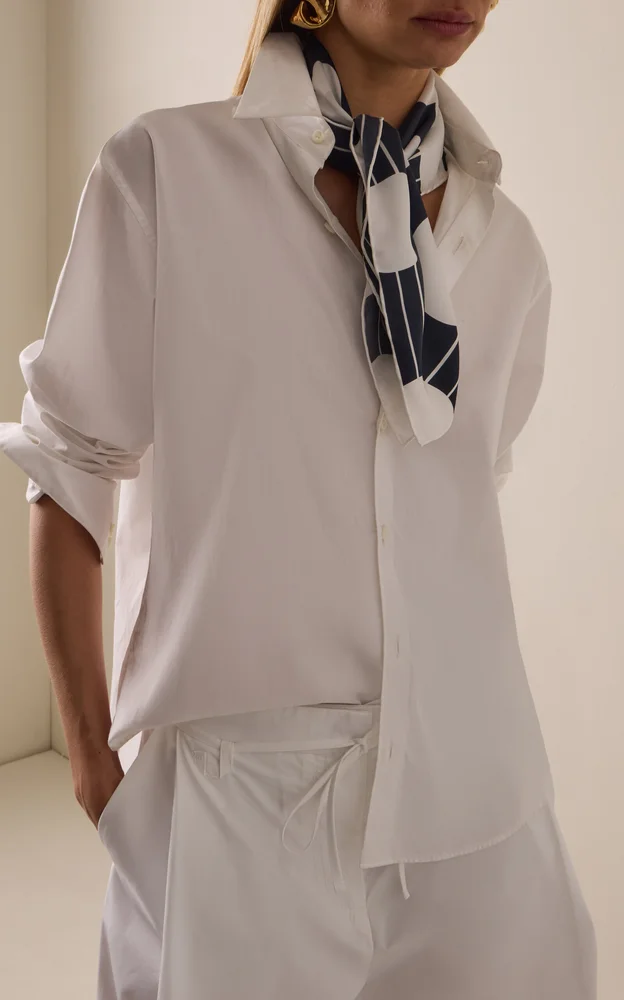
A useful way to choose is to start with your coat collar. A narrow silk square sits neatly inside a lapel, while a stole can spread over the shoulder and add more coverage. Try the knot with the collar closed and open before deciding. That small check will tell you whether the silk neck scarf feels like a natural part of the outfit or an extra thing to manage.
Warmth And Pattern
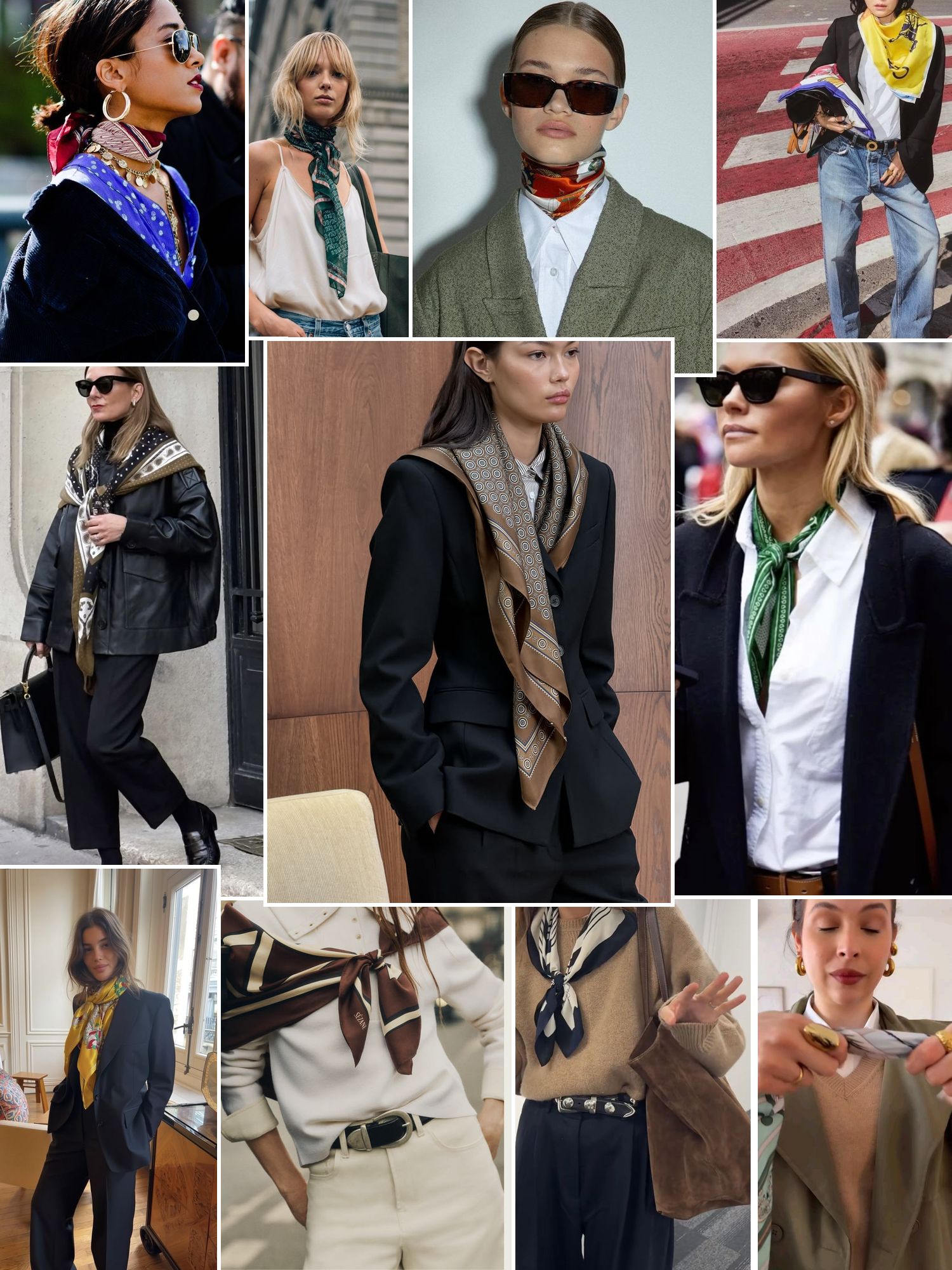
This group moves between compact silk squares and pieces with more coverage. Frame The Lucky Silk Scarf gives you a named square-scarf option, while Otzio Socrate Silk Twill Scarf brings another printed silk-twill surface. I would keep either one close to the neck over a thin knit, then add a wool blazer or coat to supply the actual warmth.
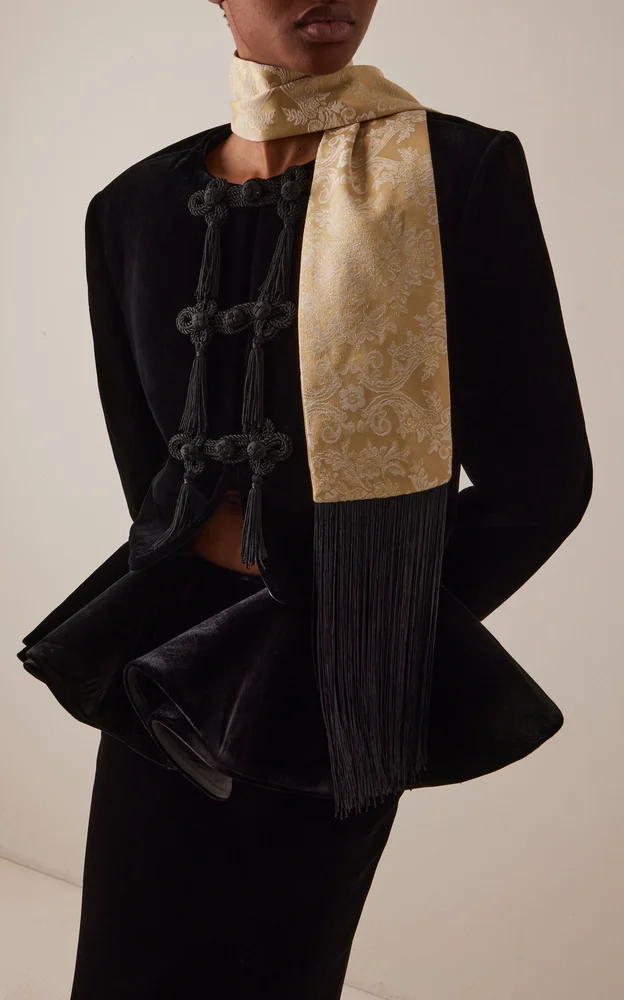
The Max Mara Square Wool-Silk Shawl is the easier choice when you want a little more substance around your shoulders. Its wool-silk blend makes sense for chilly commutes over a fine sweater, especially when a bulky scarf would crowd the coat collar. The Antique Fringed Silk-Jacquard Scarf from Merci C’est Vintage offers a different texture and fringe detail; let that be the sole decorative note beside a plain coat.
For a silk neck scarf, the practical test is whether the knot stays comfortable under your outerwear. Tie it once, put on the coat, and check that the fabric does not bunch up at the throat. What I would skip is wrapping every scarf tightly just because the weather is cold. If you need warmth, let the wool-silk shawl or coat do more of that work and leave the silk with room to sit neatly.
A Small Point Of Light
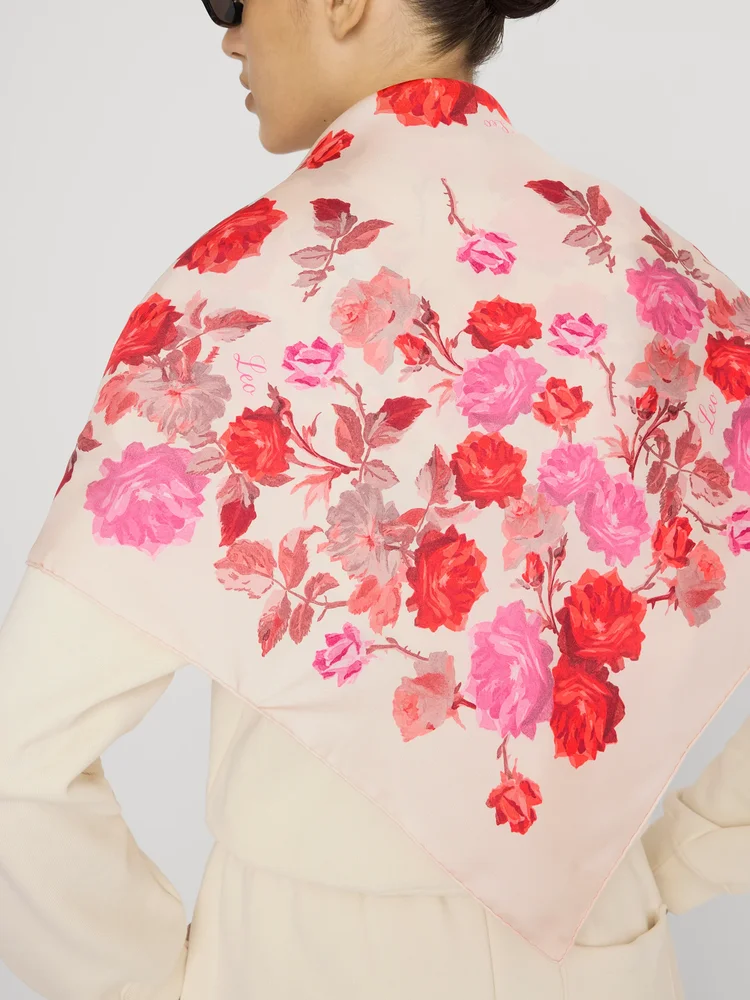
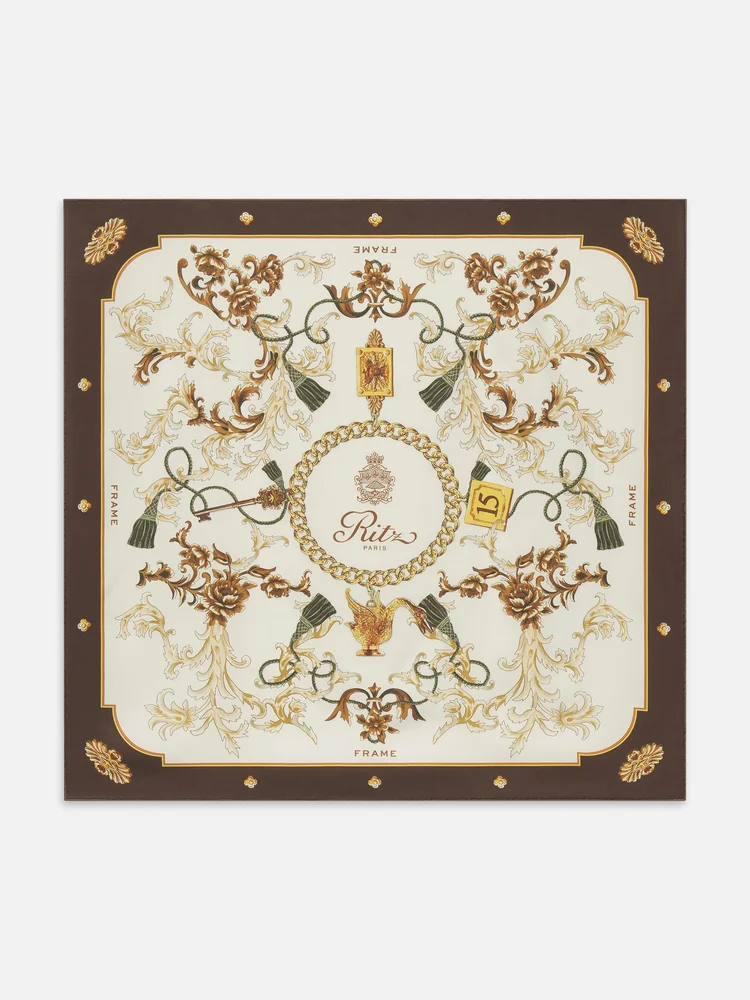
The final group is about choosing the exact amount of color or print you want close to your face. Bembien Tableau Silk Scarf brings a named silk option with a more artistic title, while Frame Ritz Silk Scarf can sit neatly with a restrained winter coat. I would choose between them by looking at the knit you plan to wear most, then pick the scarf that gives it a little contrast without fighting its texture.
Jacquemus Le Foulard Coeur Silk Scarf and Chloé Floral-Print Silk Scarf each announce a distinct motif in their names. With either, I would keep the rest of the outfit tonal: a dark turtleneck, straight trousers, and a wool coat are enough. A small printed square can make a familiar fall uniform feel considered without changing its basic proportions.
Before tying a silk neck scarf, fold it to the width that works with the coat’s lapel. A narrow band reads sharper, while a softer fold feels less formal. What I would skip is matching a printed scarf to a second patterned layer. One concentrated motif is usually all a winter outfit needs.
The Winter Finish
A silk neck scarf is a small finishing layer, not a substitute for a warm coat. In this edit, you can choose a printed silk square, a silk-twill scarf, a wool-silk shawl, or a wider cashmere-silk stole, depending on how much coverage you want and how close the collar sits.
I would keep one folded near the coat you wear most often. When a cold-weather outfit feels a little too plain, a single knot can bring color and pattern into the frame without asking you to rebuild the whole look. That is the useful charm of a small accessory.