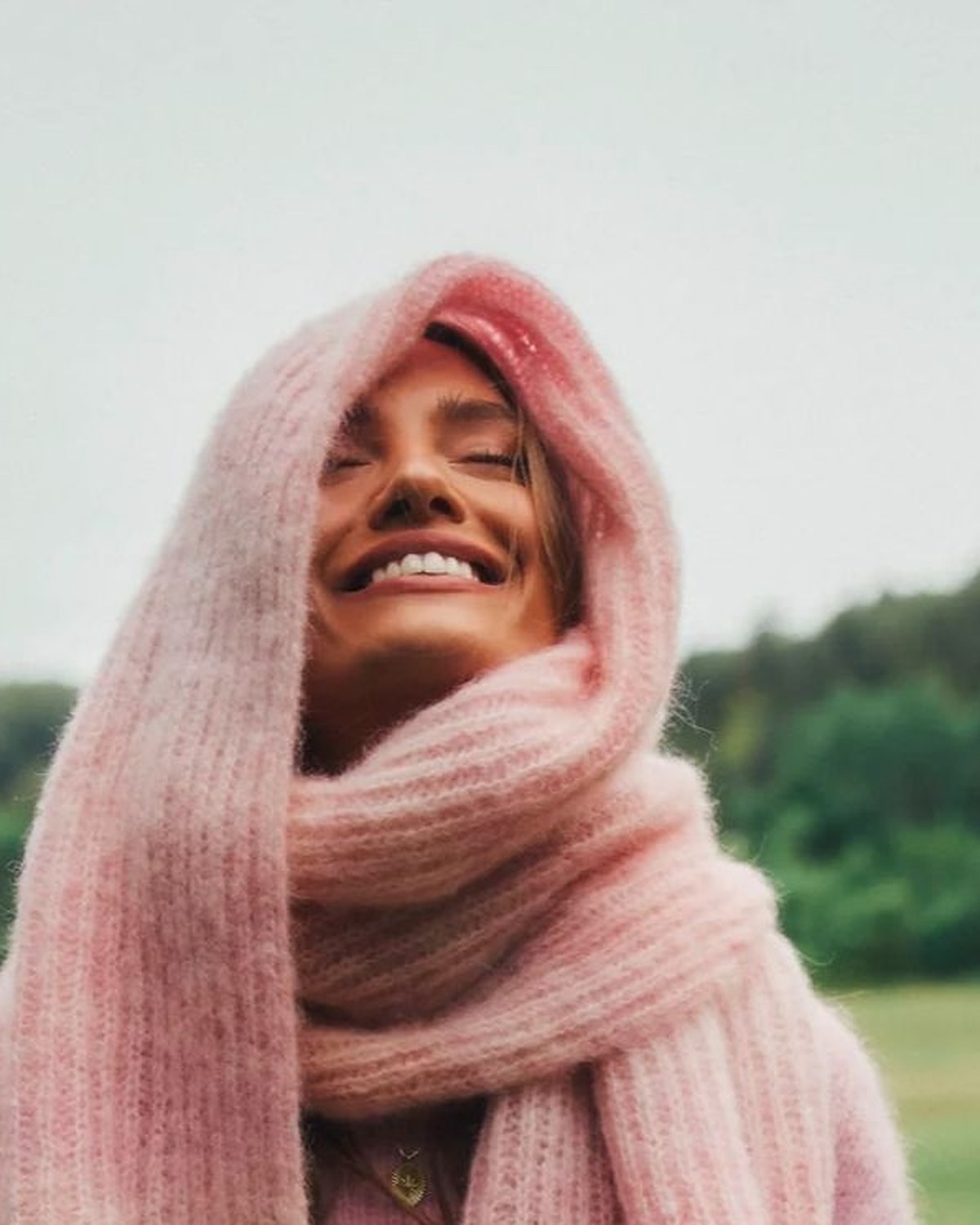
This sweater weather edit follows Aran cable knits into cardigans, turtlenecks, knit dresses, and the layers that make a cool walk feel considered. I would start with texture, then choose the neckline and finishing pieces around the day ahead.
Sweater Weather: Muriel Gahan’s Dublin Shop for Aran Knits
A Dublin shop, an island knit
In 1931, Muriel Gahan set up The Country Shop on Dublin’s St. Stephen’s Green and gave women of Aran a place to sell their jumpers. The museum says the outlet lasted forty-eight years. Historians still debate the exact year the Aran sweater appeared, but Ireland.com places its development in the early 1900s, when island women began selling their designs to mainland shops. That is where I want to begin.
Wiktionary calls sweater weather an informal phrase for crisp, cool air, warm enough to leave a heavy winter coat off but chilly enough to wear a sweater. I use it as autumn shorthand, not a dress code. The National Museum says the original knitters worked without written patterns and looked to local surroundings and events; cable, honeycomb, and tree of life were among the stitch names that emerged. I like that the phrase sounds simple while the sweater never has to be.
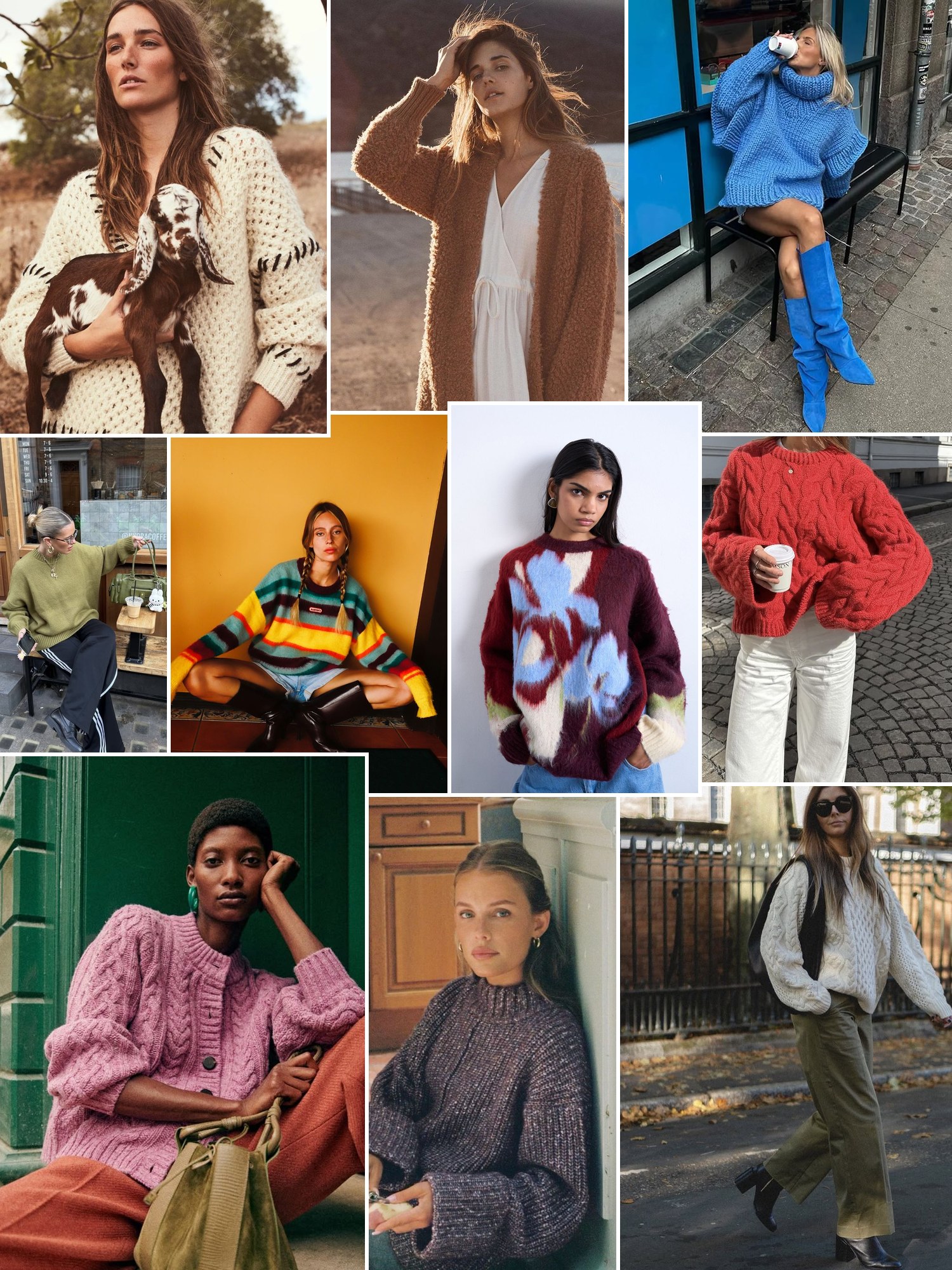
For the cable knits, I would start with the KAnaja Cable Knit Funnel Neck in Celestial Blue Melange, a light hip-length shape with raglan sleeves, and the pewter Neve Cable Turtleneck, which brings a loose tall neck. The navy Merino Cable Knit Jumper has a clean crew line for anyone who wants cable texture without a tall neckline, while the off-white Rania Long Sleeve Crew Neck Cable Sweater turns the texture relaxed. I would put the blue funnel neck with dark denim and let the pewter turtleneck sit under a plain coat.
The white Cable-Knit Wool-Cashmere Blend Sweater keeps its V neckline open, and Pendleton’s wine Donegal fisherman knit makes the cable stitching look denser and more saturated. The black wool-cashmere half-zip reads sporty, while the navy-and-ivory Drifter stripe is the graphic option. I would check neck opening and body length against the coat you already reach for, then make sure the shoulder leaves room for a shirt without adding bulk at the arm.
Chunky cable knits

KAnaja Cable Knit Funnel Neck Pullover
Kaffe
$135

Neve Cable Turtleneck
Carve Designs
$143

Merino Cable Knit Jumper
Sportscraft
$200

Rania Long Sleeve Crew Neck Cable Sweater
Dear John
$98

Cable-Knit Wool-Cashmere Blend Sweater
Lilysilk
$143.2

Fisherman Cable Knit Pullover Sweater
Pendleton
$188

Cable Wool & Cashmere Half-Zip Pullover
Polo Ralph Lauren
$298

Drifter Modern Cable Crew Sweater
Lands' End
$89.95
Cardigans for changeable days
A cardigan earns its place when the day moves between cold sidewalks and warm rooms. I would choose the length first, then decide whether the buttons or the color do the talking. The orange V-neck’s balloon sleeves make it a cheerful top layer, while the charcoal argyle cardigan with camel and burgundy diamonds has a calmer palette and a crewneck that sits neatly over a thin tee.
Barbour’s official history begins at the Market Place in South Shields in 1894, and lists knitwear in its clothing range for men and women. That makes the Harleigh Argyle a neat footnote to the label’s countrywear past: burgundy, cream, and taupe diamonds, a V-neck, blouson sleeves, and chunky ribbing. I would pair it with dark trousers and let the pattern take the place of a scarf. The beige cashmere mini-cable cardigan is a quieter choice, with a streamlined button-front fit.
The gray Serafina polo cardigan has a collar that reads slightly more polished; the rose Vienna Cotton Knit Cardi is cropped with tortoiseshell buttons; the pale-blue cotton-blend crew is another short option. If you want a layer that covers more, the longline open-front cardigan has lapels and side-seam pockets. I would check where the button line falls and whether a cropped hem meets the waistband you plan to wear. What I would skip: the longest open layer under a skirt with a full hem, if you want the silhouette to stay clean.

Relaxed Fit V-Neck Cardigan
Yumi
$150

Relaxed Fit Argyle Cardigan
Joe's
$328

Harleigh Argyle Cardigan
Barbour
$170

Cashmere Mini Cable Cardigan
Nordstrom
$189

Serafina Polo Cardigan
KUT from the Kloth
$99

Vienna Cotton Knit Cardi
Free People
$98

Crewneck Cotton Blend Cardigan
BP.
$19.8

Lenore Longline Cardigan
Petal & Pup
$109
High necks, from fine to oversized
On a high-neck knit, the collar decides the outfit’s line before color does. A slim ribbed neck can disappear under a coat, while an oversized mock neck creates its own frame; I would make that choice based on the coat collar and how much fabric I want near my face. The dictionary definition is specific: sweater weather means cool enough for a sweater but mild enough to leave the heavy winter coat behind.
The burgundy Mongolian cashmere turtleneck is the warm color note, while the ecru Léonard Jumper’s pearl-rib texture and oversized shape bring more visual weight. The black cashmere mock neck is spare, and the oversized black mock-turtleneck goes the other direction with dropped shoulders. The charcoal Rumer is fitted in a 14-gauge cashmere knit, so it gives the layer a narrow line rather than more volume.
The avocado cashmere turtleneck is regular fit, the ivory cotton turtleneck is a relaxed 26 inches, and the cocoa Babysoft keeps ribbing at the cuffs and hem. I would wear a fitted neck beneath a jacket and let the ecru or ivory versions show above a simple coat. In a fitting room, turn your head and lift your arms to see whether the collar and shoulder move comfortably. What I would skip: doubling a tall collar under a high-collar coat when you want to avoid bulk at the jaw.

Mongolian Cashmere Turtleneck Sweater
Quince
$89.9

Léonard Jumper
Sézane
$230

Basic Cashmere Mock Turtleneck Sweater
Saks Fifth Avenue
$183.75

Oversized Mock-Turtleneck Sweater
H&M
$49.99

Rumer Fitted Cashmere Turtleneck
NAKED CASHMERE
$235

Timeless Cashmere Turtleneck Sweater
Gobi Cashmere
$219

Worn Thru Turtleneck Sweater
We The Free
$148

Babysoft Turtleneck Sweater
French Connection
$88
Sweater dresses with different hems
A knit dress asks a different question from a pullover: where the hem lands when you add tights. For a shorter day dress, the brown mock-neck mini has long sleeves and a fit-and-flare shape; the sleeveless white cable mini has a basque waist and scalloped hem, so its neckline and edge do more visual work.
The black button-front knit dress keeps to a fitted, straight line, while the burgundy V-neck cable mini opens into an A-line skirt. At the other end of the length question, the black ribbed midi has a knot-front V detail, and the brown ribbed maxi adds a spread collar. I would set each against opaque tights and a simple boot rather than introduce another busy pattern.
The army Fair Isle mini uses bell sleeves and a ruffled hem; the green twofer gives you a cropped sweater over a slip dress, with pieces that detach. If you are choosing between them, check the shoulder-to-hem measurement against how much leg you want to show, then sit down and see where the hem falls. For the set, check that the separate pieces detach as expected and whether you want the option to wear them apart.

Wool Blend Mock Neck Sweater Mini Dress
By Anthropologie
$228

Kylie Cable-Knit Minidress
dh New York
$104.3

Knit Button-Front Dress
H&M
$59.99

Sweetly Seasonal Burgundy Cable Knit Sweater Mini Dress
Lulus
$59

Knot Front Long Sleeve Sweater Dress
Open Edit
$89.5

Makenna Long Sleeve Rib Maxi Sweater Dress
Petal & Pup
$99

Petal Loom Fair Isle Mini Dress
Free People
$198

Marled Twofer Sweater + Dress Set
By Anthropologie
$178
Soft neck layers, solid boots
Accessories make more sense after the coat and hem are chosen. The old Aran fisherman sweaters were knitted with unscoured wool; Ireland.com says they were waterproof and rarely needed washing. That is a piece of history, not a care tip for every modern knit, so I would follow the material and care notes for each piece here.
The chestnut Classic Mini II has a five-inch shaft and shearling lining, while both waterproof lace-up boots have different builds: one has a faux-fur collar and a four-inch shaft, the other 200 g insulation, a five-and-a-half-inch shaft, and a removable EVA footbed. I would check the hem of your trousers or skirt before choosing the lower shaft or taller lace-up shape.
For softer finishes, the white-and-black chunky scarf measures 175 by 20 centimeters with long fringe; the camel triangular wool scarf is designed to drape and knot at the front. The red hooded scarf wraps over the head, and the reversible tartan scarf flips to houndstooth. I would choose one scarf silhouette and keep the beanie quiet, then check the boot sole and shaft against the weather you actually expect.

Classic Mini II Genuine Shearling Lined Boot
UGG
$174.95

One Ave Alpine Faux Fur Trim Waterproof Boot
SOREL
$160

Snow Angel Faux Fur Detail Waterproof Boot
SOREL
$140

Chunky-Knit Scarf
H&M
$17.99

Knit Beanie
H&M
$12.99

Brushed Effect 100% Wool Triangular Scarf
Zara
$79.9

Wrap Me Up Hooded Scarf
Free People
$68

Taryn Reversible Scarf
Barbour
$80
One knit, then the weather
I would decide in this order: one main knit texture, a neckline that sits with the outer layer, then the hem or trousers it has to meet. A cable pullover gives a clear starting point; a cardigan works when the temperature changes, and a sweater dress means the hem sets the rest of the look. After that, I would pick boots for the actual walk and keep the scarf count to one.
The phrase is small and practical, not a call to dress like an autumn postcard. I like the thought of a route Gahan helped open, from Aran knitters to a Dublin shop, with the work itself doing the talking.
For more outfit ideas: Winter Outfits Women, Ugly Sweater Ideas, Thanksgiving Outfit, Leather Skirt Outfit.