The basics that survive real rotation: the camisole and tank, the plain knit, and the trousers and skirts that anchor everything else.
The Basics Edit

What actually counts as a basic
A basic is not a plain thing you bought cheaply. It is the piece you reach for without deciding, which means it has to pass a much harder test than a statement piece: it has to work with most of your wardrobe, survive being washed weekly, and look the same in month eight as it did in week one.
By that definition most of what gets sold as a basic is not one. A thin cotton tank that goes translucent after five washes fails. A fine knit that pills across the forearm fails. What passes tends to be slightly better made than you expect and slightly more boring than you want.
The three categories that carry a wardrobe are the base layer, the plain knit and the anchor bottom. Everything below sits in one of those. Buy in that order too, because a base layer with nothing to put over it is useless, and a knit with no trouser to wear it with is worse.
The camisole and the tank you rewear


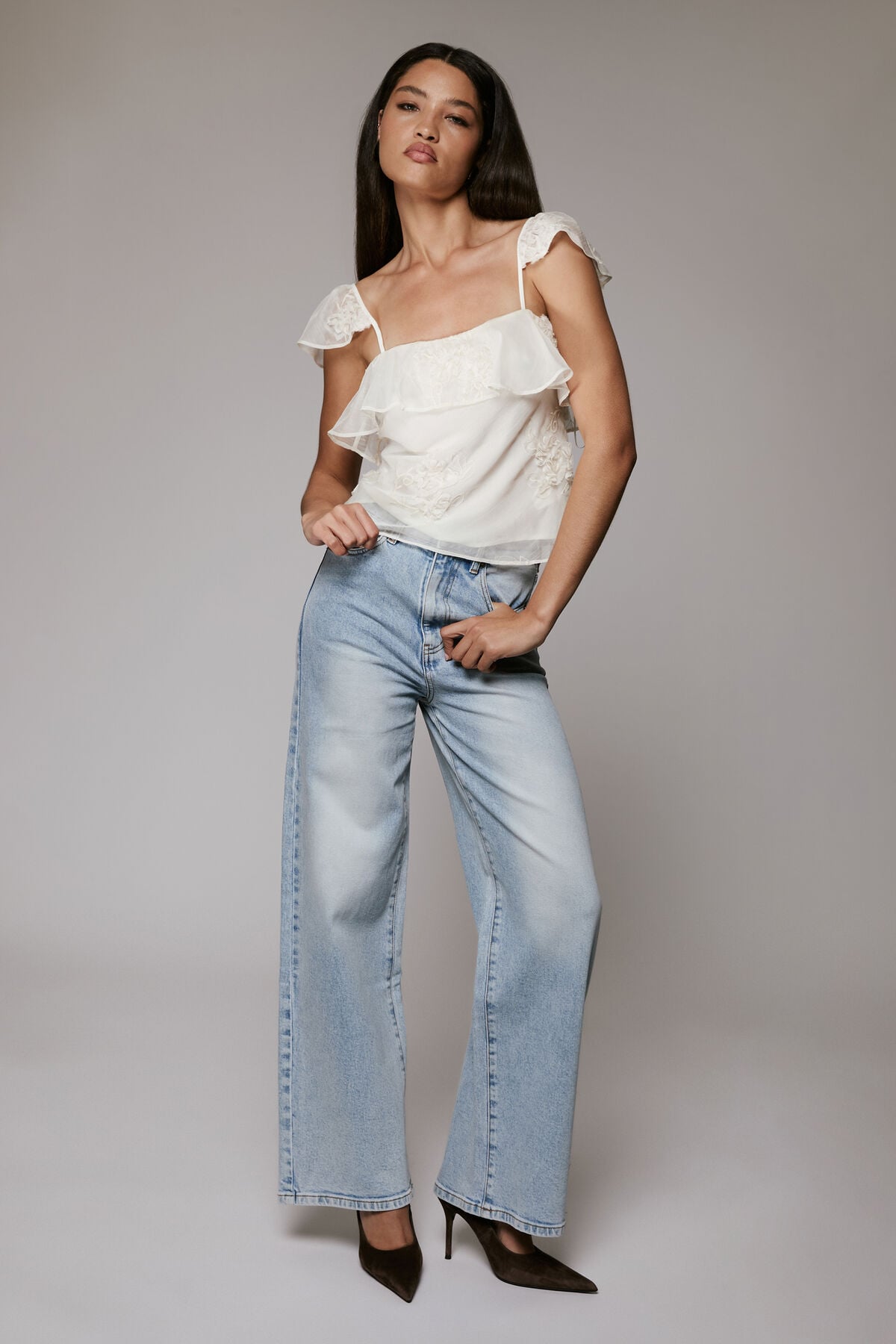


Fabric weight, seams and the rewear test
For base layers, weight is the thing to check and the thing least often stated. Look for a jersey or rib that is opaque held up to a window, and prefer a bound or double-stitched neckline over a raw edge, because that is where a tank loses its shape first. Cotton and cotton-silk blends hold up best to frequent washing. Silk camisoles are lovely and worth having, but treat them as a step up rather than an everyday layer, since they need cold hand washing.
On knitwear, gauge and fibre length matter more than the fibre name. A fine merino or a superfine cashmere in a close gauge holds its shape and resists pilling; a loose, fluffy knit at the same price will pill within a season regardless of what the label says. Check the ribbing at the cuff and hem: if it does not spring back when stretched, it will bag out.
For bottoms, choose fabrics with a little body. Compact knits, wool crepe, heavier cotton and viscose blends keep a line through a full day. Anything with a high stretch content will bag at the knee.
The honest test for all three is the same. Would you wear it twice in one week? If not, it is not a basic.
Knitwear in the colours you keep buying

Leith Wool Cashmere Sweater Oat
CAMI NYC
$295

Lyell Sweater
Ann Demeulemeester
$650

Olive Cardigan
Alexis
$245

Ribbed Cable Knit High Neck Jumper
Joseph
$110

Luxe Cotton Crewneck
White & Warren
$139

Yishai Turtleneck
Jonathan Simkhai
$395

Garai Cashmere Crewneck Sweater
CAMI NYC
$395

Areld Twisted Rib Crew Neck Sweater
Ann Demeulemeester
$590
How to make them work harder
Keep the palette narrow enough that everything combines. Four colours is plenty: one dark, one light, one warm neutral and one accent you genuinely wear. That constraint is what turns a pile of separates into a wardrobe, and it is why a small tight collection dresses you faster than a large varied one.
Layer within the same weight family. A fine knit over a fine tank sits flat. A chunky knit over a silk camisole creates a lump at the waistband. If you want texture contrast, put it between top and bottom instead: a ribbed knit with smooth trousers, or a smooth tank with a textured skirt.
On fit, buy base layers close and knitwear slightly loose. The reverse is the most common mistake, and it makes both pieces look cheaper than they are. For trousers, the hem is the single highest-return alteration in your wardrobe; a correct break makes an inexpensive trouser read well and an expensive one read badly if wrong.
Wash cold, dry flat, and keep knitwear folded rather than hung. Most basics fail through laundry rather than wear.
Trousers and skirts that anchor everything

Rayen Viscose Tailoring Trousers
Joseph
$190

Sheldon Chambray Trouser Dark Wash
CAMI NYC
$255
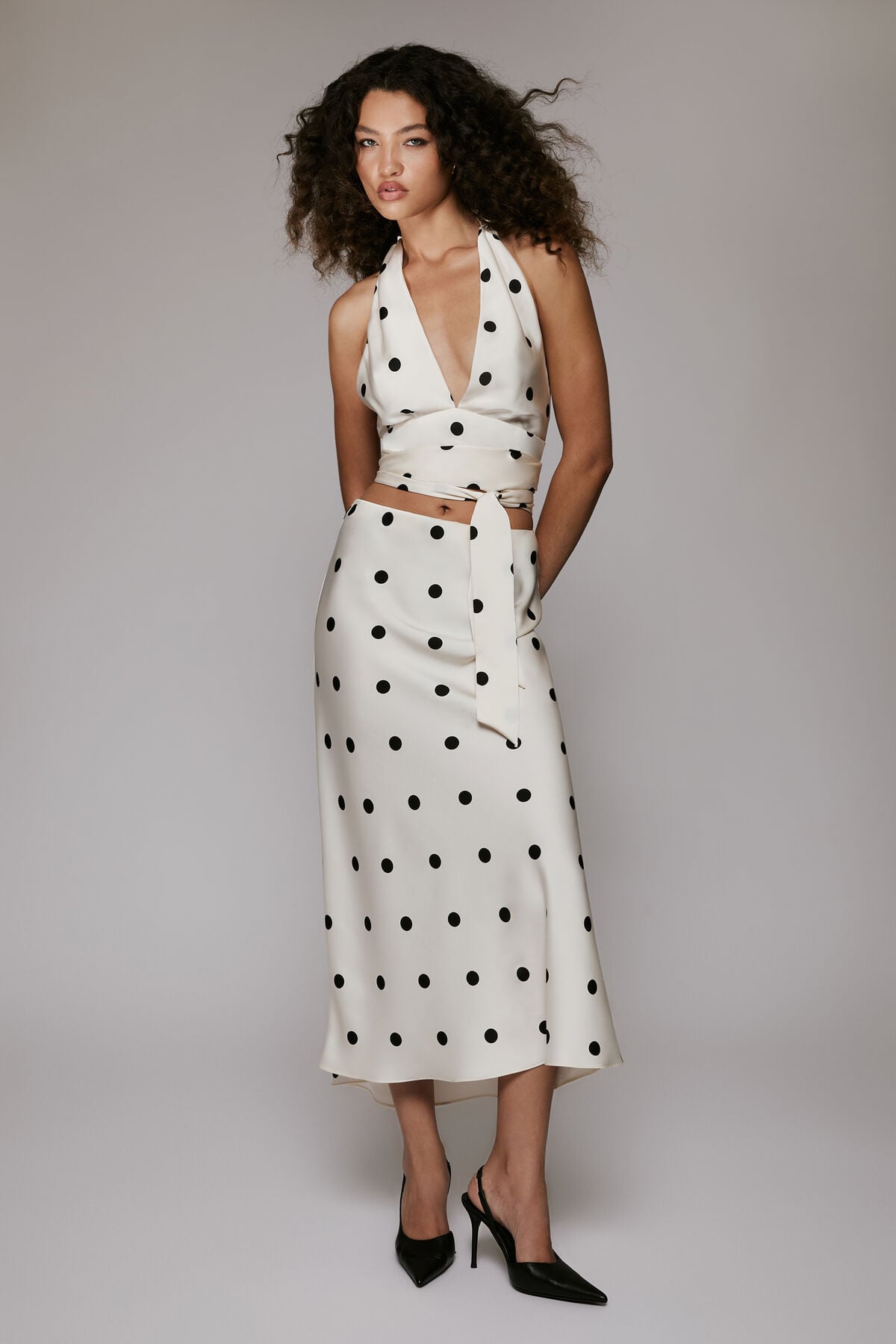
Phoebe Satin Midi Skirt
Bardot
$139

Organic Cotton Skirt
White & Warren
$139

Jake Straight Leg Trousers
Jonathan Simkhai
$315

Rubino Skirt
Alexis
$295

Michael 5 Pocket High Comfort Trousers
Ann Demeulemeester
$354

Tafira Leather Stretch Trousers
Joseph
$1,395
A note from the Phia editors
We spend most of our time looking at new arrivals, and the honest conclusion is that basics are the only category where paying more reliably shows. With a printed dress you are buying a design. With a plain tank you are buying the fabric weight and the seams, and there is nowhere for a corner cut to hide.
That said, more is not always better. Past a certain point on knitwear you are paying for the label rather than the gauge, and the mid-price fine merino often outlasts the expensive fluffy cashmere. Squeeze the fabric and stretch the cuff before you judge by price.
If you take one thing away, take the two-wears-a-week test. Run it on everything in this list and on everything already in your drawer. It will tell you what your basics actually are, which is usually about six things, and it will stop you buying a seventh you do not need.