The best office chair is the one that adjusts to your body, not the one with the most levers. Seat height, seat depth, lumbar support and a good recline matter more than anything else. We compared ergonomic task chairs from Steelcase, Humanscale, HON and Haworth with desk chairs that look like furniture.
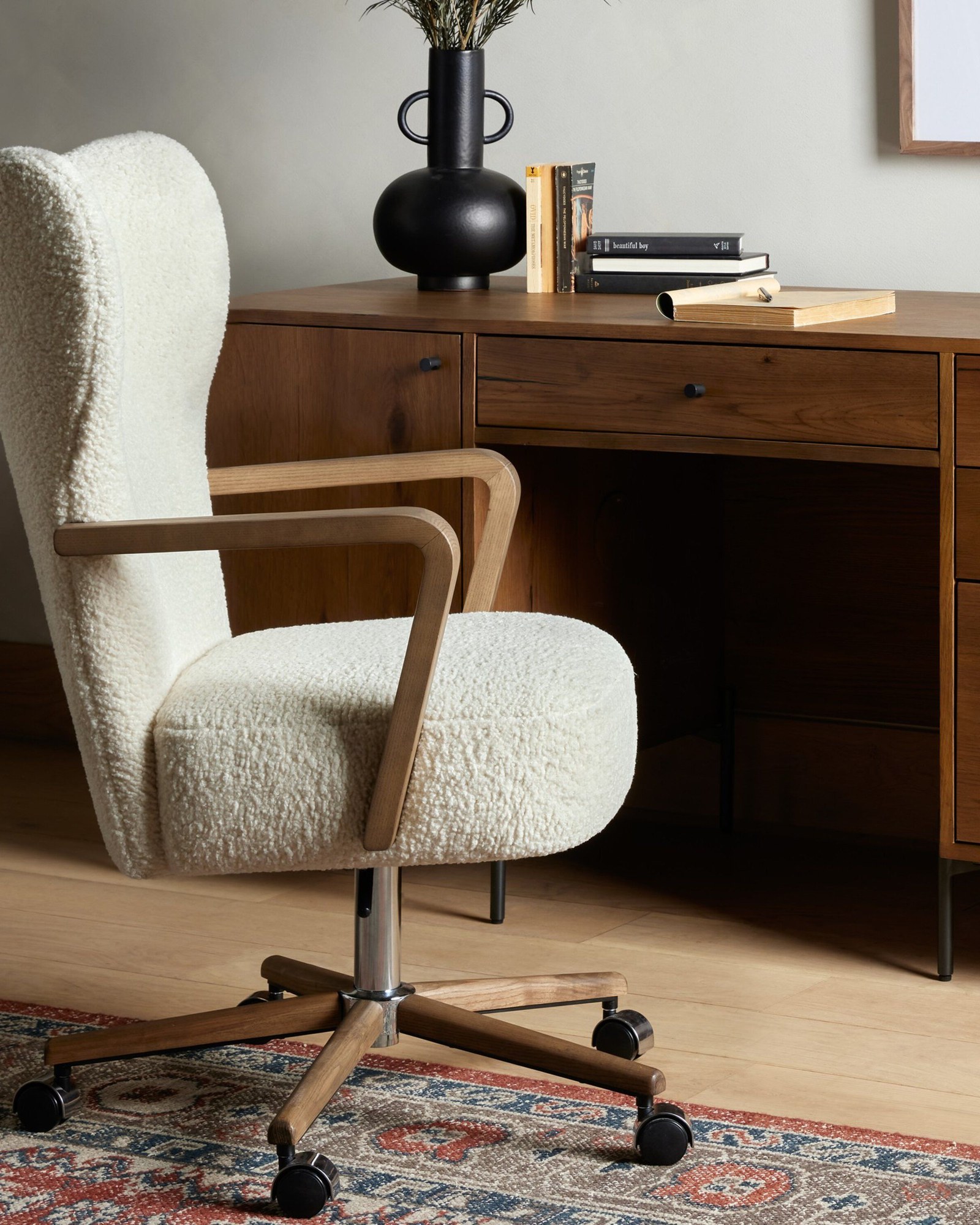
The Best Office Chair For Your Back And Your Room
What actually matters
Finding the best office chair starts with five adjustments: seat height, seat depth, lumbar support, arms and tilt. Your feet should rest flat with your thighs roughly level, the seat should leave a small gap behind your knees, and the lumbar support should meet the curve of your lower back. Steelcase's Gesture adjusts from 16 to 21 inches in seat height, with seat depth adjustment, adjustable lumbar support and arms that move in four directions. The Leap has lumbar support with adjustable height, while Humanscale's Freedom Headrest uses a self-adjusting recline that responds to your weight and adds an adjustable headrest. The Diffrient World, here in wool, adds seat depth adjustment and a center tilt.
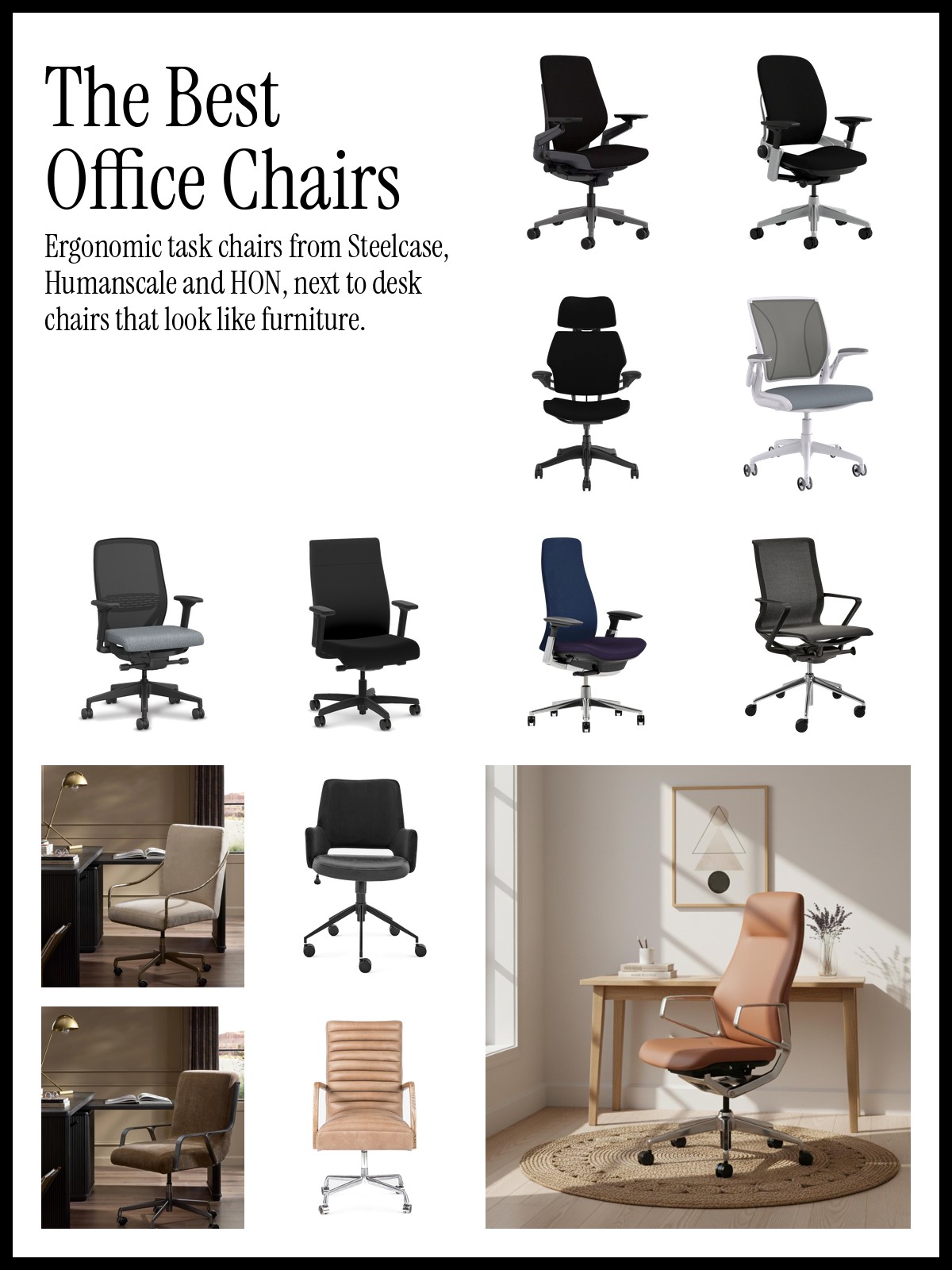
Ergonomic task chairs from Steelcase and Humanscale
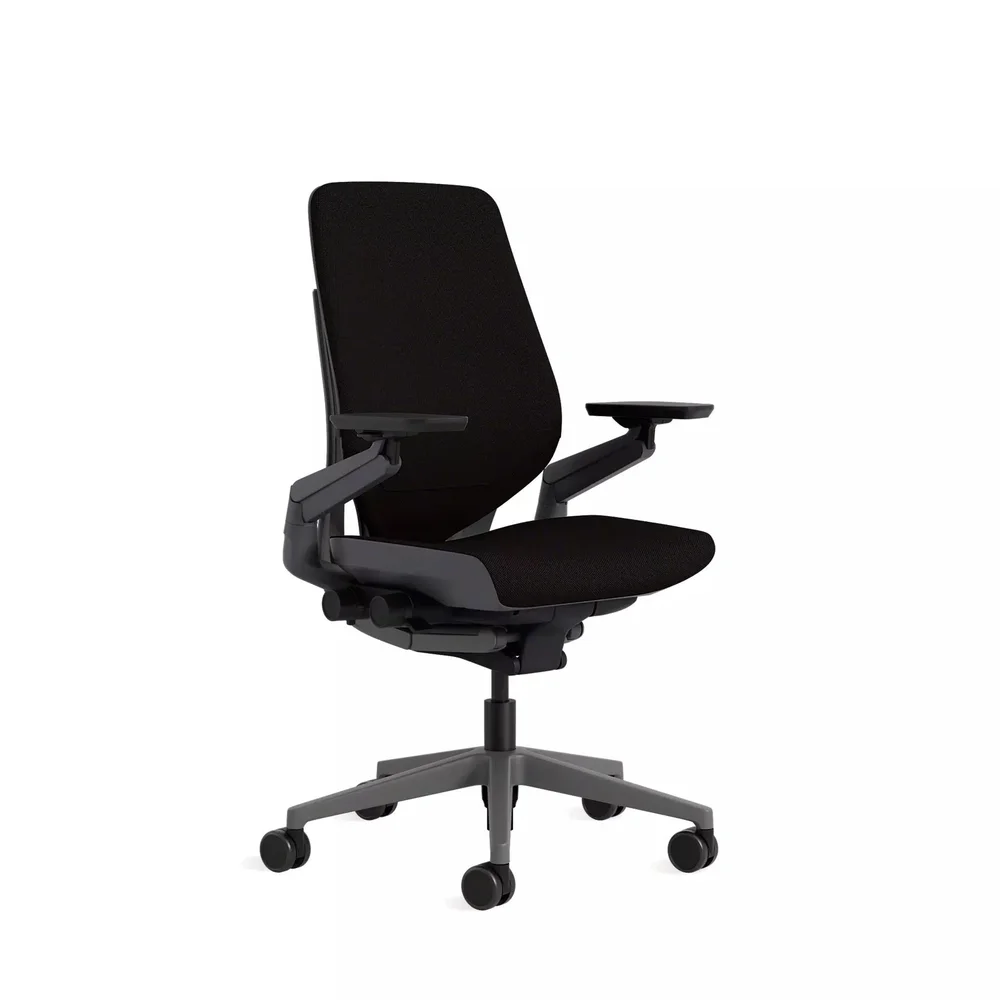
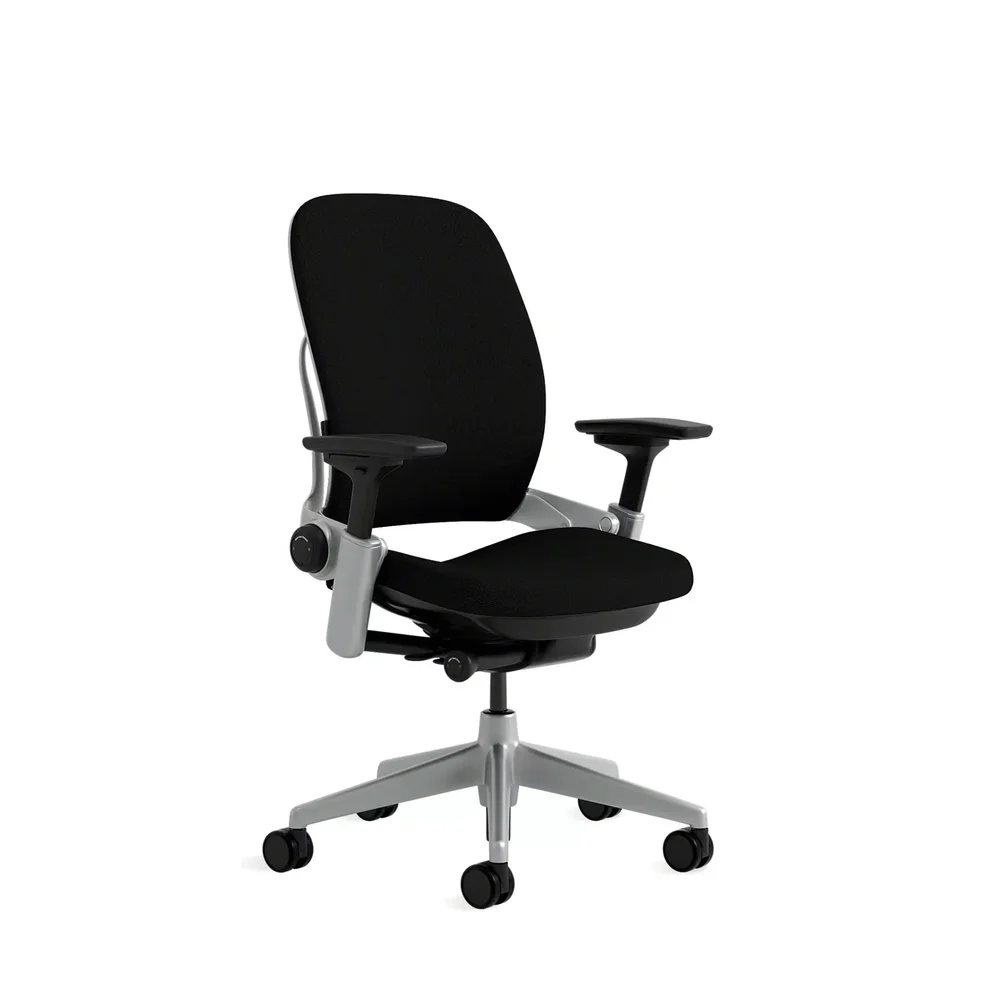
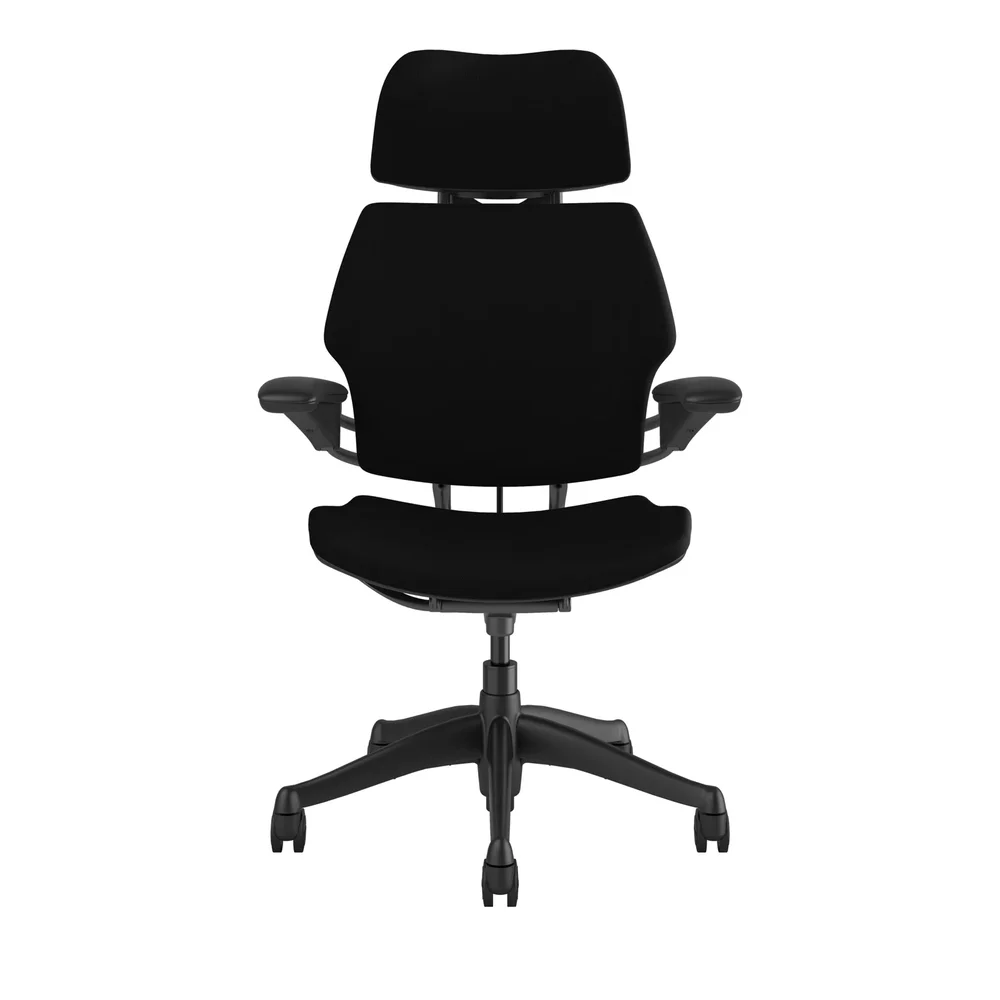
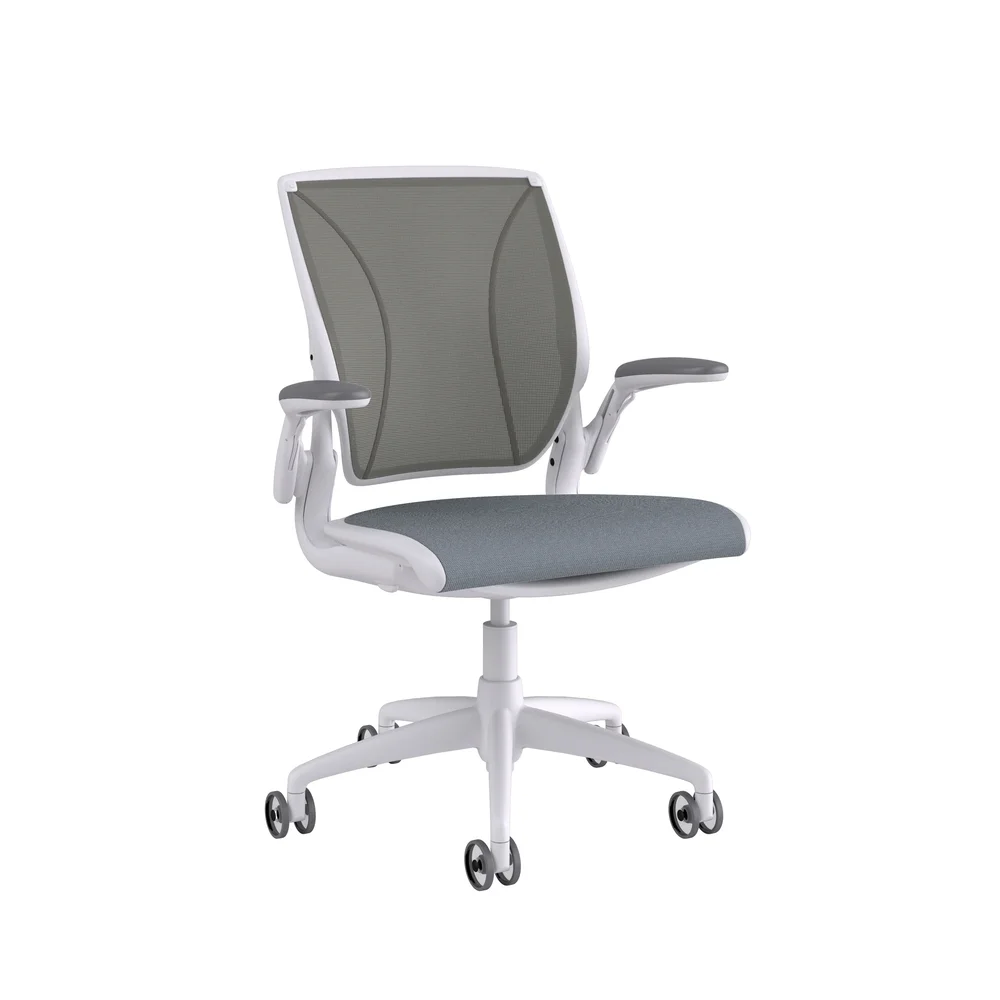
Task chairs from HON and Haworth
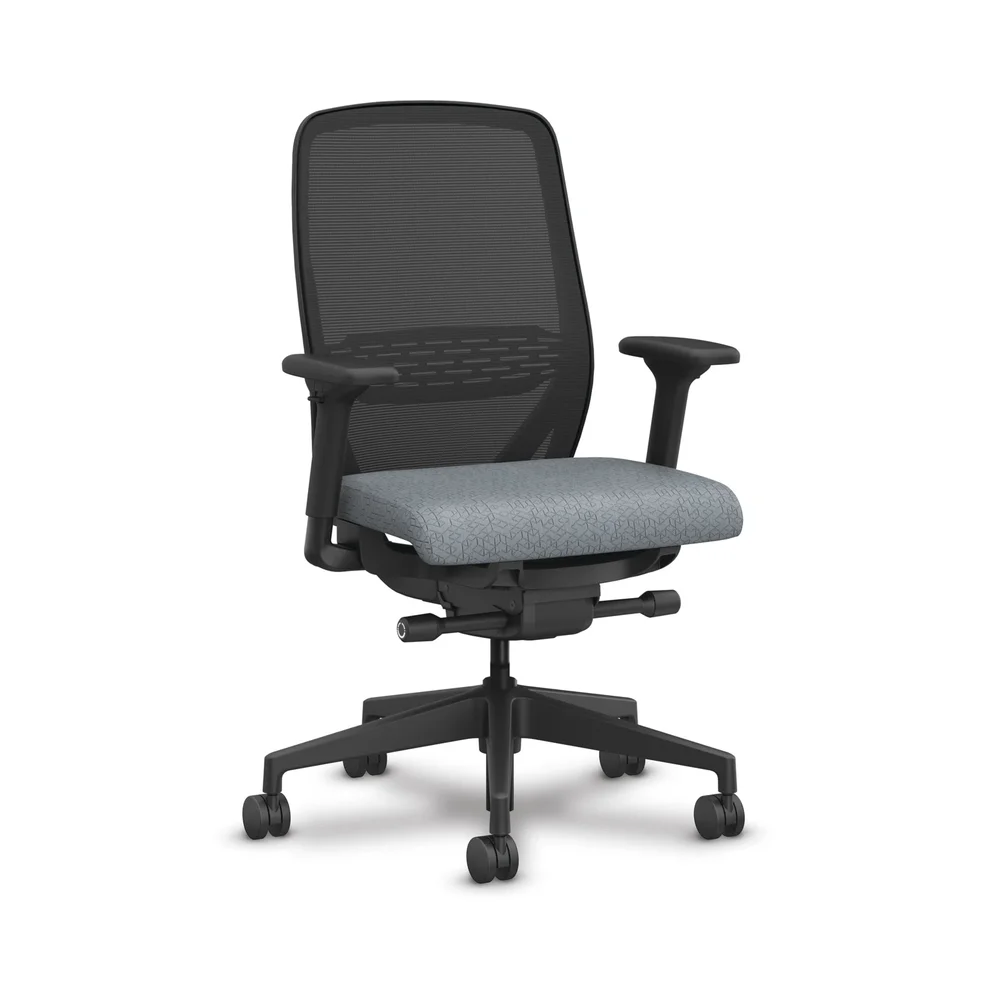
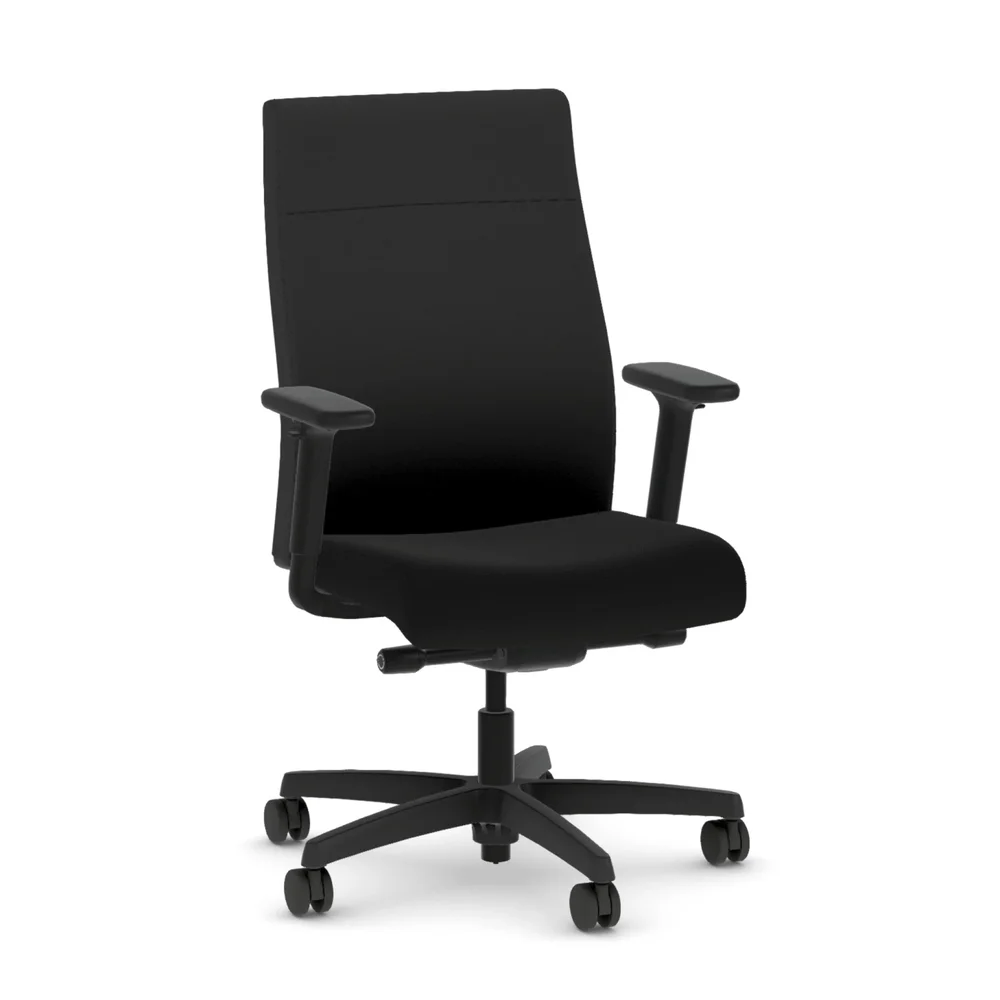
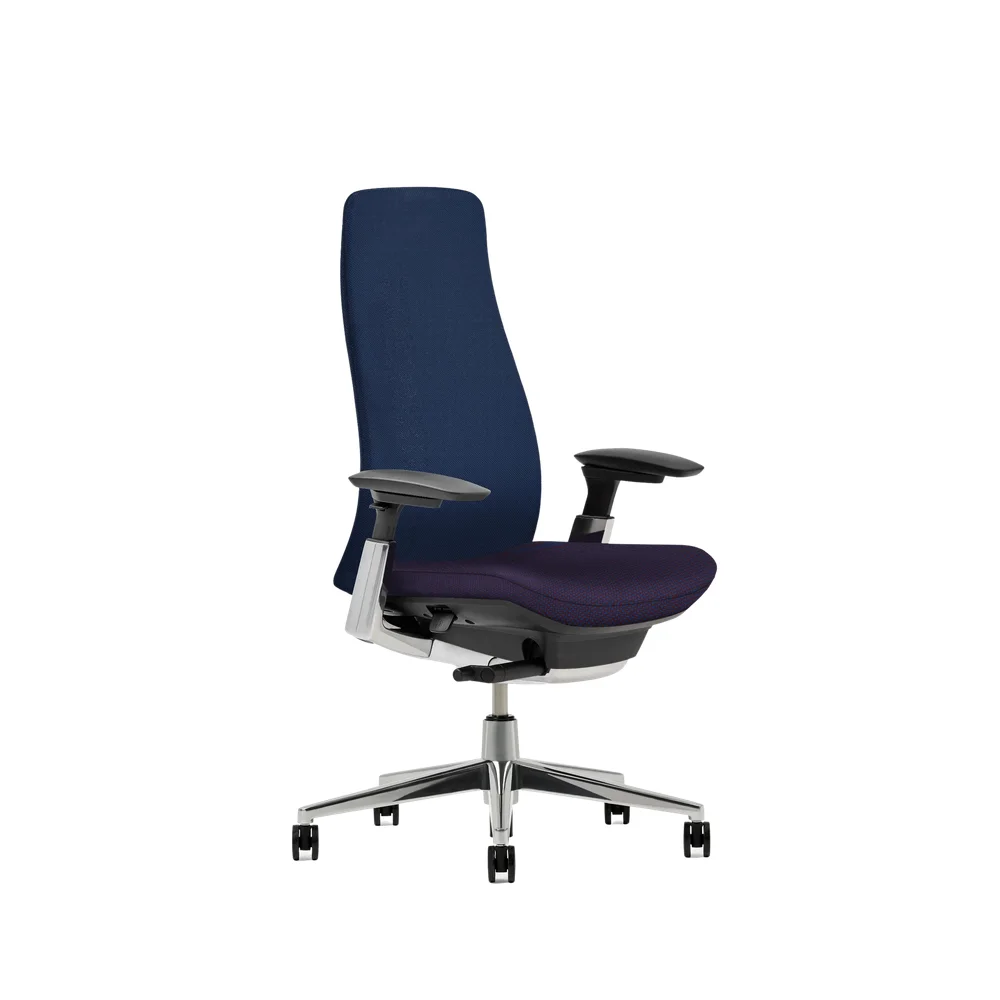
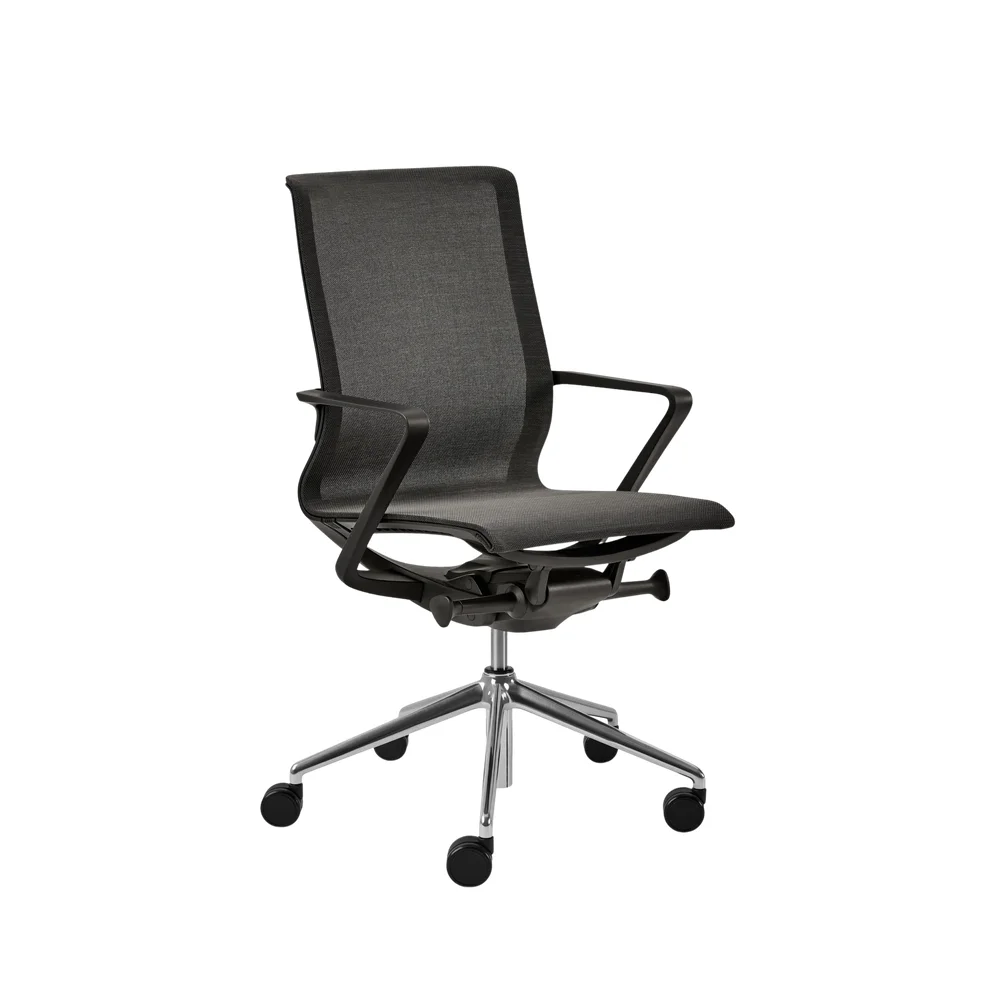
HON and Haworth build the chairs you find in a lot of well-run offices, and both translate well to a home desk. HON's Nucleus is a mesh chair with a seat that slides for depth, from about 18 to 21 inches, and an advanced tilt, while the Ignition 2.0 offers a seat height range of 16.25 to 21.75 inches. Floyd partnered with Haworth on the Fern, which is built for total back support and is upholstered here in Floyd's Sisu fabric. The Veda, from the same partnership, is a lightweight mid-back task chair with a flexible, ribbon-like back rooted in Italian design. Mesh keeps you cooler through long days, while upholstered backs feel softer and look more like home furniture.
Desk chairs that look like furniture
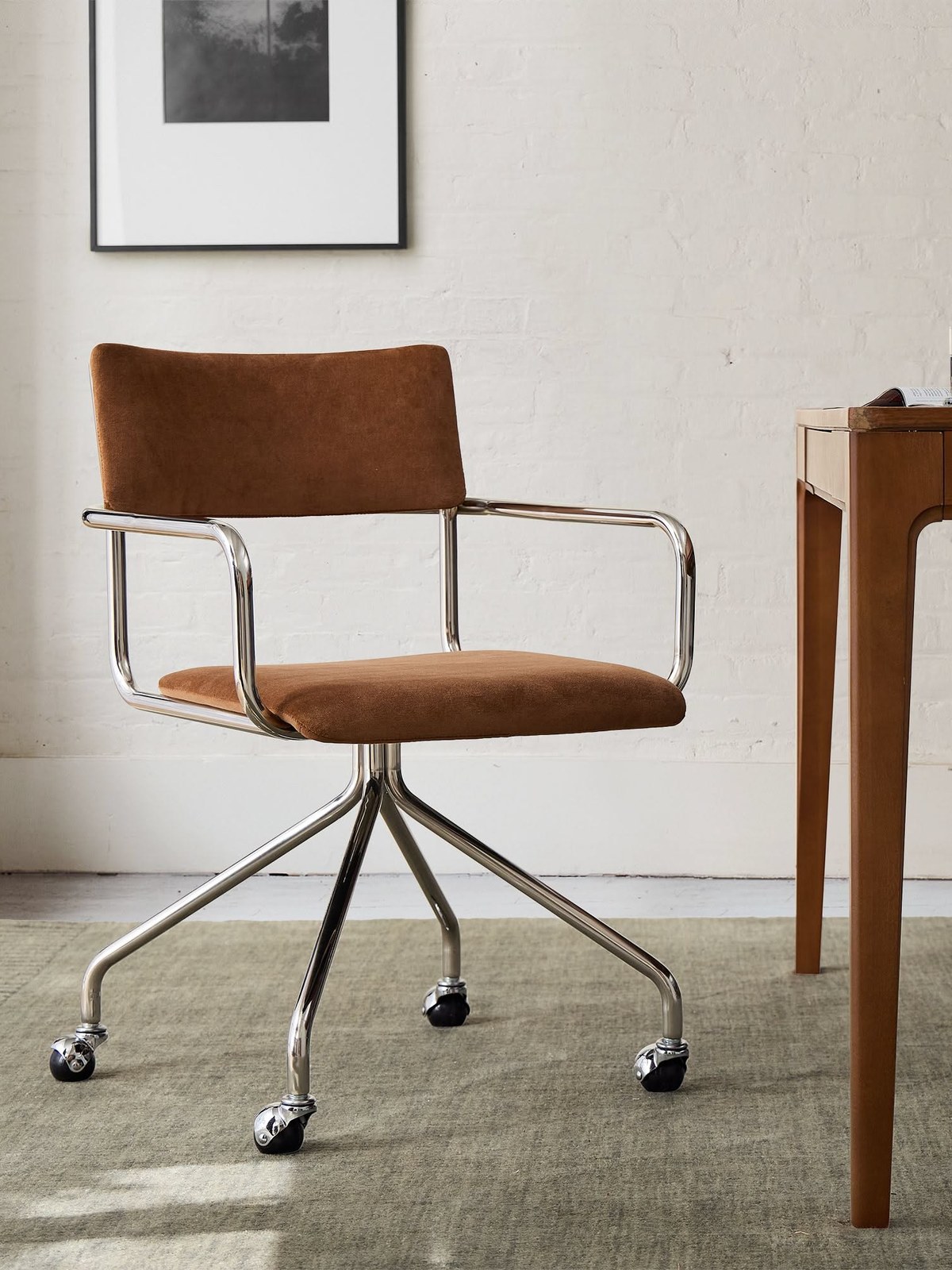
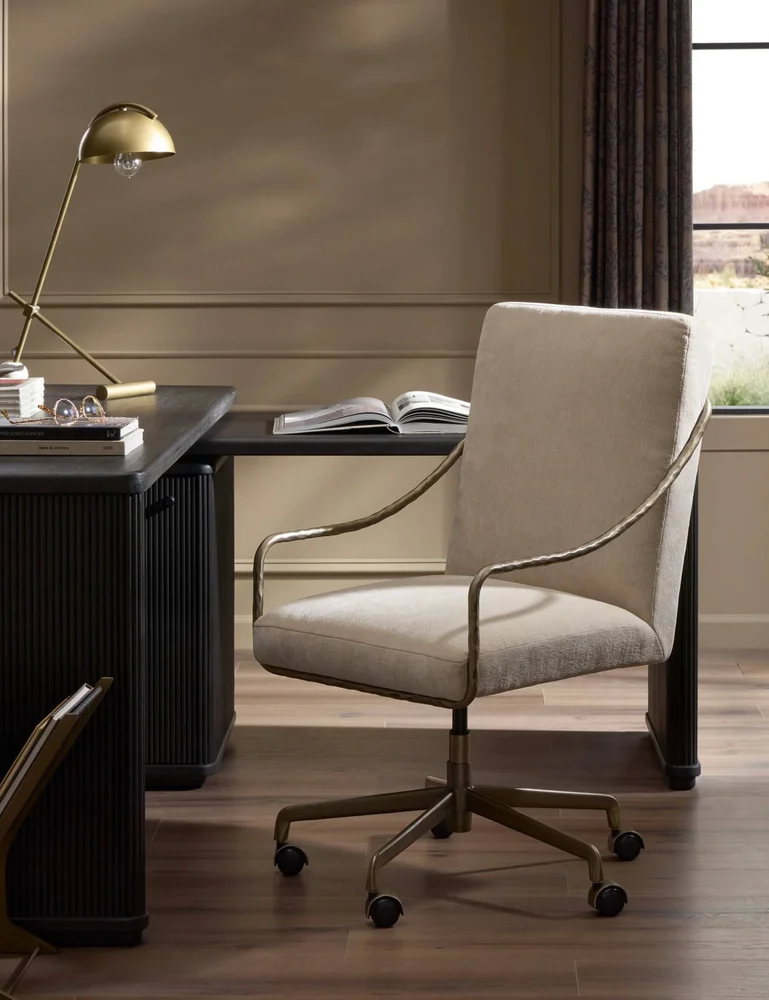
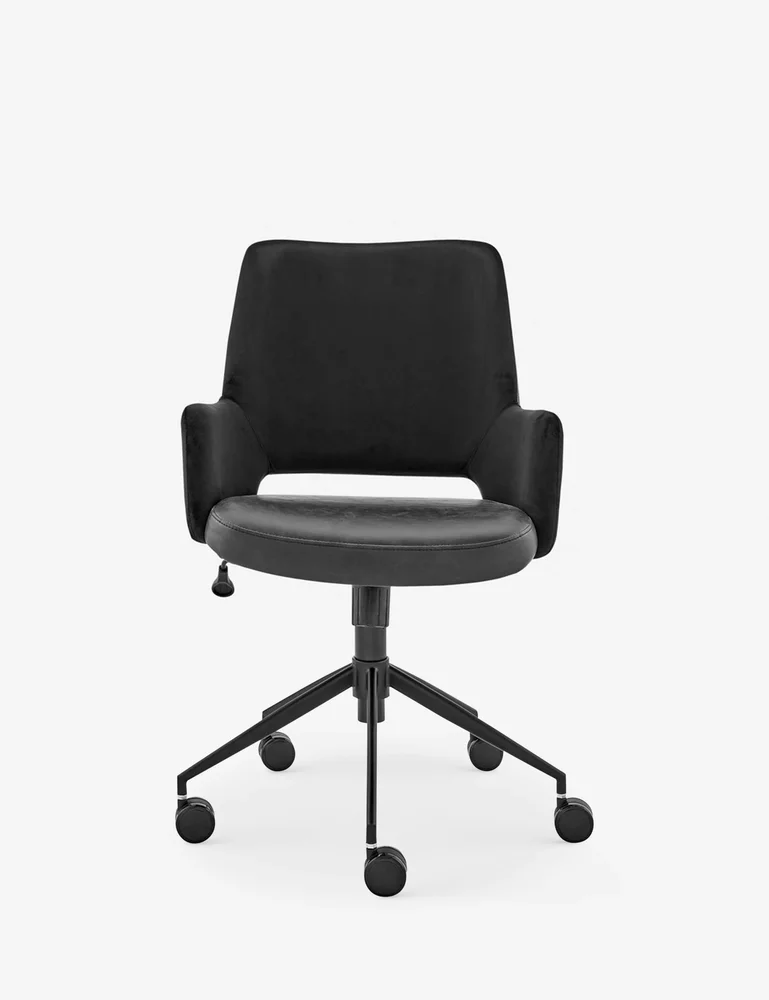
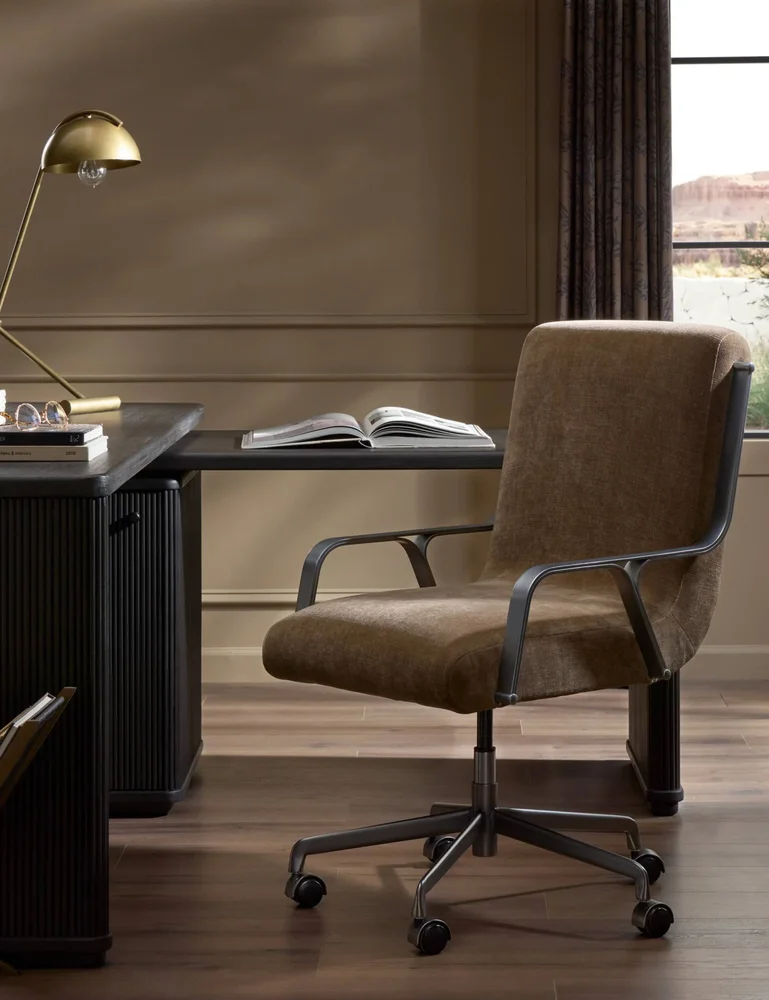
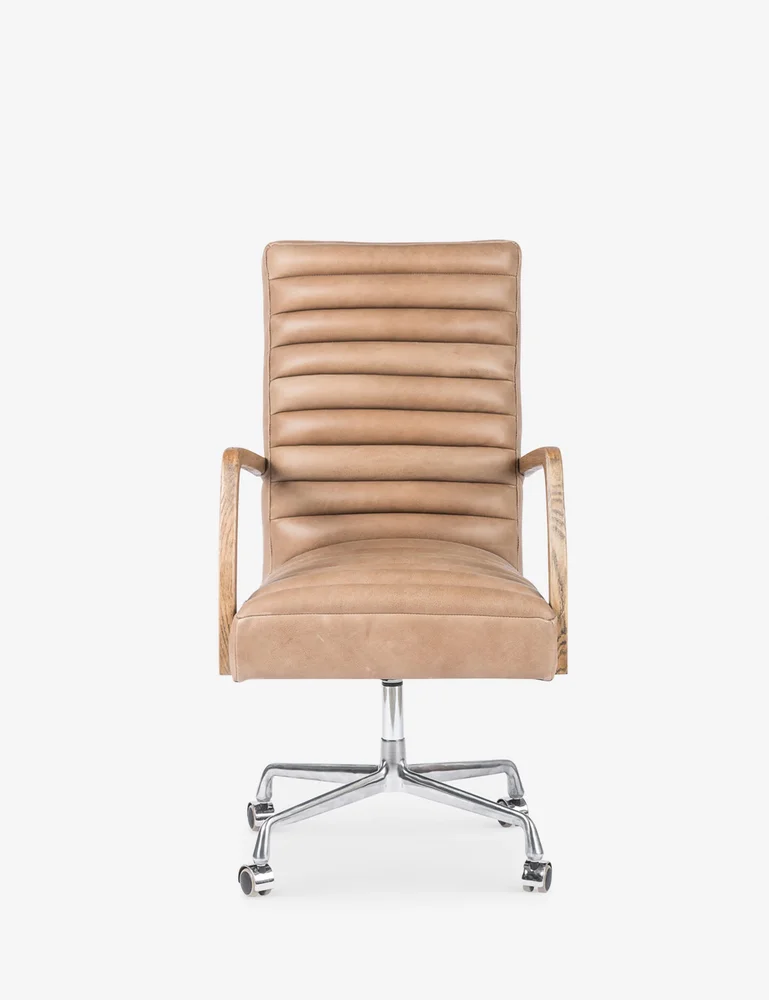
If your desk sits in a living room or bedroom, a task chair can look like it wandered in from a cubicle. Lulu and Georgia's Crispin wraps hammered metal arms around an upholstered seat on an adjustable swivel base, and the Polina nods to mid-century Italian design with rounded metal arms. The Randy has rolling casters, low arms and an adjustable reclining seat in leatherette, and the Proctor pairs a channel tufted seat with curved wooden arms on a stainless steel caster base. These trade some adjustability for looks, so they suit shorter work sessions or a second desk. Add a lumbar cushion if you plan to sit for long stretches.
Where I Would Start
If you sit for a full working day, choose a real task chair and accept that it will look like one. The adjustments in a Steelcase, Humanscale, HON or Haworth chair are what keep you comfortable over years of work, and no amount of velvet replaces them. If your desk is in a shared room and you work only a few hours a day, a furniture-style chair like the Crispin or Proctor is a reasonable trade. Set the seat height first so your feet rest flat, then adjust depth, lumbar and arms in that order. A chair that fits is more comfortable than a chair with every feature you never touch.