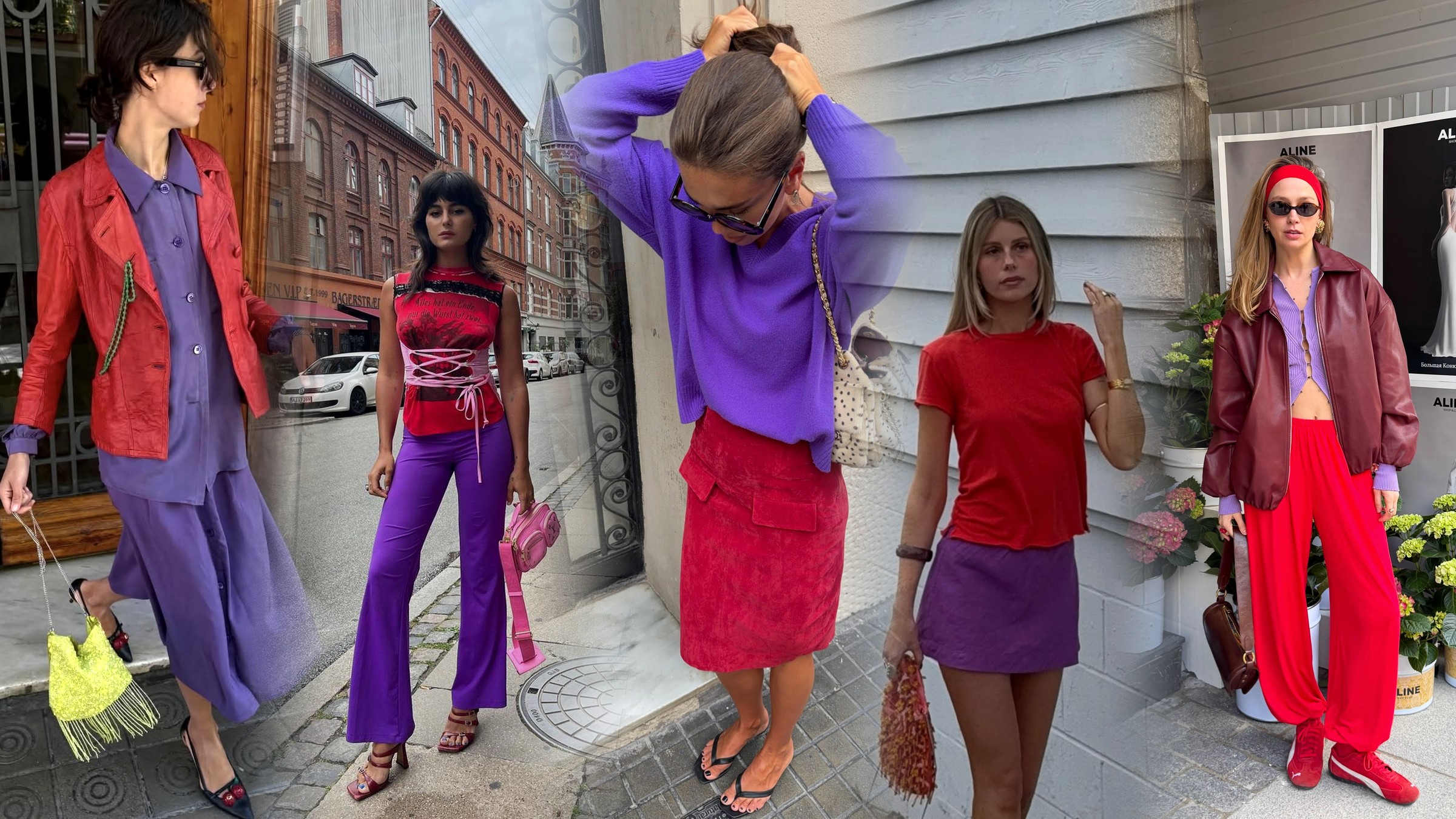
A blow dry brush turns drying and smoothing into one pass, and it has a surprisingly specific recent history. Here are the one-step brushes I reach for, the multi-stylers with brush attachments, and the thermal round brush and heat protectants that make a blowout easier on your hair.
The Blow Dry Brush, Sorted: One-Step Volume, Multi-Stylers and a Low-Heat Habit
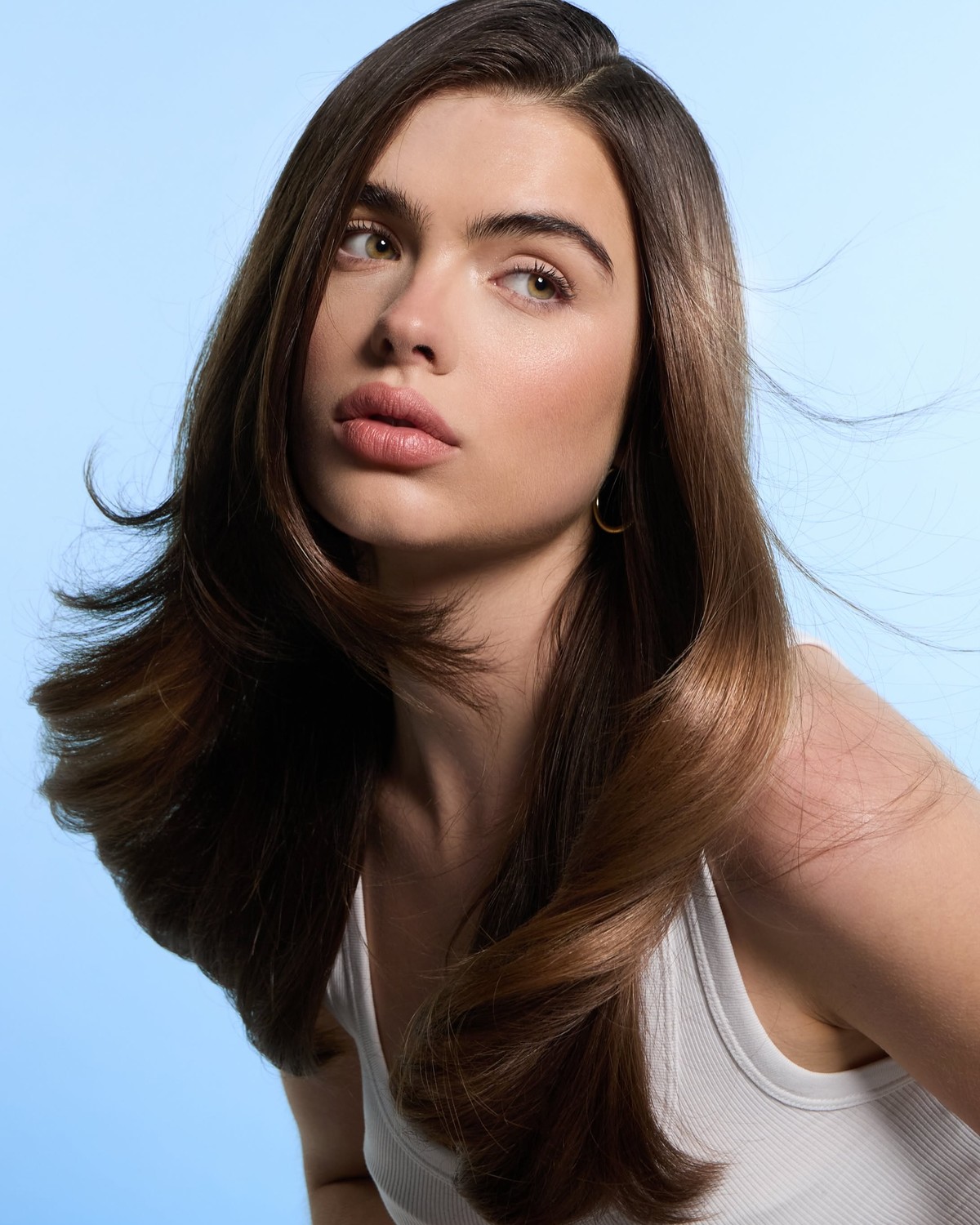
On Aug. 16, 2016, Helen of Troy announced the Revlon Salon One-Step Hair Dryer and Volumizer, due in stores nationwide that September. The launch release described an oval brush designed to dry and style in up to half the time of a dryer and a curling iron. That is the whole pitch of a blow dry brush, really: one tool, one pass, hair dry and smooth and lifted at the root.
The idea is older than you would think. Hot brushes of this kind have been around since at least the 1970s. What changed was the format, and a bright hot pink debut in 2016. Interest surged in November 2018, when a beauty vlogger compared it with the Dyson Airwrap, and it has been a fixture of my bathroom shelf conversations ever since.
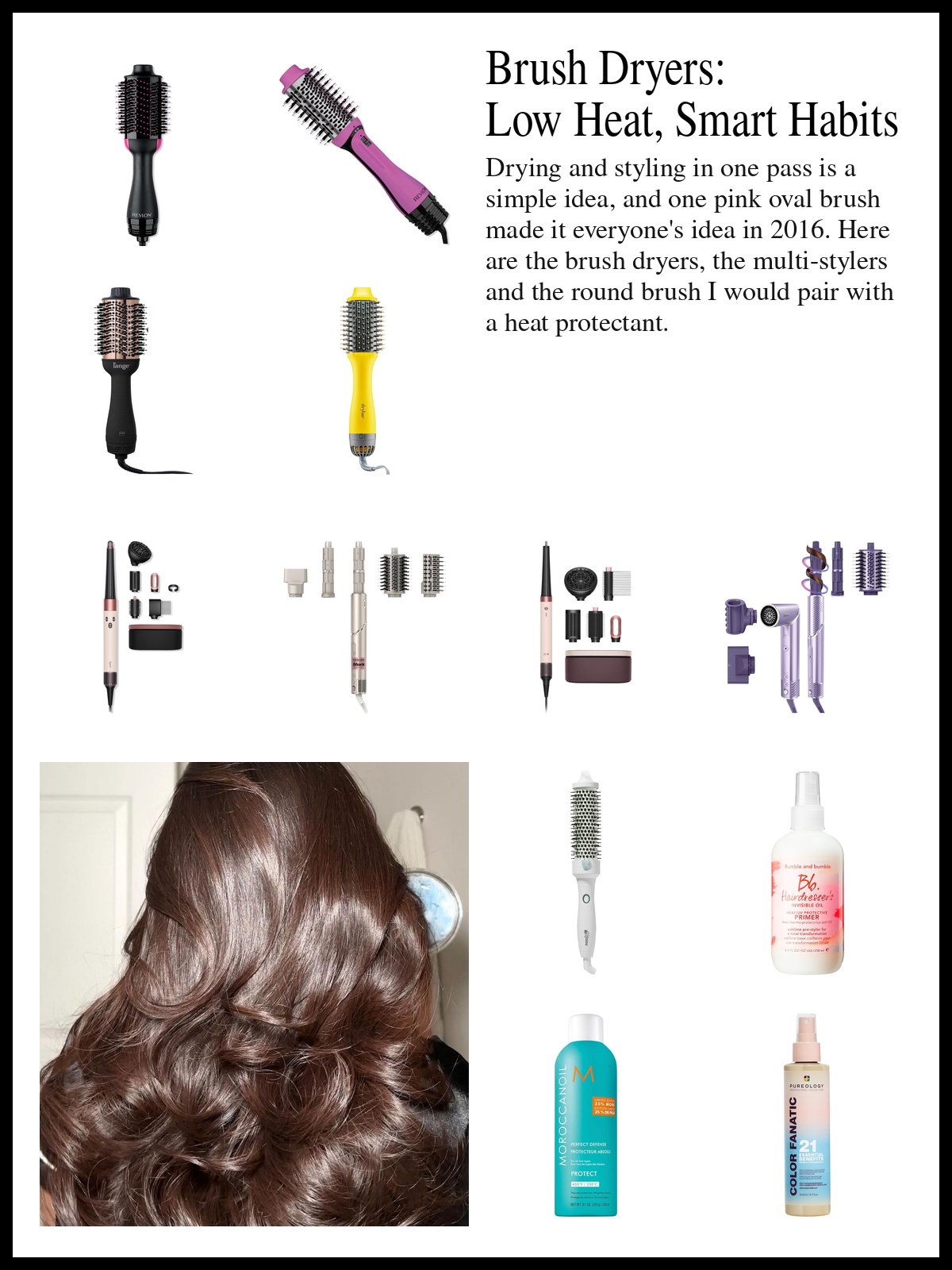
Revlon's One-Step Volumizer 1.0 is the original oval brush dryer, and the One-Step Volumizer PLUS 2.0 is the updated version. The brand describes it as giving more lift and shine. L'ange's Le Volume 2-in-1 Titanium Brush Dryer is the one I would look at if you like a slimmer barrel. Drybar's The Double Shot is a blow-dryer brush from the brand built around blowouts. Hot Tools' 24K Gold brush is the glossier pick, and T3's AireBrush One-Step is the one with a lighter, more sculpted look.
A plain habit I always come back to: let hair air dry most of the way first, then use the brush on hair that is barely damp, on a low heat setting.


Multi-stylers with brush attachments
Brush dryers are the simple version. If you want one machine that can dry, smooth and curl, the multi-stylers with brush attachments are the bigger bet, and they are worth understanding before you buy.
Dyson's Airwrap i.d. Multi-Styler and Dryer, Curly+Coily is the one built with textured hair in mind, with attachments for different curl patterns. Dyson's Airwrap Co-anda2x is the newer model, and the brand describes the airflow as wrapping hair around the barrel instead of using a hot plate. That is a neat idea, and it is why people reach for these in the first place: the attachments do the styling while the air does the drying.
Shark's FlexStyle Hair Blow Dryer and Multi-Styler folds the same idea into one handle that converts between a dryer and a styler, and the FlexStyle IonCurl Styling System adds curling attachments. I find the Shark pair friendlier for anyone who wants to experiment without learning a whole new tool.
What all four share is a long list of attachments, and what I would say is to start with the brush and the smoothing ones. Learn one shape well. Keep the heat on its low setting while you learn, because a steady low heat gives you more time to see how hair responds, and it is the setting the AAD points to when it advises using the lowest heat on a dryer.


A round brush and a shield for heat
A classic blowout still comes down to a good round brush, and this is where I would add a heat shield. Mane's It's Giving Body Hot Thermal Round Brush is a thermal barrel that holds warmth from the dryer, so you can shape a section with fewer passes. Fewer passes mean less heat on any one piece of hair, which is the entire point.
Then the bottles. Bumble and bumble's Hairdresser's Invisible Oil Heat Protectant Primer is a light oil primer, the sort I like on thicker hair. Moroccanoil's Perfect Defense Weightless Heat Protectant is a weightless spray for finer hair. Pureology's Color Fanatic Heat Protectant Leave-In suits color-treated hair, and the brand describes it as a multi-benefit leave-in. Mizani's 25 Miracle Milk Heat Protectant Leave-In Conditioner is the creamiest option, suited to textured hair that likes a little slip.
Apply a protectant to damp hair, comb it through, and let the roots dry before you use any hot tool. A protectant helps, but it does not make heat free, and I would not treat it as permission to go hotter.
What I would skip: going over the same section again and again, using a high setting because you are in a hurry, or brushing wet, dripping hair with a hot tool. The AAD says excessive heat can damage hair of any type and suggests blow drying less often, so I use these tools two or three days a week, not every morning.
A thermal round brush and heat protectants for a blowout


A short routine for a salon-style finish
My routine is short. Wash, towel dry, apply a heat protectant, and let hair air dry most of the way before you touch a tool.
Then section hair, keep the heat low, and work slowly from mid-lengths to ends, finishing with a cool shot to set the shape. Give your hair a day or two off between sessions. If your scalp feels hot or your ends start to feel brittle, stop and ease back on the heat. Persistent breakage or thinning deserves a conversation with a dermatologist.
A few small things make the routine easier. Clean the bristles and vents of lint and product every week or so, since buildup gets hot and sticky. Let the tool cool fully before you put it away, and keep the cord loose so it does not kink. If you are trying a new brush, practice on a day you have nowhere to be, so you can learn the angle without rushing. Take your time at the crown, where most of the lift comes from, and go lighter at the ends, where hair is oldest and driest.
The best tool is the one that gets you out the door feeling good without asking your hair to work harder than it has to.