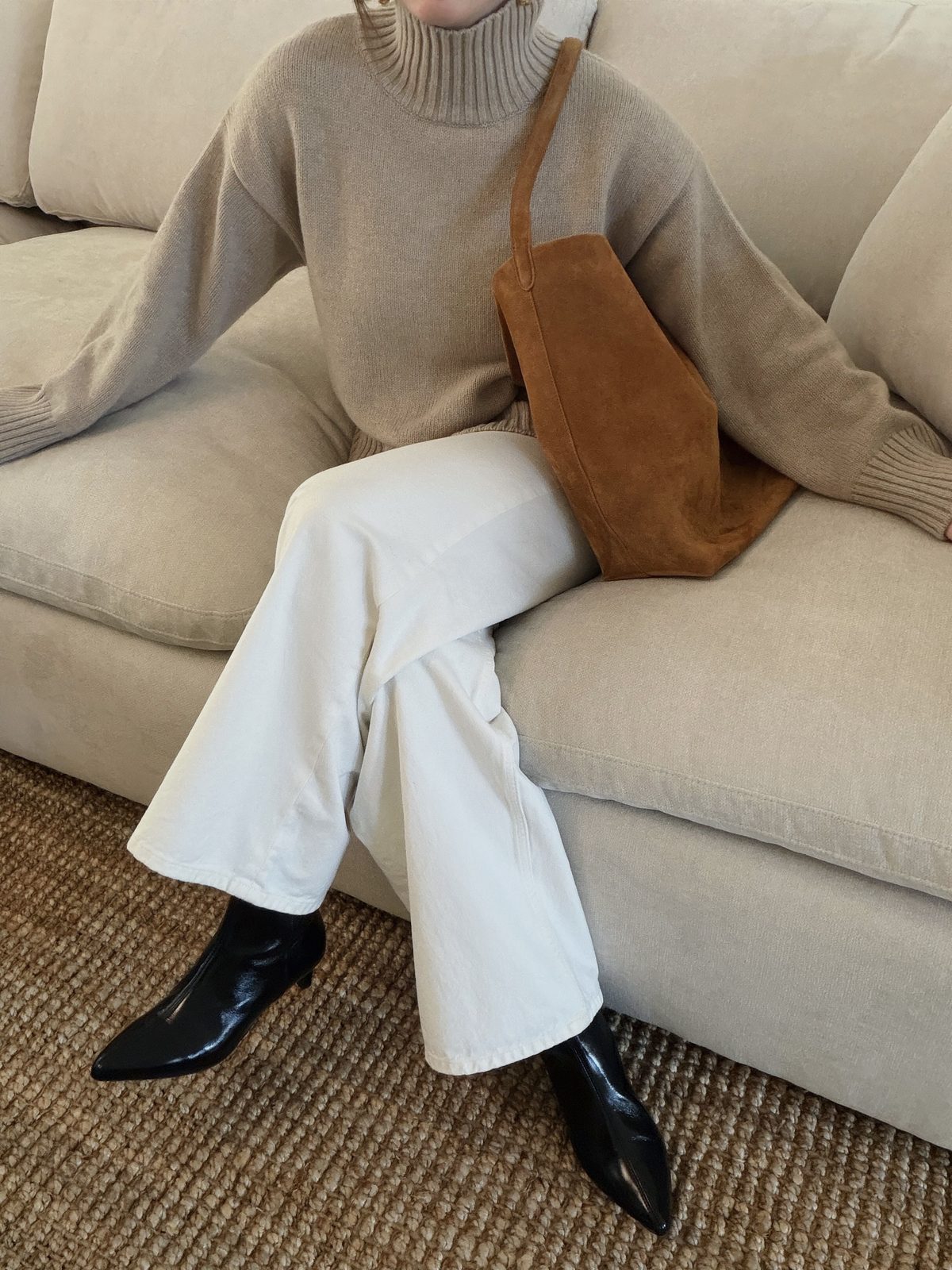
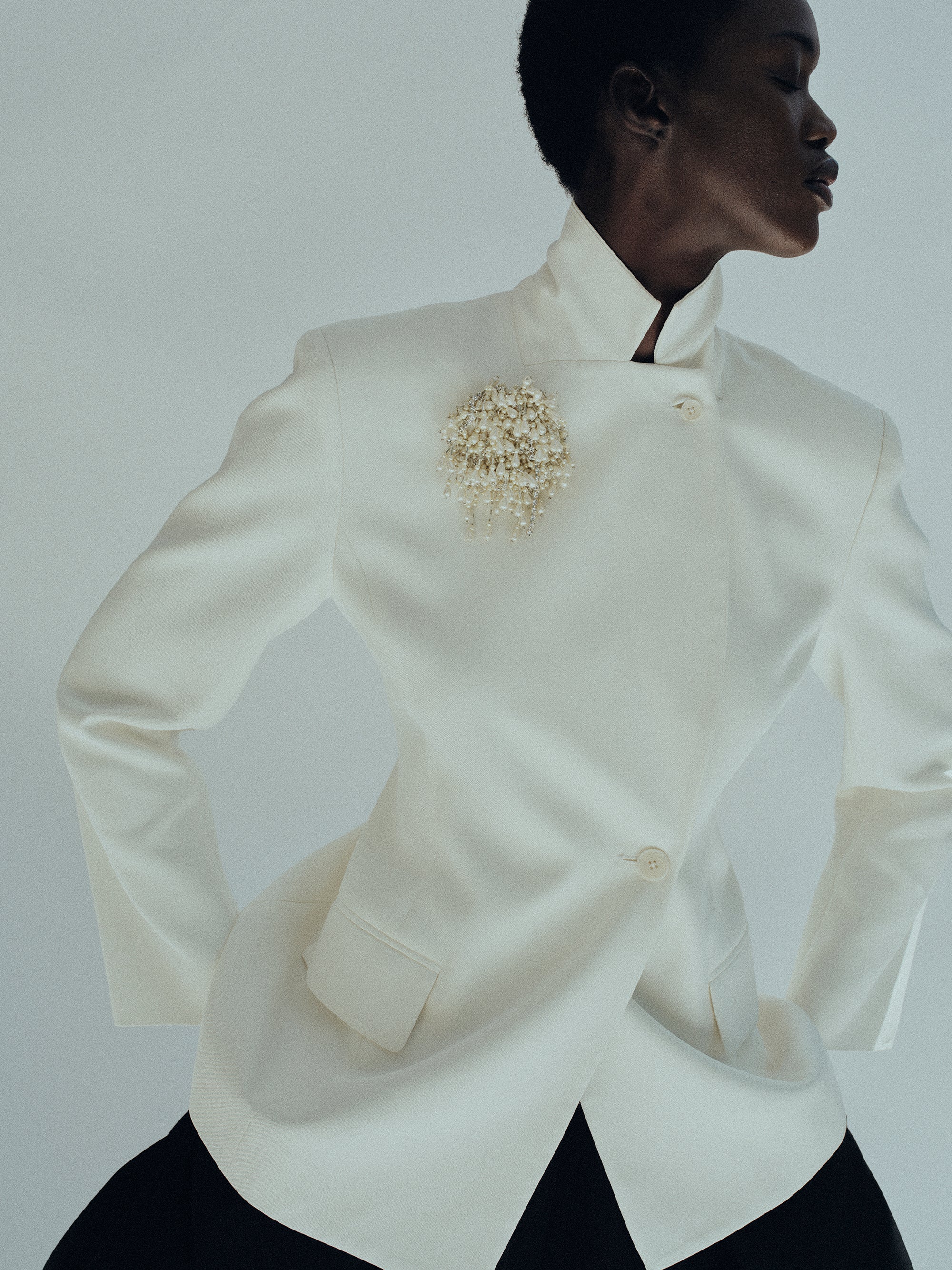
Buying less starts with understanding what each tier of your closet actually gives you, not just wanting a smaller one. Most overbuying comes from uncertainty rather than excess, buying several almost-right pieces instead of committing to one right one. This edit compares three tiers of construction and material, from pieces built to wear out to pieces built to last, so the buying decision matches the job the piece is for.

The Case For Buying Less
Three Different Jobs
Most overbuying is not greed, it is uncertainty, and the fix starts with knowing what each tier of a wardrobe is actually built to do rather than assuming more is safer. A cotton tee like A.L.C.'s Harper is meant to be worn out and replaced, not treated as a keepsake. A small object like Zimmermann's Plume Cocktail Ring earns its place by being worn constantly rather than saved for an occasion. The useful question is not how little you can own, it is what job each piece is actually doing in the closet. What follows treats these as three different jobs rather than three ranks of good, better and best.
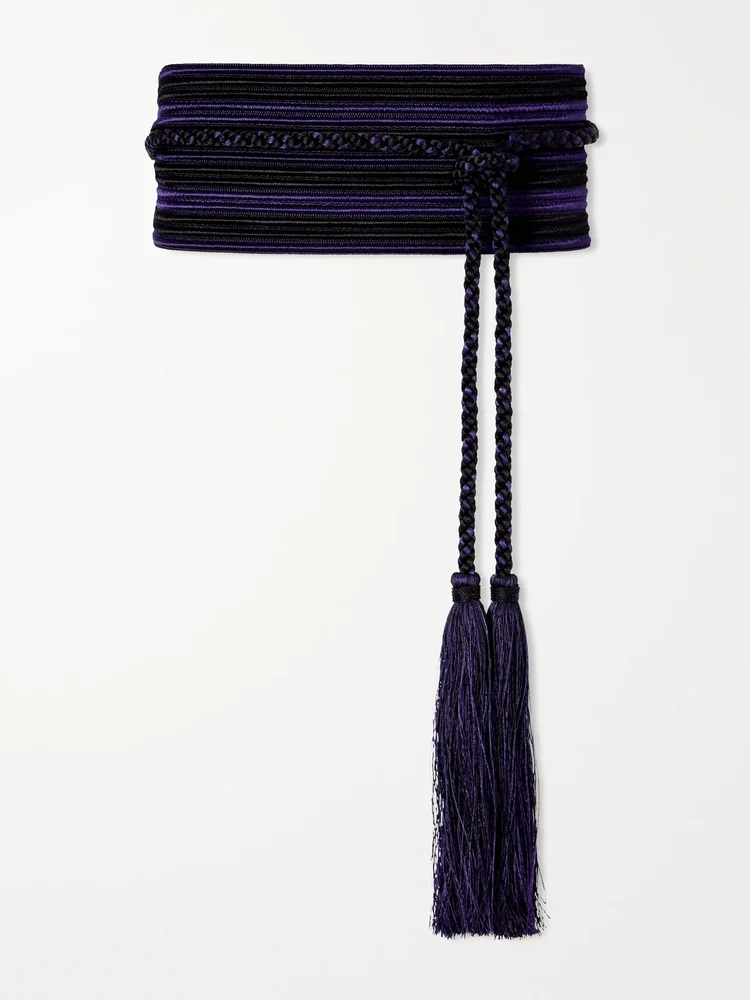
Vesper tasseled striped cord belt
Le Sundial
$475
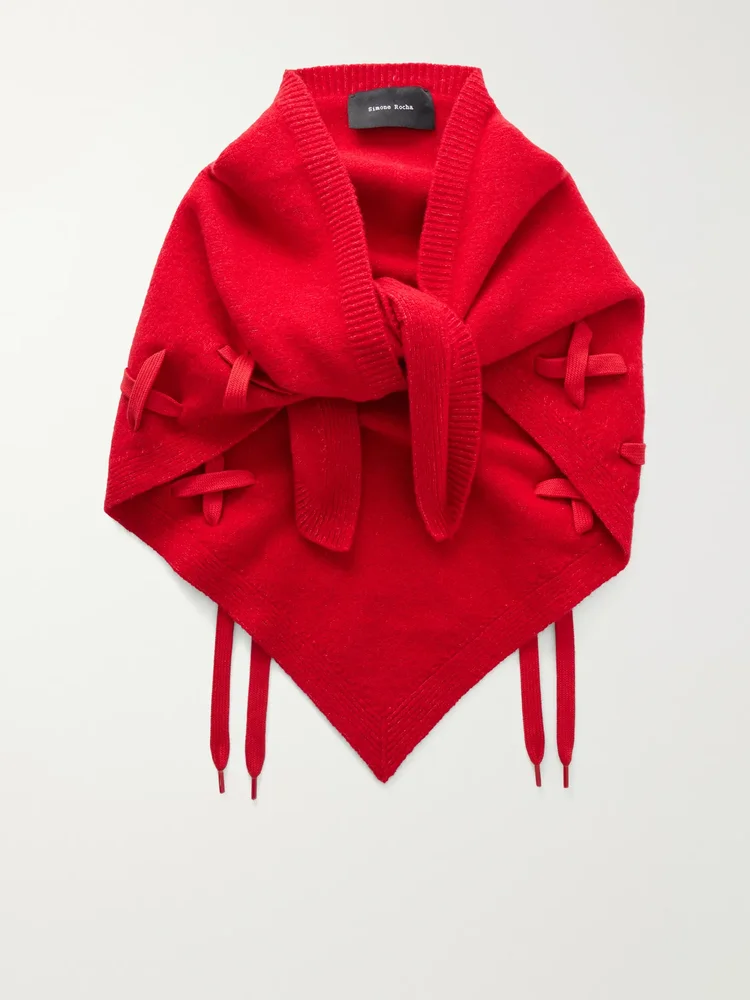
Lace-up merino wool-blend scarf
Simone Rocha
$425
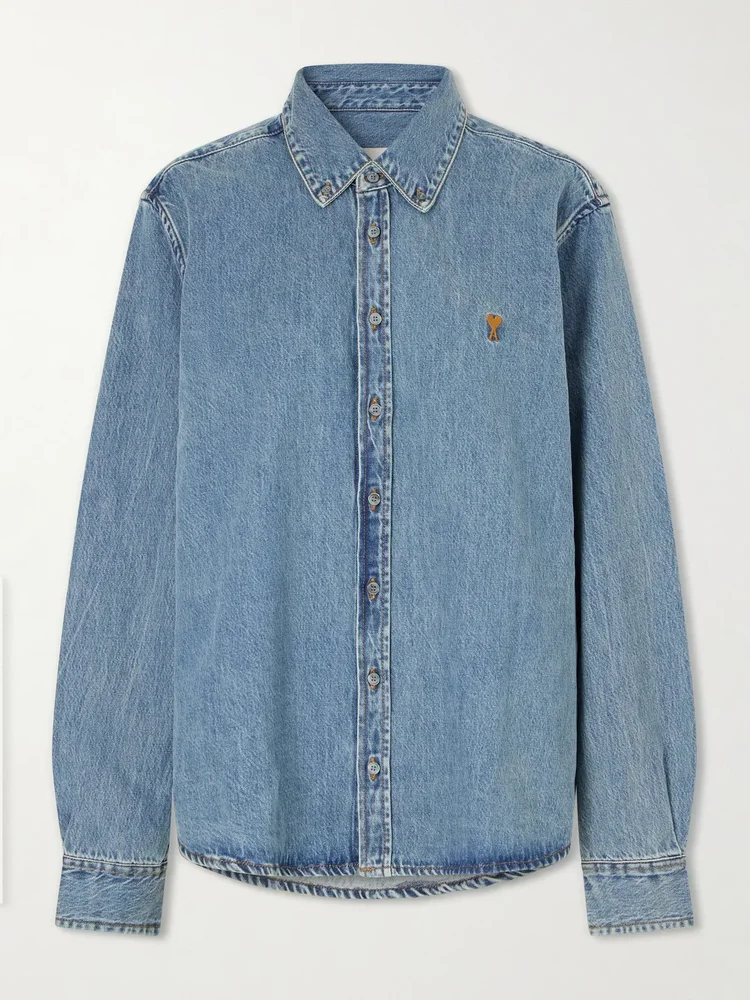
Logo-embroidered denim shirt
AMI Paris
$390
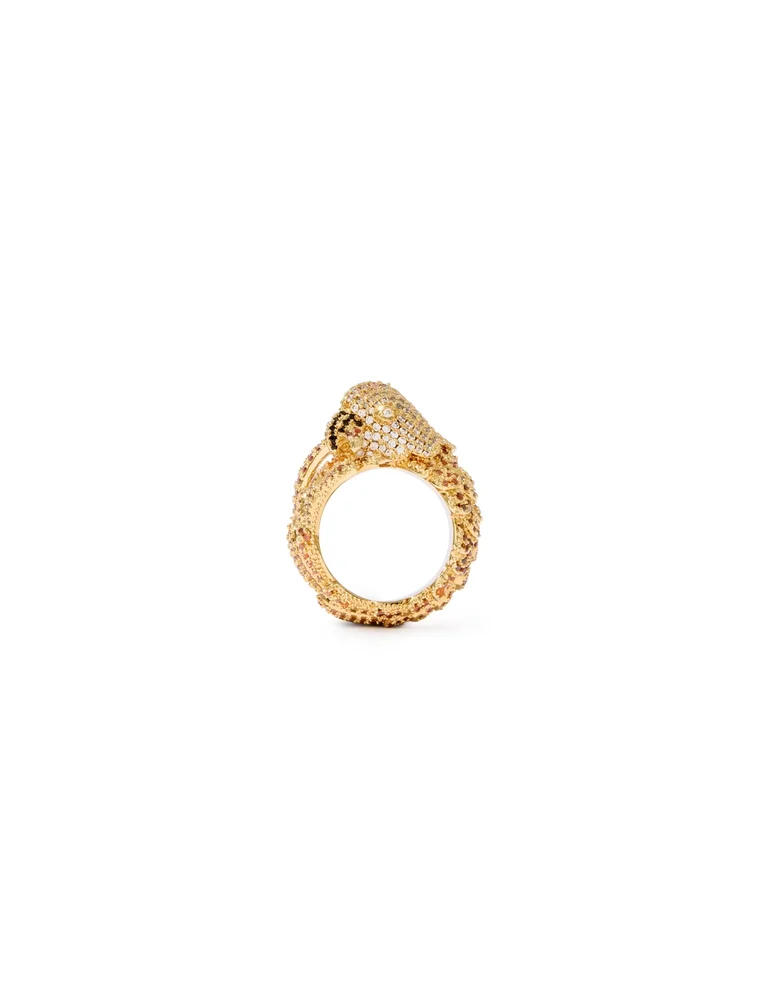
Plume Cocktail Ring
Zimmermann
$350
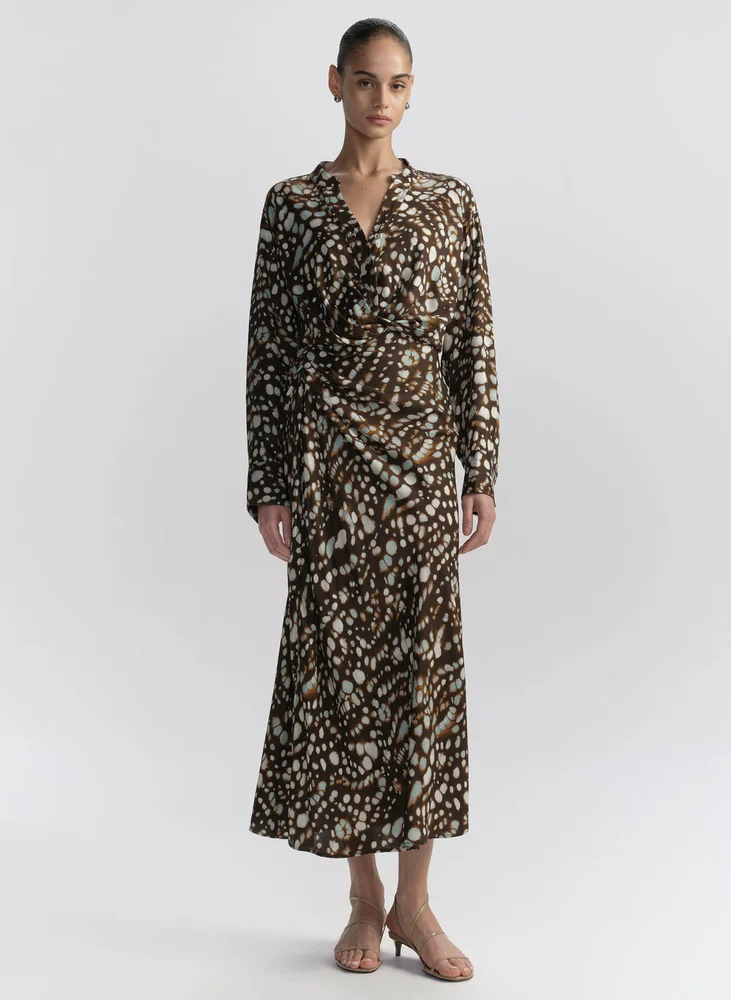
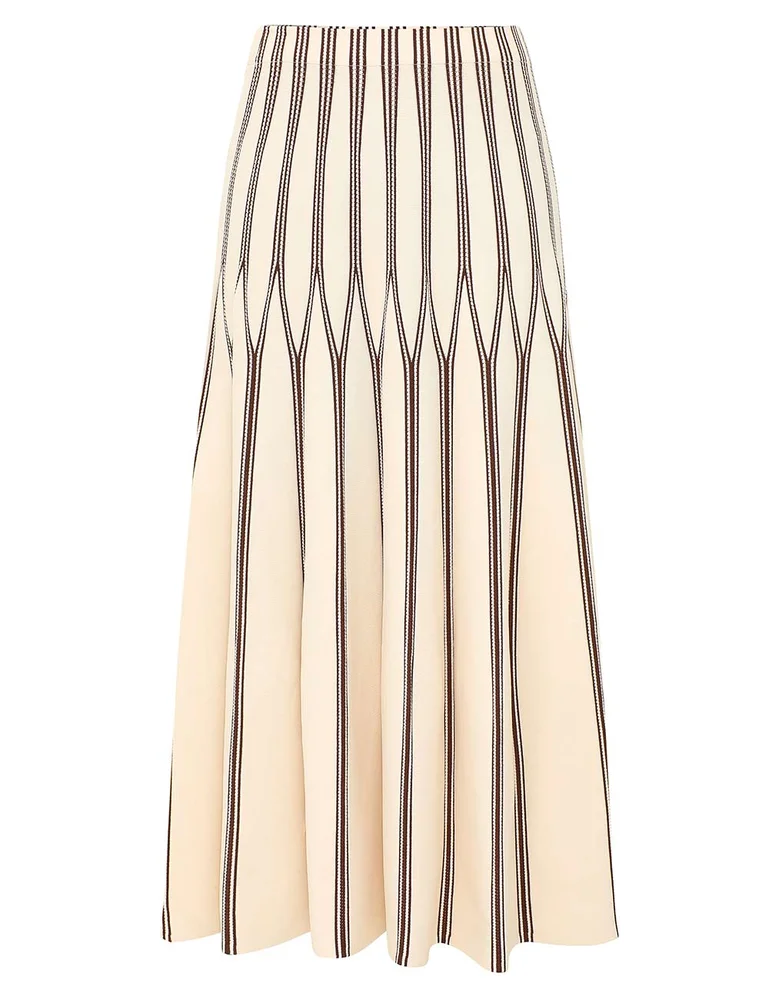
Jean Midi Skirt
A.L.C.
$295
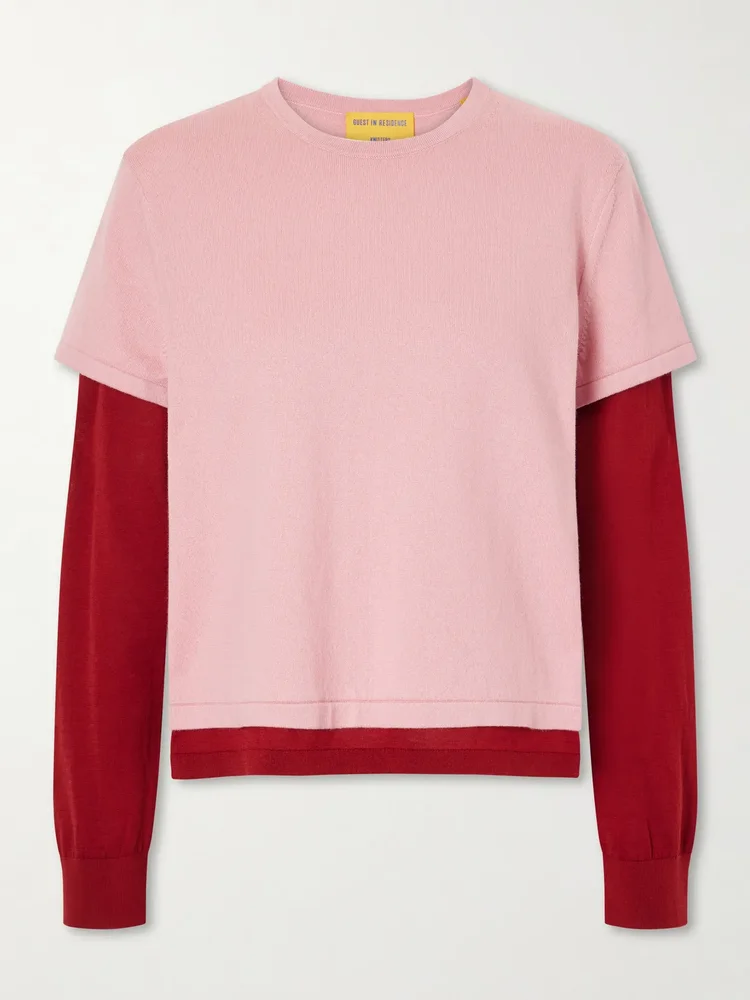
Layer cotton, cashmere and silk-blend shirt
Guest In Residence
$265
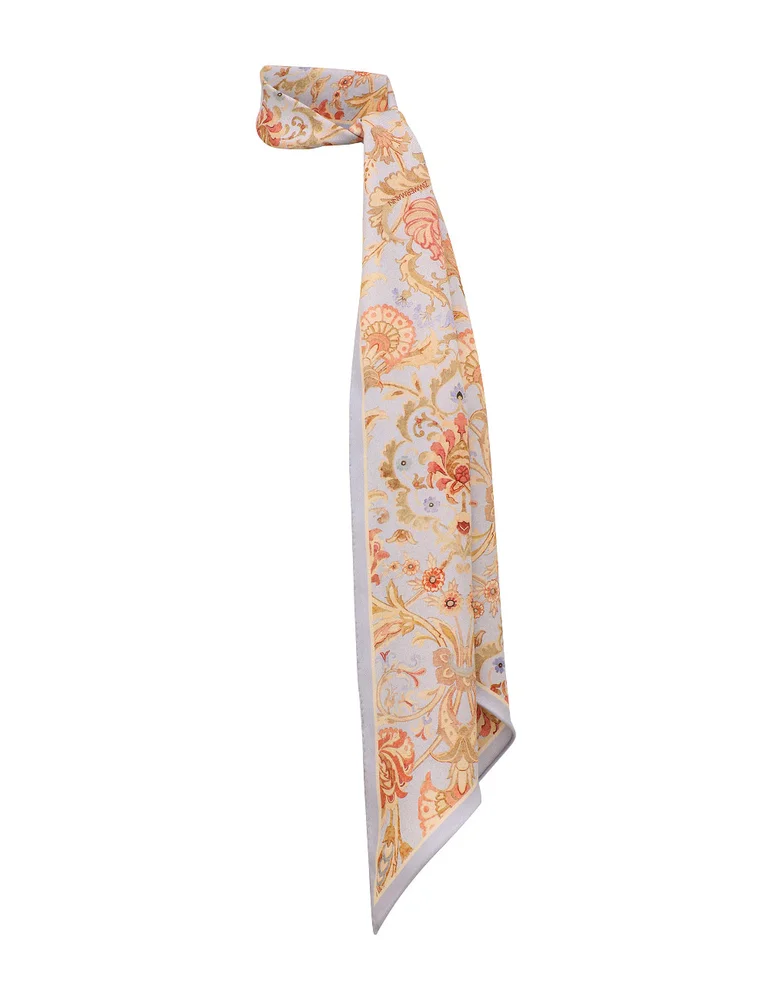
Printed Silk Neck Scarf
Zimmermann
$225
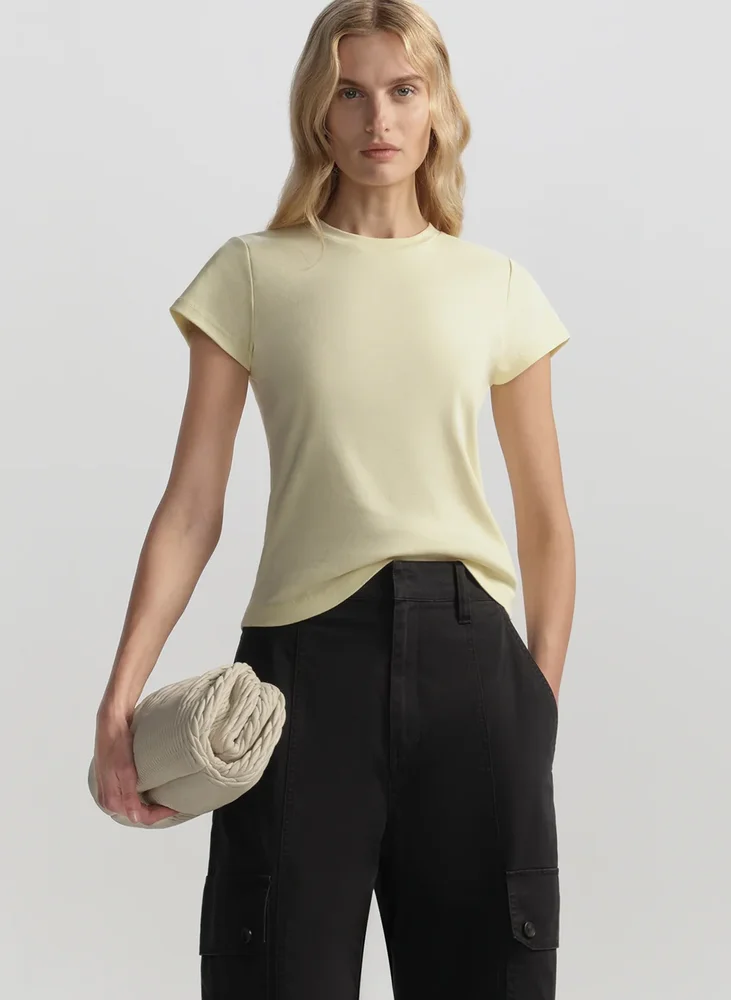
Harper Cotton Tee
A.L.C.
$110
Built To Wear Out
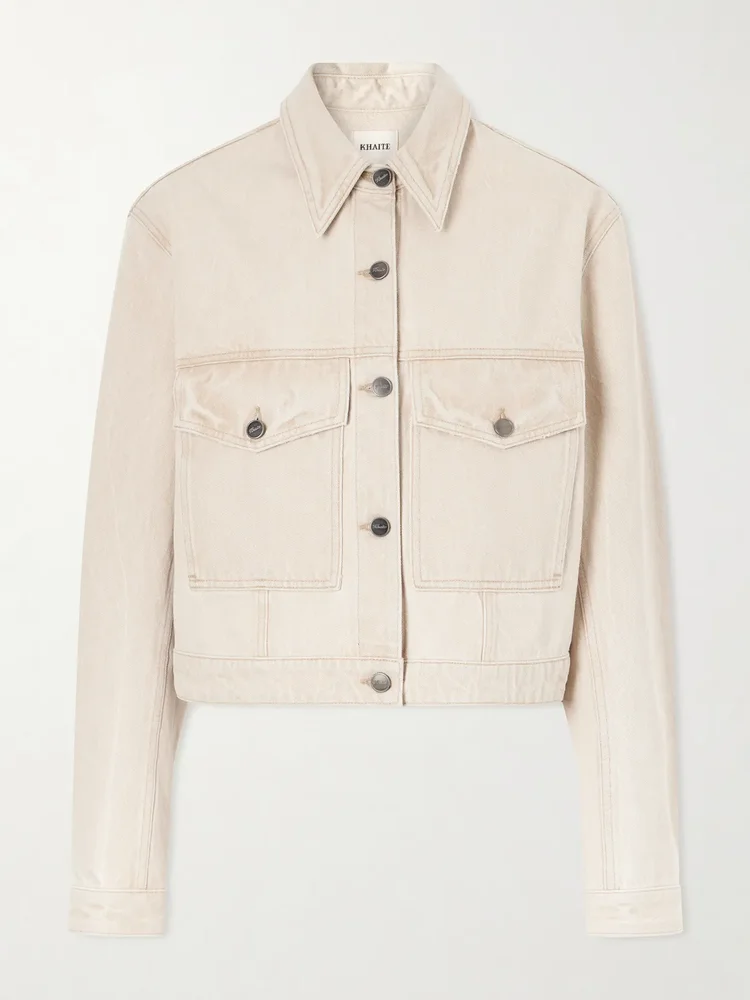
This tier is where you buy things you expect to wear out, pieces like a cotton tee, a simple skirt or Khaite's Tomer denim jacket that earn their place through frequency of wear rather than longevity. The right expectation is a few years of real use, not a decade, so check seams and fibre rather than a label. Turn a garment inside out: overlocked seams with a real seam allowance mean it can be repaired, while raw or minimal seams mean it cannot. Natural fibres behave better than technical blends at this level, since a blend here is usually there to simplify construction rather than improve it. Skip tailoring in this tier entirely, since a jacket built this way is almost always fused rather than canvassed and will bubble after a few cleans with no fix.
Where Construction Gets Real
The middle of a wardrobe is the most interesting and the most wasted tier, because this is where construction becomes real: lined jackets, proper wool, leather with a finished edge, a shoe with a stitched sole that can be resoled. It is also where a name gets used without the make actually changing, so check the boring things rather than the label. Is the lining cupro or polyester, is the hem deep enough to let down, does the shoe have a heel that can be replaced. Beyond that tier the difference is construction time and material rarity, meaning hand finishing and hides that are whole rather than pieced, like The Row's Cindy suede ankle boots or Victoria Beckham's double-breasted wool coat. How often a piece is actually worn is the only arithmetic that matters here, and you have to be honest about that number.
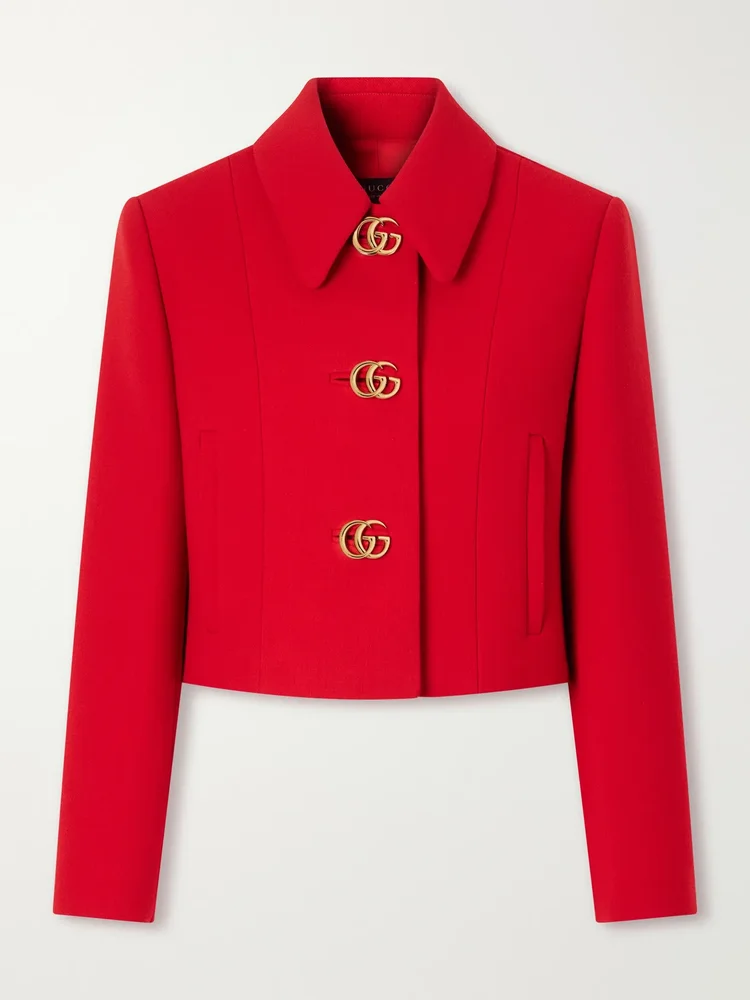
Wool-crepe blazer
Gucci
$3,400
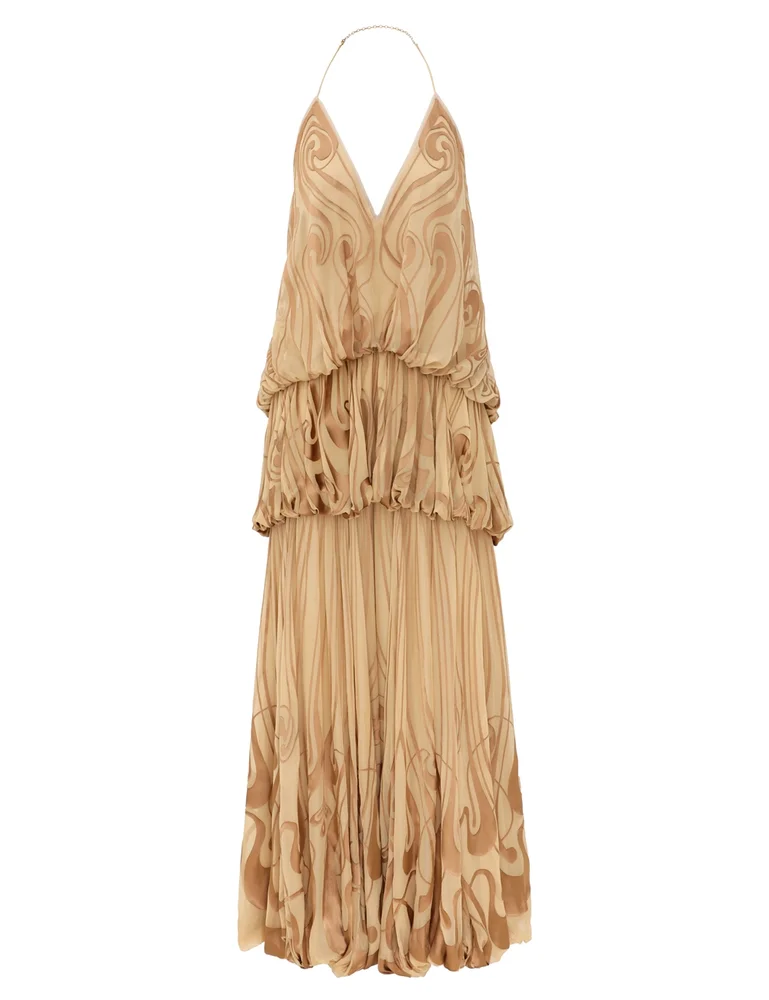
Momentum Burnout Bubble Slip
Zimmermann
$3,300
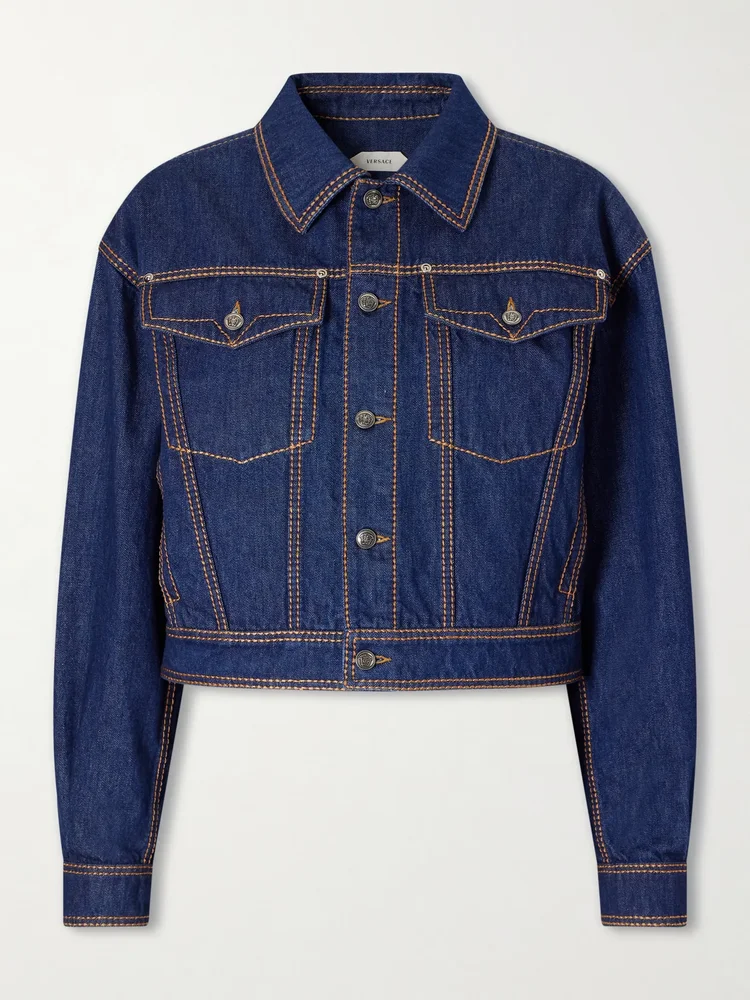
Denim cotton jacket
Versace
$2,550
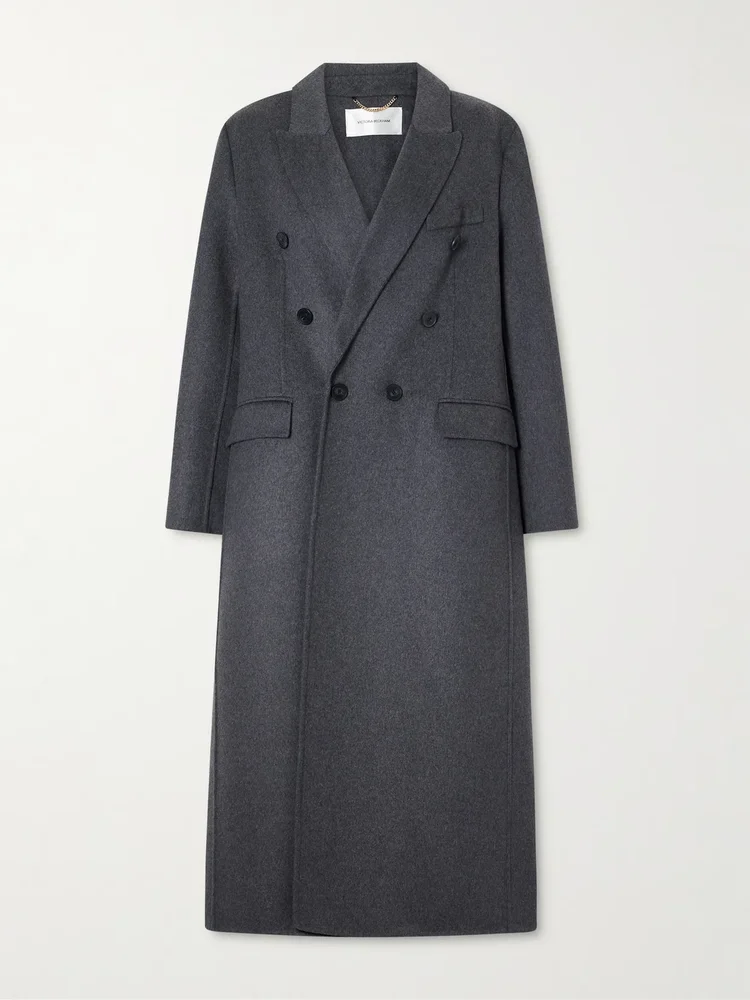
Double-breasted wool-blend long coat
Victoria Beckham
$2,250
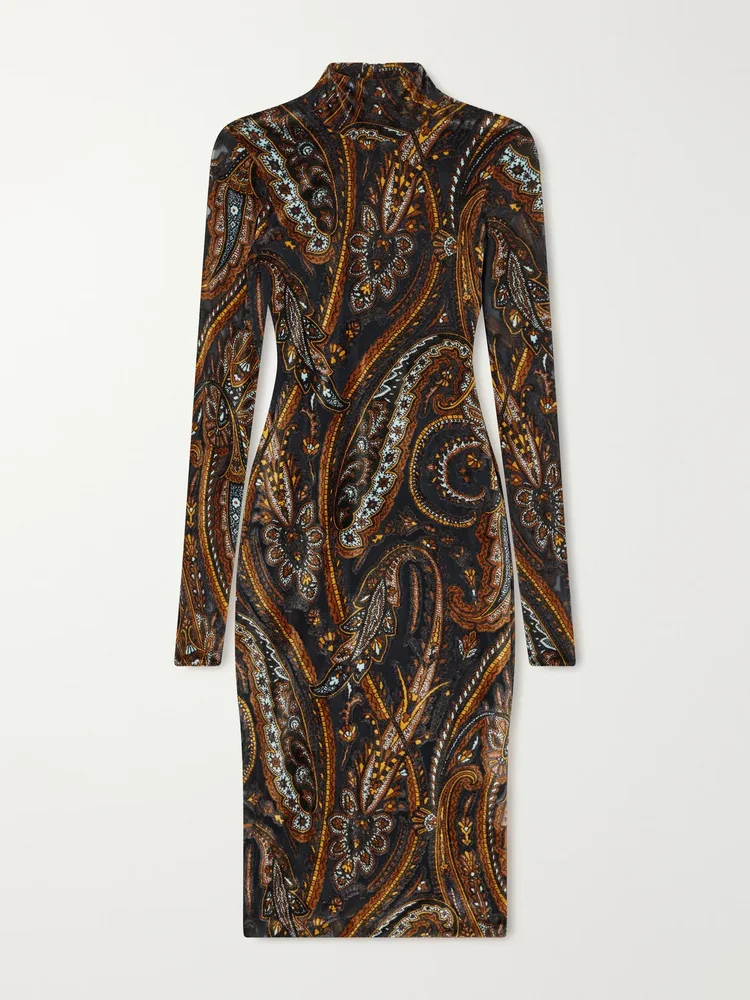
Printed stretch-velvet knee-length dress
Etro
$1,990
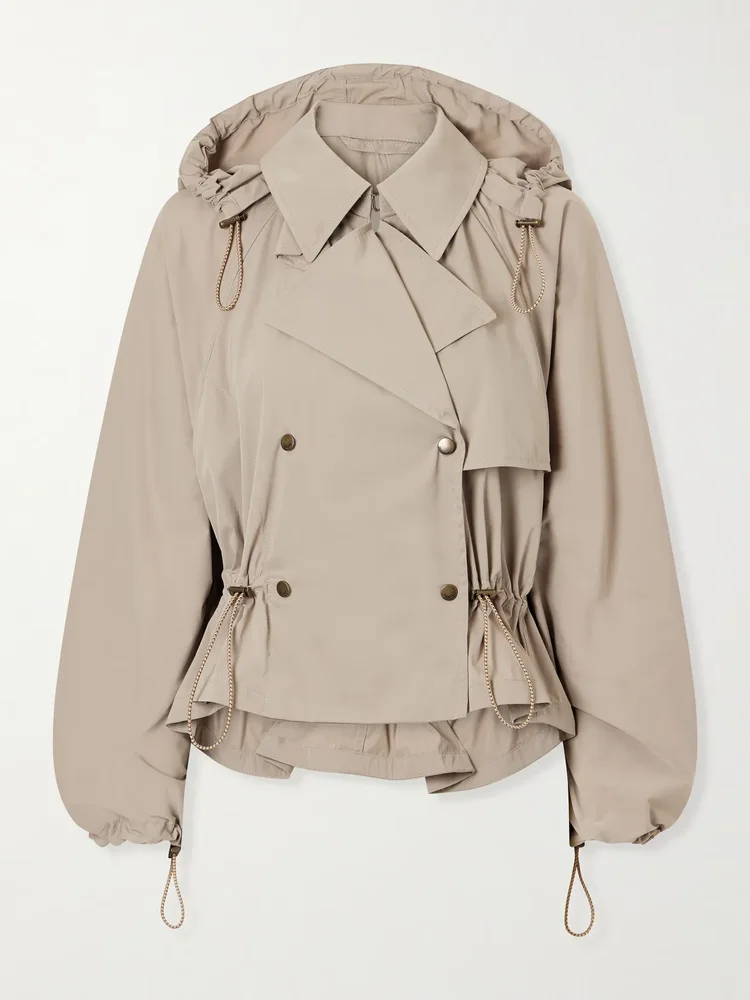
Cropped shell jacket
Burberry
$1,850
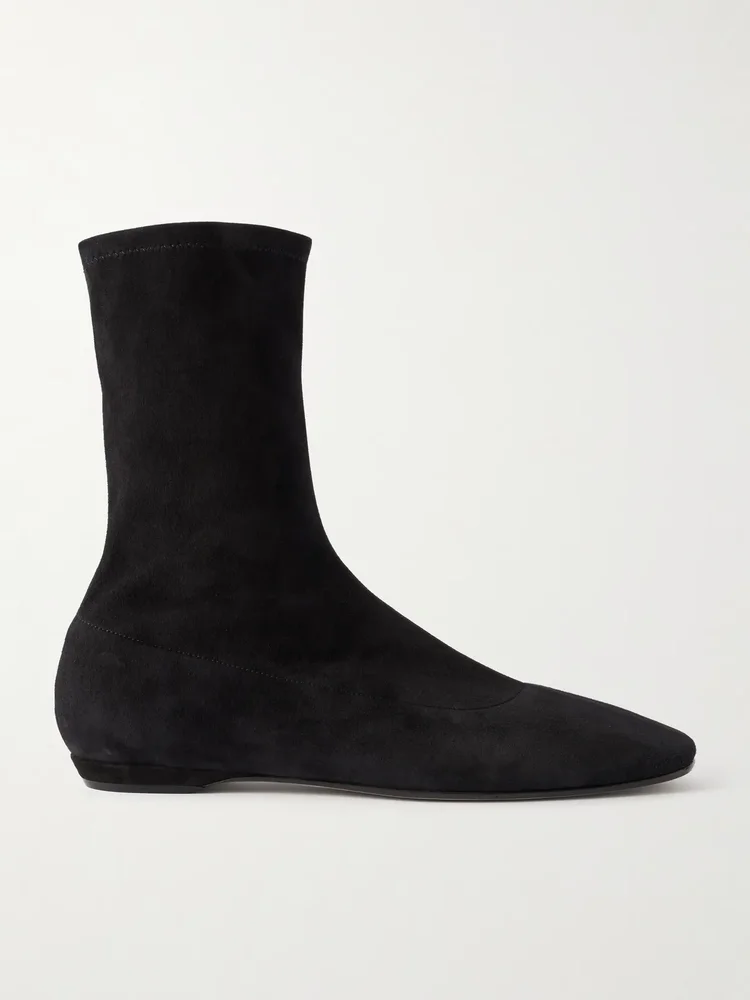
Cindy suede ankle boots
The Row
$1,650
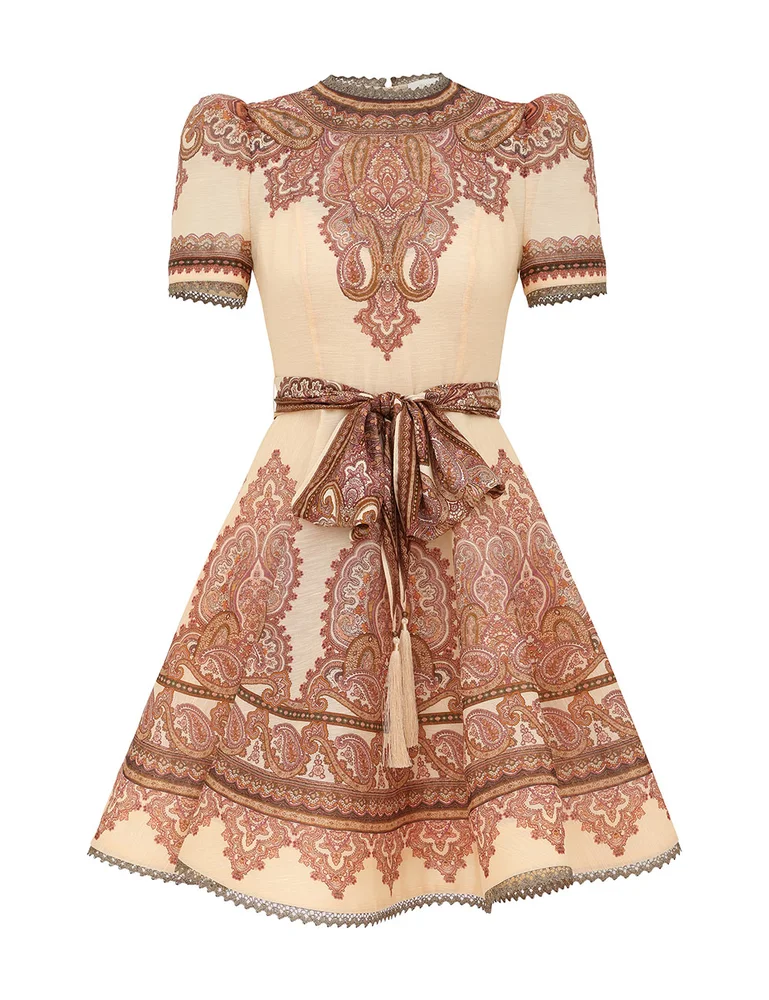
Ascent Picnic Mini Dress
Zimmermann
$1,500
How I Would Wear It
We are not neutral on this: most wardrobes we see do not need more pieces, they need fewer and better trousers. What we would skip is the top tier on anything that touches the ground or takes real weather, since a well-made shoe or coat only earns its place if you will actually maintain it, and maintenance means resoling, brushing, proofing and a cobbler you actually visit. If that upkeep is not realistic for you, buy the middle tier instead and replace it more often, which is the honest answer rather than the aspirational one. What we would put real weight behind is the coat and the bag, because they are the two things worn every day for years, and the difference in make shows from across a street. Name the five occasions you will actually wear a piece in the next two months before you buy it. If you cannot get to five, you are chasing the feeling of solving your wardrobe rather than solving it.