Choosing an eczema cream is mostly about finding something plain, rich and calming that you will actually use twice a day. Here are the barrier creams I reach for, the gentle washes and in-shower balms that come before them, and the soothing ointments and light creams for the flare-up weeks.
The Eczema Cream Shelf I Trust: Oats, Ceramides and Nothing Loud
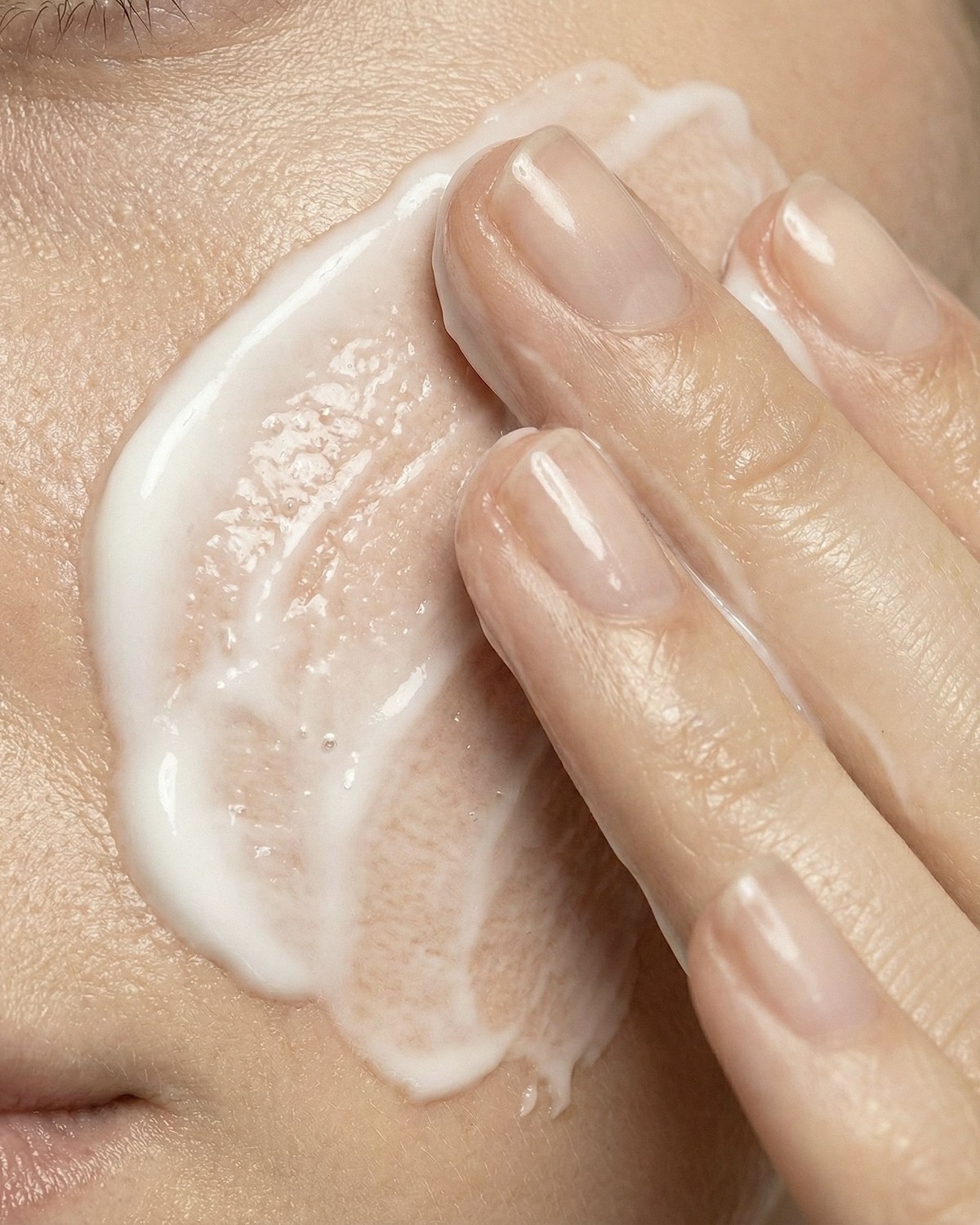
The word eczema comes from the Greek ekzema, which means eruption. It is also often used as shorthand for atopic dermatitis, though it can describe a wider group of dermatitis conditions, which is one reason the advice is so personal. What I can tell you is how I shop for an eczema cream: I want it rich, I want it plain, and I want to be able to say every ingredient out loud without wincing.
Oats have been part of this conversation for a long time. A colloidal oatmeal bath treatment was the first product from a company founded in 1945 by two brothers, Albert and Sidney Musher, working with the Mayo Clinic, and in 2003 the FDA acknowledged colloidal oatmeal as an over-the-counter skin protectant. That is the mood I look for in a cream: protective first, clever second.
First Aid Beauty's Ultra Repair Cream is the thick white one many people already know, made for face and body. ILIA's Barrier Build is a protectant cream with ceramides, and Kiehl's Ultra Facial Advanced Repair Barrier Cream is the most elegant of the group, made for the face. Dieux's Skin Mercy and Topicals' Like Butter are both made for dry, sensitive and eczema-prone skin, and Topicals is the one I press on elbows and the backs of knees. Nécessaire's fragrance-free Body Cream adds niacinamide and ceramides for larger areas.
Apply any of them on skin that is still slightly damp, and use more than feels polite.
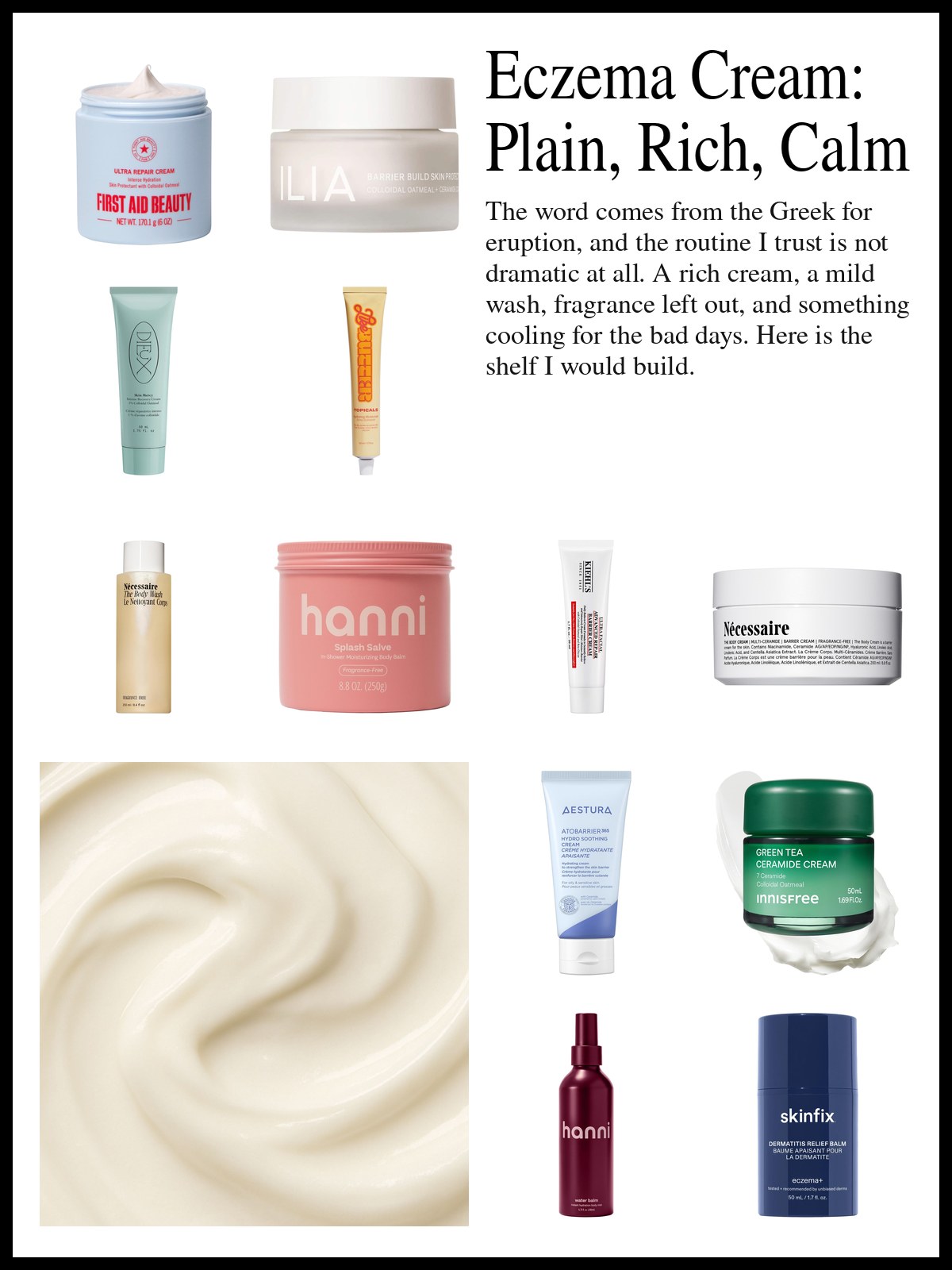
Oat and barrier creams for dry, itchy patches

Ultra Repair Cream Intense Hydration – Face and Body Moisturizer for Skin Repair
First Aid Beauty
$42

Barrier Build Skin Protectant Cream – Moisturizer with Ceramides
ILIA
$64

Skin Mercy Intense Recovery Cream for Sensitive & Eczema-Prone Skin
Dieux
$38

Like Butter Moisturizer for Dry, Sensitive & Eczema-Prone Skin
Topicals
$34

Ultra Facial Advanced Repair Barrier Cream
Kiehl's Since 1851
$48

The Body Cream Fragrance-Free – Barrier Repair With 5% Niacinamide, 5 Essential Ceramides + Hyaluronic Acid
Nécessaire
$48

Ultra Facial Meltdown Recovery Medicated Cream with Colloidal Oatmeal
Kiehl's
$45

Barrier Repair Nourishing Moisturizer
Perricone MD
$75
Wash gently, moisturize in the shower
A rich cream can only do so much if the skin underneath has been stripped by a harsh wash. So the step I think about first is the cleanse. Hot water and foaming soap are the usual culprits, and I would change those before I changed any moisturizer.
Nécessaire's fragrance-free Body Wash is the mild option, with niacinamide, ceramides and hyaluronic acid in a fragrance-free formula made to cleanse gently. Keep the water lukewarm, keep the shower short, and lather only where you actually need it. Arms, legs and back rarely need much more than a rinse, and the folds, underarms and feet are where soap really belongs. Fragrance-free matters here too, since scent in a wash sits on skin for as long as you are in the shower.
Hanni's Splash Salve is the one I find most interesting. It is an in-shower body moisture treatment, fragrance-free, which you apply to wet skin before stepping out and rinse quickly without scrubbing. It suits anyone who dreads the ten minutes between the towel and the cream, because the moisture step has already started before you step out. It also helps if you tend to skip body lotion on busy mornings, or if you share a bathroom and have a very short window.
Pat dry rather than rub, and put your thick cream on within a few minutes. That short window matters more than any label. If a patch is red, cracked or weepy, that is a job for a doctor, not for a bathroom shelf.
Gentle body washes and in-shower balms

The Body Wash Fragrance-Free – Barrier Cleanse With Niacinamide, 5 Essential Ceramides + Hyaluronic Acid
Nécessaire
$28

Splash Salve Fragrance-Free In-Shower Body Moisture Treatment
Hanni
$37

Made for All Gentle Body Wash
Kiehl's
$37

Deep Comfort Body Wash
Clinique
$42

Body Wash
Dr. Barbara Sturm
$70

Eucalyptus Body Wash
Malin + Goetz
$30

Cannabis Hand + Body Wash
Malin + Goetz
$30

Awaken Body Wash
Oak Essentials
$38
Balms and light creams for flare weeks
Some weeks the skin is angry and the rich creams feel heavy or hot. That is when I switch to something cooling and light, then layer richer products over it only where they are needed.
Aestura's ATOBARRIER365 Cooling Hydro Soothing Water Cream is a watery gel-cream with ceramides and hyaluronic acid, good on a warm, tight face. innisfree's Green Tea Ceramide Cream is made for redness and barrier care, and it feels like a soft, modern lotion, the sort you would not mind wearing to work. Oliviaumma's Pudding is a calming everyday cream with ceramide and centella asiatica, light enough to wear under sunscreen. Kate Somerville's DeliKate Recovery Cream is a ceramide moisturizer for sensitive skin, plush without being greasy.
Skinfix's eczema+ Dermatitis Ceramide Cream is made for face and body, and it is the one I keep for stubborn dry patches. Hanni's Water Balm is a moisturizing mist for body skin, which is useful for reaching your back or getting moisture on before a thicker layer.
What I would skip: anything scented, and any new product on a patch of skin that is already inflamed. Try one new thing at a time, on a small area, for a few days before you use it everywhere, and write down what you used when skin flares. A note on your phone is enough. If you change five things at once and your skin reacts, you will never know which one it was.
Soothing balms and ointments

ATOBARRIER365 Cooling Hydro Soothing Water Cream Moisturizer with Ceramides & Hyaluronic Acid for Moisture Barrier Repair
Aestura
$32

Green Tea Ceramide Cream for Redness & Barrier Repair
innisfree
$30

Water Balm Instant Hydration Body Moisturizer Mist
Hanni
$37

eczema+ Dermatitis Ceramide Face + Body Cream
Skinfix
$45

DeliKate Recovery Cream Ceramide Moisturizer for Sensitive Skin
Kate Somerville
$84

Pudding Calming Everyday Cream with Ceramide and Centella Asiatica for Skin Repair
Oliviaumma
$48

SOS Daily Barrier Recovery Cream
Tower 28
$24

Water Drench Hyaluronic Balm Barrier Cream
Peter Thomas Roth
$35
How I would build the routine
My rule is to keep the routine short enough that you will not skip it. Mild wash, a light cream for the good days, a rich one for the bad days, and the same products for a few weeks before you judge them.
Choose fragrance-free whenever you can, use a small amount on the face and a generous amount on the body, and reapply to hands after every wash. Lukewarm water, soft towels, and cotton next to skin all help more than they sound like they should. Give a new product two or three weeks, unless it stings, in which case stop straight away. If dryness or itching keeps returning, disturbs your sleep or spreads, please see a doctor. A good routine keeps skin comfortable. It is not a substitute for a diagnosis.