Buying a jacket or coat comes down to a handful of checks you can make from the product photos alone. Shoulder fit and shell weight matter more than the details that get most of the attention, like colour or hardware. This edit is arranged by how much of a commitment each piece is, from light layers you will reach for constantly to the coats that need their own occasion.
The Jacket And Coat Edit
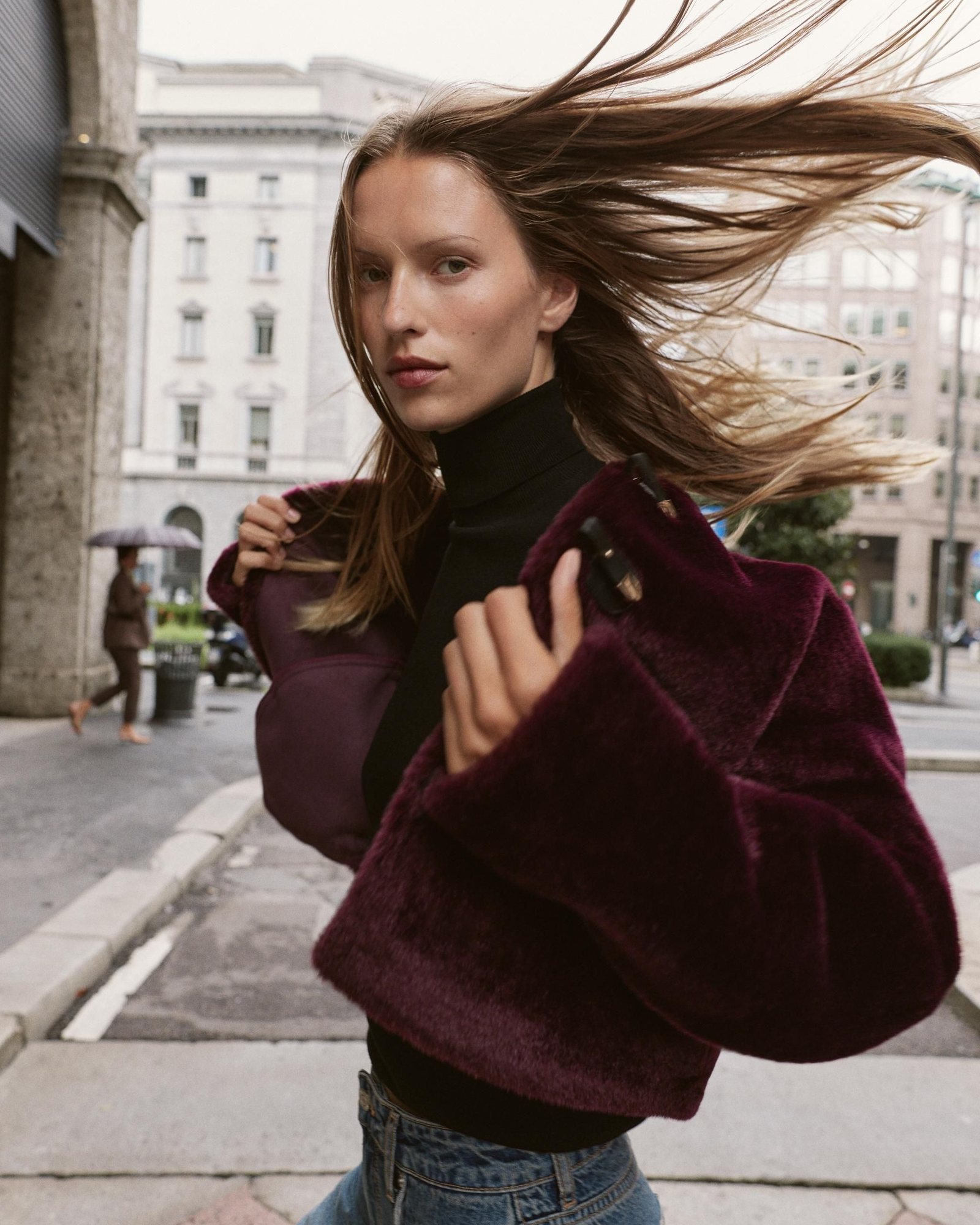
Shoulders, then the first layer
The V&A says Thomas Burberry patented gabardine in 1879, and trench coats became fashionable after the First World War as returning soldiers brought them into cities. I like that beginning for a jacket edit: function came first, and the look followed. A good layer still has to earn its place on an ordinary day, not just in a dramatic outfit imagined from the sofa.
Dissh's Jaclyn Ivory Marle Cropped Wool Blend Coat gives you a clear, short shape to try over a longer shirt or a fine sweater. Destree's Two-tone Camel Jacket with Contrasting Lapel has a more defined point of view, so I would keep the rest of the outfit quiet and let the lapel do its small bit of theatre. Beginning Boutique's Corey Black Washed Denim Biker Jacket is the casual option for a plain tee and straight trousers. Ronny Kobo's Carrie Blazer is the one I would test with both jeans and a dress, to see if it can move between the two.
Try each one over the actual knit you plan to wear under it. Reach forward, cross your arms, then put on the bag you carry most. What I would skip: a shoulder that feels fine standing still but pulls the moment you reach for a train strap.
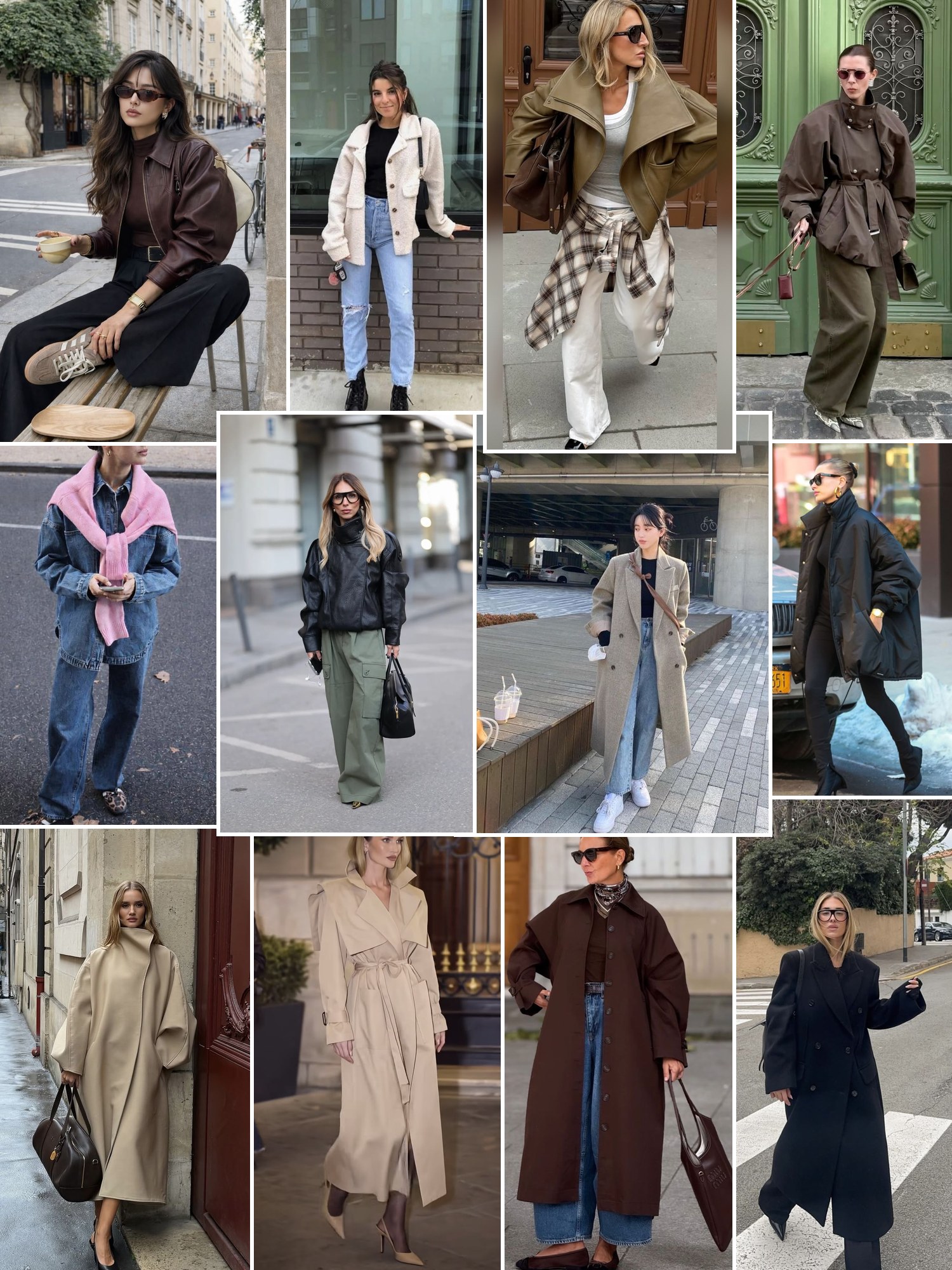


Vests and the useful in-between
There is a particular October morning when a coat feels like too much and bare arms feel optimistic. That is where this set earns its keep. VRG GRL's Ali Denim Vest Tan is the easy casual layer; the name gives you denim and tan, so I would try it over a white long-sleeved tee before adding another color. Ronny Kobo's Ford Vest sounds more tailored, and I would check whether it sits comfortably over a shirt without bunching at the armhole.
Varley's Colwyn Combo Boxy Gilet has a roomy outline in its name, which makes a closer fit underneath a sensible first test. Ksubi's Relax Trucker Jacket Militant Green is the sleeve option here, for days when you want a jacket rather than a vest. I would wear it with a simple base so the green has room to read, then compare its movement with the other layers.
Do the armhole test while seated too: reach for a cup, turn to speak to someone, and notice whether the vest shifts. For a jacket, check the cuffs against your watch and see if the hem lands where you like it over your usual trousers. The right in-between layer is the one you stop noticing once you leave home.


Brown coats, black structure
A coat can be the outfit, but I still want it to make sense with the clothes I already reach for. Nana Jacqueline's Celine Suede Coat in Brown gives the group its most coat-like name and color; I would start with a plain knit and let the brown set the tone. Nobody's Child's Rust Funnel Neck Melza Jacket has a funnel neck in the title, so I would check how it sits against a scarf before deciding whether the two compete.
Beginning Boutique's River Vintage Brown PU Bubble Hem Bomber Jacket brings a shorter, more casual shape into the mix. I would pair it with a straight leg so the bubble hem has a little contrast, not more volume fighting it. Ksubi's Creed Jacket Aged Black is the darkest option by name, and an easy test is whether it works over both a light tee and a heavier-looking sweater.
This is where I check the closure with the layers I expect to wear, not a thin top chosen just for the fitting room. What I would skip: buying a coat-shaped idea for a winter that never comes. Walk around for a few minutes, sit down, and decide whether the neck, hem, and sleeves feel like your actual life.
&link=https%3A%2F%2Fwww.revolve.com%2Feaves-lumi-trench-coat-in-black%2Fdp%2FEAVR-WO173%2F)


Print, texture, and proportion
Some jackets are happiest as the one interesting thing in an otherwise quiet outfit. Beginning Boutique's Robbie Leopard Print Quilted Jacket is an obvious candidate for that role. I would put it with black trousers or a plain dark skirt, then check in daylight whether the print feels like something I want to see often, not just once. The Hendrick Mid Wash Denim Cord Trim Oversized Jacket is more relaxed by name; try it against a slimmer base so the larger shape looks intentional.
Destree's Ivory Cropped Cotton Jacket with Textured Thread Finish has a shorter length and a detail worth seeing up close. I would keep the top beneath it simple, then check the hem against the waistband of your favorite trousers. Ksubi's Slim Trucker Jacket Saloon Black offers a neater denim direction, useful if you want the familiar jacket shape without another mid-wash blue.
The practical test is to put on each jacket with the shoes and bag you actually use. Oversized can feel easy in the mirror and cumbersome when your tote is on your shoulder. Cropped can look clean until you sit. Check both, and ask whether the outfit still feels like you after five minutes of moving around.


The pieces that repeat
The final group has a little of everything, which is useful if you are still deciding what your closet needs. Destree's Denim Ecru Button-Front Vest is a light-colored vest by name, and I would start it over a dark long sleeve to see whether that contrast feels right. Ksubi's Slim Trucker Jacket Flight Blue gives the denim option a brighter wash; compare its proportions with the Saloon Black version rather than treating them as interchangeable.
Nana Jacqueline's Lisette Blazer in Ivory brings a blazer into the same decision, and I would see whether it works with your usual jeans before reserving it for anything formal. Varley's Linnea Fairisle Knit Jacket is the softer-sounding option, a name that makes me want to try it over a tee and under a coat I already own. Keep the test simple: take the same base outfit through all four and notice which layer makes getting dressed easier.
Check the shoulder, closure, and hem in that order. If a piece only works with a top you do not own or shoes you never wear, it is not solving a wardrobe problem yet. What I would skip: choosing a second version of a jacket before the first one has shown you what you actually reach for.


&link=https%3A%2F%2Fwww.revolve.com%2Fnana-jacqueline-tiffani-blazer-in-black%2Fdp%2FNJAC-WO5%2F%3Fd%3DWomens%26page%3D1%26lc%3D58%26itrownum%3D15%26itcurrpage%3D1%26itview%3D05)

Suede shapes with a little edge
The useful question with a suede or faux leather jacket is what kind of shape you want it to give the outfit. A defined waist feels different from a soft frame at the neck, and both differ from a cropped, sharper line. I would choose the job before choosing the finish.
By Anthropologie's Belted Faux Leather Jacket has tailored lapels and a matching belt, so the brown silhouette can be adjusted rather than left boxy. Maeve's Imara Faux Suede Funnel Neck Jacket goes the other way, with an acorn pullover shape, dropped shoulders, and a sculptural collar. Pilcro's Rumi Shrunken Faux Leather Moto Jacket is chocolate, cropped, and zipped, with side pockets for a more compact outline. Madewell's Patch-Pocket Jacket in Suede pairs dark carob suede with a leather point collar and oversized pockets.
Before buying, try the belt at the point you would naturally fasten it and run the zipper once; check that the pockets remain easy to use and the collar sits comfortably. That small test tells me more than a mirror pose.


Quilting, corduroy, and soft linings
Quilted jackets are not interchangeable just because they share a stitched surface. The shell, trim, and closure change the feeling, so I would compare those details before deciding which one earns regular wear.
Varley's Fabia Quilted Jacket is ponderosa pine, with a padded body, stand collar, and snap front. Pilcro's Faux Fur Lined Denim Bomber Jacket brings a tan denim shell together with a plush collar and lining, plus an elasticized hem. Madewell's Quilted Jacket keeps a shorter profile in ash-brown nylon, finished with corduroy trim. Its Corduroy Utility Jacket shifts to noble-ivy corduroy, zip pockets, and a quilted lining. Those last two make a useful comparison: one puts the quilting on the outside, while the other tucks it inside.
What I would skip: a jacket whose closure already feels fussy in the fitting room, especially if I expect to use it on hurried mornings. Check the snaps, zip, and pocket openings with the jacket fastened, then see whether the hem stays where you want it.


Coats with considered collars
A coat's collar and closure do a lot of the work, especially when the rest of the outfit is simple. I like to decide whether I want a soft edge, a crisp lapel, or a more expressive pattern before I choose the length.
Maeve's Faux Fur Channeled Long Coat has a neutral pattern, wide lapels, channel quilting, and a button front. Daily Practice's blue Trench Coat is lightweight, with a contrasting brown collar, snap placket, and gathered waist. Free People's Simone Italian Wool-Blend Coat makes its point through a brown-combo 70s-inspired pattern and an adjustable tie belt. Their Mercer Faux Fur Collar Tailored Coat takes another route, pairing pink paisley with a faux-fur collar and cuffs, soft lining, and a button-up front.
Try each coat both open and closed, and notice whether the collar still sits the way you like once the placket is fastened. Then tie and untie the belt without looking down. If that feels natural, the detail is likely to work outside the fitting room too.


The one I would keep by the door
I would start with the jacket that fits over my most-used sweater, then check that I can reach, sit, and carry my bag without adjusting it every minute. Next I would compare the easier layers against the weather I actually get in October, not a more glamorous forecast. Only then would I decide whether I need a vest, a blazer, or a coat with a stronger point of view.
The names here give plenty of routes: denim, ivory, black, brown, print, knit. But I would buy for the days already on my calendar, not a new personality I expect to acquire with a jacket. The V&A's history is a useful reminder that outerwear began with a job to do. Mine can be smaller: make leaving the house a little easier, and make me feel like myself when I get there.






