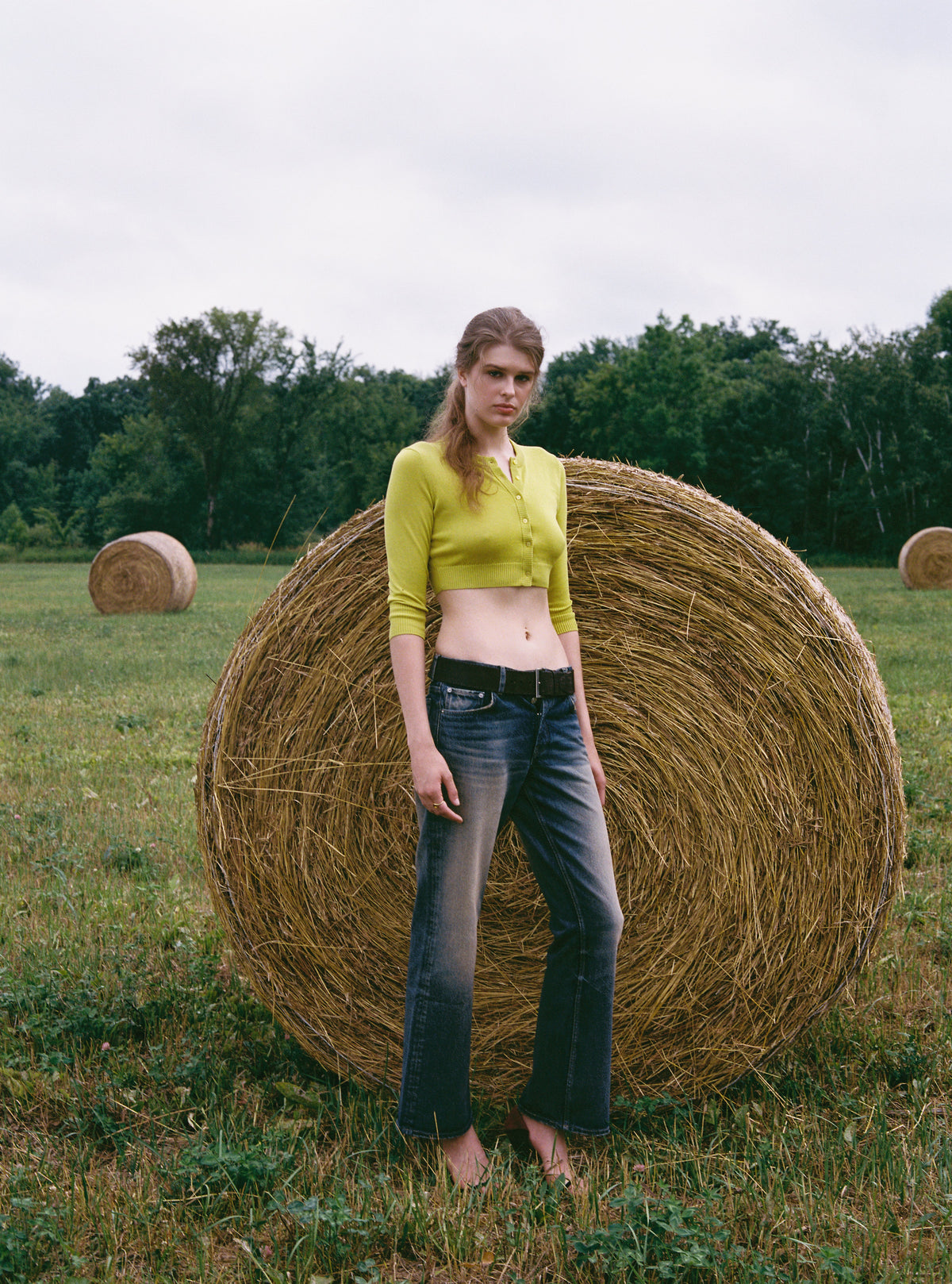
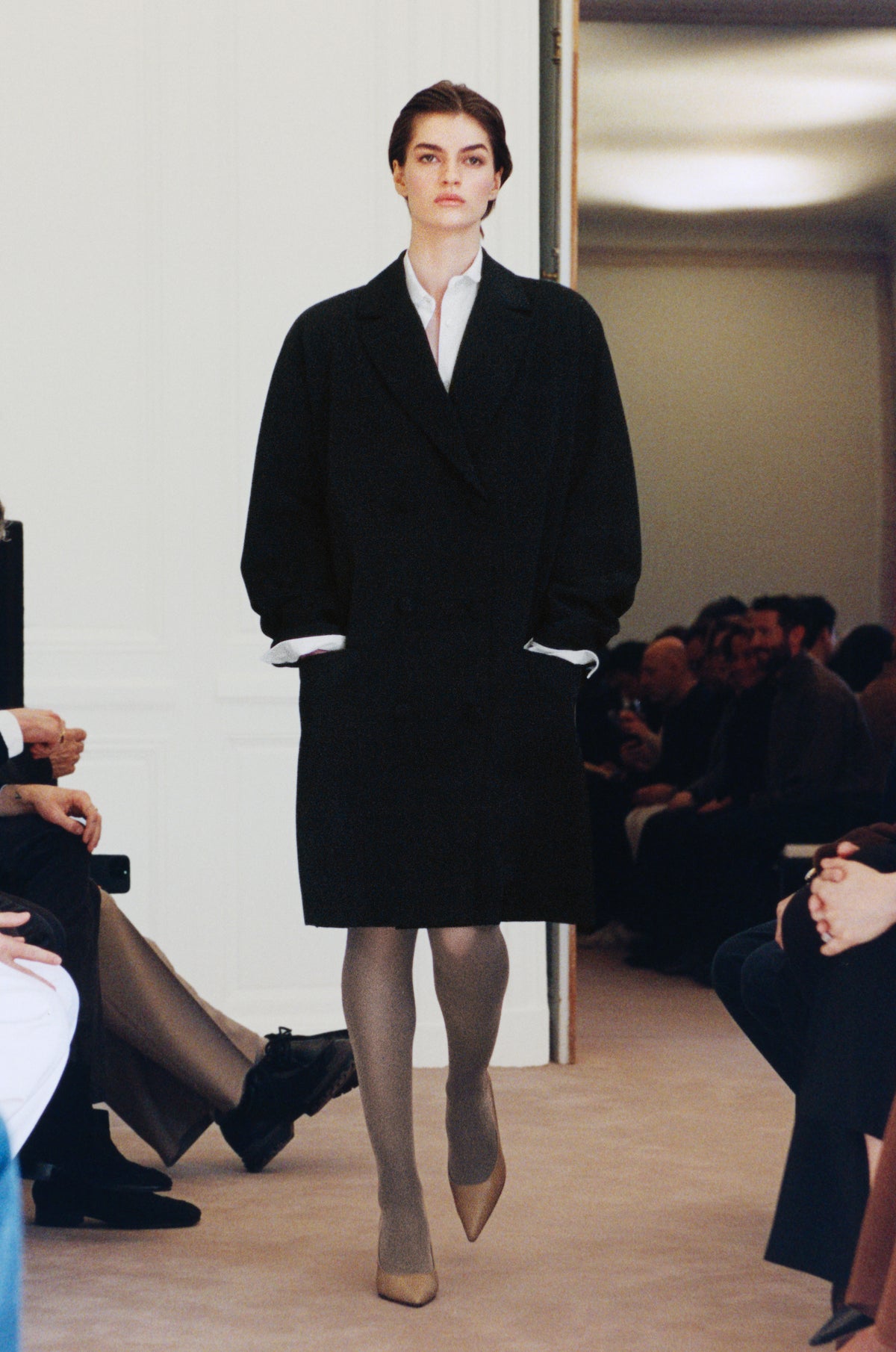
Mary-Kate and Ashley Olsen founded The Row in New York in 2006, after Ashley spent a year trying to design an ideal, no-logo white T-shirt and the pair built it into a seven-piece debut collection that Barneys bought in full. They named it after Savile Row and, for its first three years, gave no interviews about it at all, betting the clothes could carry the label without their names on it.
The Row
Shoes
Footwear, including staples like the Ginza sandal, extends the same low-logo approach the Olsens built the label on: precise construction that is meant to be felt more than announced. It came well after the founding ready-to-wear line, part of the label's slow, deliberate build-out.

Round Snake-Effect Leather Ballet Flats
The Row
$1,290

Nino Leather Derby
The Row
$1,390

Hike Boots
The Row
$1,600

Ponti Cotton Slippers
The Row
$870

Cindy Leather Ankle Boots
The Row
$1,850

Stellene Suede Slippers
The Row
$990

Liisa II Leather Pumps
The Row
$1,090

Ponti Cotton Slippers
The Row
$870

Liisa Kitten Suede Booties
The Row
$1,350

Inez Suede Slingbacks
The Row
$1,190

Nobilis Fast Leather Boots
The Row
$1,700

Stellene Suede Slippers
The Row
$990

Cindy Leather Ankle Boots
The Row
$1,950

Liisa Three Leather Pumps
The Row
$1,090

Liisa Three Leather Pumps
The Row
$1,090

Gable Leather Ankle Boots
The Row
$1,750

Liisa Kitten Three Leather Pumps
The Row
$1,050

Hike Boots
The Row
$1,600

Liisa Kitten Leather d'Orsay Pumps
The Row
$1,100

Casa Leather Slippers
The Row
$990

Fay Two Leather Ballet Flats
The Row
$920

Round Ballet Flats
The Row
$890

Soft Moccasins Two
The Row
$1,290

Beach Sport Flip Flops
The Row
$950
More Shoes
There is enough range here to see how consistently The Row applies its restraint across a shoe wardrobe, from flats to heels, rather than treating footwear as an afterthought to the clothes.

Elastic Ballet
The Row
$820

Leather Square Ballet Flats
The Row
$890

Zipped Suede Boots
The Row
$1,490

Adam Two Suede Loafers
The Row
$1,250

Round Leather Ballet Flats
The Row
$890

Fay Two Leather Ballet Flats
The Row
$920

Ponti Cotton Slippers
The Row
$870

Ponti Cotton Slippers
The Row
$870

Boheme Leather Mary Jane Flats
The Row
$990

Liisa Leather Wedge Pumps
The Row
$1,190

Liisa Leather Wedge Pumps
The Row
$1,190

Combo Slide Two Leather Sandals
The Row
$990

Ella Leather Kitten Mules
The Row
$1,200

Combo Slide Two Velvet Sandals
The Row
$950

Boheme Leather Mary Jane Flats
The Row
$990

City Leather Flip Flop Sandals
The Row
$890

Lucca Suede Loafers
The Row
$1,190

Charlie Suede Sandals
The Row
$950

Ornella D'Orsay Leather Pumps
The Row
$1,150

Stella Shearling Booties
The Row
$1,350

Stella Shearling Booties
The Row
$1,350

Novus Leather Boat Shoes
The Row
$1,490

Novus Leather Boat Shoes
The Row
$1,490

Nobilis Leather Ankle Boots
The Row
$1,800
Still more Shoes
The sheer depth of the shoe offering says something about how far the label has grown since its five-person, one-office beginnings in the Garment District, when ready-to-wear was the whole business.

Nobilis Leather Boots
The Row
$2,300

Nobilis Leather Chelsea Boots
The Row
$1,790

Soft Moccasin
The Row
$1,290

Dune Classic Ginza Leather Sandals
The Row
$750

Dune Classic Ginza Leather Sandals
The Row
$750

Buckle Slide
The Row
$1,490

Sacha Velvet Thong Sandals
The Row
$910

Hugh Suede Slide Sandals
The Row
$1,090

Hugh Suede Slide Sandals
The Row
$1,090

Liisa Two Leather Pumps
The Row
$1,090

Zipped Boot 1
The Row
$1,490

Soft Loafers
The Row
$1,350

Liisa II Leather Mules
The Row
$1,020

Combo Slide Two Leather Sandals
The Row
$990

Penelope Leather Pumps
The Row
$1,290

Ann Leather Slides
The Row
$990

Soft Moccasins Two
The Row
$1,320

Vasko Suede Flats
The Row
$1,050

Lucca Leather Mocassins
The Row
$1,190

Casa Canvas Slippers
The Row
$950

Vivienne Leather Slide Sandals
The Row
$900

Malick Cross Leather Sandals
The Row
$1,250

June Satin Mules
The Row
$1,000

Band Leather Sandals
The Row
$1,050
Even more Shoes
By this point in the edit, the pattern is clear: The Row treats shoes as seriously as the tailoring it is known for, with the same unwillingness to make a shape louder than it needs to be.


Bags
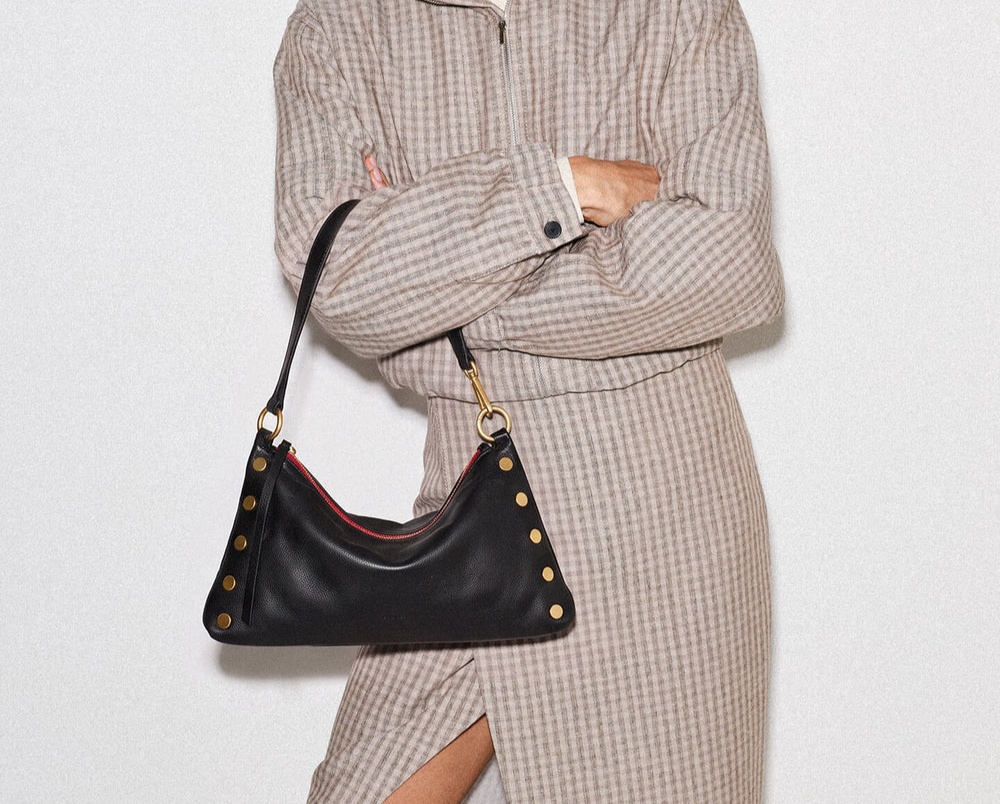
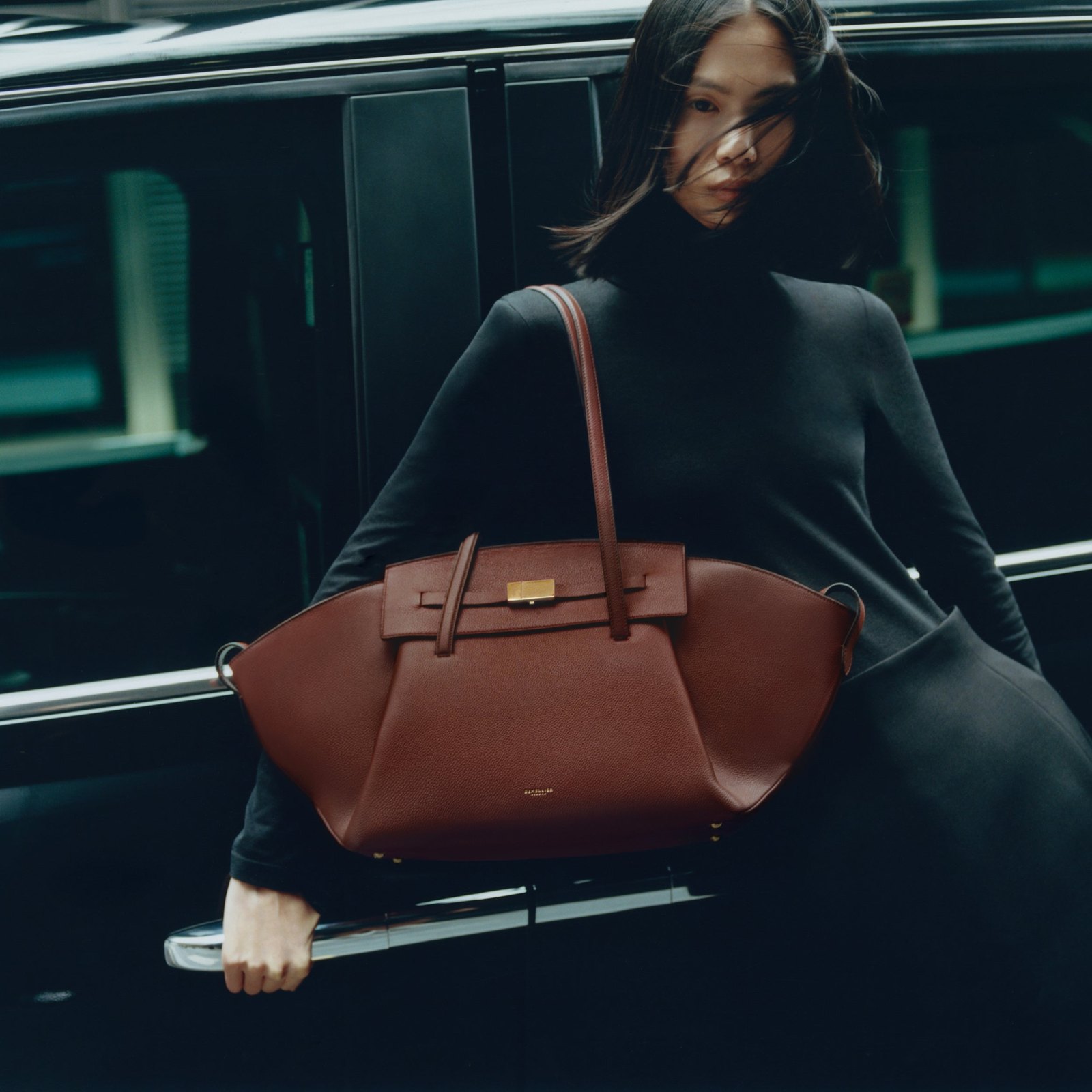
Bags, the Margaux chief among them, are one of the label's most recognizable categories now, built on the same instinct that drove the original T-shirt project: fit and construction over branding.

Idaho XL Canvas Tote Bag
The Row
$1,690

90's Leather Bag
The Row
$1,090

90's Leather Bag
The Row
$1,090

Marlo 12 Leather Tote Bag
The Row
$3,600

Parker Suede Tote
The Row
$2,900

India East/West Small Leather Bag
The Row
$3,400

Parker Suede Tote
The Row
$2,900

Medium Park Leather Tote
The Row
$1,620

XL Bourse Suede Bag
The Row
$1,700

Elise Leather Shoulder Bag
The Row
$4,400

Small Bindle Suede Bag
The Row
$950

Marlo 12 Leather Tote Bag
The Row
$4,900

90's Leather Crossbody Bag
The Row
$1,700

Alma Raffia Shoulder Bag
The Row
$1,500

Alma Raffia Shoulder Bag
The Row
$1,500

Small N/S Park Edge Suede Tote Bag
The Row
$1,500

India 10 Leather Bag
The Row
$3,850

E/W Izzy Leather Bag
The Row
$2,300

Medium N/S Park Canvas Tote Bag
The Row
$1,650

Elise Leather Shoulder Bag
The Row
$4,400

Large Beau Raffia Tote Bag
The Row
$2,400

Georgica Raffia Tote Bag
The Row
$2,500

Small India E/W Leather Bag
The Row
$3,400

Medium Park Edge Suede Tote Bag
The Row
$1,550
More Bags
The range continues here, which says something about how central bags became to a business the Olsens started with a seven-piece clothing collection and no accessories at all. Leather is where The Row now does its loudest talking, and loud is relative. Shapes are held quiet enough that the construction has to carry the whole argument.

Small Bindle Leather Bag
The Row
$1,270

Ray Silk-Satin Pouch
The Row
$950

Sisal Canvas Tote Bag
The Row
$1,400

Park Large N/S Canvas Tote Bag
The Row
$2,200

Barn Woven Mini Tote Bag
The Row
$870

Barn Woven Mini Tote Bag
The Row
$870

Small Bindle Stitch Leather Bag
The Row
$2,900

Charlotte Leather Clutch
The Row
$1,500

Small Bindle Suede Bag
The Row
$950

Park N/S Leather Crossbody Bag
The Row
$1,290

Park N/S Leather Crossbody Bag
The Row
$1,290

Park Three Edge Suede Tote Bag
The Row
$2,100

Round 90's Leather Top Handle Bag
The Row
$1,420

Loretta Raffia Bag
The Row
$1,950

Marlo 12 Leather Tote Bag
The Row
$4,900

Bindle Stitch Leather Bag
The Row
$3,500

Didion Knit Cotton Shoulder Bag
The Row
$1,570

Owen Leather Pouch
The Row
$640

Barn Oversized Mesh Tote Bag
The Row
$1,350

N/S Izzy Leather Bag
The Row
$2,490

Mini Devon Nubuck Pouch
The Row
$1,250

Devon Leather Pouch
The Row
$1,090

Ray Leather Pouch
The Row
$1,100

Small Izzy Leather Bag
The Row
$2,100
Still more Bags
Even at this depth the shapes stay disciplined rather than sprawling into novelty, consistent with a label that still runs much of its design work out of New York with very little noise around it. There is no seasonal gimmick to track here. The same handful of silhouettes simply keep reappearing in different leathers.


Tops and shirting
Tops and shirting are the closest living relative to the label's founding project, that one obsessively fitted white T-shirt Ashley Olsen tested on women of different shapes and ages before Barneys bought the whole collection in 2006.

Nari Wool Top
The Row
$1,750

Phaed Cashmere Top
The Row
$1,450

Nova Cashmere Top
The Row
$1,050

Kalto Cotton Top
The Row
$590

Poesis Cashmere Top
The Row
$1,650

Pauli Wool-Silk Top
The Row
$1,650

Elana Cotton, Silk and Cashmere Tank Top
The Row
$800

Purin Cashmere Top
The Row
$2,350

Cendrea Ribbed Jersey Racerback Tank Top
The Row
$350

Elione Cotton-Silk Taffeta Top
The Row
$2,650

Junia Washed Linen Top
The Row
$1,300

Luka Cotton-Blend Shirt
The Row
$1,550

Etina Ribbed Cotton T-Shirt
The Row
$450

Nari Wool Top
The Row
$1,750

Nonas Cashmere Top
The Row
$1,700

Niosa Cotton Top
The Row
$1,350

Naius Wool Top
The Row
$1,600

Levon Silk Satin Top
The Row
$1,500

Ozzi Knit Silk T-Shirt
The Row
$1,000

Ozzi Knit Silk T-Shirt
The Row
$1,000

Gavina Cotton Poplin Shirt
The Row
$1,050

Koray Silk Satin Top
The Row
$1,650

Sisilia Silk-Satin Shirt
The Row
$1,500

Luma Textured Lace Tank Top
The Row
$3,400
Trousers and shorts
Trousers carry the tailoring discipline the Olsens have leaned on since the beginning, built for someone who wants the fit exact rather than the cut trend-driven. Wide legs, high rises, very little hardware. It is the category where the house's preference for cloth over detail is most obvious.

Ragnar Wool Pants
The Row
$1,350

Eglitta Cotton Corduroy Wide-Leg Pants
The Row
$1,190

Igor Cotton-Blend Straight-Leg Pant
The Row
$1,290

Gala Wool Wide-Leg Pants
The Row
$1,250

Cyril Wool Straight-Leg Pants
The Row
$1,190

Galileo Wool Barrel-Leg Pants
The Row
$1,800

Karsten Washed Cotton Pants
The Row
$1,250

Galeiileo Mid-Rise Barrel-Leg Pants
The Row
$2,100

Virgil Pleated Wool Pants
The Row
$1,350

Orpin Cashmere Pull-On Pants
The Row
$2,950

Ardyn Silk Satin Pants
The Row
$2,900

Berenice Cotton Cheesecloth Pants
The Row
$1,750

Dender Wool Pants
The Row
$1,450

Eranza High-Rise Tapered Pants
The Row
$1,150

Adler Corduroy Pleated Relaxed-Leg Pants
The Row
$1,350

Eglitta Corduroy Wide-Leg Pants
The Row
$1,190

Adler Corduroy Pant
The Row
$1,350

Adler cotton-corduroy wide-leg pants
The Row
$1,350

Eglitta high-waist stretch-cotton corduroy wide-leg pants
The Row
$1,190

Kriza pleated silk wide-leg pants
The Row
$1,950
More from the collection
The edit keeps going here, reflecting a house that expanded from ready-to-wear into menswear in 2018 without changing its founding logic. Nothing in this stretch announces itself. That is the point, and it is also why the label's customers tend to stay.

Pavir Cashmere Beanie
The Row
$620

Pyrite Cashmere Scarf
The Row
$1,200

Pavir Cashmere Beanie
The Row
$620

Meme Cashmere Tights
The Row
$2,200

Downtown Leather Belt
The Row
$600

Portfolio Medium Leather Wristlet
The Row
$1,200

Jewel Leather Belt
The Row
$610

Jewel Leather Belt
The Row
$610

Maxi Classic Leather Belt
The Row
$600

Freya Leather Belt
The Row
$610

Simon Leather Gloves
The Row
$1,690

City Leather Belt
The Row
$480

City Belt
The Row
$390

Geo Belt
The Row
$600

Geo Belt
The Row
$600

Quintus Leather Jacket
The Row
$8,900

Elisa Belted Twill Jacket
The Row
$4,400

Benka Cotton Canvas Jacket
The Row
$2,100

Bellamy Cropped Wool Jacket
The Row
$3,400

Fabian Leather Jacket
The Row
$6,500

Quintus Leather Single-Breasted Jacket
The Row
$9,900

Cinna Jacket
The Row
$5,400

Benka Jacket
The Row
$2,100

Benka cotton jacket
The Row
$2,100
More from the collection
Two decades on from a small New York office, this stretch is a reminder of how much territory the label now covers, all of it filtered through the same restraint. The range has widened. The vocabulary has barely moved.

Pynta Cashmere Cardigan
The Row
$2,500

Plira Cashmere Turtleneck Sweater
The Row
$1,950

Odelle Cashmere Sweater
The Row
$1,950

Parth Cashmere Sweater
The Row
$2,500

Ovaan Cashmere Cardigan
The Row
$2,750

Lizzy Fine-Knit Cashmere Sweater
The Row
$1,750

Nian Cashmere Sweater
The Row
$1,500

Phef cotton and cashmere-blend sweater
The Row
$1,550

Bamira Wool Coat
The Row
$6,500

Dakara Shearling Coat
The Row
$12,500

Amapola Silk Coat
The Row
$3,950

Raisa Suede Coat
The Row
$8,900

Woody Cashmere Coat
The Row
$9,950

Ina Corduroy Collar Single-Breasted Car Coat
The Row
$3,600

Donata Leather Single-Breasted Coat
The Row
$10,000

Ina cotton-gabardine coat
The Row
$3,600

Eglitta Rigid Low-Rise Straight-Leg Jeans
The Row
$990

Fargo Rigid High-Rise Straight-Leg Jeans
The Row
$920

Daciana Soft Cotton Jeans
The Row
$1,050

Fima Rigid Low-Rise Straight-Leg Jeans
The Row
$950

Eglitta Linen Mid-Rise Straight-Leg Jeans
The Row
$1,120

Riaco Rigid Mid-Rise Slim Jeans
The Row
$920

Finbar Garment-Dyed Jeans
The Row
$990

Athalia Silk Satin Maxi Skirt
The Row
$2,500
More from the collection
The final stretch rounds out an assortment built by two designers who, by their own account, wanted the clothes to speak before their names did. Judged on that, the bet worked. The Row is now referenced more often for its cut than for who founded it.

Bandi Plissé Lace Maxi Skirt
The Row
$1,850

Iphora High-Waisted Wool Maxi Skirt
The Row
$1,690

Ismara Layered Cotton Maxi Skirt
The Row
$1,950

Hedora Leather Midi Skirt
The Row
$6,000

Blum Linen-Silk Drawstring Skirt
The Row
$1,890

Iphora Wool Crepe Slit Midi Skirt
The Row
$1,690

Barina Silk Twill Maxi Dress
The Row
$2,400

Latoya Cotton-Jersey Maxi Dress
The Row
$1,270

Barika Silk Satin Dress
The Row
$3,350

Dinni Straight Leg
The Row
$990

Hudson suede slip-ons
The Row
$1,020

Cindy leather ankle boots
The Row
$1,850

Stellene suede flats
The Row
$990

Astra Bag
The Row
$1,850

N/S Park medium textured-leather tote
The Row
$1,950

Parker leather shoulder bag
The Row
$3,100
Our honest take
The Row's whole premise, that quality construction can outtalk celebrity and logos, has actually held up, which is rarer than it sounds for a brand founded by two famous twenty-year-olds. Recent minority investment from families behind Chanel and L'Oréal suggests the market agrees. Whether the aesthetic itself, still resolutely beige and spare, holds your attention is a separate question.