Which basics hold shape and colour after fifty washes, and which do not.
The Sustainable Basics Selects

Choose for repeat wear
No product list can promise that every basic will keep its shape and colour after fifty washes. The safer choice is to favour simple silhouettes, sensible fabric weight and care instructions you will actually follow, then buy fewer pieces and rotate them. A crewneck tee with a straightforward neckline has fewer styling complications than a delicate shape, while a sturdy legging or pull-on trouser earns its place when the waistband remains comfortable through ordinary movement. Colour also needs realistic expectations. Dark shades, pale shades and printed surfaces can respond differently to detergent, heat and drying, so the label matters as much as the fibre claim. Look closely at seams, hems, ribbing and elastic before choosing. The Womens Perfect Rib Crewneck Long Sleeve Tee offers a defined texture, while the Womens Luxe Essential Crewneck Tee is a smoother, simpler starting point. Neither name can prove future performance. Use them as clues to the kind of layer you want, then check fit and maintenance. A basic survives in a wardrobe when it remains wearable, not merely when it looks new on the first day.
The tee shapes worth repeating
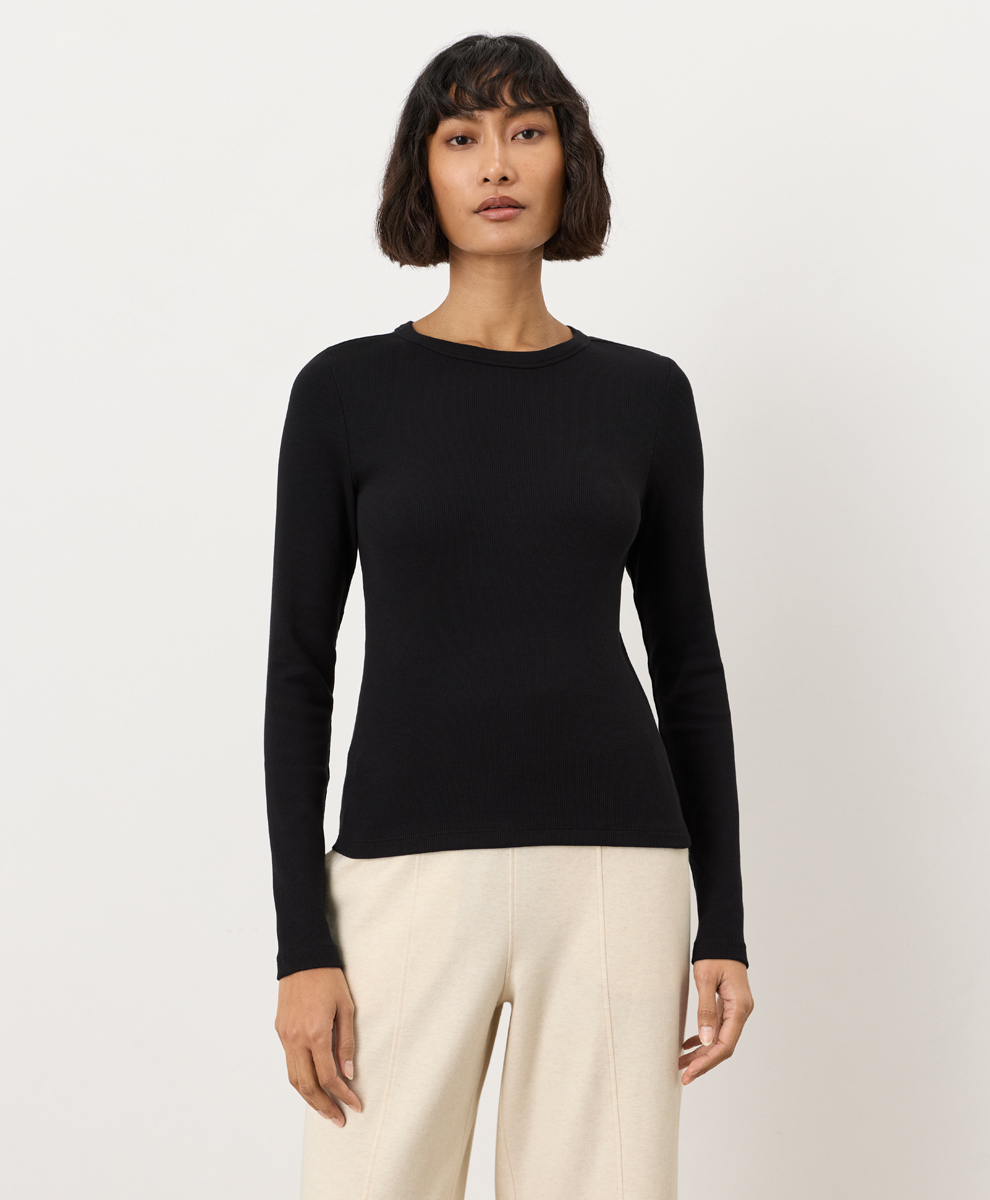
Womens Perfect Rib Crewneck Long Sleeve Tee
Pact Apparel
$38
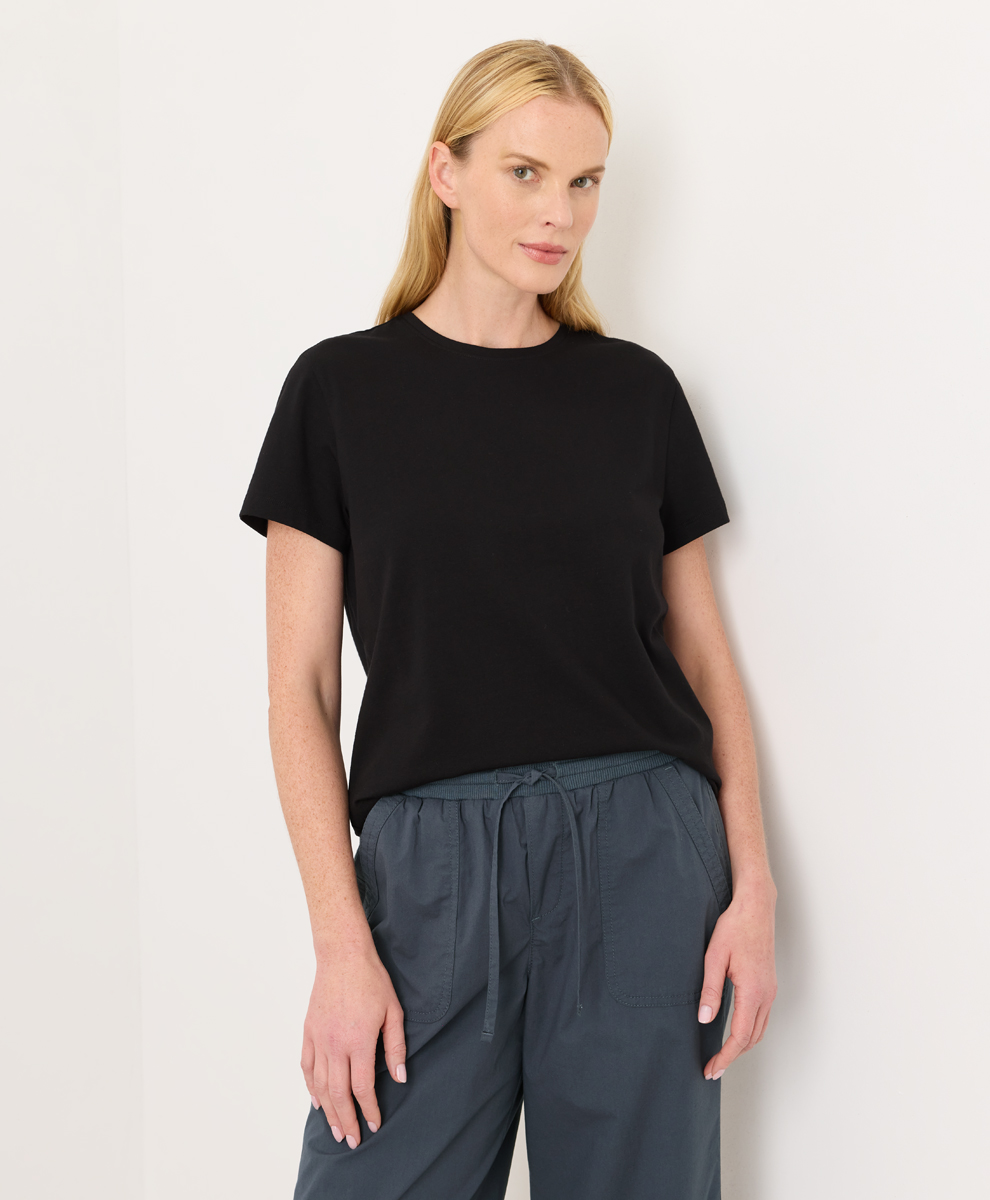
Womens Luxe Essential Crewneck Tee
Pact Apparel
$28
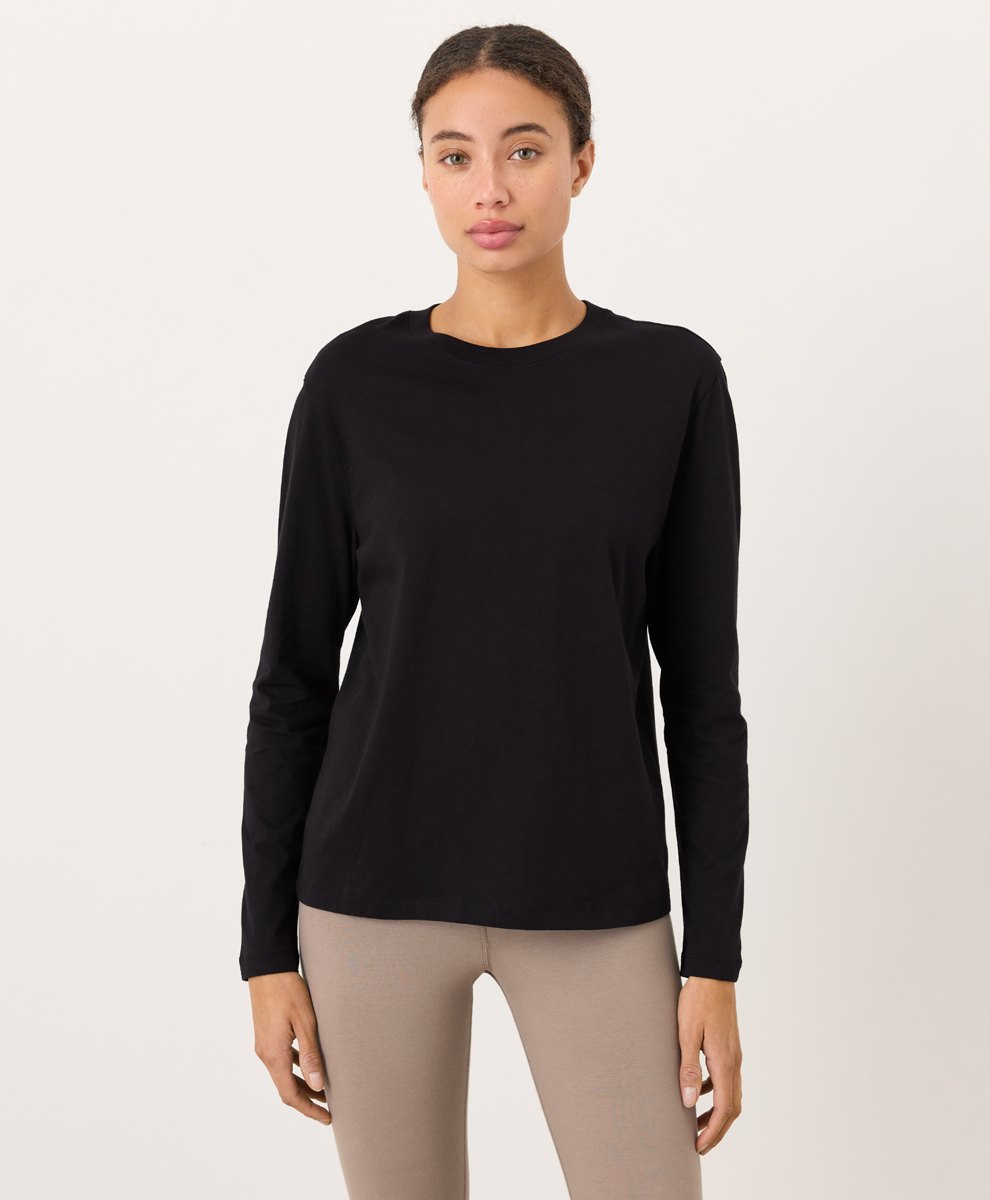
Womens Softspun Essential Crewneck Long Sleeve Tee
Pact Apparel
$28
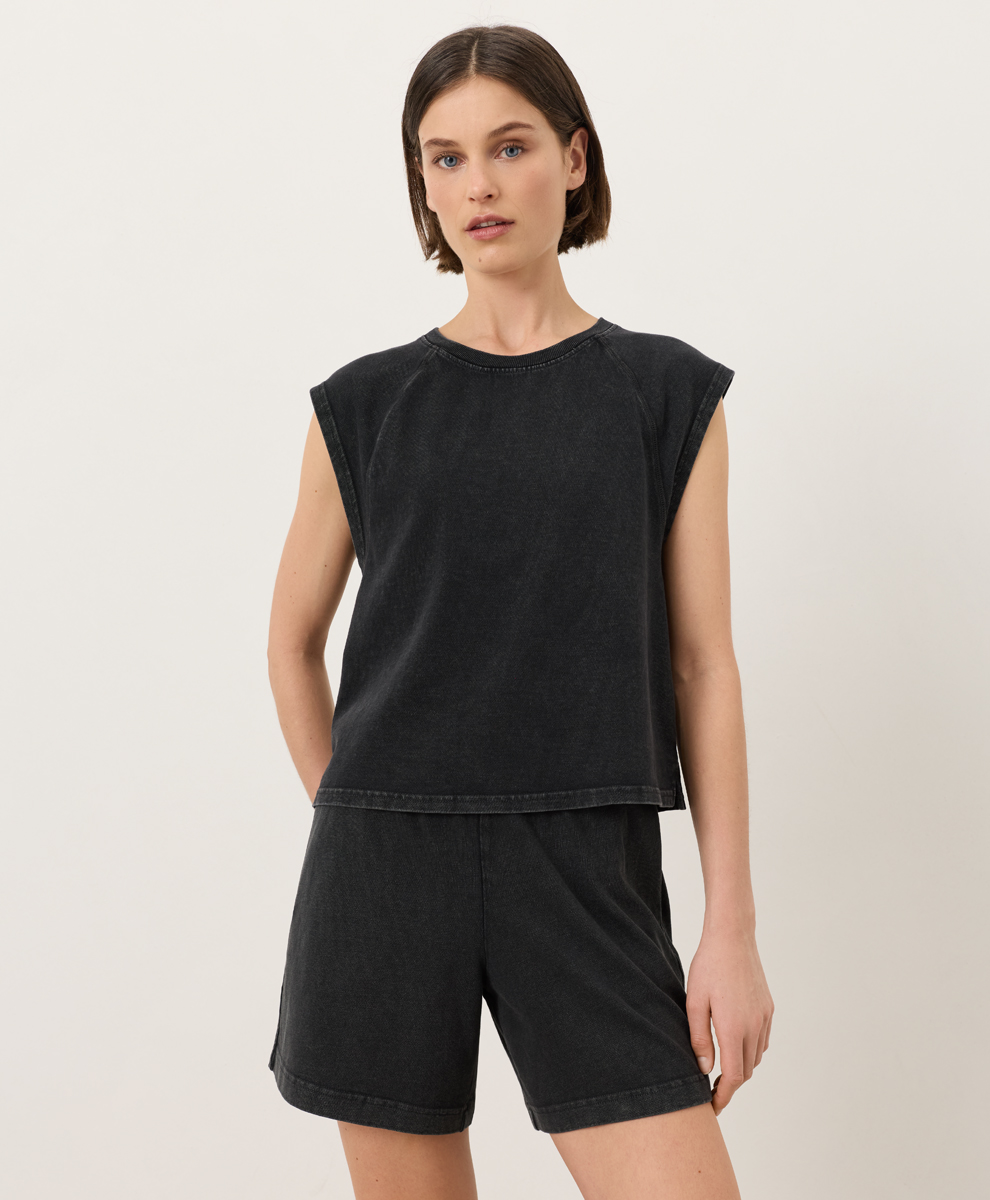
Womens Weekends Raglan Muscle Tee
Pact Apparel
$48
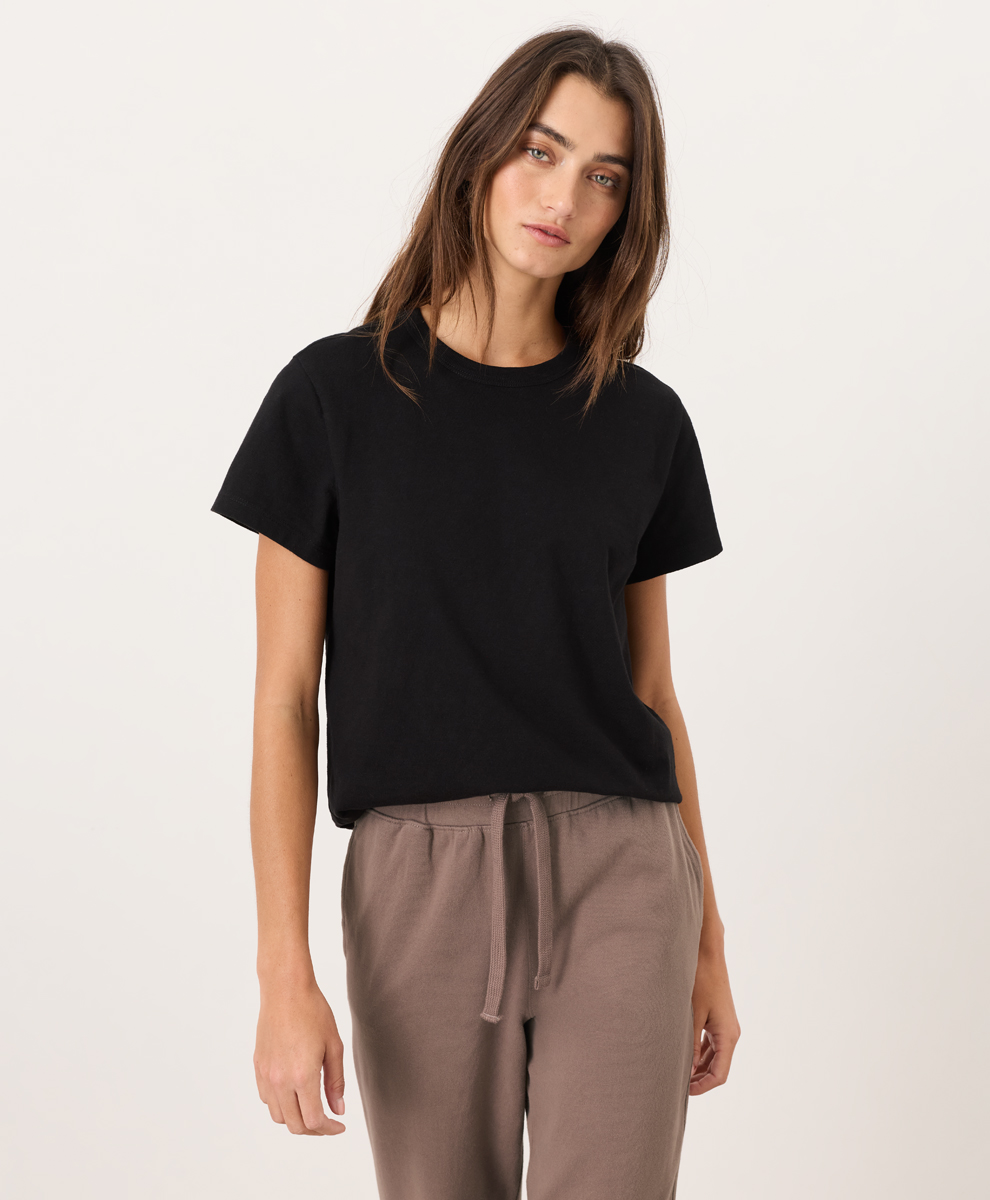
Womens Soft-slub Essential Crewneck Tee
Pact Apparel
$34
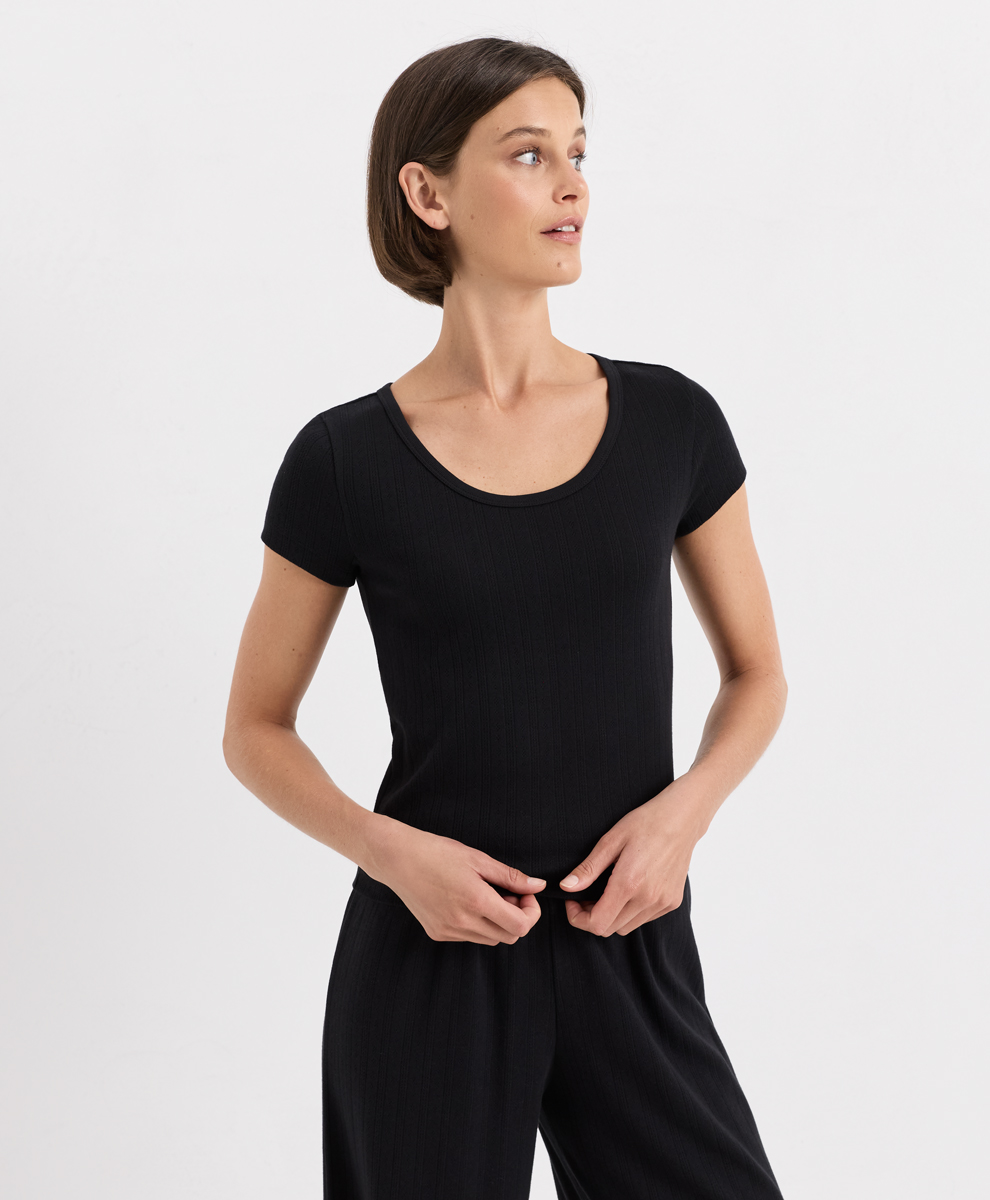
Womens Pointelle Scoop Neck Tee
Pact Apparel
$34
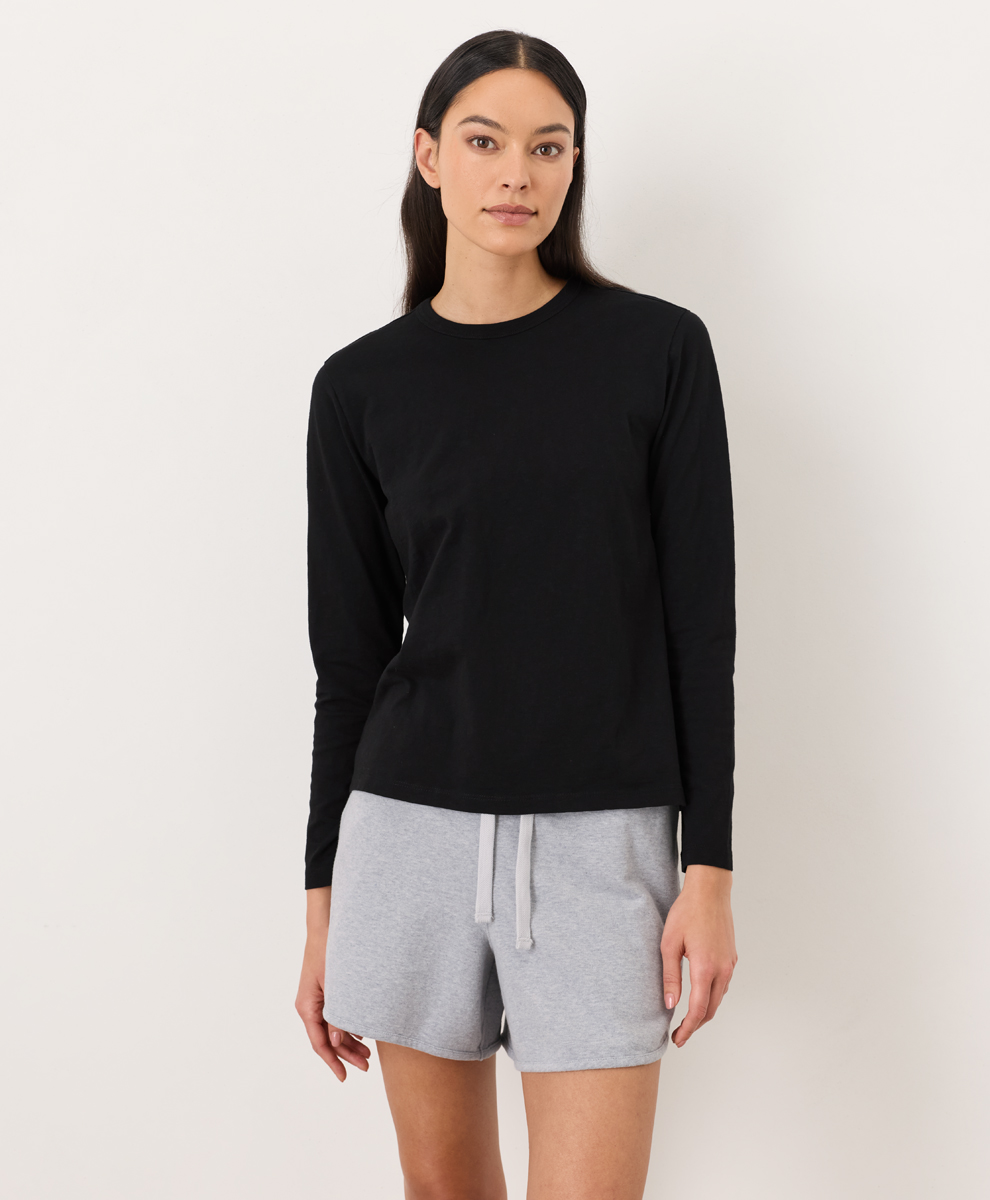
Womens Soft-slub Essential Crewneck Long Sleeve Tee
Pact Apparel
$38
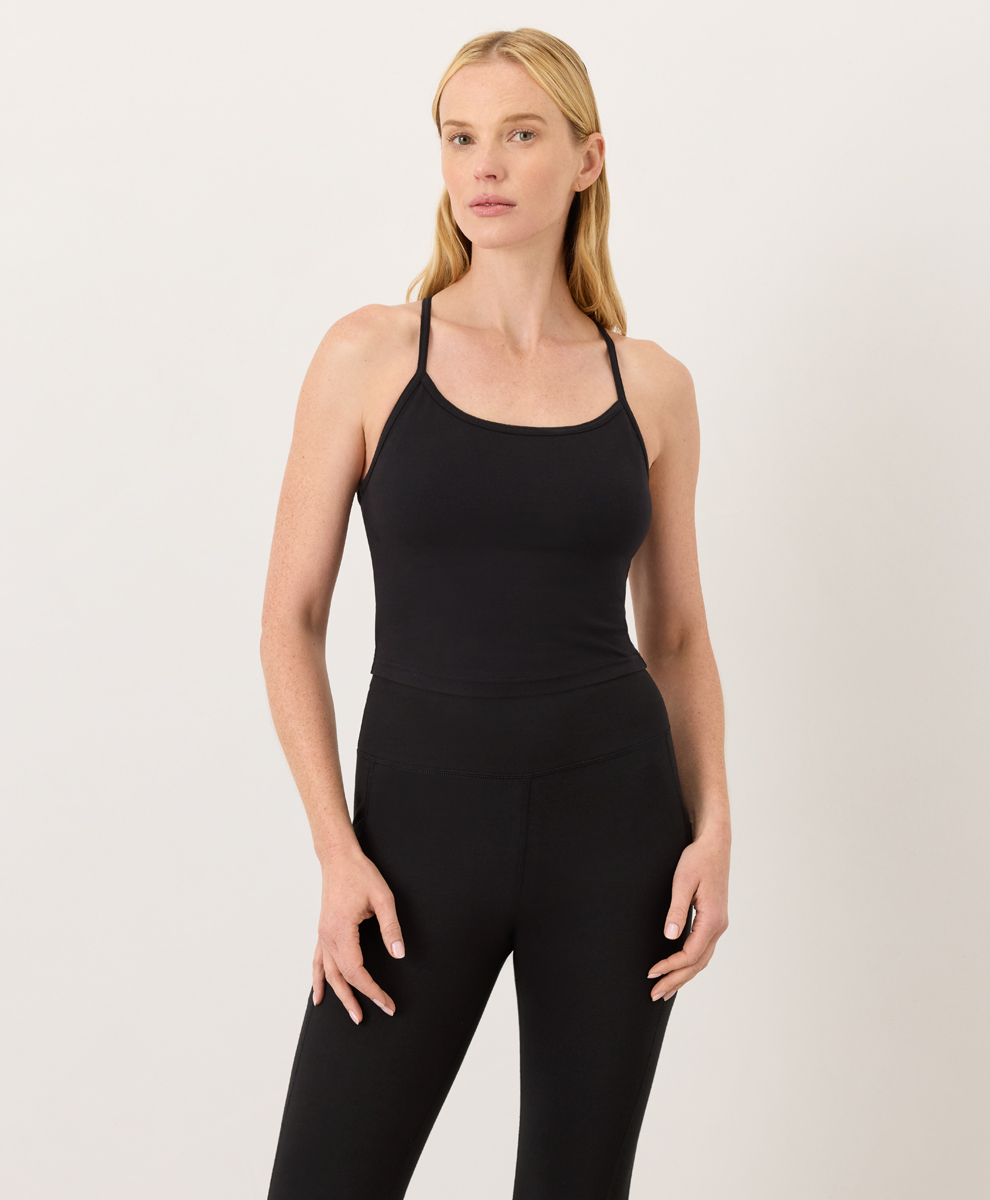
Womens On The Go-to Shelf Bra Tank
Pact Apparel
$28
Make washing less punishing
The most useful wash routine is the one you can repeat without improvising. Separate colours as the care label recommends, turn printed or especially dark garments inside out and avoid a hotter cycle than the instructions allow. Heat and rough handling can be hard on elastic, ribbing and fine surface texture, so do not treat underwear, tees and joggers as one undifferentiated load. Fasten anything that can catch, keep delicate pointelle away from abrasive hardware and use a drying method suited to the garment's shape. Lay a knit flat if the label calls for it, and do not hang a wet, heavy piece by a narrow shoulder. Before putting clothes away, check that cuffs, waistbands and side seams still sit evenly. If something has changed, stop increasing the heat in the hope of fixing it. A better response may be a gentler cycle, more drying time or a different storage method. Care cannot turn an unsuitable item into a durable one, but it can prevent avoidable strain. The goal is not a ritual. It is fewer surprises between the laundry basket and the next wear.
Leggings, joggers and trousers
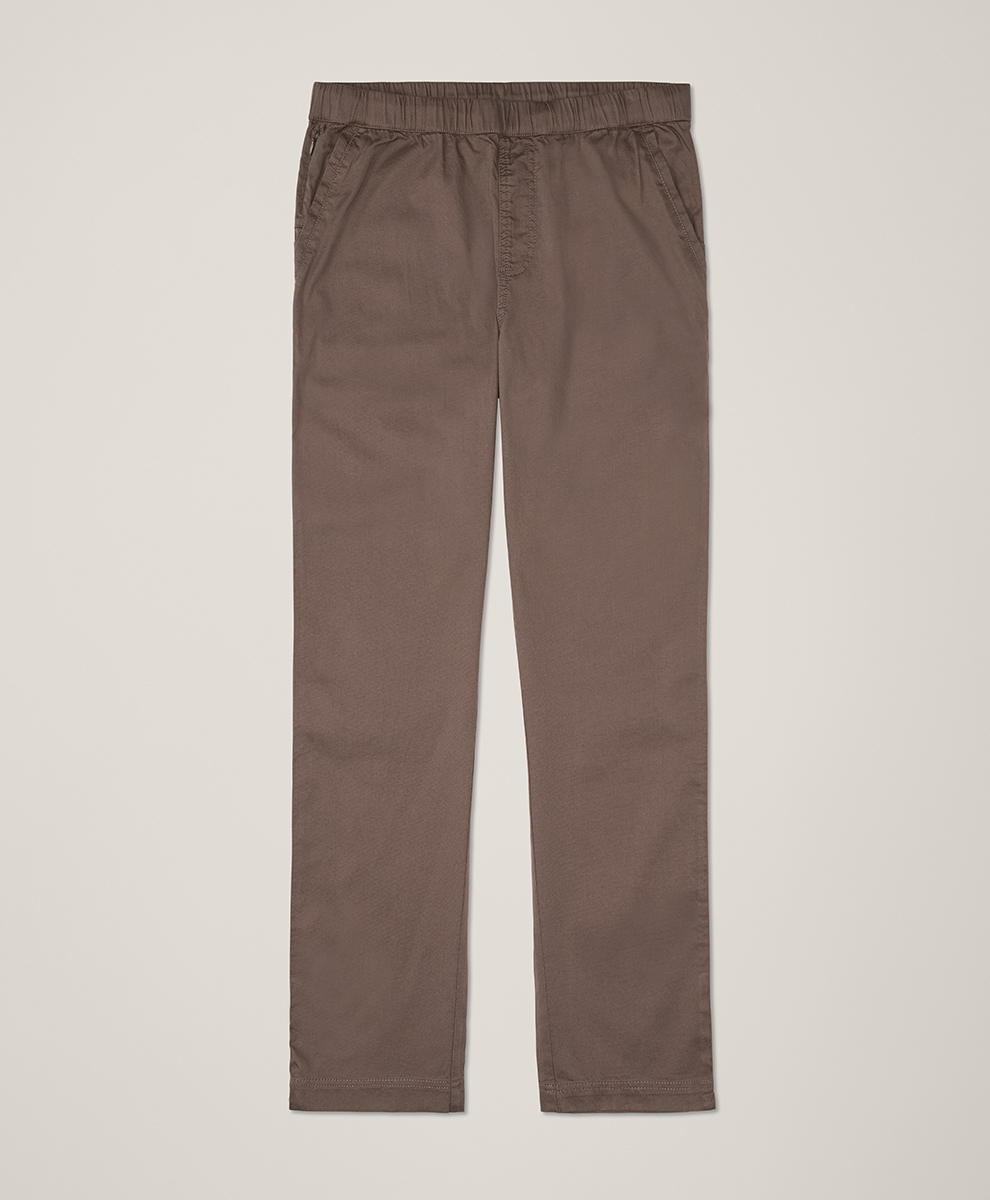
Mens Daily Twill Midweight Pant
Pact Apparel
$39
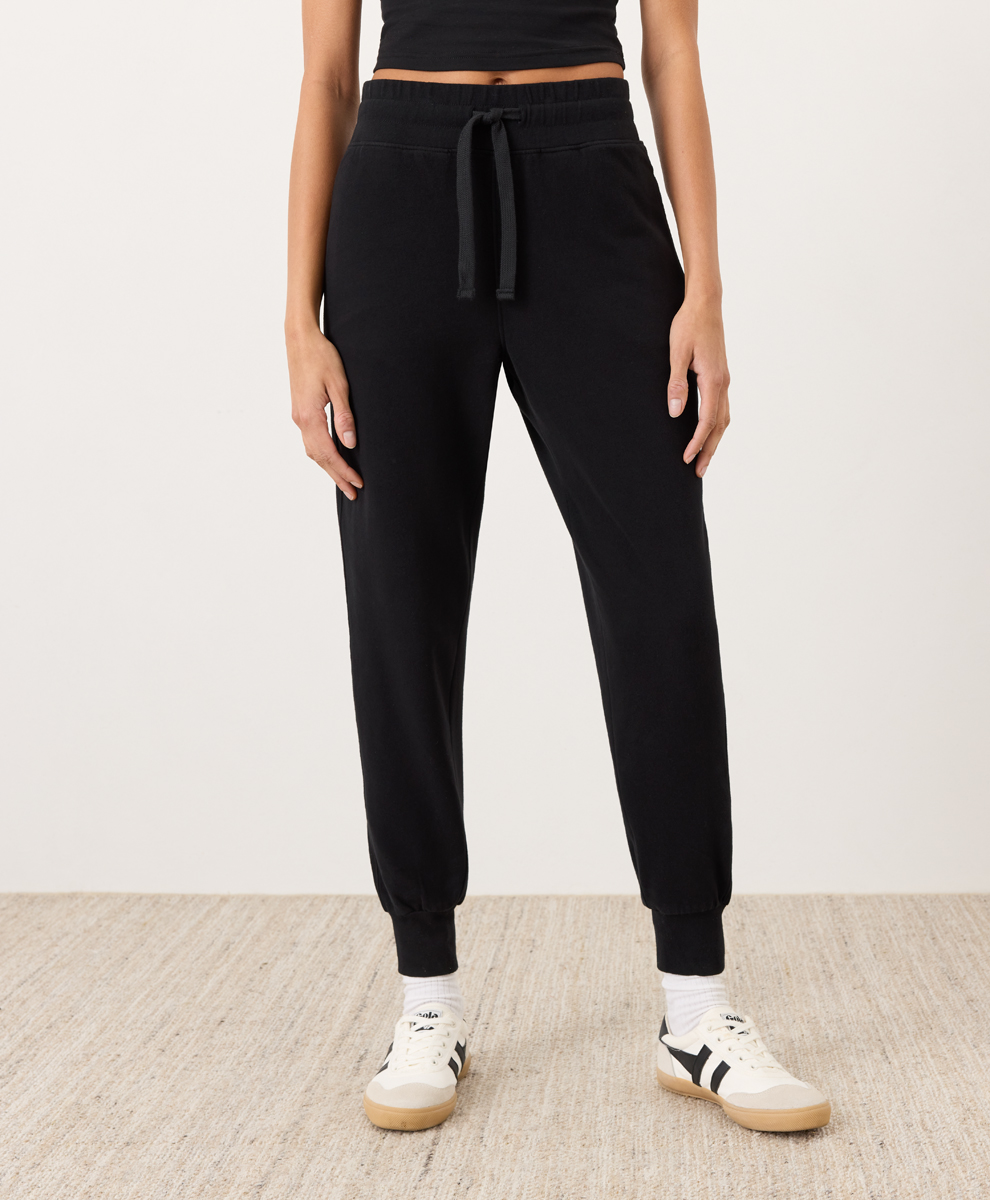
Womens Cloudknit Jogger
Pact Apparel
$78
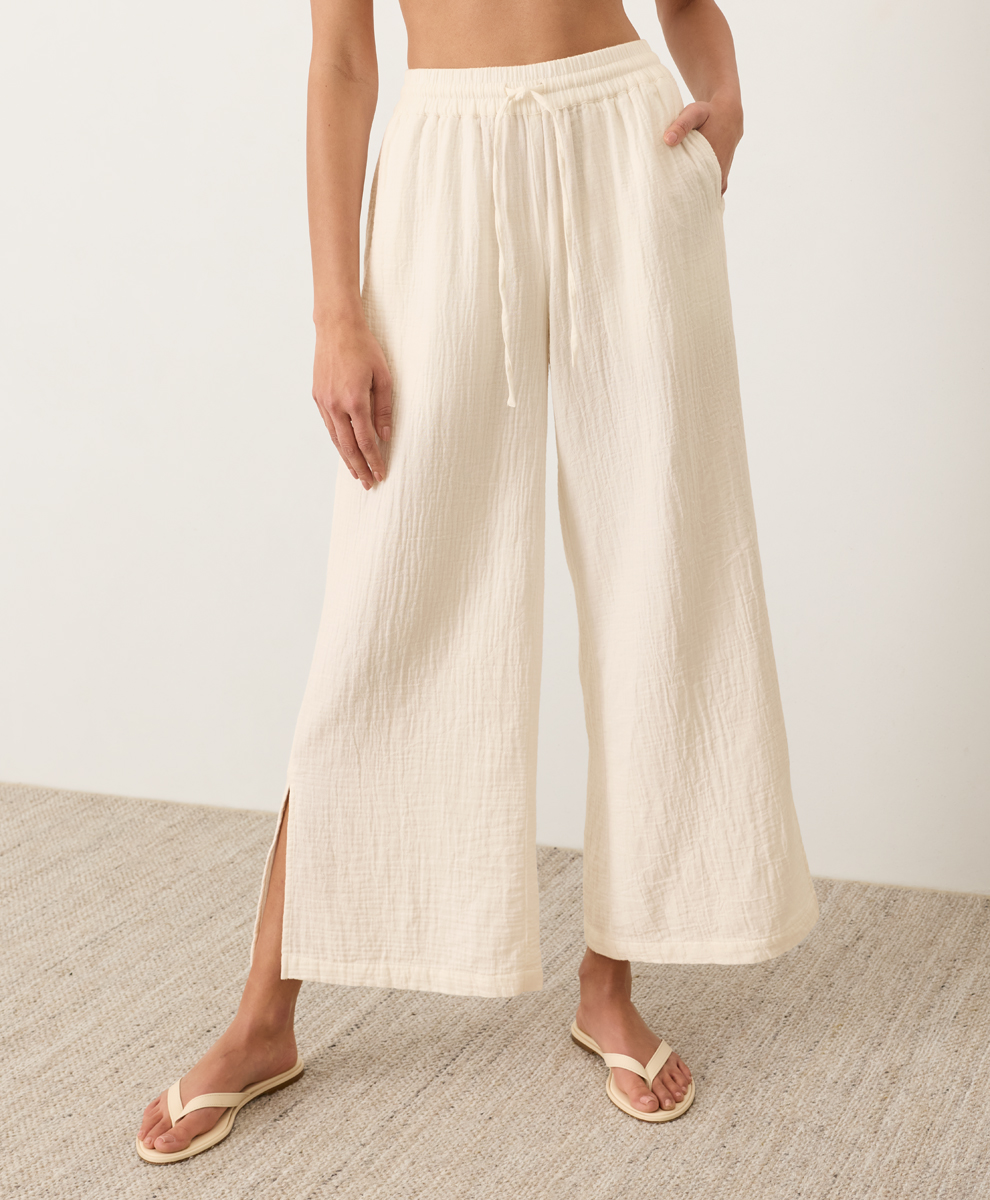
Womens Coastal Double Gauze Split Hem Pant
Pact Apparel
$58
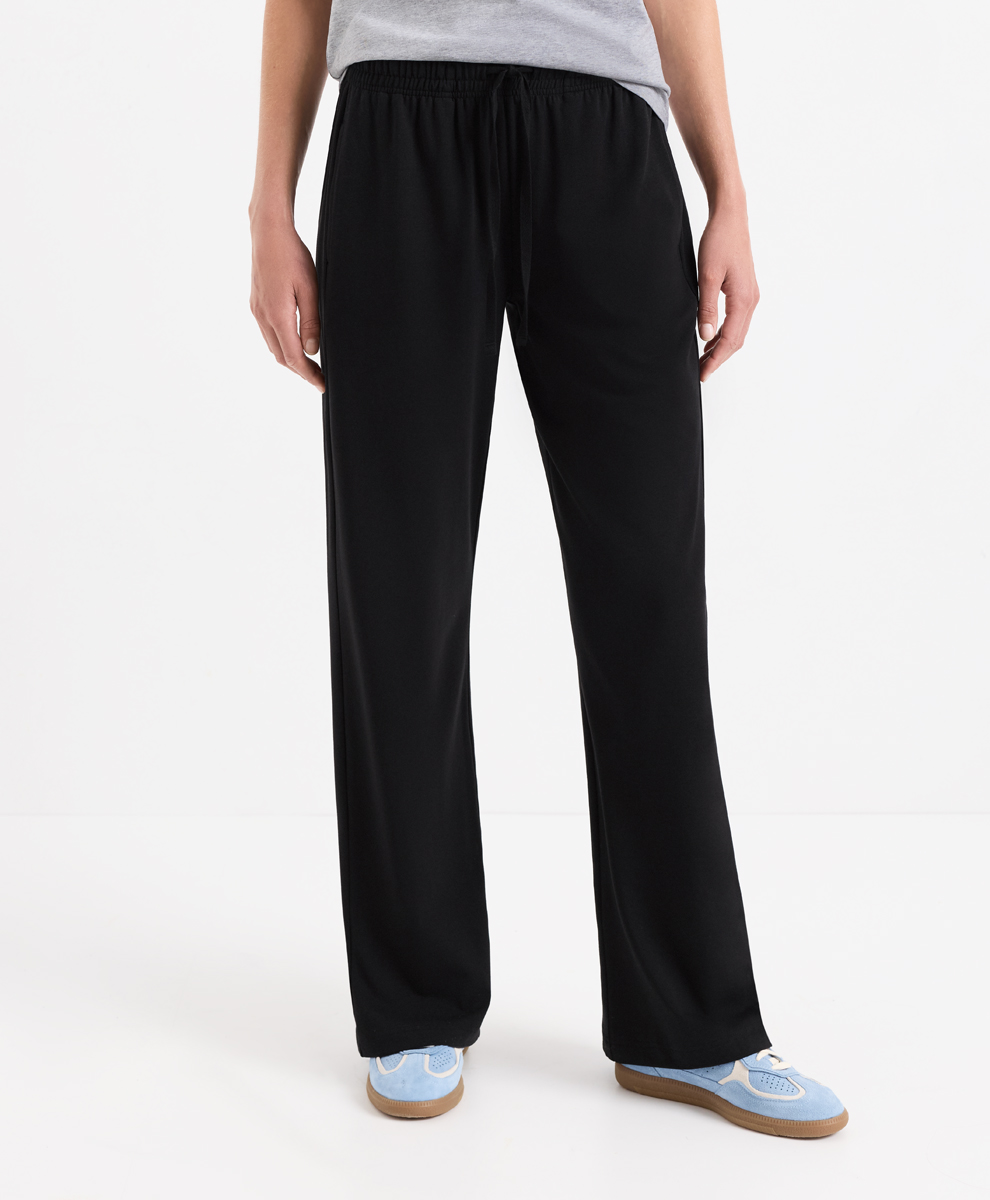
Womens Cool Stretch Lounge Pant
Pact Apparel
$68

Mens Stretch Twill 5-pocket Pant
Pact Apparel
$29
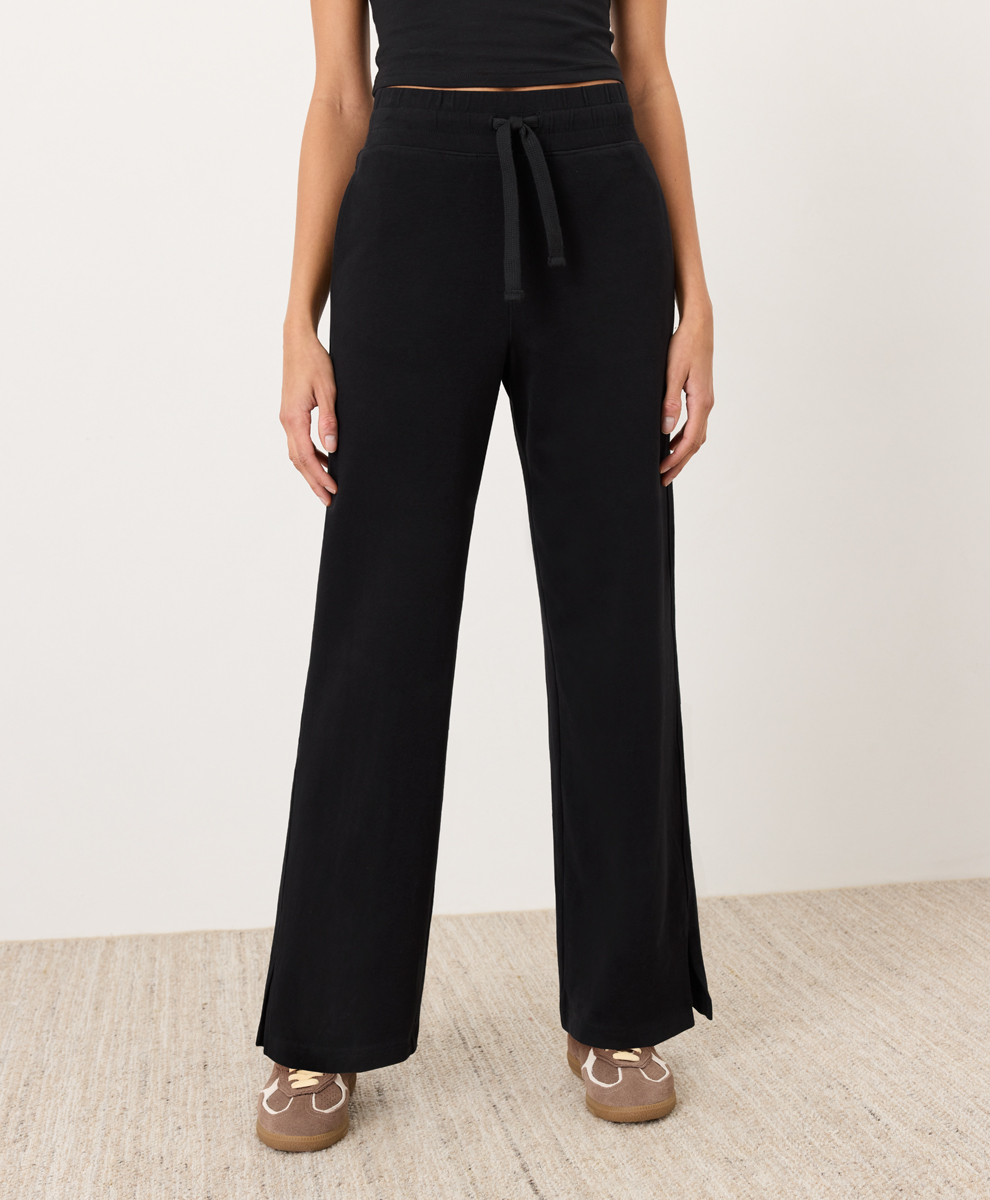
Womens Cloudknit Wide Leg Pant
Pact Apparel
$78
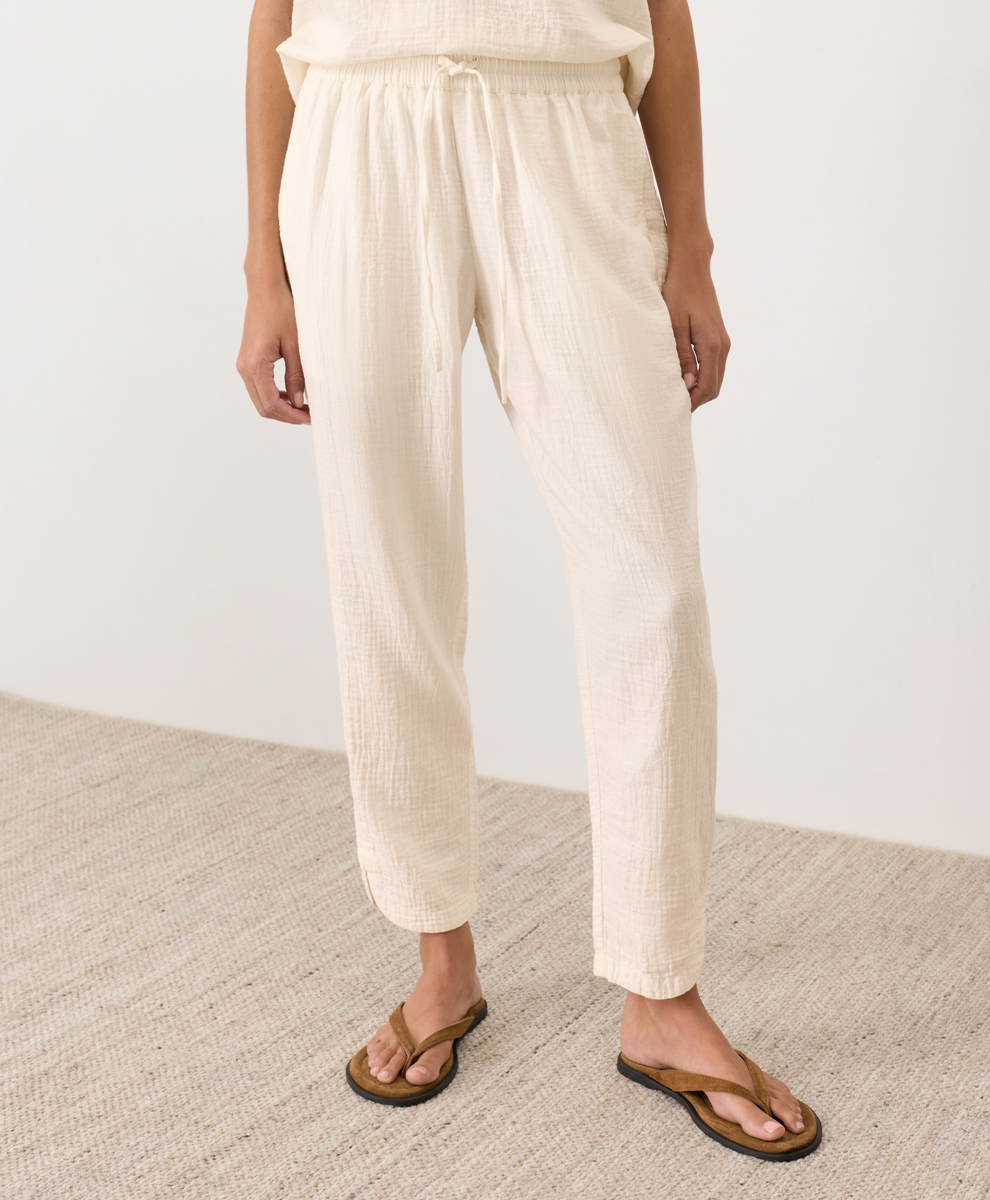
Womens Coastal Double Gauze Tapered Pull-on Pant
Pact Apparel
$58
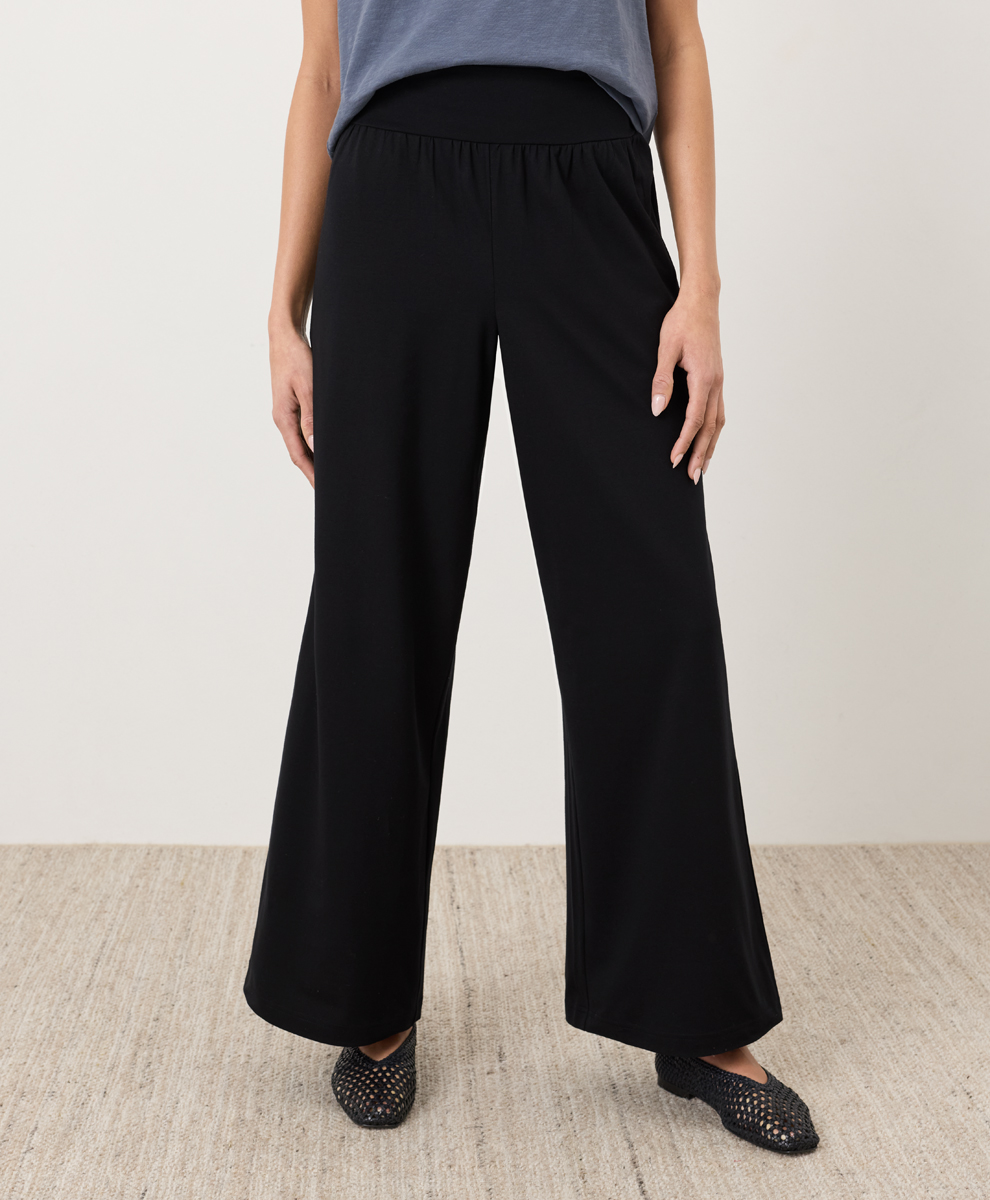
Womens Easy Drape Pant
Pact Apparel
$68
Use a small rotation
A compact rotation makes it easier to notice which basics are genuinely holding up. Keep several tees in different shapes, a reliable trouser and a layer for cooler days, then give each garment enough time to rest between washes. The Womens On The Go-to Pocket Legging suits days when a secure pocket matters, while a wide leg pant changes the proportion and can work with the same simple top. For off duty dressing, add a hoodie or cardigan rather than asking one sweatshirt to carry every relaxed outfit. Pair a ribbed long sleeve with jeans and a jacket, wear a soft tee under a chore coat and let a clean midi dress do the work when you want fewer decisions. Avoid laundering a barely worn item simply because it was in the outfit pile. Air it when appropriate, spot clean a small mark and follow the label before sending it through a full cycle. Do not buy several versions of a shape that already rides up, pills quickly or clashes with your routine. The strongest basics are repeatable, easy to combine and honest about the care they need.
Dresses and layers for off duty
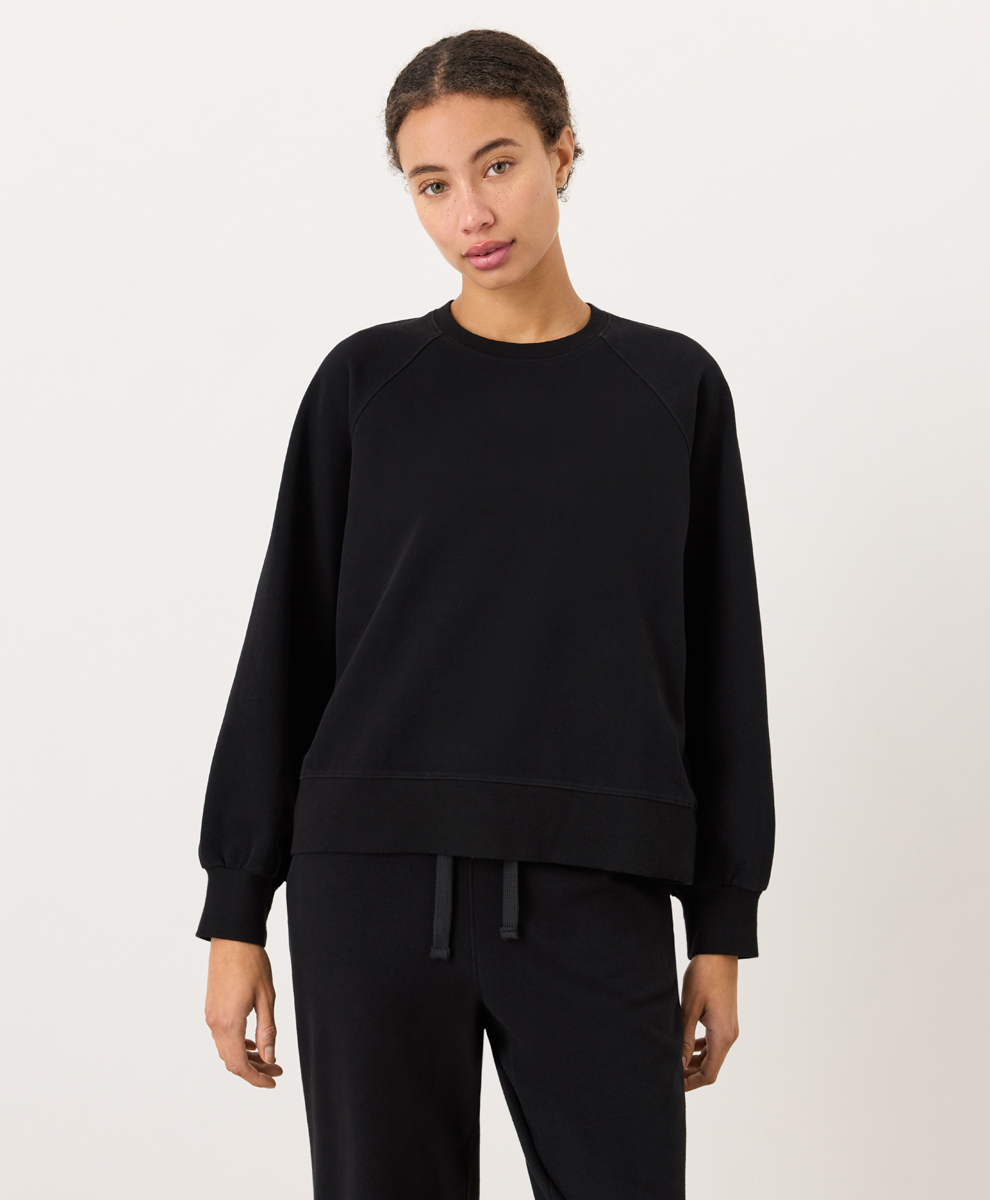
Womens Cloudknit Raglan Crew
Pact Apparel
$68
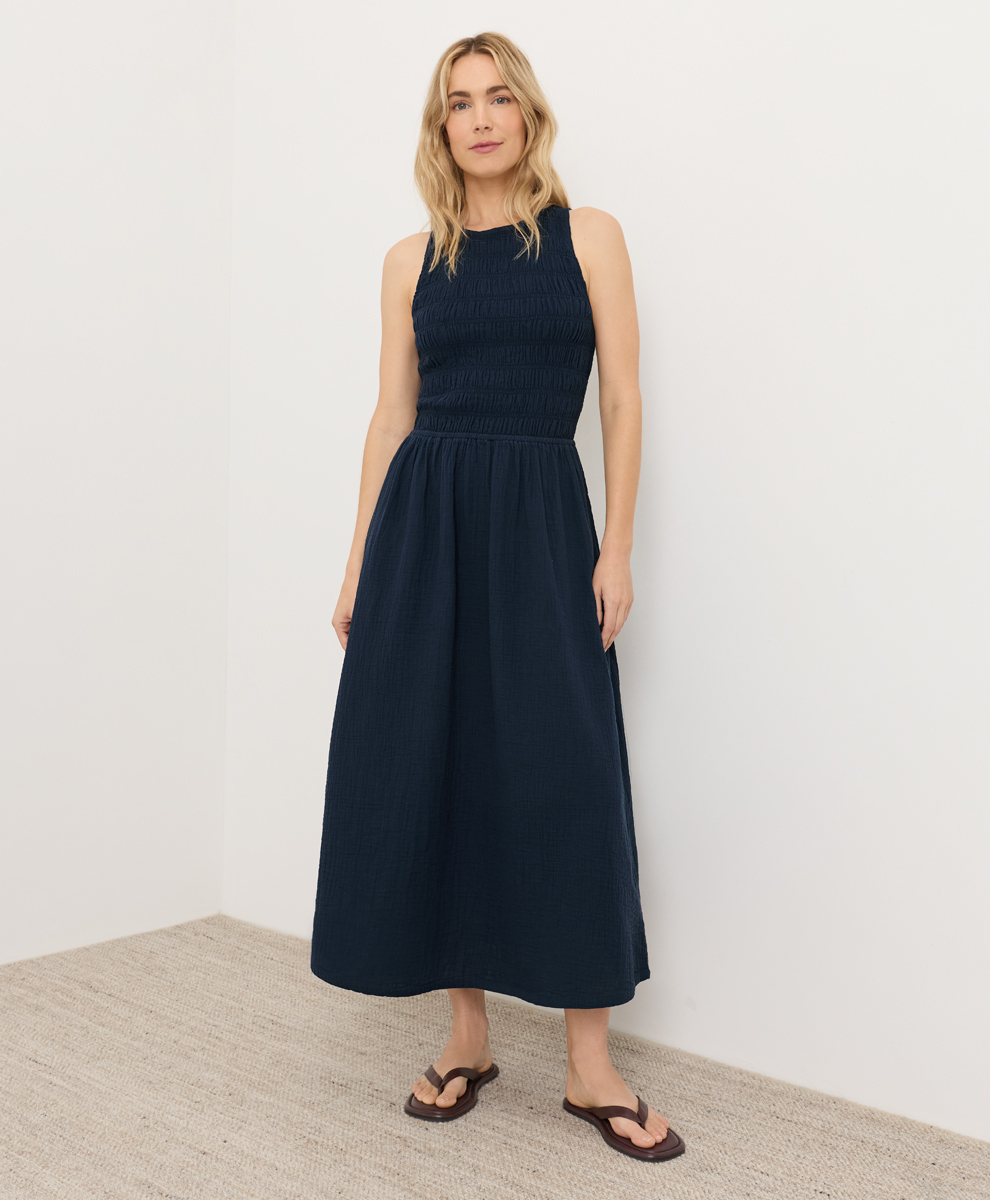
Womens Coastal Double Gauze Smocked Dress
Pact Apparel
$98
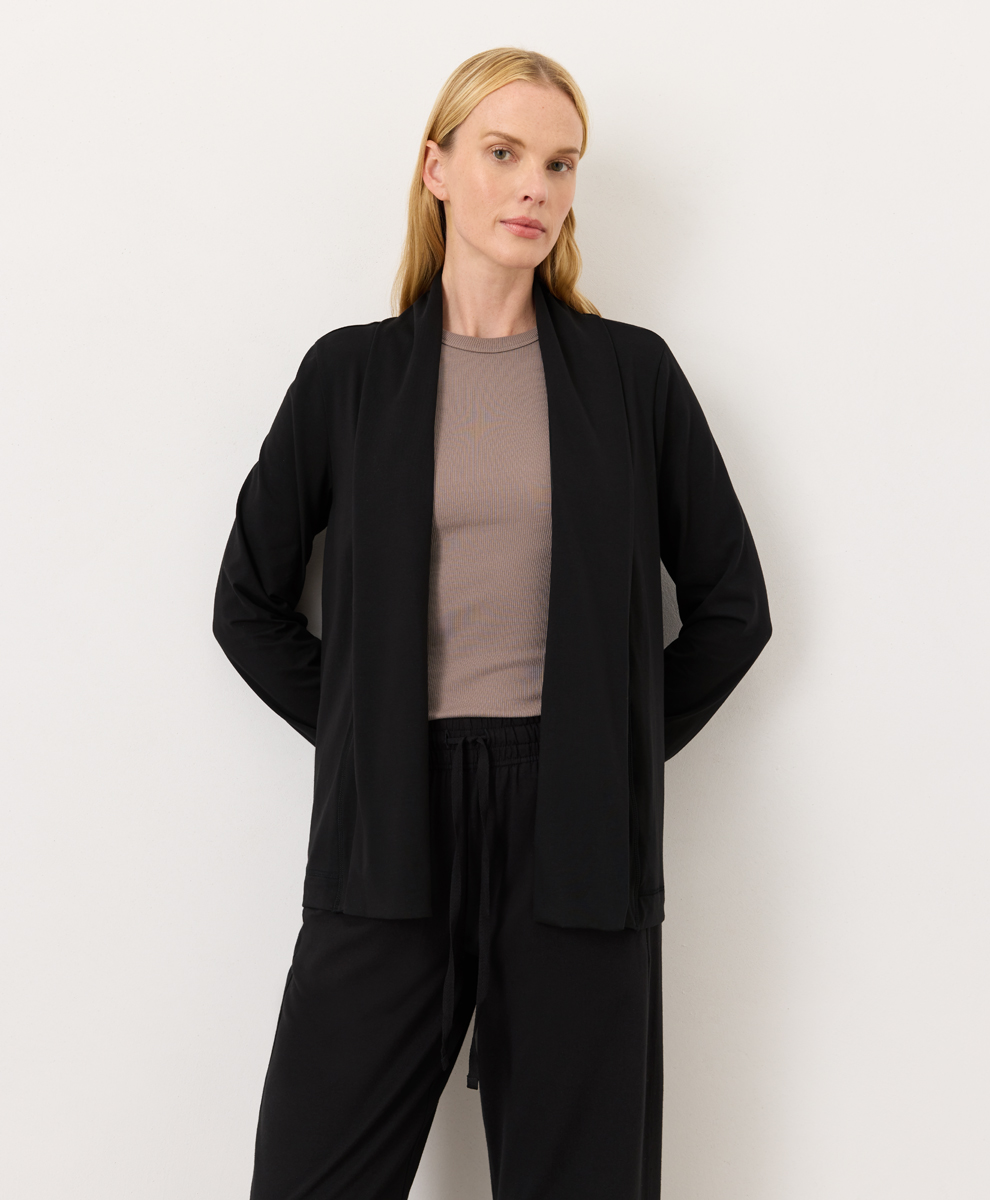
Womens Cool Stretch Swing Cardigan
Pact Apparel
$58
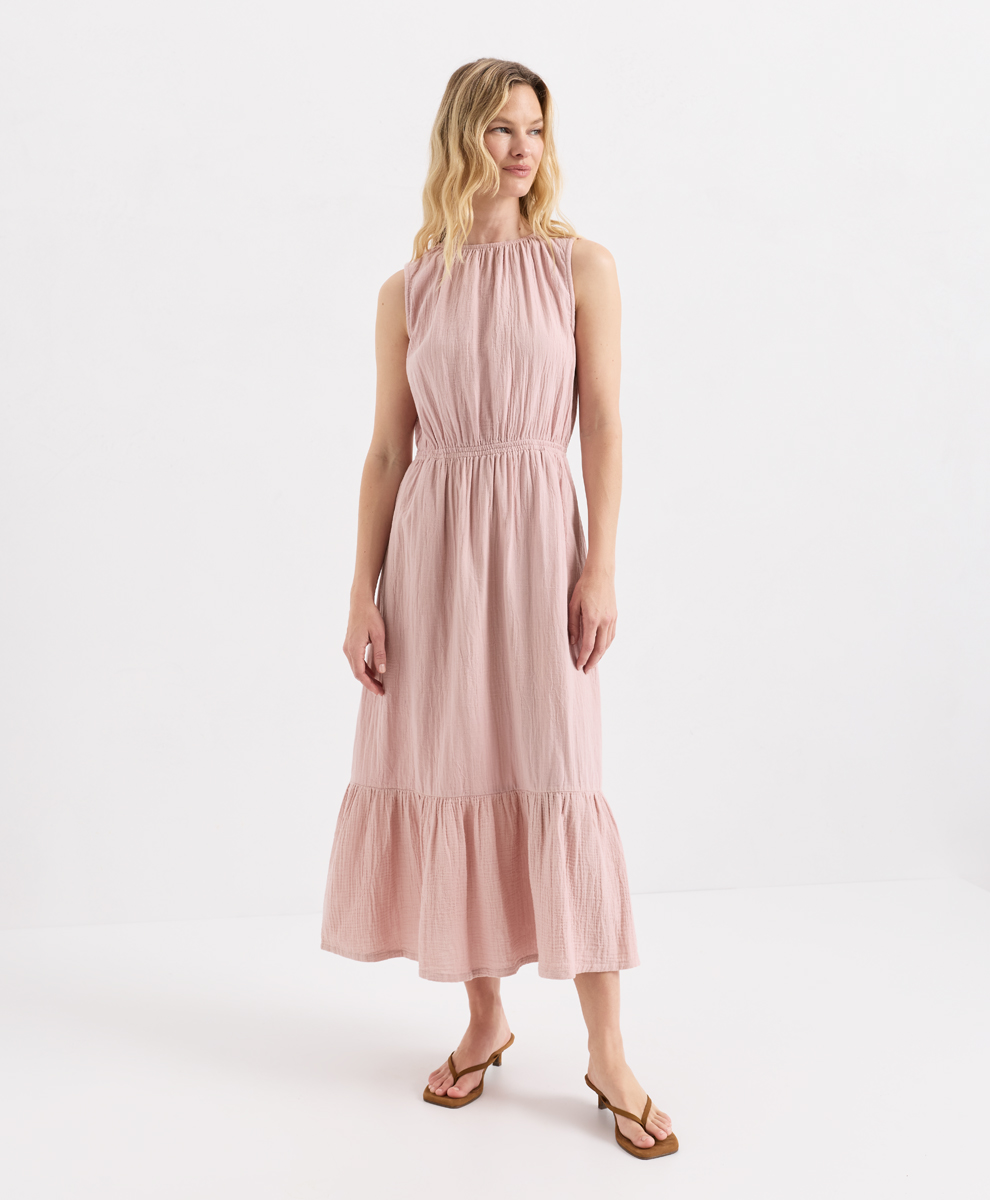
Womens Coastal Double Gauze Tiered Midi Dress
Pact Apparel
$118
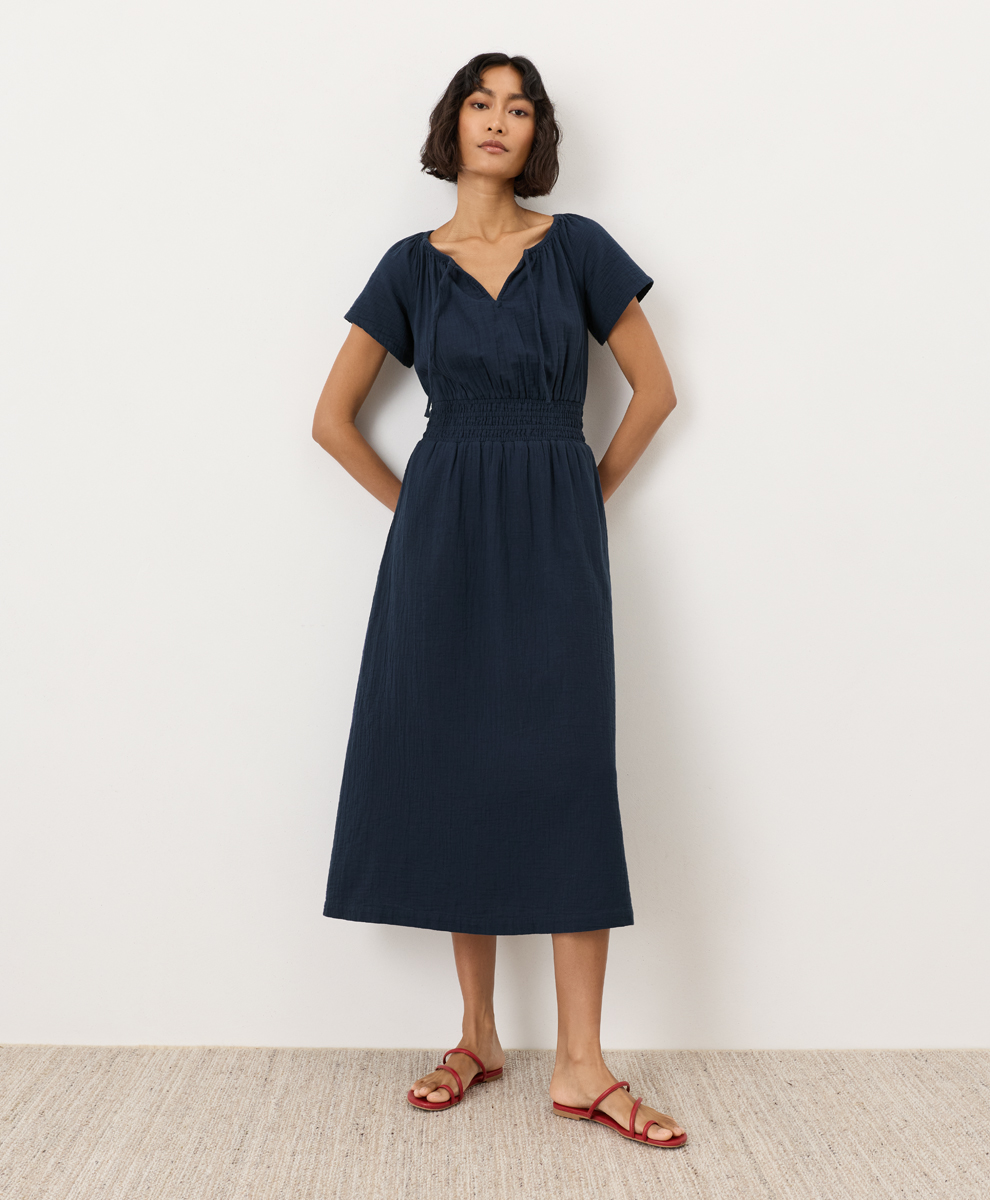
Womens Coastal Double Gauze Boho Midi Dress
Pact Apparel
$128
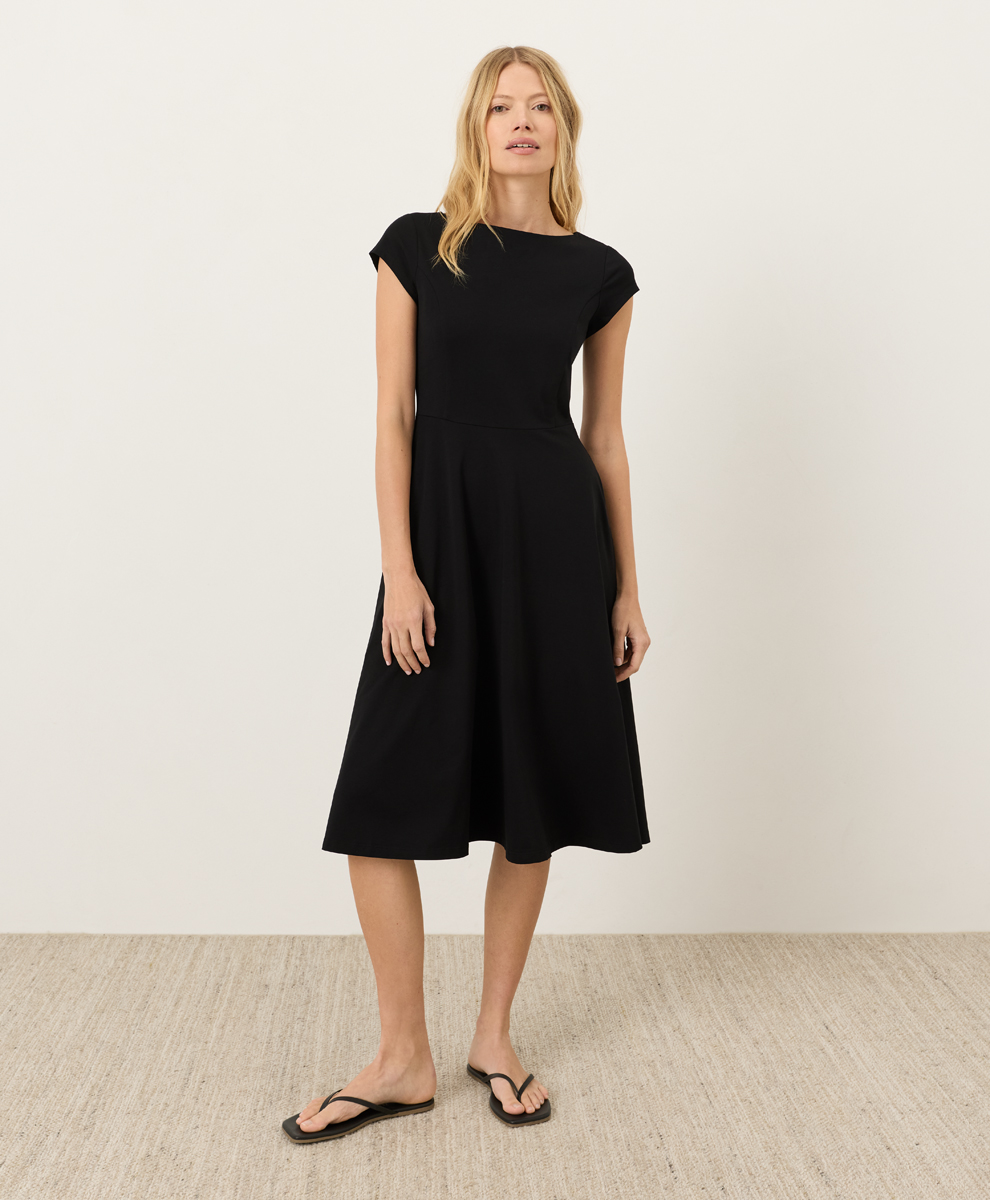
Womens Fit & Flare Ballet Neck Dress
Pact Apparel
$78
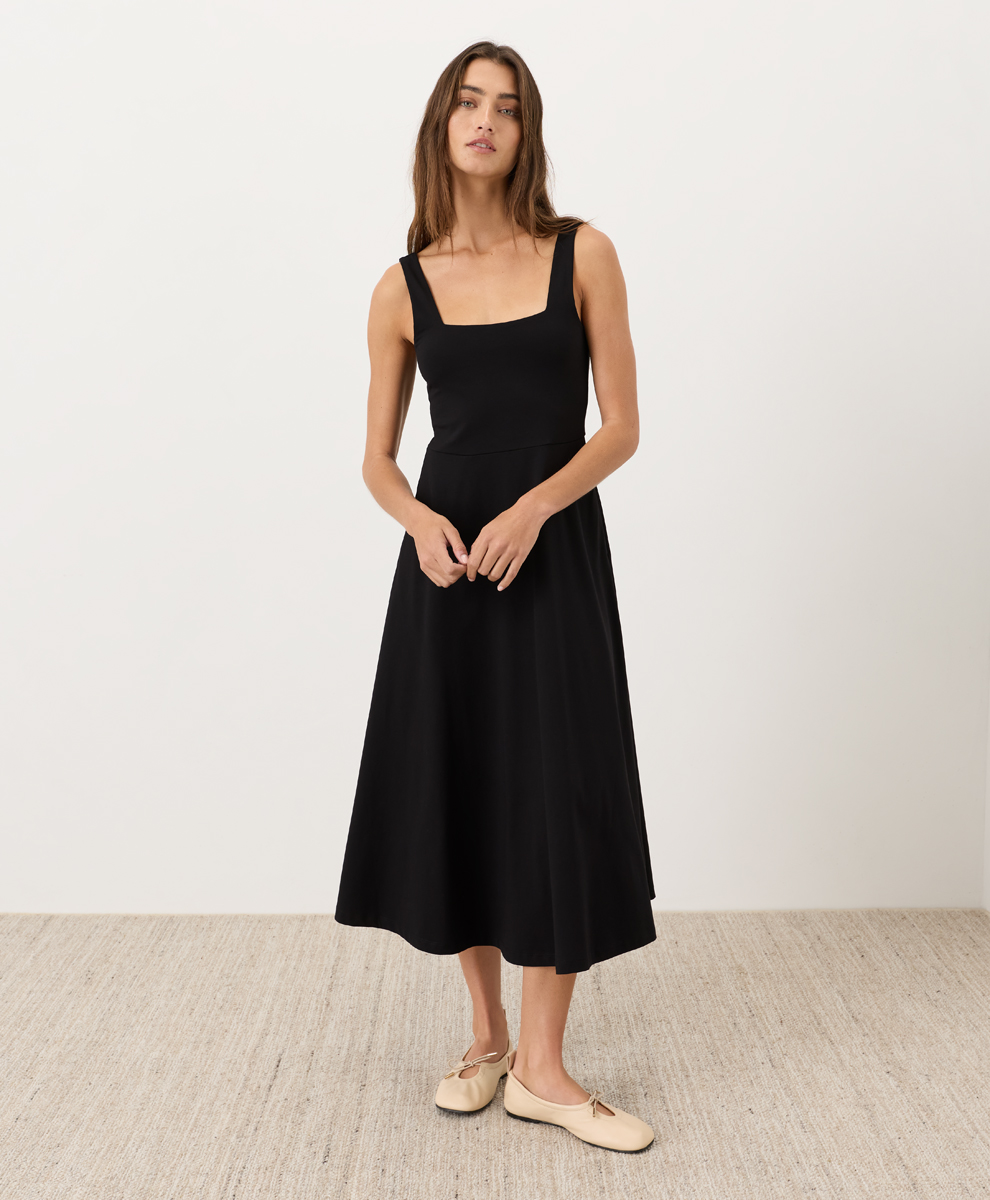
Womens Fit & Flare Square Neck Dress
Pact Apparel
$78
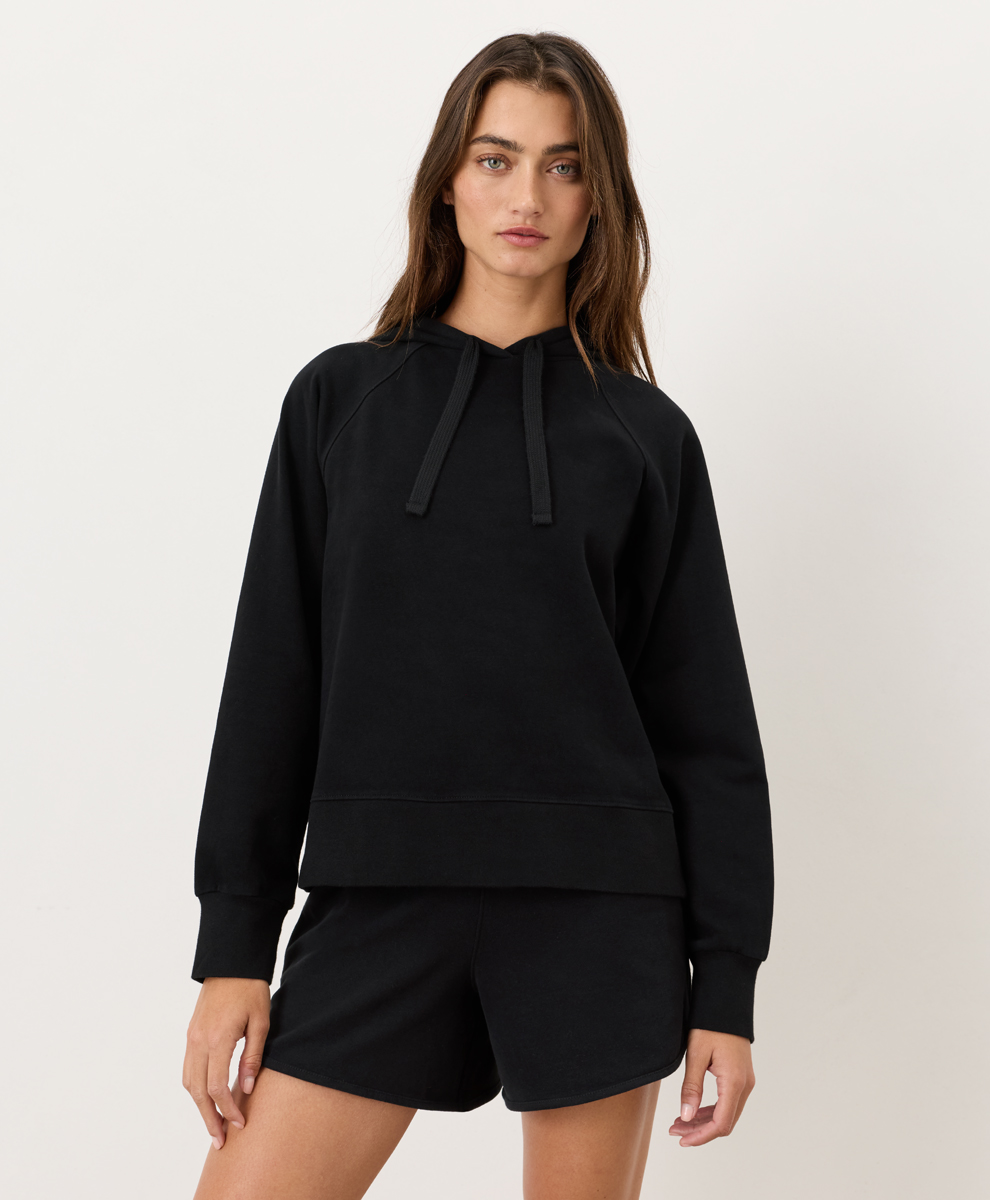
Womens Cloudknit Hoodie
Pact Apparel
$78
A note from the Phia editors
The phrase survive the wash should make you cautious, not optimistic. We would skip anything that needs heroic care for an ordinary day, and we would not buy a large stack before testing one piece through your own laundry routine. A basic that fits well but needs gentler handling may still be worth it, while a disposable-feeling bargain is not a bargain if it stays unworn. If you take one thing away: buy one useful shape, wash it as directed and judge its next wear before adding another.


