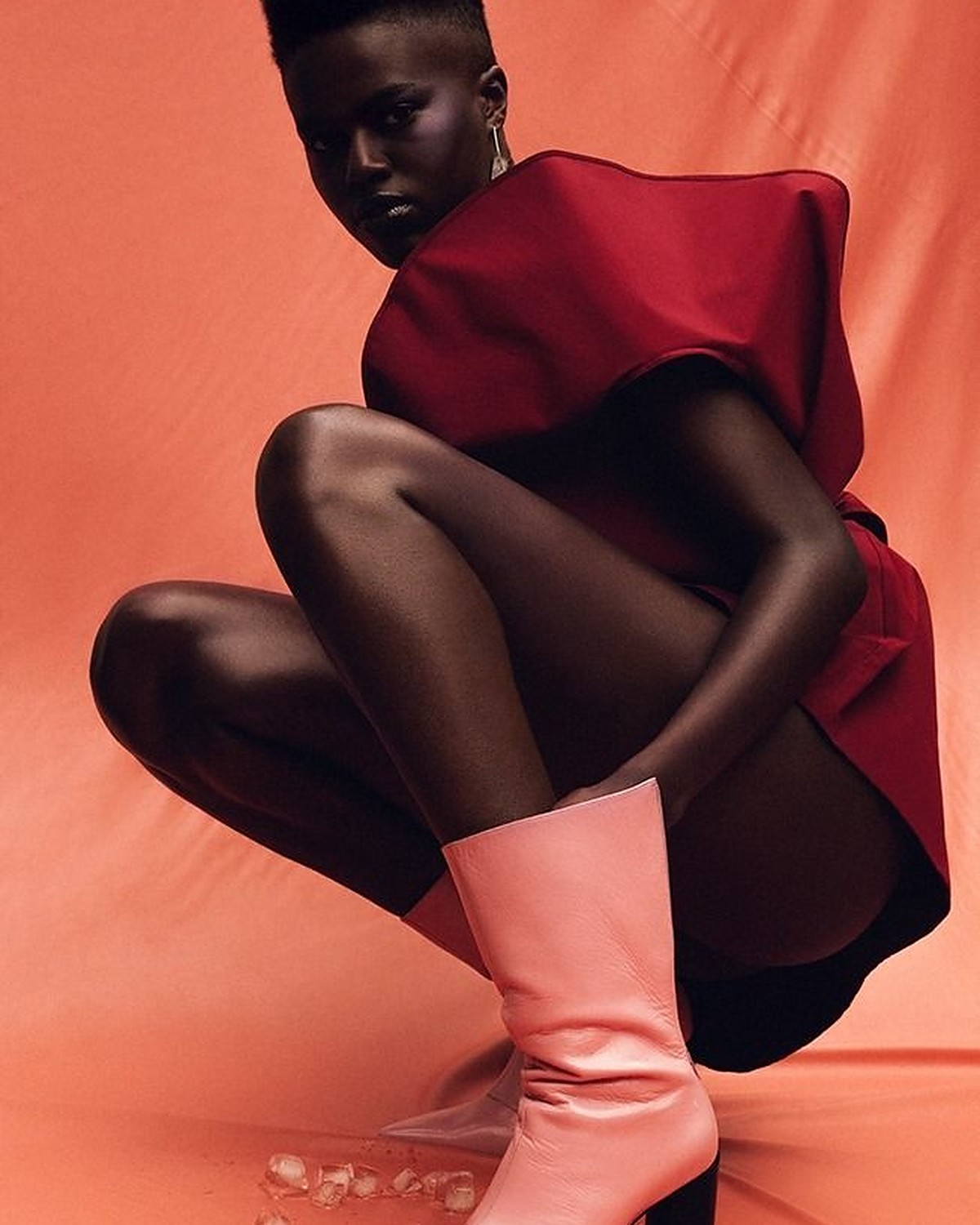
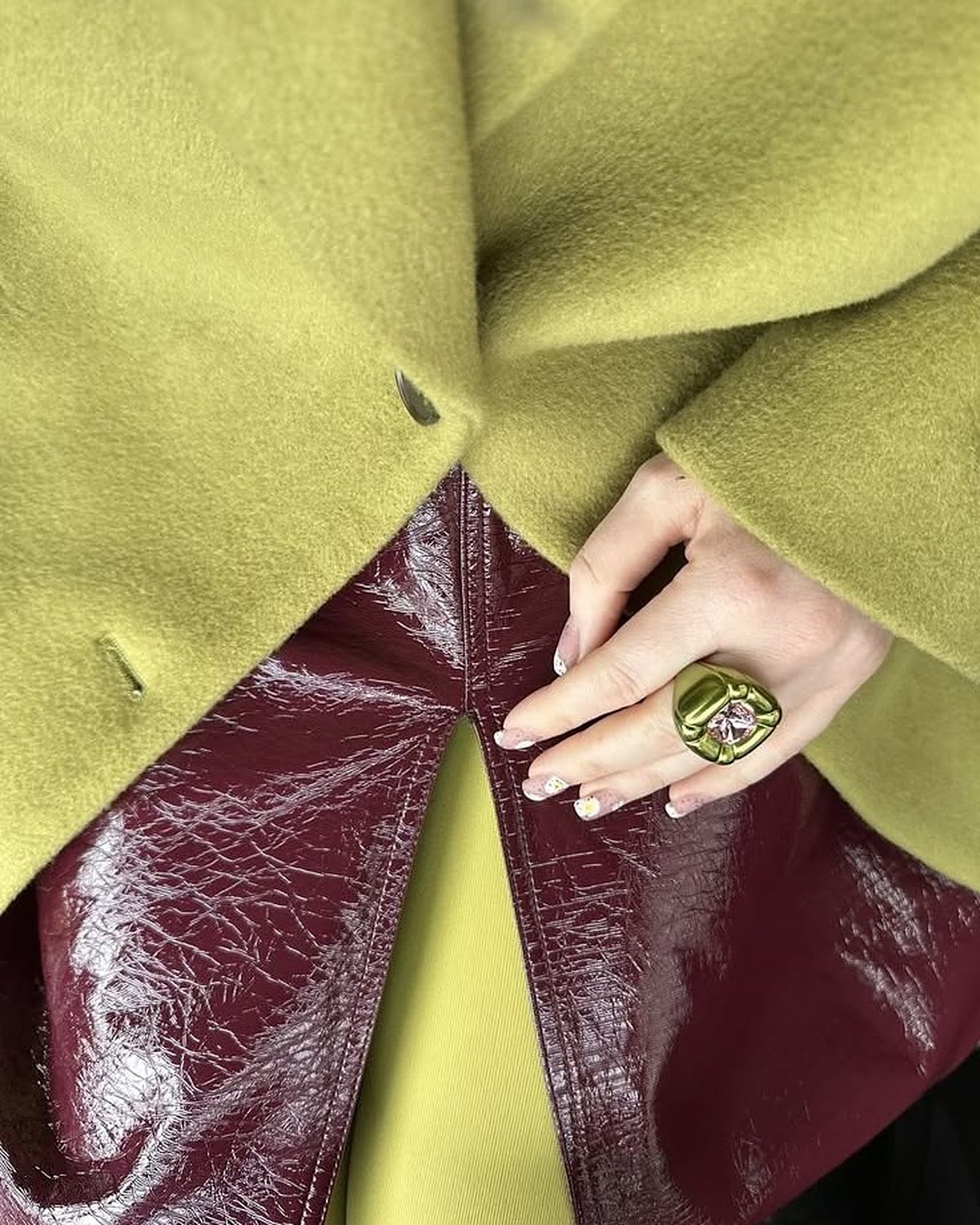
Theory began with a simple challenge: make modern clothes that could move through real life. Founded in New York in 1997 by Andrew Rosen and Elie Tahari, the label made stretch fabric and precise fit central to its idea of the urban uniform. Today the wardrobe still reads clean and practical, with enough tailoring to keep comfort from looking casual.
Theory
The Dress, Reconsidered
Theory was founded around a new kind of workwear, using stretch fabrics to make polished clothes more versatile. The dresses keep that original argument intact, balancing clean construction with movement and a few well-placed knots.

Crepe mini dress
Theory
$425

Belted crepe midi dress
Theory
$495

Knotted crepe midi dress
Theory
$495

Gathered cotton-blend poplin midi dress
Theory
$450

Ruched cotton-blend sateen midi dress
Theory
$420

Gathered cotton and nylon-blend maxi dress
Theory
$470

Belted pleated satin midi dress
Theory
$470

Linen-blend midi dress
Theory
$530
Fit Is The Point
Rosen and Tahari’s early success came from well-made pants and shirts, not from theatrical fashion gestures. These bottoms make the case for fit as a design feature, with wide legs, wool and crepe doing the quiet heavy lifting.

Crepon wide-leg pants
Theory
$315

Stretch-wool straight-leg pants
Theory
$285

Crepe straight-leg pants
Theory
$295

Gathered striped cotton-blend poplin midi skirt
Theory
$450

Satin wide-leg pants
Theory
$370

Cotton-poplin wide-leg pants
Theory
$390

Pleated silk-blend crepe midi skirt
Theory
$470

Fluid checked linen-blend shorts
Theory
$295
The Modern Uniform
Theory’s name came from the idea that clothes should be built around a philosophy rather than luck. Blazers, shirts, tanks and knits keep the wardrobe modular, so dressing well does not require a new answer every morning.

Crepe halterneck top
Theory
$275

Leenda ribbed merino wool turtleneck sweater
Theory
$235

Pleated silk-satin blouse
Theory
$295

Crepe blazer
Theory
$495

Gathered crop silk-crepe shirt
Theory
$365

Striped cotton-blend poplin shirt
Theory
$325

Tie-detailed ruched crepon blouse
Theory
$385

Halterneck ribbed tank
Theory
$270

Knotted cropped striped cotton-blend poplin shirt
Theory
$300

Striped cotton-voile tank
Theory
$330

Ribbed wool tank
Theory
$210

Belted halterneck polka-dot tank
Theory
$330

Piqué polo T-shirt
Theory
$270

Cady blouse
Theory
$330

Linen-blend top
Theory
$250

Pointelle-knit crepe T-shirt
Theory
$340
Our honest take
Theory is still most convincing when it remembers its first brief: good fabric, smart proportion and clothes that can handle a full day. If you take one thing away, start with the trouser fit, then let the rest become a supporting cast.